

Cash flow management is one of the most important financial responsibilities for small businesses because it determines whether daily operations can continue smoothly. When invoices are not tracked properly, payments can be delayed, partially paid, or completely missed, which can quickly disrupt business stability. Many small business owners still rely on manual processes like spreadsheets or email tracking, which become unreliable as transaction volume increases. This often leads to confusion, duplicated entries, and inconsistent financial records.
Another major issue is the administrative burden that comes with manual invoice management. Business owners and staff often spend hours checking payment statuses, following up with customers, and correcting data entry mistakes. These tasks take valuable time away from revenue-generating activities such as sales, customer service, and business development. Over time, this inefficiency slows down overall growth and creates unnecessary operational stress.
This is why digital solutions have become essential for modern businesses. Tools designed for invoice tracking for small businesses help centralize financial data and automate repetitive tasks. They ensure invoices are generated, delivered, and tracked automatically without constant manual intervention. As a result, businesses gain better control over their finances while reducing human error and improving efficiency.
Why Invoice and Payment Tracking Matters for Small Businesses
Proper invoice and payment tracking ensures that cash flow remains consistent and predictable, which is critical for small businesses operating with limited financial buffers. When payments are tracked accurately, business owners can plan expenses such as payroll, inventory, and operational costs with greater confidence. This level of financial clarity reduces uncertainty and helps avoid cash shortages that could disrupt operations. It also supports better long-term planning and investment decisions.
Tracking invoices also plays a key role in preventing overdue or forgotten payments. Without a structured system, invoices can easily slip through the cracks, especially when managing multiple clients. A well-organized tracking process ensures that every invoice is accounted for and followed up on time. This reduces revenue leakage and helps maintain steady income streams.
In addition, accurate tracking improves financial reporting and forecasting capabilities. Businesses can analyze payment trends, identify reliable customers, and understand seasonal cash flow patterns. This data is essential for making informed decisions and preparing for future growth. It also strengthens customer relationships by ensuring transparent and consistent billing practices.
Common Challenges in Tracking Invoices and Payments
Using spreadsheets or manual systems
Many small businesses still rely on spreadsheets or handwritten records to manage invoices and payments. These tools become difficult to maintain as transaction volume increases and data becomes scattered. Over time, this leads to disorganized records and higher risk of financial errors.
Missing due dates and late follow-ups
Without automated reminders, it is easy for business owners to forget invoice deadlines. Late follow-ups often happen because tracking is done manually or inconsistently. This results in delayed payments and unnecessary cash flow disruptions.
Human errors in data entry
Manual entry increases the likelihood of mistakes such as incorrect amounts, wrong customer details, or missing invoice numbers. These errors can cause confusion and disputes with clients. Fixing them also takes additional time and effort.
Difficulty managing multiple clients and invoices
As businesses grow, handling numerous invoices for different customers becomes increasingly complex. Without a centralized system, it is easy to lose track of which invoices are paid or pending. This creates inefficiency and financial uncertainty.
Lack of real-time financial visibility
Traditional systems do not provide instant updates on payment status. Business owners often work with outdated information that does not reflect current cash flow. This makes financial decision-making slower and less accurate.
How Small Businesses Can Keep Track of Invoices and Payments Easily
The most effective way to improve invoice tracking for small businesses is by using centralized invoicing software that consolidates all financial data into one system. This eliminates the need to switch between spreadsheets, emails, and paper records. With everything stored in one place, businesses can quickly access invoice histories, payment statuses, and customer details. This significantly improves organization and efficiency.
Automation also plays a major role in simplifying invoice management. Invoices can be automatically generated and sent as soon as a service is completed or a product is sold. This reduces delays and ensures consistency in billing practices. It also minimizes manual effort, allowing staff to focus on more important business activities.
Real-time payment tracking further enhances financial visibility. Business owners can instantly see which invoices are paid, pending, or overdue through dashboards. Automated reminders help ensure customers are notified about upcoming or missed payments. Offering multiple payment options also increases convenience and encourages faster payment completion.
Key Features That Make Tracking Easier
Modern invoicing systems include automation features that significantly simplify financial management. Automated invoicing ensures that bills are generated accurately without manual input, reducing the risk of human error. This also ensures consistency across all customer transactions, regardless of volume or complexity.
Recurring billing is especially useful for businesses with repeat customers or subscription-based services. It allows invoices to be automatically generated and charged on a set schedule. This removes repetitive administrative work and ensures payments are never missed. It also provides more predictable revenue streams.
Real-time dashboards and payment history tracking give businesses full visibility into their finances. Owners can easily monitor outstanding invoices and review customer payment behavior. Automated reminders and notifications further reduce the need for manual follow-ups. Together, these features create a more efficient and reliable billing system.
The Role of Recurring Billing in Simplifying Tracking
Recurring billing is a key component in improving invoice tracking for small businesses, especially for companies that offer ongoing services or subscriptions. Instead of manually creating invoices every billing cycle, the system automatically generates and processes payments on a scheduled basis. This eliminates repetitive tasks and reduces administrative workload significantly.
It also improves consistency in revenue collection. Businesses no longer need to worry about forgetting to bill regular customers or missing scheduled payments. This ensures that income flows steadily and predictably each cycle. It also reduces friction between the business and its customers.
From a financial planning perspective, recurring billing provides stability and predictability. Businesses can forecast revenue more accurately because payments are automated and consistent. This helps in budgeting, resource allocation, and long-term strategic planning. It ultimately supports more sustainable business growth.
Best Practices for Managing Invoices and Payments
Send invoices immediately after service or sale
Issuing invoices right after completing a transaction helps ensure customers receive billing information promptly. This reduces delays in payment processing and improves cash flow consistency. It also minimizes the chance of invoices being forgotten.
Keep payment terms clear and simple
Clear payment terms help prevent misunderstandings between businesses and customers. They should include due dates, accepted payment methods, and any late fee policies. Simplicity encourages faster compliance and fewer disputes.
Automate reminders and follow-ups
Automated reminders ensure customers are notified about upcoming or overdue payments without manual effort. This reduces the workload for staff and ensures consistent communication. It also improves the likelihood of on-time payments.
Regularly reconcile accounts
Frequent reconciliation helps ensure that recorded transactions match actual payments received. This helps identify discrepancies early before they become larger issues. It also keeps financial records accurate and reliable.
Encourage customers to use auto-pay
Auto-pay systems reduce late or missed payments by automatically deducting funds on schedule. This provides convenience for customers and stability for businesses. It also improves overall cash flow predictability.
How Automation Improves Small Business Financial Management
Automation significantly reduces manual workload by eliminating repetitive invoicing and tracking tasks. Instead of manually creating invoices and following up with customers, systems handle these processes automatically. This allows business owners to focus more on growth-oriented activities rather than administrative work.
It also improves payment speed by ensuring invoices are delivered immediately and reminders are sent on schedule. Customers are less likely to forget payments when they receive timely notifications. This results in faster collections and improved cash flow consistency.
Another major benefit is improved accuracy in financial records. Automated systems reduce human error in data entry and calculations. This ensures that business owners always have reliable financial information for decision-making. It also provides real-time visibility into business performance.
Key Benefits of Easy Invoice and Payment Tracking
- Improves cash flow consistency: Accurate tracking ensures that payments are collected on time and monitored effectively. This reduces financial uncertainty and helps businesses maintain steady operations. It also supports better budgeting and planning.
- Reduces overdue payments: Automated tracking systems help identify and follow up on unpaid invoices quickly. This minimizes delays and improves payment recovery rates. It also reduces the risk of long-outstanding debts.
- Saves time on administrative tasks: Automation reduces the need for manual invoicing, tracking, and follow-ups. This allows business owners and staff to focus on more strategic activities. It significantly improves overall productivity.
- Enhances financial accuracy: Digital systems reduce human errors in calculations and record-keeping. This ensures that financial data is more reliable and consistent. It also improves reporting and compliance accuracy.
- Supports business growth and scalability: Efficient tracking systems make it easier to manage more clients and transactions. Businesses can scale without increasing administrative burden. This supports long-term growth and operational efficiency.
Common Use Cases
- Freelancers and consultants: Freelancers use invoice tracking tools to manage multiple clients and projects efficiently. It helps ensure timely payments and organized records for each engagement. This also improves professionalism and financial stability.
- Service-based small businesses: Businesses like cleaning services, repair shops, and marketing agencies rely on invoicing systems for both one-time and recurring services. It simplifies billing and reduces manual administrative work. It also improves cash flow consistency.
- Subscription-based services: These businesses depend heavily on recurring billing and automated payment tracking. It ensures customers are billed consistently without manual intervention. This supports predictable revenue streams.
- Retail and eCommerce businesses: Retailers use tracking systems to manage sales invoices and customer payments efficiently. It helps maintain accurate transaction records across multiple sales channels. This improves financial organization and reporting.
- Property management and rentals: Property managers use invoice tracking for rent collection and tenant billing. It helps automate monthly payment cycles and reduces missed payments. This improves efficiency and tenant management.
How ReliaBills Helps Small Businesses Track Invoices and Payments
ReliaBills simplifies financial management for small businesses by centralizing invoicing, payment tracking, and customer billing into one streamlined platform. Instead of relying on spreadsheets or manual records, businesses can generate and send invoices automatically while maintaining a clear view of all payment activity. This significantly improves efficiency and reduces the risk of missed or delayed invoices. It also supports better organization by keeping all financial data in one accessible system.
One of the most important advantages for growing businesses is automated recurring billing. ReliaBills allows companies to set up scheduled billing for repeat customers, subscription services, or ongoing contracts without manual intervention. This ensures invoices are sent and payments are collected consistently on time. As a result, businesses benefit from more predictable cash flow and reduced administrative workload.
ReliaBills PLUS enhances these capabilities with advanced reporting, automation tools, and customer management features designed for better financial control. Businesses gain deeper insights into outstanding invoices, payment trends, and revenue performance, helping them make more informed decisions. With improved visibility and automation, small businesses can scale operations more efficiently while maintaining accuracy in invoice tracking for small businesses.
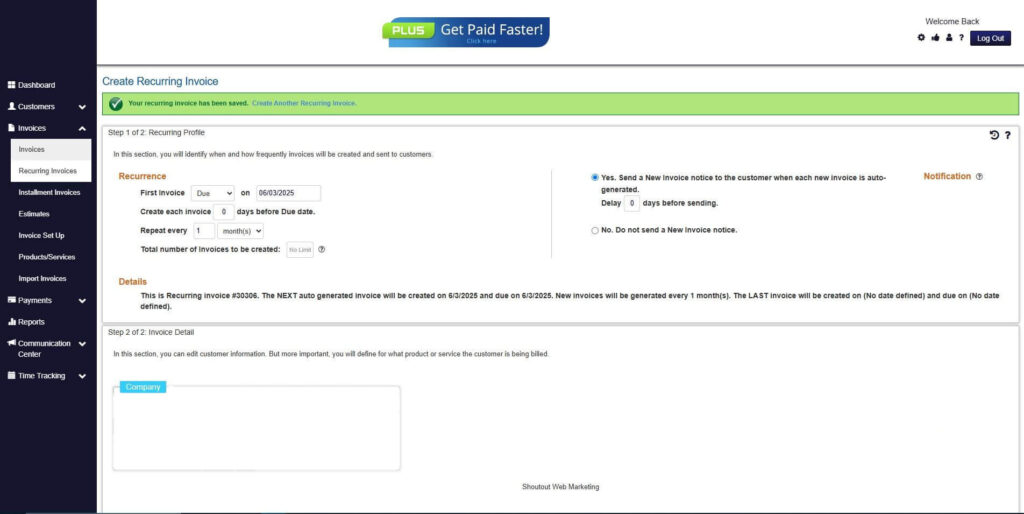
How to Create a New Recurring Invoice Using ReliaBills
Creating a New Recurring Invoice using ReliaBills involves the following steps:
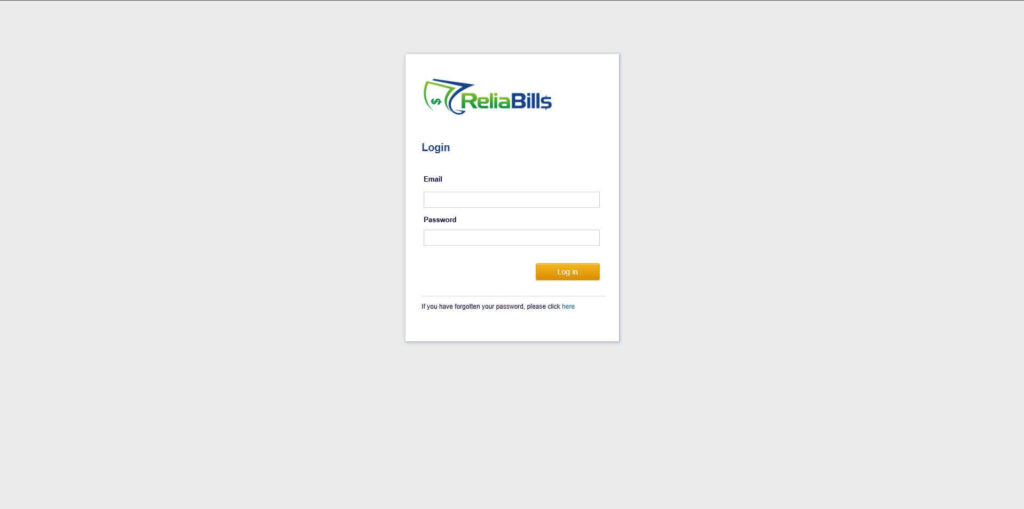
Step 1: Login to ReliaBills
- Access your ReliaBills Account using your login credentials. If you don’t have an account, sign up here.
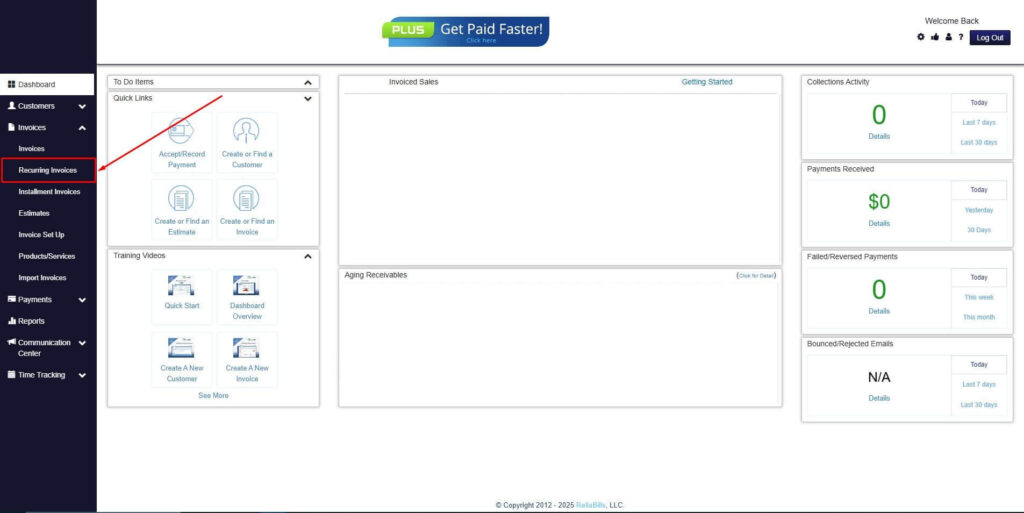
Step 2: Click on Recurring Invoices
- Navigate to the Invoices Dropdown and click on Recurring Invoices for an overview of the list of your existing customers.
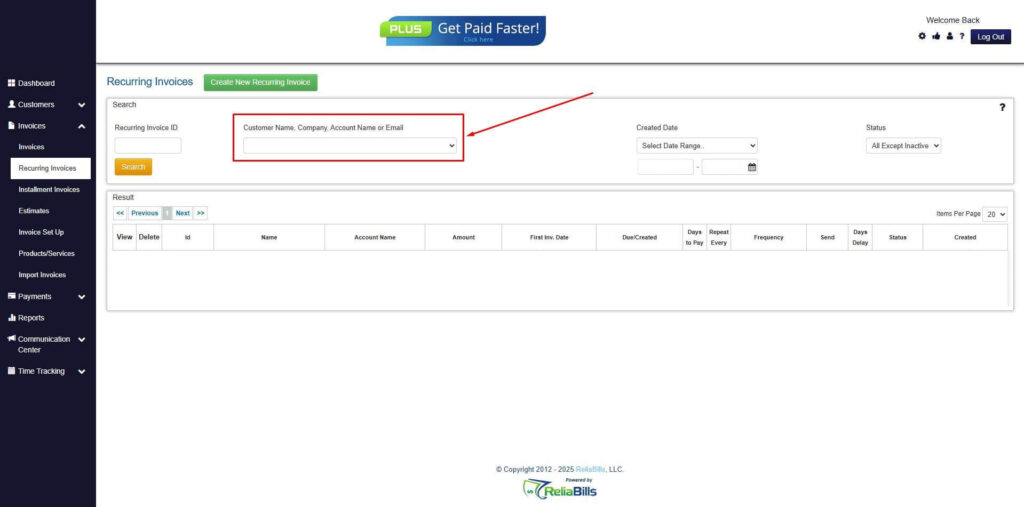
Step 3: Go to the Customers Tab
- If you have already created a customer, search for them in the Customers tab and make sure their status is “Active”.
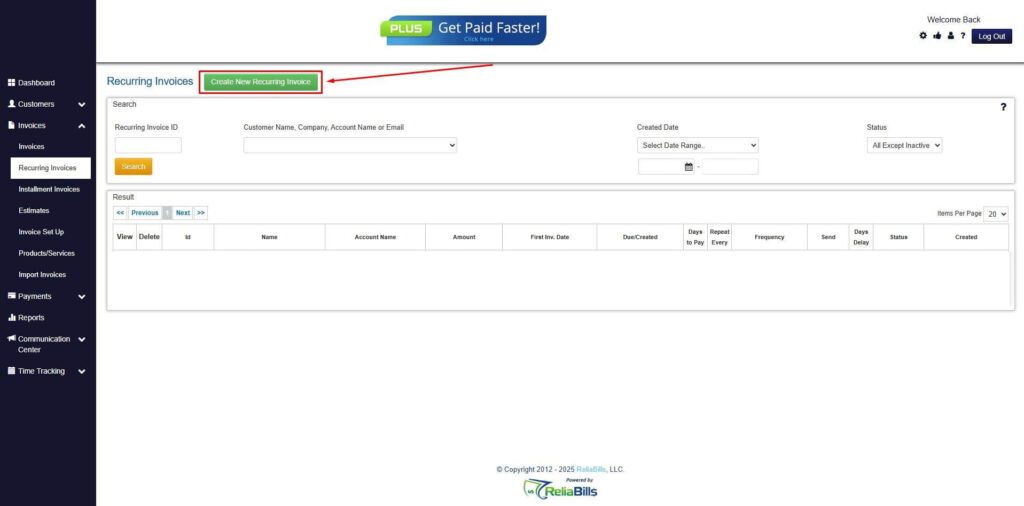
Step 4: Click the Create New Recurring Invoice
- If you haven’t created any customers yet, click the Create New Recurring Invoice to create a new customer.
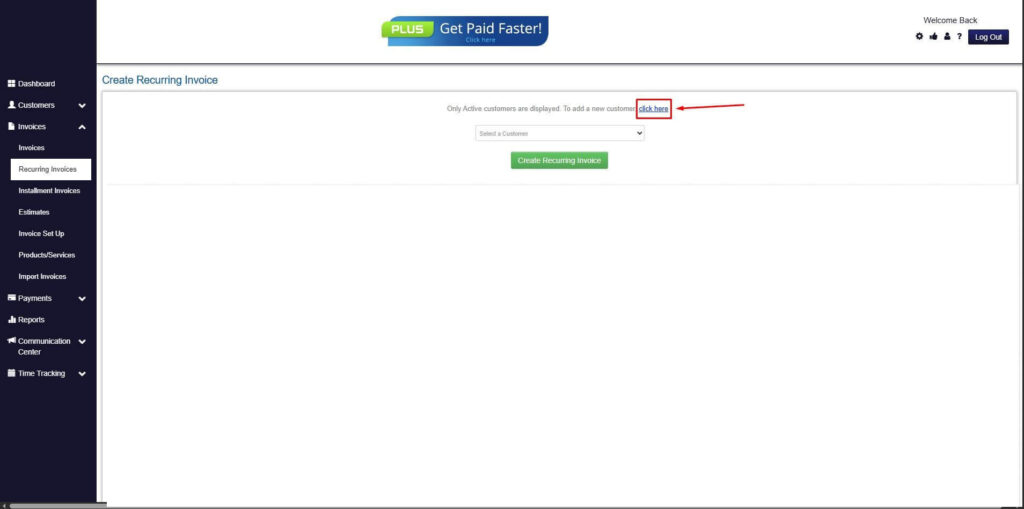
Step 5: Click on the “Click here” Button
- Click on the “Click here” button to proceed with the recurring invoice creation.
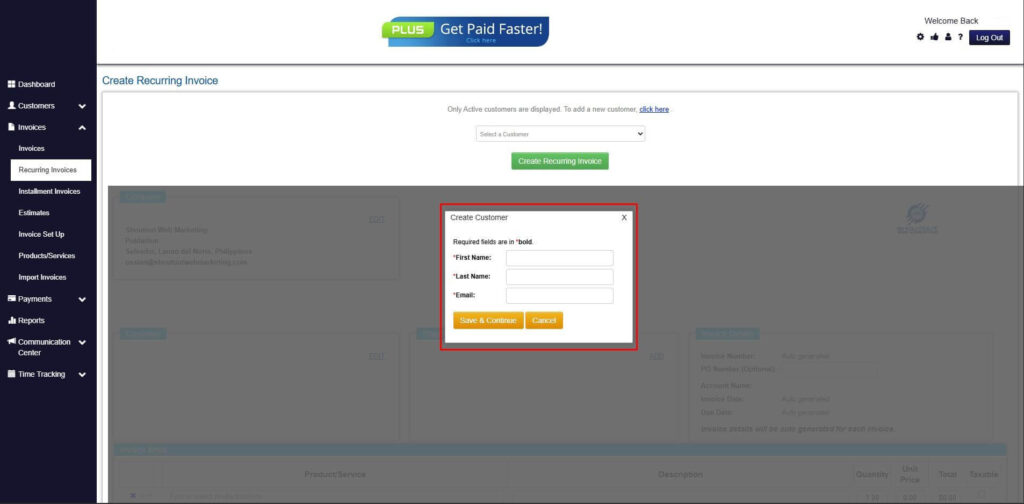
Step 6: Create Customer
- Provide your First Name, Last Name, and Email to proceed.
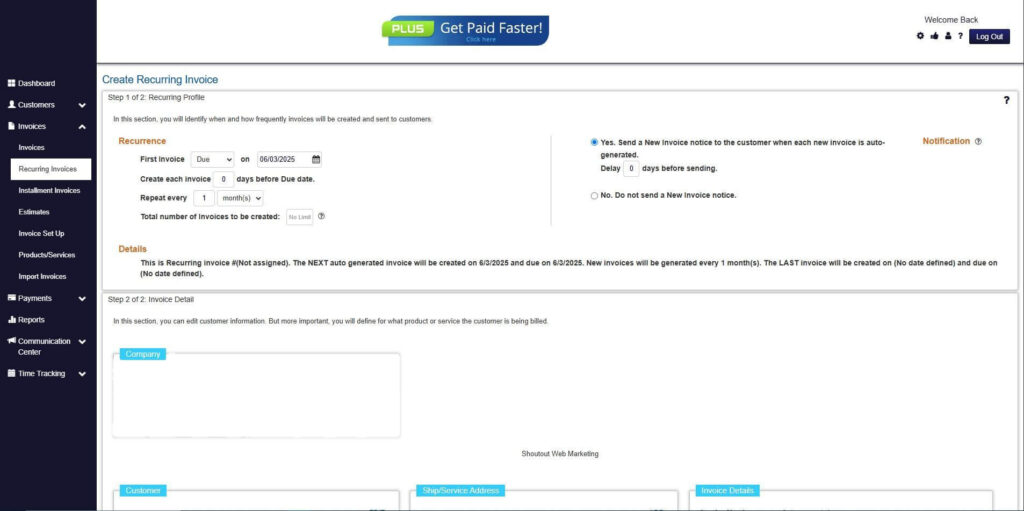
Step 7: Fill in the Create Recurring Invoice Form
- Fill in all the necessary fields.
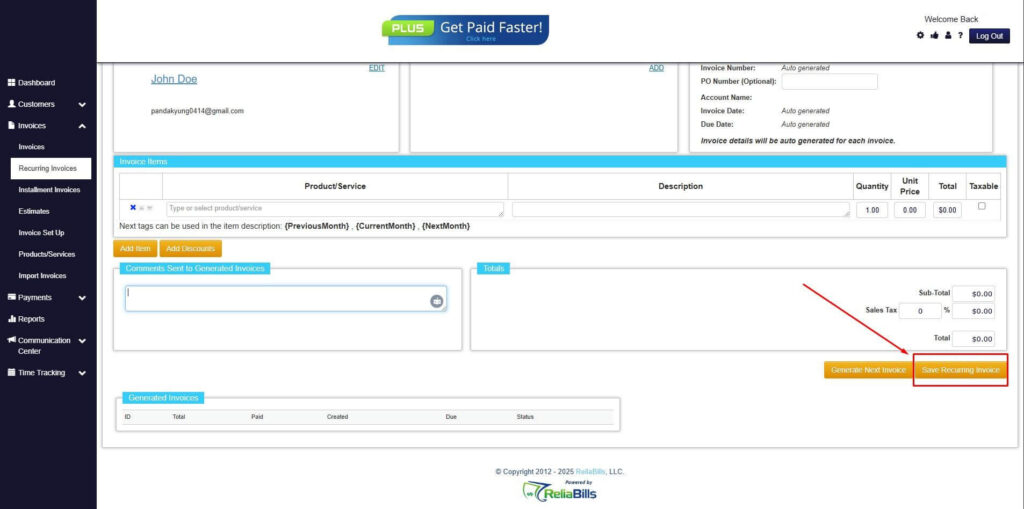
Step 8: Save Recurring Invoice
- After filling up the form, click “Save Recurring Invoice” to continue.
Step 9: Recurring Invoice Created
- Your Recurring Invoice has been created.
Frequently Asked Questions (FAQs)
1. What is the easiest way to track invoices and payments?
The easiest way is to use automated invoicing software that centralizes all billing data. These systems provide real-time tracking and reduce manual effort. They also help minimize errors and improve efficiency.
2. Can small businesses automate invoice tracking?
Yes, small businesses can fully automate invoice tracking using modern billing tools. These platforms handle invoice creation, reminders, and payment updates automatically. This reduces workload and improves accuracy.
3. How does recurring billing help with payment tracking?
Recurring billing automates repeated invoices and payments on a set schedule. This ensures consistency and reduces the risk of missed billing cycles. It also improves cash flow predictability.
4. What tools are best for small business invoicing?
The best tools are cloud-based invoicing platforms with automation, payment tracking, and reporting features. They should also support online payments and reminders. Integration with accounting systems is an added advantage.
5. Is invoice tracking important for freelancers?
Yes, freelancers rely heavily on invoice tracking to manage multiple clients and projects. It ensures timely payments and organized financial records. It also helps maintain a professional business structure.
Conclusion
Keeping track of invoices and payments is essential for maintaining financial stability in any small business. Manual methods are no longer sufficient in today’s fast-paced and competitive environment. They often lead to errors, delays, and inefficient financial management.
Using modern tools designed for invoice tracking for small businesses allows owners to automate invoicing, improve accuracy, and gain real-time visibility into their finances. Recurring billing further enhances efficiency by ensuring consistent and predictable payments.
As businesses continue to grow, adopting digital invoicing systems becomes increasingly important. Automation not only improves financial control but also supports scalability, efficiency, and long-term business success.