

Freight and logistics companies operate on thin margins where timing matters just as much as pricing. Cash flow is constantly moving in and out of the business to cover fuel, driver wages, port fees, warehouse costs, and vehicle maintenance. When customer payments are delayed, even for a short period, it can disrupt day-to-day operations and force companies to rely on reserves or credit lines.
Overdue shipping invoices are especially common in logistics because billing is often tied to multiple moving parts—delivery confirmation, distance, weight, surcharges, and contract terms. This complexity creates room for delays, disputes, and manual processing errors. As a result, many freight companies experience inconsistent cash inflows that make planning difficult.
To prevent overdue freight invoices, more logistics businesses are shifting toward automation, recurring billing, and real-time invoicing systems. These tools reduce human error, speed up billing cycles, and improve payment visibility. The result is a more predictable cash flow structure that supports operational stability and growth.
What Are Shipping Invoices in Freight Operations?
Shipping invoices are formal billing documents issued by freight companies to charge customers for transportation and logistics services. They serve as the official record of services rendered and the amount owed by the customer. Without them, there is no structured way to enforce payment or track revenue accurately.
These invoices typically include multiple cost components such as base freight charges, fuel surcharges, handling fees, customs duties, and insurance costs. Depending on the shipment type, pricing may also vary based on urgency, distance, weight, or special handling requirements. This makes freight billing more complex than standard service invoicing.
Because of this complexity, shipping invoices play a critical role in financial operations. They ensure that every service delivered is properly billed and accounted for. Any delay or error in invoice generation directly affects cash flow and increases the risk of overdue payments.
Why Shipping Invoices Commonly Become Overdue
One of the biggest reasons shipping invoices become overdue is pricing complexity. Customers often question charges when invoices lack clear breakdowns or transparency. These disputes can delay approvals and slow down the payment process significantly.
Another major issue is delayed invoice generation. In many freight companies, invoices are created manually after delivery confirmation, which can take days or even weeks. This gap between service completion and billing increases the likelihood of late payments.
Manual tracking also contributes heavily to overdue invoices. Without automated systems, finance teams must monitor due dates, send reminders, and follow up individually. On top of that, customer-side issues like cash flow constraints or unclear payment terms further increase delays.
Impact of Overdue Shipping Invoices on Freight Companies
When invoices remain unpaid, freight companies experience immediate cash flow pressure. Operational expenses such as fuel, tolls, and driver payments must still be covered regardless of incoming revenue. This creates financial strain that can limit business growth.
Administrative teams also face increased workload when managing overdue accounts. They must track down payments, send reminders, and resolve disputes manually. As invoice volume grows, this becomes increasingly inefficient and time-consuming.
Overdue invoices also weaken customer relationships and reduce financial predictability. Frequent payment delays make forecasting difficult and affect strategic planning. Over time, this can impact service quality and business scalability.
How Freight Companies Can Prevent Overdue Shipping Invoices
To prevent overdue freight invoices, companies should automate invoice generation immediately after shipment completion. This ensures billing happens without delay and aligns closely with service delivery timelines. Faster invoicing naturally leads to faster payment cycles.
Freight companies should also define clear payment terms upfront, including due dates, penalties, and acceptable payment methods. When expectations are transparent, customers are more likely to comply. Clear policies reduce confusion and prevent disputes.
Recurring billing is especially useful for long-term contracts and repeat customers. It automates invoice creation on a fixed schedule, removing the need for manual intervention. When combined with auto-pay options, it significantly reduces late payments.
Automated reminders before and after due dates further improve collection rates. These reminders keep invoices visible to customers and reduce forgetfulness. This helps maintain consistent cash flow across operations.
Key Features That Help Prevent Overdue Shipping Invoices
Automated invoice generation tied to shipment data
Invoices are automatically created once shipment milestones are completed or confirmed. This removes delays caused by manual billing processes. It ensures customers are billed immediately after service delivery, improving payment speed and reducing overdue risk.
Real-time invoice tracking and payment status updates
Businesses can see exactly which invoices are paid, pending, or overdue at any time. This visibility allows finance teams to prioritize collections effectively. It also strengthens prevent overdue freight invoices strategies by improving financial awareness.
Recurring billing for long-term freight contracts
Contracts with regular clients can be billed automatically on scheduled cycles. This eliminates repetitive manual work and ensures consistency in invoicing. It also stabilizes revenue forecasting.
Automated payment reminders and dunning workflows
The system sends structured reminders before and after due dates. These workflows escalate reminders if payments remain unpaid. This improves recovery rates and reduces overdue accounts.
Multiple payment methods (card, bank transfer, ACH)
Offering flexible payment options reduces friction during checkout. Customers can pay through their preferred method without delay. This directly improves on-time payment rates.
Customer billing portals for transparency
Clients can access invoices, payment history, and outstanding balances anytime. This reduces confusion and disputes. Transparency encourages faster payments and stronger trust.
The Role of Recurring Billing in Freight Invoice Management
Recurring billing helps stabilize freight invoicing by creating predictable billing cycles. Instead of generating invoices manually each time, businesses automate billing for regular shipments. This reduces administrative delays and improves consistency.
It is especially useful for freight companies with long-term contracts or scheduled shipping agreements. Every billing cycle is handled automatically, ensuring no invoice is missed or delayed. This improves operational efficiency significantly.
Over time, recurring billing supports more reliable cash flow forecasting. Businesses can better predict incoming revenue and manage expenses accordingly. This is essential for maintaining financial stability in logistics operations.
Common Challenges Without Automation
Without automation, freight companies often experience delays in invoice creation after shipments are completed. This slows down the entire billing cycle and increases the risk of overdue payments. Manual dependency also creates bottlenecks in finance operations.
Another major issue is lost or delayed invoices. Paper-based or spreadsheet systems make it difficult to track billing status accurately. This increases the likelihood of missed payments and disputes.
Additionally, manual billing increases the chance of pricing errors or missing charges. These mistakes often lead to customer disputes, which further delay payments. Over time, this negatively impacts cash flow stability.
Best Practices for Preventing Overdue Freight Invoices
Issue invoices immediately after shipment delivery
Freight companies should generate invoices as soon as a shipment is completed or confirmed. Delays between delivery and billing increase the chance of late payments and disputes. Immediate invoicing also improves cash flow consistency because customers receive billing details while the service is still fresh in their minds. This is one of the most effective ways to prevent overdue freight invoices in daily operations.
Standardize pricing and billing structures
A clear and consistent pricing model reduces confusion and prevents disputes over charges. When customers understand exactly how fees are calculated—fuel surcharges, handling, distance, or weight—they are more likely to pay on time. Standardization also improves internal efficiency because billing teams follow a predictable structure. Over time, it reduces invoice errors and delays significantly.
Automate reminders and follow-ups
Automated reminder systems ensure that customers are notified before and after due dates without manual intervention. This eliminates the risk of missed follow-ups by staff and ensures consistent communication. Reminders also help keep invoices top-of-mind for customers who manage multiple vendors. This improves payment speed and reduces overdue balances.
Offer auto-pay for frequent shipping clients
Auto-pay allows recurring customers to have invoices automatically charged on due dates. This removes manual payment delays and significantly improves collection rates. It is especially useful for high-volume or contract-based freight services. Over time, it helps stabilize cash flow and reduce administrative workload.
Regularly review accounts receivable aging reports
Monitoring aging reports helps freight companies identify overdue invoices early. These reports categorize invoices by how long they have been unpaid, making risk easier to manage. Early detection allows teams to take corrective action before debts become uncollectible. This strengthens financial control and improves forecasting accuracy.
How Automation Improves Freight Billing Efficiency
Automation significantly speeds up invoice generation by linking billing directly to shipment events. This reduces the gap between delivery and invoicing. Faster invoicing leads to faster payments and improved cash flow.
It also reduces human error in billing calculations and invoice creation. Automated systems ensure accuracy across all transactions. This minimizes disputes and improves customer satisfaction.
Additionally, automation improves visibility into outstanding invoices. Finance teams can track overdue accounts in real time and act quickly. This enhances overall financial stability and operational efficiency.
Key Benefits of Preventing Overdue Shipping Invoices
Improved cash flow and operational stability
When invoices are paid on time, freight companies can consistently cover essential costs like fuel, labor, and maintenance. This reduces dependency on credit lines or emergency funding. Stable cash flow also allows better planning for expansion and fleet management. Ultimately, it creates a more resilient business structure.
Reduced administrative workload
Preventing overdue invoices reduces the need for constant follow-ups, manual tracking, and dispute handling. Finance teams can focus on higher-value tasks instead of chasing payments. Automation also minimizes repetitive administrative work. This leads to improved efficiency across the organization.
Enhanced customer payment consistency
Clear billing systems and automation encourage customers to pay on time more consistently. Predictable billing cycles help build trust and reduce confusion. When customers know what to expect, delays naturally decrease. This improves long-term business relationships.
Minimized billing disputes and errors
Accurate, standardized, and automated invoicing reduces the likelihood of pricing mistakes or missing charges. Fewer errors mean fewer disputes and faster payment approvals. This also improves customer satisfaction and reduces back-and-forth communication.
Stronger financial forecasting and planning
With fewer overdue invoices, businesses gain clearer visibility into expected revenue. This allows more accurate forecasting for expenses, investments, and expansion. Reliable financial data is essential for strategic decision-making.
Common Use Cases
- Freight forwarding companies: These businesses handle international and domestic shipments with complex billing structures. Preventing overdue invoices ensures smoother cross-border operations and better cash flow management.
- Logistics and 3PL providers: Third-party logistics companies manage multiple clients and shipments simultaneously. Automated invoicing helps reduce billing delays and improves scalability.
- Courier and delivery services: High-volume delivery operations benefit from fast, automated billing cycles. This ensures that frequent deliveries are billed accurately and on time.
- Warehousing and distribution companies: These companies often charge storage, handling, and distribution fees. Consistent invoicing prevents revenue leakage and improves operational efficiency.
- International shipping operators: Cross-border logistics involves complex pricing, taxes, and documentation. Automated systems help ensure accuracy and timely billing across regions.
How ReliaBills Helps Freight Companies Prevent Overdue Invoices
ReliaBills helps freight companies prevent overdue freight invoices by automating the entire billing lifecycle from invoice creation to payment tracking. Instead of relying on manual processes that slow down operations, businesses can generate invoices immediately after shipment completion. This ensures customers are billed on time, improving cash flow consistency and reducing delays in revenue collection.
With recurring billing and automated invoicing, ReliaBills ensures that repeat clients are billed accurately and consistently without manual input. This is especially useful for freight companies managing long-term contracts or scheduled shipping agreements. Combined with automated reminders, it significantly reduces late payments and improves overall collection efficiency.
ReliaBills PLUS enhances freight billing with advanced reporting, automation workflows, and customer account management tools. These features provide deeper insights into payment behavior, overdue trends, and cash flow performance. With better visibility and control, freight companies can optimize operations and reduce financial risk more effectively.
How to Create a New Recurring Invoice Using ReliaBills
Creating a New Recurring Invoice using ReliaBills involves the following steps:
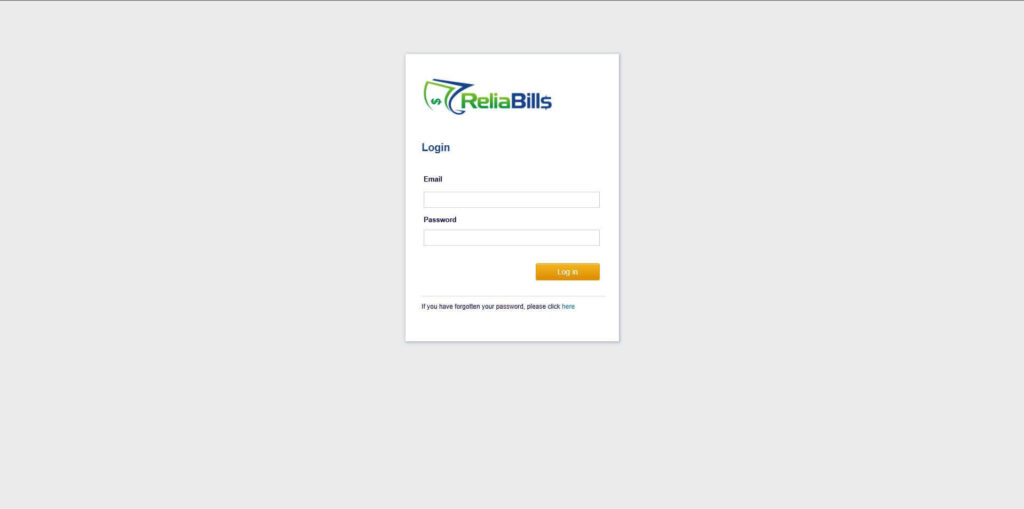
Step 1: Login to ReliaBills
- Access your ReliaBills Account using your login credentials. If you don’t have an account, sign up here.
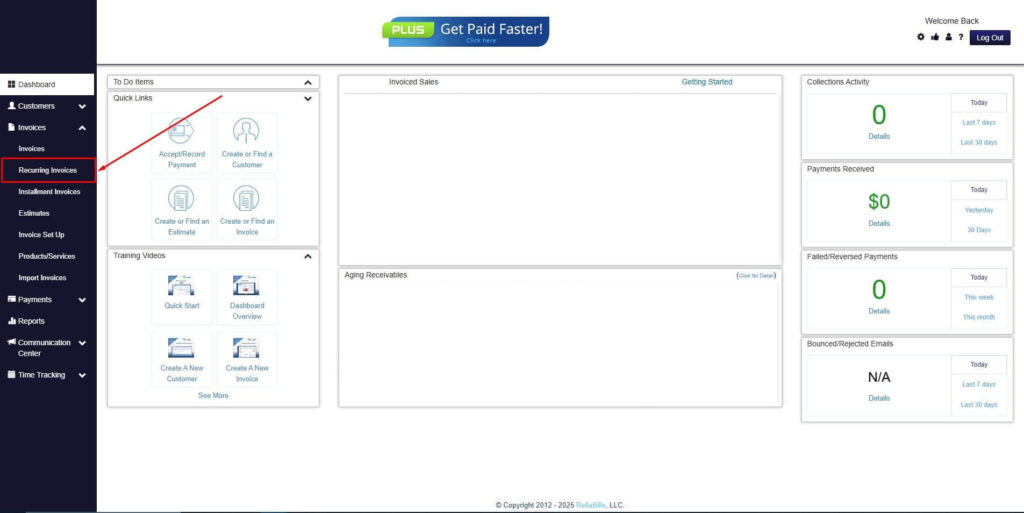
Step 2: Click on Recurring Invoices
- Navigate to the Invoices Dropdown and click on Recurring Invoices for an overview of the list of your existing customers.
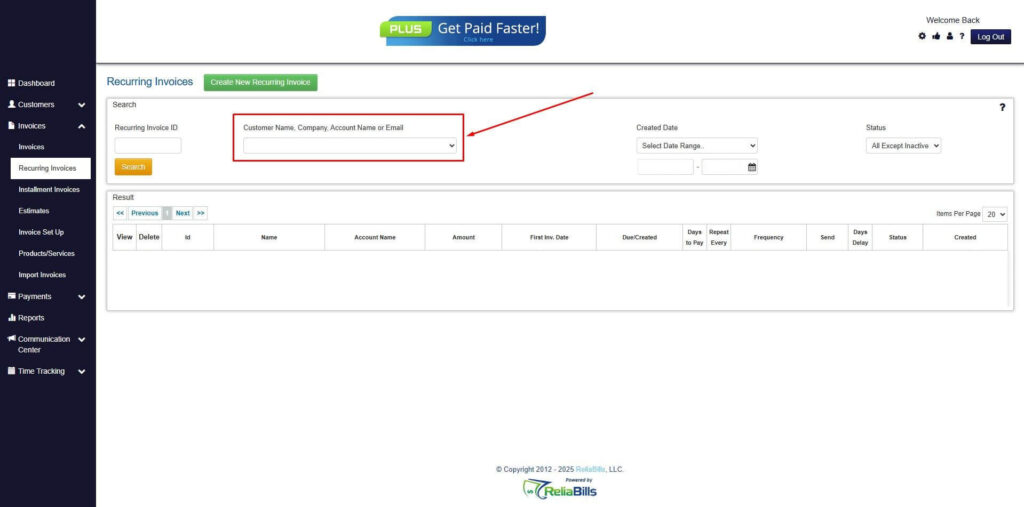
Step 3: Go to the Customers Tab
- If you have already created a customer, search for them in the Customers tab and make sure their status is “Active”.
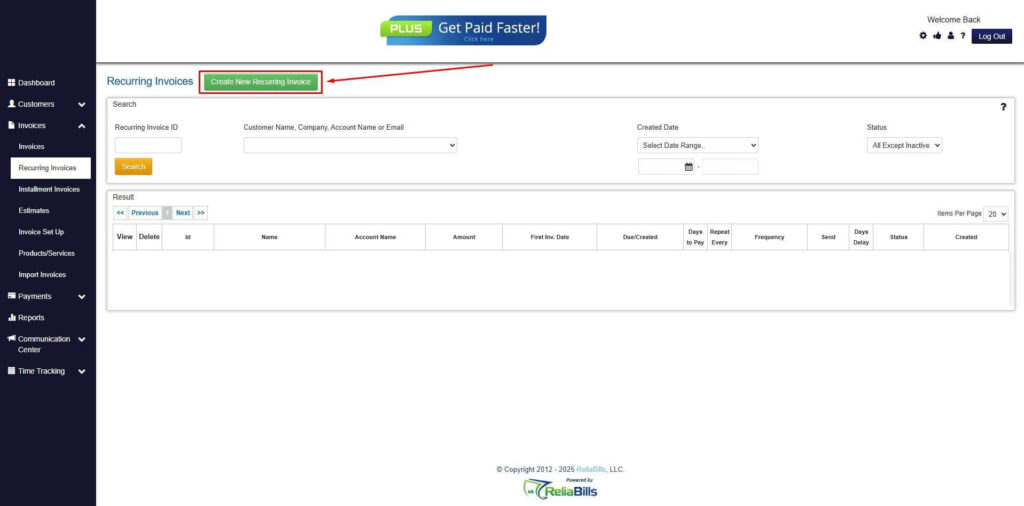
Step 4: Click the Create New Recurring Invoice
- If you haven’t created any customers yet, click the Create New Recurring Invoice to create a new customer.
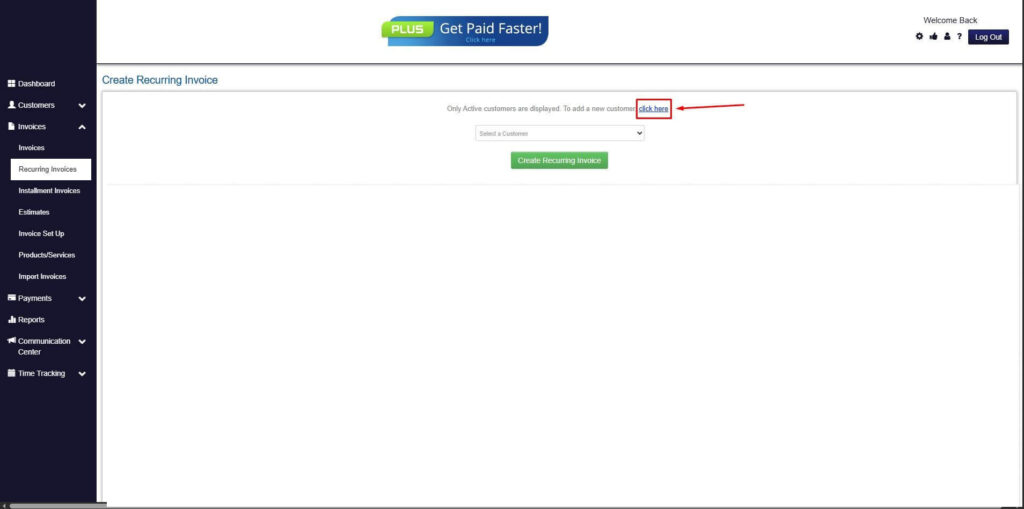
Step 5: Click on the “Click here” Button
- Click on the “Click here” button to proceed with the recurring invoice creation.
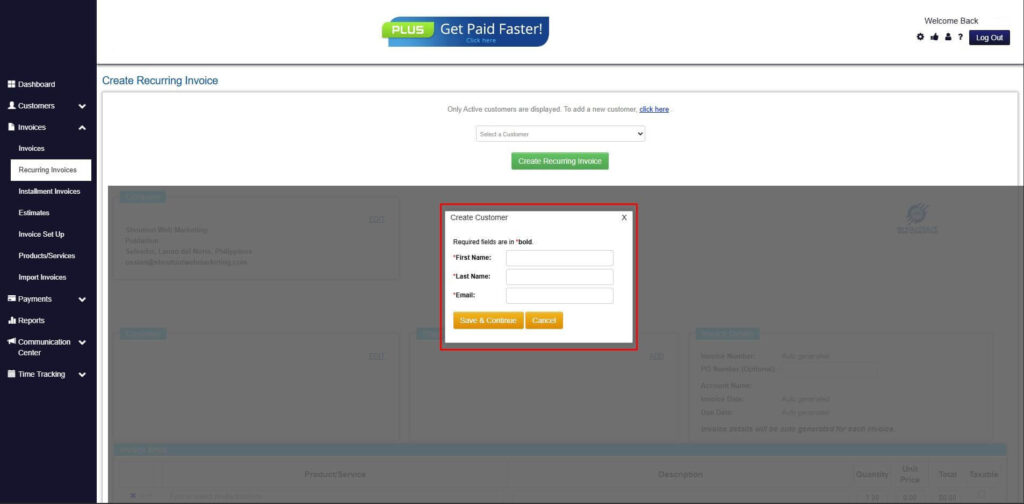
Step 6: Create Customer
- Provide your First Name, Last Name, and Email to proceed.
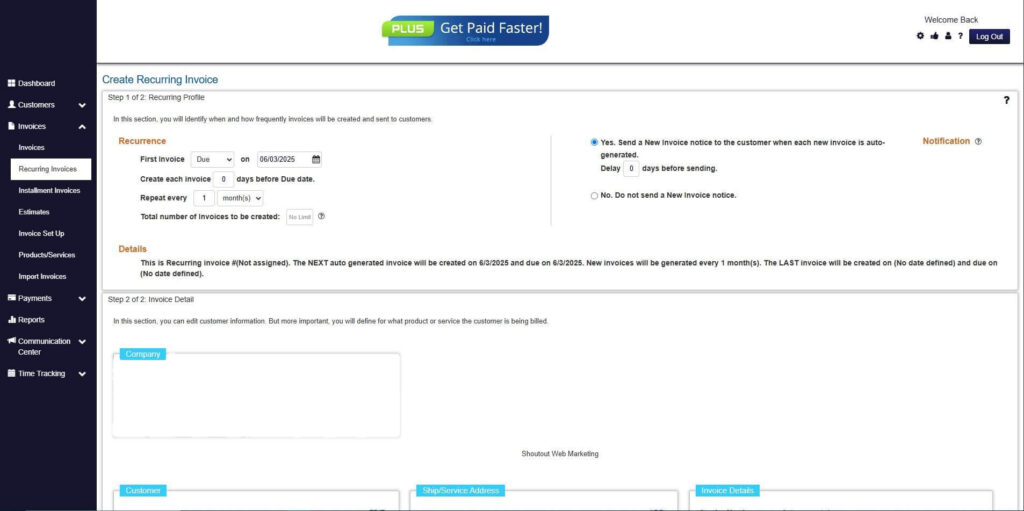
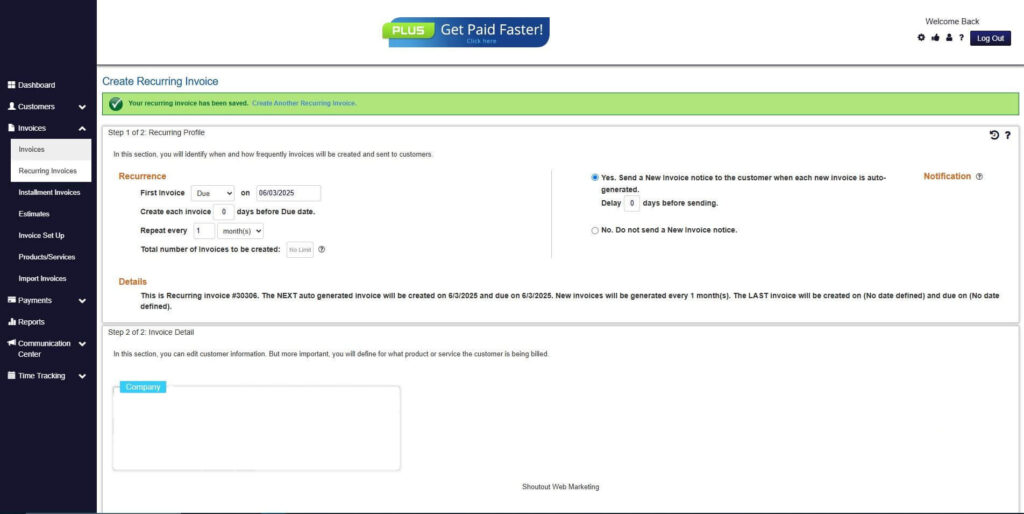
Step 7: Fill in the Create Recurring Invoice Form
- Fill in all the necessary fields.
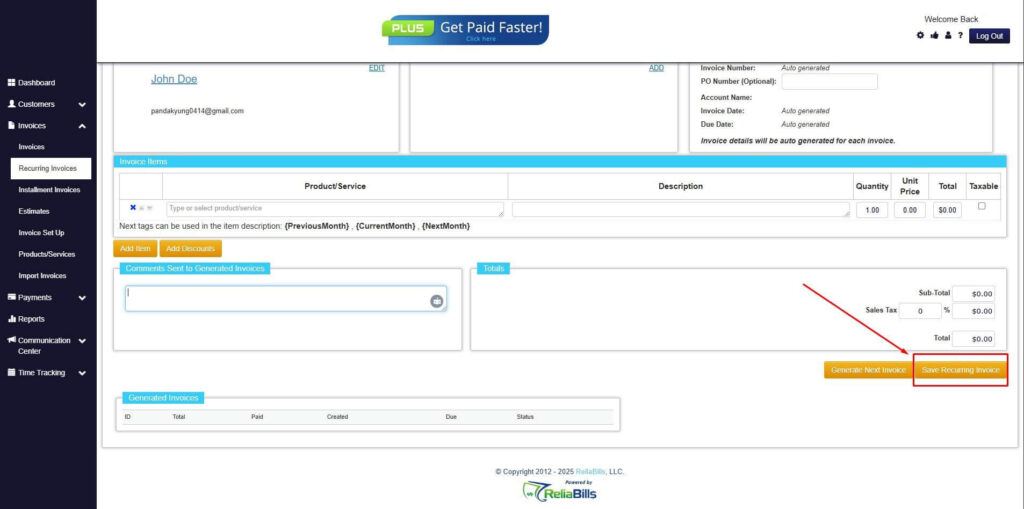
Step 8: Save Recurring Invoice
- After filling up the form, click “Save Recurring Invoice” to continue.
Step 9: Recurring Invoice Created
- Your Recurring Invoice has been created.
Frequently Asked Questions (FAQs)
1. Why do freight invoices become overdue?
Freight invoices often become overdue due to delayed billing, complex pricing structures, or customer cash flow issues. Manual processes and lack of follow-ups also contribute significantly. When invoicing is not automated, delays are almost inevitable.
2. How can freight companies reduce late payments?
Companies can reduce late payments by automating invoicing, using recurring billing for contracts, and setting clear payment terms. Automated reminders also play a key role in improving payment timing. Consistency is essential for better results.
3. Does recurring billing help logistics companies?
Yes, recurring billing ensures invoices are generated on a fixed schedule without manual effort. This reduces delays and improves payment predictability. It is especially useful for long-term freight contracts.
4. What is the best way to track shipping invoices?
The most effective method is using real-time tracking systems with dashboards and automated alerts. These systems provide instant visibility into invoice status. This helps teams act quickly on overdue accounts.
5. Can automation prevent overdue freight invoices?
Yes, automation significantly reduces overdue invoices by eliminating manual delays and improving billing accuracy. It ensures invoices are sent on time and followed up consistently. This leads to better cash flow control and fewer payment issues.
Conclusion
Freight companies can effectively prevent overdue freight invoices by adopting automation, recurring billing, and real-time tracking systems. These tools eliminate manual inefficiencies and ensure faster, more accurate billing processes.
When combined, these solutions improve cash flow stability, reduce administrative burden, and strengthen customer relationships.
As logistics operations continue to scale globally, digital billing systems are becoming essential for maintaining efficiency, financial control, and long-term business growth.