

Automotive businesses operate in a fast-moving environment where every service involves multiple billing components such as repairs, replacement parts, diagnostics, labor hours, and sometimes warranty or insurance claims. Each of these elements must be accurately tracked and billed, often under tight turnaround times after a vehicle is serviced. When handled manually, this complexity quickly becomes a source of inefficiency and financial leakage.
Many auto shops still relying on manual invoicing or spreadsheets face recurring challenges such as billing errors, delayed invoice creation, and inconsistent pricing across services. These issues don’t just slow down operations; they directly impact cash flow and customer trust. Administrative teams also spend significant time reconciling invoices instead of focusing on higher-value tasks.
This is where automotive billing automation software becomes essential. By streamlining invoice creation, tracking payments in real time, and reducing human error, automation helps automotive businesses operate with greater accuracy and speed. It transforms billing from a reactive administrative task into a proactive, revenue-driving system.
What Are Automated Billing Systems?
Automated billing systems are digital solutions designed to handle the entire invoicing and payment process with minimal manual input. In automotive businesses, these systems automatically generate invoices once a service is completed, incorporating labor time, parts used, taxes, and discounts. This ensures consistency and accuracy across all transactions.
Core functions typically include automated invoice generation, integrated payment tracking, customer billing history, and recurring billing capabilities for service plans or maintenance packages. These systems can also sync with repair order software, making it easier for technicians and front-desk staff to stay aligned without duplicating work.
Unlike manual invoicing or spreadsheet-based systems, automotive billing automation software reduces dependency on human calculations and manual data entry. This significantly lowers the risk of errors, speeds up billing cycles, and ensures that businesses maintain a real-time view of their financial operations.
Why Billing Is Complex in Automotive Businesses
Automotive billing is inherently complex because services are rarely standardized. A single job may involve diagnostics, multiple labor categories, and a combination of parts with varying pricing structures. This makes each invoice unique and difficult to process quickly using manual methods.
Additionally, pricing variability is common. Labor rates may differ depending on technician expertise, while parts pricing can fluctuate based on supplier availability. Insurance claims and warranty coverage add another layer of complexity, requiring partial billing or split payments between parties.
Finally, automotive businesses deal with a high mix of repeat customers and one-time services. Managing these different billing needs simultaneously increases the risk of missed charges, inconsistent records, and administrative overload without proper automation tools in place.
Why Automotive Businesses Use Automated Billing Systems
Automotive businesses adopt automated billing systems primarily to reduce manual workload and streamline operations. Instead of staff manually creating invoices for every service, automation ensures invoices are generated instantly once work is completed.
Accuracy is another major benefit. Automated systems eliminate common human errors such as incorrect labor hours, missing parts, or miscalculated taxes. This improves financial reliability and reduces disputes with customers over billing inconsistencies.
Speed also plays a critical role. Faster invoice delivery leads to quicker payments, improving overall cash flow. Additionally, automated billing helps manage repeat customers, fleet accounts, and service contracts more efficiently by keeping all billing records organized and accessible.
Key Features of Automated Automotive Billing Systems
Automated invoice generation after service completion
Invoices are automatically created once a repair or service job is marked complete in the system. This removes the need for manual billing and reduces delays in sending invoices to customers. It ensures every completed service is accurately and consistently billed without human oversight errors.
Labor and parts cost calculation integration
The system automatically calculates total charges based on predefined labor rates and parts pricing. This eliminates manual computation and reduces the risk of incorrect billing amounts. It also ensures transparency in how each charge is derived for both staff and customers.
Recurring billing for maintenance plans
Automotive businesses can set up automatic billing schedules for regular maintenance or service contracts. This is especially useful for fleet customers or long-term service agreements. It guarantees predictable revenue while reducing repetitive invoicing tasks.
Real-time payment tracking and updates
Businesses can monitor which invoices are paid, pending, or overdue in real time. This improves cash flow visibility and helps prioritize follow-ups for unpaid accounts. It also reduces confusion caused by outdated or missing payment records.
Auto-pay options for loyal or fleet customers
Customers can enroll in automatic payment systems linked to their accounts or service agreements. This ensures timely payments without requiring manual processing each cycle. It also improves customer convenience and reduces late payment risks.
Customer service history and billing records
All past services and associated invoices are stored in a centralized system. This makes it easier to reference previous repairs, pricing, and payment history. It supports better customer service and faster dispute resolution when needed.
The Role of Recurring Billing in Automotive Services
Recurring billing plays a crucial role in automotive businesses that offer maintenance plans, inspection packages, or subscription-based services. Instead of manually billing customers every visit, payments are automatically scheduled and processed on a fixed cycle. This reduces friction for both the business and the customer.
It also creates predictable revenue streams. Businesses can forecast income more accurately when recurring billing is in place, especially for fleet servicing or long-term maintenance contracts. This stability supports better financial planning and resource allocation.
From an operational standpoint, recurring billing eliminates repetitive administrative tasks. Staff no longer need to reissue invoices for returning customers, allowing them to focus on service quality and customer experience instead of paperwork.
Common Challenges Without Automated Billing
Billing delays after vehicle service completion
Invoices are often delayed because staff must manually compile service details and pricing. This slows down the entire payment cycle and affects cash flow. Customers may also experience frustration due to slow billing processes.
Errors in labor or parts pricing
Manual calculations increase the risk of incorrect charges for labor hours or replacement parts. These errors can lead to disputes and loss of customer trust. They may also result in financial losses for the business if underbilling occurs.
Lost invoices or missing payment records
Paper-based or spreadsheet systems can result in misplaced or duplicated records. This makes it difficult to track payment status accurately. It can also lead to accounting inconsistencies and reconciliation issues.
Slow payment cycles affecting cash flow
Without automation, invoices may take longer to reach customers and be processed. This delays incoming payments and creates cash flow gaps. Over time, it can impact business stability and operational efficiency.
Difficulty managing fleet or corporate accounts
Large clients require structured billing with multiple services and recurring charges. Manual systems struggle to keep up with these complex billing requirements. This often leads to inefficiencies and administrative overload.
How Automation Improves Automotive Business Operations
Automation significantly improves billing speed by generating invoices immediately after service completion. This reduces delays and ensures customers receive accurate bills without waiting days or weeks. Faster invoicing naturally leads to faster payments.
It also reduces human error in financial calculations. By standardizing pricing rules and automating computations, businesses minimize disputes and improve consistency across all invoices. This strengthens customer trust and operational reliability.
Additionally, automation provides better visibility into outstanding payments and financial performance. Managers can track unpaid invoices in real time, identify bottlenecks, and make informed decisions to improve cash flow and service efficiency.
Best Practices for Using Automated Billing Systems
Integrate billing with repair and service workflows
Connecting billing software directly with repair order systems ensures invoices are generated automatically. This reduces manual entry and improves accuracy across all transactions. It also streamlines communication between technicians and administrative staff.
Use standardized pricing for labor and parts
Establishing fixed pricing rules ensures consistency in billing across all services. This reduces confusion for staff and customers regarding charges. It also helps maintain fair and transparent pricing structures.
Enable auto-pay for fleet and repeat customers
Allowing recurring customers to enroll in auto-pay reduces delays in payment collection. It ensures timely revenue without manual invoicing follow-ups. It also improves customer convenience and satisfaction.
Automate reminders for overdue invoices
Automated systems can send payment reminders at scheduled intervals. This reduces the need for manual follow-ups from staff. It also increases the likelihood of faster invoice settlement.
Regularly review financial reports and invoice accuracy
Businesses should consistently audit billing data and reports generated by the system. This ensures pricing accuracy and identifies any discrepancies early. It also supports better financial planning and decision-making.
Key Benefits of Automated Billing in Automotive Businesses
- Faster payment processing and improved cash flow: Invoices are generated and delivered immediately after service completion. This accelerates the payment cycle and improves overall liquidity. Businesses gain more predictable and stable cash flow.
- Reduced administrative workload: Staff spend less time on manual invoicing and data entry tasks. This allows them to focus on customer service and core operations. It also reduces operational stress and inefficiencies.
- Higher billing accuracy and fewer disputes: Automated systems eliminate most human calculation errors. This reduces customer complaints and invoice disputes. It strengthens trust and professionalism in billing processes.
- Better customer experience and transparency: Customers receive clear and accurate invoices with itemized charges. This improves understanding of what they are paying for. It also enhances overall satisfaction and trust in the business.
- Easier management of repeat and fleet customers: Recurring billing and centralized records simplify handling of long-term clients. Businesses can track service history and payments more efficiently. This improves account management and operational scalability.
Common Use Cases
- Auto repair shops: These businesses benefit from automated invoicing for labor and parts after each repair job. It helps speed up billing and reduces errors in manual calculations. It also improves turnaround time for customer payments.
- Car dealerships with service departments: Dealerships can manage both sales and after-sales service billing in one system. This ensures consistency across all customer interactions. It also simplifies warranty and maintenance billing processes.
- Fleet maintenance providers: Fleet operators require recurring billing and bulk service tracking for multiple vehicles. Automation ensures accurate and timely invoicing across large accounts. It also reduces administrative burden significantly.
- Tire and parts service centers: These centers handle high volumes of transactions with variable pricing. Automated billing ensures fast and accurate invoice generation. It also helps manage inventory-linked pricing efficiently.
- Collision and body repair shops: These shops often deal with insurance claims and complex repair billing. Automation simplifies documentation and claim-based invoicing. It also reduces delays in reimbursement processing.
How ReliaBills Supports Automotive Businesses
Automotive businesses rely heavily on speed, accuracy, and consistency when it comes to billing after service completion. ReliaBills helps streamline this process by automating invoice creation, payment tracking, and customer billing workflows in one centralized platform. This reduces the need for manual data entry and helps auto shops and service centers get paid faster while maintaining accurate financial records.
One of the most valuable capabilities for automotive operations is recurring billing, especially for maintenance plans, service contracts, and fleet accounts. ReliaBills makes it easy to set up automated payment schedules so customers are billed consistently without repeated manual invoicing. This is especially useful for businesses managing long-term vehicle care programs where predictable billing cycles improve cash flow stability.
ReliaBills PLUS extends these capabilities with more advanced automation, reporting tools, and customer management features designed for growing automotive businesses. It provides deeper insights into outstanding invoices, payment behavior, and revenue trends, helping owners make smarter financial decisions. With these tools, automotive businesses can scale operations more efficiently while maintaining control over billing accuracy and customer experience.
How to Create a New Recurring Invoice Using ReliaBills
Creating a New Recurring Invoice using ReliaBills involves the following steps:
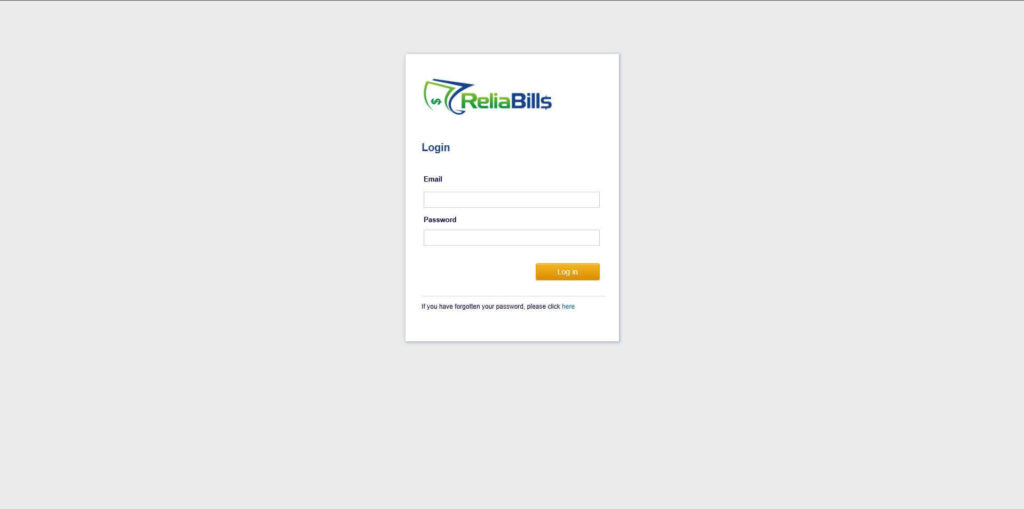
Step 1: Login to ReliaBills
- Access your ReliaBills Account using your login credentials. If you don’t have an account, sign up here.
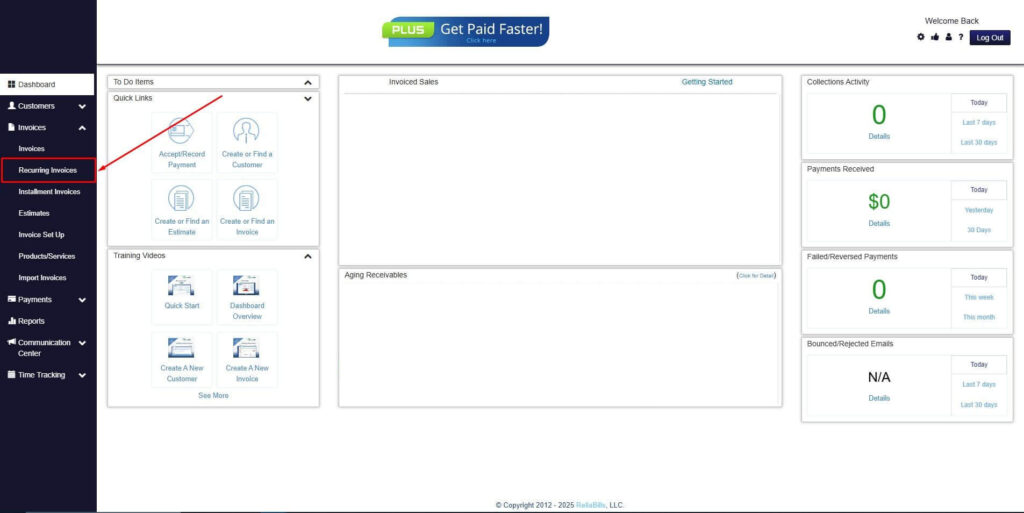
Step 2: Click on Recurring Invoices
- Navigate to the Invoices Dropdown and click on Recurring Invoices for an overview of the list of your existing customers.
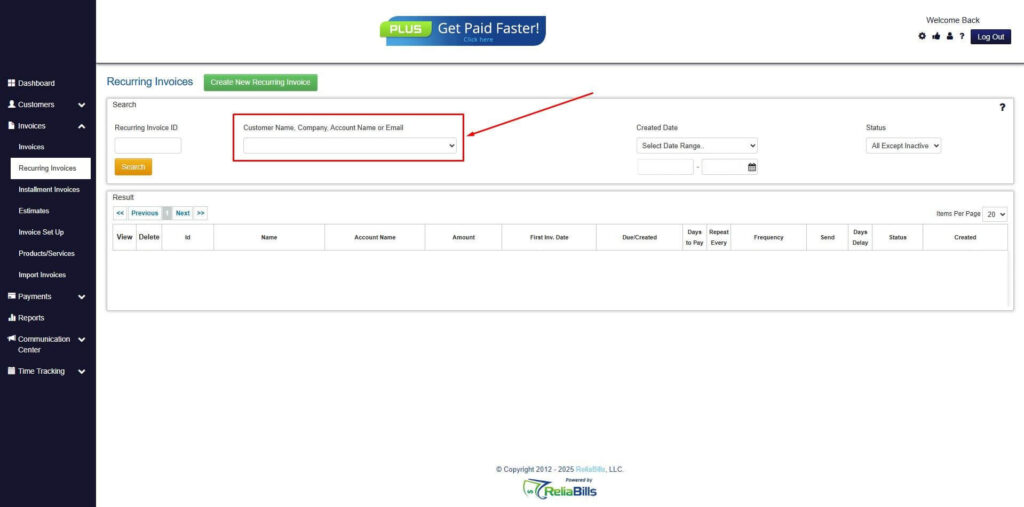
Step 3: Go to the Customers Tab
- If you have already created a customer, search for them in the Customers tab and make sure their status is “Active”.
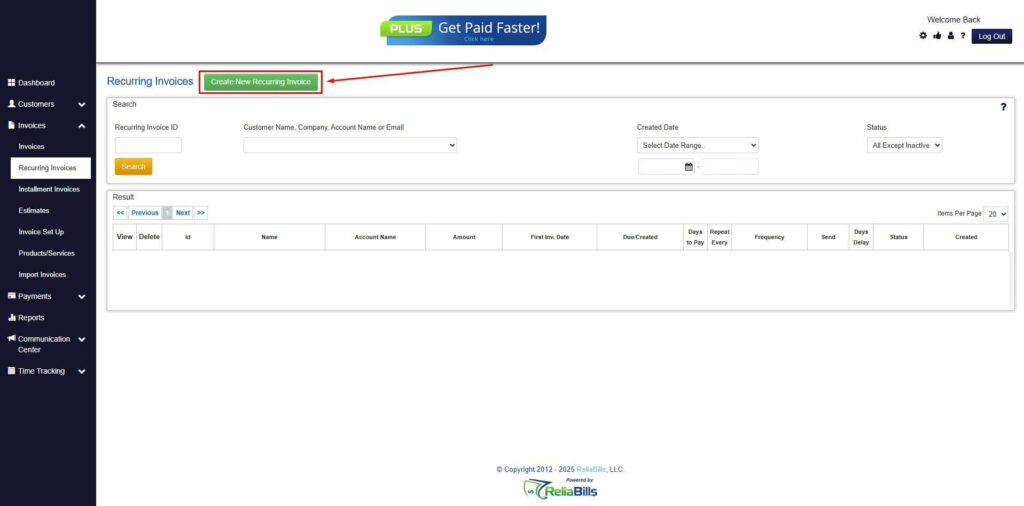
Step 4: Click the Create New Recurring Invoice
- If you haven’t created any customers yet, click the Create New Recurring Invoice to create a new customer.
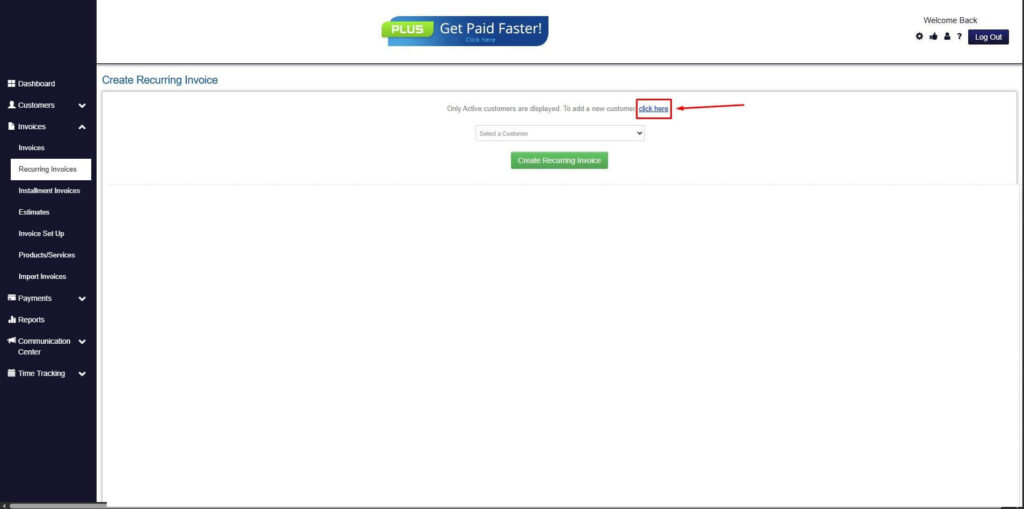
Step 5: Click on the “Click here” Button
- Click on the “Click here” button to proceed with the recurring invoice creation.
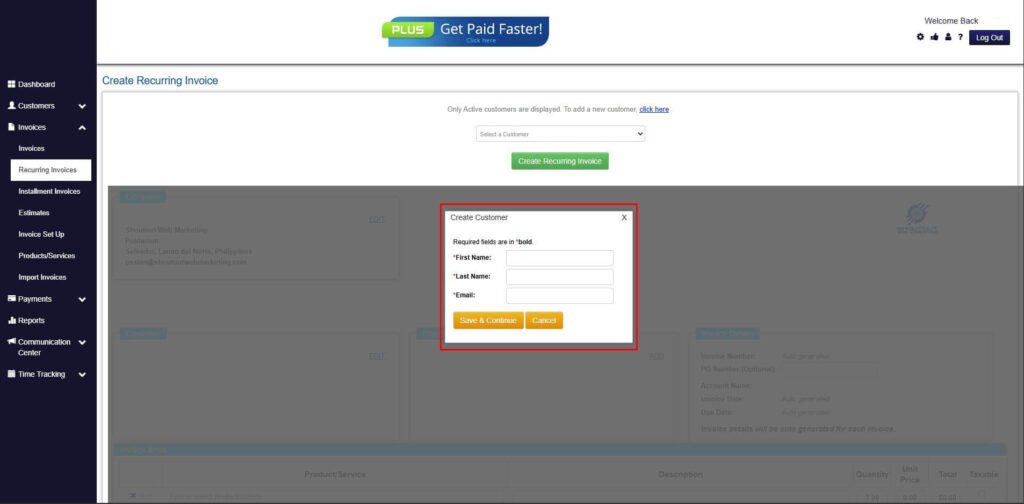
Step 6: Create Customer
- Provide your First Name, Last Name, and Email to proceed.
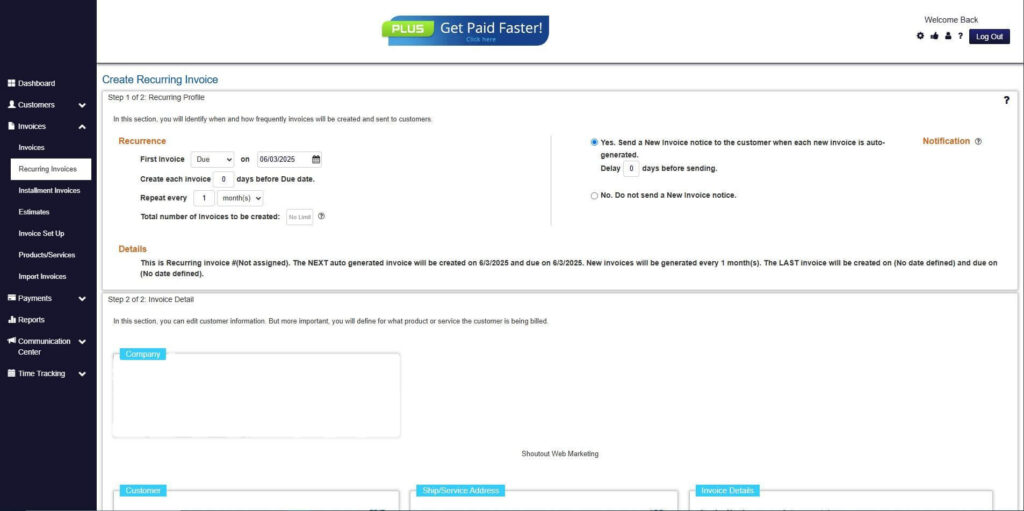
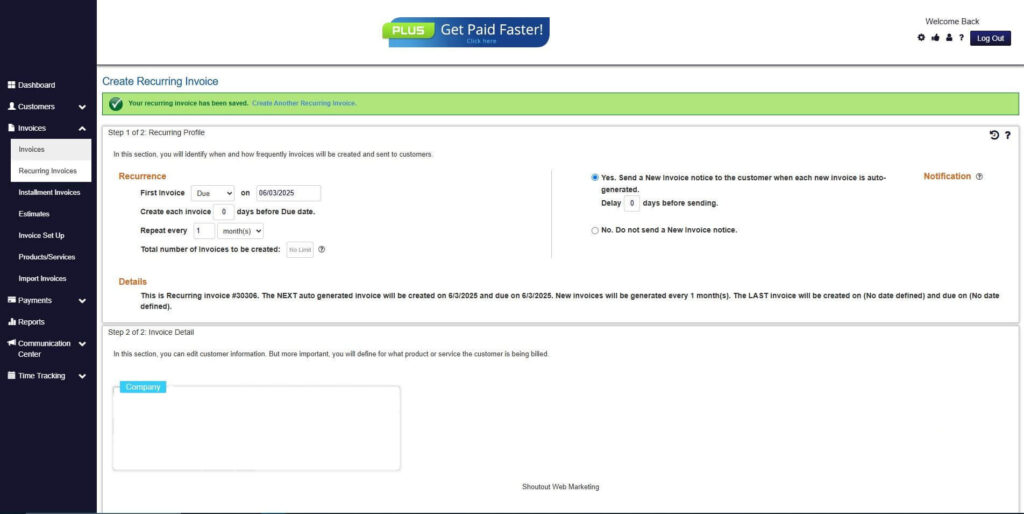
Step 7: Fill in the Create Recurring Invoice Form
- Fill in all the necessary fields.
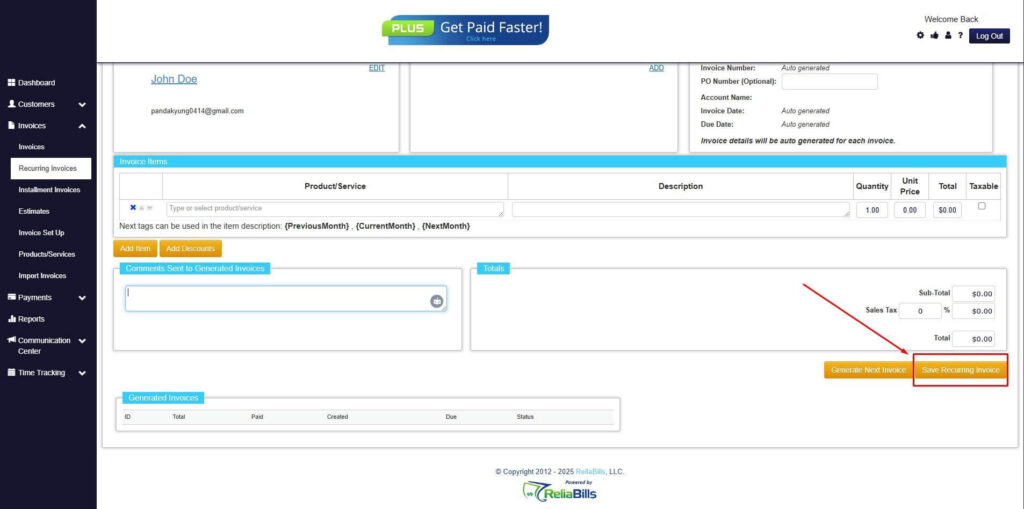
Step 8: Save Recurring Invoice
- After filling up the form, click “Save Recurring Invoice” to continue.
Step 9: Recurring Invoice Created
- Your Recurring Invoice has been created.
Frequently Asked Questions (FAQs)
1. Why do automotive businesses use automated billing systems?
They use automated billing systems to reduce manual work and improve invoice accuracy. These systems help speed up payment collection and improve cash flow. They also simplify complex billing involving labor, parts, and insurance claims.
2. How does automation improve repair shop invoicing?
Automation ensures invoices are generated immediately after a repair is completed. It reduces errors in labor and parts calculations. It also improves consistency across all customer transactions.
3. Can recurring billing be used for car maintenance plans?
Yes, recurring billing is ideal for maintenance packages and service contracts. It allows automatic charging on a weekly, monthly, or annual basis. This improves revenue predictability and customer convenience.
4. What are the benefits of auto-pay for automotive customers?
Auto-pay ensures customers never miss payment deadlines for recurring services. It reduces late fees and improves payment consistency. It also provides a hassle-free billing experience.
5. Is billing automation suitable for small auto shops?
Yes, small auto shops benefit greatly from automation despite their size. It reduces administrative workload and improves efficiency. It also helps them compete with larger service providers through better financial management.
Conclusion
Automotive businesses rely on automated billing systems to simplify one of the most complex aspects of their operations, financial management. With multiple services, variable pricing, and high transaction volumes, manual billing is no longer sustainable for growth-focused shops.
By adopting automotive billing automation software, businesses gain accuracy, speed, and scalability while reducing administrative burden. The integration of recurring billing further strengthens revenue stability and customer retention.
As the automotive industry continues to evolve, automation is no longer optional, it is a strategic necessity. Businesses that adopt modern billing systems early will be better positioned to improve profitability, efficiency, and long-term competitiveness.