

Invoice discounting is a financing solution that allows businesses to unlock cash tied up in unpaid invoices. Instead of waiting for customers to pay on extended credit terms, companies can access a percentage of their receivables immediately. This improves liquidity and helps maintain smooth business operations even when payment cycles are delayed. It is widely used by businesses that need steady working capital.
However, lenders do not approve applications based only on invoice availability. They carefully evaluate the structure, consistency, and reliability of invoices before offering financing. Strong documentation and predictable billing patterns significantly increase approval chances. Poorly structured invoices can reduce lender confidence.
Recurring invoices introduce consistency and automation into billing processes. They help businesses generate structured financial records that lenders can easily evaluate. As a result, recurring invoices for invoice discounting significantly improve financing outcomes.
What Is Invoice Discounting?
Invoice discounting is a short-term financing method where businesses use unpaid invoices as collateral to access immediate cash. Lenders advance a portion of the invoice value, usually between 70% and 90%. The remaining amount is released once the customer pays the invoice. This helps businesses maintain liquidity without waiting for payment cycles.
Businesses retain control over their sales ledger and customer relationships in invoice discounting. Unlike factoring, lenders do not collect payments directly from customers. This allows companies to maintain confidentiality and operational control. However, invoice quality becomes very important.
The financing decision is heavily based on receivables strength. Lenders assess customer reliability, invoice structure, and payment history. Strong receivables improve approval chances and funding terms. Weak invoices reduce financing eligibility.
What Are Recurring Invoices?
Recurring invoices are automated billing documents generated at fixed intervals for ongoing services or repeat customers. They are created based on predefined schedules such as monthly or yearly cycles. Once set up, invoices are issued automatically without manual intervention. This ensures consistent billing operations.
These invoices are commonly used in subscription-based business models. They help maintain regular billing cycles for services like IT support or SaaS subscriptions. Automation reduces administrative workload significantly. It also improves billing accuracy.
Recurring invoices create predictable financial patterns over time. This helps businesses maintain stable revenue streams. It also builds structured invoice histories. These records are valuable for financing applications.
Why Lenders Evaluate Invoice Quality
Consistency and Reliability of Invoices
Lenders assess whether invoices follow a consistent structure and predictable billing cycle across all clients. Consistent invoices indicate that the business has stable operations and disciplined financial processes. When billing patterns are irregular, lenders may view the business as higher risk due to uncertainty in revenue behavior.
Creditworthiness of Customers
The financial strength of the customers listed on invoices is a major factor in lending decisions. If customers have strong credit histories, the likelihood of timely payment increases significantly. Weak or high-risk customers can reduce the overall value of the receivables being financed.
Payment History and Aging Reports
Lenders closely analyze how quickly invoices are paid and how long they remain outstanding. Faster payments reflect strong cash flow reliability and lower financial risk. Aging reports help lenders identify overdue invoices and assess collection performance.
Accuracy and Completeness of Invoice Data
Incomplete or inaccurate invoices can delay approval or reduce financing eligibility. Lenders require clear details such as invoice dates, descriptions, amounts, and payment terms. High-quality data improves trust and speeds up underwriting decisions.
How Recurring Invoices Improve Invoice Consistency
Standardized Billing Cycles
Recurring invoices ensure that billing occurs on fixed and predictable schedules such as monthly or quarterly cycles. This removes irregularities that often occur with manual invoicing processes. Lenders value this predictability because it reflects stable revenue operations.
Uniform Invoice Formatting
All recurring invoices follow the same structure, layout, and required fields. This consistency makes it easier for lenders to analyze financial documents quickly and accurately. It also reduces confusion and improves transparency in financial reporting.
Reduced Revenue Variability
Recurring invoices help stabilize income by ensuring consistent billing amounts over time. This creates predictable revenue streams that are easier to forecast and evaluate. Lenders prefer this stability when assessing financing applications.
Improved Documentation Quality
Automated recurring billing ensures that all necessary invoice details are always included. This reduces missing information and improves compliance with financial documentation standards. Better documentation strengthens lender confidence in the business.
Key Ways Recurring Invoices Strengthen Invoice Discounting Applications
Demonstrate Predictable Revenue Streams
Recurring invoices show lenders that the business has ongoing and stable income sources. This reduces uncertainty in repayment ability and financial forecasting. Predictability significantly improves financing approval chances.
Provide Consistent Invoice History
A structured invoice history allows lenders to evaluate financial performance over time. It helps identify trends in revenue, customer behavior, and payment cycles. Consistent history builds credibility and trust.
Reduce Risk Through Standardized Billing
Automation ensures invoices are generated using predefined rules and formats. This reduces human error and inconsistencies in financial records. Lower operational risk leads to better financing terms.
Improve Transparency in Accounts Receivable
Recurring invoices create a clear and organized view of outstanding payments. Lenders can easily track receivables aging and payment behavior. This transparency improves risk assessment accuracy.
Strengthen Lender Confidence
Consistent billing and payment patterns build trust with financial institutions. Lenders are more likely to approve applications with reliable financial data. Strong confidence can also lead to higher funding limits.
The Role of Payment History in Invoice Discounting
Payment history is a key factor in financing decisions. Recurring invoices help build structured payment records over time. This makes customer behavior easier to analyze. It improves financial evaluation accuracy.
On-time payments increase lender confidence. They show that customers are reliable. Late payments signal risk. This affects funding approval.
Consistent payment patterns create measurable financial metrics. These include average payment time and overdue rates. Lenders use these metrics for risk assessment. Strong metrics improve approval chances.
How Automation Enhances Recurring Invoice Reliability
Automation ensures invoices are generated accurately every time. It eliminates manual intervention in billing cycles. This reduces human error significantly. It improves consistency.
It also ensures invoices are sent on time. Timely delivery supports predictable cash flow. Delays can affect financing evaluations. Automation prevents this issue.
Automated systems maintain real-time financial records. Data is always updated and accurate. This improves reporting quality. It also strengthens financial control.
Key Features That Support Invoice Discounting Readiness
Recurring Billing Automation
Automated billing ensures invoices are generated on schedule without manual intervention. This improves consistency and reduces administrative workload. It also ensures financial records remain accurate and up to date.
Real-Time Payment Tracking
Businesses can monitor invoice payments as they occur in real time. This improves visibility into cash flow and outstanding balances. It also helps identify delays or risks early.
Accounts Receivable Aging Reports
Aging reports categorize unpaid invoices based on how long they remain outstanding. This helps businesses and lenders evaluate payment behavior. It is essential for assessing financial health.
Financial System Integration
Integration with accounting and ERP systems ensures seamless data flow across platforms. This reduces duplication and improves accuracy in reporting. It also strengthens overall financial management.
Audit Trails and Compliance Records
Every invoice and payment action is recorded in a traceable system log. This improves transparency and accountability. It also supports audits and regulatory compliance requirements.
Common Challenges Without Recurring Invoices
- Inconsistent Billing Cycles: Manual invoicing often results in irregular billing schedules across clients. This creates unpredictable revenue patterns that weaken financial stability. Lenders may view this as increased risk.
- Higher Risk of Errors: Manual invoice creation increases the likelihood of mistakes such as incorrect amounts or missing details. These errors can delay payments and financing approvals. They also reduce trust in financial records.
- Limited Financial Visibility: Without automation, businesses often lack real-time insight into receivables. This makes it difficult to track outstanding payments and cash flow. Poor visibility affects financial decision-making.
- Lower Lender Confidence: Inconsistent records and manual processes reduce trust from financial institutions. Lenders may see the business as less organized or higher risk. This can lead to lower approval rates or stricter terms.
Best Practices to Strengthen Invoice Discounting Applications
Implement Recurring Invoicing Systems
Automating invoices for repeat customers ensures consistent billing cycles. This improves financial structure and reduces manual workload. It also strengthens lender confidence in revenue stability.
Maintain Accurate Financial Records
Businesses should ensure that all invoices are complete and error-free. Accurate records improve transparency and reduce financing delays. They also support better financial analysis.
Monitor Payment Performance Regularly
Tracking customer payment behavior helps identify risks early. It also improves cash flow forecasting and financial planning. Consistent monitoring supports stronger financing applications.
Use Automation for Billing and Tracking
Automation reduces human error and ensures consistent invoice generation. It also improves efficiency in managing receivables. This leads to more reliable financial reporting.
Standardize Payment Terms Across Contracts
Clear and consistent payment terms reduce confusion and disputes. This improves predictability in cash flow cycles. It also strengthens overall financial discipline.
How Recurring Billing Supports Financial Transparency
Recurring billing creates structured financial data. This improves clarity for lenders. It reduces uncertainty in financial reporting. It supports better evaluation.
It also improves reporting accuracy. Data remains consistent across systems. This reduces discrepancies. It strengthens trust.
It enhances forecasting ability. Businesses can predict revenue more accurately. This supports planning. It improves financial stability.
It also improves audit readiness. Records are organized and traceable. This reduces compliance risks. It simplifies reviews.
Key Benefits of Using Recurring Invoices for Financing
- Improved Approval Chances: Recurring invoices strengthen financial documentation. This increases lender confidence. It improves funding eligibility. It supports faster approvals.
- Stable Cash Flow: Predictable billing improves revenue consistency. This helps manage expenses. It reduces financial stress. It improves stability.
- Reduced Administrative Work: Automation eliminates manual billing tasks. This saves time and effort. It improves efficiency. It lowers costs.
- Better Financial Transparency: Invoices are clear and structured. This improves reporting quality. It helps lenders assess risk. It builds trust.
- Stronger Lender Relationships: Consistent data builds credibility. This improves long-term financing access. It strengthens partnerships. It supports growth.
Common Use Cases
- SaaS Subscription Businesses: SaaS companies rely on recurring billing models. This ensures predictable revenue. It supports scalable growth. It improves financing readiness.
- Managed Service Providers: MSPs use long-term contracts. Recurring invoices support structured billing. This improves cash flow. It strengthens lender trust.
- Logistics Companies: Freight services involve ongoing billing cycles. Recurring invoices help standardize payments. This improves tracking. It supports financing.
- B2B Service Providers: Service-based companies benefit from recurring billing. It creates predictable income streams. It improves financial stability. It supports growth.
- Telecom and Utilities: These industries rely on subscription billing. Recurring invoices ensure consistency. It improves revenue predictability. It supports financing.
How ReliaBills Helps Strengthen Invoice Discounting Applications
ReliaBills helps businesses improve the quality and consistency of their financial records by automating the entire invoicing process. Instead of relying on manual invoice creation, companies can generate accurate and structured invoices on a recurring schedule. This reduces human error, improves documentation quality, and ensures that financial records remain reliable for lenders. As a result, businesses present stronger applications when seeking funding through invoice discounting.
One of the most important advantages ReliaBills provides is its recurring billing capability, which ensures invoices are generated consistently for repeat customers and ongoing services. This creates a stable and predictable invoice history that lenders can easily evaluate during financing assessments. It also improves cash flow visibility by ensuring that billing cycles remain aligned with service delivery schedules. For businesses using recurring invoices for invoice discounting, this consistency directly strengthens their financial credibility.
ReliaBills PLUS enhances these capabilities with advanced automation, reporting, and financial management tools designed for growing businesses. It provides real-time insights into receivables, payment performance, and cash flow trends, helping companies maintain strong financial control. These insights make it easier to demonstrate financial stability and repayment reliability to lenders. With scalable infrastructure and deeper analytics, ReliaBills supports businesses in building a more financing-ready and lender-friendly invoicing system.
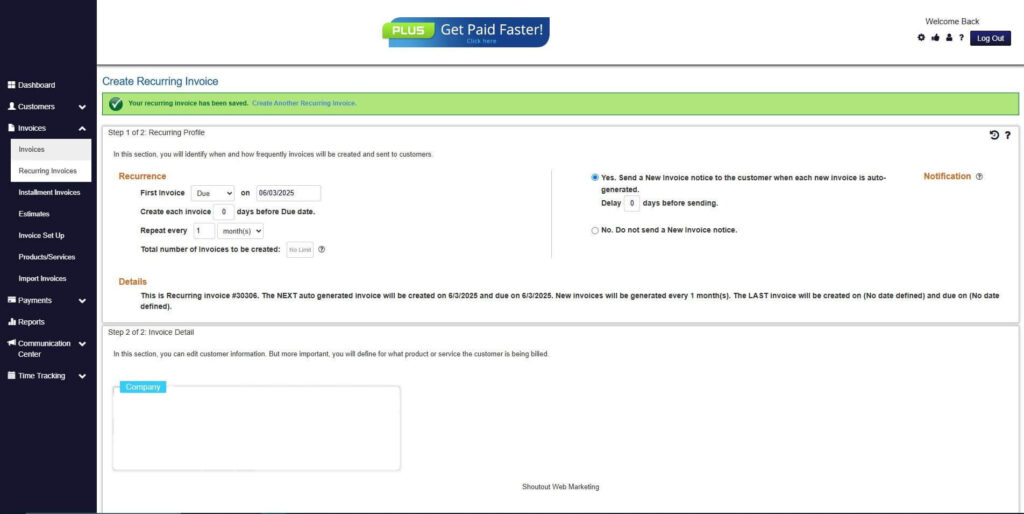
How to Create a New Recurring Invoice Using ReliaBills
Creating a New Recurring Invoice using ReliaBills involves the following steps:
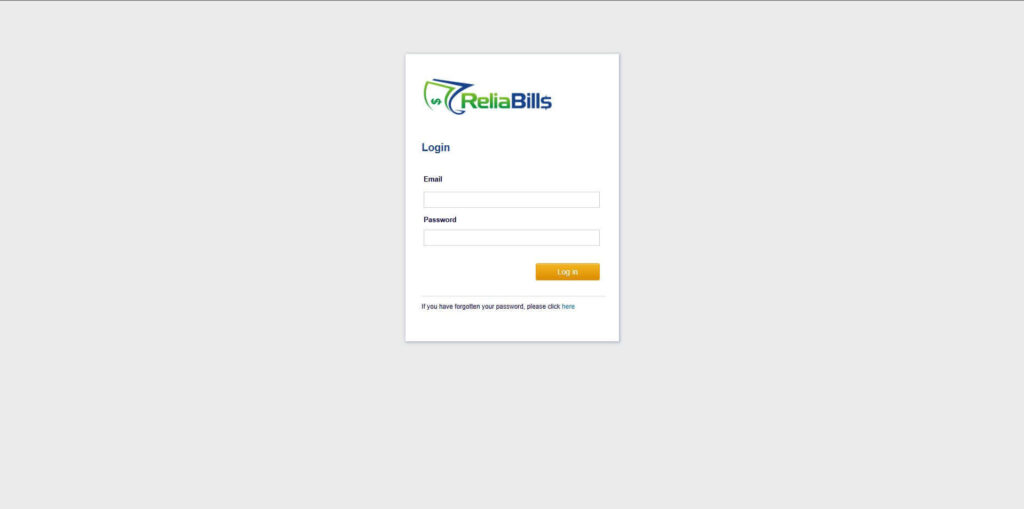
Step 1: Login to ReliaBills
- Access your ReliaBills Account using your login credentials. If you don’t have an account, sign up here.
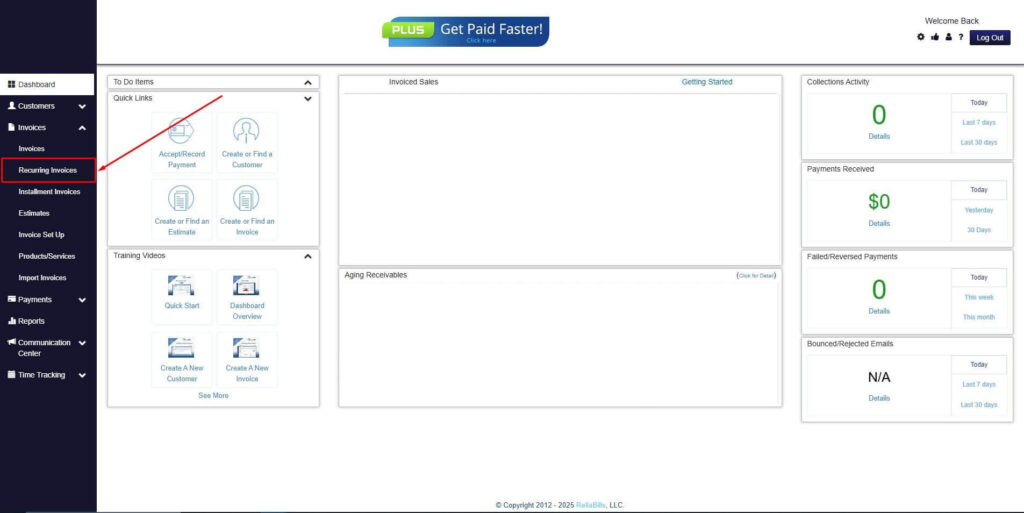
Step 2: Click on Recurring Invoices
- Navigate to the Invoices Dropdown and click on Recurring Invoices for an overview of the list of your existing customers.
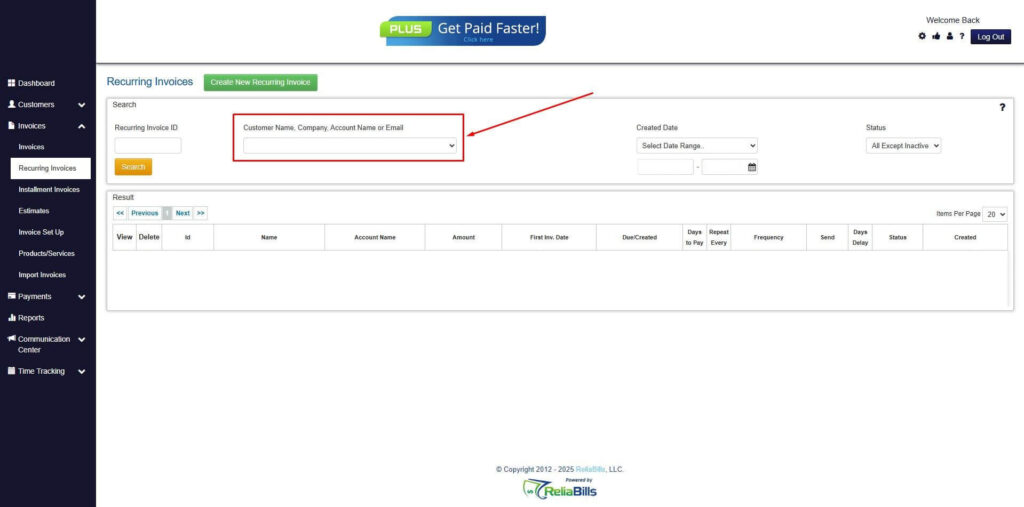
Step 3: Go to the Customers Tab
- If you have already created a customer, search for them in the Customers tab and make sure their status is “Active”.
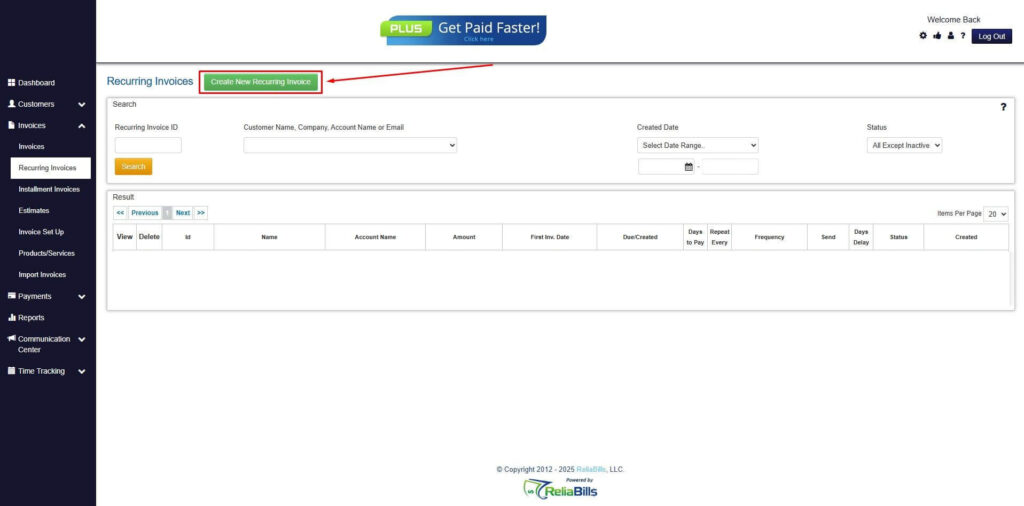
Step 4: Click the Create New Recurring Invoice
- If you haven’t created any customers yet, click the Create New Recurring Invoice to create a new customer.
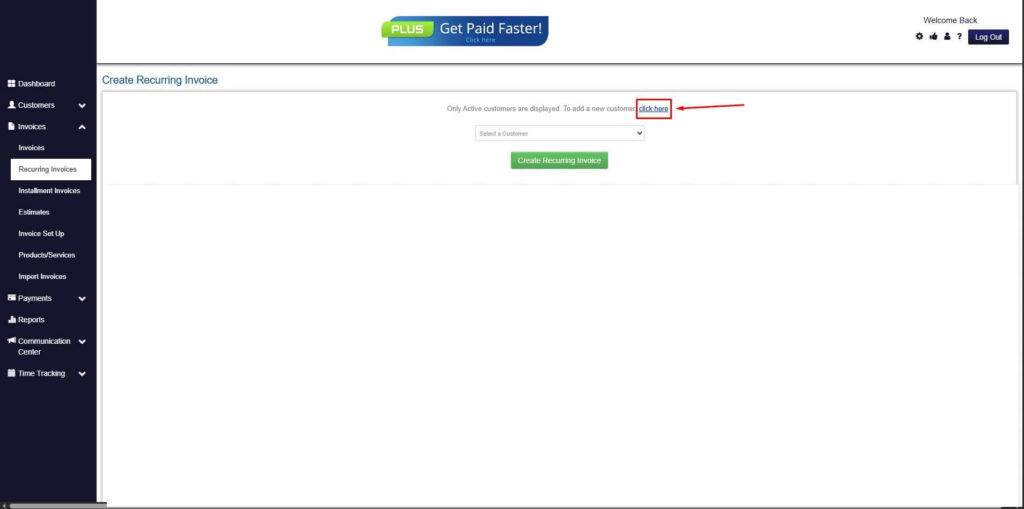
Step 5: Click on the “Click here” Button
- Click on the “Click here” button to proceed with the recurring invoice creation.
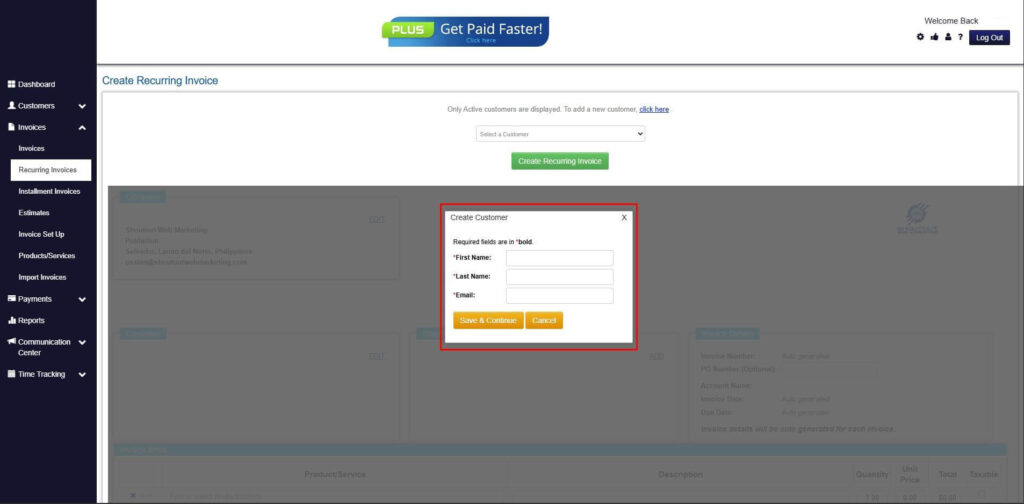
Step 6: Create Customer
- Provide your First Name, Last Name, and Email to proceed.
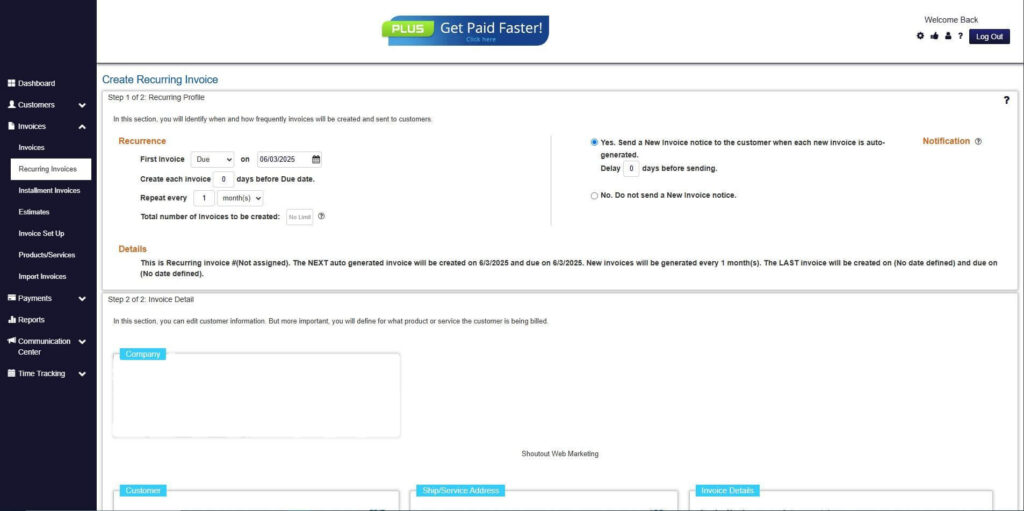
Step 7: Fill in the Create Recurring Invoice Form
- Fill in all the necessary fields.
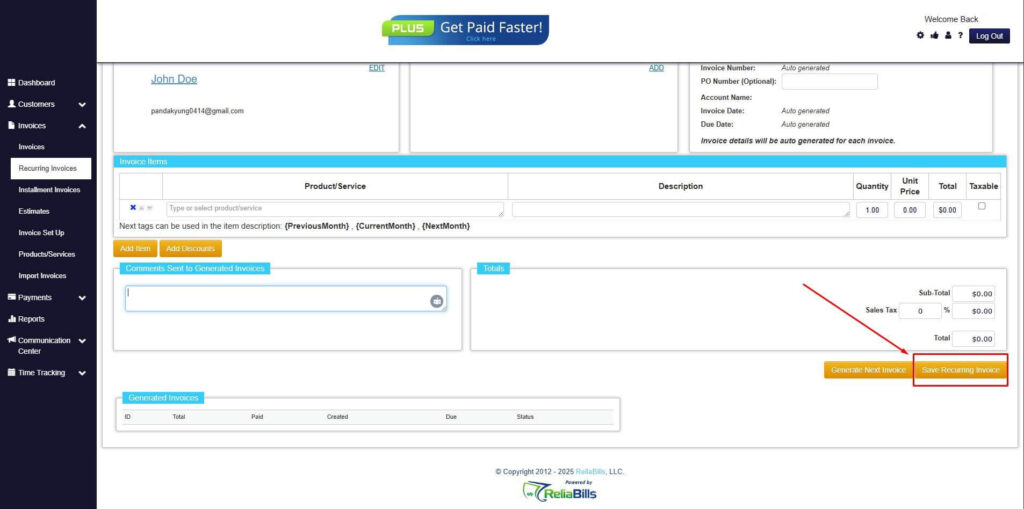
Step 8: Save Recurring Invoice
- After filling up the form, click “Save Recurring Invoice” to continue.
Step 9: Recurring Invoice Created
- Your Recurring Invoice has been created.
Frequently Asked Questions (FAQs)
1. What is invoice discounting?
Invoice discounting is a financing method using unpaid invoices as collateral. It provides immediate cash flow. It is based on receivables strength. It helps businesses manage liquidity.
2. How do recurring invoices help financing?
They create consistent billing patterns and financial records. This improves lender confidence. It reduces risk. It increases approval chances.
3. Do lenders prefer recurring billing?
Yes, because it shows predictable revenue. It reduces uncertainty. It improves risk assessment. It strengthens applications.
4. Can automation improve approvals?
Yes, automation improves accuracy and consistency. This enhances financial reliability. It reduces errors. It speeds up approval.
5. What features are important?
Key features include automation, tracking, and reporting. These improve visibility. They enhance accuracy. They support financing readiness.
Conclusion
Recurring invoices significantly strengthen invoice discounting applications by improving consistency, reliability, and financial transparency. They help businesses build structured billing systems that lenders can trust. This reduces risk and improves approval chances.
The use of recurring invoices for invoice discounting also enhances payment tracking and cash flow predictability. These factors are essential for securing better financing terms. Automation further increases efficiency and accuracy.
Businesses that adopt recurring billing systems gain a strong financial advantage. As financing becomes more data-driven, structured invoicing becomes a critical tool for growth, stability, and long-term success.