
Invoicing has evolved far beyond being a simple financial document exchanged between buyers and sellers in a transaction. In modern global trade and internal business operations, invoices now serve as essential tools for compliance, logistics coordination, and audit documentation. This shift is especially important for non-commercial transactions, where goods are moved without a direct sale but still require formal tracking and verification. As supply chains become more interconnected, the role of invoicing continues to expand in scope and importance.
Non-commercial invoices are becoming increasingly critical as international regulations tighten and businesses operate across multiple jurisdictions. These documents are no longer just administrative paperwork but key components in customs clearance, shipment tracking, and regulatory compliance. Companies rely on them to maintain transparency and ensure that goods such as samples, returns, or internal transfers are properly documented. Without accurate invoicing, operational delays and compliance issues can quickly arise.
At the core of this transformation is automation, which is reshaping how businesses manage invoicing at every level. Digital systems and intelligent platforms are replacing manual processes with faster, more reliable workflows. These tools help reduce human error, improve data consistency, and ensure compliance with evolving global standards. As a result, non commercial invoicing automation trends are becoming a major focus for organizations seeking efficiency and scalability in their operations.
What Are Non-Commercial Invoices?
Non-commercial invoices are official documents used to record the movement of goods that do not involve a financial transaction between buyer and seller. Unlike traditional commercial invoices, they are not used for payment processing or taxation of sales. Instead, they serve as supporting documentation for regulatory, logistical, and internal business purposes. This makes them essential for maintaining proper records in non-revenue generating activities.
These invoices are commonly used in situations such as sending product samples to potential clients, shipping promotional items, handling product returns, or transferring inventory between company branches. They ensure that goods moving across borders or internal systems are properly documented and traceable. Even though no sale occurs, authorities still require clear documentation to verify the purpose of shipment. This helps prevent misunderstandings during customs inspections or internal audits.
The primary difference between non-commercial and commercial invoices lies in their function and financial impact. Commercial invoices are directly tied to sales transactions and tax obligations, while non-commercial invoices focus on documentation and compliance. This distinction is important for businesses that operate globally and must adhere to strict customs regulations. Proper classification ensures smoother logistics operations and fewer delays in shipment processing.
Why Automation Is Transforming Invoicing
Automation is fundamentally changing invoicing by replacing manual, repetitive tasks with intelligent systems that operate with minimal human intervention. Instead of manually creating and processing invoices, businesses can now rely on automated workflows that generate documents based on predefined rules. This reduces administrative workload and allows teams to focus on more strategic tasks. It also ensures that invoicing processes are consistent and standardized across the organization.
One of the most significant benefits of automation is the reduction of human error in data entry and documentation. Manual invoicing often leads to mistakes such as missing fields, incorrect values, or formatting inconsistencies. Automated systems help eliminate these issues by validating data in real time and ensuring accuracy before submission. This improves overall data quality and reduces costly delays caused by incorrect documentation.
Automation also significantly improves processing speed, which is critical in fast-moving global supply chains. Invoices can be generated, approved, and transmitted instantly without waiting for manual intervention. This speed is particularly important for customs clearance and logistics operations where delays can disrupt entire shipment schedules. As a result, businesses gain better control over their operations and reduce downtime.
From a compliance standpoint, automation ensures that invoices meet regulatory requirements across different regions. Systems can be configured to follow specific rules based on country or industry standards. This reduces the risk of non-compliance penalties and ensures smoother cross-border transactions. It also enhances visibility by allowing real-time tracking of invoice status and history.
Current Challenges in Non-Commercial Invoicing
Manual data entry and documentation errors
Many businesses still rely on manual invoice creation, which increases the risk of human error. Incorrect item descriptions, missing fields, or inconsistent formatting can lead to processing delays. These errors become more problematic in cross-border transactions where accuracy is critical for customs clearance. Over time, manual workflows also slow down operational efficiency.
Inconsistent invoice formats and missing details
Different departments or regions often use varying invoice templates, which leads to a lack of standardization. This inconsistency creates confusion for logistics partners and customs authorities. Missing details such as HS codes, shipment purpose, or declared value can result in rejected documentation. Standardization remains a major challenge for global organizations.
Difficulty tracking shipments and invoice status
In many systems, invoices are not directly linked to shipment tracking tools. This makes it difficult to determine the real-time status of goods and associated documentation. Teams often rely on spreadsheets or email updates, which are inefficient and error-prone. This lack of visibility reduces operational transparency.
Compliance issues with customs regulations
Non-commercial shipments must still comply with international trade laws, which vary by country. Businesses often struggle to keep up with changing regulations and documentation requirements. Non-compliance can lead to fines, shipment delays, or confiscated goods. This creates significant operational and financial risks.
Limited integration with logistics and accounting systems
Many organizations operate with disconnected systems that do not communicate effectively. Invoice data may need to be manually transferred between platforms, increasing inefficiency. This lack of integration leads to duplicated work and inconsistent records. It also prevents real-time data visibility across departments.
Key Future Trends in Non-Commercial Invoicing
Increased adoption of fully automated invoicing systems
Businesses are shifting toward end-to-end automation where invoices are generated, validated, and submitted without manual intervention. These systems reduce processing time and improve accuracy. Automation also helps enforce compliance rules automatically. This trend is becoming a core part of non commercial invoicing automation trends.
Integration with logistics and supply chain platforms
Invoicing systems are increasingly being connected directly to logistics software. This allows real-time synchronization of shipment and invoice data. It improves coordination between warehouses, carriers, and finance teams. The result is a more streamlined and transparent supply chain.
Real-time data synchronization across systems
Future invoicing platforms will ensure that updates in one system are instantly reflected across all connected tools. This eliminates data discrepancies and improves accuracy. It also enables faster decision-making based on real-time information. Businesses gain better control over global operations.
Use of AI for data validation and error detection
Artificial intelligence will play a major role in identifying invoice errors before submission. AI systems can flag inconsistencies, missing fields, or suspicious entries automatically. This reduces compliance risks and improves data quality. It also minimizes manual review efforts.
Expansion of cloud-based invoicing solutions
Cloud platforms are becoming the standard for modern invoicing systems. They allow remote access, scalability, and easier integration with other tools. Businesses can manage invoicing operations from multiple locations seamlessly. This supports global expansion and hybrid work environments.
The Role of AI and Machine Learning in Invoice Automation
Artificial intelligence is playing a growing role in transforming how invoices are created, processed, and validated. AI-powered systems can automatically extract relevant data from documents such as shipping labels, purchase orders, and customs forms. This eliminates the need for manual data entry and significantly reduces processing time. It also improves consistency across large volumes of transactions.
Machine learning algorithms enhance accuracy by continuously analyzing patterns in invoice data. These systems can detect anomalies such as incorrect values, missing fields, or unusual transaction patterns before the invoice is submitted. This proactive error detection helps businesses avoid compliance issues and costly delays. Over time, the system becomes more accurate as it learns from historical data.
AI also improves classification and organization of invoice data, making it easier to manage large-scale operations. It can categorize invoices based on type, region, or purpose without manual input. This structured approach enhances reporting and auditing capabilities. Additionally, predictive analytics can help businesses forecast potential issues and optimize workflows.
Growth of Real-Time Invoice Tracking
Real-time invoice tracking is becoming a standard feature in modern invoicing systems. It allows businesses to monitor the status of invoices instantly as they move through different stages of processing. This visibility helps reduce uncertainty and improves operational control. Teams can quickly identify bottlenecks and take corrective action when needed.
This level of transparency also improves coordination between departments such as finance, logistics, and compliance. Everyone involved in the process has access to the same up-to-date information, reducing miscommunication. It also helps ensure that all stakeholders are aligned on shipment and documentation status. As a result, operational efficiency improves significantly.
In global trade, real-time tracking plays a crucial role in reducing customs delays. Authorities can access accurate and updated documentation faster, which speeds up clearance processes. This is especially important for time-sensitive shipments where delays can have significant financial impacts. Businesses benefit from smoother cross-border operations and improved reliability.
Integration with Global Trade and Compliance Systems
Modern invoicing systems are increasingly integrated with global trade and compliance platforms. This ensures that invoice data aligns with customs requirements and international regulations. Such integration helps businesses avoid errors that could lead to shipment delays or penalties. It also ensures consistency across different regions and jurisdictions.
By synchronizing data across systems, businesses can maintain accurate and up-to-date documentation at all times. This reduces the risk of discrepancies between internal records and external filings. It also simplifies the process of preparing documentation for audits or regulatory reviews. As a result, compliance becomes more manageable and less time-consuming.
Integrated systems also improve reporting capabilities by centralizing all invoice-related data. Businesses can generate detailed reports quickly without manually compiling information from multiple sources. This enhances transparency and supports better decision-making. It also streamlines cross-border operations by reducing administrative complexity.
How Recurring Billing and Automation Are Expanding Use Cases
Automation is extending the concept of recurring billing beyond traditional subscription models into non-commercial invoicing scenarios. Businesses that regularly ship samples, manage internal transfers, or handle repeat documentation can automate these processes. This reduces repetitive manual work and ensures consistency across all transactions. It also improves efficiency in high-volume environments.
Recurring automation ensures that invoices are generated automatically based on predefined schedules or triggers. This eliminates the need for teams to manually recreate similar documents each time. It also reduces the risk of missing or delayed invoices, which can disrupt operations. Over time, this leads to smoother and more predictable workflows.
By combining recurring billing logic with automation tools, businesses can scale their invoicing operations more effectively. This is particularly useful for organizations with multiple branches or high-frequency logistics needs. It ensures that documentation remains consistent across all locations and departments. As a result, operational efficiency improves significantly.
Benefits of Future Automation Trends
Greater accuracy and reduced human errors
Automation ensures consistent data entry and validation across all invoices. This significantly reduces mistakes caused by manual processing. Accurate invoices improve compliance and reduce delays in customs clearance. Over time, this builds more reliable business operations.
Faster processing and approval times
Automated workflows accelerate invoice creation and approval cycles. Documents can be generated instantly based on predefined rules. This reduces bottlenecks in finance and logistics departments. Faster processing improves overall supply chain efficiency.
Improved compliance and audit readiness
Automated systems maintain structured and standardized records. This makes it easier to meet regulatory requirements across different regions. Audits become simpler because all data is centralized and traceable. Businesses reduce the risk of penalties and compliance issues.
Enhanced operational efficiency
Automation eliminates repetitive manual tasks and reduces workload for staff. Teams can focus on strategic activities instead of administrative work. This improves productivity across departments. It also creates smoother internal workflows.
Scalable invoicing processes for growing businesses
Automated systems can handle increasing invoice volumes without additional manpower. This supports business expansion into new markets. Scalability ensures that operations remain efficient even during rapid growth. It also reduces long-term operational costs.
Potential Challenges with Advanced Automation
Initial setup and integration complexity
Implementing automation systems often requires significant setup effort. Businesses must integrate multiple platforms and configure workflows. This can be time-consuming and resource-intensive. Poor implementation may lead to operational disruptions.
Data security and privacy concerns
Automated invoicing systems store large volumes of sensitive business data. This increases the importance of cybersecurity and data protection measures. Companies must ensure compliance with privacy regulations. Any breach could lead to serious financial and reputational damage.
Need for staff training and system adoption
Employees must learn how to use new automated tools effectively. Resistance to change can slow down adoption. Proper training programs are required to ensure smooth transitions. Without training, system efficiency may not be fully realized.
Dependence on technology and system reliability
Automation increases reliance on digital systems and cloud infrastructure. Any system downtime can disrupt invoicing operations. Businesses must invest in backup and recovery solutions. Technical failures can temporarily halt critical processes.
Best Practices for Preparing for Future Trends
Invest in scalable and flexible invoicing systems
Choose platforms that can grow with your business needs. Scalability ensures long-term efficiency and cost-effectiveness. Flexible systems allow easier integration with new tools. This prepares businesses for evolving non commercial invoicing automation trends.
Standardize invoice formats and processes
Create consistent templates and workflows across all departments. Standardization reduces confusion and improves data accuracy. It also simplifies integration with external systems. This is essential for global operations.
Ensure integration with key business platforms
Connect invoicing systems with logistics, accounting, and ERP tools. Integration reduces manual data transfer and duplication. It improves visibility across all business functions. This leads to better decision-making.
Train teams on automation tools and workflows
Provide structured training programs for employees. Proper training improves system adoption and reduces errors. It also helps teams maximize the benefits of automation. Skilled users ensure smoother operations.
Regularly review and update compliance practices
Stay updated with international trade regulations and customs requirements. Regular audits help identify gaps in documentation processes. Updating compliance rules ensures continued legal adherence. This reduces risk exposure.
Key Benefits of Adopting Future Trends Early
- Strong competitive advantage through improved operational efficiency
- Reduced risk of compliance issues and regulatory penalties
- Faster and more accurate invoicing across all business operations
- Improved visibility and control over invoice data and workflows
- Better scalability to support global expansion and increasing transaction volumes
Common Use Cases
- International shipping and customs documentation for cross-border trade
- Product samples and promotional shipments for marketing and sales activities
- Internal company transfers between branches or warehouses
- Warranty replacements and return shipments for customer service operations
- High-volume logistics and supply chain operations requiring structured documentation
How ReliaBills Supports Future-Ready Invoicing
ReliaBills helps modern businesses transition into more efficient and automated invoicing workflows by centralizing billing operations in a single platform. This reduces reliance on manual processes and improves overall accuracy in financial documentation. By automating repetitive invoicing tasks, businesses can minimize administrative workload and reduce the risk of human error. The platform is designed to support scalability, making it suitable for both small businesses and growing enterprises that need reliable invoicing systems.
One of the key strengths of ReliaBills is its recurring billing capability, which is especially valuable for businesses that deal with repeat transactions or structured billing cycles. Instead of manually generating invoices each time, businesses can automate the entire process and ensure invoices are issued consistently and on time. This improves cash flow predictability and reduces operational delays caused by missed or late invoicing. Recurring billing also helps maintain consistency across customer accounts and internal financial records.
ReliaBills PLUS extends these capabilities with more advanced automation, reporting, and control features that support evolving non commercial invoicing automation trends. It enables businesses to manage complex invoicing workflows with greater precision while maintaining full visibility over transactions and performance data. Enhanced reporting tools allow for deeper financial insights, helping businesses make more informed decisions. With scalable infrastructure and automation-first design, ReliaBills supports organizations as they move toward fully digital, future-ready invoicing systems.
How to Create a New Recurring Invoice Using ReliaBills
Creating a New Recurring Invoice using ReliaBills involves the following steps:
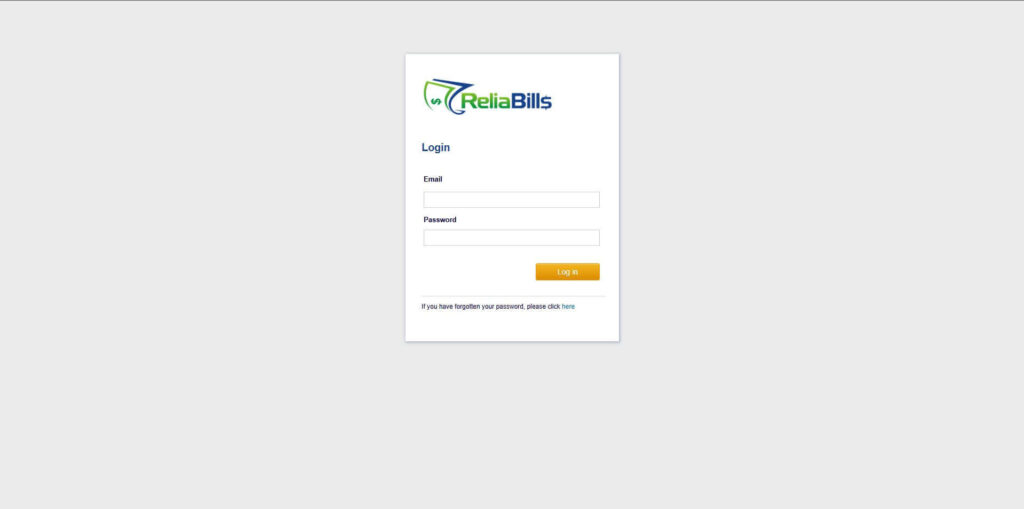
Step 1: Login to ReliaBills
- Access your ReliaBills Account using your login credentials. If you don’t have an account, sign up here.
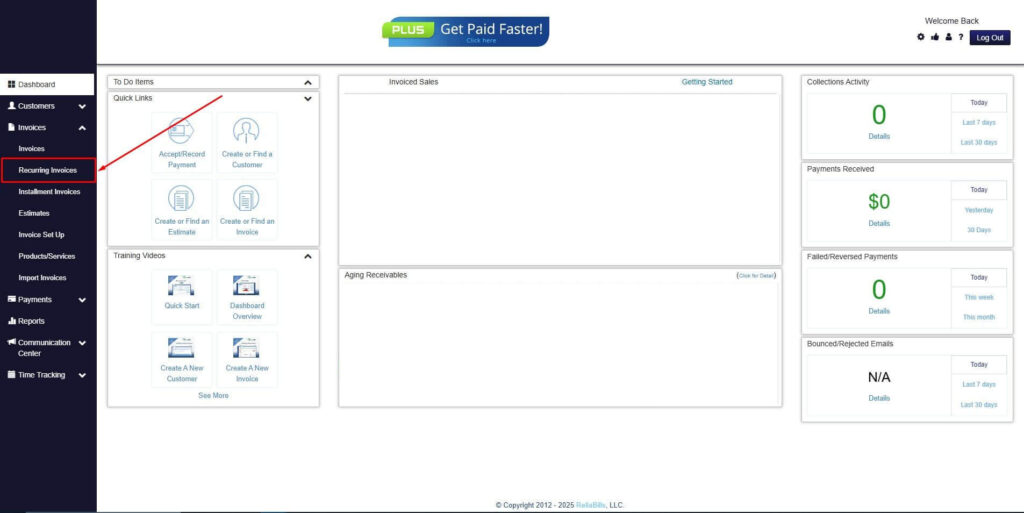
Step 2: Click on Recurring Invoices
- Navigate to the Invoices Dropdown and click on Recurring Invoices for an overview of the list of your existing customers.
Step 3: Go to the Customers Tab
- If you have already created a customer, search for them in the Customers tab and make sure their status is “Active”.
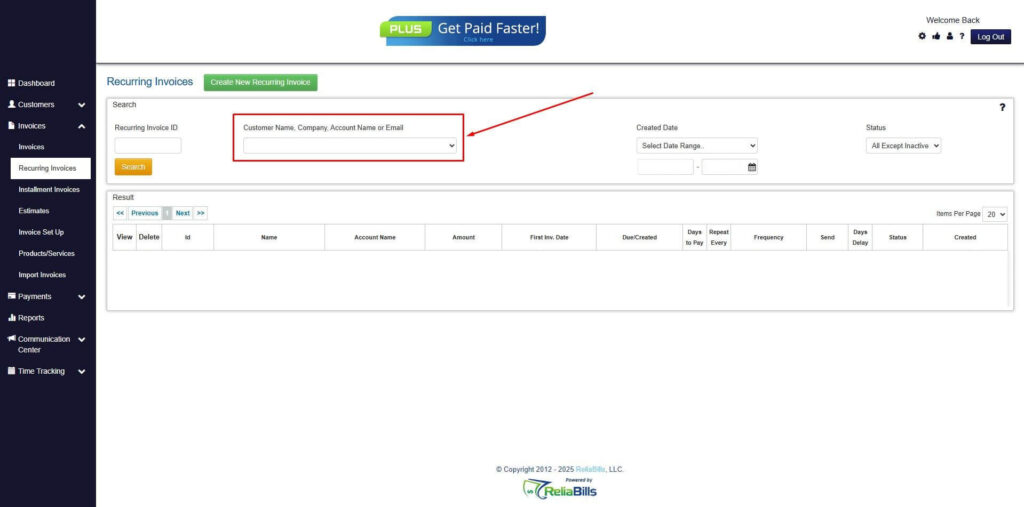
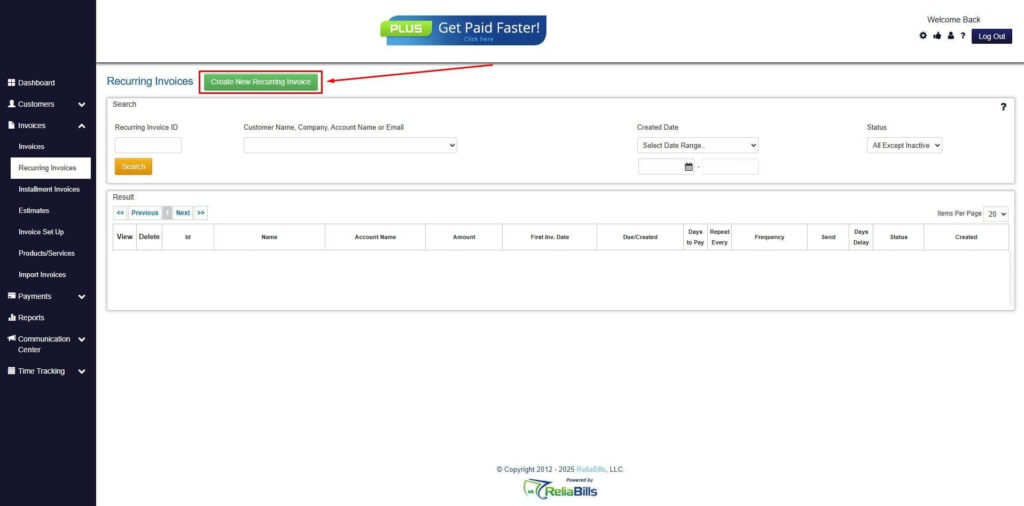
Step 4: Click the Create New Recurring Invoice
- If you haven’t created any customers yet, click the Create New Recurring Invoice to create a new customer.
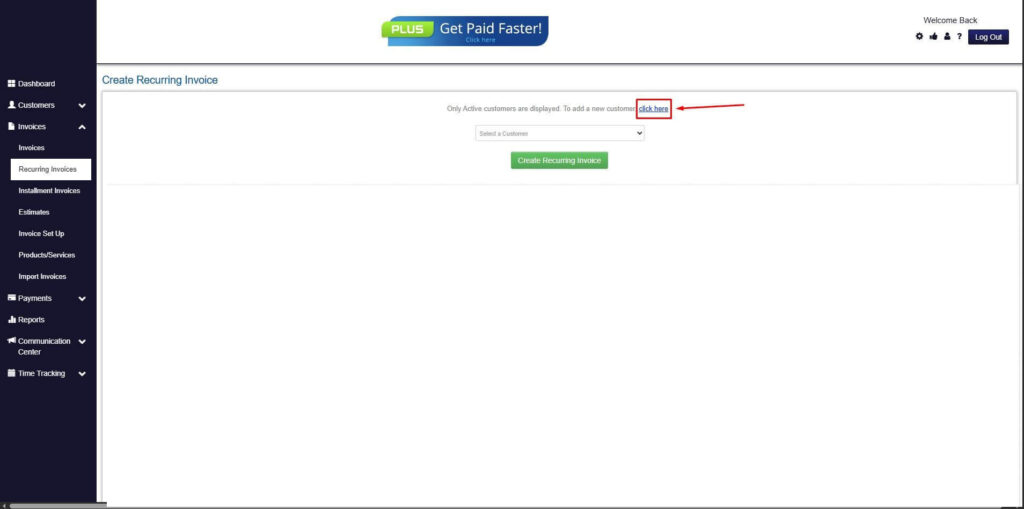
Step 5: Click on the “Click here” Button
- Click on the “Click here” button to proceed with the recurring invoice creation.
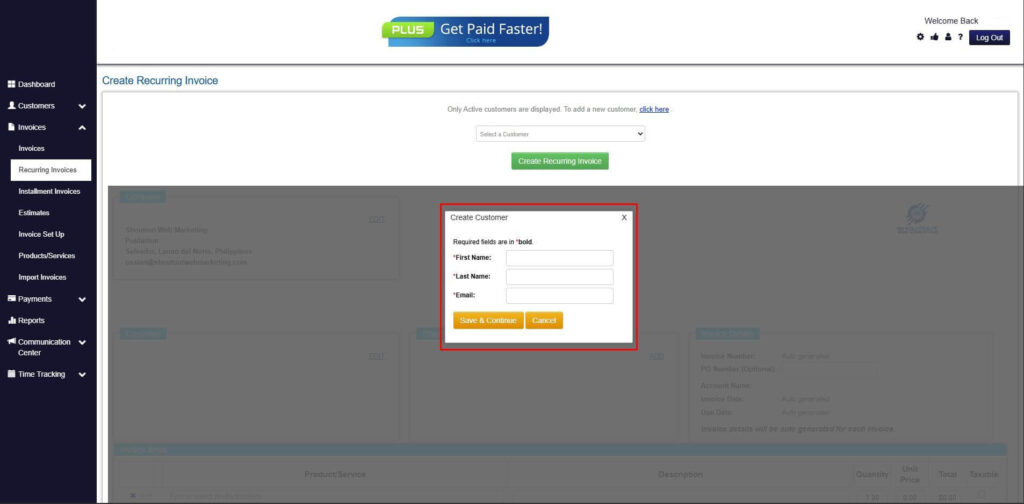
Step 6: Create Customer
- Provide your First Name, Last Name, and Email to proceed.
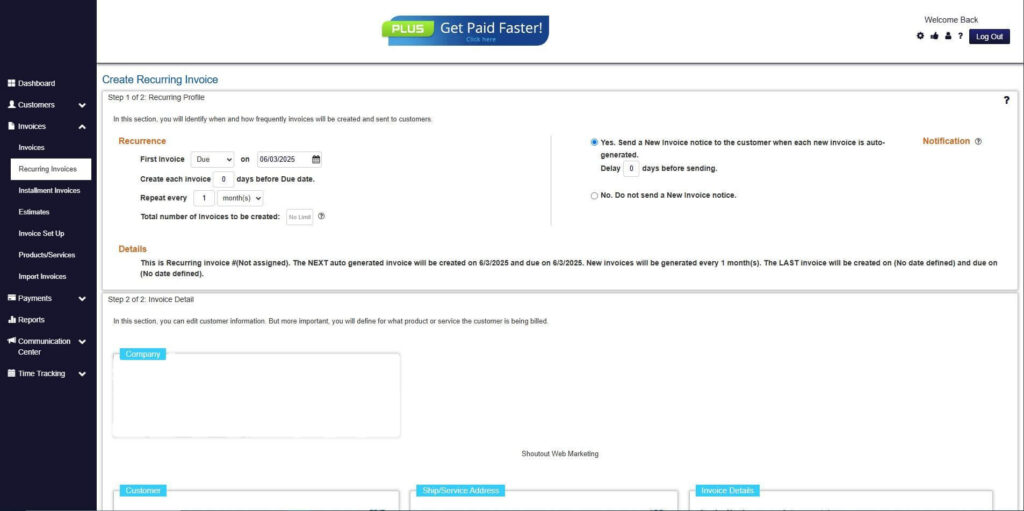
Step 7: Fill in the Create Recurring Invoice Form
- Fill in all the necessary fields.
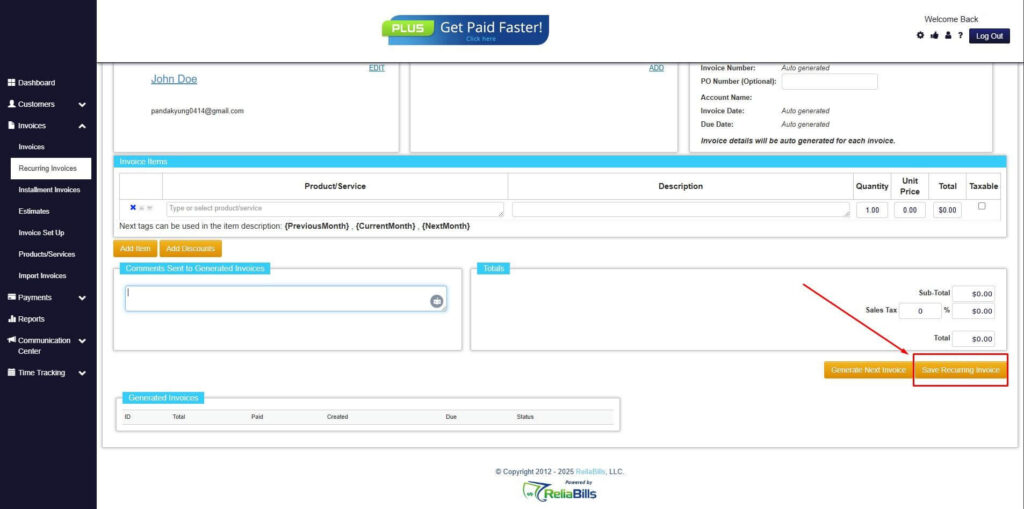
Step 8: Save Recurring Invoice
- After filling up the form, click “Save Recurring Invoice” to continue.
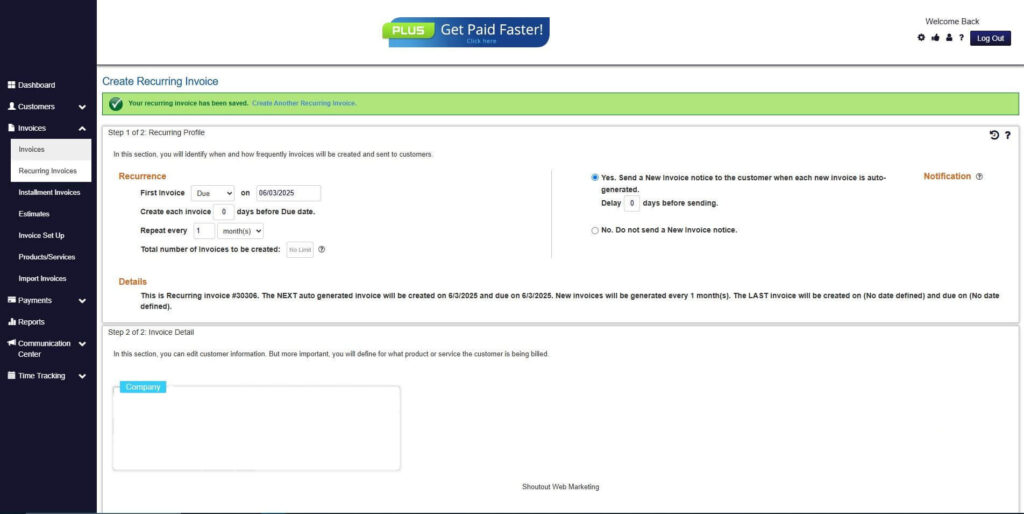
Step 9: Recurring Invoice Created
- Your Recurring Invoice has been created.
Frequently Asked Questions (FAQs)
1. What are non-commercial invoices used for in business operations?
They are used to document the movement of goods without a financial transaction. Common examples include samples, returns, gifts, and internal transfers. These invoices ensure compliance with customs and regulatory requirements. They also help maintain accurate shipment records.
2. How is automation changing invoicing processes?
Automation reduces manual work by generating and processing invoices automatically. It improves accuracy and speeds up documentation workflows. It also enhances compliance by enforcing standardized rules. Overall, it increases efficiency across operations.
3. What technologies are shaping the future of invoicing?
Artificial intelligence, machine learning, cloud computing, and real-time data systems are leading the transformation. These technologies improve accuracy, visibility, and scalability. They also support integration across global business systems. Together, they define modern invoicing innovation.
4. Are automated invoicing systems secure?
Yes, most modern systems include encryption, access controls, and compliance frameworks. However, security depends on proper implementation and maintenance. Businesses must ensure regular updates and monitoring. Strong security practices are essential for protection.
5. How can businesses prepare for future invoicing trends?
They should invest in automation-ready systems and standardize processes early. Training employees and integrating platforms is also important. Staying updated on regulatory changes helps maintain compliance. Early adoption ensures smoother transitions.
Conclusion
The future of invoicing is being shaped by rapid advancements in automation, artificial intelligence, and global system integration. These innovations are transforming how businesses manage non-commercial transactions by making processes faster, more accurate, and more compliant. As supply chains continue to expand globally, the need for reliable and intelligent invoicing systems becomes even more critical.
The rise of non commercial invoicing automation trends highlights a clear shift away from manual processes toward fully digital and connected ecosystems. Businesses that embrace these changes early will benefit from improved efficiency, reduced risk, and stronger operational control. Automation is no longer optional—it is becoming a core requirement for modern business success.
Ultimately, organizations that invest in future-ready invoicing systems will be better positioned to adapt to evolving global trade demands. By adopting automation, AI, and integrated platforms, businesses can build a more scalable and resilient invoicing framework. The future belongs to those who are prepared to innovate and evolve with these technological advancements.