

Late payments can seriously disrupt business cash flow, making it difficult to manage daily operations and long-term financial planning. When customers delay payments, businesses often struggle to cover essential expenses such as payroll, inventory, and operational costs. These disruptions create instability that can limit growth and reduce financial flexibility. One of the main causes of late payments is inefficient billing systems that fail to support timely collection. This is why understanding how to reduce late payments is critical for maintaining business stability.
Many payment delays stem from poor invoicing practices, lack of reminders, and complicated payment processes. When invoices are sent late or are unclear, customers are more likely to postpone payment. Without consistent follow-ups, overdue invoices can easily be forgotten or ignored. Limited payment options also contribute to slower transactions and customer hesitation. These challenges highlight the need for more structured and efficient billing systems.
Smarter billing provides a practical solution by improving invoicing accuracy, automating reminders, and simplifying payment methods. It reduces manual workload while increasing visibility and consistency across financial operations. Businesses can track payments more effectively and respond quickly to overdue accounts. This leads to improved cash flow and fewer disruptions in revenue cycles. Ultimately, adopting smarter billing is a key strategy for how to reduce late payments.
What Are Late Payments in Business Billing?
Late payments refer to invoices that are not paid by the agreed due date between a business and its customer. These payments fall under accounts receivable and are tracked based on payment terms such as net 15, net 30, or net 60. When customers exceed these deadlines, the invoice becomes overdue and impacts financial records. Businesses depend on timely payments to maintain steady cash flow and operational stability. Delays can therefore create financial uncertainty.
Late payments are a common issue across many industries and business models. They often result from miscommunication, financial constraints, or inefficient billing systems. Even small delays can accumulate and create significant cash flow gaps over time. Businesses that rely on regular incoming payments are particularly vulnerable. This makes it essential to understand how to reduce late payments effectively.
The impact of late payments goes beyond delayed revenue collection. They can disrupt supplier payments, employee salaries, and reinvestment plans. Over time, they may also damage customer trust and long-term relationships. Businesses may find it difficult to forecast future growth due to inconsistent income. Addressing these issues requires improved billing strategies.
The Financial Impact of Late Payments
Late payments significantly disrupt cash flow management and make financial planning more unpredictable. When payments are delayed, businesses may struggle to meet recurring obligations such as rent, payroll, and supplier costs. This creates operational stress that affects daily decision-making. In some cases, businesses may need to rely on credit to cover shortfalls. Over time, this weakens financial stability and resilience.
Beyond cash flow challenges, late payments can also limit growth opportunities for businesses. Companies may delay expansion plans, hiring, or investment due to uncertain revenue streams. This slows down overall business development and reduces competitiveness in the market. Financial unpredictability makes long-term planning more difficult and risky. Understanding how to reduce late payments is essential for avoiding these setbacks.
Persistent delays also increase administrative workload and reduce operational efficiency. Staff spend more time chasing overdue invoices instead of focusing on core business tasks. This lowers productivity and increases internal costs over time. It can also create unnecessary pressure on finance teams. Improving payment consistency helps reduce these burdens significantly.
How to Reduce Late Payments with Smarter Billing
Smarter billing helps businesses reduce late payments by improving how invoices are created, delivered, and tracked. Automation ensures that invoices are sent immediately after transactions, reducing unnecessary delays. It also improves accuracy by eliminating manual errors that can confuse customers. Businesses gain better visibility into outstanding payments and can take faster action when needed. These improvements are central to how to reduce late payments effectively.
Another important advantage of smarter billing is the ability to automate reminders and follow-ups. Customers receive notifications before and after due dates, keeping payments top of mind. This reduces the likelihood of forgotten invoices and overdue accounts. Automated systems ensure consistent communication without additional manual effort. As a result, businesses maintain more reliable cash flow.
Smarter billing also simplifies the payment process for customers. Integrated payment options allow users to pay quickly using their preferred method. This reduces friction and increases the chances of on-time payments. When billing is easy to understand and easy to pay, delays naturally decrease. This creates a more efficient financial ecosystem for both businesses and customers.
Key Features of Smart Billing Systems
Automated Invoice Generation
Automated invoice generation ensures that invoices are created and sent immediately after a transaction is completed. This eliminates delays caused by manual processing and reduces administrative workload. It also ensures that billing information remains consistent and accurate across all transactions. Faster invoicing leads directly to faster payments.
Recurring Billing Capabilities
Recurring billing allows businesses to automate invoices for subscription-based or repeat customers. This removes the need for manual invoice creation for each billing cycle. It ensures that payments are collected on time without missed cycles. This supports predictable revenue and financial stability.
Integrated Payment Options
Integrated payment systems allow customers to choose from multiple payment methods in one platform. This includes credit cards, bank transfers, and digital wallets. It simplifies the checkout process and reduces friction. Easier payments result in faster collections.
Real-Time Payment Tracking
Real-time tracking provides instant visibility into invoice status and payment activity. Businesses can quickly identify overdue accounts and take action. This improves financial control and decision-making. It also helps reduce delays in collection efforts.
Best Practices for Reducing Late Payments
Send Invoices Immediately
Invoices should be sent immediately after services are delivered or products are provided. Delays in invoicing often lead to delays in payment. Prompt billing encourages quicker customer response. This improves overall cash flow consistency.
Set Clear Payment Terms
Clear payment terms help customers understand expectations and due dates. Including penalties for late payments can encourage timely behavior. Transparency reduces confusion and disputes. This supports better payment compliance.
Offer Multiple Payment Options
Providing multiple payment methods increases convenience for customers. Options such as online payments, bank transfers, and wallets improve accessibility. This reduces friction in the payment process. More convenience leads to faster payments.
Follow Up Consistently
Consistent follow-ups ensure that customers do not forget outstanding invoices. Automated reminders help maintain regular communication. This reduces overdue accounts significantly. It is a key strategy for how to reduce late payments.
How Automation Helps Reduce Late Payments
Scheduled Billing
Scheduled billing ensures invoices are sent automatically at the right time. This eliminates delays caused by manual invoicing processes. It keeps billing cycles consistent and reliable. Customers receive invoices without interruption.
Automatic Payment Reminders
Automatic reminders notify customers before and after payment due dates. These alerts help keep payments top of mind. They reduce the chances of missed deadlines. This improves overall payment compliance.
Autopay Options
Autopay allows customers to be charged automatically on scheduled dates. This removes the need for manual payment actions. It significantly reduces missed or late payments. It ensures consistent revenue collection for businesses.
The Role of Clear Invoicing in Faster Payments
Clear invoicing helps customers understand exactly what they are being charged for without confusion. When invoices are structured and easy to read, payment decisions are made faster. Accurate billing builds trust between businesses and customers. This reduces disputes and delays in payment processing. Clear invoicing plays a major role in improving cash flow efficiency.
Well-designed invoices also reduce the likelihood of errors that can slow down payment approval. Missing details or unclear charges often lead to clarification requests. These delays extend the payment cycle unnecessarily. Standardized formats help prevent these issues from occurring. This ensures smoother financial transactions.
Additionally, clear breakdowns of services, pricing, and due dates encourage prompt payment behavior. Customers are more likely to pay quickly when they fully understand the invoice. This improves both satisfaction and financial performance. It also reduces friction in the billing process. Clear communication is essential for how to reduce late payments.
How Flexible Payment Options Improve Collections
Digital Payment Methods
Digital payment methods allow customers to complete transactions online بسهولة and quickly. This eliminates delays associated with traditional payment systems. It also improves convenience and accessibility. Faster payments improve cash flow.
Installment Options
Installment plans allow customers to break payments into smaller amounts. This reduces financial pressure and increases payment likelihood. It helps businesses collect payments more consistently. This supports better financial management.
Mobile-Friendly Payments
Mobile-friendly payment systems allow customers to pay from any device. This increases accessibility and convenience. Payments can be completed anytime and anywhere. This leads to higher payment success rates.
Common Mistakes That Lead to Late Payments
Delayed Invoicing
Delayed invoicing extends the entire payment cycle unnecessarily. Customers cannot pay until they receive invoices. This creates avoidable cash flow delays. Prompt invoicing is essential for efficiency.
Unclear Payment Terms
Unclear terms confuse customers and lead to misunderstandings. This often results in delayed or disputed payments. Clear communication is necessary for smooth transactions. Transparency improves payment reliability.
Lack of Follow-Ups
Without follow-ups, customers may forget due payments. This leads to increased overdue invoices. Regular reminders are essential for consistency. Automation helps solve this issue effectively.
How Smarter Billing Improves Customer Relationships
Smarter billing builds trust by ensuring transparency and accuracy in all transactions. Customers appreciate clear and consistent communication regarding payments. Timely reminders improve satisfaction and reduce confusion. Convenient payment options enhance the overall experience. These factors strengthen long-term business relationships.
Reliable billing systems also reduce disputes and misunderstandings. When customers trust the billing process, they are more likely to pay on time. This improves overall satisfaction and loyalty. It also reduces administrative conflicts for businesses. Strong billing practices support better customer engagement.
Additionally, smoother payment experiences create a more professional impression. Businesses that simplify billing processes appear more organized and trustworthy. This encourages repeat business and long-term partnerships. Positive experiences contribute to stronger customer retention. Smarter billing supports both financial and relational success.
Use Cases Across Different Industries
Service-Based Businesses
Service-based businesses benefit from automated invoicing and follow-ups. This ensures faster payment collection from clients. It reduces administrative workload significantly. Cash flow becomes more stable.
SaaS Companies
SaaS companies rely on recurring billing for subscription revenue. Automation ensures consistent and accurate billing cycles. This reduces missed payments. It supports predictable income streams.
E-commerce Businesses
E-commerce platforms use automated billing for instant payment processing. This reduces abandoned transactions. Customers experience faster checkout processes. It improves overall sales performance.
How ReliaBills Helps Reduce Late Payments
ReliaBills simplifies how to reduce late payments by automating invoicing, reminders, and payment collection in one unified platform. It ensures that invoices are delivered on time and tracked efficiently without manual intervention. Businesses benefit from consistent communication with customers through automated reminders. This reduces delays and improves payment reliability. The platform strengthens overall cash flow management.
Its recurring billing and autopay features further improve payment consistency by automating transactions on scheduled cycles. This eliminates the risk of missed or forgotten payments. Businesses gain predictable revenue streams and reduced administrative workload. Customers enjoy a seamless and convenient payment experience. These features significantly improve financial stability.
With ReliaBills PLUS, businesses gain access to advanced automation tools, branded invoicing, and detailed reporting features. These capabilities provide deeper insights into payment behavior and financial performance. Businesses can optimize billing strategies using real-time data. This enhances decision-making and efficiency. ReliaBills PLUS supports long-term growth and improved cash flow.
How to Create a New Recurring Invoice Using ReliaBills
Creating a New Recurring Invoice using ReliaBills involves the following steps:
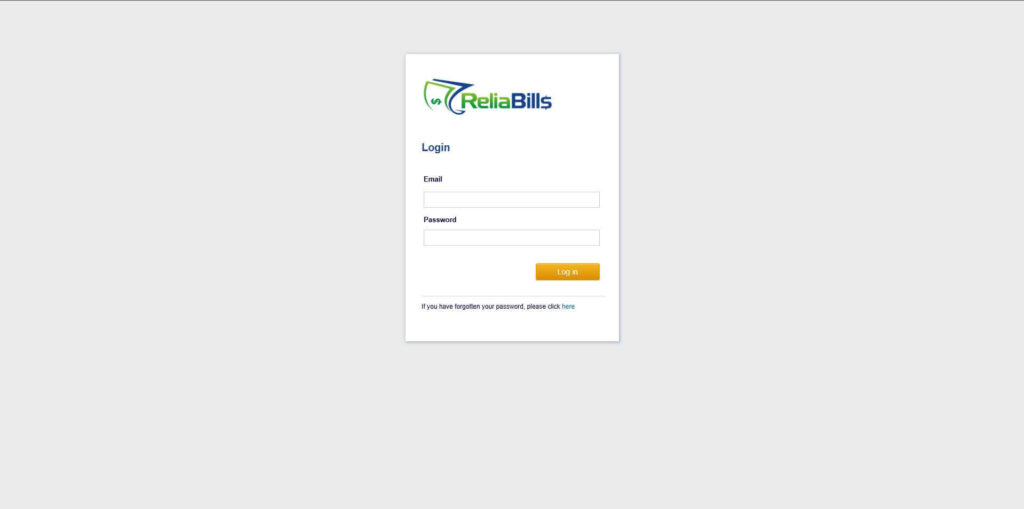
Step 1: Login to ReliaBills
- Access your ReliaBills Account using your login credentials. If you don’t have an account, sign up here.
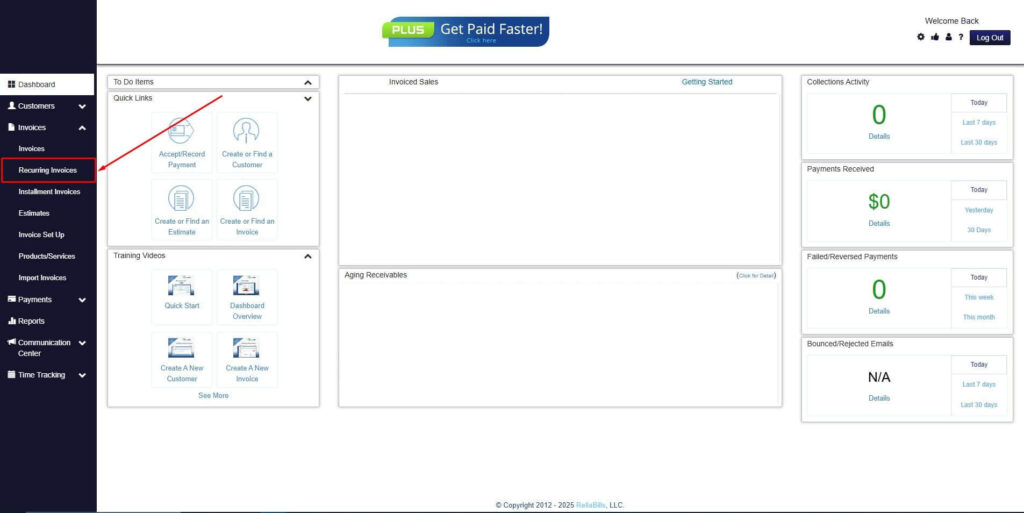
Step 2: Click on Recurring Invoices
- Navigate to the Invoices Dropdown and click on Recurring Invoices for an overview of the list of your existing customers.
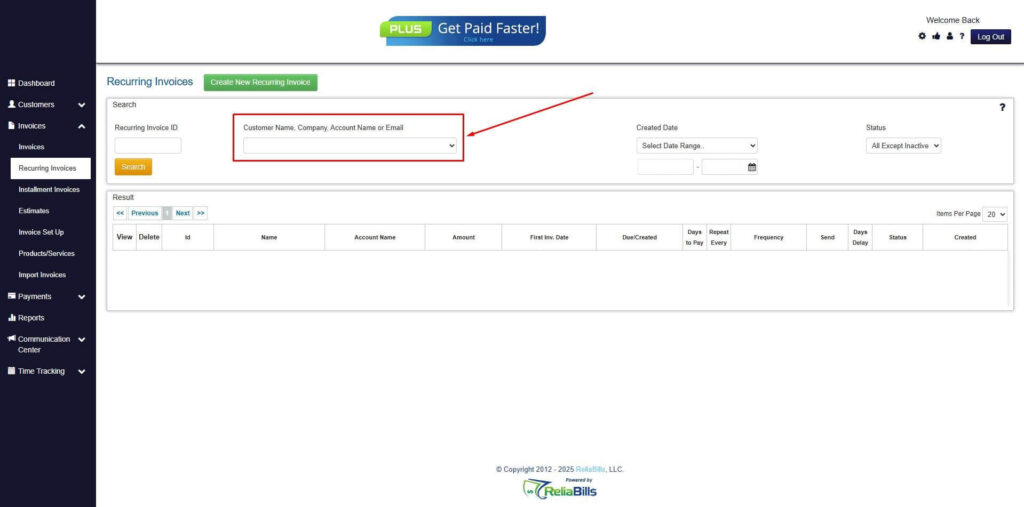
Step 3: Go to the Customers Tab
- If you have already created a customer, search for them in the Customers tab and make sure their status is “Active”.
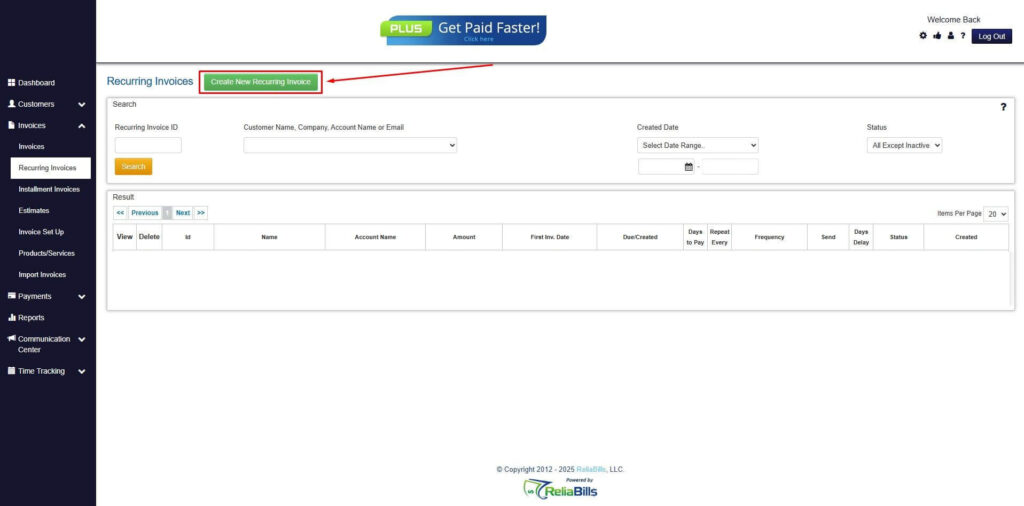
Step 4: Click the Create New Recurring Invoice
- If you haven’t created any customers yet, click the Create New Recurring Invoice to create a new customer.
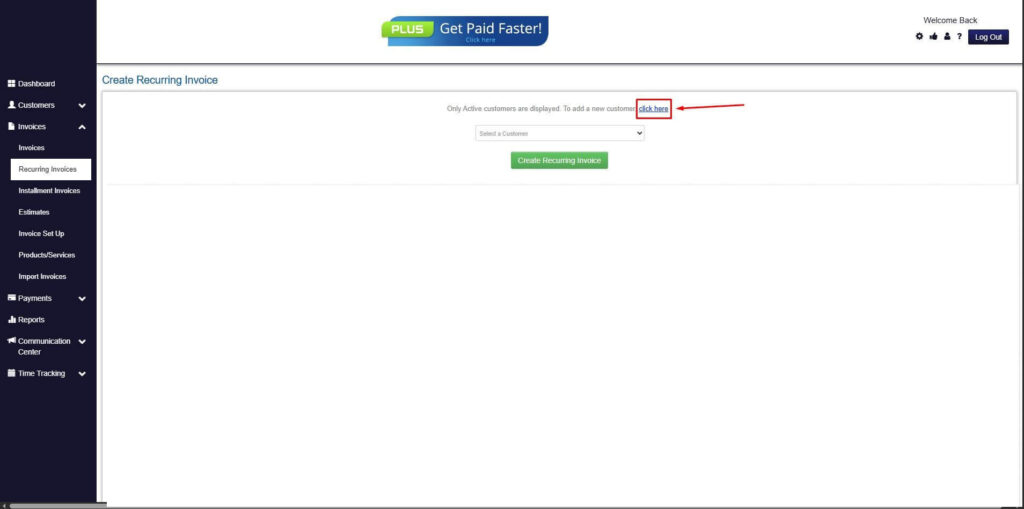
Step 5: Click on the “Click here” Button
- Click on the “Click here” button to proceed with the recurring invoice creation.
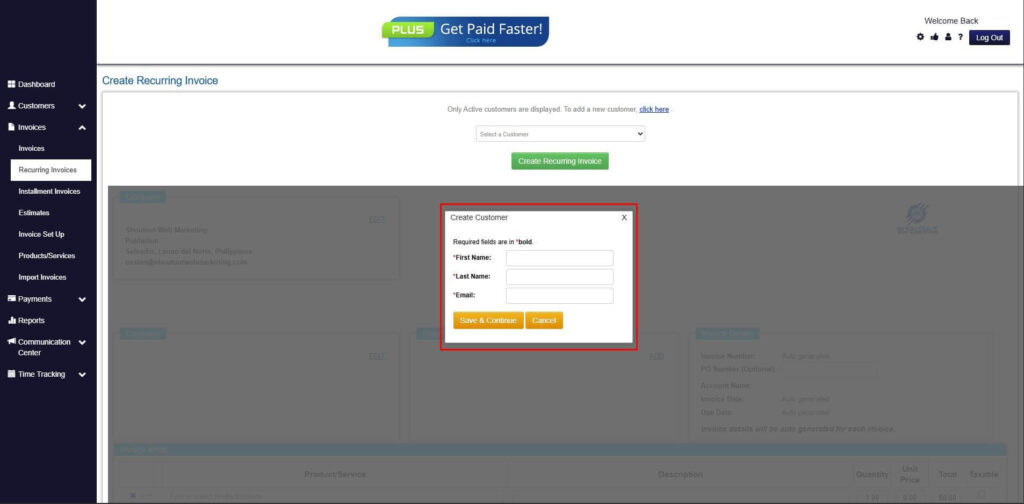
Step 6: Create Customer
- Provide your First Name, Last Name, and Email to proceed.
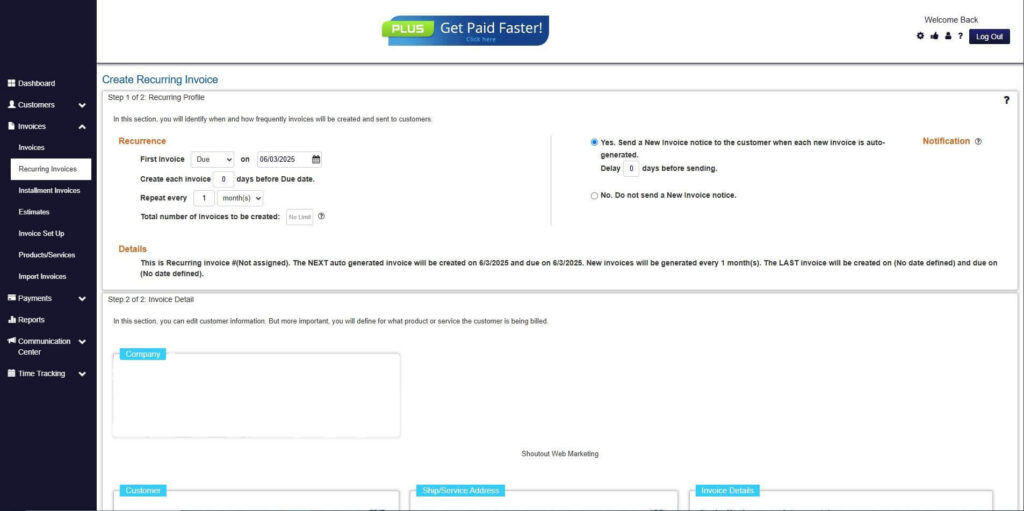
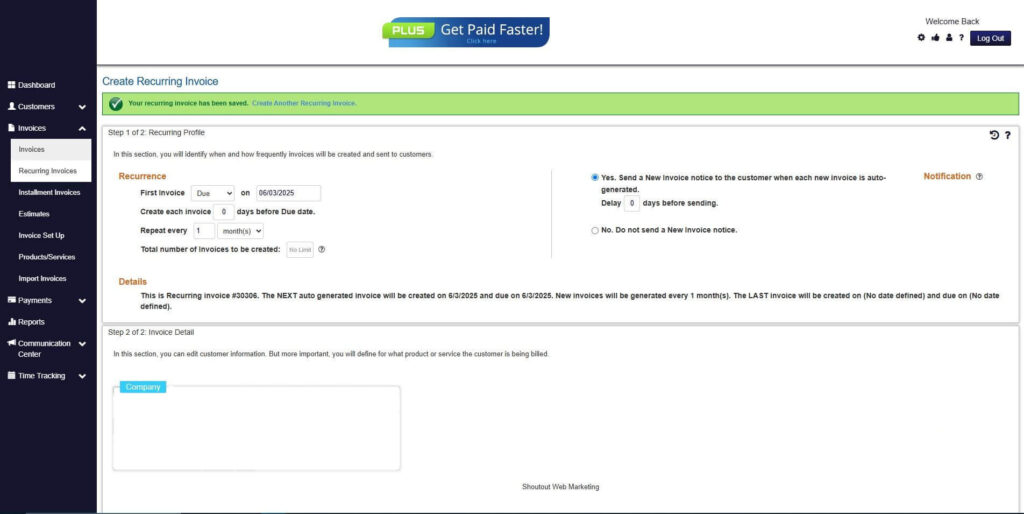
Step 7: Fill in the Create Recurring Invoice Form
- Fill in all the necessary fields.
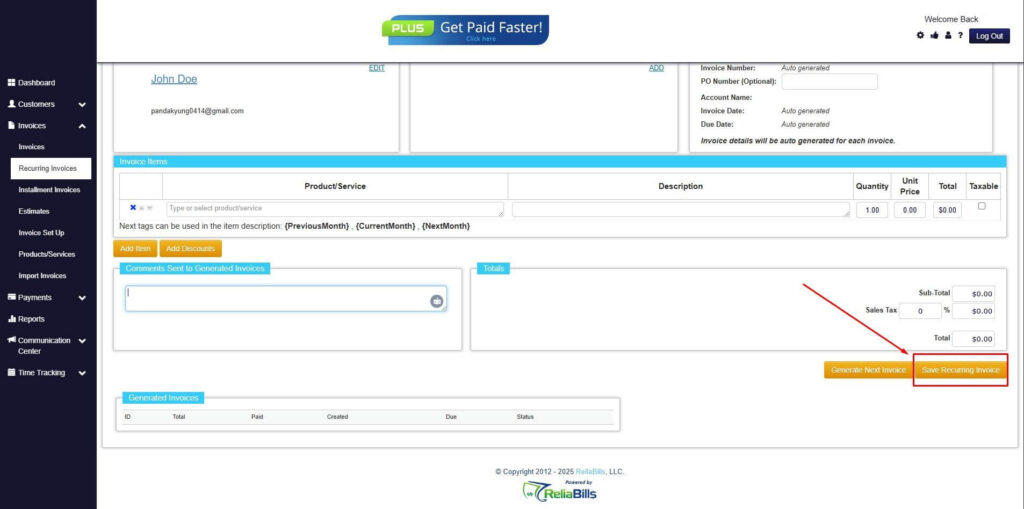
Step 8: Save Recurring Invoice
- After filling up the form, click “Save Recurring Invoice” to continue.
Step 9: Recurring Invoice Created
- Your Recurring Invoice has been created.
Frequently Asked Questions
1. How can businesses reduce late payments?
Businesses can reduce late payments by automating invoicing and sending timely reminders. Offering flexible payment options also helps improve payment speed. Clear billing reduces confusion. Consistent follow-ups are essential.
2. What is the best way to ensure on-time payments?
The best approach is using autopay systems and clear invoices. Payment terms should be clearly defined. Regular reminders help maintain consistency. These practices improve reliability.
3. Does automation really help reduce late payments?
Yes, automation reduces errors and ensures timely invoicing. It improves communication through reminders. It also speeds up payment processing. This increases payment success rates.
4. Are late payment penalties effective?
Late payment penalties can encourage timely payments if applied clearly. They should be communicated upfront. Transparency is important for fairness. Proper use improves compliance.
Conclusion
Smarter billing plays a critical role in helping businesses reduce delays in payment collection. Inefficient invoicing and lack of communication often lead to late payments that disrupt cash flow. By improving billing processes, businesses can create more predictable financial outcomes. Understanding how to reduce late payments is essential for long-term success. These improvements strengthen overall financial stability.
Automation enhances billing efficiency by ensuring invoices are delivered and tracked on time. It also improves communication through reminders and simplifies payment methods for customers. These features reduce friction in the payment process and improve collection rates. Businesses benefit from faster and more consistent revenue streams. This creates a more stable financial foundation.
As competition increases, adopting smarter billing systems becomes more important than ever. Businesses that embrace automation gain better control over cash flow and operations. They also improve customer satisfaction through smoother payment experiences. Investing in better billing practices leads to stronger growth and efficiency. This makes how to reduce late payments a strategic business priority.