

Timely payments are essential for maintaining healthy cash flow, especially for small businesses that rely on consistent revenue to cover daily operations and growth expenses. When invoices go unpaid, it can quickly disrupt financial stability, making it harder to pay suppliers, employees, and other obligations. Overdue invoices also create administrative strain, as business owners must spend additional time following up instead of focusing on core activities. This is why having a structured collections process is critical for long-term sustainability.
One of the most important steps in that process is sending a final notice for overdue invoice, which signals urgency and reinforces the seriousness of the situation. Unlike earlier reminders, a final notice communicates that the business is prepared to take further action if payment is not received. It helps set clear expectations while still giving the customer an opportunity to resolve the issue. When used correctly, it can significantly improve payment recovery rates without damaging relationships.
This article explores when and how to send a final notice effectively, along with best practices to improve your collections strategy. You will learn how to identify the right timing, what to include, and how to avoid common mistakes. Whether you’re managing a few clients or scaling your business, understanding this process can help you protect your cash flow. Ultimately, a well-timed final notice can be the difference between recovering revenue and writing off losses.
What Is a Final Notice for an Overdue Invoice?
A final notice for overdue invoice is the last formal communication sent to a customer before a business escalates the collections process. It serves as a clear and direct request for payment, emphasizing that the invoice is significantly past due. This notice is typically more serious in tone compared to earlier reminders, as it outlines potential consequences if the balance remains unpaid. Its purpose is to prompt immediate action while maintaining professionalism.
Unlike initial reminders or follow-up emails, a final notice is not just a friendly nudge but a structured warning. Earlier communications often focus on courtesy and assume the delay may be unintentional. In contrast, a final notice highlights that multiple attempts have already been made and that the issue now requires urgent attention. This distinction helps reinforce accountability and encourages faster resolution.
In accounts receivable management, the final notice plays a crucial role in bridging the gap between routine follow-ups and formal collections actions. It provides documentation that the business has made reasonable efforts to collect payment. This can be important for legal protection if further steps are required. Overall, it ensures that the collections process remains organized, consistent, and effective.
Why Sending a Final Notice Is Important
Sending a final notice for overdue invoice reinforces urgency and communicates that the situation has reached a critical stage. It signals to the customer that continued delays are no longer acceptable and that immediate action is required. This level of clarity often motivates customers to prioritize payment, especially if they have been delaying or overlooking earlier reminders. By clearly escalating the tone, businesses can reduce prolonged payment delays.
Another important reason is that a final notice provides a clear and firm deadline for payment. Customers are more likely to respond when they understand there is a specific timeframe attached to the request. This helps eliminate ambiguity and ensures both parties are aligned on expectations. A well-defined deadline also makes it easier for businesses to decide when to take further action.
From a legal and financial standpoint, sending a final notice helps protect the business. It creates a documented trail showing that the company made multiple attempts to collect payment in good faith. This can be valuable if the issue escalates to collections agencies or legal proceedings. Additionally, it demonstrates professionalism and consistency in handling accounts receivable.
Finally, a final notice contributes to a structured and repeatable collections process. Instead of reacting inconsistently to overdue invoices, businesses can follow a standardized workflow. This improves efficiency and reduces stress for both the business and the customer. Over time, it also helps set clear expectations with clients about payment responsibilities.
When Should You Send a Final Notice?
After multiple payment reminders have gone unanswered
A final notice should only be sent after several reminders have failed to receive a response. This ensures that the customer has been given enough opportunities to settle the invoice without escalation. By waiting until this stage, the final notice carries more weight and credibility. It shows that the business is serious about collecting payment and has followed a fair process.
When the invoice is significantly past due (e.g., 30–60 days)
Invoices that remain unpaid for an extended period are strong candidates for a final notice. At this point, the delay is no longer considered minor or accidental. Sending a final notice during this timeframe helps prevent further aging of receivables. It also signals that the business is taking proactive steps to recover outstanding balances.
When previous communication attempts have failed
If emails, calls, and reminders have not resulted in payment or meaningful responses, escalation is necessary. A final notice serves as a clear shift in communication strategy. It communicates urgency and highlights the consequences of continued non-payment. This often prompts customers to respond when softer approaches have not worked.
Before escalating to collections or legal action
A final notice should always precede more serious actions such as involving a collections agency or legal proceedings. It gives the customer one last opportunity to resolve the issue amicably. This step also protects the business by demonstrating due diligence. It ensures that escalation is justified and not premature.
When payment promises are broken
If a customer has committed to a payment date but fails to follow through, a final notice is appropriate. Broken promises indicate a higher risk of continued delays. Sending a final notice reinforces accountability and resets expectations. It also helps prevent ongoing cycles of unfulfilled commitments.
Signs an Invoice Requires a Final Notice
No response from the customer after reminders
A lack of communication is one of the clearest indicators that escalation is needed. When customers ignore multiple reminders, it suggests that standard follow-ups are no longer effective. A final notice helps re-engage the customer with a stronger message. It also establishes that the issue cannot be ignored indefinitely.
Repeated delays or excuses for non-payment
Customers who frequently delay payments or provide repeated excuses may require firmer action. While occasional delays are understandable, consistent patterns can disrupt cash flow. A final notice sets clear boundaries and expectations. It encourages customers to take responsibility and prioritize payment.
Partial payments without clear commitment to settle the balance
Partial payments can indicate willingness but also uncertainty or avoidance. Without a clear plan to settle the remaining balance, the issue can persist. A final notice helps clarify expectations and request full payment or a structured arrangement. This ensures that the outstanding balance does not remain unresolved.
Customer avoids communication
Avoidance behaviors, such as ignoring calls or emails, often signal deeper payment issues. In such cases, a final notice serves as a formal escalation. It communicates seriousness while maintaining professionalism. This can prompt the customer to respond and address the situation.
Invoice aging beyond standard payment terms
Invoices that exceed agreed payment terms by a significant margin require attention. The longer an invoice remains unpaid, the harder it becomes to collect. A final notice helps prevent further delays and potential write-offs. It reinforces the importance of timely payment and accountability.
What to Include in a Final Notice
Invoice details (number, amount, due date)
Including complete invoice details ensures clarity and avoids confusion. Customers should immediately understand which invoice is being referenced. This reduces back-and-forth communication and speeds up resolution. Accurate details also reinforce professionalism and organization.
Clear statement that it is a “Final Notice”
Labeling the communication as a final notice emphasizes urgency. It signals that this is the last step before escalation. This distinction helps capture the customer’s attention. It also reinforces the seriousness of the situation.
Updated total amount due (including penalties if applicable)
Providing the current balance, including any late fees, ensures transparency. Customers need to know the exact amount required to settle the account. This eliminates uncertainty and encourages immediate action. It also reinforces the consequences of delayed payment.
Firm payment deadline
A specific deadline creates urgency and accountability. Customers are more likely to act when they know there is a clear timeframe. This also helps businesses plan next steps if payment is not received. A firm deadline ensures that the process remains structured.
Consequences of non-payment (service suspension, collections, etc.)
Clearly outlining potential consequences reinforces the seriousness of the notice. Customers need to understand what will happen if they fail to pay. This can motivate action and prevent further delays. It also protects the business by setting clear expectations.
Contact information for resolution
Providing contact details makes it easy for customers to respond. Whether they want to pay, dispute, or request a payment plan, clear communication channels are essential. This encourages cooperation and faster resolution. It also demonstrates a willingness to work with the customer.
How to Write an Effective Final Notice
Writing an effective final notice for overdue invoice requires balancing firmness with professionalism. The tone should clearly communicate urgency without becoming aggressive or confrontational. This helps maintain a positive relationship while still emphasizing the need for immediate payment. A respectful approach increases the likelihood of cooperation.
Clarity is another key factor in crafting an effective notice. The message should be straightforward and easy to understand, leaving no room for confusion. Including all relevant details ensures that the customer has everything they need to take action. This reduces delays caused by misunderstandings or missing information.
Providing multiple payment options can also improve response rates. Customers are more likely to pay when the process is convenient and accessible. Offering flexible solutions, such as payment plans, can help resolve the issue faster. This approach demonstrates professionalism and customer consideration.
Finally, the notice should encourage immediate action while outlining the consequences of non-payment. A clear call to action helps guide the customer’s next steps. This ensures that the communication is not only informative but also actionable. When done correctly, it increases the chances of successful payment collection.
Common Mistakes to Avoid When Sending Final Notices
Sending the notice too early in the process
Issuing a final notice prematurely can damage customer relationships. It may come across as overly aggressive if sufficient reminders have not been sent. Businesses should follow a structured timeline before escalating. This ensures fairness and professionalism in the collections process.
Using overly aggressive or threatening language
Harsh language can escalate tensions and harm long-term relationships. While urgency is important, professionalism should always be maintained. A respectful tone increases the likelihood of cooperation. It also reflects positively on the business’s reputation.
Failing to include complete invoice details
Missing or incomplete information can lead to confusion and delays. Customers need clear details to process payment quickly. Providing accurate and comprehensive information is essential. This ensures that the notice is effective and actionable.
Not specifying a clear deadline
Without a deadline, customers may continue to delay payment. A specific timeframe creates urgency and accountability. It also helps businesses determine when to take further action. Clear deadlines are essential for an effective collections process.
Ignoring previous communication history
Failing to reference prior reminders can weaken the message. Customers should understand that multiple attempts have already been made. This reinforces the seriousness of the situation. It also demonstrates consistency in the collections approach.
What Happens After Sending a Final Notice
After sending a final notice for overdue invoice, many customers will take immediate action to settle their balance. The increased urgency often prompts them to prioritize payment to avoid further consequences. This can lead to faster resolution and improved cash flow. In many cases, a well-crafted final notice is enough to recover overdue payments.
Some customers may respond by requesting payment plans or raising disputes. This provides an opportunity to resolve issues collaboratively. Businesses can negotiate terms that work for both parties while still recovering revenue. Open communication is key during this stage.
If the invoice remains unpaid, businesses may need to escalate the matter. This could involve sending the account to a collections agency or pursuing legal action. While this step is more serious, it is sometimes necessary to protect the business. Having a documented process, including the final notice, supports these actions.
Finally, this stage offers an opportunity to reassess customer relationships. Businesses may choose to adjust credit terms or discontinue services for high-risk clients. This helps prevent similar issues in the future. It also strengthens overall financial management practices.
Best Practices for Managing Overdue Invoices
Send invoices promptly with clear payment terms
Timely invoicing sets the foundation for on-time payments. Clear terms help customers understand expectations from the beginning. This reduces confusion and disputes. It also improves overall payment behavior.
Use automated reminders before due dates and after
Automation ensures consistent communication with customers. Reminders help prevent invoices from becoming overdue. They also reduce manual workload for businesses. This improves efficiency and accuracy.
Track invoice aging regularly
Monitoring invoice aging helps identify potential issues early. Businesses can take proactive steps to address delays. This reduces the risk of long-term overdue accounts. It also improves financial visibility.
Maintain consistent communication with customers
Regular communication builds trust and transparency. Customers are more likely to pay when they feel informed and supported. Consistency also reinforces professionalism. This strengthens long-term relationships.
Establish a structured collections workflow
A defined process ensures consistency and efficiency. Businesses can handle overdue invoices systematically. This reduces stress and improves outcomes. It also supports scalability as the business grows.
The Role of Automation in Managing Overdue Payments
Automation plays a crucial role in improving how businesses handle overdue invoices. By automating reminders and follow-ups, businesses can ensure that customers are consistently notified about upcoming and overdue payments. This reduces the chances of invoices being forgotten or overlooked. It also allows businesses to maintain a proactive approach to collections.
Another key benefit is real-time tracking of overdue invoices. Automation tools provide visibility into payment statuses, making it easier to identify and address issues. This helps businesses stay organized and make informed decisions. It also reduces the risk of errors associated with manual tracking.
Automation significantly reduces administrative workload by eliminating repetitive tasks. This allows business owners and teams to focus on higher-value activities. It also improves efficiency and productivity across operations. Over time, this leads to better financial management and growth.
Finally, automation ensures consistency in the collections process. Every customer receives the same level of communication and follow-up. This improves professionalism and reliability. It also increases the likelihood of successful payment recovery.
Key Benefits of Sending Final Notices Effectively
- Increases chances of recovering overdue payments: A well-timed final notice encourages customers to act quickly. It reinforces urgency and highlights consequences. This improves collection rates. It also reduces outstanding balances.
- Establishes a professional and consistent collections process: Consistency improves efficiency and credibility. Customers understand what to expect. This reduces confusion and disputes. It also strengthens business operations.
- Reduces financial risk and cash flow disruptions: Timely collections protect cash flow. Businesses can meet financial obligations more easily. This reduces stress and uncertainty. It also supports long-term stability.
- Maintains clear communication with customers: Clear communication builds trust and transparency. Customers are more likely to respond positively. This improves relationships. It also enhances customer experience.
- Supports better accounts receivable management: Structured processes improve financial oversight. Businesses can track and manage invoices effectively. This reduces errors and inefficiencies. It also supports growth and scalability.
Common Use Cases
- Service-based businesses with unpaid invoices: Service providers often deal with delayed payments from clients. Final notices help recover outstanding balances. This ensures consistent revenue. It also supports business continuity.
- Subscription services with failed payments: Recurring billing models can experience payment failures. Final notices help address these issues quickly. This reduces revenue loss. It also improves customer accountability.
- Freelancers and consultants managing client payments: Independent professionals rely on timely payments. Final notices provide a structured way to follow up. This improves cash flow. It also maintains professionalism.
- B2B companies with extended payment terms: Long payment cycles increase the risk of delays. Final notices help enforce deadlines. This improves collections. It also strengthens financial management.
- Small businesses handling recurring billing customers: Businesses with repeat customers benefit from structured processes. Final notices ensure accountability. This reduces overdue invoices. It also supports stable cash flow.
How ReliaBills Helps Businesses Manage Overdue Invoices
ReliaBills helps small businesses streamline invoice tracking and collections by automating key processes that are often handled manually. Instead of juggling spreadsheets and follow-ups, businesses can monitor invoice statuses in real time and ensure that no payment slips through the cracks. This reduces the risk of missed communications and improves overall efficiency in managing accounts receivable. By centralizing billing operations, businesses gain better visibility and control over their financial workflows.
A major advantage of ReliaBills is its recurring billing and automated reminder features, which significantly reduce the occurrence of overdue invoices. Businesses can schedule reminders before and after due dates, ensuring consistent communication with customers without manual effort. Auto Pay functionality further enhances this by enabling automatic payment collection for recurring services. This combination helps maintain steady cash flow and minimizes the need for sending a final notice for overdue invoice.
ReliaBills PLUS builds on these capabilities with advanced automation, detailed reporting, and enhanced customer management tools. Businesses can analyze payment trends, identify high-risk accounts, and make data-driven decisions to improve collections strategies. These insights help refine billing processes and reduce future payment delays. Ultimately, ReliaBills provides a scalable solution that empowers businesses to manage overdue invoices more effectively and maintain long-term financial stability.
How to Create a New Recurring Invoice Using ReliaBills
Creating a New Recurring Invoice using ReliaBills involves the following steps:
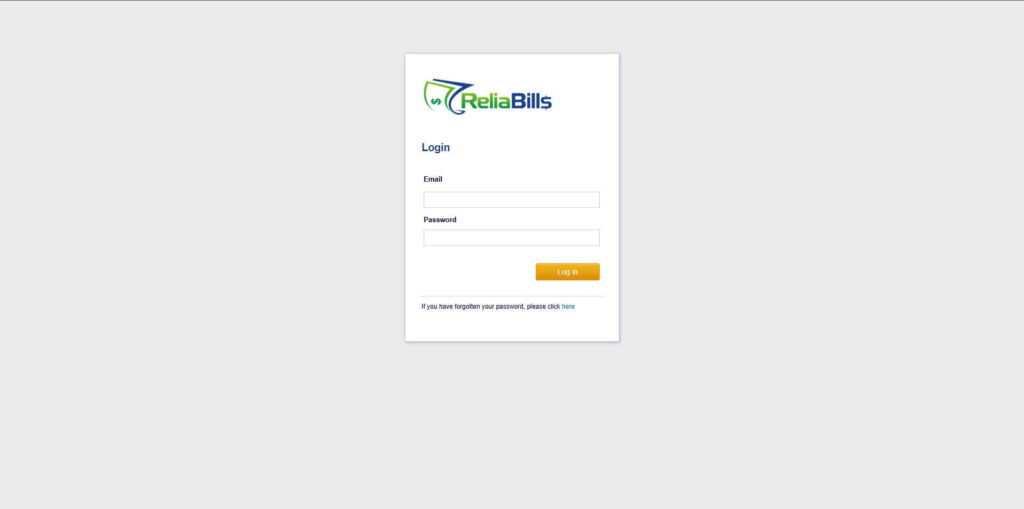
Step 1: Login to ReliaBills
- Access your ReliaBills Account using your login credentials. If you don’t have an account, sign up here.
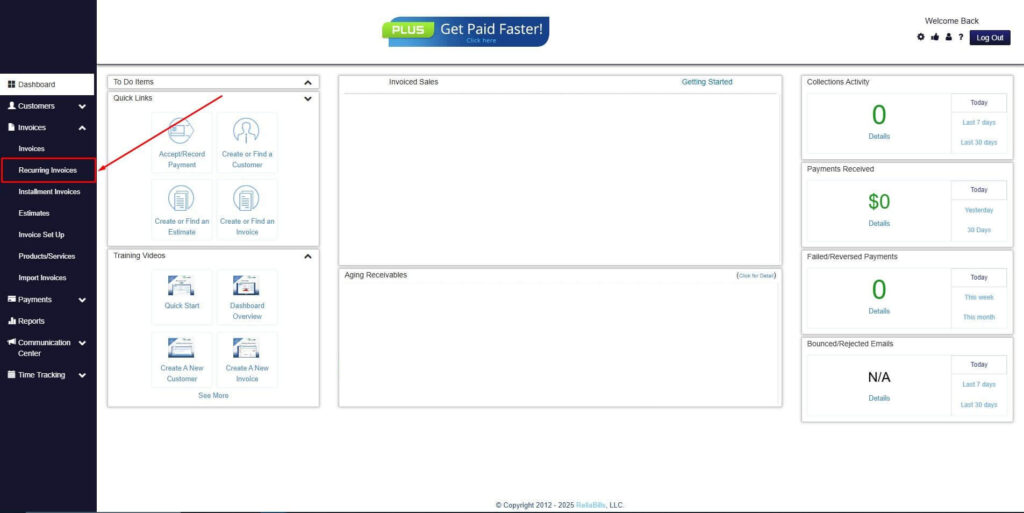
Step 2: Click on Recurring Invoices
- Navigate to the Invoices Dropdown and click on Recurring Invoices for an overview of the list of your existing customers.
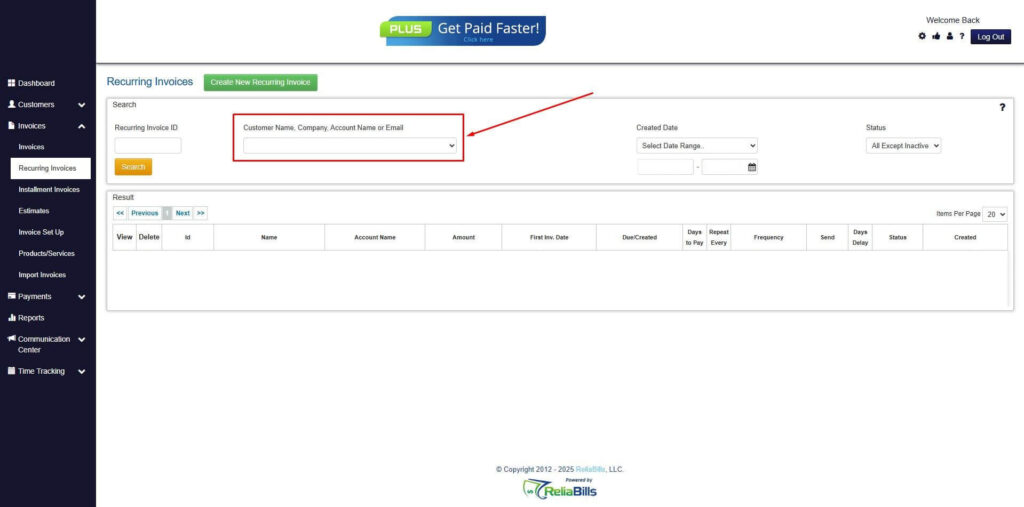
Step 3: Go to the Customers Tab
- If you have already created a customer, search for them in the Customers tab and make sure their status is “Active”.
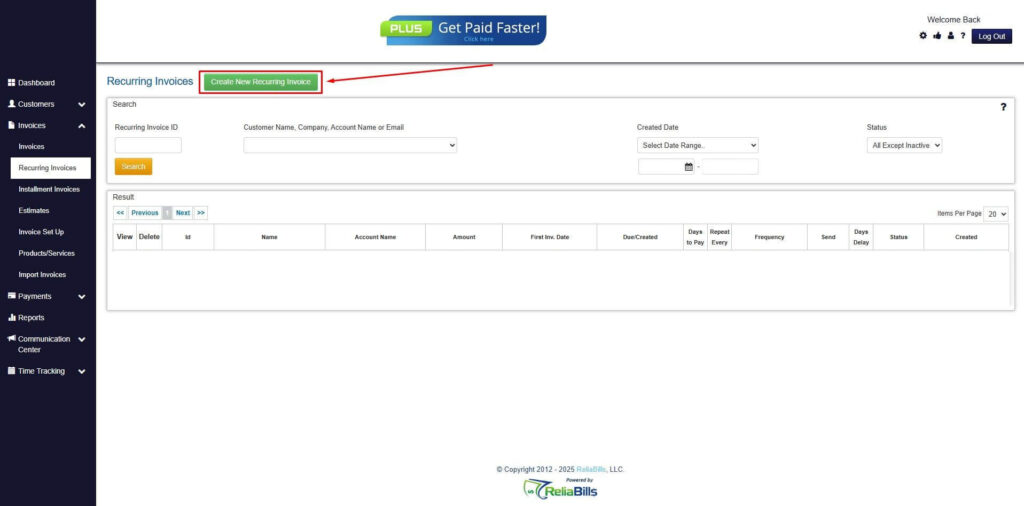
Step 4: Click the Create New Recurring Invoice
- If you haven’t created any customers yet, click the Create New Recurring Invoice to create a new customer.
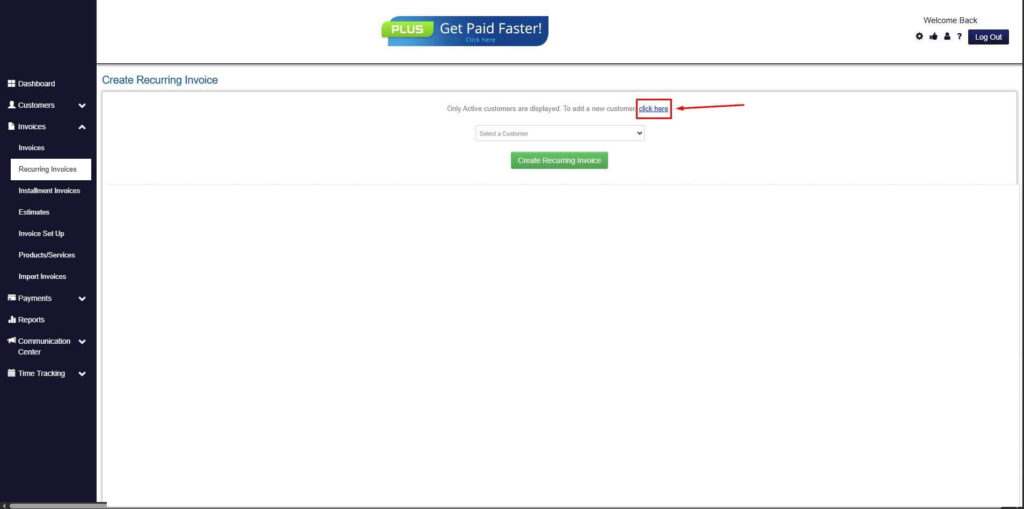
Step 5: Click on the “Click here” Button
- Click on the “Click here” button to proceed with the recurring invoice creation.
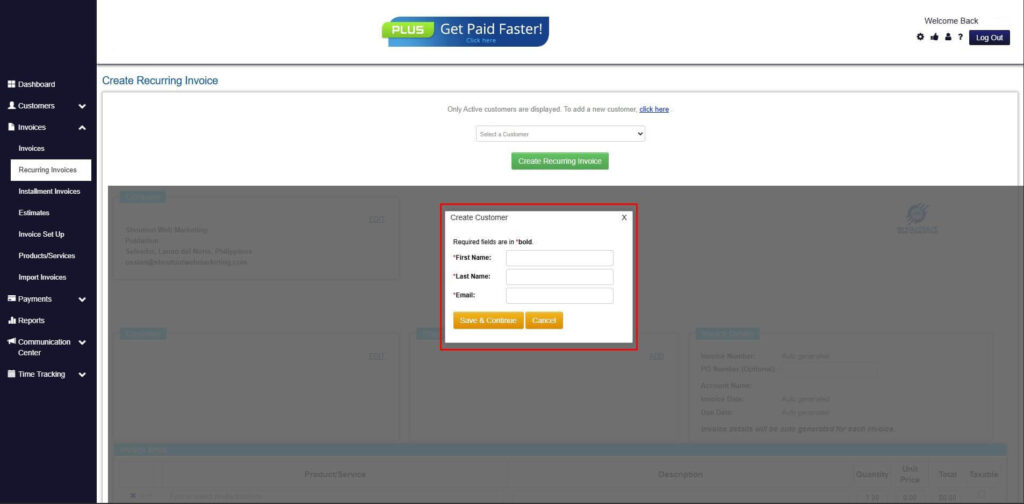
Step 6: Create Customer
- Provide your First Name, Last Name, and Email to proceed.
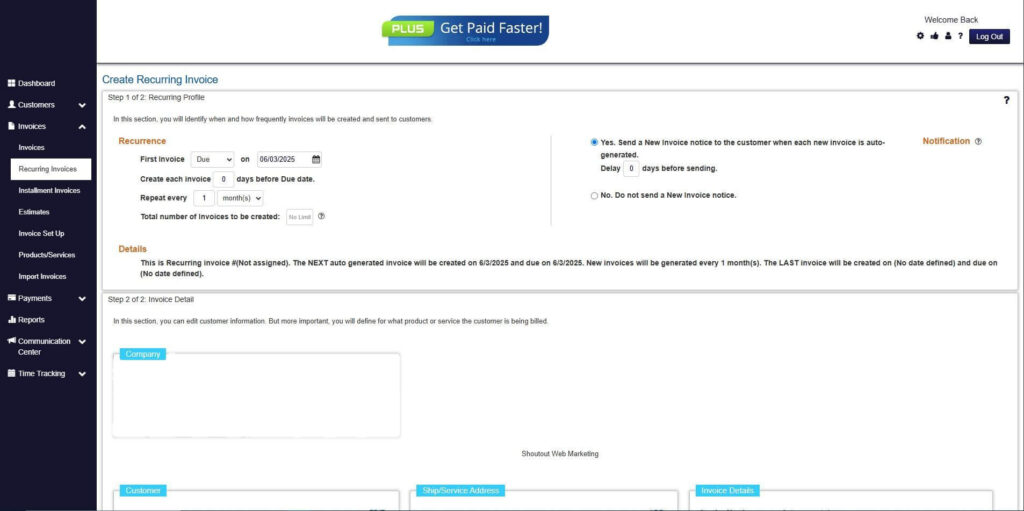
Step 7: Fill in the Create Recurring Invoice Form
- Fill in all the necessary fields.
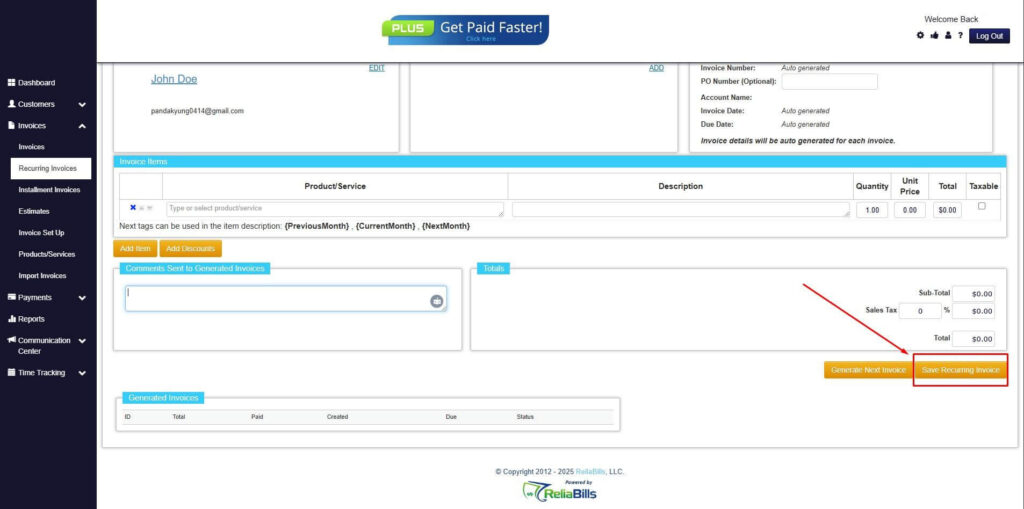
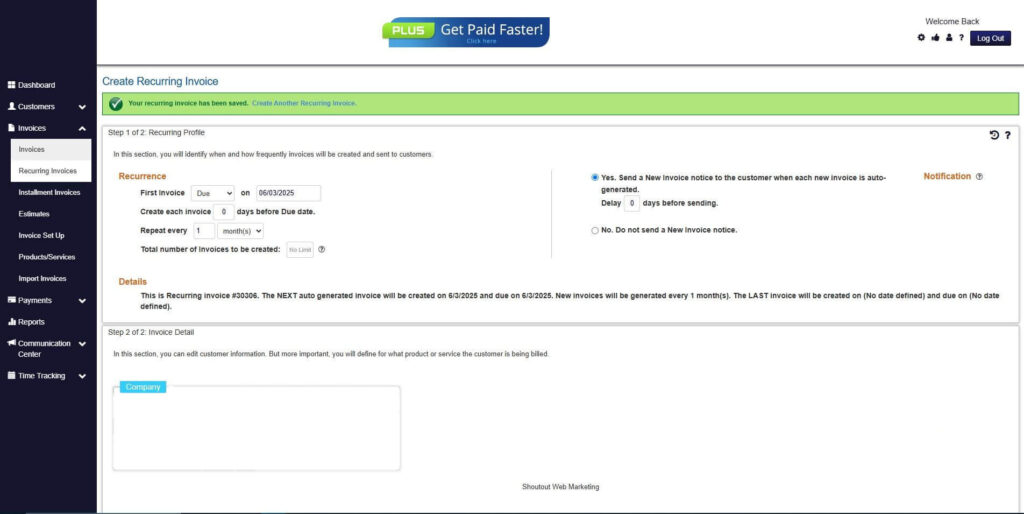
Step 8: Save Recurring Invoice
- After filling up the form, click “Save Recurring Invoice” to continue.
Step 9: Recurring Invoice Created
- Your Recurring Invoice has been created.
Frequently Asked Questions (FAQs)
1. What is a final notice for an overdue invoice?
A final notice is the last formal request for payment before escalation. It communicates urgency and outlines consequences. It is sent after multiple reminders. Its goal is to prompt immediate action.
2. How long should you wait before sending a final notice?
Most businesses wait 30–60 days past the due date. This allows time for reminders and follow-ups. The exact timing depends on payment terms. Consistency is key.
3. What should be included in a final notice?
A final notice should include invoice details, total amount due, and a deadline. It should also state consequences of non-payment. Contact information is essential. Clarity improves effectiveness.
4. Can a final notice improve payment collection?
Yes, it increases urgency and motivates action. Many customers respond at this stage. It helps recover overdue payments. It also strengthens collections processes.
5. What happens if a customer ignores the final notice?
Businesses may escalate to collections or legal action. They may also reassess the relationship. This helps protect financial interests. Documentation supports further steps.
Conclusion
Sending a final notice for overdue invoice is a critical step in maintaining a structured and effective collections process. It helps reinforce urgency, establish clear deadlines, and improve the chances of recovering outstanding payments. By understanding when and how to send a final notice, businesses can reduce delays and protect their cash flow. Consistency and professionalism are key to achieving the best results.
Ultimately, the decision to send a final notice should be guided by timing, communication history, and the overall relationship with the customer. A well-managed approach ensures that businesses remain fair while still protecting their financial interests. It also helps maintain positive customer relationships whenever possible. This balance is essential for long-term success.
As businesses grow, adopting automation and structured processes becomes increasingly important. Tools that streamline invoicing and collections can significantly reduce manual effort and improve efficiency. By leveraging the right strategies and technology, businesses can manage overdue invoices more effectively. This sets the foundation for stronger financial stability and sustainable growth.