
In subscription-based businesses, consistent and predictable payments are critical to maintaining stable revenue and long-term growth. Companies operating under SaaS, membership, or recurring service models depend heavily on automated billing cycles to ensure that income flows steadily without interruption. When payments are processed successfully, businesses can forecast revenue accurately, allocate resources efficiently, and focus on improving customer experience and product development.
However, failed subscription payments introduce uncertainty into this otherwise predictable system. Even a small percentage of failed or unpaid invoices can accumulate quickly, leading to significant revenue leakage over time. Beyond financial impact, these failures can also strain customer relationships, especially if service interruptions occur or communication is unclear.
To address these risks, modern businesses increasingly rely on automated billing systems that proactively manage payment failures. These systems not only reduce the likelihood of failed transactions but also improve recovery rates, streamline operations, and enhance the overall customer billing experience.
What Are Failed or Unpaid Subscription Invoices?
Failed subscription invoices occur when a billing system attempts to process a payment, but the transaction is unsuccessful. This can happen instantly due to declined cards, insufficient funds, expired payment methods, or technical issues within the payment gateway. In these cases, the invoice is generated but remains unpaid because the payment attempt did not go through.
Unpaid invoices, on the other hand, refer to invoices that remain unsettled after their due date has passed. Unlike failed payments, unpaid invoices may not always involve an attempted transaction; sometimes, the customer simply has not completed the payment. Over time, these invoices transition into overdue status, requiring additional follow-ups and escalation.
Understanding the difference between failed and unpaid invoices is essential for managing failed subscription payments effectively. Failed payments are often temporary and recoverable with retries, while unpaid invoices may indicate deeper issues such as customer dissatisfaction or financial constraints.
Common Causes of Failed or Unpaid Subscription Invoices
Insufficient funds or expired payment methods
One of the most frequent causes of failed subscription payments is insufficient funds in a customer’s account or outdated payment information. Credit and debit cards expire regularly, and customers may forget to update their details in the system. As a result, recurring billing attempts fail automatically, even though the customer may still intend to continue the subscription.
Payment gateway or processing errors
Technical issues within payment gateways can interrupt transactions even when valid payment details are provided. These errors may include temporary outages, network failures, or misconfigured payment settings. While often short-lived, they can still cause multiple invoices to fail if not addressed quickly.
Incorrect billing details
Errors such as incorrect card numbers, mismatched billing addresses, or invalid CVV codes can prevent payments from being processed successfully. These issues are especially common during initial account setup or manual data entry. Without correction, they can lead to repeated failures across billing cycles.
Customer disputes or chargebacks
Customers may dispute charges if they do not recognize them or believe there has been an error. This can result in chargebacks, reversed payments, or blocked transactions. Over time, repeated disputes can negatively impact both revenue and the business’s relationship with payment providers.
Lack of payment reminders or follow-ups
Without timely reminders, customers may forget about upcoming charges or overdue invoices. This is particularly common in businesses that do not use automated notification systems. A lack of communication increases the likelihood of missed payments and prolonged non-payment.
What Happens When a Subscription Invoice Fails?
When a subscription invoice fails, the billing system immediately marks the payment attempt as unsuccessful. This status update is recorded in the system, allowing businesses to identify and track failed transactions in real time.
Following the failure, most modern billing platforms initiate a dunning process, which includes automated retry attempts. These retries are scheduled strategically over several days or weeks to maximize the chances of successful payment recovery. This approach accounts for temporary issues such as insufficient funds or short-term banking restrictions.
At the same time, customers are notified about the failed transaction through email, SMS, or in-app alerts. These notifications typically include instructions on how to update payment details, ensuring that customers can quickly resolve the issue and restore their subscription without disruption.
What Happens When an Invoice Goes Unpaid?
When an invoice remains unpaid beyond its due date, it is classified as overdue within the billing system. This signals that no successful payment has been made and that further action is required to recover the outstanding balance.
In many cases, businesses apply late fees or penalties to encourage prompt payment. These additional charges serve as both an incentive and a deterrent, helping to reduce the number of prolonged unpaid invoices. However, they must be applied carefully to avoid negatively impacting customer satisfaction.
If the invoice remains unpaid for an extended period, access to the service may be restricted or suspended. In subscription-based models, this often means disabling features or locking the account until payment is received. In extreme cases, repeated non-payment can lead to account cancellation, resulting in customer churn and lost revenue.
The Role of Dunning Management in Handling Failed Payments
Dunning management is a critical component in addressing failed subscription payments. It refers to the automated process of retrying failed transactions while simultaneously communicating with customers to resolve payment issues. This structured approach significantly improves the chances of recovering unpaid invoices.
Effective dunning strategies involve carefully timed retry schedules, ensuring that payment attempts are made when they are most likely to succeed. For example, retries may be spaced out over several days to align with typical customer cash flow patterns.
In addition to retries, dunning includes proactive communication such as reminders, alerts, and notifications. Clear and helpful messaging not only informs customers about the issue but also guides them toward resolving it quickly, improving both recovery rates and customer experience.
Key Features That Help Prevent Failed or Unpaid Invoices
Automated payment retries and dunning workflows
Automated retry systems ensure that failed payments are not abandoned after the first attempt. Instead, they are retried multiple times based on predefined schedules. This significantly increases the likelihood of successful payment recovery without requiring manual intervention.
Auto-pay and recurring billing setups
Auto-pay ensures that payments are processed automatically using stored payment methods. This reduces reliance on customer action and minimizes missed payments. It also creates a more seamless and convenient billing experience.
Real-time payment tracking and alerts
Real-time visibility allows businesses to monitor payment statuses as they occur. This enables quick responses to failures and helps prevent issues from escalating. Alerts also ensure that both businesses and customers are informed immediately.
Multiple payment method support
Offering various payment options, such as credit cards, digital wallets, or bank transfers, provides flexibility for customers. If one method fails, another can be used as a backup. This reduces dependency on a single payment source.
Customer self-service portals
Self-service tools empower customers to update their payment details without needing support assistance. This speeds up issue resolution and reduces friction in the billing process. It also improves overall customer satisfaction.
How Recurring Billing Reduces Payment Failures
Recurring billing introduces consistency into the payment process by automating invoice generation and payment collection. This reduces the likelihood of missed payments caused by manual processes or customer forgetfulness.
By aligning billing cycles with customer expectations, recurring billing creates a predictable payment structure. Customers become accustomed to regular charges, making them less likely to miss payments or encounter surprises.
Additionally, recurring billing supports auto-pay functionality, ensuring that payments are processed automatically. This greatly reduces the occurrence of failed subscription payments and improves overall revenue reliability.
Common Challenges in Managing Failed Subscription Payments
Managing failed subscription payments can be challenging, especially for businesses with large customer bases and complex billing structures. One major issue is increased churn caused by service interruptions when payments fail. Customers may leave if their experience is disrupted repeatedly.
Another challenge is the administrative burden of manual follow-ups. Without automation, teams must spend significant time contacting customers, tracking payments, and resolving issues. This reduces operational efficiency and increases costs.
Limited visibility into payment data can also hinder effective management. Without clear insights, businesses may struggle to identify patterns or root causes of failures, making it difficult to implement long-term solutions.
Best Practices for Handling Failed or Unpaid Invoices
Implement automated dunning and retry strategies
Automating your dunning process ensures that every failed payment is followed up consistently without relying on manual intervention. Smart retry schedules can be configured based on timing patterns, such as retrying on specific days when customers are more likely to have available funds. This approach significantly increases recovery rates for failed subscription payments while reducing the operational burden on your team.
Send timely and clear payment reminders
Proactive communication is essential when handling unpaid invoices, as customers often miss payments due to simple oversight. Sending reminders before the due date, immediately after a failure, and during the overdue period keeps the payment top of mind. Clear messaging with actionable steps, such as updating payment details or confirming charges, improves response rates and speeds up resolution.
Offer multiple payment options to customers
Providing a variety of payment methods, including credit cards, bank transfers, and digital wallets, reduces the risk of payment failure due to limitations with a single option. Customers are more likely to complete payments when they can choose their preferred method. This flexibility also acts as a backup system, ensuring that if one payment method fails, another can be used to complete the transaction.
Encourage auto-pay enrollment
Auto-pay simplifies the billing experience by automatically charging customers on scheduled billing dates. This reduces the chances of missed payments caused by forgetfulness or manual delays. Over time, encouraging customers to enroll in auto-pay can dramatically decrease the volume of failed subscription payments and improve overall payment consistency.
Monitor failed payments and analyze trends
Tracking and analyzing failed payment data helps businesses identify recurring issues such as specific decline reasons or problematic billing cycles. With these insights, companies can adjust their strategies, such as optimizing retry timing or improving customer communication. Continuous monitoring ensures that billing processes evolve and remain effective in reducing unpaid invoices.
How Automation Improves Payment Recovery
Automation transforms how businesses handle failed subscription payments by reducing manual effort and increasing efficiency. Tasks such as retries, reminders, and tracking are handled automatically, freeing up resources for more strategic activities.
It also improves recovery rates by ensuring that no failed payment is overlooked. Automated systems follow consistent processes, increasing the likelihood of successful resolution.
Real-time analytics provide valuable insights into payment performance, allowing businesses to refine their strategies and continuously improve billing outcomes.
Key Benefits of Managing Failed and Unpaid Invoices Effectively
- Reduces revenue loss and payment delays: Effective management ensures that more payments are successfully recovered. This minimizes revenue leakage. It also improves overall financial performance.
- Improves customer retention and satisfaction: Smooth billing experiences reduce frustration for customers. This leads to stronger relationships and lower churn. It also enhances brand reputation.
- Enhances cash flow stability: Consistent payment collection ensures predictable revenue streams. This supports better financial planning. It also enables business growth.
- Saves time on manual collections: Automation reduces the need for manual follow-ups. This improves operational efficiency. Teams can focus on higher-value tasks.
- Provides better financial visibility: Real-time tracking allows businesses to monitor trends and performance. This improves decision-making. It also supports long-term strategy.
Common Use Cases
- SaaS subscription platforms: SaaS businesses rely heavily on recurring billing, making them particularly vulnerable to failed subscription payments. Efficient management ensures stable revenue and better customer retention.
- Membership-based businesses: Gyms and clubs depend on consistent member payments. Failed invoices can disrupt services and operations. Proper systems help maintain continuity.
- Streaming and digital services: Media platforms require seamless billing to retain subscribers. Payment failures can lead to immediate churn. Automation helps prevent this.
- Utility and service providers: Utilities depend on reliable billing cycles for essential services. Failed payments can create operational risks. Efficient systems ensure stability.
- eCommerce subscription models: Subscription-based product delivery relies on successful payments. Failures can disrupt fulfillment. Proper billing systems ensure consistency.
How ReliaBills Helps Manage Failed and Unpaid Subscription Invoices
ReliaBills simplifies how businesses handle failed subscription payments by centralizing billing, invoicing, and payment tracking into one automated platform. Instead of manually chasing overdue invoices, businesses gain real-time visibility into payment statuses, allowing them to quickly identify failures and take immediate action. This streamlined approach reduces administrative workload, minimizes human error, and ensures that no unpaid invoice goes unnoticed.
With built-in recurring billing and auto-pay functionality, ReliaBills helps prevent payment failures before they happen. Automated billing cycles ensure invoices are generated and processed on time, while securely stored payment methods enable seamless transactions for repeat customers. When a payment does fail, intelligent dunning workflows automatically trigger retry attempts and send timely notifications, guiding customers to update their payment details and complete the transaction without friction.
ReliaBills PLUS takes payment management further by offering advanced tools such as customizable dunning schedules, detailed reporting dashboards, and enhanced customer account management. These features allow businesses to analyze trends in failed subscription payments, optimize recovery strategies, and improve overall financial performance. By combining automation with actionable insights, ReliaBills empowers businesses to reduce revenue loss, improve customer retention, and scale their subscription operations with confidence.
How to Create a New Recurring Invoice Using ReliaBills
Creating a New Recurring Invoice using ReliaBills involves the following steps:
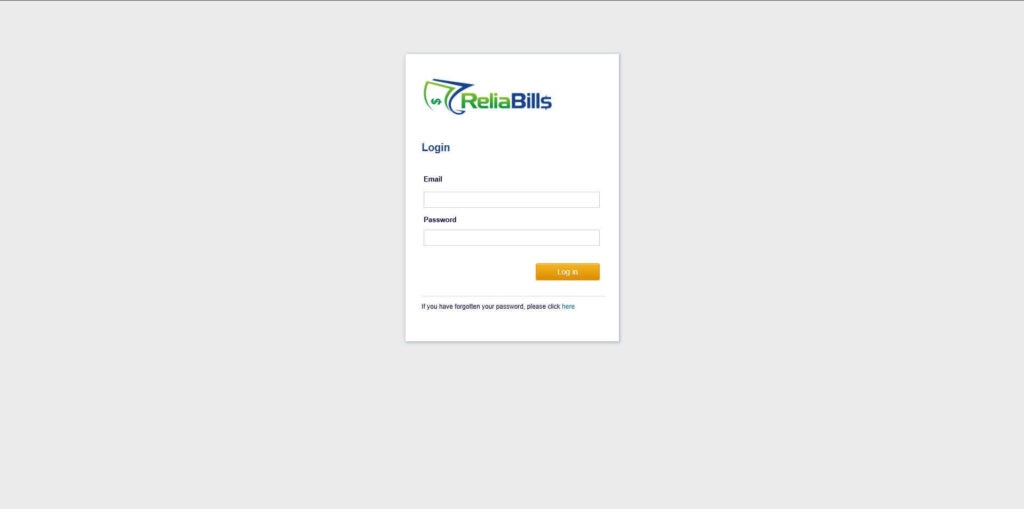
Step 1: Login to ReliaBills
- Access your ReliaBills Account using your login credentials. If you don’t have an account, sign up here.
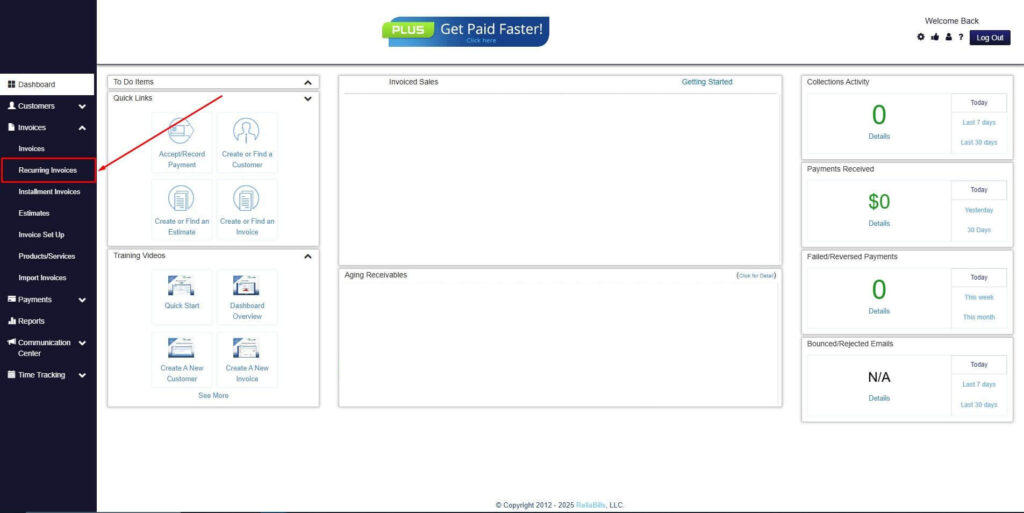
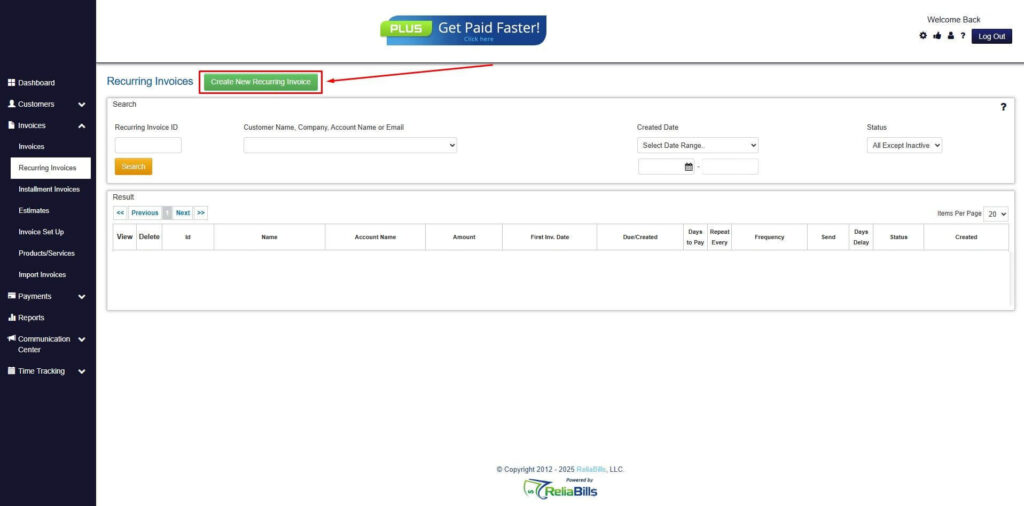
Step 2: Click on Recurring Invoices
- Navigate to the Invoices Dropdown and click on Recurring Invoices for an overview of the list of your existing customers.
Step 3: Go to the Customers Tab
- If you have already created a customer, search for them in the Customers tab and make sure their status is “Active”.
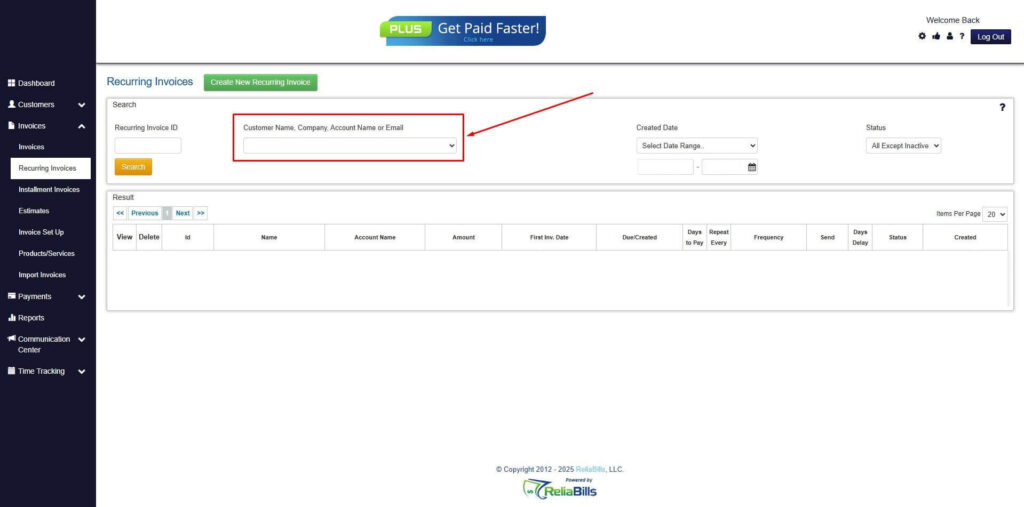
Step 4: Click the Create New Recurring Invoice
- If you haven’t created any customers yet, click the Create New Recurring Invoice to create a new customer.
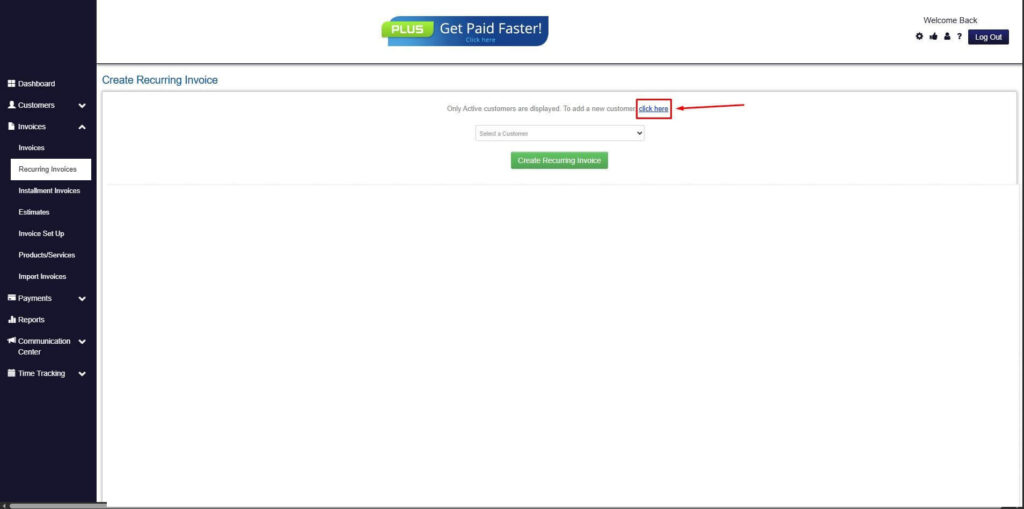
Step 5: Click on the “Click here” Button
- Click on the “Click here” button to proceed with the recurring invoice creation.
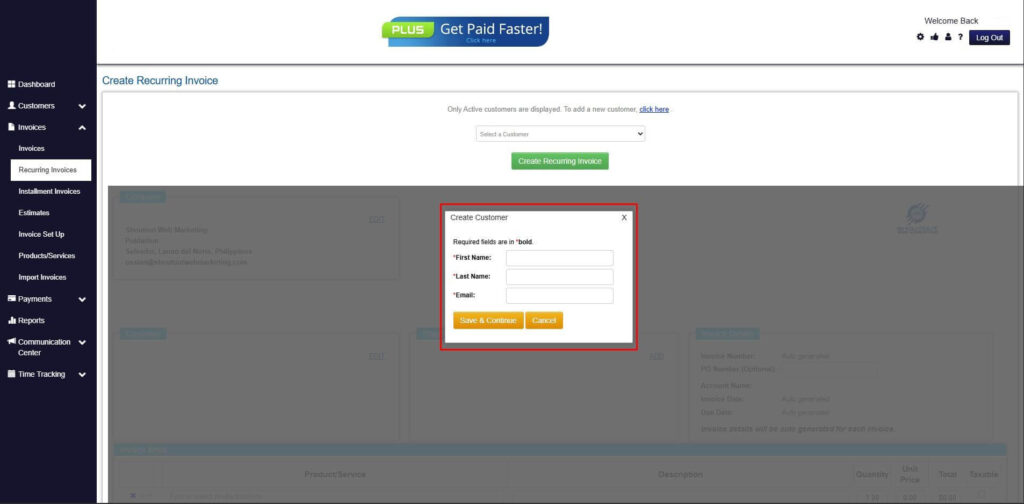
Step 6: Create Customer
- Provide your First Name, Last Name, and Email to proceed.
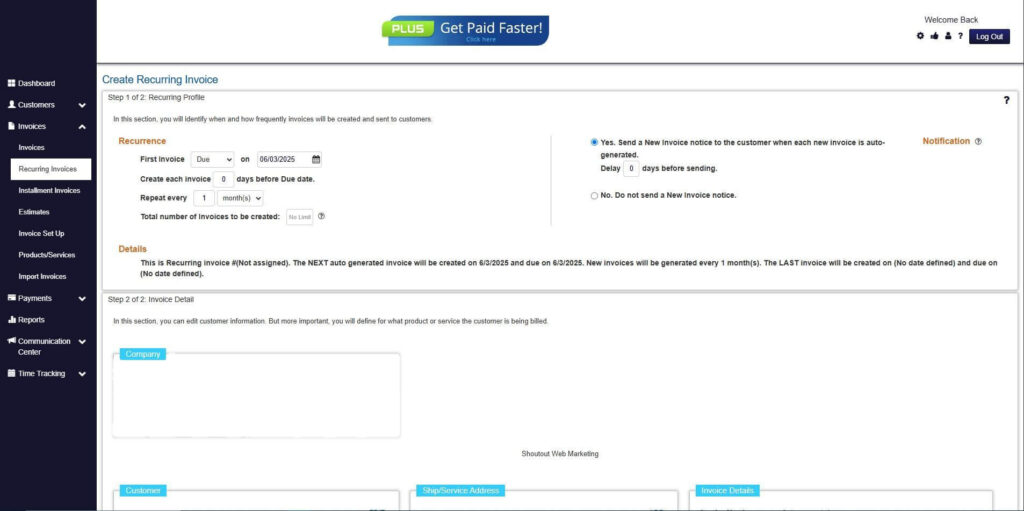
Step 7: Fill in the Create Recurring Invoice Form
- Fill in all the necessary fields.
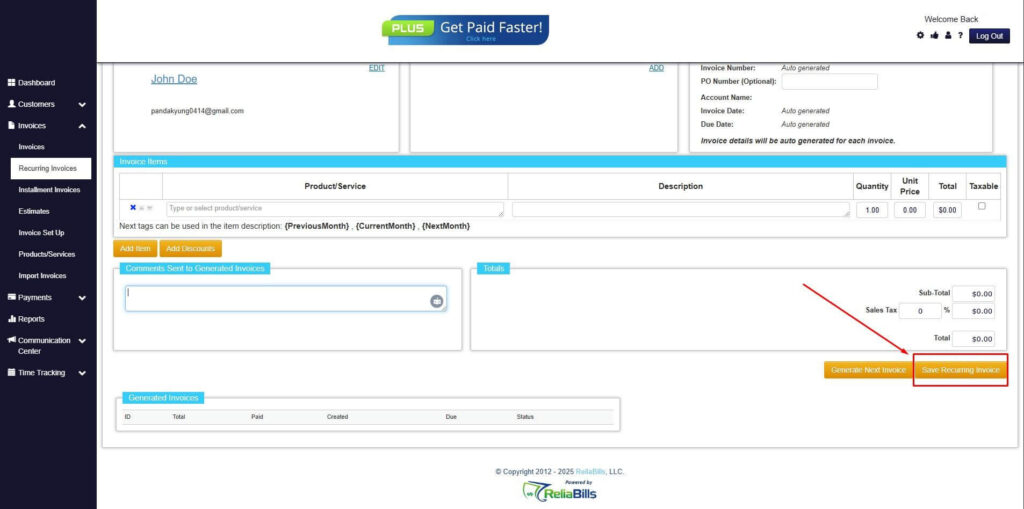
Step 8: Save Recurring Invoice
- After filling up the form, click “Save Recurring Invoice” to continue.
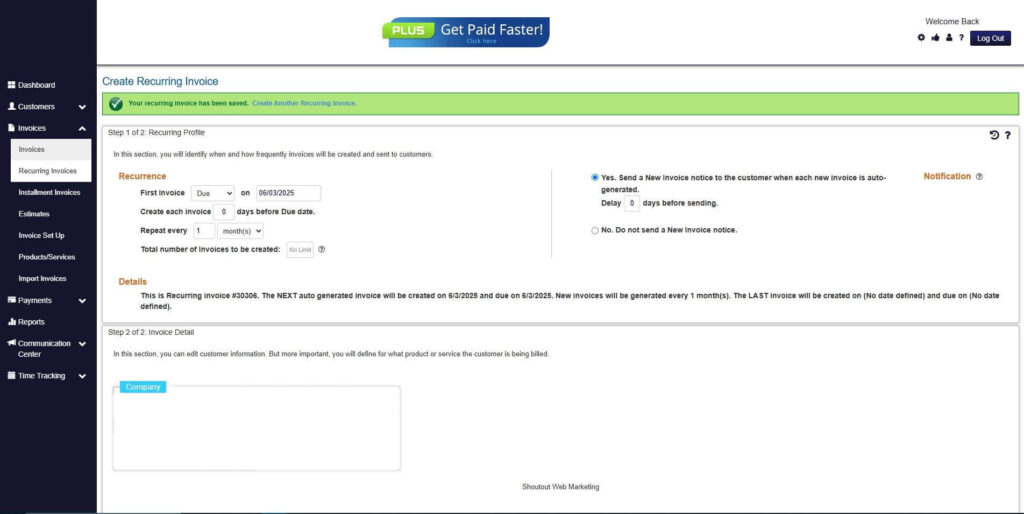
Step 9: Recurring Invoice Created
- Your Recurring Invoice has been created.
Frequently Asked Questions (FAQs)
1. What causes subscription invoices to fail?
Failed subscription payments are typically caused by insufficient funds, expired cards, incorrect billing details, or technical issues with payment processors. These factors prevent transactions from being completed successfully.
2. How can businesses recover failed payments?
Businesses can recover payments through automated retries, dunning processes, and customer notifications. These strategies improve the chances of successful collection.
3. What is dunning management?
Dunning management is the process of retrying failed payments and communicating with customers to resolve issues. It is essential for recovering unpaid invoices in subscription businesses.
4. How does recurring billing reduce unpaid invoices?
Recurring billing automates payment collection on a fixed schedule, reducing missed payments. It also improves consistency and reliability.
5. When should services be suspended for non-payment?
Services are typically suspended after multiple failed attempts and reminders. This depends on business policies but helps minimize revenue loss and enforce payment compliance.
Conclusion
Failed subscription payments are an inevitable challenge in subscription-based businesses, but they can be effectively managed with the right strategies and tools. Understanding what happens when invoices fail or go unpaid allows businesses to respond proactively and minimize disruption.
By leveraging automation, recurring billing, and dunning management, companies can significantly improve payment recovery rates while reducing administrative burden. These systems not only protect revenue but also enhance the customer experience.
As subscription models continue to grow, adopting advanced billing solutions is essential for maintaining financial stability, reducing churn, and scaling operations successfully.