
Overdue invoices are one of the most persistent cash flow challenges faced by businesses of all sizes, from startups to established enterprises. When payments are delayed, companies often struggle to cover operational expenses, invest in growth, or maintain financial stability. Even a small percentage of unpaid invoices can accumulate over time, creating significant revenue gaps that disrupt long-term planning. This makes efficient payment collection not just important, but essential for business sustainability.
Manual payment collection processes often contribute to the problem instead of solving it. Businesses rely heavily on sending invoices, tracking due dates, and following up with customers individually, which is both time-consuming and prone to human error. Missed reminders, inconsistent communication, and delayed responses increase the likelihood of overdue payments. As a result, finance teams spend more time chasing payments rather than focusing on strategic financial management.
In today’s digital landscape, automatic invoice payments through Auto Pay systems offer a more reliable and scalable solution. By automating payment collection, businesses can ensure invoices are paid on time without constant manual intervention. This reduces administrative workload while improving accuracy and consistency. Ultimately, Auto Pay transforms invoicing from a reactive process into a proactive, automated system that strengthens cash flow.
What Is Auto Pay?
Auto Pay is a payment system that allows customers to authorize businesses to automatically deduct payments from their preferred payment method. These methods can include credit cards, debit cards, bank accounts, or digital wallets, depending on what the business supports. Once authorization is granted, payments are processed automatically without requiring any further action from the customer. This creates a seamless and convenient payment experience that benefits both parties.
With automatic invoice payments, transactions are executed precisely on scheduled due dates. This ensures that invoices are paid on time without relying on customer memory or manual processes. The system handles everything in the background, reducing the risk of missed or delayed payments. Businesses gain more predictable revenue streams, while customers enjoy a hassle-free payment experience.
Unlike traditional invoicing workflows, Auto Pay removes dependency on manual reminders and follow-ups. Manual payments rely heavily on customer behavior, which can be inconsistent and unpredictable. Auto Pay standardizes the process, ensuring payments are made consistently and accurately. This fundamental shift is what makes it highly effective in reducing overdue invoices.
Why Overdue Invoices Happen
Customers forget or delay payments
Many overdue invoices occur simply because customers forget to make payments on time. Busy schedules, competing priorities, and lack of reminders all contribute to missed deadlines. Even responsible customers may unintentionally delay payments when relying on manual processes.
Manual invoicing and follow-ups are inconsistent
Manual invoicing systems often lack consistency due to human limitations and workload constraints. Some customers receive timely reminders, while others are overlooked entirely. This inconsistency leads to uneven payment collection and increases overdue balances.
Lack of payment reminders or tracking systems
Without automated systems, businesses struggle to track invoice statuses effectively. Missed reminders and poor visibility create gaps in the collection process. These gaps ultimately result in delayed or forgotten payments.
Payment friction due to limited payment options
When customers have limited or inconvenient payment options, they are more likely to delay transactions. Complex checkout processes or lack of flexibility create unnecessary friction. Reducing this friction is essential for encouraging timely payments.
How Auto Pay Works
Auto Pay begins with customer authorization, where clients securely provide their preferred payment method. This authorization ensures that businesses can process payments automatically without needing repeated approvals. Payment details are stored securely using compliant systems, which builds trust and ensures data protection. This initial step is critical for enabling seamless automation.
On the scheduled due date, the system automatically processes the payment without requiring any manual intervention. Customers do not need to log in, initiate payments, or remember deadlines. This eliminates delays and ensures that invoices are paid exactly when they are due. As a result, businesses experience more consistent and predictable cash flow.
Once the payment is processed, the system updates records in real time. Invoices are automatically marked as paid, and payment confirmations are generated instantly. This removes the need for manual reconciliation and reduces administrative workload. Businesses gain full visibility into their payment lifecycle with minimal effort.
How Auto Pay Eliminates Overdue Invoices
Removes dependency on manual customer payments
Auto Pay removes the need for customers to take action when paying invoices. Instead of relying on reminders or memory, payments are processed automatically based on prior authorization. This significantly reduces the risk of missed payments caused by human behavior.
Ensures payments are collected on the due date
With automatic invoice payments, transactions are executed exactly on the scheduled due date. This precision ensures that invoices are never delayed due to late actions or oversight. Businesses benefit from reliable and predictable payment timing.
Reduces forgotten or missed payments
Forgotten payments are one of the primary causes of overdue invoices. Auto Pay eliminates this issue entirely by handling payments automatically. Customers no longer need to track due dates or manage reminders themselves.
Eliminates delays caused by manual follow-ups
Manual follow-ups can be inconsistent and time-consuming, often leading to delays in payment collection. Auto Pay removes the need for repeated reminders and outreach. Payments are processed without waiting for follow-up actions.
Automates payment confirmation and tracking
Auto Pay systems automatically generate confirmations and update payment records in real time. This ensures accurate tracking without manual input. Businesses gain better visibility and control over their payment processes.
The Role of Recurring Billing in Auto Pay Systems
Recurring billing is a foundational component that supports automatic invoice payments by ensuring invoices are generated consistently. Businesses can set billing schedules based on their service model, such as monthly subscriptions or annual contracts. This eliminates the need for manual invoice creation and reduces the risk of billing errors. Consistent billing directly leads to consistent payment collection.
When combined with Auto Pay, recurring billing creates a fully automated revenue cycle. Invoices are generated and payments are collected without manual intervention, streamlining the entire process. This integration reduces administrative workload and improves operational efficiency. Businesses can scale more easily without increasing staffing requirements.
Additionally, recurring billing ensures accuracy and transparency in billing cycles. Customers know exactly when they will be billed and charged, which reduces disputes and confusion. This consistency builds trust and improves customer relationships. Together, recurring billing and Auto Pay create a powerful system for eliminating overdue invoices.
Key Benefits of Using Auto Pay
Eliminates overdue invoices and late payments
Auto Pay ensures that payments are processed automatically without delays. This significantly reduces the number of overdue invoices businesses need to manage. As a result, companies experience fewer disruptions in their revenue cycle.
Improves cash flow predictability
Automated payments create consistent and predictable income streams. Businesses can forecast revenue more accurately and plan expenses with confidence. This stability supports long-term growth and financial health.
Reduces administrative and collection efforts
Automation eliminates the need for manual invoicing, reminders, and follow-ups. Finance teams can focus on strategic initiatives instead of repetitive tasks. This improves productivity and reduces operational costs.
Enhances customer convenience
Customers benefit from a seamless and hassle-free payment experience. They no longer need to remember due dates or manually process payments. Convenience leads to higher satisfaction and retention rates.
Increases payment consistency and reliability
Auto Pay standardizes the payment process across all customers. This ensures consistent payment behavior and reduces variability. Reliable payments contribute to stronger financial performance.
Common Challenges Without Auto Pay
Businesses that rely on manual payment systems often face a growing volume of overdue invoices. As the business scales, tracking and managing payments becomes increasingly complex. This leads to operational inefficiencies and financial strain. Over time, these issues can significantly impact overall performance.
Manual follow-ups require substantial time and effort from staff. Teams must send reminders, track responses, and handle disputes manually. This repetitive workload reduces productivity and increases labor costs. It also limits the ability to focus on growth initiatives.
Inconsistent cash flow is another major challenge without automation. Delayed payments make it difficult to predict revenue and manage expenses effectively. This uncertainty increases financial risk and reduces stability. Poor payment compliance further exacerbates these issues.
Industries That Benefit Most from Auto Pay
SaaS and subscription-based businesses
These businesses rely heavily on recurring revenue models to sustain operations. Auto Pay ensures subscription fees are collected consistently without interruption. This improves retention and stabilizes revenue streams.
Utilities and telecom providers
Utility and telecom companies manage high volumes of recurring payments. Auto Pay simplifies billing and reduces late payments across large customer bases. This improves efficiency and cash flow management.
Fitness and membership services
Gyms and membership-based businesses depend on consistent monthly payments. Auto Pay ensures members are billed and charged on time. This reduces administrative workload and improves retention.
Property management and rental businesses
Rent collection can be challenging without automation. Auto Pay ensures tenants pay on time every billing cycle. This improves cash flow and reduces collection efforts.
Managed service providers
Service providers with ongoing contracts benefit from predictable payments. Auto Pay ensures consistent billing and collection processes. This enhances financial stability and scalability.
Best Practices for Implementing Auto Pay
Clearly explain Auto Pay terms to customers
Transparency is essential when introducing Auto Pay systems. Businesses should clearly communicate payment schedules, authorization terms, and billing processes. This builds trust and reduces confusion.
Offer multiple secure payment options
Providing a variety of payment methods increases customer adoption. Options such as credit cards, bank transfers, and digital wallets improve convenience. Security should always be prioritized to protect customer data.
Provide easy enrollment and opt-in processes
A simple and user-friendly enrollment process encourages customers to adopt Auto Pay. Complicated sign-ups can reduce participation rates. Streamlining onboarding leads to higher adoption and better results.
Send reminders before charging customers
Pre-charge notifications help maintain transparency and customer trust. Customers appreciate being informed before payments are processed. This reduces disputes and improves satisfaction.
Regularly monitor payment performance
Tracking payment metrics helps identify issues and optimize processes. Businesses can analyze trends and improve efficiency over time. Continuous monitoring ensures long-term success.
How Automation Improves Payment Reliability
Automation ensures that billing and payment cycles remain consistent across all customers. By removing manual intervention, businesses eliminate variability in the payment process. This leads to more reliable and predictable payment collection. Consistency is essential for reducing overdue invoices.
Human error is a major factor in manual systems, often causing missed invoices or incorrect billing. Automation minimizes these risks by standardizing workflows. Accurate and timely payments become the norm. This significantly improves operational efficiency.
Real-time tracking and reporting provide valuable insights into payment performance. Businesses can monitor trends, identify issues, and make data-driven decisions. Improved visibility enhances forecasting accuracy. This supports better financial planning and growth strategies.
Key Benefits of Eliminating Overdue Invoices
Improved cash flow stability
Consistent payments ensure a steady and reliable flow of revenue. This stability allows businesses to manage expenses more effectively. It also supports long-term growth planning.
Reduced collection workload
Automation reduces the need for manual follow-ups and collection efforts. Teams can focus on strategic tasks instead of chasing payments. This improves productivity and efficiency.
Fewer payment disputes
Accurate and automated billing reduces errors that lead to disputes. Clear records and confirmations improve transparency. This strengthens customer relationships.
Better customer satisfaction
Convenient and reliable payment processes enhance the customer experience. Customers appreciate simplicity and consistency. This leads to higher retention rates.
Increased operational efficiency
Automation streamlines billing and payment processes across the organization. This reduces administrative overhead and improves workflows. Businesses can scale more effectively.
How ReliaBills Helps Eliminate Overdue Invoices with Auto Pay
ReliaBills provides a comprehensive solution for businesses looking to eliminate overdue invoices through automation. By leveraging automatic invoice payments, companies can streamline billing operations and ensure consistent payment collection. The platform reduces reliance on manual processes, improving both accuracy and efficiency. This allows businesses to maintain steady cash flow while minimizing administrative burden.
A key advantage of ReliaBills is its seamless integration of recurring billing with Auto Pay functionality. Businesses can automatically generate invoices on a fixed schedule while ensuring payments are collected on time. This combination eliminates gaps in the billing cycle and reduces the risk of missed payments. As a result, companies experience improved financial predictability and reduced collection efforts.
ReliaBills PLUS enhances these capabilities with advanced automation, reporting, and customer management tools. Businesses gain deeper insights into payment behavior through detailed analytics and real-time reporting. The platform also supports scalable operations, making it ideal for growing businesses. With these features, ReliaBills delivers a powerful and reliable solution for eliminating overdue invoices.
How to Create a New Recurring Invoice Using ReliaBills
Creating a New Recurring Invoice using ReliaBills involves the following steps:
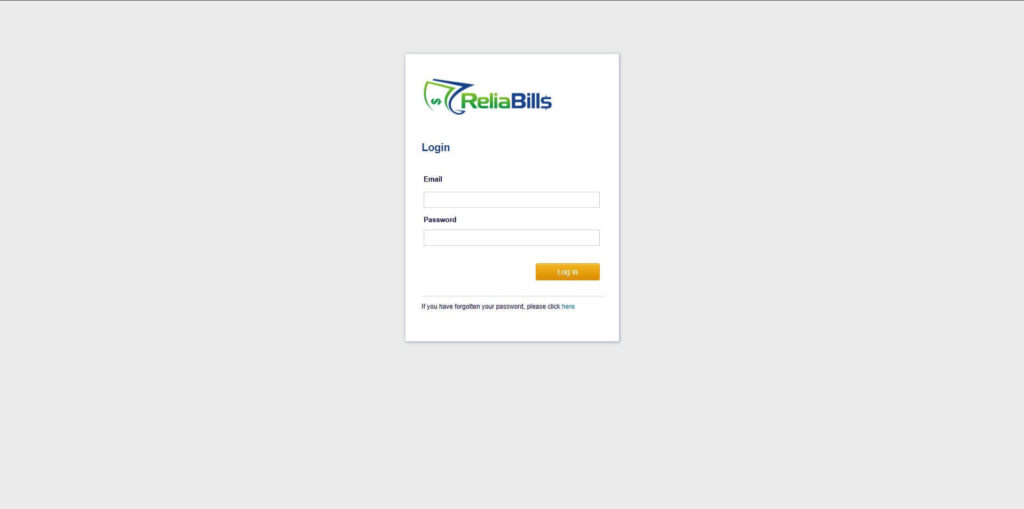
Step 1: Login to ReliaBills
- Access your ReliaBills Account using your login credentials. If you don’t have an account, sign up here.
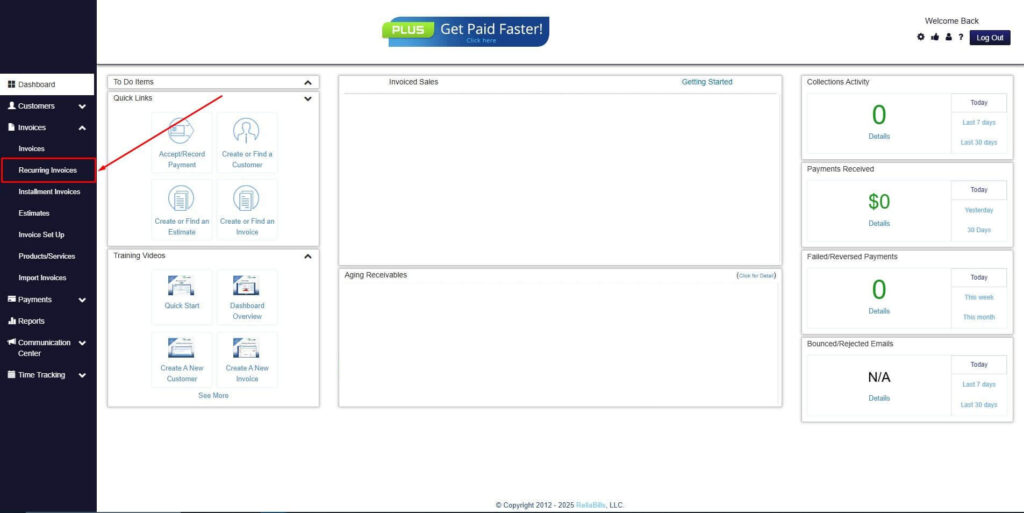
Step 2: Click on Recurring Invoices
- Navigate to the Invoices Dropdown and click on Recurring Invoices for an overview of the list of your existing customers.
Step 3: Go to the Customers Tab
- If you have already created a customer, search for them in the Customers tab and make sure their status is “Active”.
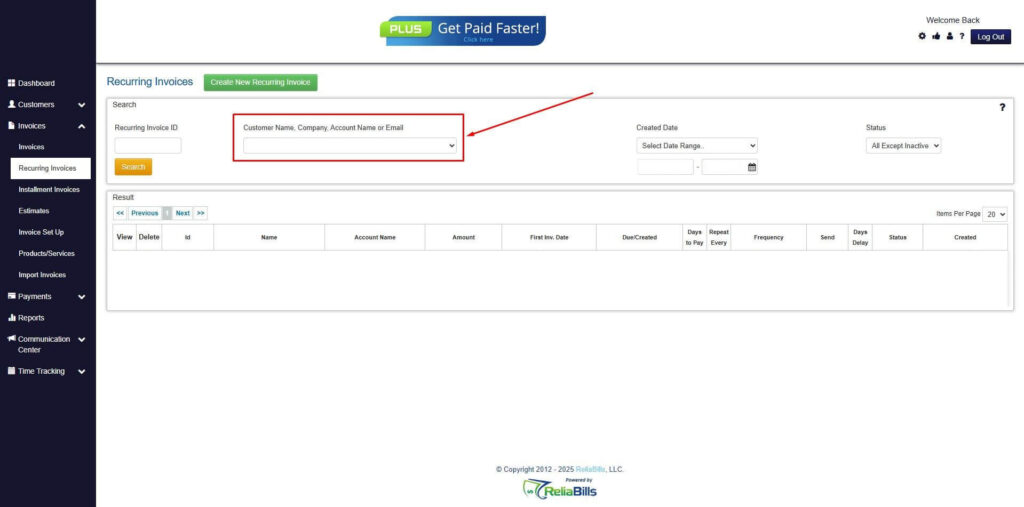
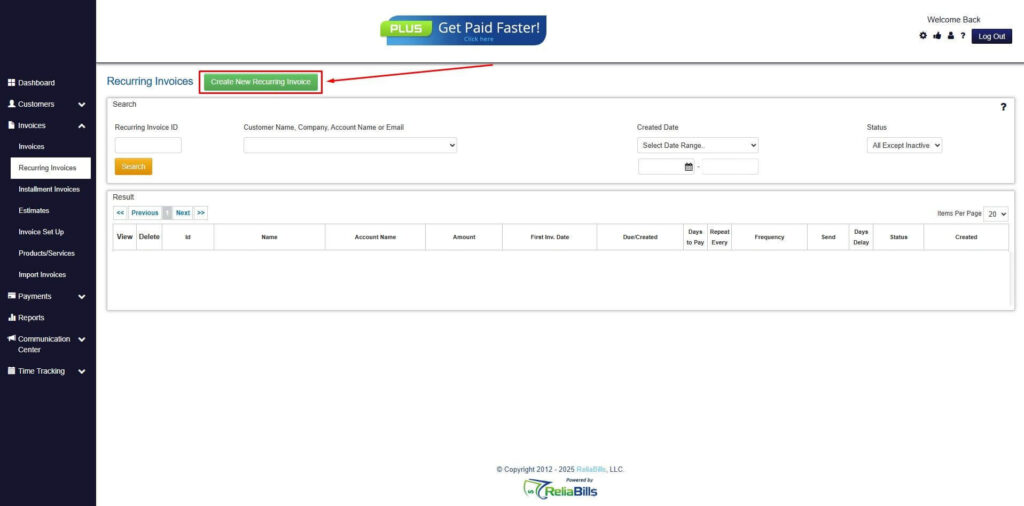
Step 4: Click the Create New Recurring Invoice
- If you haven’t created any customers yet, click the Create New Recurring Invoice to create a new customer.
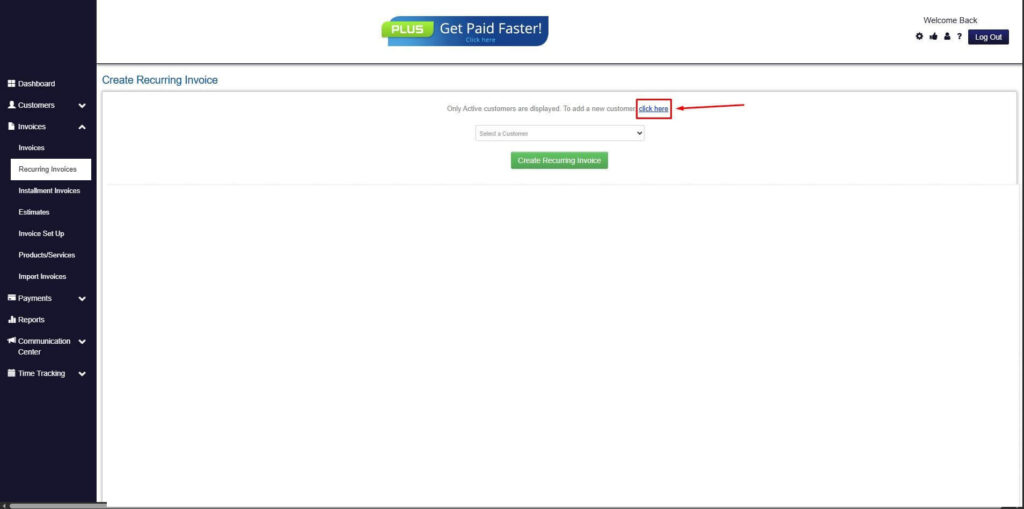
Step 5: Click on the “Click here” Button
- Click on the “Click here” button to proceed with the recurring invoice creation.
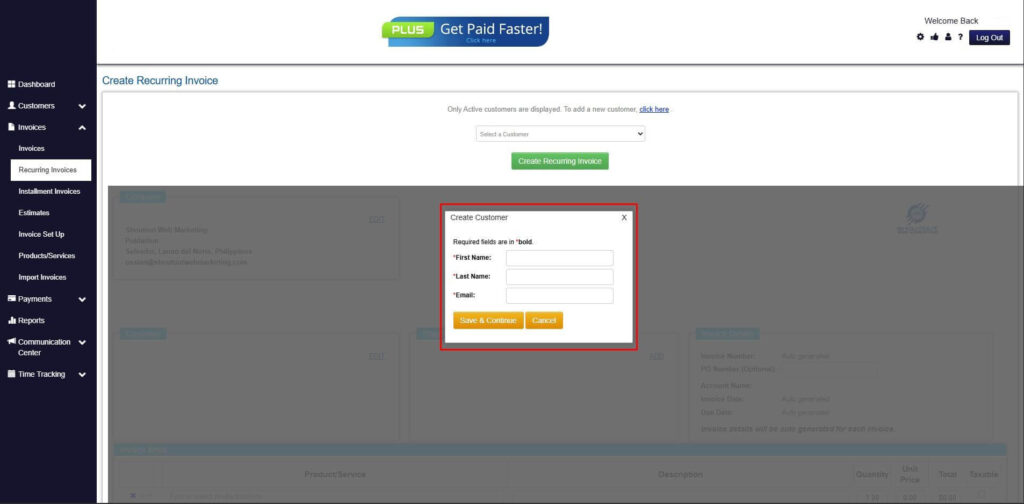
Step 6: Create Customer
- Provide your First Name, Last Name, and Email to proceed.
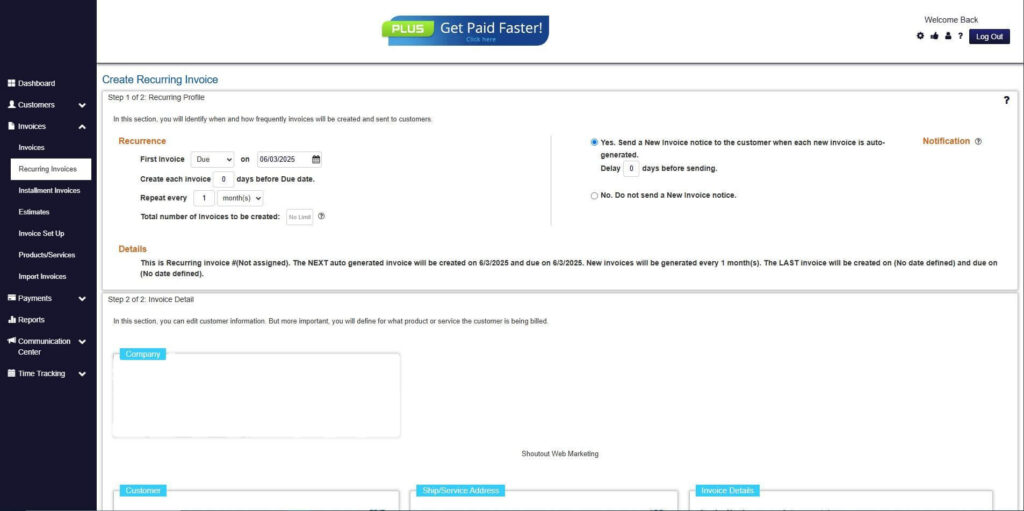
Step 7: Fill in the Create Recurring Invoice Form
- Fill in all the necessary fields.
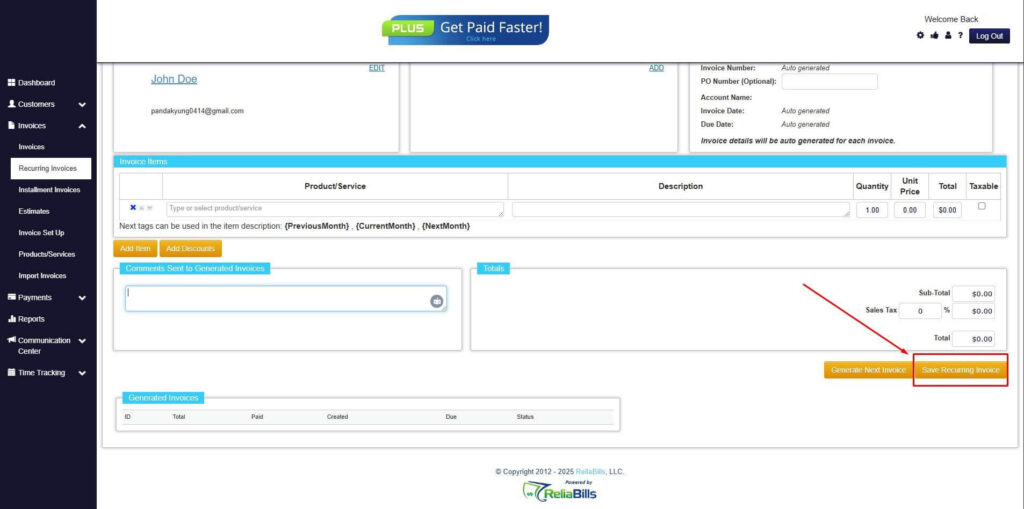
Step 8: Save Recurring Invoice
- After filling up the form, click “Save Recurring Invoice” to continue.
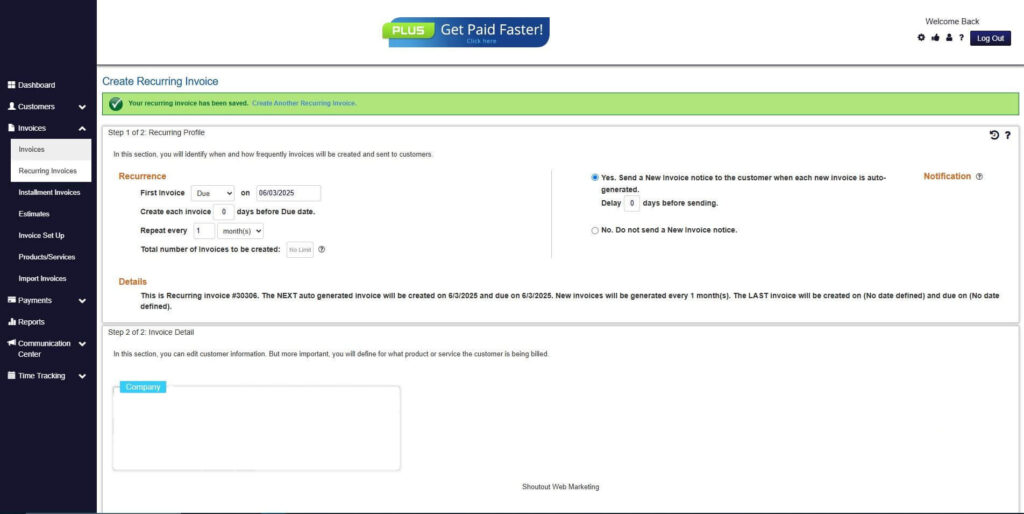
Step 9: Recurring Invoice Created
- Your Recurring Invoice has been created.
Frequently Asked Questions (FAQs)
1. What is Auto Pay and how does it work?
Auto Pay is a system that allows businesses to automatically collect payments from customers on scheduled dates. Customers authorize a payment method, and the system processes transactions without manual input. This ensures consistent and timely payments.
2. Can Auto Pay completely eliminate overdue invoices?
Auto Pay significantly reduces overdue invoices by automating payment collection. While rare exceptions like failed payments may occur, the overall impact is highly effective. Most businesses see a major reduction in late payments.
3. Is Auto Pay safe for customers?
Yes, Auto Pay systems use secure technologies such as encryption and compliance protocols. These measures protect customer data and ensure safe transactions. Customers can trust the system with their payment information.
4. How does Auto Pay improve cash flow?
Auto Pay ensures payments are collected on time, creating predictable revenue streams. This improves financial planning and stability. Businesses can manage expenses more effectively.
5. What businesses benefit most from Auto Pay?
Businesses with recurring billing models benefit the most from Auto Pay. This includes SaaS, utilities, memberships, and service providers. Any business seeking consistent payments can benefit from automation.
Conclusion
Auto Pay is a powerful solution for eliminating overdue invoices by automating the entire payment collection process. By removing reliance on manual actions, businesses can ensure payments are made on time and with minimal effort. This leads to improved cash flow, reduced administrative workload, and stronger financial stability. Automation transforms invoicing into a more efficient and reliable system.
When combined with recurring billing, automatic invoice payments create a fully automated revenue cycle. Businesses can generate invoices and collect payments seamlessly without manual intervention. This integration ensures consistency, accuracy, and scalability. It is a critical component for modern financial operations.
As businesses continue to prioritize efficiency and growth, adopting automated payment systems becomes increasingly important. Auto Pay provides a clear path toward eliminating overdue invoices and improving financial performance. Companies that embrace this approach position themselves for long-term success and stability.