
Secure payment processes have become a fundamental requirement in today’s digital-first business environment. As transactions increasingly move online, businesses must ensure that financial data is protected from unauthorized access and cyber threats. Weak invoicing systems can expose sensitive information, putting both businesses and customers at risk. This makes payment security a top priority for organizations of all sizes. Automated invoicing payment security plays a crucial role in addressing these growing concerns.
Manual invoicing methods often lack the safeguards needed to protect against fraud and data breaches. Paper-based invoices, email attachments, and manual payment instructions can be intercepted or manipulated. These vulnerabilities create opportunities for cybercriminals to exploit weaknesses in the billing process. Additionally, human error in manual systems increases the likelihood of security gaps. Businesses relying on outdated invoicing methods face higher risks in today’s threat landscape.
Automated invoicing payment security provides a modern solution to these challenges. By leveraging secure systems, businesses can protect financial data while streamlining operations. Automation introduces advanced security features such as encryption, authentication, and real-time monitoring. These capabilities significantly reduce the risk of fraud and unauthorized transactions. As a result, businesses can operate with greater confidence and reliability.
What Is Automated Invoicing?
Automated invoicing is a system that generates, sends, and manages invoices using software rather than manual processes. It operates based on predefined rules, such as triggering invoices after a transaction or on scheduled billing cycles. This eliminates the need for repetitive manual tasks and ensures consistency in billing operations. Businesses can process invoices faster and with greater accuracy. Automated invoicing payment security is enhanced through built-in safeguards within these systems.
Integration is a core feature of automated invoicing solutions. These systems connect with accounting software, customer databases, and payment gateways to create a unified workflow. This seamless integration ensures that data flows securely across platforms without duplication or errors. Businesses benefit from improved efficiency and reduced risk of data inconsistencies. Secure integrations also strengthen the overall protection of financial information.
Automated invoicing plays a significant role in improving financial operations and security. It standardizes processes and reduces reliance on manual input, which is often prone to errors. By centralizing billing data, businesses gain better control over sensitive information. This contributes to stronger compliance with industry regulations. Ultimately, automated invoicing payment security becomes a key component of modern financial management.
Why Payment Security Matters in Invoicing
Payment security is critical because invoicing systems handle sensitive financial and customer data. Any breach in security can result in financial losses and legal consequences. Businesses must protect payment details to maintain trust and credibility. Insecure systems create vulnerabilities that can be exploited by cybercriminals. Automated invoicing payment security helps mitigate these risks effectively.
Fraud is one of the most significant threats associated with insecure invoicing processes. Fake invoices, phishing scams, and unauthorized transactions can disrupt operations and damage reputations. Businesses that experience fraud may face financial setbacks and loss of customer confidence. Recovering from such incidents can be costly and time-consuming. Strong security measures are essential to prevent these scenarios.
The reputational impact of poor payment security cannot be overlooked. Customers expect businesses to safeguard their financial information. Any breach can erode trust and lead to lost business opportunities. Secure invoicing systems demonstrate a commitment to protecting customer data. This strengthens relationships and supports long-term growth.
Common Payment Security Risks in Manual Invoicing
Invoice Fraud and Scams
Manual invoicing systems are highly susceptible to fraud and scams. Cybercriminals can create fake invoices that appear legitimate, tricking businesses into making unauthorized payments. Phishing attempts often target employees responsible for processing invoices. Without automated validation, it becomes difficult to verify the authenticity of each invoice. This increases the overall vulnerability of the billing process.
Data Entry Errors
Human error is a common issue in manual invoicing processes. Incorrect payment details can result in funds being sent to the wrong accounts. These mistakes not only cause financial loss but also expose sensitive data. Manual handling increases the chances of errors in calculations and customer information. Automated invoicing payment security reduces these risks significantly.
Lack of Secure Payment Channels
Manual invoicing often relies on unsecured payment methods such as bank transfers without verification. These methods lack standardized security protocols and are more prone to cyber threats. Businesses may not have control over how payments are processed. This increases the risk of unauthorized access and fraud. Secure payment channels are essential for protecting transactions.
Limited Tracking and Visibility
Tracking payments manually is inefficient and lacks real-time visibility. Businesses may not detect suspicious activities until it is too late. Weak audit trails make it difficult to investigate discrepancies. This lack of transparency increases financial risk. Automated systems provide better tracking and monitoring capabilities.
How Automated Invoicing Enhances Payment Security
Encrypted Payment Processing
Automated invoicing systems use encryption to protect sensitive financial data. Encryption converts information into secure codes that cannot be easily accessed by unauthorized users. This ensures that customer and payment details remain confidential during transactions. Businesses can significantly reduce the risk of data breaches. Automated invoicing payment security relies heavily on these encryption technologies.
Secure Payment Gateways
Integration with secure payment gateways ensures that transactions are processed safely. These gateways comply with industry standards and provide multiple layers of protection. They prevent unauthorized access and ensure that payment data is handled securely. Businesses benefit from reliable and trusted payment processing systems. This enhances overall transaction security.
Automated Validation Checks
Automated systems verify invoice details before they are sent to customers. This reduces the likelihood of errors and inconsistencies in billing information. Validation checks also help identify potential fraudulent entries. Businesses can ensure that only accurate and legitimate invoices are processed. This strengthens the integrity of the invoicing system.
Centralized Data Management
Centralized systems store all billing data in a secure environment. Access is restricted to authorized users, reducing the risk of unauthorized changes. Businesses gain better control over sensitive financial information. This improves data management and security. Automated invoicing payment security benefits from centralized oversight.
The Role of Encryption in Automated Invoicing
Encryption is a fundamental component of secure automated invoicing systems. It protects financial data by converting it into unreadable formats for unauthorized users. Only authorized parties with the correct decryption keys can access the information. This ensures that sensitive data remains secure during transmission and storage. Automated invoicing payment security depends heavily on robust encryption protocols.
Encryption also plays a key role in preventing cyberattacks. Hackers attempting to intercept data will find it unusable without proper authorization. This reduces the likelihood of data breaches and financial fraud. Businesses can operate with greater confidence knowing their information is protected. Encryption strengthens the overall security framework of invoicing systems.
Modern automated systems implement advanced encryption standards to meet industry requirements. These standards ensure compliance with security regulations and best practices. Businesses benefit from consistent and reliable protection mechanisms. Encryption is continuously updated to address emerging threats. This makes automated invoicing a secure and future-ready solution.
Fraud Prevention Through Automated Systems
Invoice Authentication
Automated systems ensure that invoices are generated from verified and trusted sources. This reduces the risk of fake or manipulated invoices entering the system. Customers can trust that invoices they receive are legitimate. Authentication processes add an extra layer of security. This strengthens overall payment integrity.
Audit Trails and Activity Logs
Automated invoicing systems maintain detailed records of all transactions and activities. These logs provide a clear history of actions taken within the system. Businesses can quickly identify suspicious behavior or anomalies. Audit trails support compliance and internal investigations. This improves transparency and accountability.
Access Control and Permissions
Role-based access controls restrict system access to authorized users only. Employees can only perform actions relevant to their roles. This minimizes the risk of unauthorized changes or data breaches. Businesses can maintain strict control over sensitive information. Automated invoicing payment security is enhanced through these controls.
How Automated Invoicing Reduces Human Error
Automated invoicing significantly reduces the risk of human error in billing processes. By eliminating manual data entry, businesses can avoid common mistakes in calculations and payment details. This ensures that invoices are accurate and consistent across all transactions. Fewer errors mean fewer disputes and delays in payment processing. Automated invoicing payment security is strengthened by reducing these vulnerabilities.
Consistency is another key advantage of automation. Standardized templates and processes ensure that all invoices follow the same format and guidelines. This reduces confusion and improves clarity for customers. Businesses can maintain professional and reliable billing practices. Accuracy becomes a built-in feature rather than a manual effort.
Reducing human error also improves financial integrity. Businesses can rely on accurate data for reporting and decision-making. This minimizes discrepancies and enhances trust in financial records. Automated systems provide a more dependable approach to invoicing. Overall, automation contributes to stronger security and efficiency.
Compliance and Regulatory Standards in Payment Security
PCI DSS Compliance
PCI DSS compliance ensures that businesses handle payment card data securely. Automated invoicing systems are designed to meet these standards. This reduces the risk of data breaches and fraud. Compliance is essential for businesses that process card payments. It enhances trust and credibility.
Data Protection Regulations
Automated systems align with data protection laws and privacy regulations. These regulations require businesses to safeguard customer information. Compliance helps prevent legal issues and penalties. Businesses demonstrate responsibility and accountability. Automated invoicing payment security supports these requirements.
Secure Record Keeping
Automated invoicing systems maintain accurate and secure financial records. These records are essential for audits and compliance checks. Businesses can easily access and verify transaction histories. Secure storage reduces the risk of data loss or tampering. This strengthens overall financial management.
Benefits of Automated Invoicing Payment Security
Reduced Risk of Fraud
Automated systems detect and prevent suspicious activities in real time. This reduces the likelihood of fraudulent transactions. Businesses can protect their finances more effectively. Secure processes minimize vulnerabilities. Automated invoicing payment security provides strong protection against threats.
Improved Customer Trust
Customers feel more confident when their payment information is secure. Secure invoicing systems enhance brand reputation. Trust leads to stronger customer relationships and loyalty. Businesses benefit from repeat transactions. Security becomes a competitive advantage.
Faster and Safer Transactions
Automation streamlines payment processes and reduces delays. Secure gateways ensure that transactions are completed safely. Customers can make payments and confidently. Businesses experience improved efficiency. This leads to better overall performance.
Better Financial Control
Real-time tracking provides visibility into all transactions. Businesses can monitor payments and identify issues quickly. Improved visibility supports better decision-making. Financial management becomes more effective. Automation enhances control and security.
How Automated Invoicing Supports Secure Recurring Billing
Scheduled Secure Payments
Automated systems enable businesses to collect payments on fixed schedules. This ensures consistency in billing and reduces missed payments. Secure processes protect transactions during each cycle. Customers benefit from predictable billing. Businesses gain stable revenue streams.
Tokenization of Payment Data
Tokenization replaces sensitive payment data with secure tokens. This prevents exposure of actual card details during transactions. Businesses can process payments without storing sensitive information. Security risks are significantly reduced. Automated invoicing payment security is enhanced through tokenization.
Reduced Customer Interaction Risks
Automation minimizes the need for manual handling of payment information. This reduces the chances of data leaks or unauthorized access. Customers do not need to repeatedly share sensitive details. Businesses can maintain higher security standards. This improves overall trust and reliability.
How Billing Software Strengthens Payment Security
Integrated Security Features
Billing software combines invoicing and security tools in one platform. This ensures end-to-end protection of financial processes. Businesses can manage operations more efficiently. Integrated features simplify workflows. Security becomes a core part of the system.
Real-Time Monitoring
Automated systems track transactions as they occur. Businesses can detect anomalies and suspicious activities immediately. Quick response helps prevent potential threats. Real-time monitoring improves overall security. Automated invoicing payment security relies on this capability.
Automatic Updates and Security Patches
Billing software regularly updates its systems to address new threats. Security patches fix vulnerabilities and improve protection. Businesses do not need to manage updates manually. This ensures continuous compliance with security standards. Automated systems remain reliable and secure.
Best Practices for Maximizing Payment Security
Use Trusted Billing Software
Businesses should choose reliable platforms with strong security features. Trusted software ensures compliance with industry standards. It provides consistent and dependable protection. Reputation and reliability are important factors. Automated invoicing payment security depends on the right tools.
Enable Multi-Factor Authentication
Multi-factor authentication adds an extra layer of security to user accounts. It requires additional verification beyond passwords. This reduces the risk of unauthorized access. Businesses can protect sensitive data more effectively. It is a simple yet powerful security measure.
Regularly Monitor Transactions
Frequent review of payment activity helps detect suspicious behavior early. Businesses can address issues before they escalate. Monitoring improves financial integrity and accountability. Automated systems make this process easier. Consistent oversight strengthens security.
Educate Employees on Security Protocols
Employee training is essential for maintaining secure operations. Staff should understand best practices and potential risks. This reduces the likelihood of human error. Awareness improves overall security culture. Businesses become more resilient against threats.
Common Use Cases for Secure Automated Invoicing
Subscription-Based Businesses
Subscription businesses rely on secure recurring payments for ongoing services. Automated invoicing ensures consistent and protected billing cycles. This reduces the risk of fraud and payment failures. Businesses can maintain stable revenue streams. Security enhances customer trust.
E-commerce Platforms
E-commerce businesses handle large volumes of online transactions. Automated invoicing protects customer payment data خلال each transaction. Secure systems reduce the risk of cyber threats. Customers feel more confident making purchases. This improves overall business performance.
Professional Services
Professional service providers require secure invoicing for client payments. Automated systems ensure safe and accurate billing. This reduces administrative risks and errors. Businesses can focus on delivering value to clients. Security strengthens client relationships.
How ReliaBills Enhances Automated Invoicing Payment Security
ReliaBills provides a secure and reliable platform that automates invoicing while protecting sensitive financial data. Its system incorporates advanced security measures to safeguard transactions and customer information. Businesses can streamline billing processes without compromising on security. This improves both efficiency and trust. Automated invoicing payment security is a core strength of the platform.
The platform’s recurring billing capabilities ensure that payments are processed automatically and securely. This reduces the risks associated with manual payment handling and missed invoices. Businesses benefit from consistent and reliable billing cycles. Customers enjoy a seamless and secure payment experience. Recurring billing enhances both convenience and protection.
With ReliaBills PLUS, businesses gain access to advanced security features and detailed reporting tools. These capabilities provide deeper insights into financial operations and potential risks. Branded invoicing adds professionalism while maintaining security standards. The platform supports scalability and growth. ReliaBills delivers a comprehensive solution for secure automated invoicing.
How to Create a New Recurring Invoice Using ReliaBills
Creating a New Recurring Invoice using ReliaBills involves the following steps:
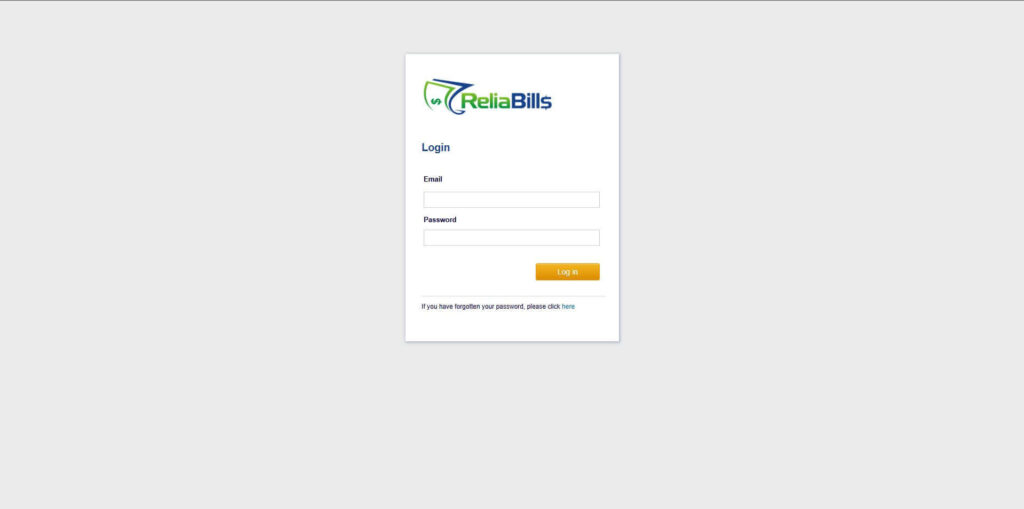
Step 1: Login to ReliaBills
- Access your ReliaBills Account using your login credentials. If you don’t have an account, sign up here.
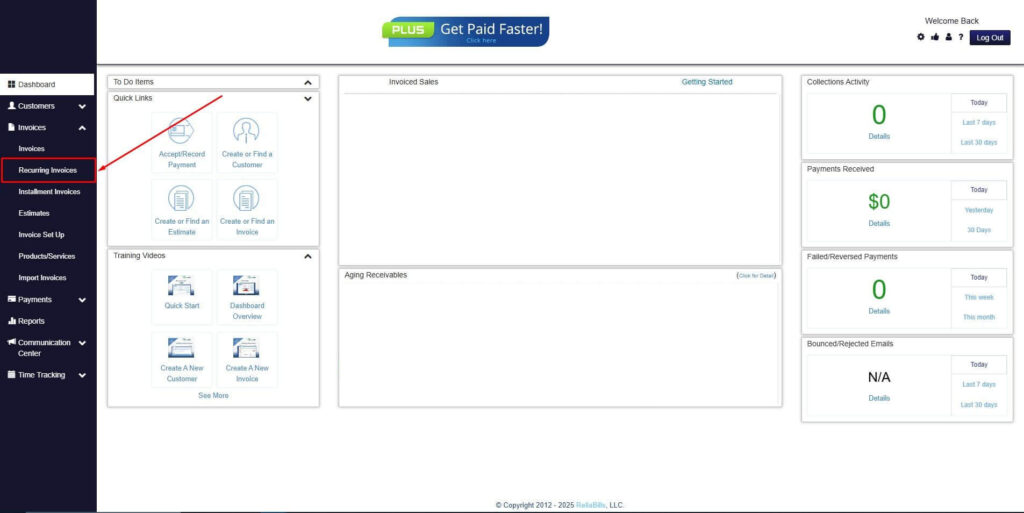
Step 2: Click on Recurring Invoices
- Navigate to the Invoices Dropdown and click on Recurring Invoices for an overview of the list of your existing customers.
Step 3: Go to the Customers Tab
- If you have already created a customer, search for them in the Customers tab and make sure their status is “Active”.
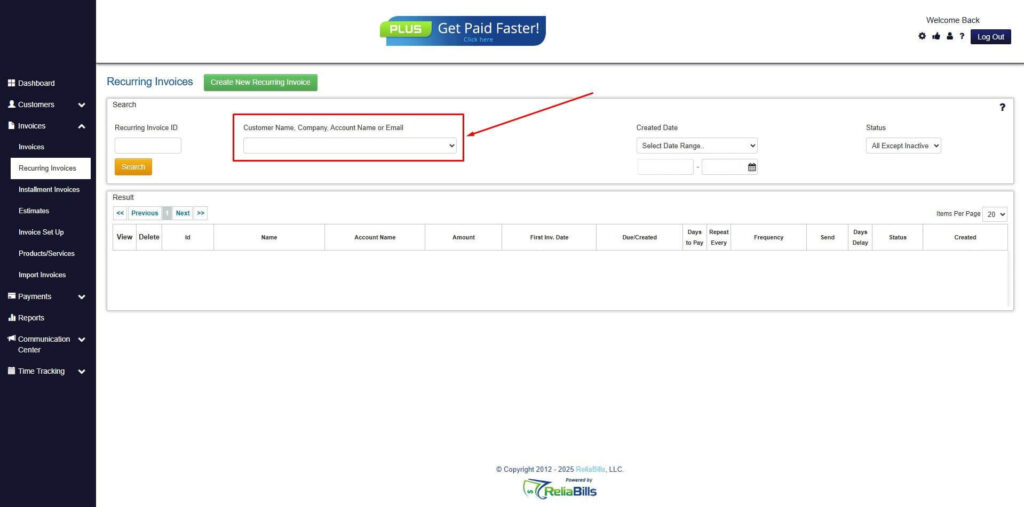
Step 4: Click the Create New Recurring Invoice
- If you haven’t created any customers yet, click the Create New Recurring Invoice to create a new customer.
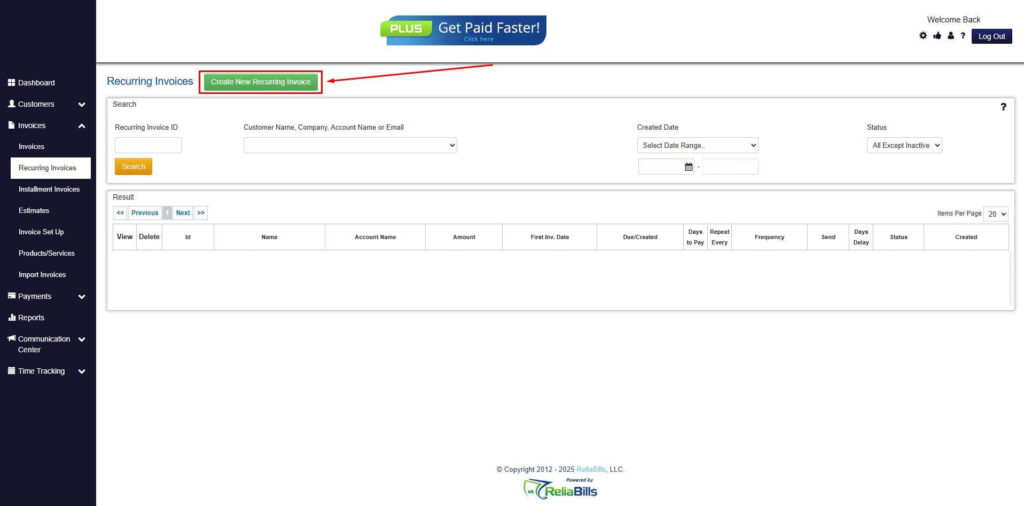
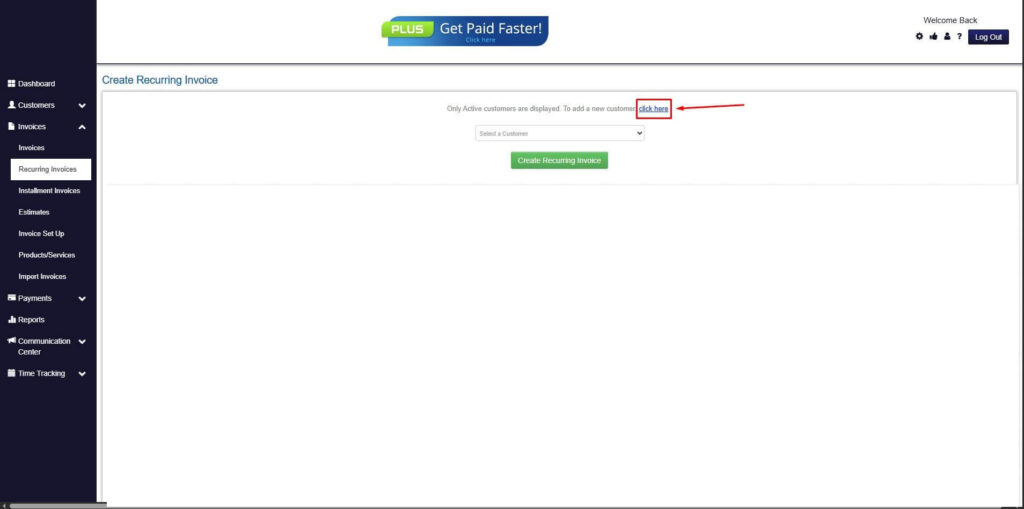
Step 5: Click on the “Click here” Button
- Click on the “Click here” button to proceed with the recurring invoice creation.
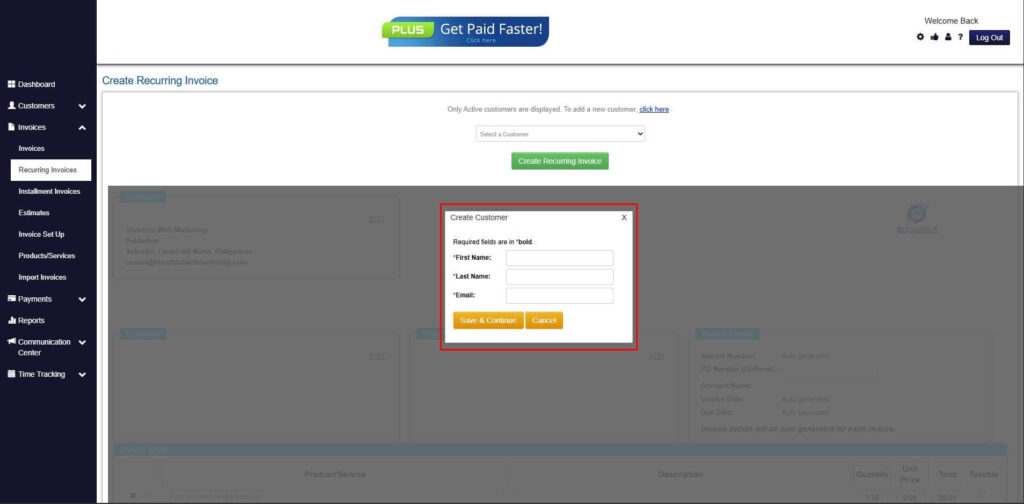
Step 6: Create Customer
- Provide your First Name, Last Name, and Email to proceed.
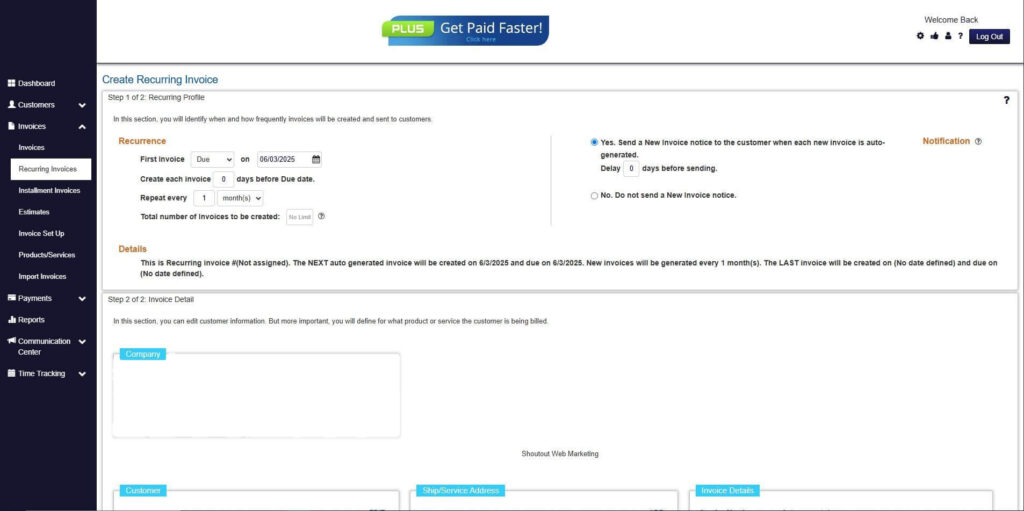
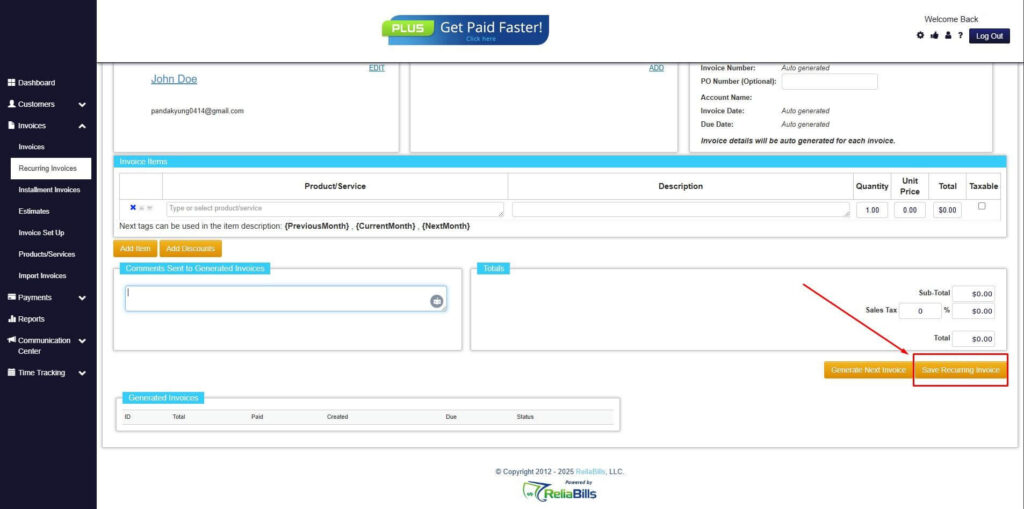
Step 7: Fill in the Create Recurring Invoice Form
- Fill in all the necessary fields.
Step 8: Save Recurring Invoice
- After filling up the form, click “Save Recurring Invoice” to continue.
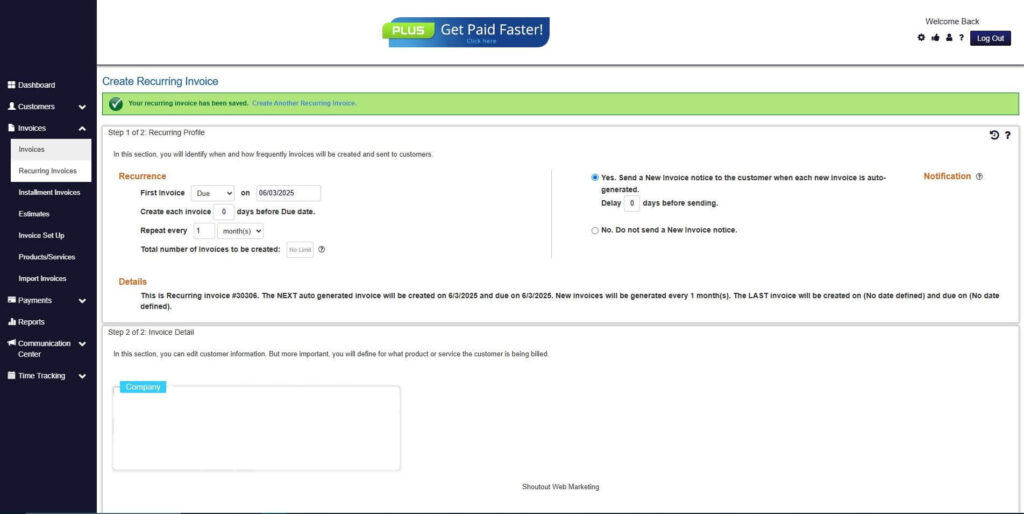
Step 9: Recurring Invoice Created
- Your Recurring Invoice has been created.
Frequently Asked Questions
1. What is automated invoicing payment security?
Automated invoicing payment security refers to systems that securely manage invoicing and payment processing. These systems protect financial and customer data from unauthorized access. They reduce the risk of fraud and human error. Businesses benefit from improved efficiency and reliability. Security becomes an integral part of billing operations.
2. Is automated invoicing safe for businesses?
Yes, automated invoicing systems use encryption and secure payment gateways. They comply with industry standards and regulations. These systems provide better protection than manual methods. Businesses can operate with greater confidence. Security is a key advantage of automation.
3. How does automation prevent invoice fraud?
Automation uses validation, authentication, and tracking systems to detect fraud. It reduces human involvement in sensitive processes. Suspicious activities can be identified early. Businesses can take immediate action to prevent losses. Automated invoicing payment security enhances fraud prevention.
4. Can automated invoicing handle recurring payments securely?
Yes, automated invoicing systems securely manage recurring billing cycles. They use encryption and tokenization to protect payment data. Transactions are processed consistently and safely. Businesses benefit from reliable revenue streams. Security is maintained throughout the process.
Conclusion
Secure invoicing systems are essential for protecting financial transactions in today’s digital economy. Manual processes expose businesses to unnecessary risks, including fraud and data breaches. Automated invoicing payment security provides a robust solution to these challenges. It combines efficiency with advanced protection measures. Businesses can operate with greater confidence and reliability.
Automation enhances security by integrating encryption, authentication, and real-time monitoring. These features reduce vulnerabilities and improve overall financial control. Businesses benefit from faster, safer transactions and improved customer trust. Secure systems also support compliance with industry regulations. This creates a strong foundation for sustainable growth.
Adopting automated invoicing is a strategic move for any business aiming to improve payment security. It ensures that financial operations remain efficient and protected. Businesses can reduce risks while enhancing customer experience. Early adoption provides a competitive advantage in a security-focused market. Automated invoicing payment security is a critical investment for long-term success.