

In today’s interconnected business environment, documentation plays a critical role even when no direct sale takes place. Non-commercial invoices have become essential tools for organizations managing logistics, internal operations, and cross-border transactions. These documents ensure that goods can move efficiently while maintaining compliance with regulatory and customs requirements. As global trade and digital commerce expand, understanding non-commercial invoice use cases is increasingly important for businesses of all sizes.
Many companies struggle to differentiate when to use non-commercial invoices versus standard billing documents, especially when dealing with shipments that do not generate revenue. Despite the absence of a sale, accurate documentation is still required to declare value, track inventory, and avoid delays. This is particularly true in international shipping, where customs authorities rely heavily on proper invoice classification. Without the right documentation, businesses risk compliance issues and operational inefficiencies.
This article explores the most common non-commercial invoice use cases, providing clarity on where and why these documents are used. It also highlights their importance in modern business workflows, from internal transfers to charitable shipments. By the end, businesses will have a clear understanding of how to leverage non-commercial invoices effectively.
What Is a Non-Commercial Invoice?
A non-commercial invoice is a document used to accompany shipments or transactions that do not involve a financial exchange between parties. Unlike a commercial invoice, it does not request payment or serve as proof of a sale. Instead, it provides detailed information about the goods being transferred, including their description, quantity, and declared value. This ensures transparency in situations where goods are moved for operational or non-revenue purposes.
The key distinction lies in its intent and financial impact. While commercial invoices are tied to revenue recognition and customer billing, non-commercial invoices focus purely on documentation and compliance. They are commonly used in scenarios such as product samples, warranty replacements, and internal stock transfers. This makes them an essential component of logistics and inventory management processes.
Non-commercial invoices also play a vital role in customs clearance and regulatory reporting. Authorities require accurate documentation to assess duties, verify shipment purposes, and ensure compliance with import/export laws. By providing clear and detailed information, these invoices help prevent delays and ensure smooth cross-border operations.
Key Characteristics of Non-Commercial Invoices
No Exchange of Payment Between Parties
Non-commercial invoices are defined by the absence of a financial transaction between the sender and the recipient. This means that no payment is expected, and the document does not function as a billing request. Instead, it simply records the movement of goods for transparency and documentation purposes. This distinction is critical for businesses to avoid misclassification in accounting systems.
Used for Documentation Rather Than Revenue Generation
The primary purpose of a non-commercial invoice is to document transactions rather than generate income. Businesses rely on these invoices to maintain accurate records of goods being transferred without affecting revenue streams. This ensures clarity in financial reporting and operational tracking. It also supports internal audits and compliance checks.
Includes Shipment Details, Value Declarations, and Purpose
Even without a sale, non-commercial invoices must include detailed information about the shipment. This typically includes product descriptions, quantities, and an estimated value for customs purposes. The declared value helps authorities assess duties and taxes where applicable. Additionally, specifying the purpose of the shipment ensures proper classification and processing.
Often Required for Customs Clearance
Customs authorities frequently require non-commercial invoices for shipments that do not involve sales. These documents help verify the nature of the transaction and ensure compliance with import/export regulations. Without them, shipments may be delayed or rejected at borders. Proper documentation is therefore essential for smooth logistics operations.
Supports Internal or Operational Processes
Non-commercial invoices are widely used for internal business processes such as inventory transfers and interdepartmental shipments. They provide a clear record of goods moving within an organization without impacting financial statements. This helps maintain accurate inventory levels and operational transparency. As businesses scale, these documents become increasingly important for managing complex workflows.
Why Businesses Use Non-Commercial Invoices
Businesses rely on non-commercial invoices to maintain proper documentation even when no sale is involved. These documents ensure that all goods movements are recorded, providing transparency across operations. This is especially important for companies handling large volumes of inventory or operating across multiple locations. Accurate documentation helps prevent discrepancies and supports better decision-making.
Regulatory compliance is another major reason businesses use non-commercial invoices. Both domestic and international authorities require clear documentation for shipments, regardless of whether they involve a sale. Non-compliance can lead to penalties, shipment delays, or even confiscation of goods. By using the correct invoice type, businesses can avoid these risks and maintain smooth operations.
Additionally, non-commercial invoices play a key role in internal tracking and reporting. They help organizations monitor inventory movements, manage returns, and track non-revenue transactions. This ensures that all operational activities are properly documented and accounted for. Ultimately, they contribute to more efficient and transparent business processes.
Non-Commercial Invoice Use Cases in Modern Businesses
Internal Transfers Between Business Locations
One of the most common non-commercial invoice use cases is the transfer of goods between company-owned locations. Businesses often move inventory between warehouses, distribution centers, or retail branches without recording a sale. A non-commercial invoice ensures that these movements are properly documented and tracked. This helps maintain accurate inventory records and supports internal audits.
Shipping Samples to Clients or Partners
Companies frequently send product samples to potential clients or partners for evaluation purposes. Since these samples are provided without charge, a non-commercial invoice is required to document the shipment. It includes the declared value and purpose to avoid confusion during customs processing. This ensures that the shipment is handled correctly without being treated as a commercial transaction.
Returns and Product Exchanges
When customers return products without receiving a refund or when exchanges occur without additional payment, non-commercial invoices are used. These documents track the movement of goods back to the business or between parties. They ensure that inventory levels are updated accurately. This also supports reconciliation processes and reduces discrepancies in stock management.
Warranty Replacements
Warranty-related shipments are another key example of non-commercial invoice use cases. Businesses send replacement products to customers without charging them, as part of warranty agreements. A non-commercial invoice documents these shipments for compliance and operational tracking. It also helps businesses monitor warranty costs and logistics efficiency.
Donations and Charitable Shipments
Organizations often donate goods to charities, communities, or nonprofit entities. In these cases, non-commercial invoices provide a record of the shipment and its declared value. This is important for both transparency and regulatory compliance. These documents may also be required for tax reporting and customs clearance.
Intercompany Transfers
Large corporations frequently transfer goods between subsidiaries, departments, or international branches. Non-commercial invoices ensure that these transfers are properly documented without affecting revenue records. They support accurate internal accounting and operational efficiency. This is especially important for multinational organizations managing complex supply chains.
Non-Commercial vs Commercial Invoices
Non-Commercial Invoices Do Not Involve Payment, While Commercial Invoices Do
The most fundamental difference lies in the presence or absence of payment. Commercial invoices are issued to request payment for goods or services, while non-commercial invoices are purely informational. This distinction affects how transactions are recorded in accounting systems. Understanding this difference is essential for proper financial reporting.
Used for Documentation vs Used for Sales Transactions
Non-commercial invoices focus on documenting the movement of goods, while commercial invoices facilitate sales transactions. This means their purposes and applications differ significantly. Businesses must use the appropriate invoice type based on the nature of the transaction. Using the wrong document can lead to compliance issues.
Focus on Logistics and Compliance vs Focus on Revenue Recognition
Non-commercial invoices prioritize logistics, customs requirements, and compliance. In contrast, commercial invoices are tied to revenue generation and financial reporting. This difference highlights their roles in business operations. Each serves a distinct function within the overall invoicing ecosystem.
Common in Internal or Non-Sale Scenarios vs External Customer Transactions
Non-commercial invoices are typically used for internal operations or non-sale scenarios. Commercial invoices, on the other hand, are used for transactions involving external customers. This distinction helps businesses categorize and manage their transactions effectively. It also ensures clarity in reporting and documentation.
Required for Customs Without Sales vs Required for Billing Customers
Non-commercial invoices are often required for customs clearance even when no sale occurs. Commercial invoices are necessary for billing customers and collecting payments. Both play important roles but serve different purposes. Proper usage ensures smooth operations and regulatory compliance.
Key Benefits of Using Non-Commercial Invoices
Ensures Compliance with Shipping and Customs Regulations
Non-commercial invoices help businesses meet regulatory requirements for both domestic and international shipments. They provide the necessary details for customs authorities to process goods efficiently. This reduces the risk of delays or penalties. Compliance is critical for maintaining smooth operations.
Improves Inventory Tracking and Documentation
By documenting non-sale transactions, businesses can maintain accurate inventory records. This helps prevent discrepancies and supports better inventory management. It also ensures that all goods movements are accounted for. Accurate tracking is essential for operational efficiency.
Enhances Transparency in Non-Sale Transactions
Non-commercial invoices provide clear documentation for transactions that do not involve revenue. This improves transparency across business operations. It also supports internal audits and reporting. Transparency builds trust and accountability within organizations.
Reduces Risk of Shipment Delays or Issues
Proper documentation helps prevent delays during shipping and customs processing. Non-commercial invoices ensure that shipments are classified correctly. This minimizes the risk of errors or misunderstandings. As a result, goods can move more efficiently.
Supports Accurate Internal Recordkeeping
These invoices play a key role in maintaining organized and accurate records. They help businesses track non-revenue activities effectively. This supports financial reporting and operational analysis. Strong recordkeeping is essential for long-term success.
Common Mistakes Businesses Make
Treating Non-Commercial Invoices Like Commercial Invoices
Some businesses mistakenly use non-commercial invoices as if they were commercial ones. This can lead to confusion in accounting and compliance issues. It is important to clearly differentiate between the two. Proper classification ensures accurate reporting.
Omitting Value Declarations for Shipped Goods
Failing to include a declared value is a common mistake. Even without a sale, customs authorities require an estimated value for goods. Omitting this information can cause delays or penalties. Accurate declarations are essential for compliance.
Failing to Specify the Purpose of Shipment
Not clearly stating the purpose of the shipment can create confusion. Customs authorities need to understand why goods are being transferred. Without this information, shipments may be misclassified. Clear documentation helps avoid issues.
Not Maintaining Proper Documentation for Audits
Incomplete or missing records can create challenges during audits. Businesses must maintain accurate documentation for all transactions. This includes non-commercial invoices. Proper recordkeeping ensures compliance and accountability.
Misclassifying Transactions in Accounting Systems
Incorrect classification of transactions can lead to financial discrepancies. Businesses must ensure that non-commercial transactions are recorded appropriately. This prevents errors in financial reporting. Accurate classification supports better decision-making.
How Automation Improves Non-Commercial Invoice Management
Automation has transformed how businesses manage non-commercial invoices, making the process faster and more reliable. Digital invoicing systems allow companies to generate and store documents with minimal manual input. This reduces the likelihood of errors and ensures consistency across all transactions. Automation also simplifies tracking, enabling businesses to monitor shipments and documentation in real time.
Another major advantage is improved compliance and accuracy. Automated systems ensure that all required fields, such as value declarations and shipment purposes, are consistently included. This reduces the risk of missing information that could lead to delays or penalties. Businesses can also standardize their invoicing processes, ensuring uniformity across departments and locations. This is especially beneficial for organizations with high transaction volumes.
In addition, automation enhances efficiency by reducing administrative workload. Employees no longer need to manually create or track invoices, freeing up time for more strategic tasks. Integration with inventory and logistics systems further streamlines operations. Overall, automation enables businesses to handle non-commercial invoice use cases more effectively and at scale.
Key Features to Look for in Invoice Management Software
Custom Invoice Templates for Non-Commercial Use
Invoice software should allow businesses to create customized templates specifically for non-commercial transactions. This ensures that all necessary fields are included. Customization improves accuracy and efficiency. It also supports compliance with industry requirements.
Automated Invoice Generation and Tracking
Automation is essential for managing large volumes of invoices. Software should generate invoices automatically based on predefined rules. Tracking features help monitor the status of each document. This improves visibility and control.
Integration with Inventory and Logistics Systems
Seamless integration with other systems enhances efficiency. It allows businesses to sync data across platforms. This reduces manual entry and errors. Integration supports smoother operations.
Real-Time Reporting and Documentation Storage
Access to real-time data helps businesses make informed decisions. Reporting tools provide insights into operations and performance. Secure storage ensures that documents are easily accessible. This supports compliance and audits.
Compliance and Audit Support Tools
Software should include features that support regulatory compliance. This includes validation checks and audit trails. These tools help businesses maintain accurate records. They also reduce the risk of penalties.
Key Benefits of Understanding Non-Commercial Invoice Use Cases
Better Compliance with International Shipping Regulations
Understanding non-commercial invoice use cases helps businesses meet global compliance requirements. This reduces the risk of delays and penalties. Proper documentation ensures smooth cross-border transactions. Compliance is critical for international operations.
Improved Operational Efficiency and Documentation
Clear processes improve efficiency and reduce errors. Businesses can manage transactions more effectively. Documentation becomes more organized and accessible. This supports better workflows.
Reduced Errors in Inventory and Logistics Tracking
Accurate documentation minimizes errors in tracking goods. This improves inventory management. It also ensures consistency across operations. Reduced errors lead to better outcomes.
Enhanced Transparency in Business Processes
Transparency is essential for accountability and trust. Non-commercial invoices provide clear records of transactions. This supports internal and external reporting. Transparency improves overall operations.
Stronger Financial and Audit Readiness
Proper documentation supports financial reporting and audits. Businesses can easily provide records when needed. This reduces stress during audits. Strong documentation ensures compliance.
Common Use Cases Across Industries
Manufacturing and Distribution Companies
These businesses frequently move goods between facilities. Non-commercial invoices document these transfers. This supports inventory management. It also ensures compliance.
eCommerce Businesses Sending Samples or Replacements
Online retailers often send samples or replacements without charge. Non-commercial invoices document these shipments. This ensures smooth delivery. It also supports tracking.
Healthcare Organizations Transferring Medical Supplies
Hospitals and clinics transfer supplies between locations. Non-commercial invoices ensure proper documentation. This supports compliance and safety. It also improves tracking.
Nonprofits Managing Donations
Nonprofits rely on non-commercial invoices for donated goods. These documents provide transparency. They also support reporting requirements. Proper documentation is essential.
SaaS and Tech Companies Shipping Hardware or Materials
Tech companies may ship hardware or materials to customers. Non-commercial invoices document these shipments. This ensures compliance and tracking. It also supports operations.
How ReliaBills Supports Non-Commercial Invoice Use Cases
ReliaBills helps businesses streamline invoice management by supporting both commercial and non-commercial invoicing workflows within a single platform. It enables organizations to automate document creation, reduce manual entry, and maintain consistent records across all transactions. This is especially valuable for businesses handling diverse non-commercial invoice use cases, where accuracy and compliance are critical. By simplifying workflows, ReliaBills allows teams to focus more on operations rather than administrative tasks. The platform’s intuitive interface makes it easy to generate and manage invoices without complexity.
In addition to automation, ReliaBills offers flexible invoicing capabilities that adapt to different business needs. Companies can create customized invoice templates for non-commercial purposes while still managing recurring billing for revenue-generating transactions. Automated tracking ensures that all invoices are recorded and accessible in real time. This unified approach eliminates the need for multiple systems and reduces operational friction. As a result, businesses can manage both billing and documentation processes more efficiently.
ReliaBills PLUS enhances these capabilities with advanced features designed for scalability and performance. Businesses gain access to detailed reporting dashboards, customizable workflows, and centralized document management. These tools provide deeper insights into operations and help improve decision-making. The platform also supports compliance by ensuring that all required information is captured accurately. With ReliaBills PLUS, companies can confidently manage growing volumes of invoices while maintaining efficiency and control.
How to Create a New Recurring Invoice Using ReliaBills
Creating a New Recurring Invoice using ReliaBills involves the following steps:
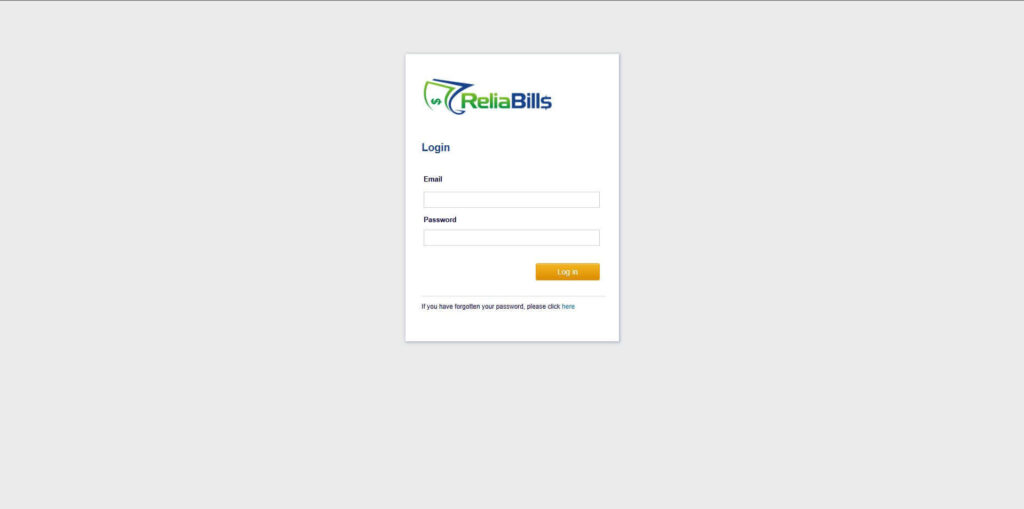
Step 1: Login to ReliaBills
- Access your ReliaBills Account using your login credentials. If you don’t have an account, sign up here.
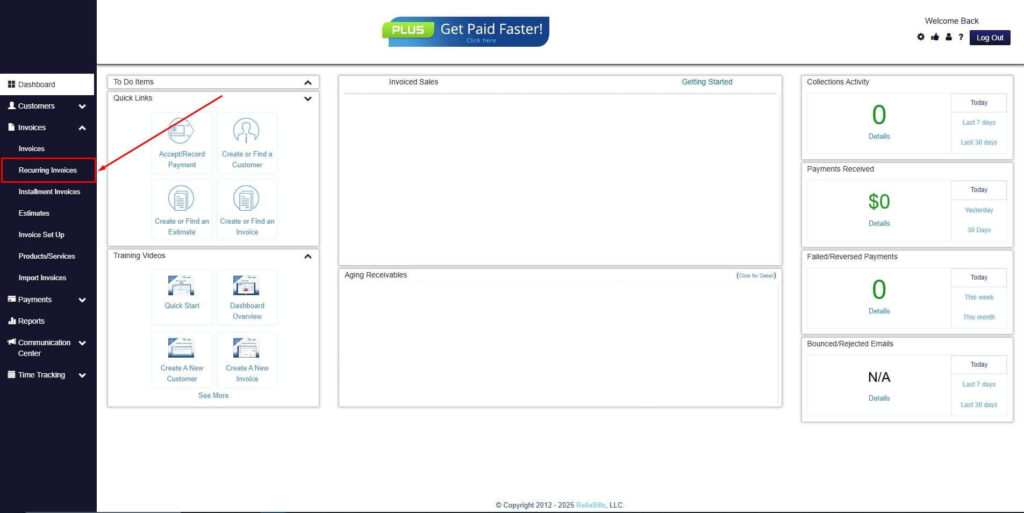
Step 2: Click on Recurring Invoices
- Navigate to the Invoices Dropdown and click on Recurring Invoices for an overview of the list of your existing customers.
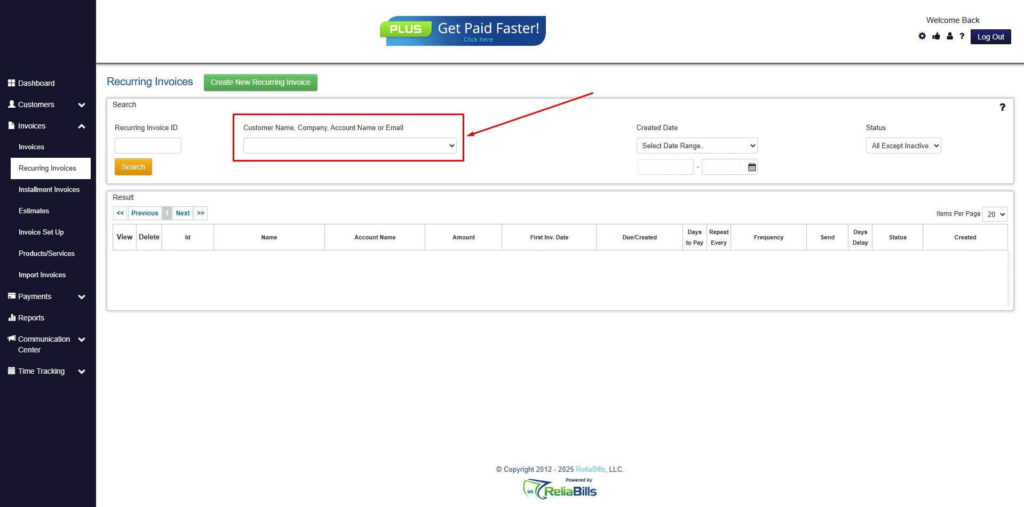
Step 3: Go to the Customers Tab
- If you have already created a customer, search for them in the Customers tab and make sure their status is “Active”.
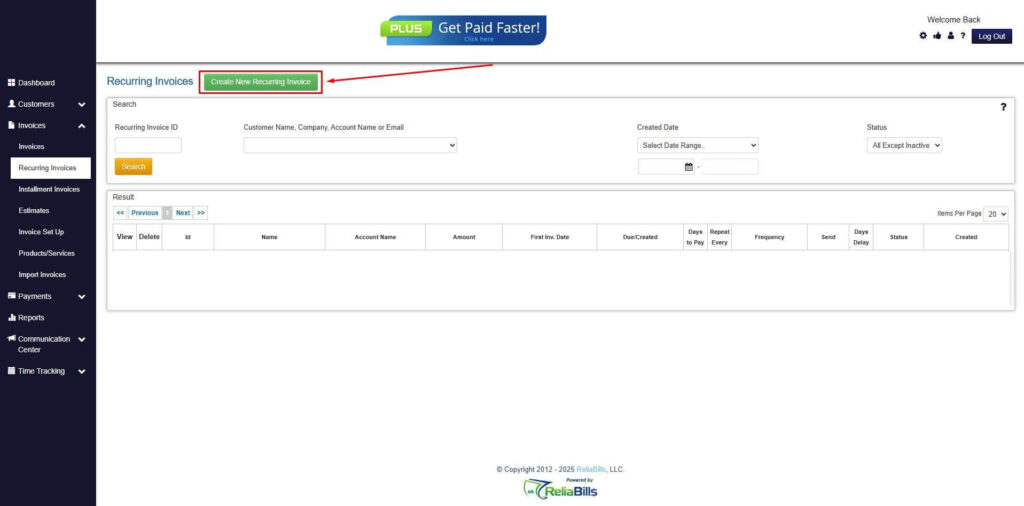
Step 4: Click the Create New Recurring Invoice
- If you haven’t created any customers yet, click the Create New Recurring Invoice to create a new customer.
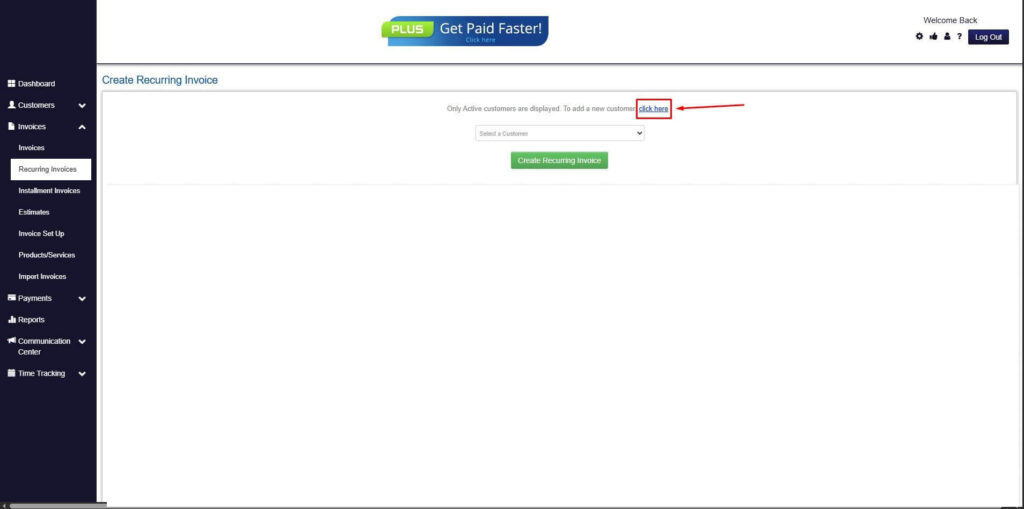
Step 5: Click on the “Click here” Button
- Click on the “Click here” button to proceed with the recurring invoice creation.
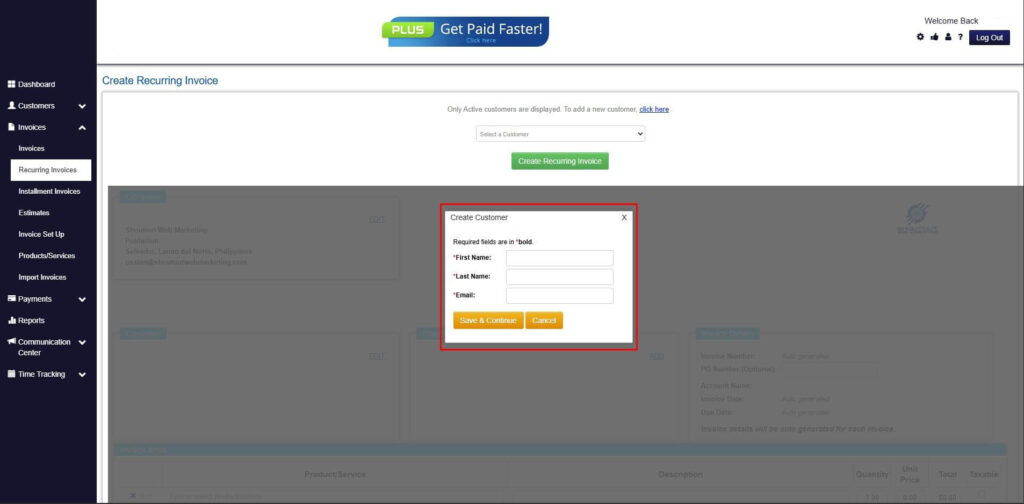
Step 6: Create Customer
- Provide your First Name, Last Name, and Email to proceed.
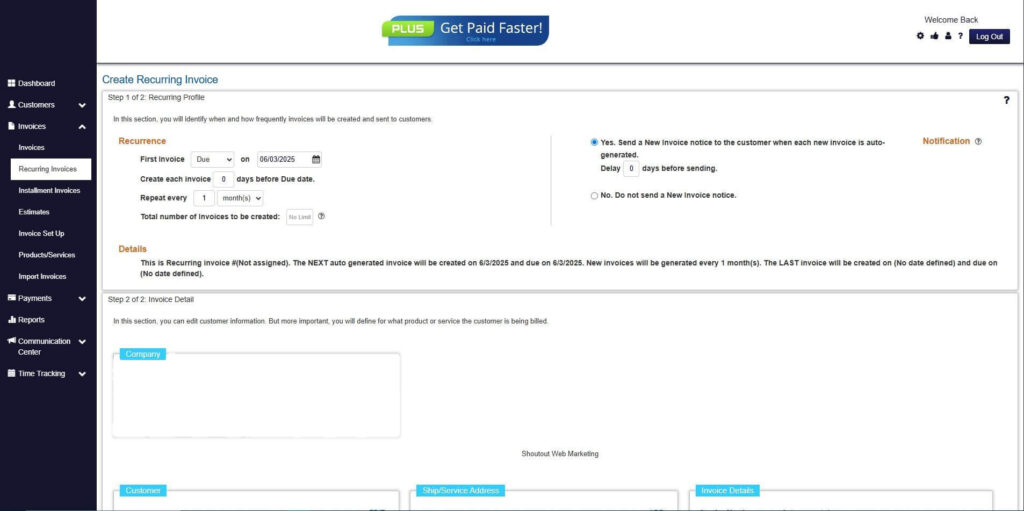
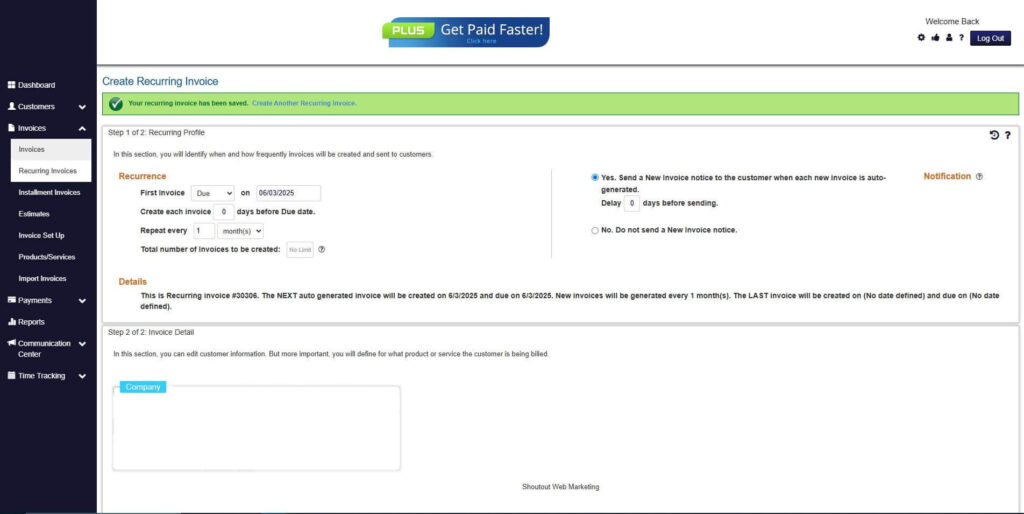
Step 7: Fill in the Create Recurring Invoice Form
- Fill in all the necessary fields.
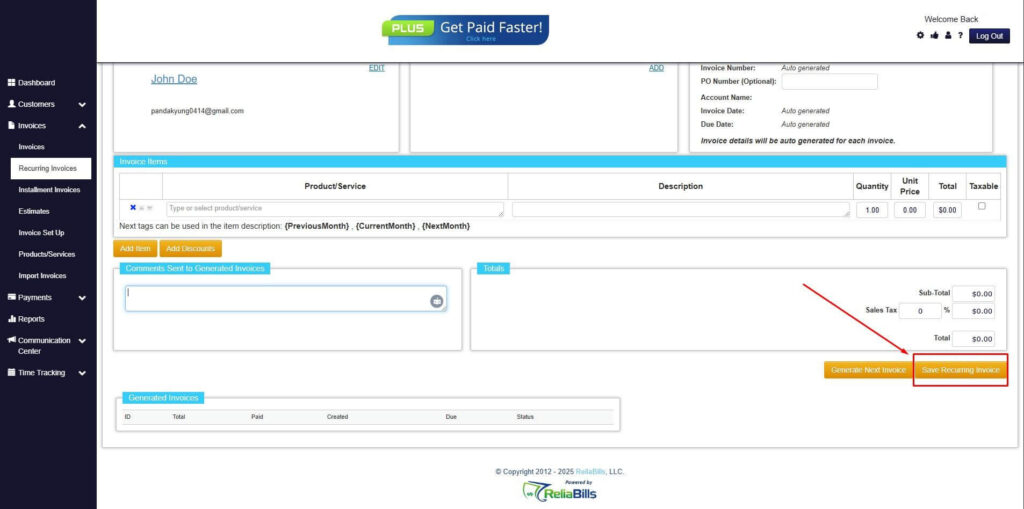
Step 8: Save Recurring Invoice
- After filling up the form, click “Save Recurring Invoice” to continue.
Step 9: Recurring Invoice Created
- Your Recurring Invoice has been created.
Frequently Asked Questions (FAQs)
1. What are non-commercial invoice use cases?
Non-commercial invoice use cases refer to situations where businesses need documentation for transactions that do not involve a sale. These include internal transfers, samples, and donations. They help ensure compliance and tracking. These use cases are essential for modern operations.
2. When should a business use a non-commercial invoice?
Businesses should use non-commercial invoices whenever goods are transferred without payment. This includes returns, replacements, and internal shipments. Proper documentation ensures compliance. It also supports accurate tracking.
3. Do non-commercial invoices require values for goods?
Yes, non-commercial invoices typically require a declared value. This is necessary for customs and regulatory purposes. Even without a sale, value must be indicated. This helps authorities assess shipments.
4. How are non-commercial invoices used in international shipping?
They provide documentation for customs clearance. This includes details about goods and their purpose. Proper invoices prevent delays. They ensure smooth cross-border transactions.
5. Can non-commercial invoices be automated?
Yes, many businesses use automated systems to manage these invoices. Automation improves accuracy and efficiency. It reduces manual workload. It also ensures compliance.
Conclusion
Non-commercial invoices play a vital role in modern business operations, particularly in scenarios where no direct sale occurs. Understanding non-commercial invoice use cases helps organizations maintain compliance, streamline logistics, and improve internal processes. These documents ensure that all transactions are properly recorded, even when they do not generate revenue.
By differentiating non-commercial invoices from commercial ones, businesses can avoid common mistakes and ensure accurate documentation. Their role in customs, inventory tracking, and operational transparency cannot be overstated. As companies continue to expand globally, the importance of proper invoicing practices will only grow.
Adopting automated invoicing systems is the next step for businesses looking to manage both commercial and non-commercial transactions efficiently. Automation enhances accuracy, reduces workload, and ensures compliance across all operations. With the right tools and understanding, businesses can handle all invoice types with confidence and scalability.