

Contractors across industries such as construction, HVAC, plumbing, and electrical services depend heavily on steady cash flow to keep operations running smoothly. These businesses often juggle multiple projects, manage labor teams, and purchase materials upfront, all of which require consistent access to working capital. Without predictable income, even profitable contractors can struggle to maintain daily operations and meet financial obligations. This makes cash flow management a critical component of long-term success.
However, many contractors face ongoing challenges that disrupt cash flow. Delayed client payments, inconsistent billing cycles, and gaps between project completion and invoicing can create financial bottlenecks. Manual invoicing processes often add further delays, increasing the time it takes to receive payments. These issues can accumulate and lead to serious financial strain, especially for small to mid-sized contractors.
Automated invoicing for contractors offers a practical and scalable solution to these challenges. By streamlining billing workflows, automating invoice generation, and enabling faster payment collection, contractors can significantly improve their cash flow. This approach reduces administrative burdens while ensuring that invoices are sent promptly and accurately. As a result, contractors gain more control over their finances and can focus on growing their business.
What Is Automated Invoicing for Contractors?
Automated invoicing for contractors refers to the use of digital systems that generate and send invoices without requiring manual input for each transaction. These systems are designed to align with contractor workflows, allowing invoices to be created based on predefined triggers such as project milestones, service schedules, or completed work. This eliminates the need to manually prepare invoices after each job, saving time and reducing human error. It also ensures that billing happens consistently and without delay.
In contractor environments, automated invoicing tools can be configured to match the complexity of different projects. For example, invoices can be scheduled at specific stages of a construction project or triggered after a service visit is completed. This level of customization ensures that billing aligns with actual work progress and contractual agreements. It also improves transparency between contractors and clients.
Unlike traditional manual invoicing methods, automated invoicing systems operate in real time and integrate with other financial tools. Manual invoicing often involves spreadsheets, delayed data entry, and inconsistent follow-ups, which can slow down payment cycles. Automated systems remove these inefficiencies by handling the entire invoicing lifecycle digitally. This results in faster billing, improved accuracy, and better cash flow management.
Why Cash Flow Is Critical for Contractors
Covers ongoing expenses such as labor, materials, and equipment
Contractors must consistently pay for labor, purchase materials, and maintain equipment to keep projects moving forward. These expenses often occur before payments are received from clients, creating a financial gap that must be managed carefully. Without sufficient cash flow, contractors may struggle to meet payroll or secure necessary supplies. Automated invoicing for contractors helps ensure timely payments, reducing the risk of cash shortages.
Ensures timely project completion without financial delays
Adequate cash flow allows contractors to maintain project momentum without interruptions. When funds are available, contractors can quickly address unexpected costs or changes in project scope. Delayed payments can halt progress and damage client relationships. By accelerating invoicing and collections, automation supports consistent project execution.
Supports business growth and new project opportunities
Healthy cash flow enables contractors to take on new projects and expand their operations. It provides the financial flexibility needed to invest in additional staff, tools, or marketing efforts. Without it, growth opportunities may be missed due to limited resources. Automated invoicing ensures a steady inflow of revenue, supporting long-term expansion.
Maintains operational stability during slow periods
Contractors often experience seasonal fluctuations or gaps between projects. During these slower periods, consistent cash flow becomes even more important to sustain operations. Automated invoicing helps maintain predictable income streams, even when new work is limited. This stability allows businesses to weather downturns more effectively.
Reduces reliance on loans or credit lines
When cash flow is inconsistent, contractors may rely on loans or credit to cover expenses. This can lead to increased financial pressure due to interest payments and debt obligations. Automated invoicing reduces the need for external financing by improving payment timelines. Faster collections mean contractors can operate more independently and profitably.
Common Cash Flow Challenges Contractors Face
Late payments from clients
Many contractors face delays in receiving payments due to slow client processing or lack of follow-up. This can extend payment cycles far beyond agreed terms, creating financial strain. Late payments disrupt budgeting and make it difficult to plan future expenses. Automated invoicing systems help address this by sending timely invoices and reminders.
Irregular billing schedules
Inconsistent billing practices can lead to unpredictable income streams. Contractors who delay invoicing or bill irregularly often experience uneven cash flow. This inconsistency makes financial planning more difficult and increases risk. Automated invoicing ensures that billing occurs on a consistent and reliable schedule.
Manual invoicing delays
Creating invoices manually takes time and can easily be postponed during busy periods. These delays directly impact how quickly payments are received. Manual processes also increase the likelihood of errors or missed invoices. Automation eliminates these delays by generating invoices instantly.
Difficulty tracking multiple projects and invoices
Contractors managing multiple projects often struggle to keep track of billing across jobs. This can result in missed invoices or incomplete records. Poor tracking leads to revenue leakage and reduced profitability. Automated systems provide centralized tracking and real-time visibility.
High upfront costs before receiving payment
Contractors frequently invest in materials and labor before receiving payment from clients. This creates a financial gap that must be managed carefully. Without timely invoicing, this gap can widen and strain resources. Automated invoicing accelerates payment cycles, helping to bridge this gap.
How Automated Invoicing Works for Contractors
Automated invoicing systems function by using predefined rules and triggers to generate invoices without manual intervention. Contractors can set these triggers based on project milestones, service completions, or recurring schedules. Once a trigger is met, the system automatically creates and sends the invoice to the client. This ensures that billing happens immediately and consistently.
These systems also enable instant delivery of invoices through digital channels such as email or client portals. This reduces the time between job completion and invoice receipt, which is critical for faster payments. Clients can review and process invoices more quickly when they receive them promptly. This improves the overall payment cycle.
In addition, automated invoicing platforms track payment status in real time. Contractors can monitor which invoices are paid, pending, or overdue without manual follow-up. Integration with payment systems further streamlines collections by allowing clients to pay directly from the invoice. This end-to-end automation significantly improves efficiency and cash flow.
Ways Automated Invoices Improve Cash Flow
Speeds up invoice generation and delivery
Automated systems create and send invoices instantly once a job is completed or a milestone is reached. This eliminates delays caused by manual preparation and approval processes. Faster invoicing leads to quicker client response and payment. Over time, this significantly shortens the payment cycle.
Reduces delays in billing cycles
Consistent and automated billing schedules ensure that invoices are sent on time every time. This removes the variability associated with manual processes. Contractors can rely on predictable billing timelines, which improves financial planning. Reduced delays directly contribute to better cash flow stability.
Encourages faster client payments
Prompt invoicing and integrated payment options make it easier for clients to pay quickly. Automated reminders also keep payments top of mind for clients. This reduces the likelihood of overdue invoices. Faster payments improve overall liquidity for contractors.
Minimizes missed or forgotten invoices
Manual systems often result in overlooked invoices, especially when managing multiple projects. Automated invoicing ensures that every billable activity is captured and invoiced. This prevents revenue loss and improves financial accuracy. Contractors can operate with greater confidence in their billing processes.
Improves accuracy and reduces disputes
Automation reduces human error in invoice creation, leading to more accurate billing. Clear and consistent invoices reduce misunderstandings with clients. Fewer disputes mean faster approvals and payments. This contributes to smoother financial operations.
The Role of Recurring Billing for Contractors
Recurring billing plays a crucial role for contractors who offer ongoing services such as maintenance, inspections, or service agreements. Instead of manually invoicing clients each time, recurring billing automates the process based on predefined intervals. This ensures that invoices are generated consistently without additional effort. It also improves client experience by providing predictable billing.
For contractors managing service contracts, recurring billing simplifies operations significantly. It reduces administrative workload and ensures that no billing cycle is missed. Clients benefit from consistent and transparent billing, which builds trust and long-term relationships. This approach is particularly useful for HVAC, plumbing, and maintenance services.
Most importantly, recurring billing creates predictable revenue streams. This helps contractors balance project-based income with steady monthly earnings. With automated invoicing for contractors, recurring billing becomes a powerful tool for financial stability. It allows businesses to plan ahead and manage cash flow more effectively.
Key Features Contractors Should Look For
Automated invoice scheduling and generation
Contractors need systems that can automatically create invoices based on predefined triggers. This ensures consistent billing without manual intervention. Scheduling features allow invoices to align with project timelines or service intervals. This improves efficiency and accuracy.
Recurring billing for maintenance or service contracts
Recurring billing capabilities are essential for contractors offering ongoing services. These features automate regular invoicing, reducing administrative work. They also ensure consistent revenue collection. This supports long-term financial stability.
Payment gateway integration and Auto Pay options
Integrated payment systems make it easier for clients to pay invoices quickly. Auto Pay options further streamline the process for recurring services. This reduces delays and improves cash flow. Contractors benefit from faster and more reliable collections.
Real-time tracking and reporting dashboards
Visibility into financial data is critical for effective decision-making. Real-time dashboards provide insights into outstanding invoices and payment trends. This helps contractors identify issues and take action. Better visibility leads to improved financial control.
Customizable invoice templates for different projects
Different projects may require different billing formats. Customizable templates allow contractors to tailor invoices to specific needs. This improves professionalism and clarity. Clear invoices reduce disputes and speed up payments.
Mobile accessibility for on-site billing
Contractors often work in the field and need access to invoicing tools on the go. Mobile-friendly platforms enable invoice creation and tracking from any location. This ensures that billing is not delayed due to lack of access. It also improves overall efficiency.
Best Practices for Improving Cash Flow with Automation
Send invoices immediately after milestones are completed
Timely invoicing is critical for faster payments. Contractors should configure systems to send invoices as soon as work is completed. This reduces delays and keeps billing aligned with project progress. Immediate invoicing improves cash flow consistency.
Use recurring billing for ongoing service contracts
Recurring billing ensures that regular services are billed without fail. This eliminates the need for manual tracking and invoicing. It also creates predictable income streams. Contractors can rely on steady revenue from repeat clients.
Offer multiple payment options for clients
Providing flexible payment methods makes it easier for clients to pay quickly. Options such as credit cards, bank transfers, and digital wallets improve convenience. This reduces payment friction and delays. More options lead to faster collections.
Automate payment reminders for overdue invoices
Automated reminders help keep clients informed about upcoming or overdue payments. This reduces the need for manual follow-ups. Consistent reminders encourage timely payments. They also improve client accountability.
Regularly review accounts receivable and cash flow reports
Monitoring financial data helps contractors identify trends and issues. Regular reviews ensure that outstanding invoices are addressed promptly. This improves financial planning and decision-making. Automation makes this process more efficient and accurate.
Common Mistakes Contractors Should Avoid
Delaying invoice creation after completing work
Waiting too long to send invoices can significantly delay payments. Contractors should avoid postponing billing tasks. Automation helps ensure that invoices are sent immediately. This reduces payment cycle time.
Relying on manual processes for billing
Manual invoicing is time-consuming and prone to errors. It often leads to missed or delayed invoices. Contractors should transition to automated systems. This improves efficiency and accuracy.
Not offering convenient payment options
Limited payment methods can slow down collections. Clients may delay payments if options are inconvenient. Providing multiple payment channels improves speed and ease. This leads to better cash flow.
Ignoring overdue invoices
Failing to follow up on unpaid invoices can result in lost revenue. Contractors should actively track and address overdue payments. Automated reminders help manage this process. Consistent follow-up improves collections.
Failing to track project-based billing accurately
Poor tracking can lead to missed billing opportunities. Contractors need systems that align invoices with project progress. Automation ensures accurate and complete billing. This prevents revenue leakage.
How Automation Reduces Payment Delays
Automation significantly reduces payment delays by ensuring that invoices are sent immediately upon job completion or according to predefined schedules. This eliminates the lag between finishing work and billing the client, which is a common issue in manual processes. Faster invoicing increases the likelihood of prompt payment. It also sets clear expectations for clients.
Automated systems also provide built-in reminders for upcoming and overdue payments. These reminders are sent consistently without requiring manual effort, keeping clients informed and accountable. This reduces the need for follow-ups and improves payment timelines. Contractors benefit from a more streamlined collection process.
Additionally, automation enables features like Auto Pay for recurring services. Clients can authorize automatic payments, ensuring that invoices are paid on time without manual intervention. This reduces friction in the payment process and improves reliability. Overall, automation creates a faster and more predictable payment cycle.
How Automation Enhances Financial Visibility
Automated invoicing platforms provide real-time insights into financial performance. Contractors can easily view outstanding invoices, payment statuses, and revenue trends. This level of visibility helps identify potential cash flow issues early. It also supports more informed decision-making.
Tracking payment trends and client behavior allows contractors to optimize their billing strategies. For example, they can identify clients who consistently pay late and adjust terms accordingly. This proactive approach improves overall financial health. Automation provides the data needed for these insights.
Accurate forecasting is another key benefit of enhanced visibility. Contractors can predict future cash flow based on current data and trends. This helps with budgeting and planning for growth. Improved visibility leads to better financial control and stability.
Key Benefits of Automated Invoicing for Contractors
Faster and more predictable cash flow
Automated invoicing ensures that billing happens consistently and without delay. This leads to quicker payments and improved liquidity. Predictable cash flow supports better financial planning. Contractors can operate with greater confidence.
Reduced administrative workload
Automation eliminates repetitive manual tasks associated with invoicing. This frees up time for contractors to focus on core business activities. Reduced workload also lowers the risk of errors. Efficiency improves across the organization.
Improved billing accuracy and consistency
Automated systems ensure that invoices are generated correctly every time. This reduces discrepancies and disputes with clients. Consistent billing improves professionalism. Accurate invoices lead to faster approvals.
Better client payment compliance
Automated reminders and easy payment options encourage timely payments. Clients are more likely to comply with clear and consistent billing practices. This reduces overdue accounts. Improved compliance strengthens cash flow.
Scalable billing operations
As businesses grow, automated systems can handle increased billing volume بسهولة. Contractors can manage more clients and projects without additional administrative burden. Scalability supports long-term growth. Automation ensures that billing processes remain efficient.
Common Use Cases
Construction companies managing multiple projects
Construction firms often handle several projects simultaneously, each with different billing schedules. Automated invoicing helps manage these complexities efficiently. It ensures that all milestones are billed accurately and on time. This improves overall financial management.
HVAC and maintenance contractors with service agreements
Recurring services are common in HVAC and maintenance industries. Automated invoicing simplifies billing for these agreements. It ensures consistent revenue collection. Contractors can focus on service delivery rather than billing.
Plumbing and electrical service providers
These contractors often handle frequent service calls and need quick invoicing. Automation enables instant billing after job completion. This speeds up payment cycles. It also improves customer satisfaction.
Landscaping and property maintenance businesses
Regular maintenance services require consistent billing. Automated invoicing ensures that invoices are sent on schedule. This reduces administrative effort. It also supports predictable income.
Independent contractors handling recurring clients
Freelance contractors benefit from automated invoicing for repeat clients. It reduces manual work and ensures consistent billing. This improves cash flow stability. Independent professionals can scale their operations more effectively.
How ReliaBills Helps Contractors Improve Cash Flow
Automated invoicing platforms like ReliaBills are designed to simplify billing for contractors managing multiple projects and clients. By automating invoice creation and delivery, contractors can eliminate delays and ensure that every completed job is billed promptly. This reduces administrative workload while improving billing accuracy and consistency. As a result, contractors can maintain steady cash flow and focus more on project execution and customer satisfaction.
One of the key advantages of ReliaBills is its robust recurring billing functionality, which is especially valuable for contractors offering ongoing services. Maintenance contracts, service agreements, and repeat jobs can be billed automatically without manual intervention. This ensures consistent revenue collection and reduces the risk of missed invoices. With automated invoicing for contractors, businesses can create predictable income streams that support long-term stability.
ReliaBills PLUS takes automation a step further by offering advanced features such as detailed reporting, centralized billing management, and enhanced customization. These tools provide contractors with deeper financial insights and greater control over their billing operations. As businesses grow, these capabilities become essential for managing increased complexity. With ReliaBills PLUS, contractors can scale efficiently while maintaining strong cash flow performance.
How to Create a New Recurring Invoice Using ReliaBills
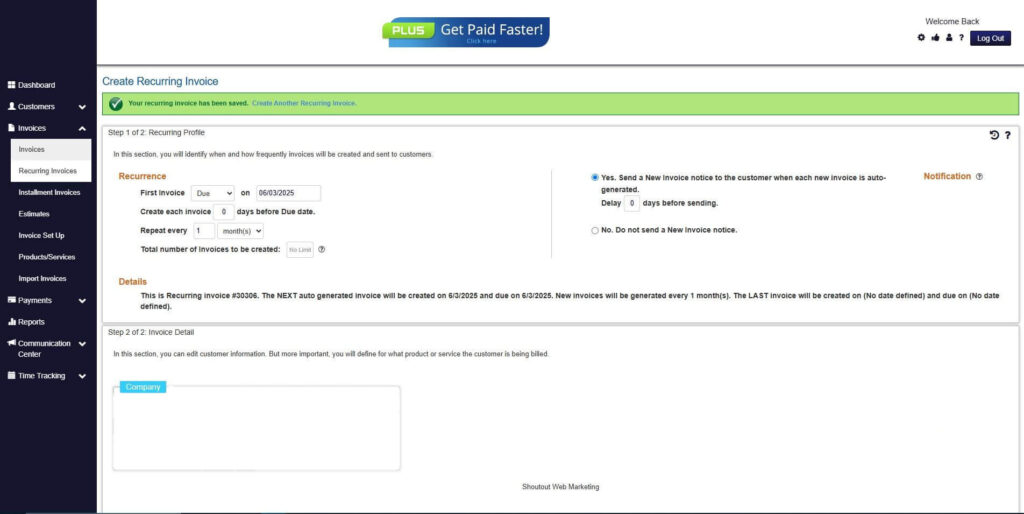
Creating a New Recurring Invoice using ReliaBills involves the following steps:
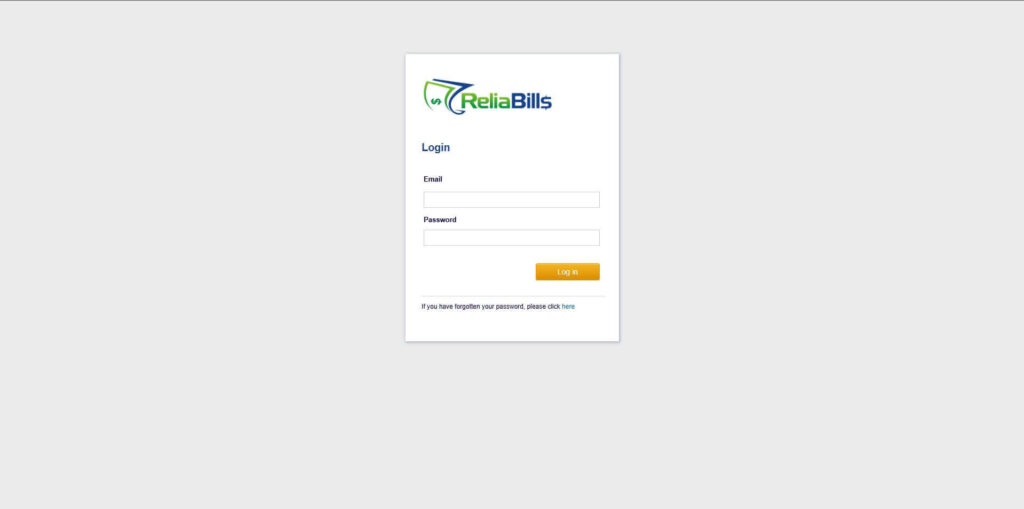
Step 1: Login to ReliaBills
- Access your ReliaBills Account using your login credentials. If you don’t have an account, sign up here.
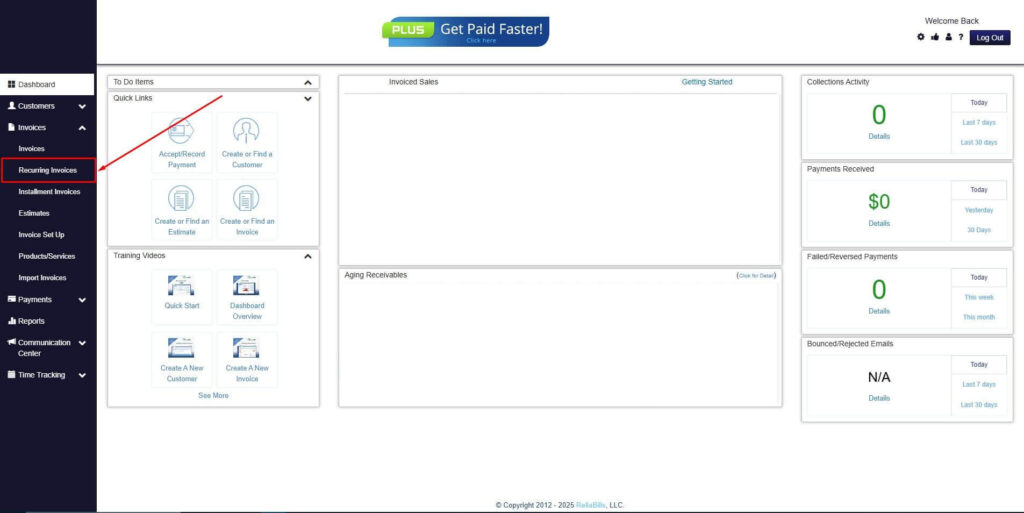
Step 2: Click on Recurring Invoices
- Navigate to the Invoices Dropdown and click on Recurring Invoices for an overview of the list of your existing customers.
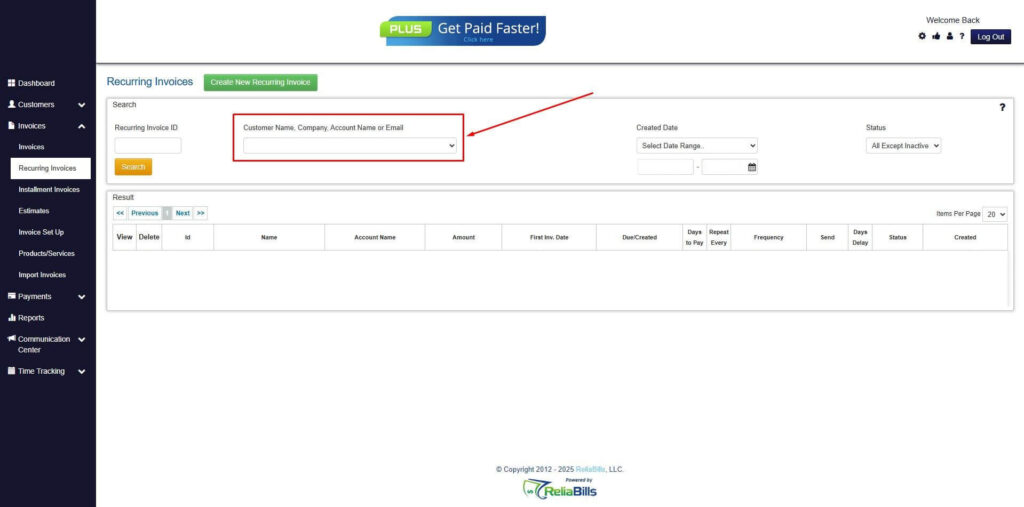
Step 3: Go to the Customers Tab
- If you have already created a customer, search for them in the Customers tab and make sure their status is “Active”.
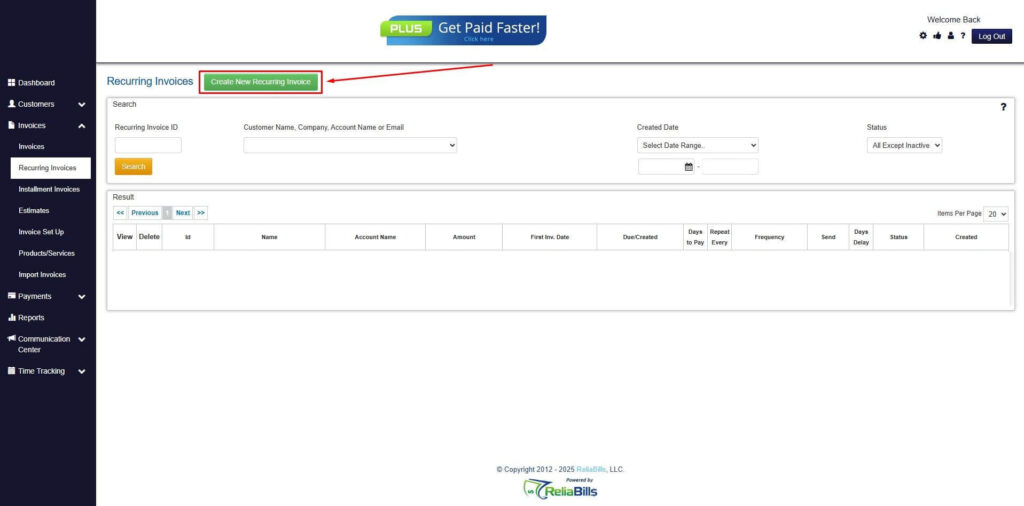
Step 4: Click the Create New Recurring Invoice
- If you haven’t created any customers yet, click the Create New Recurring Invoice to create a new customer.
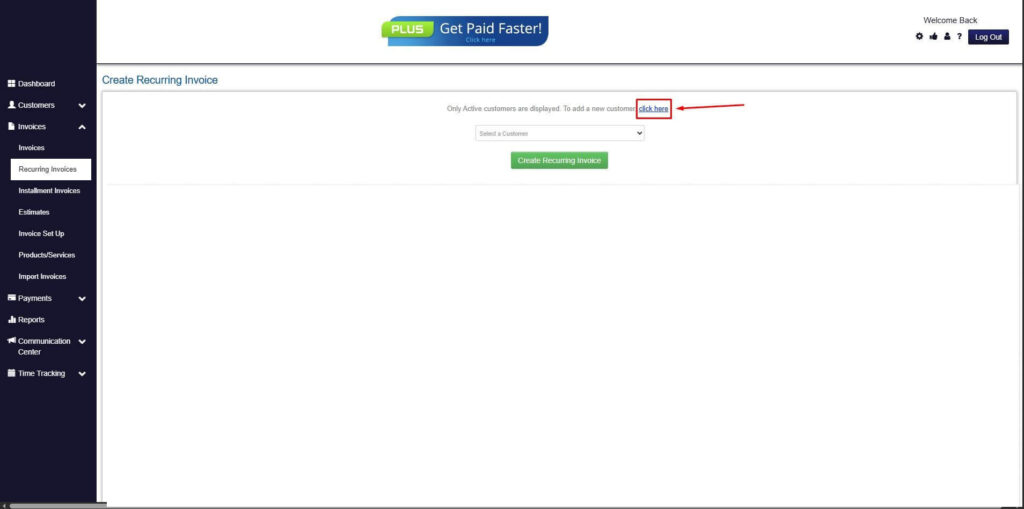
Step 5: Click on the “Click here” Button
- Click on the “Click here” button to proceed with the recurring invoice creation.
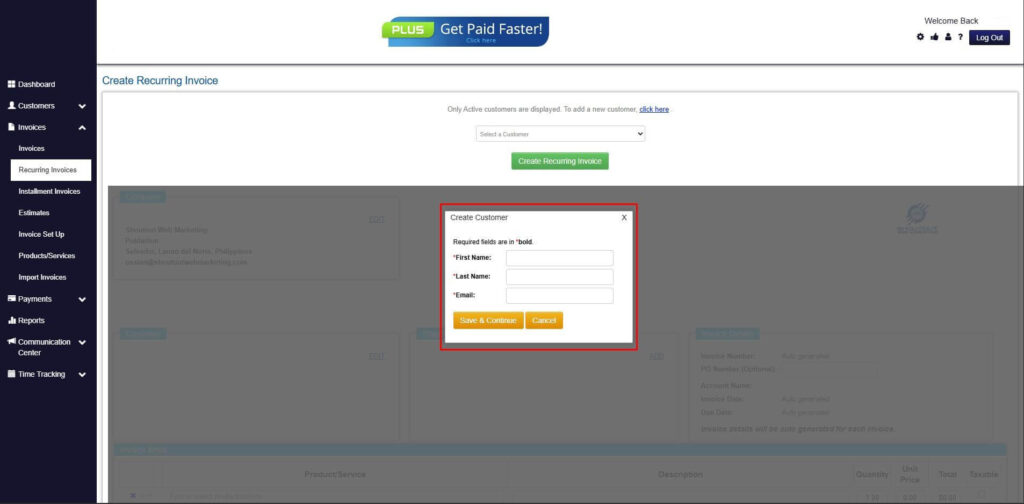
Step 6: Create Customer
- Provide your First Name, Last Name, and Email to proceed.
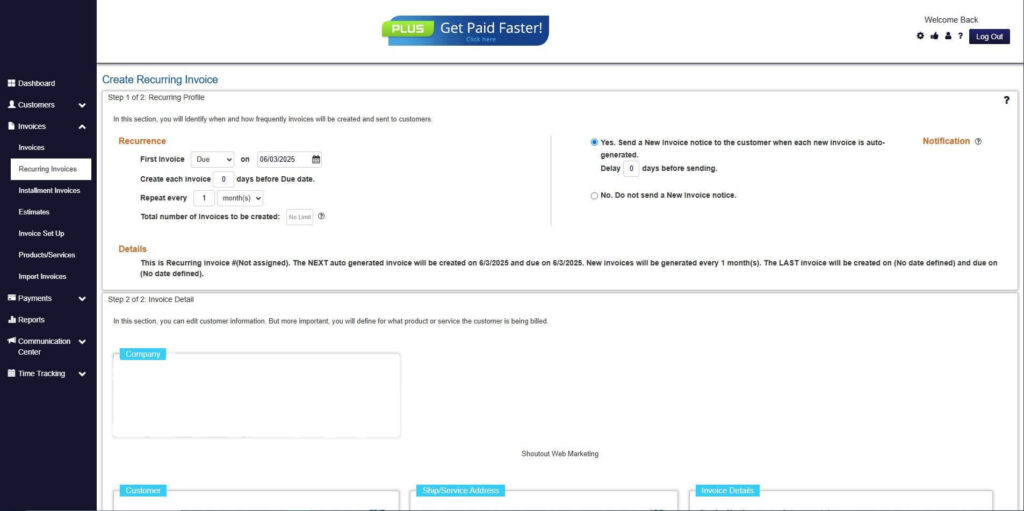
Step 7: Fill in the Create Recurring Invoice Form
- Fill in all the necessary fields.
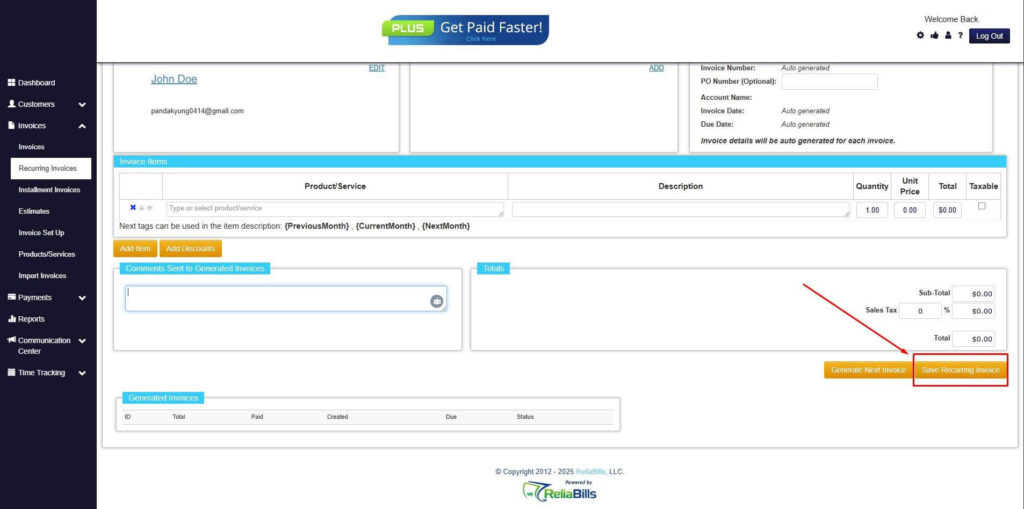
Step 8: Save Recurring Invoice
- After filling up the form, click “Save Recurring Invoice” to continue.
Step 9: Recurring Invoice Created
- Your Recurring Invoice has been created.
Frequently Asked Questions (FAQs)
1. How do automated invoices improve contractor cash flow?
Automated invoices are sent immediately after work completion or based on predefined schedules. This reduces delays in billing and accelerates payment collection. Faster payments lead to improved liquidity and financial stability. Contractors can better manage expenses and investments.
2. What is the best way to handle recurring billing for contractors?
The best approach is to use automated systems that generate invoices at regular intervals. This ensures consistent billing for ongoing services. Recurring billing reduces administrative workload and improves revenue predictability. It is especially useful for maintenance contracts.
3. Can small contractors use automated invoicing tools?
Yes, automated invoicing tools are scalable and suitable for businesses of all sizes. Small contractors can benefit from reduced administrative tasks and faster payments. These tools are often easy to implement and use. They provide immediate improvements in efficiency.
4. How do contractors reduce late payments?
Contractors can reduce late payments by sending invoices promptly and using automated reminders. Offering multiple payment options also helps clients pay more easily. Clear billing terms improve compliance. Automation ensures consistent follow-up.
5. What features should contractor invoicing software include?
Key features include automated invoice generation, recurring billing, and payment integration. Real-time tracking and reporting are also important. Customization options improve flexibility. Mobile access supports on-the-go operations.
Conclusion
Automated invoicing for contractors is a powerful solution for improving cash flow and operational efficiency. By eliminating manual delays, ensuring timely billing, and streamlining payment collection, contractors can maintain a more stable financial position. This approach not only reduces administrative burden but also enhances accuracy and consistency in billing processes.
Improving cash flow requires more than just completing projects on time. It involves optimizing how and when contractors get paid. Automated invoicing addresses common challenges such as late payments, missed invoices, and inconsistent billing schedules. With better systems in place, contractors can focus on delivering quality work while maintaining financial health.
As the contractor industry becomes more competitive, adopting automation is no longer optional but essential. Businesses that leverage automated invoicing gain a clear advantage in managing cash flow and scaling operations. By embracing modern billing solutions, contractors can build a more resilient and growth-ready business.