
International shipping requires accurate and complete documentation to ensure that goods move smoothly across borders without unnecessary delays or complications. Customs authorities rely heavily on shipping documents to verify the contents, purpose, and value of a shipment before allowing it to enter or leave a country. Even when goods are not being sold, proper paperwork is still required to comply with international trade regulations. This is where a non-commercial invoice for shipping becomes an essential document.
Non-commercial invoices are specifically used for shipments that are not intended for sale, such as gifts, product samples, or returned goods. While these transactions do not involve a commercial exchange, customs officials still need detailed information to assess duties, taxes, and compliance requirements. Many businesses and individuals mistakenly assume that non-commercial shipments require less documentation, which can lead to costly errors. In reality, the level of detail required is often just as strict as commercial shipments.
Incomplete or inaccurate invoices can result in shipment delays, customs holds, additional fees, or even rejection of the shipment altogether. Missing information or vague descriptions can raise red flags during customs inspections. This makes it critical for businesses and individuals to understand exactly what should be included in a non-commercial invoice. Proper preparation ensures smoother shipping processes, better compliance, and fewer disruptions in international logistics.
What Is a Non-Commercial Invoice?
A non-commercial invoice is a document used in international shipping to declare the contents and value of goods that are not being sold. It provides customs authorities with the necessary details to identify the shipment and determine any applicable duties or taxes. Even though there is no sale involved, the invoice still serves as a formal declaration of the shipment’s purpose and value. This ensures transparency and compliance with global trade regulations.
This type of invoice is commonly used in situations such as sending gifts between individuals, shipping product samples for evaluation, returning defective items, or sending warranty replacements. It may also be used for internal company transfers where goods are moved across borders without a sale transaction. Despite the non-commercial nature, the invoice must still include accurate descriptions and declared values. Customs authorities rely on this information to process shipments correctly.
Non-commercial invoices differ from commercial invoices, which are used for sales transactions involving the exchange of goods for payment. Commercial invoices include pricing, payment terms, and buyer-seller agreements, while non-commercial invoices focus on the purpose and declared value of the shipment. However, both types of invoices must meet strict documentation standards. Understanding these differences helps ensure the correct document is used for each shipment type.
When Is a Non-Commercial Invoice Required?
Shipments of Gifts Between Individuals
A non-commercial invoice is required when individuals send gifts internationally to friends or family members. Even though the items are not sold, customs authorities still need to know the contents and estimated value of the shipment. This helps determine whether duties or taxes apply based on the destination country’s regulations. Providing accurate information ensures that the gift is delivered without unnecessary delays.
Sending Product Samples for Evaluation
Businesses often send product samples to potential clients or partners for testing and evaluation purposes. These shipments are not intended for sale, but they still require proper documentation for customs clearance. A non-commercial invoice clearly indicates that the items are samples and not part of a commercial transaction. This helps avoid confusion and ensures smooth processing at customs checkpoints.
Returning Defective or Repaired Goods
When customers return defective products or receive repaired items from overseas, a non-commercial invoice is used to document the shipment. This type of transaction does not involve a sale but still requires a declaration of the goods and their value. Proper documentation helps prevent double taxation or unnecessary duties on returned items. It also ensures that customs officials understand the purpose of the shipment.
Shipping Items for Personal Use or Internal Business Purposes
Companies may transfer equipment or materials between offices in different countries, or individuals may ship personal belongings internationally. These shipments are not commercial transactions but still require proper documentation. A non-commercial invoice helps clarify the purpose and value of the items being transported. This ensures compliance with customs regulations and avoids potential delays.
Why Accuracy Matters in Customs Documentation
Ensures Smooth Customs Clearance
Accurate documentation allows customs officials to quickly verify shipment details and approve clearance without unnecessary inspections. Clear and complete invoices reduce the likelihood of questions or discrepancies during processing. This speeds up the entire shipping process and minimizes disruptions. Efficient clearance helps businesses maintain reliable delivery timelines.
Prevents Delays or Shipment Holds
Incomplete or incorrect invoices can cause shipments to be flagged for further inspection or placed on hold. Customs authorities may request additional information, which can delay delivery significantly. These delays can disrupt supply chains and negatively impact customer satisfaction. Accurate documentation helps avoid these issues altogether.
Avoids Fines or Compliance Issues
Failure to provide proper documentation can result in penalties or fines imposed by customs authorities. Incorrect declarations may also lead to compliance violations that affect future shipments. Businesses must ensure all invoice details are accurate and complete to avoid legal complications. Proper documentation protects both financial and operational stability.
Helps Authorities Correctly Assess Duties and Taxes
Even for non-commercial shipments, customs authorities may need to assess duties or taxes based on the declared value of goods. Accurate valuation ensures that the correct fees are applied according to local regulations. Under-declaring or over-declaring values can create compliance risks or delays. Proper documentation ensures transparency and fair assessment.
Essential Elements of a Non-Commercial Invoice
Sender and Recipient Details (Name, Address, Contact Information)
The invoice must include complete contact information for both the sender and the recipient, including names, addresses, and phone numbers. This allows customs authorities and shipping carriers to identify the parties involved in the transaction. Accurate contact details also help resolve any issues that may arise during transit. Missing or incorrect information can lead to delivery complications or delays.
Invoice Number and Date
Each non-commercial invoice should have a unique invoice number and the date it was issued. This helps track shipments and maintain organized records for both the sender and customs authorities. Proper numbering also supports audit trails and compliance documentation. Including the date ensures clarity regarding when the shipment was prepared.
Detailed Description of Goods
A clear and specific description of each item in the shipment is essential for customs processing. Descriptions should include the type of product, material, and intended use whenever possible. Vague descriptions can lead to confusion or inspection delays. Accurate descriptions help customs officials classify goods correctly.
Quantity and Unit Value of Each Item
The invoice should specify the quantity of each item along with its estimated unit value. Even though the items are not being sold, customs authorities require a declared value for assessment purposes. Providing accurate quantities and values ensures proper documentation. This information also supports transparency in shipping declarations.
Total Declared Value (Even If Not for Sale)
The total value of all items in the shipment must be clearly stated on the invoice. This value represents the estimated worth of the goods, not a sale price. Customs authorities use this information to determine applicable duties or taxes. Declaring a realistic value helps avoid compliance issues.
Reason for Export (e.g., Gift, Sample, Return)
The invoice should clearly state the purpose of the shipment, such as a gift, sample, or returned item. This helps customs officials understand why the goods are being shipped and how they should be processed. Clearly stating the reason reduces the risk of misclassification. It also ensures proper handling during customs clearance.
Country of Origin
Indicating the country of origin for each item helps customs authorities determine applicable regulations and tariffs. This information is important for compliance with international trade laws. Accurate origin details also support proper classification of goods. Missing origin information can lead to delays or additional checks.
Shipping Method and Tracking Details
Including shipping details such as carrier name and tracking number helps identify and monitor the shipment throughout transit. This information allows both the sender and customs authorities to track the shipment’s progress. It also helps resolve issues quickly if delays occur. Proper tracking details improve overall shipping visibility.
Declaration Statement Confirming Non-Commercial Purpose
A statement confirming that the shipment is non-commercial is essential for customs classification. This declaration clarifies that the goods are not intended for sale. It helps prevent misinterpretation of the shipment’s purpose. Including this statement ensures accurate processing.
Signature of the Sender
The sender’s signature confirms that the information provided on the invoice is accurate and complete. This adds a level of accountability and authenticity to the document. Some customs authorities require signed invoices for validation. A missing signature can result in processing delays.
How to Describe Goods Properly
Providing clear and detailed product descriptions is critical when preparing a non-commercial invoice for shipping. Each item should be described in a way that allows customs officials to easily identify what is being shipped. Including details such as material, function, and intended use helps eliminate ambiguity. Accurate descriptions reduce the likelihood of inspection delays or additional inquiries.
Avoid using vague terms like “items,” “samples,” or “parts” without further explanation. These general descriptions do not provide enough information for customs classification and may trigger additional checks. Instead, businesses should use precise language that reflects the actual contents of the shipment. This ensures faster processing and fewer complications.
Consistency between the invoice description and the actual shipment contents is also essential. Any mismatch between documentation and physical goods can lead to delays or penalties. Businesses should double-check all descriptions before shipping to ensure accuracy. Proper descriptions contribute significantly to smooth customs clearance.
Common Mistakes to Avoid
Omitting the Declared Value of Goods
Failing to include a declared value is one of the most common mistakes in non-commercial invoices. Even though the items are not for sale, customs authorities still require an estimated value for processing. Missing values can result in shipment delays or rejection. Providing accurate values ensures compliance and smooth clearance.
Providing Incomplete Sender or Recipient Information
Incomplete contact details can create difficulties in identifying the shipment’s origin and destination. Customs officials and carriers rely on this information to process and deliver shipments correctly. Missing or incorrect details may lead to delays or failed deliveries. Ensuring complete information is essential for efficient shipping.
Using Inaccurate or Vague Product Descriptions
Vague or incorrect descriptions can cause confusion and trigger additional inspections by customs authorities. This increases the risk of delays and compliance issues. Clear and accurate descriptions help ensure proper classification of goods. Businesses should always provide detailed and precise information.
Failing to State the Reason for Export
Not specifying the purpose of the shipment can lead to misinterpretation during customs processing. Authorities need to know whether the goods are gifts, samples, or returns to apply the correct regulations. Missing this information can cause delays or incorrect duty assessments. Clearly stating the reason helps avoid these issues.
Not Signing or Dating the Invoice
Unsigned or undated invoices may be considered incomplete or invalid by customs authorities. This can result in processing delays or requests for additional documentation. Including a signature and date ensures the document is recognized as official. Proper completion of the invoice is critical for compliance.
Differences Between Commercial and Non-Commercial Invoices
Purpose: Sale vs Non-Sale Transactions
Commercial invoices are used for transactions involving the sale of goods, while non-commercial invoices are used for shipments without a sale. The purpose of the invoice determines how customs authorities process the shipment. Understanding this distinction is essential for proper documentation. Using the wrong invoice type can lead to delays.
Pricing: Actual Sale Price vs Declared Value
Commercial invoices include the actual sale price of goods, while non-commercial invoices list an estimated value. This declared value is used for customs assessment rather than a transaction amount. Providing accurate values is still essential for compliance. Misrepresentation can lead to penalties.
Tax and Duty Implications
Commercial shipments are typically subject to duties and taxes based on the sale value of goods. Non-commercial shipments may also be taxed depending on their declared value and destination country regulations. Customs authorities use invoice details to determine applicable fees. Accurate documentation ensures proper assessment.
Documentation Requirements
Both invoice types require detailed information, but commercial invoices often include additional details such as payment terms and buyer-seller agreements. Non-commercial invoices focus on the purpose and value of the shipment. Despite these differences, both must meet strict documentation standards. Proper preparation is critical for successful customs clearance.
Usage in Customs Processing
Customs authorities use commercial invoices to process sales transactions and calculate duties based on actual pricing. Non-commercial invoices are used to verify shipment purpose and assess value for non-sale items. Each invoice type plays a specific role in customs procedures. Using the correct document ensures efficient processing.
How Digital Tools Simplify Invoice Creation
Digital invoicing tools simplify the process of creating a non-commercial invoice for shipping by automating formatting and data entry. Businesses can use pre-built templates that include all required fields for customs documentation. This reduces the risk of missing important information. Automation ensures consistency across all invoices.
These tools also help reduce errors by standardizing invoice structures and minimizing manual input. Users can quickly generate invoices with accurate details and consistent formatting. This improves compliance and reduces the likelihood of delays. Automated systems also support faster invoice preparation.
Digital platforms allow businesses to store and retrieve invoices, improving record-keeping and audit readiness. Documents can be accessed anytime without searching through physical files. This enhances efficiency and organization. Businesses benefit from better control over their documentation processes.
Best Practices for Preparing Non-Commercial Invoices
Use Standardized Invoice Templates
Using consistent templates ensures that all required information is included in every invoice. Templates help maintain uniform formatting and reduce the risk of missing details. They also make it easier for employees to create accurate invoices quickly. Standardization improves overall efficiency and compliance.
Double-Check All Shipment and Product Details
Before sending a shipment, businesses should carefully review all invoice information for accuracy. This includes product descriptions, values, quantities, and contact details. Verifying information helps prevent errors that could cause delays. A thorough review process improves documentation quality.
Clearly State the Non-Commercial Purpose
The invoice should explicitly state that the shipment is non-commercial and specify the reason for export. This helps customs authorities understand how to process the shipment correctly. Clear communication reduces the risk of misclassification. It also ensures compliance with regulations.
Keep Copies for Record-Keeping and Compliance
Maintaining copies of invoices helps businesses track shipments and prepare for audits. Digital storage makes it easy to organize and access records when needed. Proper record-keeping supports compliance and operational efficiency. It also helps resolve disputes quickly.
Stay Updated with Country-Specific Customs Requirements
Different countries have unique customs regulations that may affect documentation requirements. Businesses should stay informed about these rules to ensure compliance. Keeping up with changes helps avoid delays or penalties. Understanding regulations improves international shipping success.
How Automation Helps Ensure Compliance
Automation reduces manual errors by standardizing the process of creating and managing invoices. Digital systems ensure that all required fields are included and completed correctly. This improves accuracy and reduces the risk of missing information. Consistent documentation supports compliance with customs regulations.
Automated tools also speed up invoice generation, allowing businesses to handle frequent shipments more efficiently. Instead of creating invoices manually each time, systems can generate them instantly based on predefined templates. This saves time and improves operational efficiency. Faster processing helps maintain smooth shipping workflows.
Improved record-keeping is another major benefit of automation. Digital systems store invoices securely and make them easily accessible for audits or reporting. This enhances transparency and accountability in documentation processes. Businesses gain better control over their shipping and compliance operations.
Key Benefits of Proper Non-Commercial Invoices
Faster Customs Clearance
Accurate and complete invoices help customs authorities process shipments quickly without unnecessary inspections. This reduces delays and ensures timely delivery of goods. Efficient clearance improves overall shipping performance. Businesses benefit from smoother logistics operations.
Reduced Risk of Delays and Penalties
Proper documentation minimizes the likelihood of shipment holds, fines, or compliance issues. Accurate invoices ensure that all required information is provided upfront. This reduces the need for additional verification. Businesses can avoid costly disruptions.
Improved Documentation Accuracy
Standardized and well-prepared invoices improve the accuracy of shipping records. This reduces errors and inconsistencies across shipments. Accurate documentation supports better reporting and compliance. Businesses gain more reliable operational data.
Better Compliance with International Shipping Regulations
Meeting documentation requirements ensures compliance with global trade laws and customs regulations. Proper invoices help businesses avoid legal complications and penalties. Compliance also supports smoother international operations. Businesses can ship with greater confidence.
Enhanced Tracking and Record-Keeping
Detailed invoices provide valuable information for tracking shipments and managing records. Digital storage improves accessibility and organization of documents. Businesses can quickly retrieve information when needed. Strong record-keeping supports operational efficiency.
Common Use Cases
Sending Gifts Internationally
Individuals use non-commercial invoices when sending gifts to friends or family in other countries. Proper documentation ensures smooth customs clearance. Accurate descriptions and values are still required. This helps avoid delays.
Shipping Product Samples to Clients
Businesses send samples to potential clients for evaluation without a sale transaction. A non-commercial invoice clarifies the purpose of the shipment. This ensures proper processing by customs authorities. It also supports business development efforts.
Returning Defective or Repaired Goods
Returned or repaired items require documentation to avoid additional duties or confusion. Non-commercial invoices explain the purpose of the shipment. This ensures correct classification. It also prevents double taxation.
Internal Company Transfers Across Borders
Companies may transfer equipment or materials between international locations. These shipments are not sales but still require proper documentation. Non-commercial invoices provide necessary details. This supports compliance and efficient logistics.
eCommerce Returns and Exchanges
Online businesses often handle returns and exchanges across borders. Non-commercial invoices document these transactions clearly. This helps customs authorities process shipments correctly. It also improves customer experience.
How ReliaBills Supports Non-Commercial Invoice Management
ReliaBills helps businesses improve the accuracy and efficiency of their invoicing processes by providing digital tools that simplify documentation and reduce manual effort. Instead of relying on spreadsheets or manual templates, businesses can generate professional invoices with complete and standardized information. This ensures that every non-commercial invoice for shipping includes all required details for customs compliance. As a result, businesses can reduce errors, avoid delays, and maintain smoother international shipping operations.
The platform’s recurring billing capabilities also support consistent invoice creation by automating repetitive processes and maintaining standardized formats across all transactions. While non-commercial invoices are not tied to sales, businesses that frequently ship samples, returns, or internal transfers can benefit from automated invoice generation and reusable templates. This reduces administrative workload and ensures every document meets compliance requirements. Automation also improves tracking and record-keeping for all shipping-related documentation.
ReliaBills PLUS enhances these capabilities with advanced features such as customizable templates, detailed reporting, and centralized document management tools. Businesses can store, access, and manage invoices from a single platform while maintaining full visibility into their documentation processes. These features support better organization, audit readiness, and operational scalability. With ReliaBills PLUS, businesses can streamline both commercial and non-commercial invoicing while maintaining accuracy and compliance.
How to Create a New Recurring Invoice Using ReliaBills
Creating a New Recurring Invoice using ReliaBills involves the following steps:
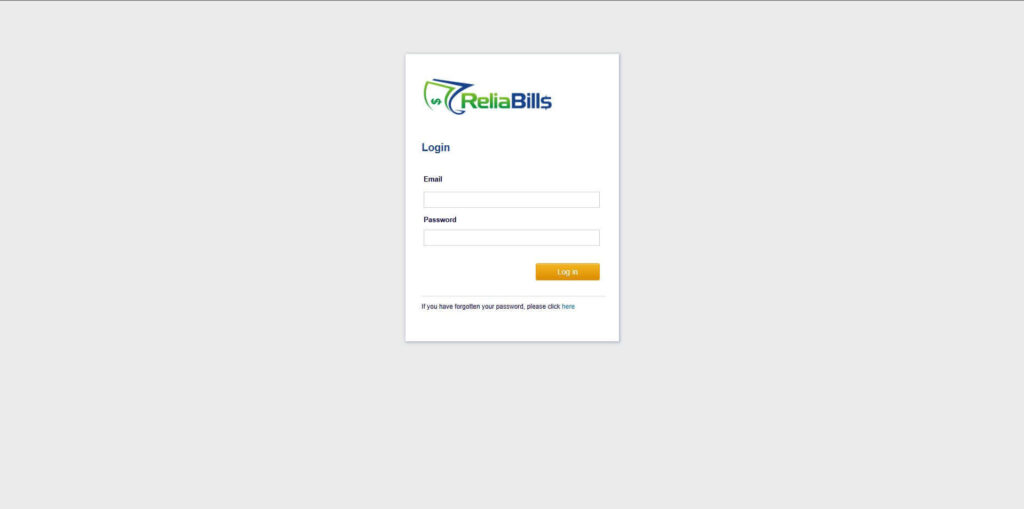
Step 1: Login to ReliaBills
- Access your ReliaBills Account using your login credentials. If you don’t have an account, sign up here.
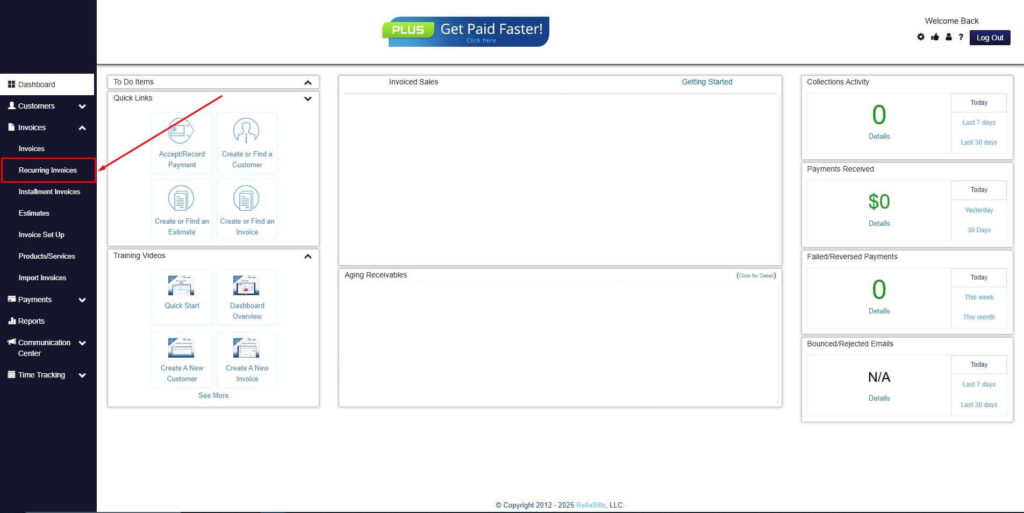
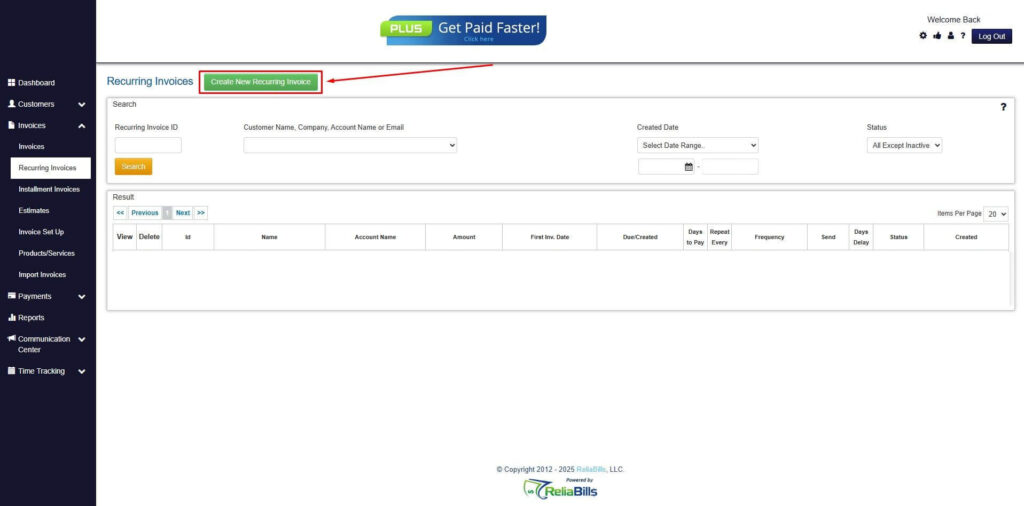
Step 2: Click on Recurring Invoices
- Navigate to the Invoices Dropdown and click on Recurring Invoices for an overview of the list of your existing customers.
Step 3: Go to the Customers Tab
- If you have already created a customer, search for them in the Customers tab and make sure their status is “Active”.
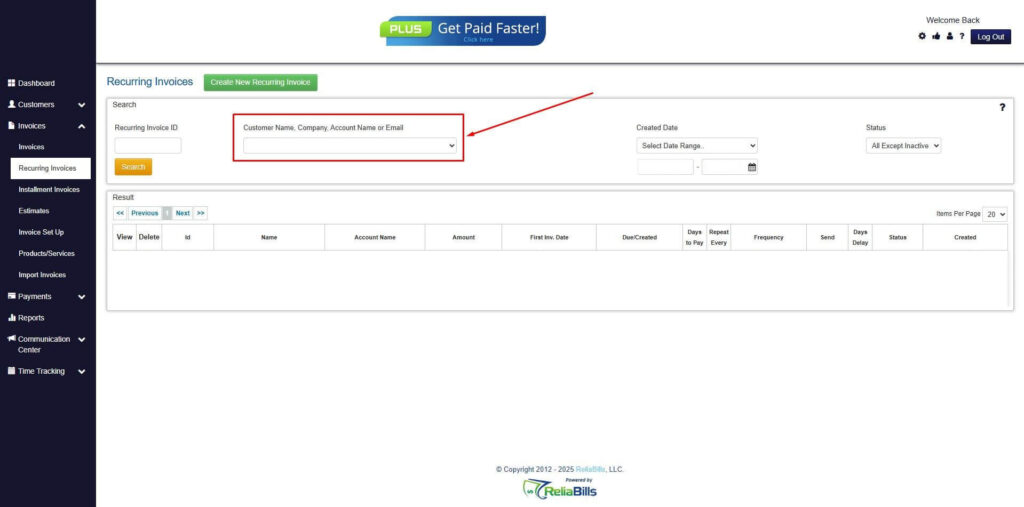
Step 4: Click the Create New Recurring Invoice
- If you haven’t created any customers yet, click the Create New Recurring Invoice to create a new customer.
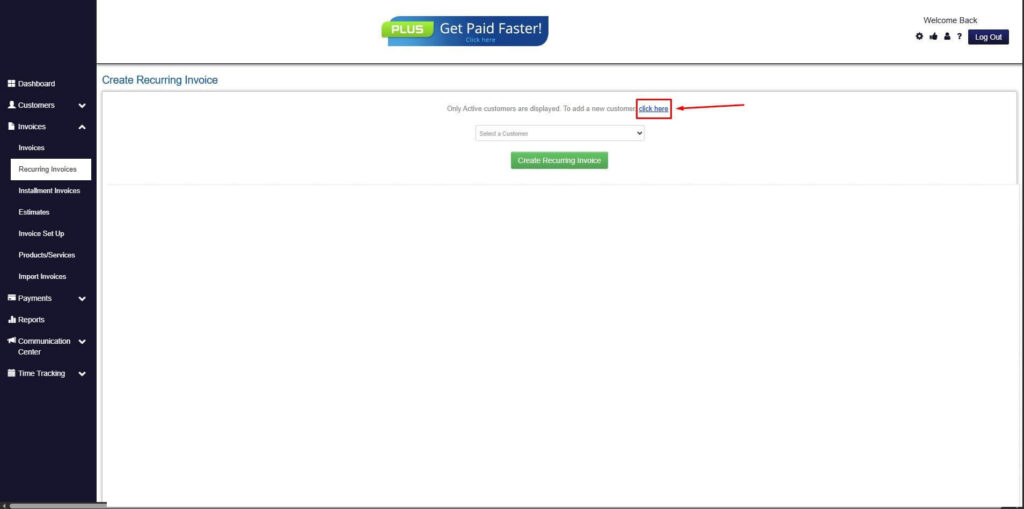
Step 5: Click on the “Click here” Button
- Click on the “Click here” button to proceed with the recurring invoice creation.
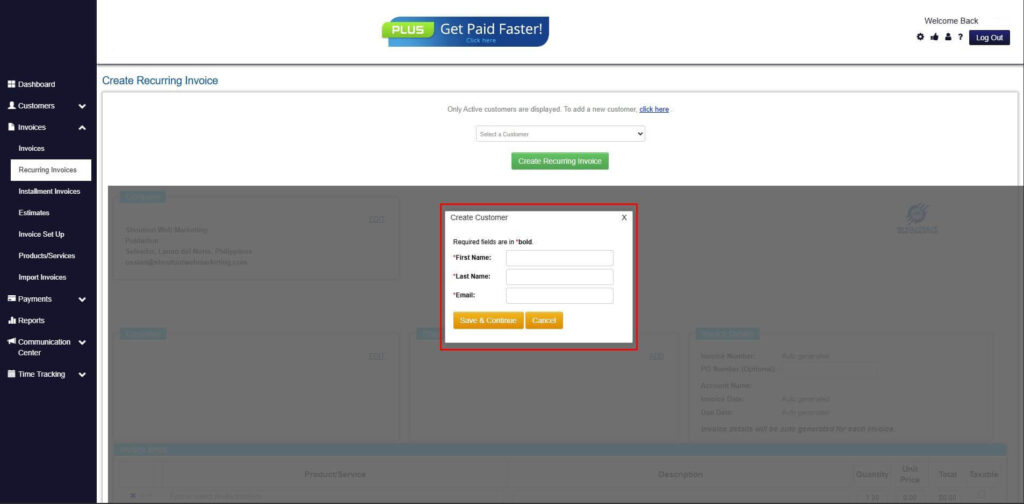
Step 6: Create Customer
- Provide your First Name, Last Name, and Email to proceed.
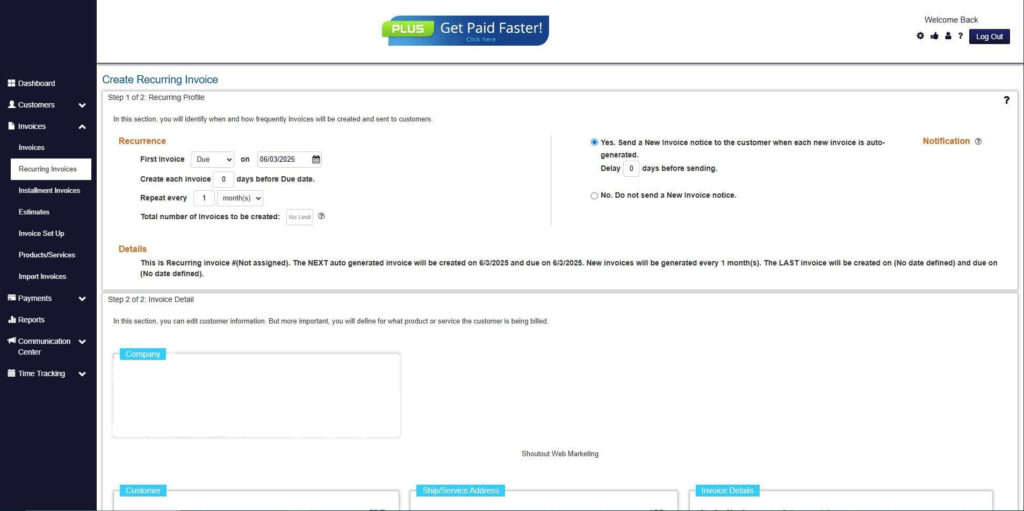
Step 7: Fill in the Create Recurring Invoice Form
- Fill in all the necessary fields.
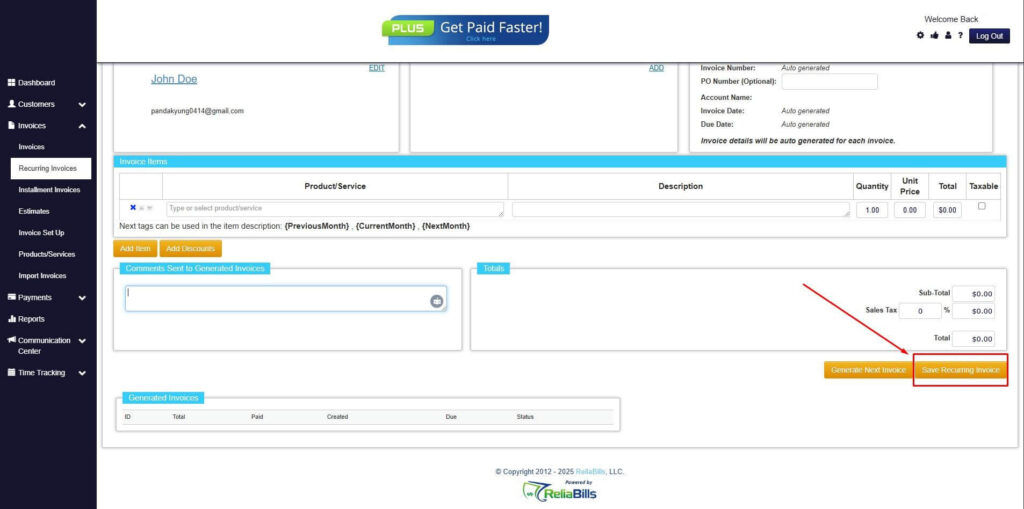
Step 8: Save Recurring Invoice
- After filling up the form, click “Save Recurring Invoice” to continue.
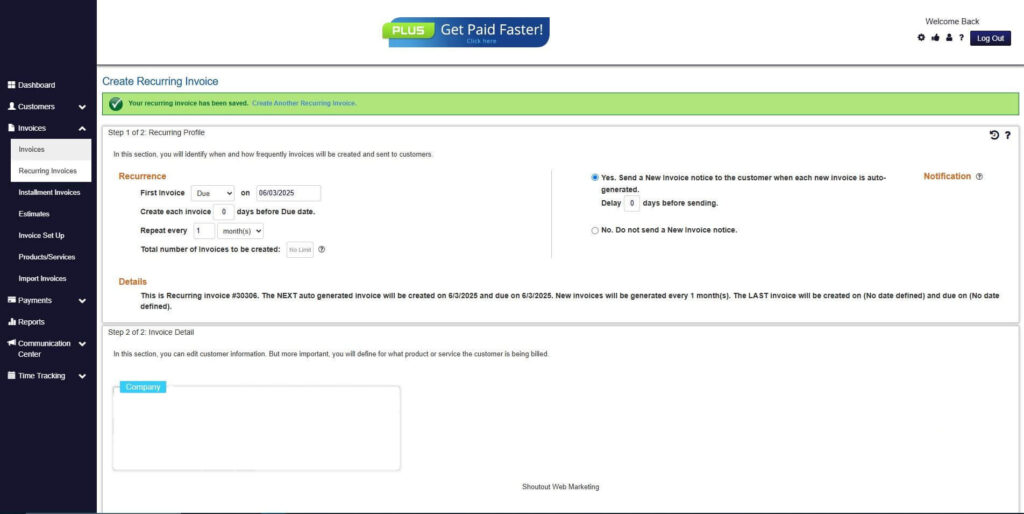
Step 9: Recurring Invoice Created
- Your Recurring Invoice has been created.
Frequently Asked Questions (FAQs)
1. What is a non-commercial invoice used for?
A non-commercial invoice is used to declare goods being shipped internationally that are not intended for sale. It provides customs authorities with details about the shipment’s contents, value, and purpose. This helps ensure proper processing and compliance. It is commonly used for gifts, samples, and returns.
2. Is a non-commercial invoice legally required?
In many cases, yes, a non-commercial invoice is required for customs clearance even if the goods are not being sold. Customs authorities need documentation to verify shipment details. Requirements may vary by country. It is important to check local regulations.
3. Do I need to declare value for non-commercial goods?
Yes, a declared value is required even for non-commercial shipments. This value represents the estimated worth of the goods. Customs authorities use it to assess duties and taxes if applicable. Accurate valuation is essential for compliance.
4. Can digital invoices be used for customs?
Yes, many customs authorities accept digital invoices as long as they include all required information. Digital documents improve efficiency and reduce paperwork. However, some countries may still require printed copies. It is best to verify specific requirements.
5. What happens if my invoice is incorrect?
Incorrect invoices can lead to shipment delays, additional inspections, or penalties. Customs authorities may request corrections or additional documentation. This can disrupt delivery timelines. Ensuring accuracy from the start helps avoid these issues.
Conclusion
A properly prepared non-commercial invoice for shipping is essential for ensuring smooth customs clearance and compliance with international regulations. Including all required elements such as detailed descriptions, declared values, and shipment purpose helps prevent delays and misunderstandings. Accurate documentation allows customs authorities to process shipments efficiently and apply the correct procedures. This reduces the risk of penalties and logistical disruptions.
Businesses and individuals must prioritize accuracy and completeness when preparing non-commercial invoices to avoid costly mistakes. Even though these shipments are not for sale, they still require the same level of attention to detail as commercial transactions. Proper documentation supports efficient shipping operations and strengthens compliance practices. It also improves overall reliability in international logistics.
As global trade continues to evolve, the use of digital tools and automation will play an increasingly important role in simplifying invoice creation and management. Businesses that adopt these solutions can streamline their processes, reduce errors, and improve operational efficiency. Embracing automation ensures that documentation remains accurate, consistent, and ready for future shipping demands.