
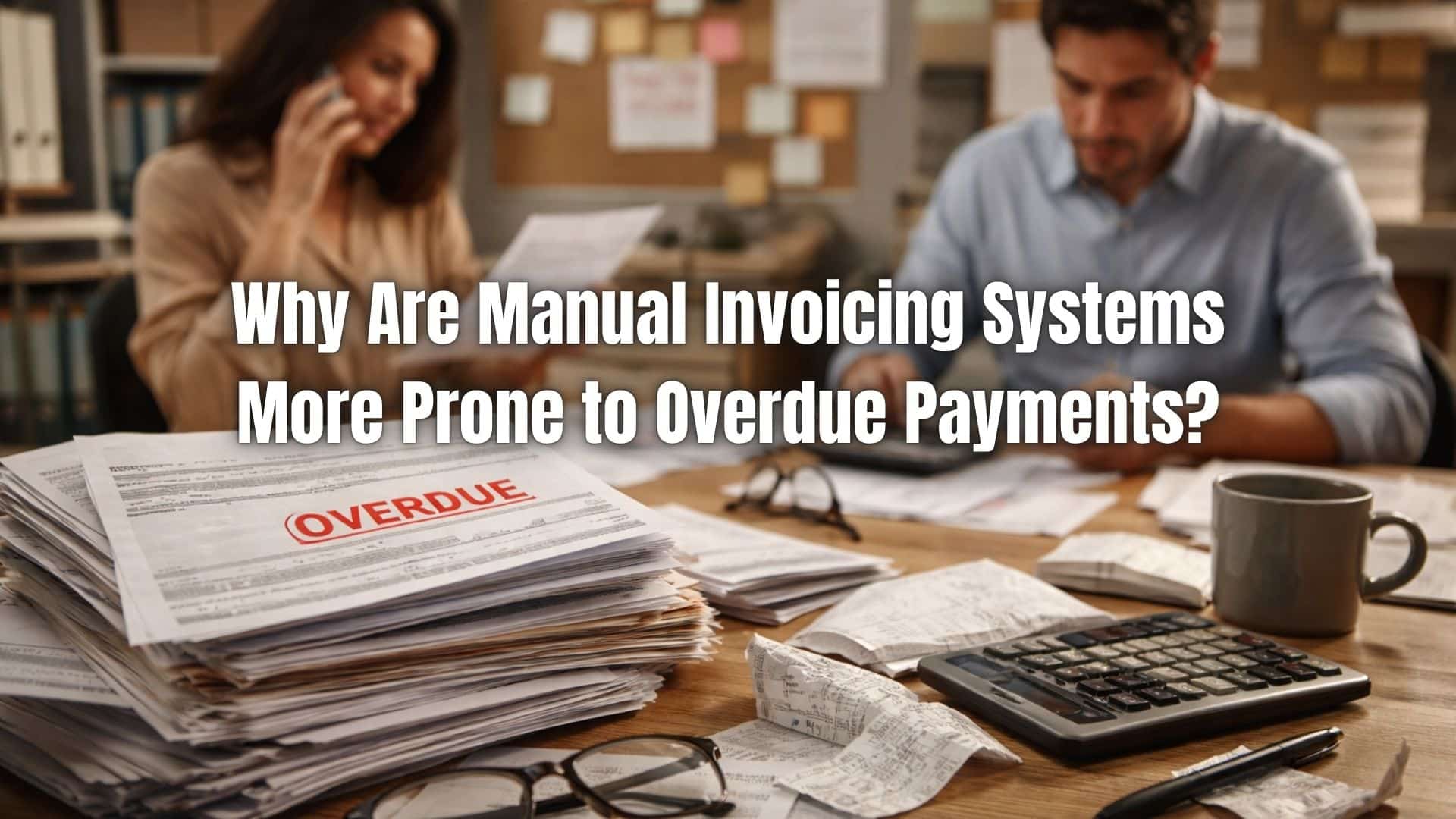
Overdue payments are one of the most persistent challenges businesses face, directly impacting cash flow, operational stability, and long-term growth. When invoices are not paid on time, companies may struggle to cover expenses, invest in new opportunities, or maintain smooth day-to-day operations. This issue becomes even more critical for small and medium-sized businesses that rely heavily on consistent incoming payments.
One of the main contributors to this problem is the continued use of manual invoicing systems. Businesses that rely on spreadsheets, paper invoices, or disconnected tools often experience delays, inaccuracies, and missed follow-ups. These inefficiencies create gaps in the billing cycle, making it easier for invoices to slip through the cracks and become overdue.
Modern solutions such as automation and recurring billing address these inefficiencies head-on. By streamlining invoice creation, delivery, and tracking, businesses can significantly reduce delays and ensure timely payments. This shift is why many organizations are recognizing that manual invoicing causes overdue payments and are transitioning to more advanced systems.
What Is a Manual Invoicing System?
A manual invoicing system refers to traditional methods of creating and managing invoices using tools like spreadsheets, word processors, or even paper-based documentation. These systems require human input at every stage, from drafting invoices to calculating totals and tracking payments. While they may work for very small operations, they quickly become inefficient as transaction volume increases.
In a manual setup, invoices are typically created one at a time, sent via email or physical mail, and tracked using separate records. Payment monitoring often involves manually checking bank statements or updating spreadsheets. This fragmented process increases the likelihood of delays, missed invoices, and inconsistent record-keeping.
In contrast, digital and automated invoicing solutions centralize these processes. They allow businesses to generate invoices instantly, send them automatically, and track payments in real time. This comparison highlights why manual invoicing causes overdue payments, while automation minimizes risk and improves efficiency.
Why Overdue Payments Are a Common Business Problem
Overdue payments often stem from delays in invoice delivery. When invoices are not sent immediately after a transaction or service completion, customers may not prioritize payment. Even a short delay can disrupt the payment cycle and push due dates further out.
Another major factor is poor payment tracking and follow-up. Without automated systems, businesses may forget to send reminders or fail to notice unpaid invoices. This lack of consistency allows overdue balances to accumulate unnoticed, affecting cash flow over time.
Customer-related factors also play a role, such as forgetfulness or unclear payment terms. If invoices are confusing or lack clear due dates, customers may delay payment unintentionally. Combined with inefficient communication, these issues reinforce the reality that manual invoicing causes overdue payments in many organizations.
Key Reasons Manual Invoicing Leads to Overdue Payments
Manual invoicing often results in delayed invoice creation and sending. When staff must generate invoices individually, delays are inevitable, especially during busy periods. This lag directly impacts when customers receive and act on payment requests.
Human error is another critical issue. Mistakes in calculations, incorrect billing details, or missing information can lead to disputes or confusion. These errors slow down the payment process and may require additional communication to resolve.
Inconsistent follow-ups further worsen the situation. Without automated reminders, businesses rely on memory or manual scheduling to chase payments. Combined with a lack of real-time visibility into payment status, it becomes clear why manual invoicing causes overdue payments across industries.
Challenges of Manual Invoicing Systems
Manual invoicing systems demand significant time and administrative effort. Employees must repeatedly input data, verify calculations, and manage records, which reduces productivity. This inefficiency diverts resources away from more strategic business activities.
There is also a higher risk of lost or misplaced invoices. Paper documents can be damaged or lost, while digital files stored across multiple systems may become disorganized. When invoices are not easily accessible, follow-ups and collections become more difficult.
As businesses grow, these challenges multiply. Tracking multiple invoices, due dates, and customers becomes increasingly complex. This lack of scalability is another reason why manual invoicing causes overdue payments and limits business growth.
How Automation Reduces Overdue Payments
Automation ensures invoices are generated and sent on time without manual intervention. This consistency eliminates delays and ensures customers receive invoices promptly, improving the likelihood of timely payments. It also standardizes the billing process across the organization.
Automated systems can send reminders before and after due dates. These notifications keep payments top-of-mind for customers and reduce the need for manual follow-ups. Consistent communication significantly improves collection rates.
Real-time tracking is another major advantage. Businesses can instantly see which invoices are paid, pending, or overdue. By reducing human error and increasing visibility, automation addresses the root causes of why manual invoicing causes overdue payments.
Key Features That Help Prevent Overdue Invoices
Automated invoicing and scheduling
Automated invoicing allows businesses to generate and send invoices without manual input. This ensures invoices are always delivered on time, regardless of workload or staffing limitations. By removing delays in the billing cycle, businesses can significantly reduce the chances of overdue payments.
Recurring billing for repeat customers
Recurring billing automatically charges customers at predefined intervals such as weekly, monthly, or annually. This eliminates the need to manually create invoices for repeat transactions, saving time and reducing errors. It also ensures consistency, which helps customers anticipate payments and pay on time.
Auto-pay and multiple payment options
Offering auto-pay enables customers to authorize automatic payments, removing the need for manual action on their part. Multiple payment options such as credit cards, bank transfers, and digital wallets make it easier for customers to complete transactions. The more convenient the process, the less likely payments will be delayed.
Payment reminders and notifications
Automated reminders notify customers before, on, and after the due date of an invoice. These notifications help keep payments top-of-mind and reduce the likelihood of missed deadlines. Consistent follow-ups also eliminate the need for manual chasing, saving time and effort.
Real-time tracking and reporting
Real-time tracking allows businesses to instantly monitor invoice statuses, including paid, pending, and overdue invoices. This visibility enables faster decision-making and timely follow-ups. Detailed reports also provide insights into payment trends and customer behavior.
Customer account management tools
Centralized customer profiles store billing history, preferences, and outstanding balances in one place. This makes it easier to manage relationships and quickly resolve any billing issues. Improved organization leads to more efficient communication and faster payment resolution.
Error reduction through automation
Automated systems handle calculations for totals, taxes, and discounts, minimizing the risk of human error. Accurate invoices reduce disputes and confusion, which are common causes of delayed payments. This ensures a smoother and faster payment process.
Integration with accounting systems
Integrating invoicing with accounting software ensures all financial data is synchronized automatically. This eliminates duplicate data entry and reduces the risk of inconsistencies. It also provides a more accurate and complete view of business finances.
The Role of Recurring Billing in Payment Timeliness
Recurring billing plays a crucial role in ensuring invoices are sent consistently and on schedule. Instead of manually generating invoices for repeat customers, the system automatically issues them based on predefined intervals. This eliminates delays and ensures billing cycles remain uninterrupted.
It also creates predictable payment cycles for customers. When clients know exactly when they will be billed, they are more likely to plan and make timely payments. This predictability reduces confusion and improves overall payment behavior.
Additionally, recurring billing minimizes the need for manual intervention. Businesses no longer need to track repeat invoices or send repeated reminders, which reinforces how automation reduces the impact of manual invoicing causes overdue payments.
Best Practices to Avoid Overdue Payments
Send invoices promptly and consistently
Sending invoices immediately after delivering a product or service helps maintain a clear payment timeline. Delays in invoicing often lead to delays in payment, making prompt billing essential. Consistency also builds customer expectations and encourages timely payments.
Use automated reminders and notifications
Automated reminders ensure customers are consistently notified about upcoming or overdue payments. This reduces reliance on manual follow-ups, which are often inconsistent. Regular notifications increase the chances of receiving payments on time.
Offer flexible and convenient payment methods
Providing multiple payment options removes barriers that may delay transactions. Customers are more likely to pay quickly when they can choose their preferred method. Convenience plays a major role in improving payment speed.
Clearly define payment terms and due dates
Transparent payment terms eliminate confusion and set clear expectations for customers. Including due dates, penalties, and instructions ensures customers understand their obligations. Clear communication reduces disputes and late payments.
Regularly monitor accounts receivable
Keeping a close eye on outstanding invoices helps businesses identify overdue payments early. This allows for quicker follow-ups and better cash flow management. Regular monitoring prevents small issues from becoming larger financial problems.
Build strong customer communication
Maintaining open communication helps address billing concerns before they escalate. Customers are more likely to pay on time when they feel supported and informed. Strong relationships also reduce the risk of disputes.
Incentivize early payments
Offering discounts or rewards for early payments encourages customers to pay before the due date. This improves cash flow and reduces reliance on follow-ups. Incentives can be a simple yet effective strategy for faster collections.
Enforce late payment policies
Applying late fees or penalties discourages customers from delaying payments. Consistent enforcement reinforces the importance of meeting deadlines. This creates accountability and promotes timely payment behavior.
How Automation Improves Cash Flow and Efficiency
Automation accelerates payment collection by reducing delays in invoicing and follow-ups. Faster payments mean improved cash flow, allowing businesses to operate more smoothly and invest in growth opportunities. This is especially important for companies with tight financial cycles.
It also enhances accuracy in billing and tracking. Automated systems reduce the likelihood of errors, ensuring invoices are correct and easy for customers to understand. This clarity minimizes disputes and speeds up the payment process.
With better financial visibility, businesses can forecast revenue more accurately. Combined with reduced administrative workload, automation directly addresses the inefficiencies that prove manual invoicing causes overdue payments.
Key Benefits of Moving Away from Manual Invoicing
Reduces overdue and missed payments
Automated systems ensure invoices are sent and tracked without delays. This reduces the likelihood of invoices being forgotten or overlooked. As a result, businesses experience fewer overdue payments.
Saves time on administrative tasks
Automation eliminates repetitive manual work such as data entry and invoice tracking. This frees up valuable time for employees to focus on strategic activities. Increased efficiency leads to better overall productivity.
Improves billing accuracy
Automated calculations reduce the risk of errors in pricing, taxes, and totals. Accurate invoices minimize disputes and confusion with customers. This leads to faster payments and improved trust.
Enhances cash flow management
Faster payments improve the availability of working capital. Businesses can better manage expenses and invest in growth opportunities. Predictable cash flow also reduces financial stress.
Supports business scalability
Automated invoicing systems can handle increased transaction volumes without additional workload. This allows businesses to grow without needing more administrative resources. Scalability is essential for long-term success.
Provides real-time financial insights
Access to dashboards and reports gives businesses a clear view of their financial health. This enables better forecasting and decision-making. Real-time insights help identify trends and potential issues early.
Strengthens customer experience
Professional invoices and easy payment processes improve customer satisfaction. Customers appreciate clarity, convenience, and consistency. A better experience often leads to stronger relationships and repeat business.
Reduces operational risks
Automation minimizes risks such as lost invoices, missed follow-ups, and inconsistent processes. This improves reliability and accountability within the billing system. Reduced risk leads to more stable financial operations.
Common Use Cases
Small businesses transitioning from manual to digital invoicing
Many small businesses start with spreadsheets or paper invoices but outgrow these systems over time. Transitioning to digital invoicing helps improve efficiency and reduce errors. It also addresses the issue that manual invoicing causes overdue payments.
Service providers with recurring clients
Businesses that provide ongoing services benefit from automated recurring billing. This ensures invoices are sent consistently without manual effort. It also helps maintain predictable revenue streams.
Subscription-based businesses
Subscription models rely heavily on consistent billing cycles. Automated systems ensure customers are billed accurately and on time. This reduces churn and improves revenue stability.
Property and tenant billing
Property managers handle multiple tenants with different payment schedules. Automation simplifies rent collection and tracking. It also ensures timely billing and reduces missed payments.
Freelancers and consultants
Independent professionals often juggle multiple clients and projects. Automated invoicing helps them stay organized and ensures timely payments. This reduces administrative burden and improves cash flow.
Healthcare and professional services
Clinics, legal firms, and accounting services manage complex billing processes. Automation improves accuracy and reduces delays in payments. It also enhances client communication and transparency.
E-commerce and product-based businesses
Businesses handling large volumes of transactions benefit from automated invoicing. This ensures all orders are billed correctly and promptly. It also improves operational efficiency.
Utilities and recurring service providers
Companies offering ongoing services require consistent billing cycles. Automation ensures customers are billed regularly and accurately. This reduces the risk of overdue payments and improves revenue consistency.
How ReliaBills Helps Prevent Overdue Payments
Managing invoices manually often leads to delays, missed follow-ups, and inconsistent billing cycles, which ultimately results in overdue payments. ReliaBills simplifies this process by automating invoice creation, delivery, and tracking, ensuring that every bill is sent on time without manual effort. This streamlined approach reduces administrative workload while helping businesses maintain a steady and reliable cash flow.
A key advantage of ReliaBills is its powerful recurring billing functionality, which allows businesses to automatically charge repeat customers on a fixed schedule. This eliminates the need to repeatedly generate invoices and ensures consistent billing cycles that customers can anticipate. Combined with auto-pay options and automated reminders, businesses can significantly reduce late payments and improve overall collection efficiency.
For businesses looking to scale, ReliaBills PLUS offers advanced features such as enhanced automation workflows, detailed reporting, and robust customer management tools. These capabilities provide deeper financial insights and greater control over billing operations, allowing businesses to make data-driven decisions. By leveraging these tools, companies can move away from inefficient manual processes and effectively address the issue that manual invoicing causes overdue payments.
How to Create a New Recurring Invoice Using ReliaBills
Creating a New Recurring Invoice using ReliaBills involves the following steps:
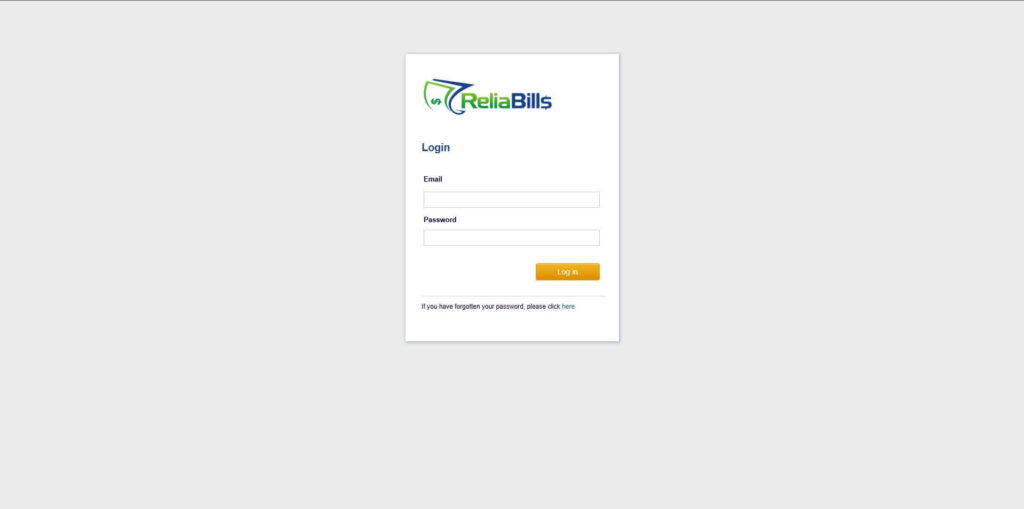
Step 1: Login to ReliaBills
- Access your ReliaBills Account using your login credentials. If you don’t have an account, sign up here.
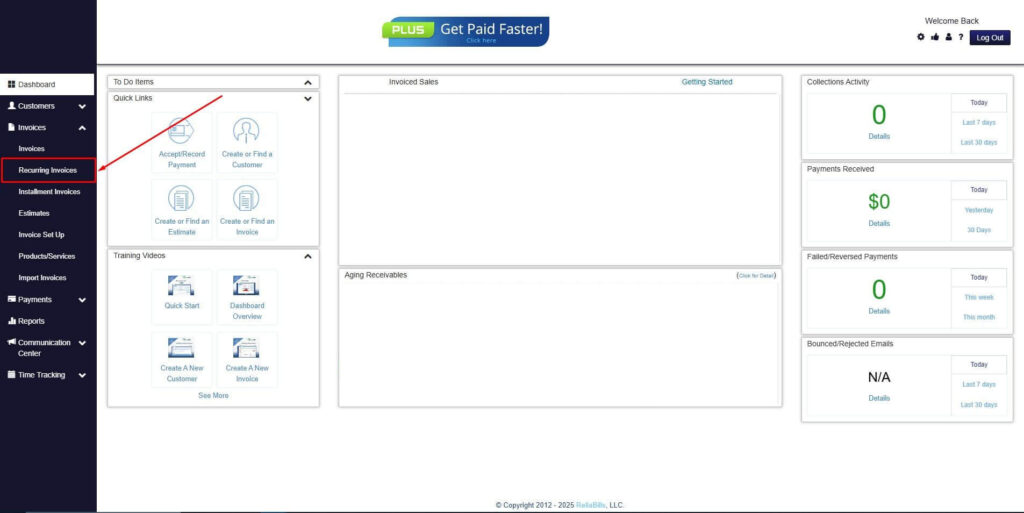
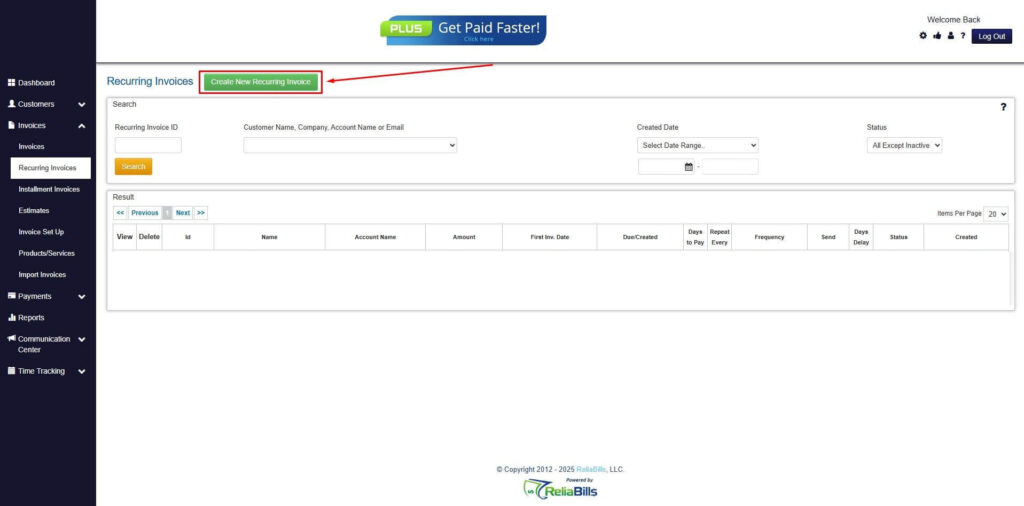
Step 2: Click on Recurring Invoices
- Navigate to the Invoices Dropdown and click on Recurring Invoices for an overview of the list of your existing customers.
Step 3: Go to the Customers Tab
- If you have already created a customer, search for them in the Customers tab and make sure their status is “Active”.
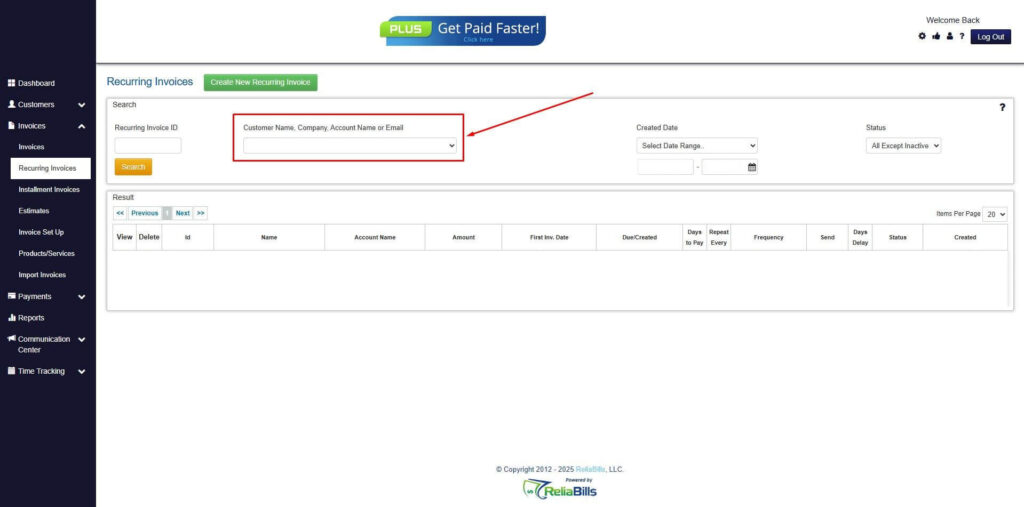
Step 4: Click the Create New Recurring Invoice
- If you haven’t created any customers yet, click the Create New Recurring Invoice to create a new customer.
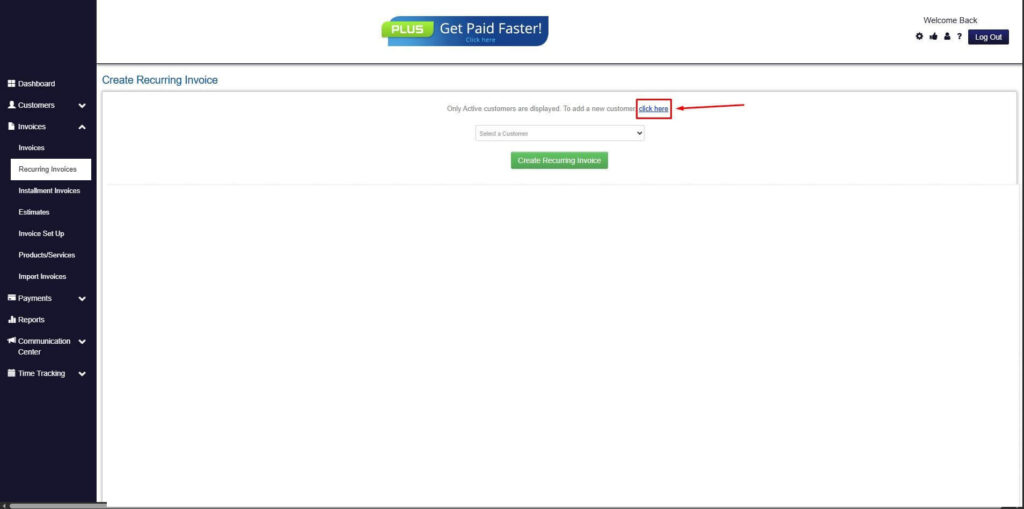
Step 5: Click on the “Click here” Button
- Click on the “Click here” button to proceed with the recurring invoice creation.
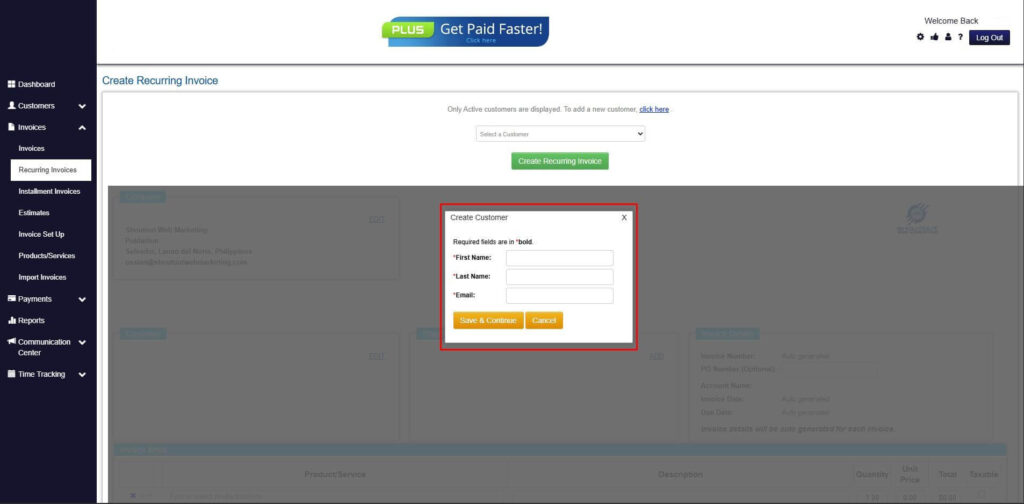
Step 6: Create Customer
- Provide your First Name, Last Name, and Email to proceed.
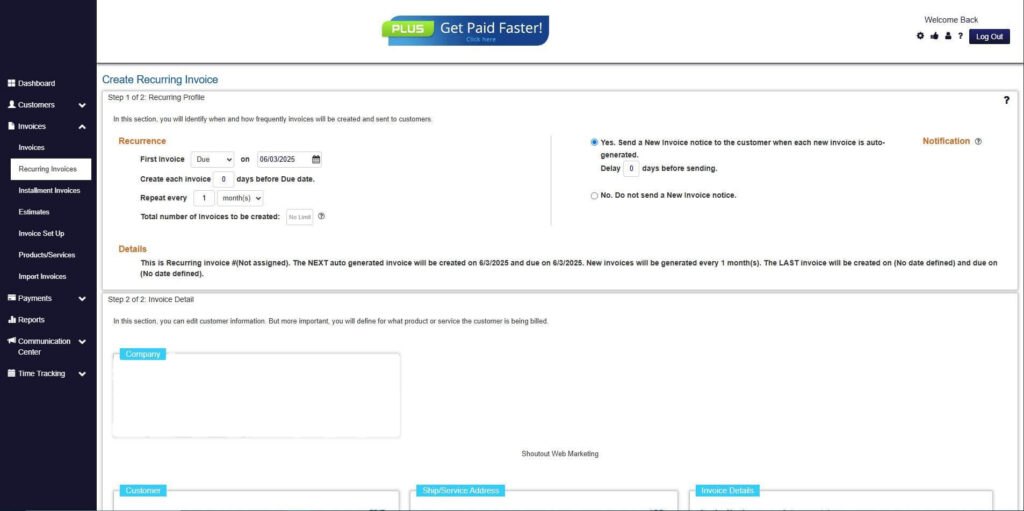
Step 7: Fill in the Create Recurring Invoice Form
- Fill in all the necessary fields.
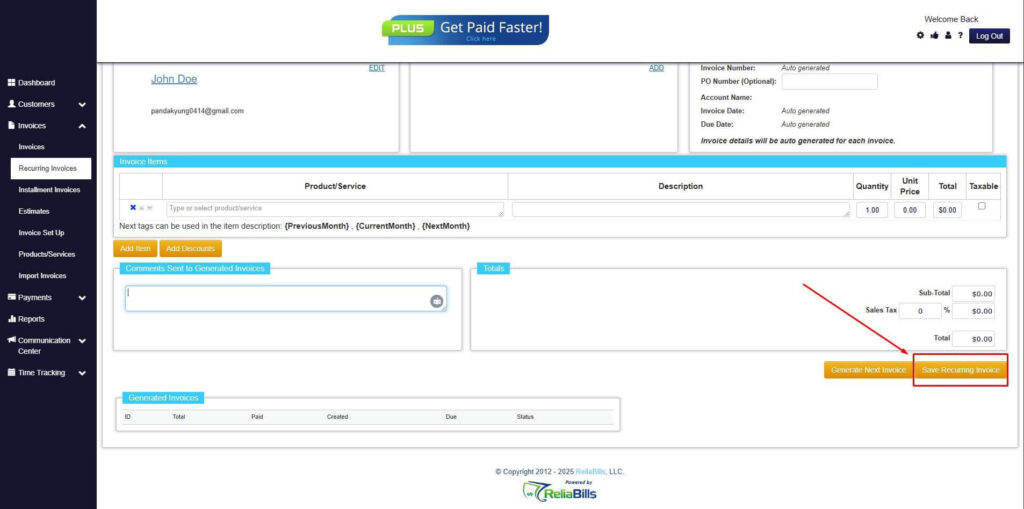
Step 8: Save Recurring Invoice
- After filling up the form, click “Save Recurring Invoice” to continue.
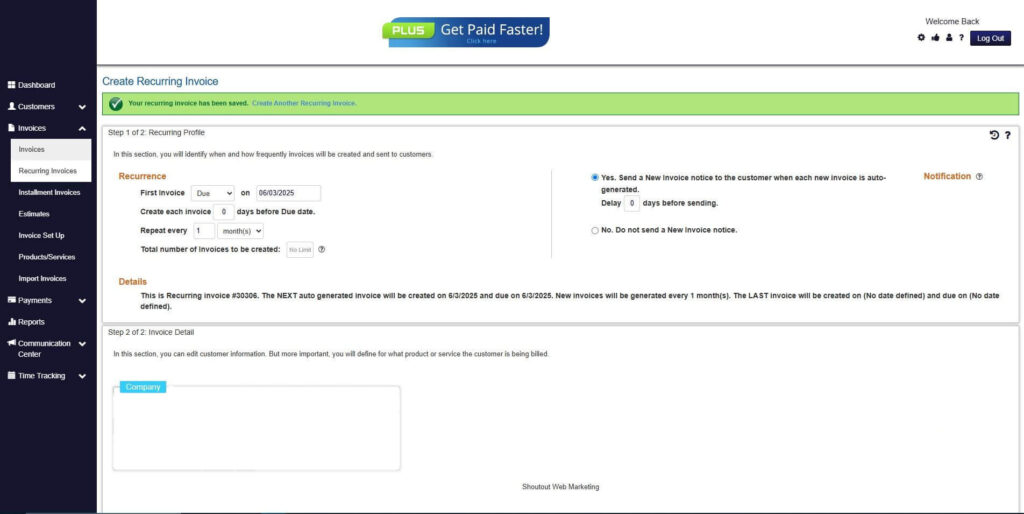
Step 9: Recurring Invoice Created
- Your Recurring Invoice has been created.
Frequently Asked Questions (FAQs)
1. Why do manual invoicing systems cause delays?
Manual invoicing systems rely heavily on human effort, which can lead to delays in creating and sending invoices. Employees may forget or postpone tasks, especially during busy periods. These delays directly contribute to overdue payments.
2. How can automation reduce overdue payments?
Automation ensures invoices are sent immediately and reminders are scheduled consistently. It also provides real-time tracking, allowing businesses to act quickly on unpaid invoices. This reduces delays and improves payment timelines.
3. Is recurring billing effective for preventing late payments?
Recurring billing automates the invoicing process for repeat customers. This ensures invoices are sent on time without manual intervention. It also creates predictable payment schedules, which encourages timely payments.
4. What features should businesses look for in invoicing software?
Businesses should prioritize automation, recurring billing, and payment reminders. Additional features like real-time tracking and multiple payment options are also important. These tools help streamline billing and reduce overdue payments.
5. Can small businesses benefit from automation?
Small businesses can significantly improve efficiency by adopting automated invoicing systems. These tools reduce manual workload and minimize errors. They also help maintain consistent cash flow.
Conclusion
Manual invoicing systems introduce delays, errors, and inefficiencies that significantly increase the risk of overdue payments. From late invoice delivery to inconsistent follow-ups, these challenges make it difficult for businesses to maintain steady cash flow. It is clear that manual invoicing causes overdue payments in many operational environments.
Automation and recurring billing offer a reliable solution by streamlining invoicing processes and ensuring consistency. With features like real-time tracking, automated reminders, and scheduled billing, businesses can dramatically improve payment timeliness and reduce financial stress.
As businesses continue to grow and evolve, adopting automated invoicing solutions is no longer optional; it is essential. Moving away from manual systems enables greater efficiency, stronger cash flow, and a more sustainable financial future.