
Billing accuracy is critical in the logistics industry, where charges are rarely straightforward. Every transaction can involve multiple variables such as distance, shipment weight, fuel surcharges, service tiers, and handling fees. Even small calculation errors can result in incorrect invoices that affect both revenue and client relationships.
Because of this complexity, billing errors are not uncommon. They can occur due to manual data entry, incorrect rate application, or miscommunication between operations and billing teams. When these errors go unnoticed, they can create confusion, delays in payment, and even disputes with clients.
This is where return invoices for logistics businesses play an important role. They provide a structured and transparent way to correct billing mistakes, ensuring that financial records remain accurate while maintaining trust with customers.
What Is a Return Invoice in Logistics Billing?
A return invoice is a document used to reverse or correct an incorrect charge on a previously issued invoice. In logistics, it is commonly used when a billing error has been identified and needs to be formally adjusted.
Return invoices are different from credit notes and revised invoices. A return invoice directly offsets a specific charge from the original invoice, while a credit note may apply a general credit to a customer’s account. A revised invoice, on the other hand, replaces the original invoice entirely.
In logistics operations, return invoices are often issued in situations such as overbilling, duplicate charges, or incorrect service fees. They ensure that both the business and the client have a clear record of the correction.
Why Do Billing Errors Happen in Logistics Businesses?
Billing errors in logistics are often the result of complex pricing structures. Charges can depend on multiple factors such as delivery distance, shipment size, fuel costs, and additional services. Managing all these variables increases the likelihood of mistakes.
Another major factor is reliance on manual processes. When billing data is entered manually or transferred between systems, there is a higher risk of errors such as incorrect figures or missing information. Disconnected systems can also lead to inconsistencies in billing records.
Miscommunication between teams can further contribute to errors. For example, operations teams may update shipment details without notifying the billing department, resulting in invoices that do not reflect the actual service provided.
When Should Logistics Businesses Issue Return Invoices?
The timing of issuing return invoices is critical to maintaining accurate records and strong client relationships. Businesses should act quickly once a billing issue has been identified and verified.
Return invoices should be issued immediately after detecting an overcharge or incorrect billing entry. Prompt action helps prevent confusion and ensures that financial records are updated without delay.
They are also necessary when a client disputes an invoice and the error is confirmed. Addressing disputes quickly shows professionalism and helps maintain trust. Additionally, return invoices should be issued after internal audits uncover discrepancies or when service adjustments such as canceled shipments or partial deliveries affect the original invoice.
What Are Common Billing Errors That Require Return Invoices?
Logistics operations involve multiple pricing variables, which increases the likelihood of billing discrepancies. Identifying these issues early helps ensure accurate invoicing and smoother client relationships. Common billing errors include:
Duplicate Invoicing for the Same Shipment
This occurs when the same shipment is billed more than once due to system glitches or manual entry errors. It can lead to overcharging and immediate client disputes if not corrected.
Incorrect Freight or Delivery Charges
Errors in calculating distance, delivery zones, or service tiers can result in inaccurate freight charges. These mistakes often happen when rate tables are outdated or applied incorrectly.
Miscalculated Fuel Surcharges
Fuel surcharges are often dynamic and tied to market rates. Using outdated fuel indexes or incorrect formulas can significantly impact the total invoice.
Billing for Canceled or Incomplete Services
Charges may still appear on invoices even when shipments are canceled, delayed indefinitely, or only partially fulfilled. This requires correction to reflect the actual service delivered.
Incorrect Quantity, Weight, or Distance Charges
Inaccurate shipment data such as wrong weight, dimensions, or mileage can lead to incorrect pricing calculations.
Applying Wrong Pricing Agreements or Contract Rates
Using outdated contracts or incorrect pricing tiers can result in overbilling or underbilling, especially for long-term logistics clients.
Unapproved Additional Fees or Accessorial Charges
Charges for services like storage, handling, or special delivery conditions may be applied without proper authorization or documentation.
Tax or Regulatory Miscalculations
Incorrect application of taxes, duties, or regulatory fees can create compliance issues and require immediate correction.
What Happens If Return Invoices Are Not Issed Promptly?
Delays in issuing return invoices can create several operational and financial challenges. One of the most immediate impacts is strained client relationships. When billing issues are not resolved quickly, clients may lose trust and become hesitant to continue doing business.
Financial reporting can also be affected. Incorrect invoices that remain uncorrected can lead to inaccurate revenue records and reconciliation issues. This makes it harder for businesses to maintain reliable financial data.
Additionally, delays can create compliance risks and escalate disputes. Clients may withhold payments until corrections are made, which can disrupt cash flow and extend payment cycles.
What Best Practices Should Logistics Businesses Follow When Issuing Return Invoices?
Implementing clear processes ensures that return invoices for logistics businesses are handled accurately and professionally. Best practices include:
Verify the Billing Error Thoroughly Before Issuing Corrections
Cross-check shipment data, contracts, and billing records to confirm the error. This prevents issuing incorrect adjustments.
Communicate Clearly and Proactively With Clients
Inform clients about the issue, explain the reason for the correction, and provide updated documentation. Transparency helps maintain trust.
Reference the Original Invoice in the Return Document
Always include the original invoice number and details. This creates a clear link between the error and the correction.
Provide a Detailed Breakdown of the Adjustment
Clearly show what was incorrect and how the corrected amount was calculated. This reduces confusion and prevents further disputes.
Maintain Accurate Records for Audit and Compliance
Keep all related documents, including original invoices, return invoices, and communication records for future reference.
Issue Corrections Promptly to Avoid Payment Delays
Timely adjustments help prevent disruptions in payment cycles and improve cash flow.
Use Standardized Templates for Consistency
Consistent invoice formats ensure all required fields are included and reduce the risk of missing information.
Implement Approval Workflows for Billing Adjustments
Having a review process ensures that corrections are accurate before being sent to clients.
How Can Automation Improve Return Invoice Management?
Automation significantly improves how logistics businesses manage billing corrections. Automated systems reduce the need for manual data entry, which helps minimize errors in invoice creation.
These systems can quickly identify discrepancies by comparing shipment data with billing records. This allows businesses to detect and correct errors faster, improving overall efficiency.
Automation also enhances tracking and reporting. Businesses can maintain a clear record of all adjustments, making it easier to manage financial data and ensure compliance with industry standards.
Key Benefits of Proper Return Invoice Management
Effective management of return invoices provides both financial and operational advantages for logistics businesses. Key benefits include:
Improved Billing Accuracy
Correcting errors ensures invoices reflect actual services, reducing discrepancies in financial records.
Faster Dispute Resolution
Prompt and clear adjustments help resolve client concerns quickly, preventing escalation.
Stronger Client Trust and Transparency
Transparent billing practices build confidence and encourage long-term business relationships.
Better Financial Record Keeping
Accurate documentation supports reliable accounting, reporting, and auditing processes.
Reduced Compliance Risks
Properly documented corrections help businesses meet regulatory requirements and avoid penalties.
More Efficient Cash Flow Management
Timely corrections prevent delays in payments and ensure consistent revenue flow.
Improved Operational Efficiency
Streamlined processes reduce time spent on resolving billing issues and allow teams to focus on core operations.
Enhanced Internal Coordination
Clear documentation helps align operations, billing, and finance teams, reducing miscommunication.
How Does ReliaBills Help Logistics Businesses Handle Return Invoices?
ReliaBills helps logistics businesses simplify complex billing processes by automating invoice creation, tracking, and corrections. Instead of manually identifying and fixing billing errors, companies can use automated workflows to generate accurate invoices and issue return invoices quickly when discrepancies arise. This reduces the risk of human error and ensures that billing adjustments are properly documented and linked to the original transaction. Automation also improves efficiency by eliminating repetitive tasks and allowing teams to focus on core logistics operations.
One of the key strengths of ReliaBills is its recurring billing capability, which is especially valuable for logistics companies managing ongoing contracts, freight agreements, or scheduled deliveries. With automated invoicing and payment tracking, businesses can maintain consistent billing cycles while easily applying corrections through return invoices for logistics businesses when errors occur. Features such as automated reminders, payment tracking, and client portals also improve transparency, making it easier for both businesses and clients to review invoice adjustments and stay aligned on billing records.
For companies that require deeper control and visibility, ReliaBills PLUS offers advanced tools such as detailed reporting, audit trails, and customizable workflows. These features allow logistics businesses to monitor billing discrepancies, track every adjustment made through return invoices, and maintain compliance with financial and audit requirements. With integrated payment processing, accounting system connections, and real-time reporting, ReliaBills PLUS enables businesses to streamline their billing operations, improve accuracy, and maintain strong client trust while scaling their logistics services.
How to Create a New Recurring Invoice Using ReliaBills
Creating a New Recurring Invoice using ReliaBills involves the following steps:
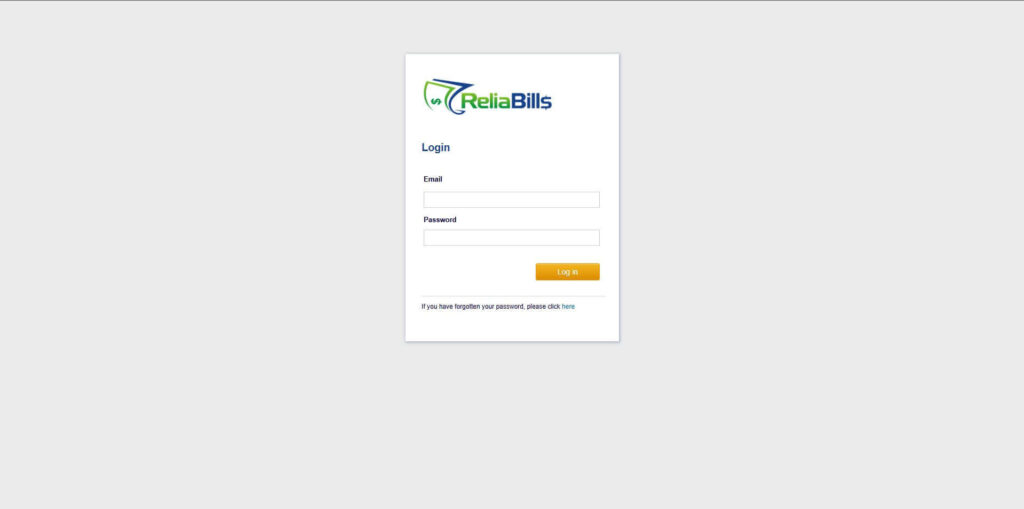
Step 1: Login to ReliaBills
- Access your ReliaBills Account using your login credentials. If you don’t have an account, sign up here.
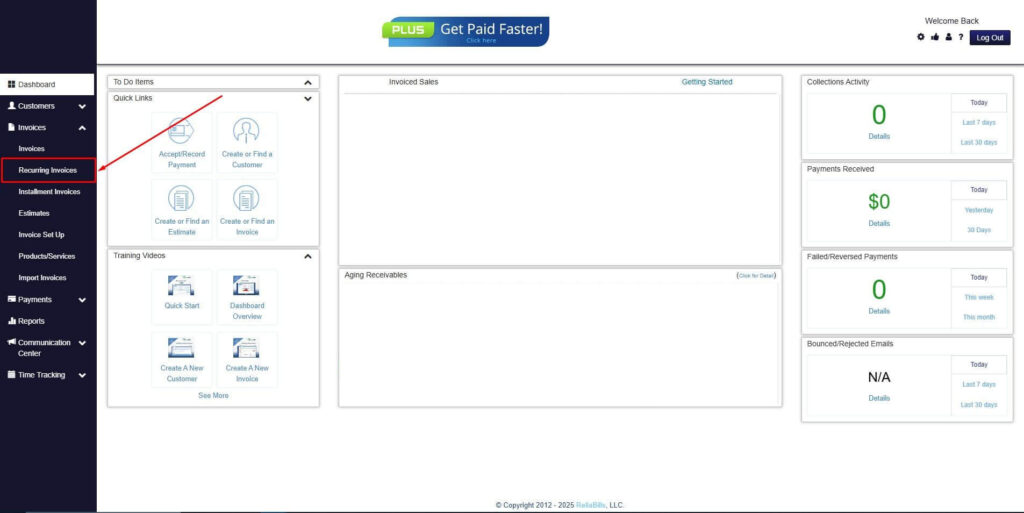
Step 2: Click on Recurring Invoices
- Navigate to the Invoices Dropdown and click on Recurring Invoices for an overview of the list of your existing customers.
Step 3: Go to the Customers Tab
- If you have already created a customer, search for them in the Customers tab and make sure their status is “Active”.
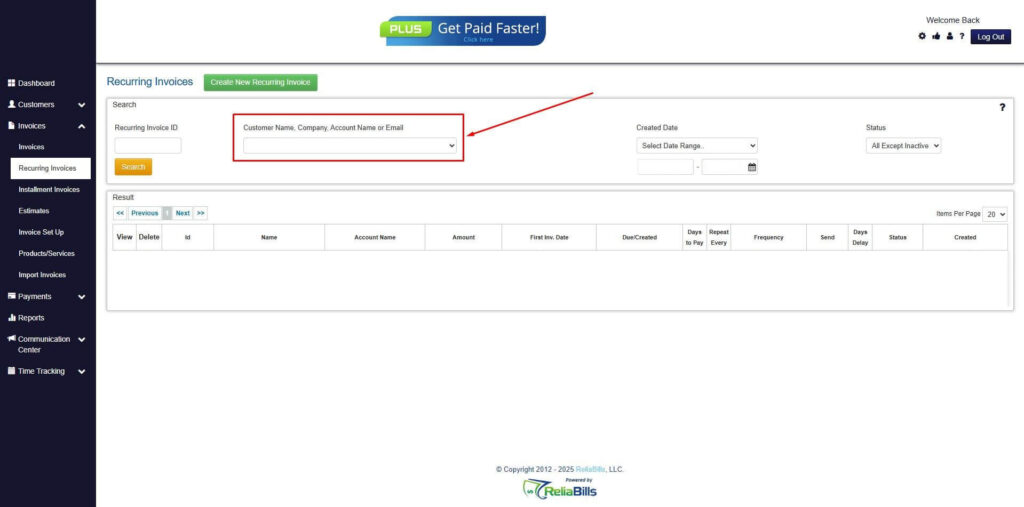
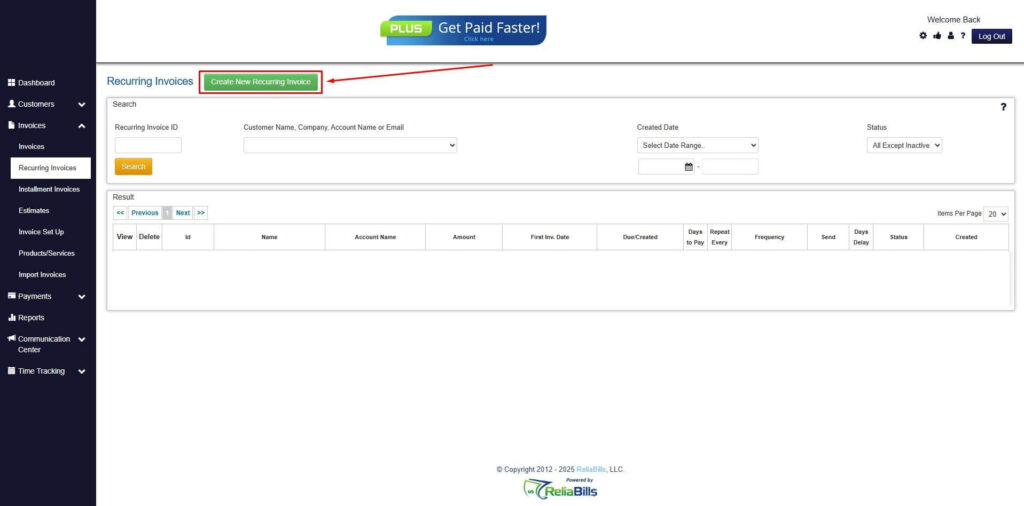
Step 4: Click the Create New Recurring Invoice
- If you haven’t created any customers yet, click the Create New Recurring Invoice to create a new customer.
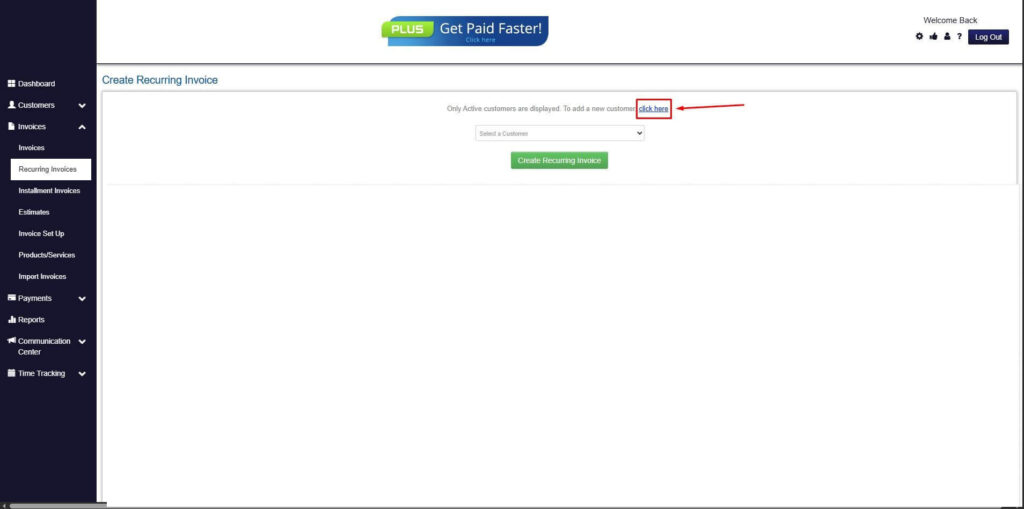
Step 5: Click on the “Click here” Button
- Click on the “Click here” button to proceed with the recurring invoice creation.
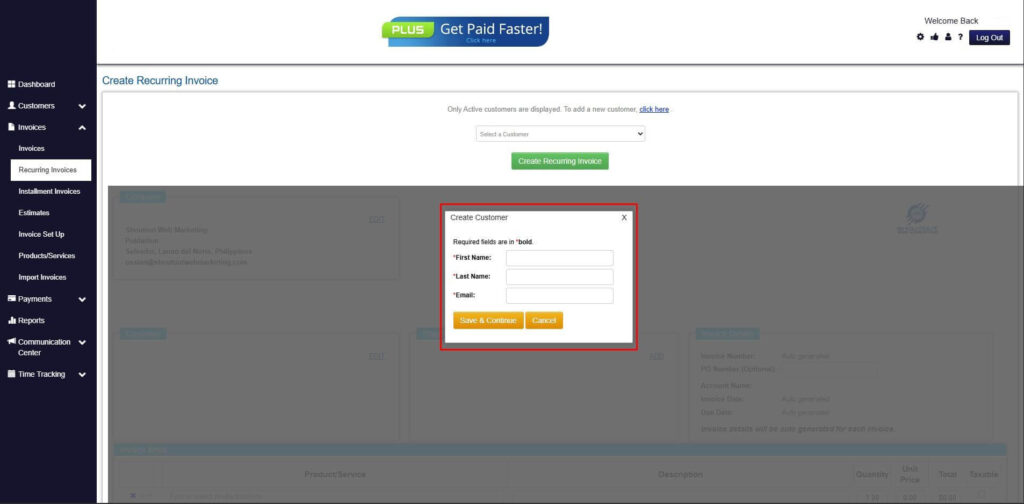
Step 6: Create Customer
- Provide your First Name, Last Name, and Email to proceed.
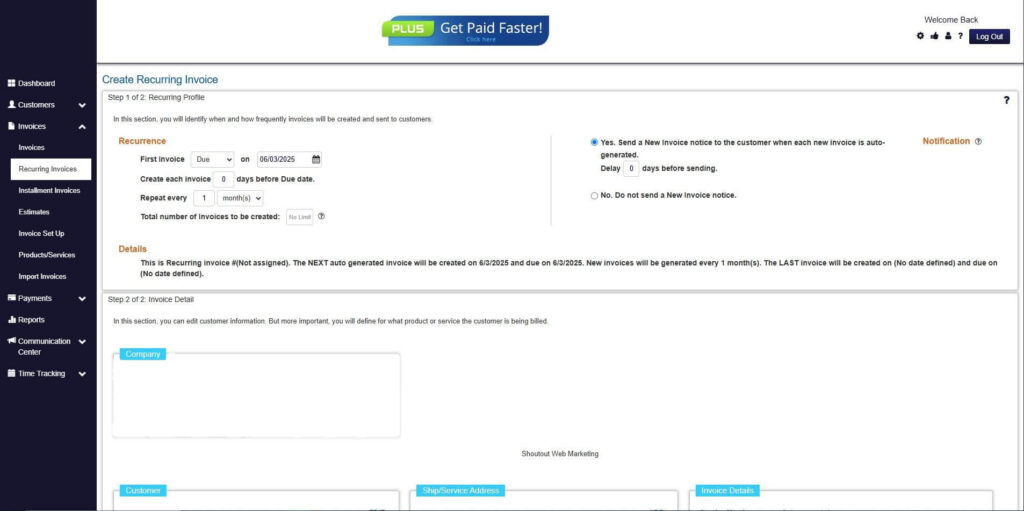
Step 7: Fill in the Create Recurring Invoice Form
- Fill in all the necessary fields.
Step 8: Save Recurring Invoice
- After filling up the form, click “Save Recurring Invoice” to continue.
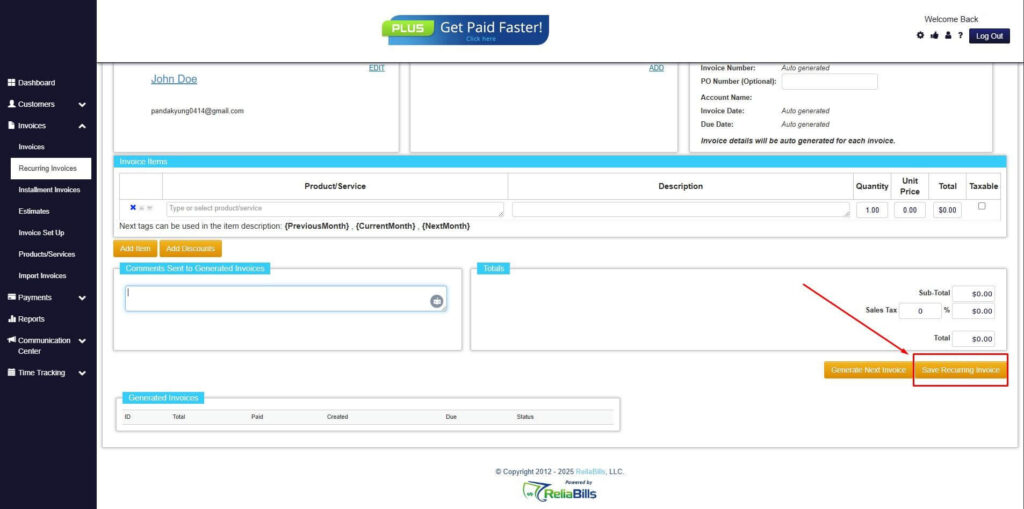
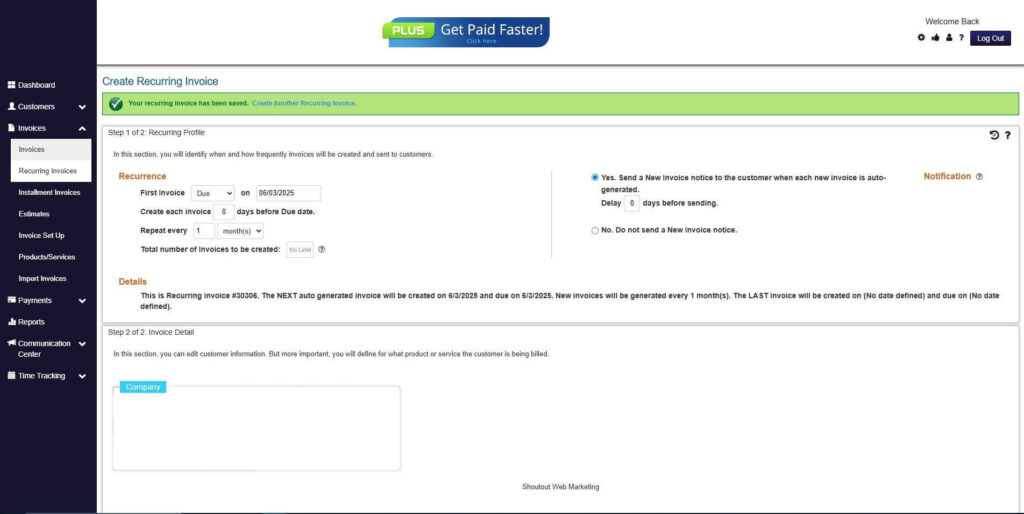
Step 9: Recurring Invoice Created
- Your Recurring Invoice has been created.
Frequently Asked Questions
1. What is the difference between a return invoice and a credit note?
A return invoice directly reverses a specific charge from an original invoice, while a credit note provides a general credit that can be applied to future transactions.
2. How quickly should a return invoice be issued?
It should be issued as soon as the billing error is identified and verified. Prompt action helps prevent disputes and payment delays.
3. Can return invoices affect financial reports?
Yes. They ensure accurate revenue reporting by correcting discrepancies in previously issued invoices.
4. Do logistics businesses need to notify clients before issuing a return invoice?
Yes. Communicating with clients ensures transparency and helps them understand the reason for the adjustment.
5. Are return invoices required for all billing errors?
Most billing errors that affect the invoice amount should be documented with a return invoice to maintain accurate records.
6. Can automation help manage return invoices?
Yes. Automated systems improve accuracy, speed up corrections, and provide better tracking of billing adjustments.
Conclusion
Accurate billing is essential in logistics, where even small errors can have significant financial and operational impacts. Identifying and correcting these errors quickly is key to maintaining efficiency and strong client relationships.
Using return invoices for logistics businesses ensures that billing corrections are properly documented and transparent. This helps improve financial accuracy, resolve disputes faster, and maintain trust with customers.
By adopting automated solutions like ReliaBills, logistics companies can reduce billing errors, streamline invoice management, and maintain consistent cash flow while focusing on delivering reliable services.