

Overdue invoices are a common issue for businesses of all sizes. Whether you are working with small clients or large organizations, delays in payment can disrupt cash flow and create unnecessary financial stress. Even a few late payments can impact your ability to manage expenses and plan for growth.
At the same time, following up on unpaid invoices requires a careful approach. Being too aggressive can damage client relationships, while being too passive can result in prolonged payment delays. Businesses must find the right balance between collecting payments and maintaining trust.
A well-structured overdue invoice follow-up process helps solve this challenge. By using clear communication, consistent timing, and the right tools, businesses can improve payment collection while preserving positive client relationships.
Why Do Invoices Become Overdue?
Before improving your follow-up strategy, it is important to understand why invoices become overdue in the first place. In many cases, late payments are not intentional but are caused by simple process gaps.
One common reason is client cash flow issues. Customers may delay payments because they are managing their own financial constraints or prioritizing other expenses. In these cases, communication becomes essential to finding a solution.
Invoices can also be overlooked or delayed due to unclear payment terms or administrative issues. If invoices are not properly tracked or if clients do not receive reminders, payments may slip through the cracks. Manual invoicing systems increase this risk, especially when there is no automated follow-up process in place.
Why Is It Important to Handle Overdue Invoices Carefully?
Handling overdue invoices is not just about collecting money. It is also about maintaining long-term business relationships. A poorly handled follow-up can create tension and reduce the likelihood of future work with the same client.
Maintaining professionalism during the overdue invoice follow-up process helps build trust. Clients are more likely to respond positively when communication is polite, respectful, and solution-oriented.
A balanced approach ensures that businesses can recover payments without damaging relationships. This is especially important for industries that rely on repeat clients or long-term contracts.
What Is the Best Way to Follow Up on an Overdue Invoice?
The most effective approach to an overdue invoice follow-up is structured and consistent. Instead of reacting emotionally or waiting too long, businesses should follow a defined process that includes clear steps and timelines.
Timing plays a critical role. Following up too late can delay payments further, while following up too soon without context may seem unnecessary. A well-timed sequence of reminders ensures that invoices stay visible without overwhelming the client.
Tone is equally important. Each message should remain professional and polite, even as follow-ups become more frequent. Combining communication strategies with automation tools allows businesses to maintain consistency while reducing manual effort.
Step-by-Step Process to Follow Up on Overdue Invoices
A structured overdue invoice follow-up process helps businesses stay consistent, professional, and effective when collecting payments. Recommended steps include:
Send a Friendly Payment Reminder Shortly After the Due Date
Start with a polite and professional message within a few days after the due date. Assume the delay is unintentional and keep the tone light to avoid putting the client on the defensive.
Confirm Receipt of the Invoice With the Client
Ask the client if they received the invoice and whether everything is clear. Sometimes delays happen simply because the invoice was missed, sent to the wrong contact, or filtered into spam.
Re-Send the Invoice With Complete Payment Details
Include the invoice number, total amount due, due date, and payment instructions. Making the process easy increases the chances of quick payment.
Follow Up With a Second Reminder After a Few Days
If there is no response, send a follow-up reminder that is still polite but slightly more direct. Reinforce the importance of timely payment while maintaining a respectful tone.
Offer Flexible Payment Options if Needed
If the client is experiencing financial difficulty, suggest alternatives such as partial payments, payment plans, or extended deadlines. This can help recover payments while maintaining goodwill.
Escalate Gradually With Firmer Messaging
If the invoice remains unpaid, increase the urgency of your communication. Clearly state that the invoice is overdue and request immediate action, while still avoiding aggressive language.
Switch Communication Channels if Necessary
If emails are not effective, consider calling the client or using other communication channels to ensure your message is received.
Document All Communications and Agreements
Keep a record of all reminders, responses, and payment commitments. This helps maintain accountability and provides documentation if further action is required.
What Mistakes Should Businesses Avoid When Following Up?
Avoiding common mistakes is essential for maintaining professionalism during the overdue invoice follow-up process. Common mistakes include:
Using Aggressive or Threatening Language
Harsh communication can damage relationships and make clients less willing to cooperate. Always keep your tone professional and respectful.
Delaying Follow-Ups for Too Long
Waiting too long to send reminders can signal that payment deadlines are not important, leading to even longer delays.
Sending Inconsistent or Unclear Messages
Mixed messaging or unclear instructions can confuse clients and slow down the payment process.
Failing to Include Complete Payment Details
Missing information such as payment methods, due amounts, or invoice references can create unnecessary delays.
Not Tracking Overdue Invoices Properly
Without a clear system, businesses may lose visibility over unpaid invoices and miss important follow-ups.
Ignoring Client Responses or Disputes
If a client raises a concern or dispute, failing to respond promptly can delay resolution and payment.
Over-Following Up Without a Strategy
Sending too many messages in a short period can frustrate clients. Follow a structured schedule instead of sending random reminders.
Relying Entirely on Manual Processes
Manual follow-ups increase the risk of missed reminders, inconsistent communication, and human error.
How Can Businesses Maintain Strong Client Relationships While Collecting Payments?
Maintaining strong relationships during the overdue invoice follow-up process requires a thoughtful and customer-focused approach. Communication should feel personal rather than automated or generic.
Personalizing messages shows that you value the relationship. Instead of sending generic reminders, address the client by name and reference specific details about the invoice or service provided.
It is also important to show empathy. Clients may be dealing with financial or operational challenges, and acknowledging their situation can help build trust. At the same time, maintaining professionalism ensures that payment expectations remain clear.
How Does Automation Improve Overdue Invoice Follow-Ups?
Automation makes the follow-up process more efficient and consistent. Automated systems can send reminders at predefined intervals, ensuring that no invoice is forgotten.
This reduces the manual workload for billing teams, allowing them to focus on more important tasks such as customer communication and account management. Automation also ensures that every client receives the same level of attention.
In addition, automated tools provide better tracking and reporting. Businesses can monitor outstanding invoices, identify payment trends, and take proactive steps to improve cash flow.
Key Benefits of Effective Overdue Invoice Follow-Up
A well-executed overdue invoice follow-up strategy delivers both financial and operational advantages. Key benefits include:
Faster Payment Collection
Consistent and timely follow-ups keep invoices top of mind and encourage clients to pay sooner.
Improved Cash Flow Stability
Regular payments help businesses maintain steady revenue, making it easier to manage expenses and plan for growth.
Stronger Client Relationships
Professional and respectful communication builds trust and encourages long-term partnerships.
Reduced Administrative Workload
Structured processes and automation reduce the time spent manually tracking and following up on invoices.
Better Financial Tracking and Visibility
Organized follow-ups provide clear insight into outstanding invoices and payment trends.
Increased Business Professionalism
A consistent follow-up process reflects well on your business and improves your reputation with clients.
Higher Payment Success Rates
Businesses that follow a structured approach are more likely to recover overdue payments efficiently.
Improved Dispute Resolution
Clear communication and documentation make it easier to resolve billing issues and avoid prolonged delays.
How Does ReliaBills Help Businesses Manage Overdue Invoices?
ReliaBills simplifies the overdue invoice follow-up process by automating invoice tracking and payment reminders. Businesses can monitor outstanding invoices in real time and ensure that follow-ups are sent consistently without manual effort.
The platform also supports recurring billing and auto payment features, allowing businesses to reduce overdue invoices by automatically collecting payments on schedule. This minimizes the need for follow-ups and improves overall cash flow.
For businesses that need more control, ReliaBills PLUS offers advanced reporting, customizable reminder schedules, and enhanced tools for managing accounts receivable. These features help businesses stay organized, improve collection rates, and maintain strong client relationships.
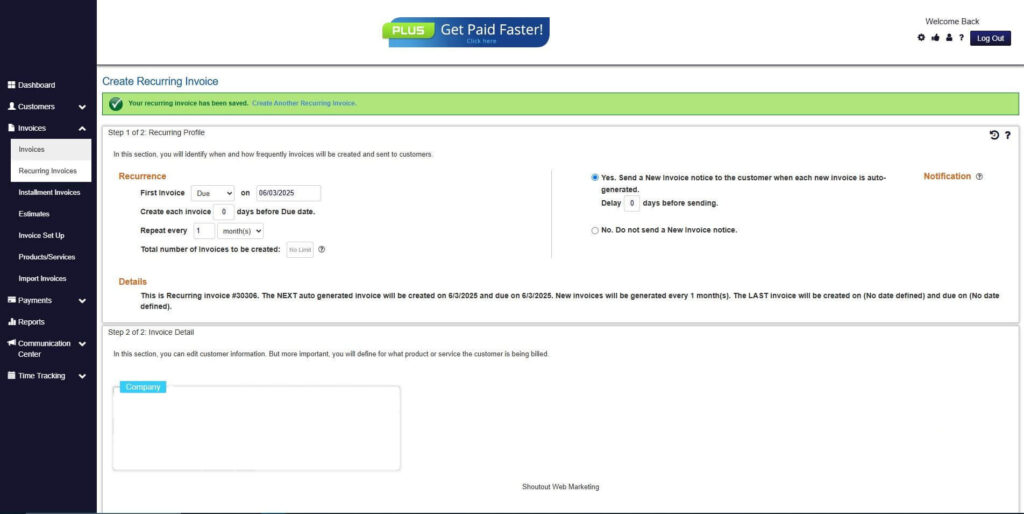
How to Create a New Recurring Invoice Using ReliaBills
Creating a New Recurring Invoice using ReliaBills involves the following steps:
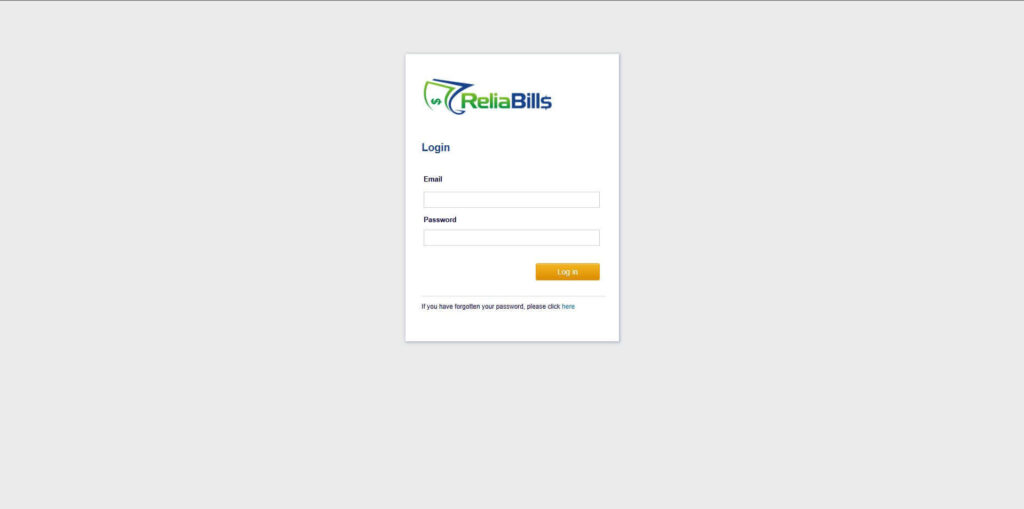
Step 1: Login to ReliaBills
- Access your ReliaBills Account using your login credentials. If you don’t have an account, sign up here.
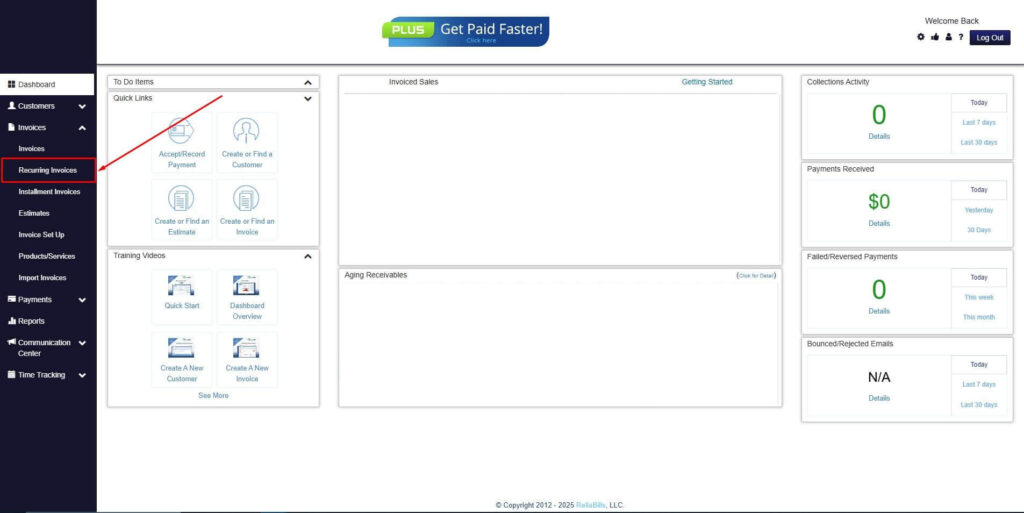
Step 2: Click on Recurring Invoices
- Navigate to the Invoices Dropdown and click on Recurring Invoices for an overview of the list of your existing customers.
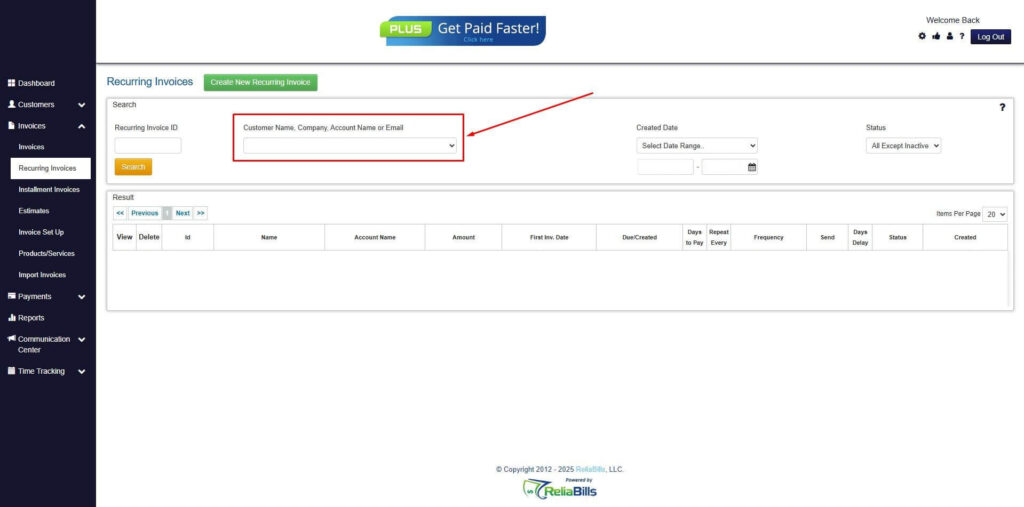
Step 3: Go to the Customers Tab
- If you have already created a customer, search for them in the Customers tab and make sure their status is “Active”.
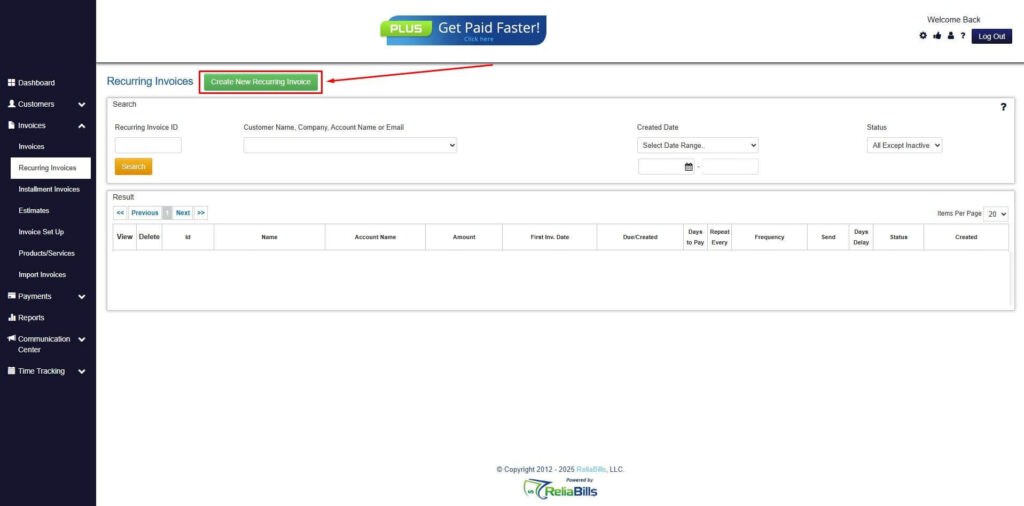
Step 4: Click the Create New Recurring Invoice
- If you haven’t created any customers yet, click the Create New Recurring Invoice to create a new customer.
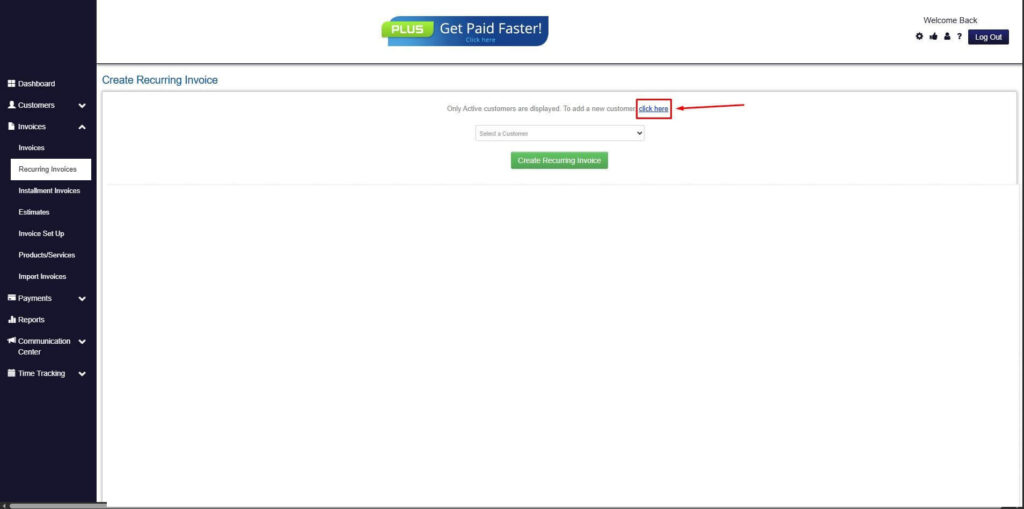
Step 5: Click on the “Click here” Button
- Click on the “Click here” button to proceed with the recurring invoice creation.
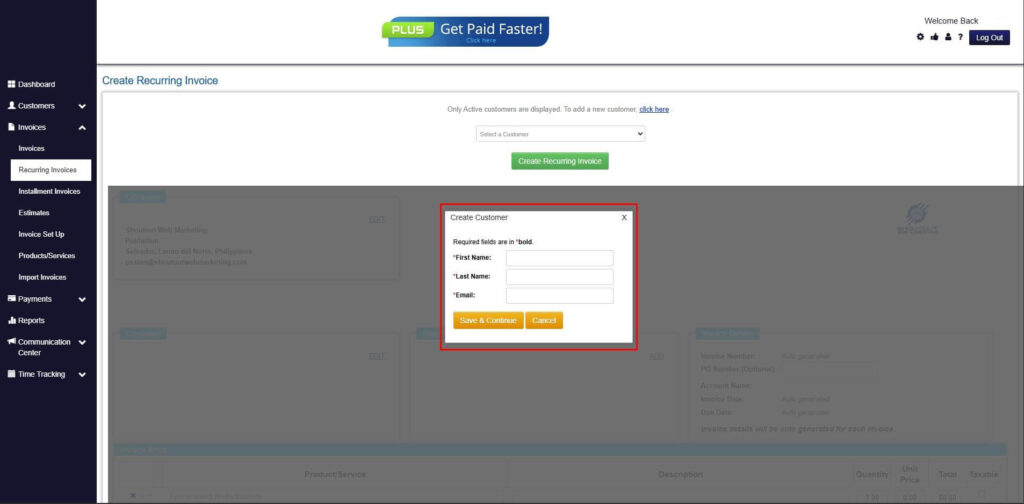
Step 6: Create Customer
- Provide your First Name, Last Name, and Email to proceed.
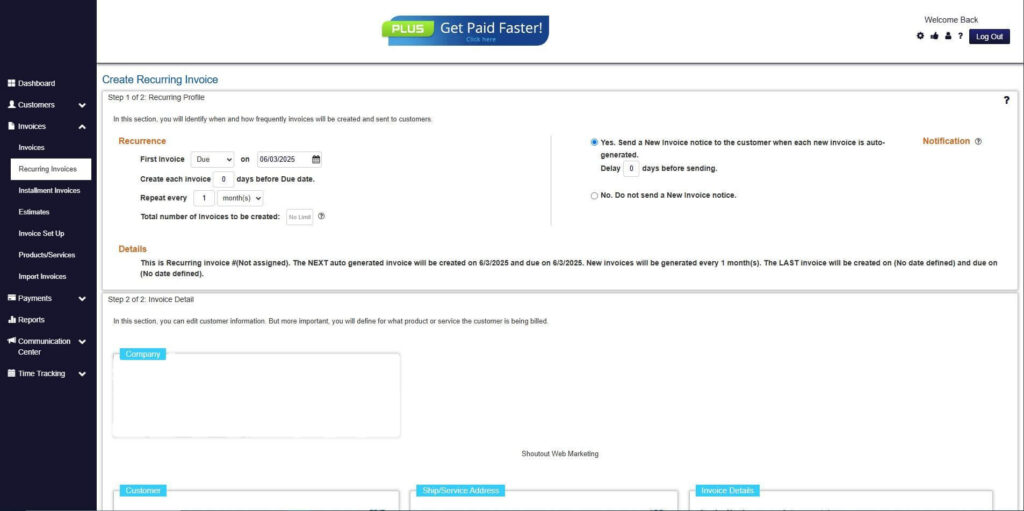
Step 7: Fill in the Create Recurring Invoice Form
- Fill in all the necessary fields.
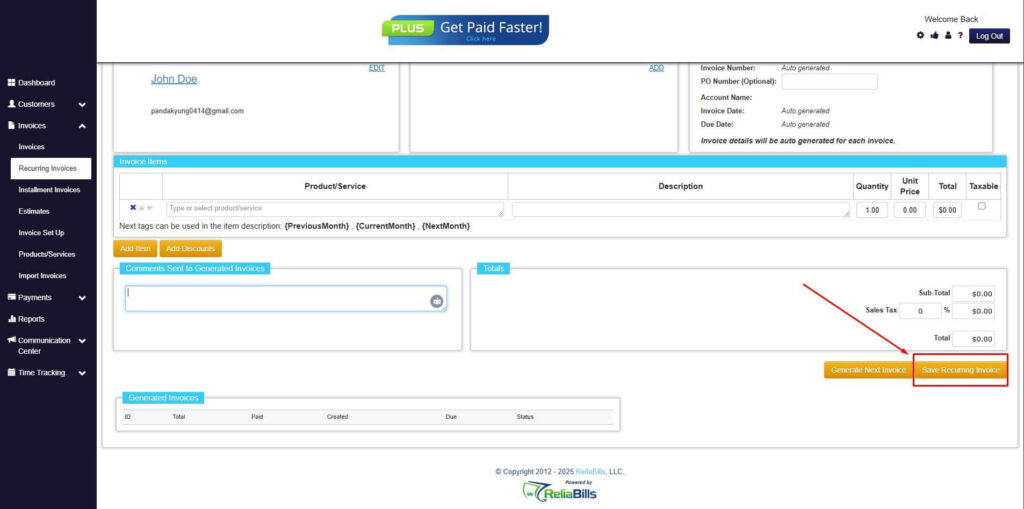
Step 8: Save Recurring Invoice
- After filling up the form, click “Save Recurring Invoice” to continue.
Step 9: Recurring Invoice Created
- Your Recurring Invoice has been created.
Frequently Asked Questions
1. When should I follow up on an overdue invoice?
It is best to send the first reminder shortly after the due date, usually within a few days, to keep the invoice top of mind.
2. How often should I send payment reminders?
Follow a consistent schedule, such as weekly reminders, while ensuring the communication remains polite and non-intrusive.
3. What is the best tone to use when following up on payments?
Use a professional, polite, and clear tone. Avoid being aggressive, even when escalating the message.
4. Can automation reduce overdue invoices?
Yes. Automated reminders and billing systems help ensure timely communication and improve payment collection rates.
Conclusion
An effective overdue invoice follow-up strategy is about finding the right balance between collecting payments and maintaining client trust. Businesses that approach follow-ups with professionalism and consistency are more likely to achieve positive outcomes.
Structured communication, clear processes, and the use of automation tools can significantly improve payment collection while reducing administrative workload. These strategies also help maintain strong relationships with clients.
By adopting solutions like ReliaBills, businesses can streamline their follow-up processes, improve cash flow, and ensure that overdue invoices are managed efficiently without risking valuable client relationships.