
Non-commercial invoices are often used in situations where no actual sale takes place. These include shipments of product samples, warranty replacements, internal transfers, or donated goods. Even though these transactions do not generate revenue, they still require proper documentation to ensure smooth processing.
Many businesses underestimate the importance of accuracy when creating these invoices. Because no payment is involved, teams may overlook key details or treat them as less important than commercial invoices. This mindset can lead to costly mistakes that affect shipping, compliance, and internal records.
In reality, non-commercial invoice mistakes can cause shipment delays, customs issues, and accounting confusion. Proper documentation is still essential to ensure that goods move efficiently and records remain accurate across all business operations.
What Is a Non-Commercial Invoice?
A non-commercial invoice is a document used to describe goods being shipped without a sale. Unlike a commercial invoice, it does not request payment but instead provides information about the contents and purpose of the shipment.
These invoices are commonly used for sending product samples, replacing defective items under warranty, or transferring goods between company locations. Even though there is no transaction value in the traditional sense, the shipment still needs to be declared properly.
Typical non-commercial invoices include details such as a description of the goods, a declared value for customs purposes, and the reason for the shipment. These elements help authorities and recipients understand the nature of the transaction and process it correctly.
Why Are Non-Commercial Invoices Important for Businesses?
Non-commercial invoices play a critical role beyond simple documentation. They are often required for customs clearance, especially when goods are shipped across international borders. Without accurate information, shipments may be delayed or flagged for inspection.
These invoices also support internal accounting and inventory tracking. Even when no sale occurs, businesses must still record the movement of goods to maintain accurate inventory levels and financial records.
Additionally, non-commercial invoices help prevent misunderstandings between the sender, receiver, and regulatory authorities. Clear documentation ensures that everyone involved understands the purpose of the shipment and how it should be handled.
What Are the Most Common Non-Commercial Invoice Mistakes?
Despite their importance, many businesses make avoidable errors when preparing non-commercial invoices. These mistakes often stem from a lack of understanding or attention to detail.
In some cases, teams may not fully understand the requirements for non-commercial invoices, especially when dealing with international shipping regulations. This can lead to incomplete or incorrect documentation.
Another common issue is the assumption that these invoices are less important because no payment is involved. Combined with manual processes, this increases the likelihood of errors that can disrupt operations.
Common Mistakes Businesses Make with Non-Commercial Invoices
Understanding the most frequent non-commercial invoice mistakes helps businesses avoid delays, compliance issues, and unnecessary operational disruptions. Common mistakes include:
Failing to Clearly Label the Invoice as “Non-Commercial”
If the invoice is not properly labeled, customs authorities may assume it is a commercial transaction. This can lead to incorrect duty assessments, additional documentation requests, or shipment delays.
Assigning Incorrect or Unrealistic Declared Values
Some businesses either undervalue items to avoid duties or overestimate values without justification. Both approaches can raise compliance concerns and trigger customs inspections or penalties.
Omitting Detailed Descriptions of Goods
Using vague descriptions like “samples” or “products” does not provide enough clarity. Detailed descriptions, including quantity, type, and purpose, are necessary for proper classification and clearance.
Not Specifying the Purpose of Shipment
Failing to indicate whether the shipment is a sample, return, warranty replacement, or internal transfer can confuse customs authorities and delay processing.
Missing Sender or Recipient Information
Incomplete names, addresses, or contact details can prevent proper shipment verification and may result in delivery issues or returns.
Using Inconsistent Invoice Formats
Different formats across invoices increase the likelihood of missing key details. Inconsistency can also make it harder for internal teams to track and audit records.
Ignoring Country-Specific Customs Requirements
Each country has unique documentation rules. Not following these requirements can result in rejected shipments, additional fees, or compliance issues.
Treating Non-Commercial Invoices the Same as Commercial Invoices
Using a commercial invoice format without adjusting for non-sale transactions can lead to incorrect or incomplete information.
Failing to Include Supporting Documentation
Some shipments may require additional documents such as packing lists or authorization forms. Missing these can slow down customs clearance.
What Problems Can These Mistakes Cause?
Errors in non-commercial invoices can create serious operational challenges. One of the most common consequences is shipment delays at customs checkpoints, where incomplete or incorrect documentation may trigger inspections.
Businesses may also face compliance issues, including fines or penalties, if their documentation does not meet regulatory requirements. These problems can be costly and time-consuming to resolve.
In addition, inaccurate invoices can disrupt inventory records and financial reporting. When goods are not properly documented, it becomes harder to track inventory movement and maintain accurate business records.
How Can Businesses Avoid Errors in Non-Commercial Invoices?
Avoiding non-commercial invoice mistakes requires structured processes, proper training, and the use of reliable tools to ensure accuracy and consistency.Best practices include:
Standardize Invoice Templates for Non-Commercial Transactions
Create dedicated templates that include all required fields such as shipment purpose, declared value, and detailed descriptions. This ensures consistency across all invoices.
Clearly Define Shipment Purpose on Every Invoice
Always state whether the shipment is a sample, gift, return, or internal transfer. This reduces confusion and helps customs authorities process shipments correctly.
Ensure Accurate and Reasonable Declared Values
Assign realistic values based on production cost or market value, even if the goods are not being sold. This helps maintain compliance with customs regulations.
Train Staff on Documentation and Compliance Requirements
Employees responsible for invoicing should understand the differences between commercial and non-commercial invoices and be familiar with international shipping rules.
Use Digital Invoicing Tools to Minimize Manual Errors
Automated systems reduce data entry mistakes and ensure all required fields are completed before invoices are finalized.
Regularly Review and Audit Invoice Records
Conduct periodic audits to identify recurring errors and improve invoicing processes over time.
Stay Updated on International Shipping Regulations
Customs requirements can change, so businesses should regularly review guidelines for countries they ship to.
Implement Approval Workflows for Invoice Creation
Adding a review step before sending invoices helps catch errors early and ensures accuracy.
How Does Automation Help Reduce Non-Commercial Invoice Errors?
Automation plays a key role in improving invoicing accuracy. Digital systems ensure that invoices follow a consistent format and include all required information before they are finalized.
By reducing manual data entry, businesses can significantly lower the risk of human error. Automated tools can also validate information, ensuring that important details such as declared values and shipment purposes are not overlooked.
In addition, automation provides real-time tracking and documentation. This makes it easier for businesses to manage records, respond to inquiries, and maintain compliance with regulatory requirements.
Key Benefits of Proper Non-Commercial Invoice Management
Proper handling of non-commercial invoices provides both operational and compliance advantages for businesses.Key benefits include:
Faster Customs Clearance
Accurate and complete invoices reduce the likelihood of inspections, allowing shipments to move through customs more efficiently.
Reduced Compliance Risks
Proper documentation helps businesses avoid fines, penalties, or rejected shipments caused by incorrect or incomplete information.
Improved Documentation Accuracy
Standardized invoicing processes ensure all records are consistent, complete, and easy to review.
Better Inventory and Record Tracking
Clear documentation helps businesses track the movement of goods, even when no sale is involved, improving inventory management.
Enhanced Operational Efficiency
Fewer errors mean less time spent resolving issues, allowing teams to focus on core business activities.
Stronger Business Credibility
Reliable documentation builds trust with customers, partners, and regulatory authorities.
Improved Internal Coordination
Consistent invoicing practices make it easier for accounting, logistics, and operations teams to work together effectively.
Easier Audit and Reporting Processes
Well-maintained records simplify financial reporting and make audits more efficient and less stressful.
How Does ReliaBills Support Accurate Non-Commercial Invoicing?
ReliaBills simplifies invoice creation by providing structured templates and automated workflows that reduce the risk of missing or incorrect information. Businesses can generate accurate invoices quickly while maintaining consistent documentation standards.
The platform also supports recurring billing features that help standardize invoicing processes across different types of transactions. Even though non-commercial invoices do not involve payments, automation ensures consistency between all billing and documentation workflows.
For businesses that need advanced tools, ReliaBills PLUS offers enhanced reporting, automation controls, and detailed tracking features. These capabilities help companies maintain accurate records, improve compliance, and reduce errors in both commercial and non-commercial invoicing.
How to Create a New Recurring Invoice Using ReliaBills
Creating a New Recurring Invoice using ReliaBills involves the following steps:
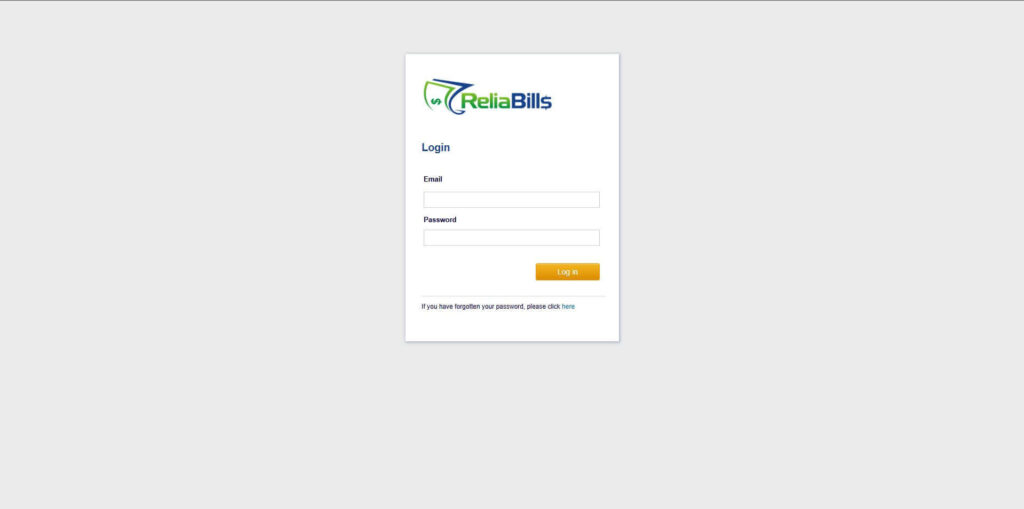
Step 1: Login to ReliaBills
- Access your ReliaBills Account using your login credentials. If you don’t have an account, sign up here.
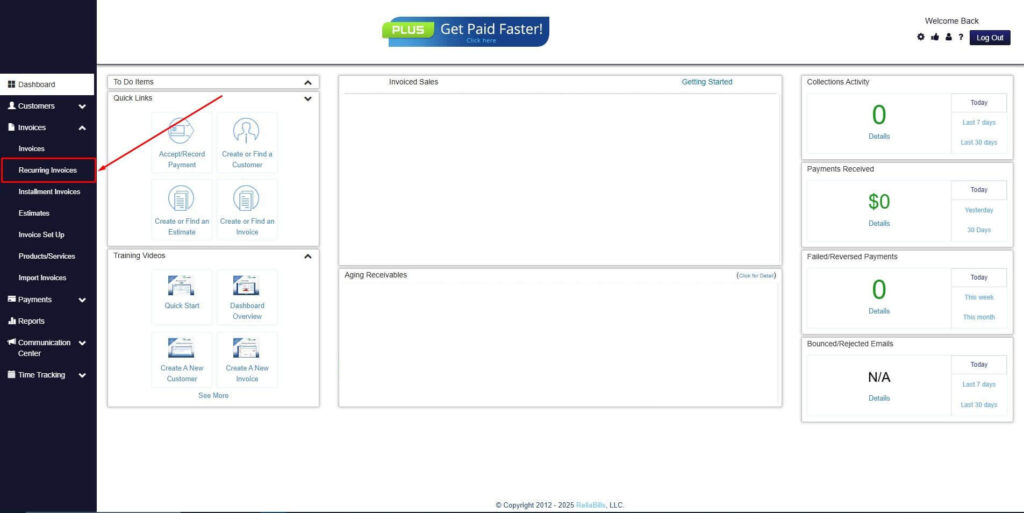
Step 2: Click on Recurring Invoices
- Navigate to the Invoices Dropdown and click on Recurring Invoices for an overview of the list of your existing customers.
Step 3: Go to the Customers Tab
- If you have already created a customer, search for them in the Customers tab and make sure their status is “Active”.
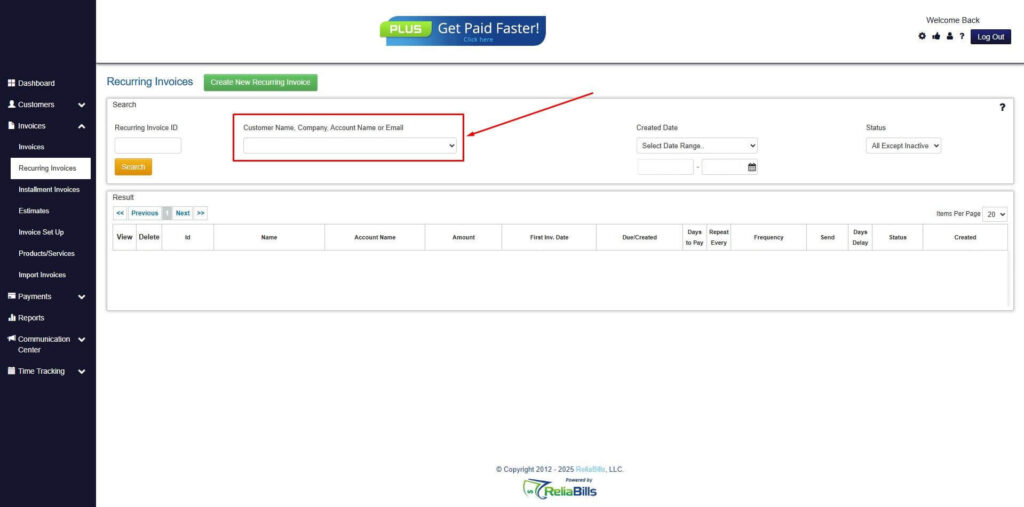
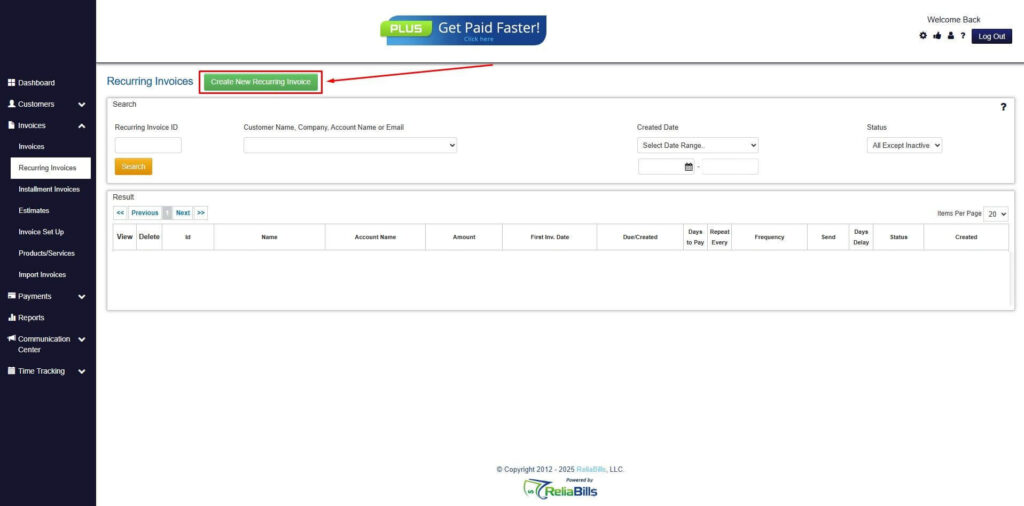
Step 4: Click the Create New Recurring Invoice
- If you haven’t created any customers yet, click the Create New Recurring Invoice to create a new customer.
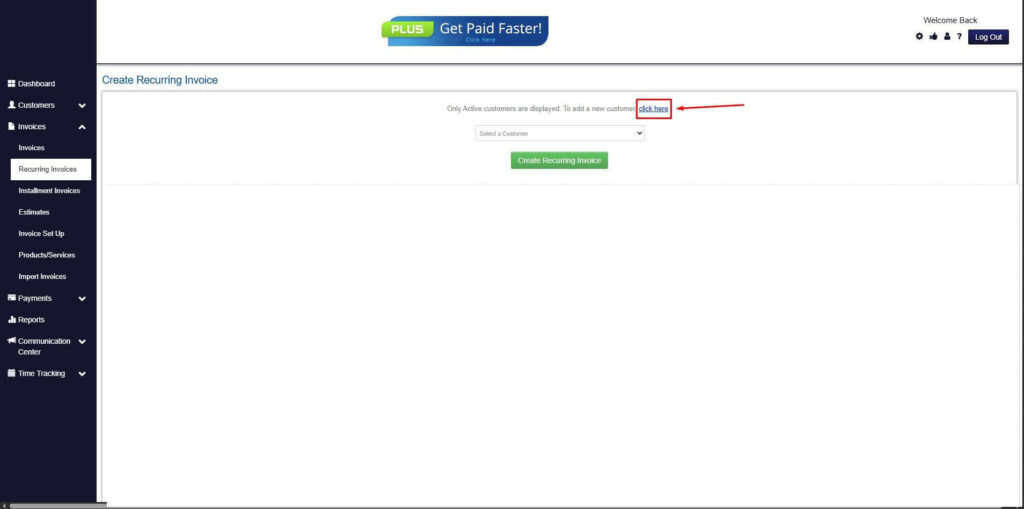
Step 5: Click on the “Click here” Button
- Click on the “Click here” button to proceed with the recurring invoice creation.
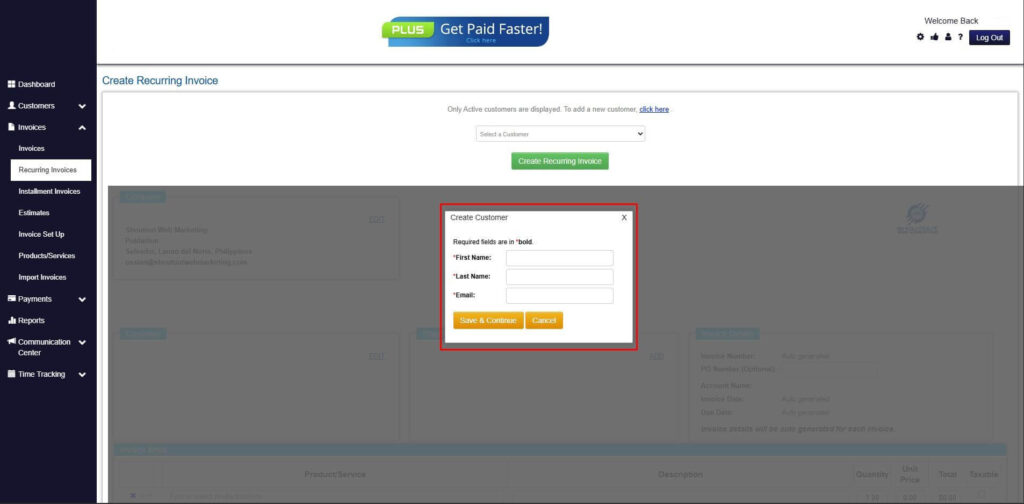
Step 6: Create Customer
- Provide your First Name, Last Name, and Email to proceed.
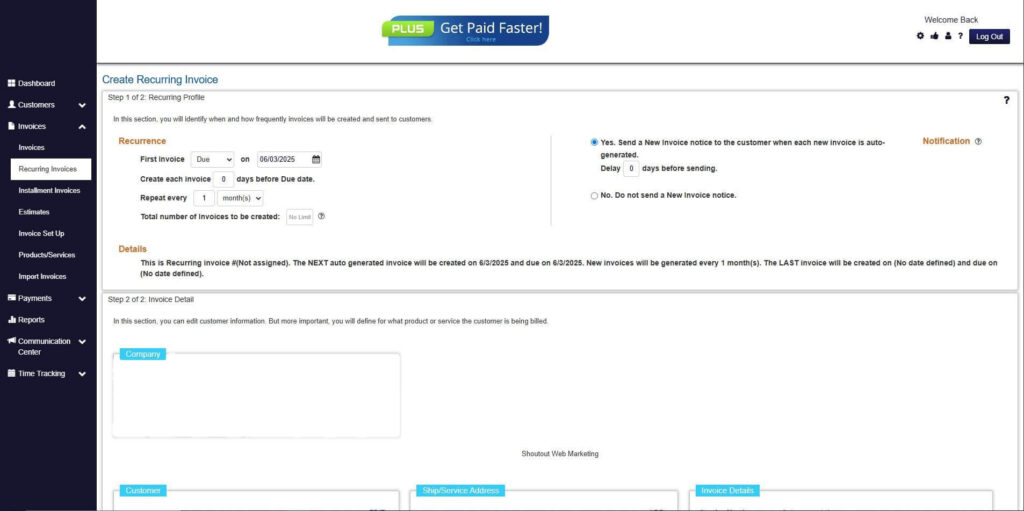
Step 7: Fill in the Create Recurring Invoice Form
- Fill in all the necessary fields.
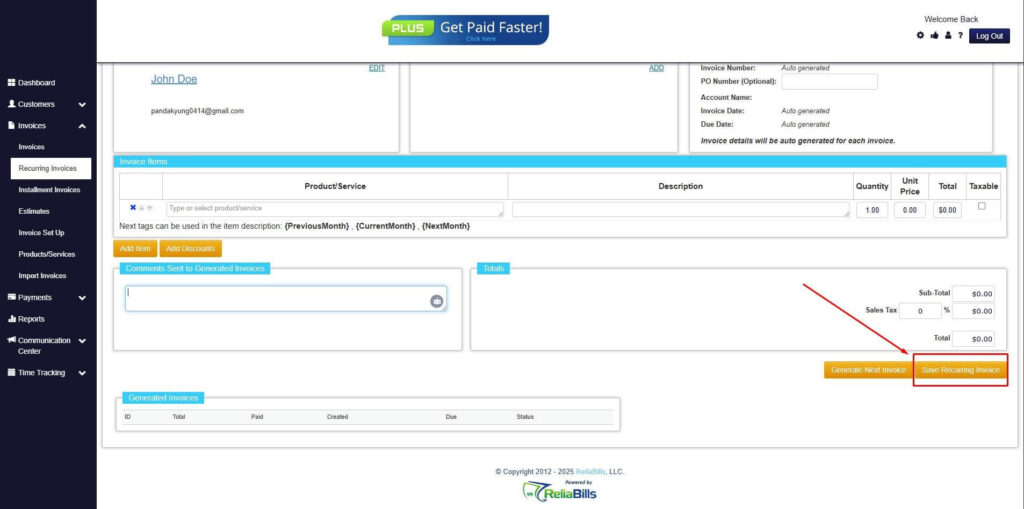
Step 8: Save Recurring Invoice
- After filling up the form, click “Save Recurring Invoice” to continue.
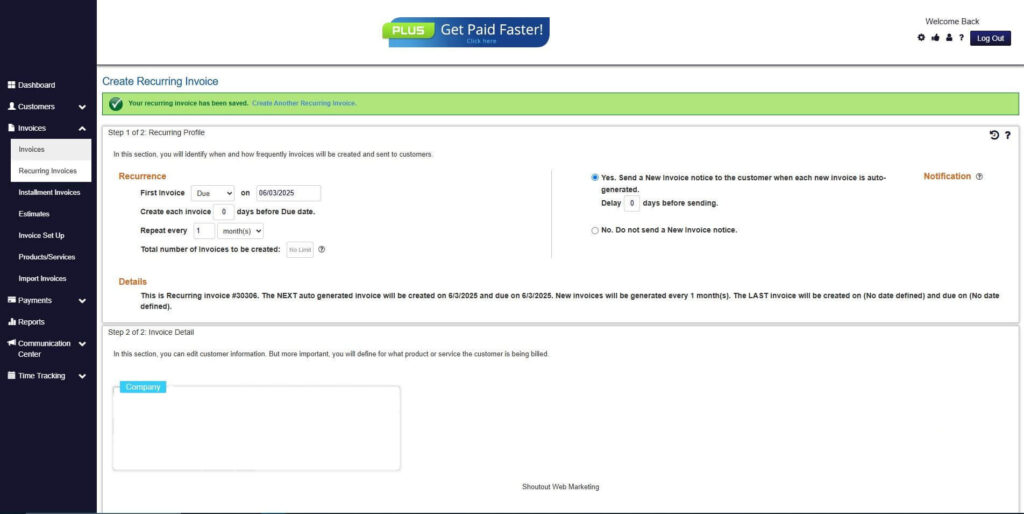
Step 9: Recurring Invoice Created
- Your Recurring Invoice has been created.
Frequently Asked Questions
1. What is the difference between a commercial and non-commercial invoice?
A commercial invoice is used for sales transactions and includes payment details, while a non-commercial invoice is used for shipments where no sale occurs and focuses on documentation rather than payment.
2. Do non-commercial invoices require a declared value?
Yes. Even without a sale, a reasonable value must be declared for customs purposes to help authorities assess duties and verify shipments.
3. Can mistakes in non-commercial invoices delay shipments?
Yes. Errors such as missing information or incorrect values can trigger inspections, delays, or even shipment rejections.
4. Are non-commercial invoices required for international shipping?
In many cases, yes. They are often required to provide documentation for goods being shipped across borders, even when no sale is involved.
Conclusion
Non-commercial invoices may not involve revenue, but they are still a critical part of business operations. Accurate documentation ensures that goods move smoothly through customs, records remain consistent, and compliance requirements are met.
Common non-commercial invoice mistakes can lead to shipment delays, financial discrepancies, and unnecessary complications. By improving documentation practices and paying attention to detail, businesses can avoid these issues.
Adopting automated solutions like ReliaBills helps streamline invoicing processes, reduce errors, and maintain accurate records. With the right tools and practices in place, businesses can handle non-commercial invoices with confidence and efficiency.