

Managing billing and payment processes has become increasingly complex for modern businesses, especially when using multiple disconnected tools. Many companies rely on separate systems for invoicing, payment processing, and financial reporting, which creates unnecessary operational friction. These fragmented workflows often lead to inefficiencies, duplicated work, and inconsistent financial data. As businesses scale, these issues become more pronounced and harder to manage effectively. This is why adopting an all-in-one billing platform is becoming a strategic priority for improving operational efficiency.
Disconnected systems often result in delays, errors, and communication gaps across financial processes. Teams may struggle to reconcile data from different platforms, leading to confusion and reduced productivity. Additionally, switching between multiple tools consumes valuable time that could be better spent on business growth. These inefficiencies can negatively impact cash flow and overall performance. An all-in-one billing platform addresses these challenges by consolidating all billing functions into a single system.
By unifying invoicing, payments, and reporting, businesses can streamline operations and improve financial visibility. A centralized platform reduces complexity and ensures consistency across all transactions. This not only enhances efficiency but also improves accuracy and decision-making. Businesses can respond more quickly to financial insights and customer needs. Ultimately, an all-in-one billing platform provides a more scalable and sustainable approach to managing financial operations.
What Is an All-in-One Billing Platform?
An all-in-one billing platform is a comprehensive system that combines invoicing, payment processing, and financial reporting into a single solution. Instead of using multiple tools, businesses can manage all billing-related activities within one integrated environment. This eliminates the need for manual data transfers and reduces operational complexity. The platform is designed to streamline workflows and improve efficiency across financial processes. It serves as a centralized hub for managing all billing operations.
These platforms integrate essential billing functions such as invoice generation, payment collection, and reporting dashboards. Businesses can create invoices, accept payments, and monitor financial performance without switching systems. This integration ensures that all data is consistent and up to date. It also reduces the likelihood of errors caused by duplicate entries or mismatched information. An all-in-one billing platform simplifies financial management significantly.
In today’s fast-paced business environment, efficiency and accuracy are critical for success. An all-in-one billing platform supports both by providing real-time insights and automation capabilities. Businesses can scale operations without increasing administrative burden. This makes it an ideal solution for companies looking to modernize their financial systems. It plays a key role in improving overall business performance.
The Problem with Using Multiple Billing Tools
Fragmented Systems Create Inefficiencies
Using multiple tools for billing processes often leads to fragmented workflows that are difficult to manage. Each system operates independently, requiring manual coordination between platforms. This increases the time needed to complete routine tasks. As a result, overall efficiency decreases significantly.
Data Inconsistencies Across Platforms
When data is stored across multiple systems, inconsistencies are more likely to occur. Information may not sync properly, leading to discrepancies in financial records. This creates confusion and reduces confidence in reporting accuracy. Businesses may struggle to maintain reliable data.
Increased Learning Curve for Staff
Employees must learn how to use multiple tools, which increases training time and complexity. This can slow down onboarding and reduce productivity. Staff may also make errors when switching between systems. An all-in-one billing platform simplifies training and improves usability.
Core Features of an All-in-One Billing Platform
Unified Invoicing System
A unified invoicing system allows businesses to create and manage all invoices from a single platform. This ensures consistency in formatting and reduces the need for manual adjustments. Workflows become faster and more efficient. Businesses can handle billing tasks with greater ease and accuracy.
Integrated Payment Processing
Integrated payment processing enables businesses to accept multiple payment methods within one system. This eliminates the need to switch between tools for transactions. Customers experience a smoother payment process. Faster payments improve overall cash flow.
Recurring Billing Automation
Recurring billing automation allows businesses to manage subscription and repeat payments efficiently. Invoices are generated automatically based on predefined schedules. This reduces manual work and ensures consistency. An all-in-one billing platform supports predictable revenue streams.
Financial Reporting and Analytics
Financial reporting tools provide real-time insights into revenue and performance. Businesses can access centralized dashboards for better visibility. This supports data-driven decision-making. Accurate reporting enhances financial control and planning.
How Multiple Tools Create Operational Inefficiencies
Data Silos
Data stored in separate systems creates silos that are difficult to manage. Businesses may struggle to consolidate financial information effectively. This leads to inconsistencies in reporting. Decision-making becomes more challenging.
Higher Subscription Costs
Using multiple tools often means paying for several subscriptions simultaneously. This increases overall operational expenses. Businesses may not fully utilize each tool’s features. An all-in-one billing platform reduces unnecessary costs.
Manual Data Transfers
Transferring data between systems manually is time-consuming and error-prone. Employees must copy and verify information across platforms. This increases administrative workload. Automation eliminates these inefficiencies.
Benefits of an All-in-One Billing Platform
Improved Efficiency
An all-in-one billing platform streamlines all billing operations into a single workflow. This reduces repetitive tasks and saves time for teams. Employees can focus on more strategic activities. Overall productivity improves significantly.
Better Accuracy
Centralized systems eliminate duplicate data entry and reduce errors. Financial records remain consistent across all processes. This improves reporting accuracy and reliability. Businesses gain greater confidence in their data.
Faster Payments
Integrated payment systems speed up transaction processing. Customers can pay بسهولة without switching platforms. This reduces friction and improves payment completion rates. Faster payments enhance cash flow.
Lower Operational Costs
Replacing multiple tools with one platform reduces subscription expenses. Businesses can allocate resources more efficiently. This improves return on investment. Cost savings contribute to long-term growth.
How an All-in-One Billing Platform Improves Cash Flow
Faster Invoice Generation
Invoices can be created and delivered immediately after transactions occur. This reduces delays in billing cycles. Customers receive payment requests promptly. Faster invoicing leads to quicker payments.
Automated Payment Reminders
Automated reminders ensure customers are notified about upcoming or overdue payments. This reduces the risk of late payments. Consistent communication improves collection rates. Businesses maintain steady cash flow.
Real-Time Payment Tracking
Real-time tracking provides visibility into payment status and outstanding balances. Businesses can monitor transactions instantly. This improves financial control and transparency. An all-in-one billing platform enhances decision-making.
Key Features Businesses Should Look For
Invoice Automation
Businesses should look for systems that automate invoice creation and delivery. Customizable templates improve professionalism. Automation reduces manual effort significantly. This enhances operational efficiency.
Payment Gateway Integration
A strong platform supports multiple payment methods through secure gateways. This ensures smooth and reliable transactions. Customers benefit from convenient payment options. Businesses receive payments faster.
Recurring Billing Support
Recurring billing features are essential for subscription-based models. They automate billing cycles and reduce manual work. Revenue becomes more predictable and stable. This supports long-term growth.
Reporting and Analytics Tools
Advanced reporting tools provide insights into business performance. Businesses can track revenue trends and financial metrics. This supports better forecasting and planning. Data-driven decisions improve outcomes.
Challenges of Managing Multiple Billing Systems
Integration Issues
Multiple systems may not integrate properly, causing workflow disruptions. Data may not sync accurately between platforms. This leads to reporting errors. Businesses face operational inefficiencies.
Steep Learning Curve
Employees must learn and manage several tools simultaneously. This reduces productivity and increases onboarding time. Mistakes are more likely to occur. A unified system simplifies operations.
Security Risks
Using multiple systems increases the number of entry points for potential breaches. Managing security across platforms becomes more complex. This raises compliance challenges. An all-in-one billing platform improves security control.
Why Businesses Are Switching to All-in-One Billing Platforms
Scalability Needs
Growing businesses require systems that can scale with their operations. Multiple tools often fail to support expansion efficiently. A unified platform provides flexibility and adaptability. This supports long-term growth.
Demand for Automation
Businesses are increasingly seeking ways to reduce manual work. Automation improves efficiency and reduces operational strain. Employees can focus on higher-value tasks. This drives productivity.
Improved Customer Experience
Customers benefit from faster and smoother billing processes. Fewer errors lead to more professional interactions. Payment processes become more convenient. This enhances customer satisfaction.
How an All-in-One Billing Platform Enhances Security
Centralized Data Protection
All financial data is stored in one secure system. This makes it easier to monitor and protect sensitive information. Businesses can implement consistent security measures. Risk of breaches is reduced.
Encrypted Transactions
Secure encryption protects payment data during transactions. This ensures compliance with industry standards. Customers feel more confident in the payment process. Trust is strengthened.
Access Control Features
Role-based access controls limit who can view or edit sensitive data. This reduces the risk of unauthorized access. Businesses can manage permissions effectively. Internal security is improved.
Best Practices for Adopting an All-in-One Billing Platform
Evaluate Current Tools
Businesses should assess existing systems to identify inefficiencies. This helps determine which tools can be replaced. Planning ensures a smooth transition. A clear strategy improves implementation success.
Train Your Team
Proper training ensures employees understand how to use the new system. This reduces resistance to change. Staff can adapt quickly and efficiently. Productivity improves.
Start with Core Features First
Businesses should begin with essential features like invoicing and payments. Gradual adoption prevents system overload. Teams can adjust more easily. This ensures a smoother transition.
Monitor Performance
Tracking performance helps measure efficiency improvements. Businesses can evaluate cost savings and productivity gains. Adjustments can be made as needed. Continuous improvement is supported.
Common Use Cases of All-in-One Billing Platforms
SaaS Companies
SaaS businesses rely on recurring billing for subscription management. A centralized platform simplifies operations. Revenue becomes more predictable. Scalability is improved.
Service-Based Businesses
Service providers can manage client invoicing and payments بسهولة. Administrative workload is reduced significantly. Cash flow improves. Efficiency increases.
E-commerce Businesses
E-commerce companies benefit from integrated order processing and billing. Payment collection becomes automated. Customer experience improves. Transactions are completed faster.
How ReliaBills Functions as an All-in-One Billing Platform
ReliaBills provides a centralized solution that combines invoicing, payment processing, and financial tracking into one easy-to-use platform. It eliminates the need for multiple disconnected tools by streamlining billing operations in a single system. Businesses can manage invoices, monitor payments, and organize customer data efficiently without switching platforms. This reduces administrative workload and improves overall accuracy in financial processes. An all-in-one billing platform like ReliaBills helps businesses operate more efficiently and maintain better financial control.
A major advantage of ReliaBills is its robust recurring billing capability, which allows businesses to automate subscription and repeat payment cycles. Users can set up scheduled billing intervals that automatically charge customers without manual input. This ensures consistent revenue collection and reduces the risk of missed or delayed payments. Recurring billing also enhances the customer experience by providing predictable and seamless transactions. With this functionality, an all-in-one billing platform becomes a reliable tool for maintaining steady cash flow.
ReliaBills PLUS offers advanced features that further enhance automation and scalability for growing businesses. These include branded invoicing, deeper reporting insights, and more flexible customization options. Businesses can gain better visibility into their financial performance and make data-driven decisions. The platform is designed to adapt as business needs evolve, supporting long-term growth. ReliaBills PLUS strengthens the value of an all-in-one billing platform by delivering a comprehensive and scalable financial solution.
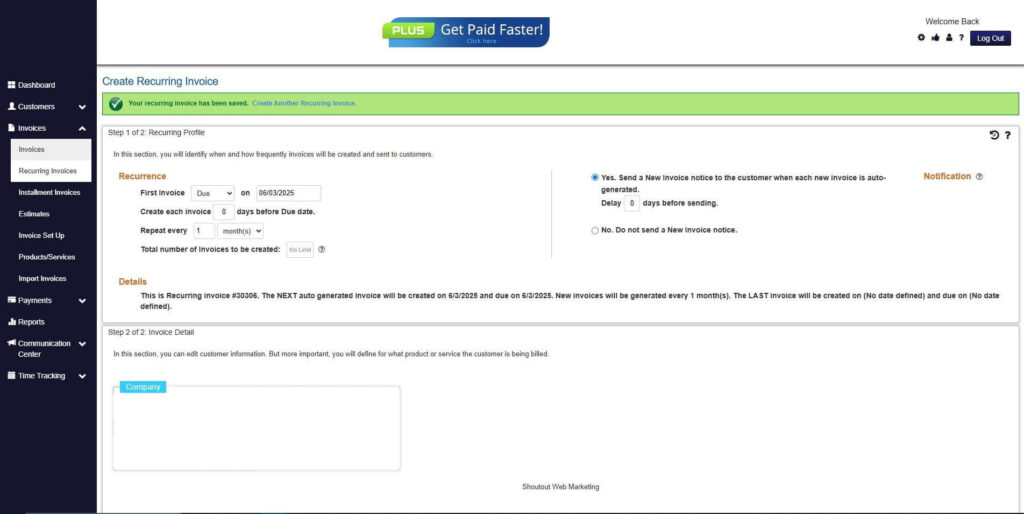
How to Create a New Recurring Invoice Using ReliaBills
Creating a New Recurring Invoice using ReliaBills involves the following steps:
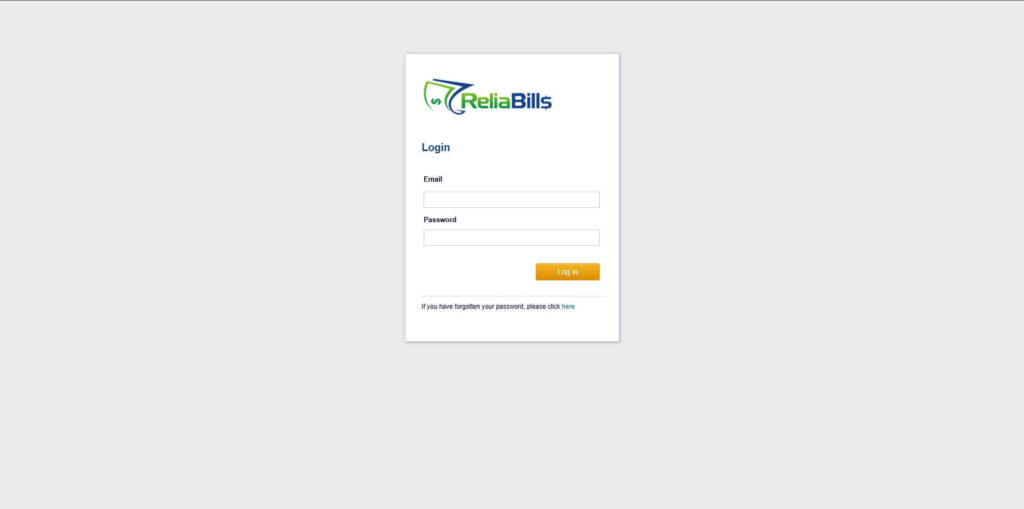
Step 1: Login to ReliaBills
- Access your ReliaBills Account using your login credentials. If you don’t have an account, sign up here.
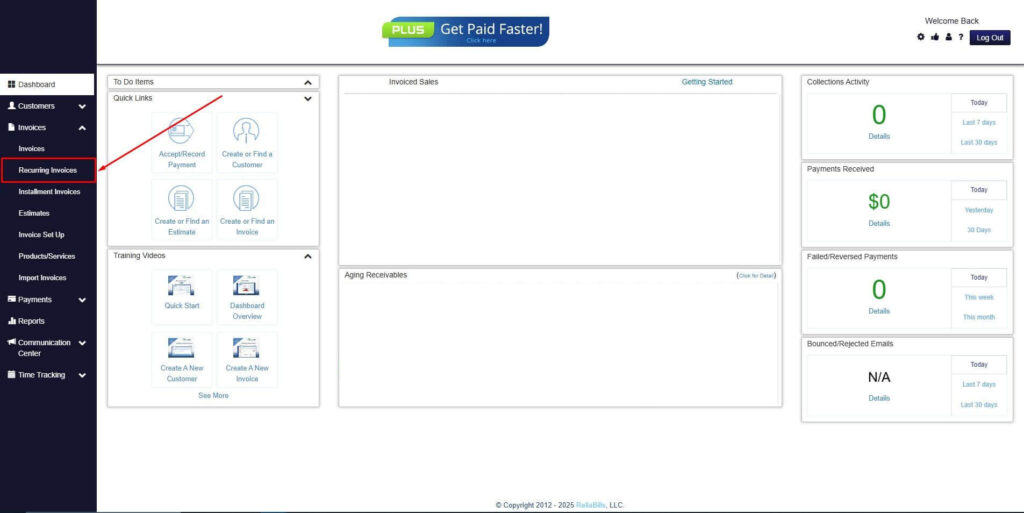
Step 2: Click on Recurring Invoices
- Navigate to the Invoices Dropdown and click on Recurring Invoices for an overview of the list of your existing customers.
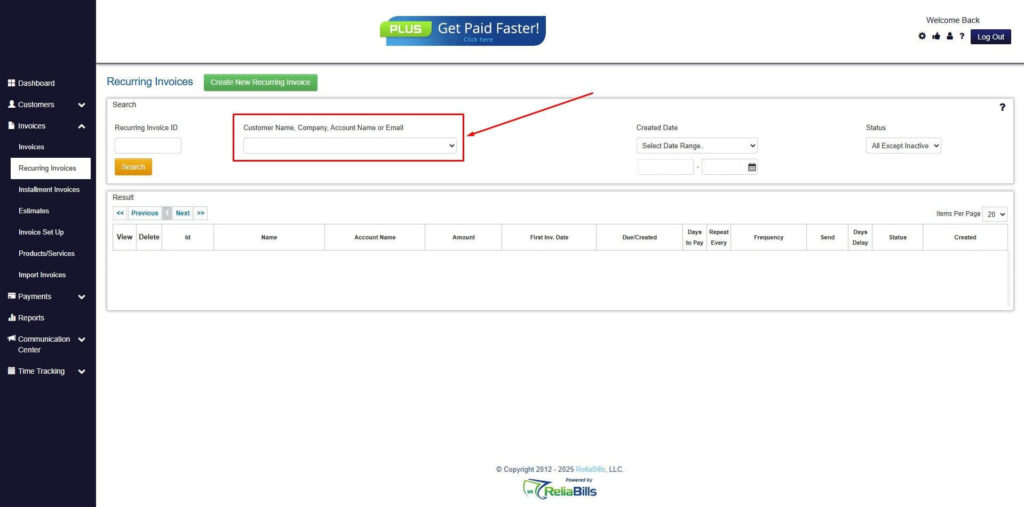
Step 3: Go to the Customers Tab
- If you have already created a customer, search for them in the Customers tab and make sure their status is “Active”.
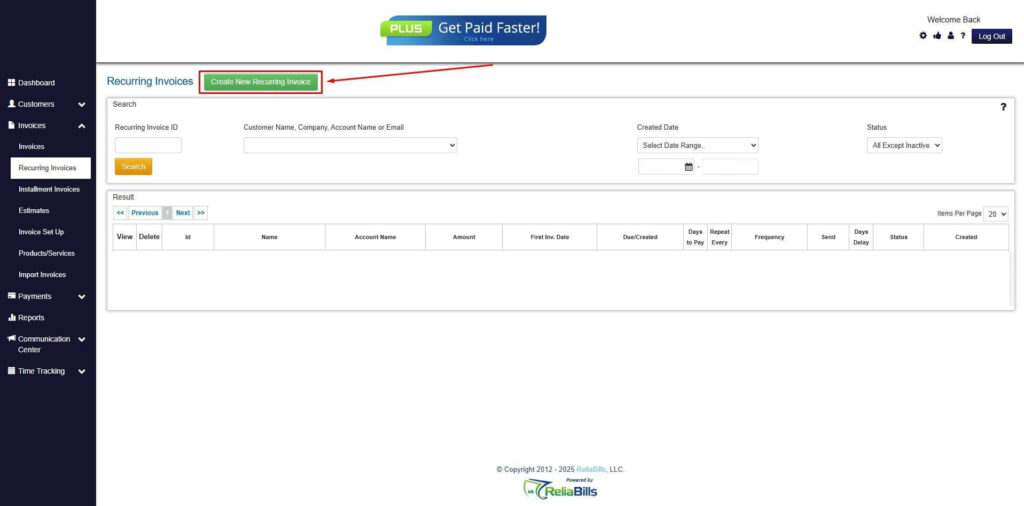
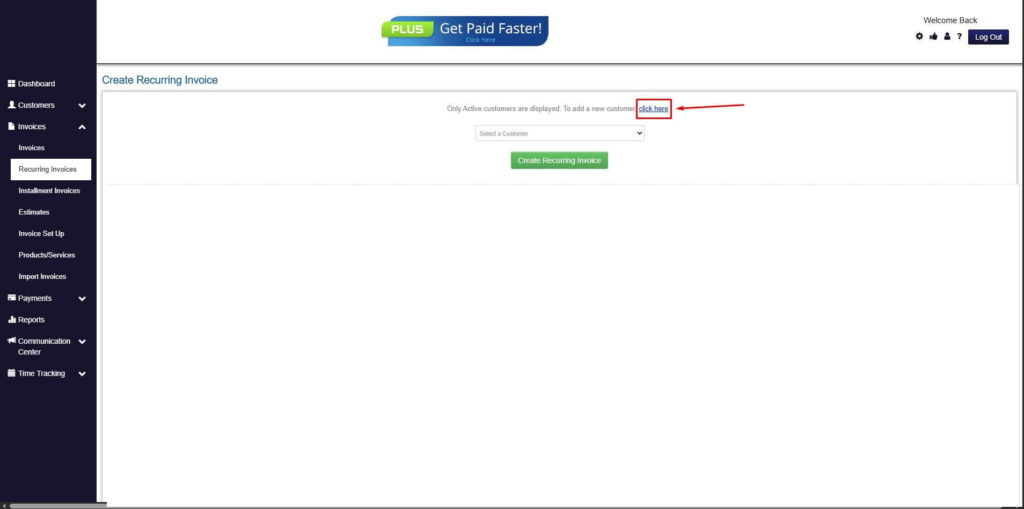
Step 4: Click the Create New Recurring Invoice
- If you haven’t created any customers yet, click the Create New Recurring Invoice to create a new customer.
Step 5: Click on the “Click here” Button
- Click on the “Click here” button to proceed with the recurring invoice creation.
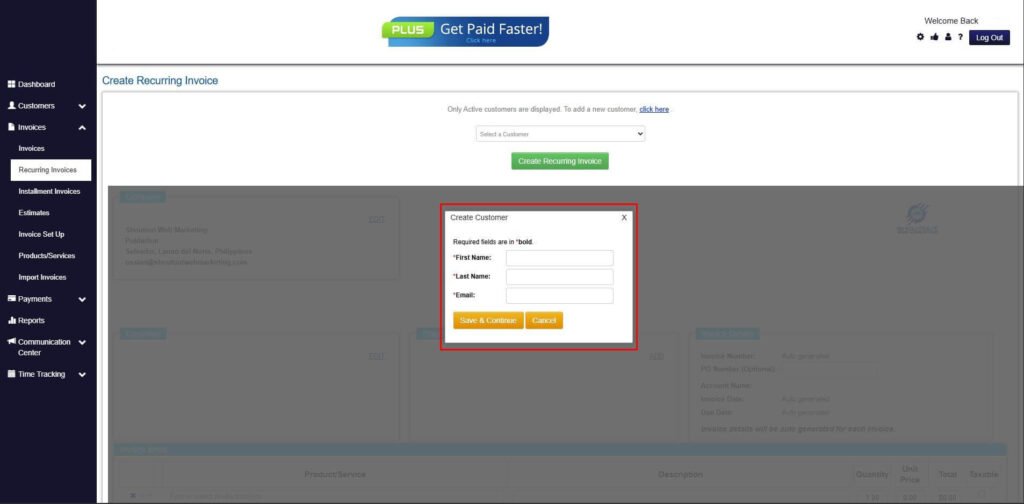
Step 6: Create Customer
- Provide your First Name, Last Name, and Email to proceed.
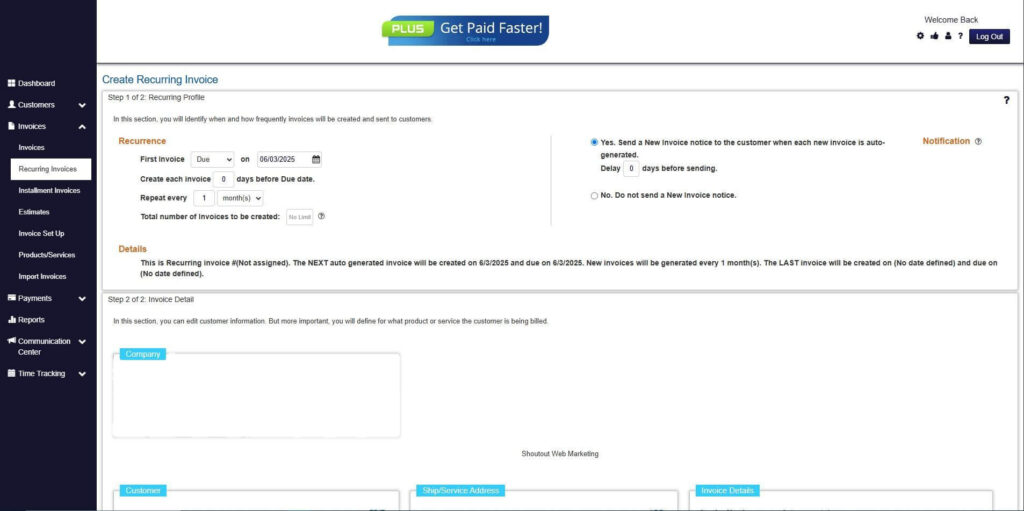
Step 7: Fill in the Create Recurring Invoice Form
- Fill in all the necessary fields.
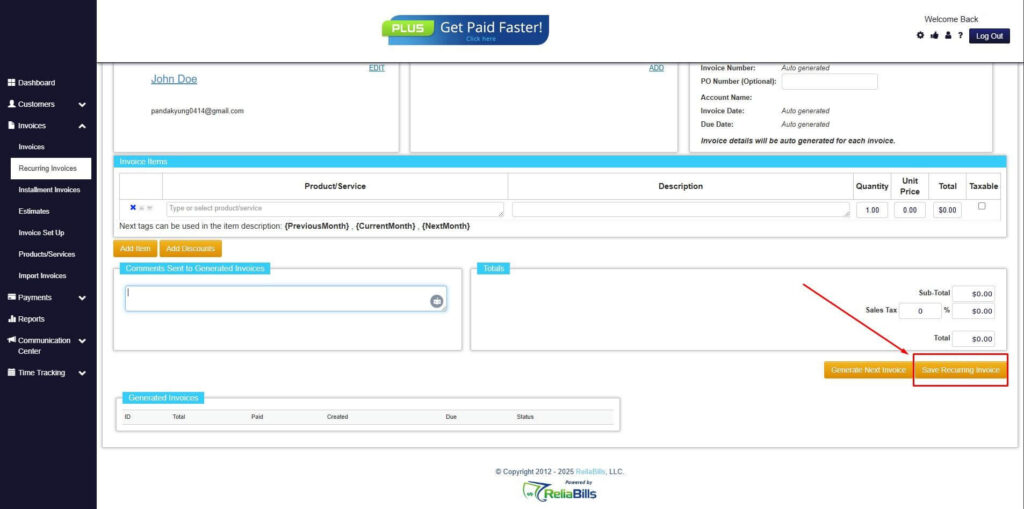
Step 8: Save Recurring Invoice
- After filling up the form, click “Save Recurring Invoice” to continue.
Step 9: Recurring Invoice Created
- Your Recurring Invoice has been created.
Frequently Asked Questions
1. What is an all-in-one billing platform?
An all-in-one billing platform is a system that combines invoicing, payments, and reporting tools. It replaces multiple disconnected systems with a unified solution. This simplifies financial operations significantly. Businesses can manage everything in one place.
2. Why is an all-in-one billing platform better?
It reduces complexity by consolidating multiple tools into one system. Efficiency and accuracy improve across billing processes. Businesses save time and reduce costs. Scalability is enhanced.
3. Can it support recurring billing?
Yes, most platforms include recurring billing features for subscription payments. This automates billing cycles and reduces manual work. Revenue becomes more consistent. It supports predictable income streams.
4. Is it suitable for small businesses?
An all-in-one billing platform is ideal for small businesses looking to scale. It reduces administrative burden and improves efficiency. Financial control becomes easier to manage. Businesses can grow with confidence.
Conclusion
An all-in-one billing platform provides a clear advantage over using multiple disconnected tools for managing financial operations. By consolidating invoicing, payments, and reporting into one system, businesses can eliminate inefficiencies and reduce complexity. This leads to improved accuracy, faster processes, and better overall performance. Businesses no longer need to manage multiple subscriptions or deal with data inconsistencies. A unified platform creates a more streamlined and effective workflow.
The impact on cash flow and operational efficiency is significant when adopting a centralized solution. Faster invoicing, automated reminders, and real-time tracking help businesses maintain steady revenue streams. Improved visibility allows for better financial decision-making. Teams can focus on strategic initiatives rather than administrative tasks. An all-in-one billing platform supports both short-term efficiency and long-term growth.
As businesses continue to evolve, adopting modern financial tools becomes essential for staying competitive. A unified billing system provides the scalability needed to handle growth without increasing complexity. It also enhances security and customer experience through streamlined processes. Investing in an all-in-one billing platform is a strategic move toward sustainable success. Businesses that embrace this approach position themselves for efficiency, stability, and continued expansion.