

Recurring billing plays a central role in subscription-based businesses and service providers that rely on repeat payments. It ensures customers are charged consistently for ongoing services such as memberships, SaaS subscriptions, and managed services. When executed properly, it supports predictable revenue streams and stable financial planning. Because of this, billing accuracy becomes a critical operational requirement rather than just an administrative task.
Despite the availability of modern automation tools, many businesses still rely on manual billing systems. These systems often involve spreadsheets, manual invoice creation, and human tracking of payment schedules. While this approach may seem manageable in early-stage businesses, it becomes increasingly complex as customer volume grows. The lack of automation introduces inefficiencies that are often underestimated.
The risks of manual recurring billing extend far beyond simple administrative inconvenience. They directly affect cash flow stability, customer satisfaction, and financial accuracy. Businesses that continue relying on manual systems often experience scaling limitations and increased operational pressure. Understanding these risks is essential before they impact long-term growth.
What Is Manual Recurring Billing?
Manual recurring billing refers to the process of generating and managing recurring invoices without automation. Businesses manually create invoices for each billing cycle using spreadsheets, accounting software, or standalone templates. Every invoice must be individually updated, scheduled, and tracked by staff members. This creates a highly labor-intensive billing process.
In this system, each billing cycle depends entirely on human intervention. Employees must ensure invoices are created on time, amounts are accurate, and customer details are correct. Payment tracking is also done manually, often across multiple tools or spreadsheets. This fragmented approach increases the likelihood of inconsistencies.
Manual intervention can occur at multiple points in the billing lifecycle. This includes invoice creation, delivery, payment tracking, reminders, and reporting. Because every step requires manual effort, even small errors can compound into larger financial issues. This makes the system fragile as business volume increases.
Why Businesses Still Use Manual Recurring Billing
Familiarity with Existing Processes
Many businesses continue using manual billing because their teams are already familiar with it and have built internal workflows around it. Changing to a new system requires training, adjustment, and process redesign, which some businesses try to avoid. This comfort with existing systems often delays modernization even when inefficiencies are present. Over time, this familiarity becomes a barrier to operational improvement.
Low Initial Cost of Setup
Manual billing appears cost-effective because it does not require investment in software subscriptions or automation tools. Small businesses often choose this approach to minimize upfront expenses during early growth stages. However, this short-term saving often leads to long-term inefficiencies and hidden operational costs. As the business scales, manual effort becomes significantly more expensive than automation.
Limited Awareness of Automation Tools
Some businesses simply are not fully aware of modern billing automation solutions available in the market. They may not understand how automation can reduce errors, improve cash flow, and save time. This lack of awareness prevents them from exploring more efficient systems. As a result, they continue relying on outdated manual processes.
Perception of More Control
Manual billing is often perceived as giving businesses more direct control over financial processes. Owners may feel more comfortable reviewing each invoice individually before it is sent. However, this perceived control often leads to inefficiency and human error. In reality, automation provides more accurate and reliable control at scale.
Key Risks of Manual Recurring Billing
Missed or Delayed Invoices
Manual billing systems rely heavily on human memory and scheduling discipline to issue invoices on time. This often results in missed billing cycles or delayed invoice generation, especially during busy operational periods. When invoices are not sent on time, cash flow is directly impacted because payments are also delayed. Over time, these delays can create significant liquidity challenges for the business.
Increased Human Error
Manual data entry increases the likelihood of mistakes in billing amounts, customer details, and service periods. Even small errors can lead to disputes, refunds, or customer dissatisfaction. These errors also require additional time to identify and correct, increasing operational burden. In high-volume environments, error frequency increases substantially.
Inconsistent Billing Cycles
Without automation, billing dates may vary across customers or months depending on staff availability. This creates unpredictability in revenue timing, making financial forecasting more difficult. Inconsistent billing also makes it harder to maintain standardized financial reporting. Lenders and stakeholders often view this as a sign of weak operational discipline.
Difficulty Tracking Payments
Manual tracking of payments across multiple customers and invoices becomes increasingly complex as volume grows. Businesses may lose visibility into overdue accounts or partially paid invoices. This can result in missed follow-ups and delayed collections. Ultimately, this weakens cash flow management.
Higher Administrative Workload
Staff must spend significant time managing invoices, reminders, and payment updates manually. This reduces the time available for strategic or revenue-generating activities. It also increases labor costs as businesses require more administrative support. Over time, this reduces overall operational efficiency.
Limited Scalability
Manual billing systems do not scale efficiently as customer numbers increase. Each new customer adds additional workload and increases the risk of errors. This creates operational bottlenecks that slow down business growth. Eventually, manual systems become unsustainable for expanding companies.
Common Errors in Manual Recurring Billing
Incorrect Billing Amounts or Dates
Manual calculations often lead to incorrect invoice totals or billing periods. These errors may occur due to outdated spreadsheets or human oversight. Incorrect invoices usually require corrections and reissuance, which delays payments. This also negatively impacts customer trust.
Duplicate or Missing Invoices
Invoices may accidentally be sent multiple times or not sent at all due to tracking errors. This disrupts financial records and creates confusion for customers. Missing invoices directly lead to revenue loss. Duplicate invoices, on the other hand, damage credibility.
Failure to Apply Pricing Updates
When pricing changes are not properly updated across all records, customers may be billed incorrectly. This often results in disputes or refund requests. It also creates inconsistencies in financial reporting. Over time, it distorts revenue accuracy.
Inaccurate Customer Information
Manual systems often rely on outdated or incomplete customer data. This can lead to invoices being sent to wrong contacts or incorrect addresses. Such errors delay payment processing and communication. They also increase administrative correction work.
Delayed Subscription Updates
Changes in subscription plans may not be reflected immediately in manual systems. This leads to incorrect billing for upgraded or downgraded services. Customers may be overcharged or undercharged. Both scenarios create financial and reputational risks.
Impact of Manual Billing Risks on Businesses
Manual billing risks directly affect cash flow stability by causing delays in invoice generation and payment collection. When invoices are not issued on time, revenue inflow becomes unpredictable and harder to manage. This creates financial pressure, especially for businesses with tight operating margins. Over time, it can impact the ability to cover recurring expenses.
Customer relationships are also negatively impacted by billing errors and inconsistencies. Customers who receive incorrect invoices or delayed billing are more likely to raise complaints or dispute charges. This increases support workload and reduces satisfaction levels. In competitive industries, this can lead to customer churn.
Revenue leakage is another significant consequence of manual billing. Missed invoices or incorrect billing amounts result in lost income that is often difficult to recover. Even small inefficiencies accumulate over time and impact profitability. This makes billing accuracy a critical revenue protection factor.
Operational efficiency declines as teams spend more time correcting errors instead of focusing on growth. This reduces productivity and increases administrative costs. As a result, businesses struggle to scale effectively while maintaining financial accuracy.
Why Manual Recurring Billing Doesn’t Scale
Manual billing becomes increasingly difficult as the customer base expands. Each new client adds additional invoices, tracking requirements, and administrative workload. This creates a linear increase in operational effort that quickly becomes unsustainable. Businesses eventually reach a point where manual processes slow down growth.
The time required to manage billing grows significantly with scale. Staff must dedicate more hours to invoice creation, payment tracking, and reconciliation. This reduces focus on strategic business activities. It also increases the risk of burnout and inefficiency.
Error rates also increase as volume grows. More invoices mean more opportunities for mistakes in data entry and tracking. These errors become harder to detect and correct at scale. This negatively affects financial accuracy.
Finally, manual systems lack real-time visibility into billing data. Businesses cannot easily access up-to-date insights on revenue, receivables, or cash flow. This limits decision-making capability and financial forecasting accuracy. Automation becomes necessary for sustainable growth.
How Automation Eliminates Recurring Billing Risks
Automation removes the need for manual invoice creation by generating invoices based on predefined schedules. This ensures that billing occurs consistently without human intervention. It eliminates delays caused by manual oversight. As a result, cash flow becomes more predictable.
It also significantly reduces human error in billing calculations and data entry. Automated systems follow fixed rules and templates, ensuring consistency across all invoices. This improves accuracy and reduces disputes. It also enhances financial reliability.
Automated systems track payments in real time and update records instantly. Businesses gain immediate visibility into outstanding balances and completed payments. This improves financial control and monitoring. It also reduces the risk of missed collections.
Billing cycles remain consistent and predictable through automation. This ensures customers are billed on time every cycle without variation. Predictability improves financial planning and forecasting. It also strengthens business stability.
Key Features That Help Avoid Billing Risks
Automated Recurring Billing and Invoicing
Automated systems generate invoices based on predefined schedules without manual input. This ensures that billing is always consistent and timely. It eliminates the risk of missed or delayed invoices. It also reduces administrative workload significantly.
Real-Time Payment Tracking
Businesses can monitor payments as soon as they are processed or received. This improves visibility into cash flow and outstanding invoices. It also allows faster response to overdue accounts. This enhances financial control.
Auto Pay and Multiple Payment Options
Customers can store payment details and allow automatic deductions for recurring charges. This reduces missed payments and delays. It improves convenience for customers. It also increases payment consistency for businesses.
Customer Billing History Management
All invoices and payments are stored in a centralized system. This allows businesses to easily access complete customer billing records. It improves transparency and tracking. It also simplifies reporting.
Automated Reminders and Notifications
Systems automatically send reminders for upcoming or overdue payments. This reduces manual follow-ups. It improves collection rates. It also enhances customer communication.
Integration with Accounting Systems
Billing data syncs directly with accounting and financial tools. This reduces duplication of work and manual entry errors. It improves reporting accuracy. It also streamlines financial operations.
Best Practices to Avoid Manual Billing Risks
Transition to Automated Billing Systems
Switching to automation eliminates dependency on manual processes. This improves efficiency and reduces human error. It also ensures consistent billing cycles. Over time, it supports business scalability.
Standardize Billing Schedules and Processes
Consistent billing structures help reduce confusion and errors. Standardization ensures all customers are billed uniformly. It improves financial organization. It also enhances reporting accuracy.
Regularly Audit Billing Data
Frequent audits help identify errors early before they impact revenue. This ensures financial accuracy and consistency. It also reduces long-term correction costs. Auditing improves overall reliability.
Maintain Clear Pricing Structures
Transparent pricing reduces disputes and confusion during billing. It ensures customers understand charges clearly. This improves trust and reduces complaints. It also supports smoother payment cycles.
Use Centralized Billing Systems
Centralized platforms improve visibility across all invoices and payments. This reduces fragmentation of financial data. It simplifies management and tracking. It also improves operational efficiency.
The Role of Recurring Billing in Improving Cash Flow
Recurring billing ensures that revenue is collected on a predictable and structured schedule. This reduces uncertainty in financial planning and supports stable operations. Businesses can forecast income more accurately when billing cycles are consistent. This improves budgeting and resource allocation.
It also reduces delays in invoice generation and payment collection. Automated systems ensure invoices are sent on time every cycle. This speeds up payment processing. It directly improves liquidity.
Predictable billing cycles allow businesses to make better financial decisions. Leaders can plan investments, expenses, and growth strategies more confidently. This improves long-term financial stability. It also reduces risk exposure.
Customer experience also improves when billing is consistent and transparent. Clear and timely invoices reduce confusion and disputes. This leads to better payment behavior. It strengthens customer relationships.
Challenges When Transitioning to Automation
Initial Setup and System Integration
Implementing automation requires configuration of billing rules and workflows. Businesses must align systems with existing processes. This can take time and planning. However, it improves efficiency long term.
Data Migration from Manual Systems
Existing billing data must be transferred accurately to new platforms. This process requires careful validation. Errors during migration can affect financial records. Proper planning reduces risk.
Training Staff on New Tools
Employees must learn how to use new billing systems effectively. This requires training and adaptation time. Productivity may temporarily decrease. However, long-term efficiency improves significantly.
Adjusting Existing Workflows
Business processes often need to be redesigned to fit automation systems. This may require operational changes. It can initially disrupt routines. Eventually, it leads to better scalability.
Key Benefits of Avoiding Manual Billing Risks
- Improved Billing Accuracy and Consistency: Automation ensures invoices are generated correctly every time. This reduces errors and inconsistencies. It improves financial reliability. It also strengthens reporting quality.
- Reduced Administrative Workload: Staff spend less time on repetitive billing tasks. This improves productivity. It allows focus on higher-value work. It also reduces operational costs.
- Faster Payment Collection: Automated reminders and billing cycles speed up payments. This improves cash flow. It reduces overdue accounts. It strengthens financial stability.
- Better Customer Satisfaction: Accurate billing improves customer trust and reduces disputes. Customers receive timely and correct invoices. This enhances experience. It also improves retention.
- Scalable Billing Operations: Automated systems support growth without added complexity. Businesses can handle more customers easily. This improves scalability. It ensures long-term efficiency.
Common Use Cases
- SaaS Subscription Businesses: SaaS companies rely on recurring billing for monthly or yearly subscriptions. Automation ensures consistent revenue collection. It supports scalable growth. It also reduces billing complexity.
- Membership and Subscription Services: Gyms, clubs, and membership platforms use recurring billing models. Automation ensures timely payments and renewals. It reduces administrative workload. It improves member experience.
- Managed Service Providers: MSPs use recurring billing for ongoing IT services and support contracts. Automation improves accuracy and reduces errors. It ensures stable revenue cycles. It strengthens operational efficiency.
- Utilities and Telecom Companies: These industries manage large volumes of recurring customer billing. Automation ensures accuracy at scale. It reduces operational strain. It improves billing reliability.
- Service-Based Businesses: Agencies and consultants often bill clients on retainers or recurring contracts. Automation simplifies invoicing and tracking. It improves cash flow consistency. It supports business growth.
How ReliaBills Helps Eliminate Manual Recurring Billing Risks
ReliaBills helps businesses eliminate the risks of manual recurring billing by replacing error-prone manual processes with a fully automated billing system. Instead of relying on spreadsheets or staff-managed schedules, invoices are generated, sent, and tracked automatically based on predefined billing rules. This significantly reduces human error, missed invoices, and inconsistent billing cycles that often disrupt cash flow. The result is a more stable and reliable billing structure that supports long-term financial health.
The platform’s recurring billing system ensures that invoices are created consistently for all repeat customers without manual intervention. This helps businesses maintain predictable revenue cycles, which is critical for managing operational expenses and financial planning. Automated reminders and payment tracking also reduce overdue invoices by prompting customers at the right time. These features work together to improve collection efficiency and strengthen customer payment behavior.
ReliaBills PLUS enhances these capabilities with advanced automation, reporting, and customer management tools designed for growing businesses. It provides real-time insights into receivables, payment performance, and cash flow trends, helping businesses make faster and more informed financial decisions. This level of visibility reduces financial uncertainty and improves forecasting accuracy. As billing volume increases, ReliaBills scales effortlessly, ensuring that automation continues to support efficiency and accuracy at every stage of growth.
How to Create a New Recurring Invoice Using ReliaBills
Creating a New Recurring Invoice using ReliaBills involves the following steps:
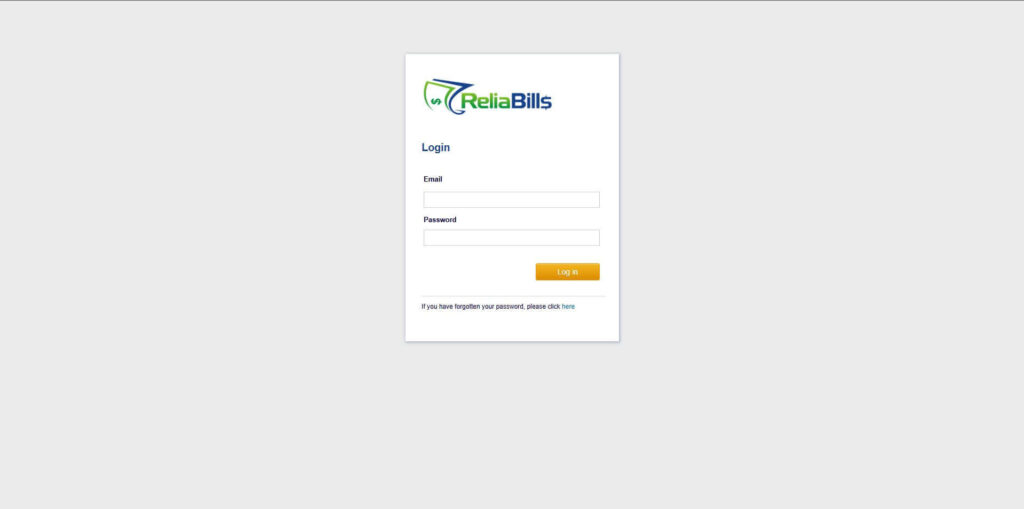
Step 1: Login to ReliaBills
- Access your ReliaBills Account using your login credentials. If you don’t have an account, sign up here.
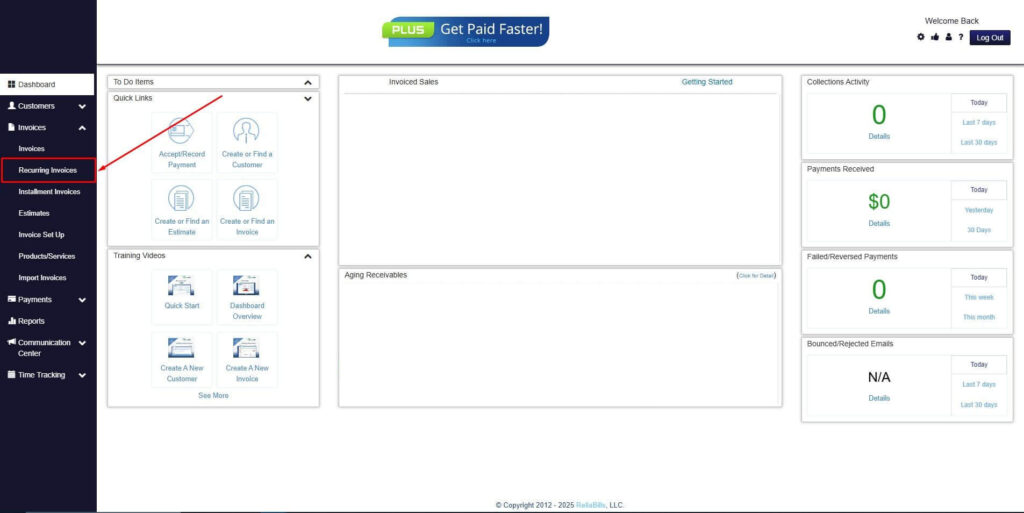
Step 2: Click on Recurring Invoices
- Navigate to the Invoices Dropdown and click on Recurring Invoices for an overview of the list of your existing customers.
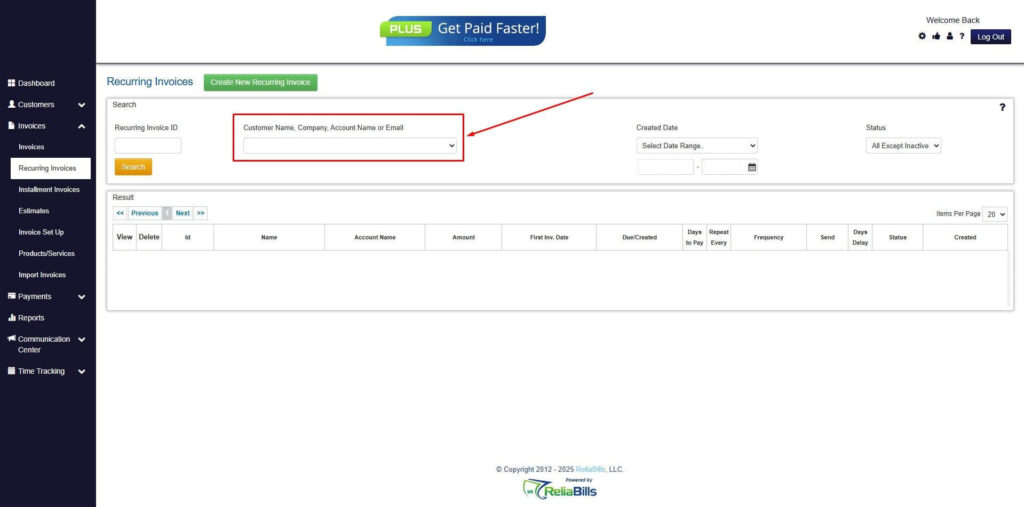
Step 3: Go to the Customers Tab
- If you have already created a customer, search for them in the Customers tab and make sure their status is “Active”.
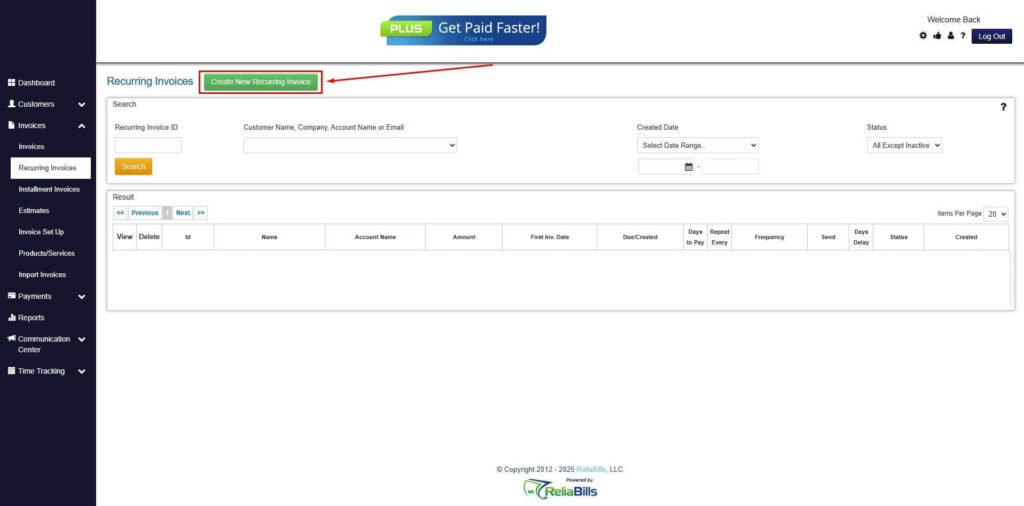
Step 4: Click the Create New Recurring Invoice
- If you haven’t created any customers yet, click the Create New Recurring Invoice to create a new customer.
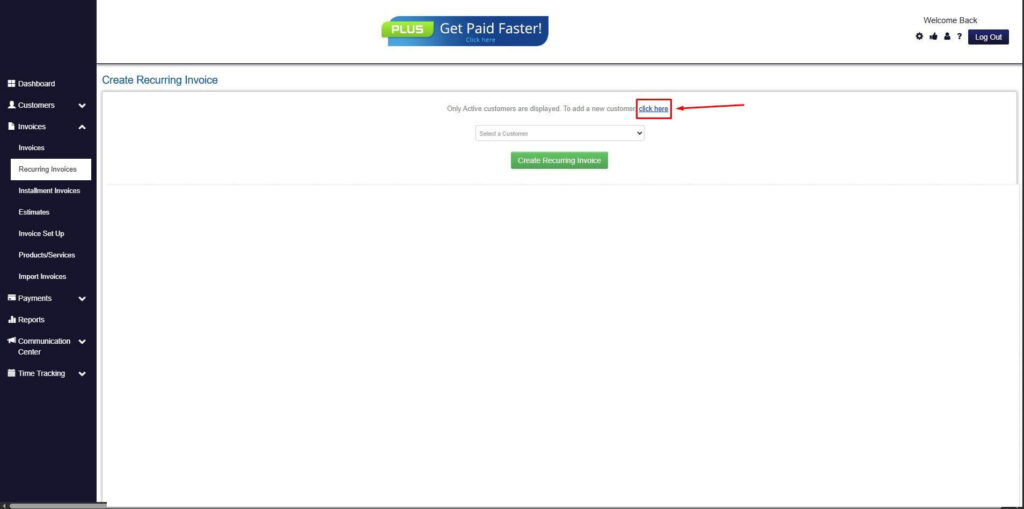
Step 5: Click on the “Click here” Button
- Click on the “Click here” button to proceed with the recurring invoice creation.
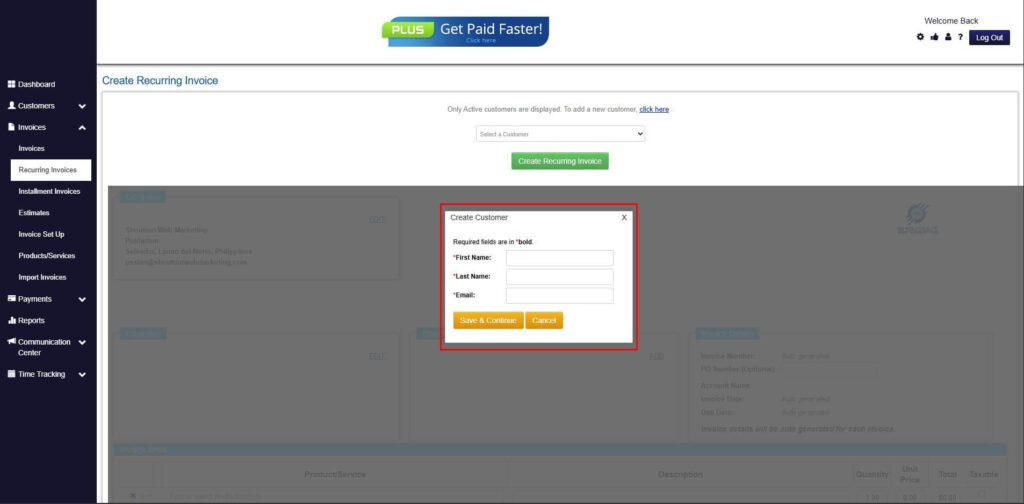
Step 6: Create Customer
- Provide your First Name, Last Name, and Email to proceed.
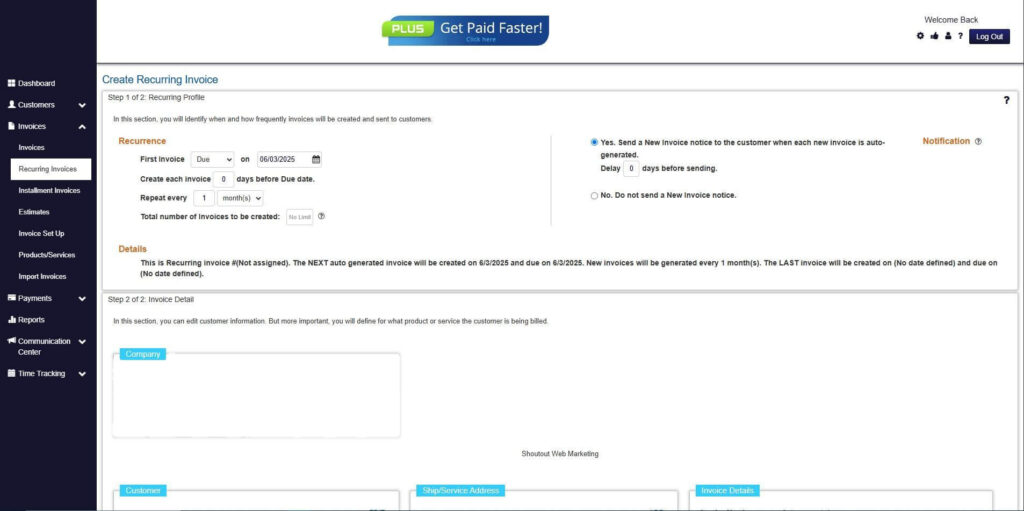
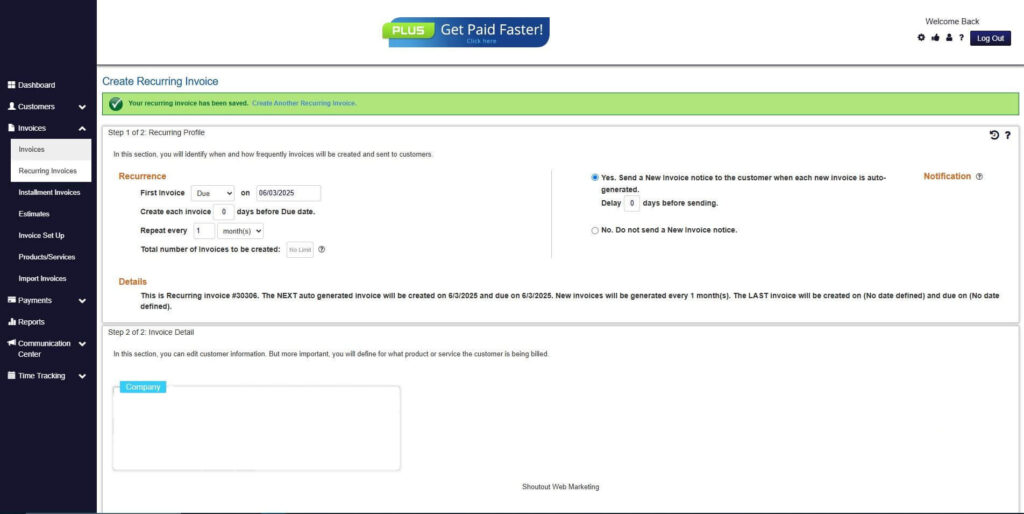
Step 7: Fill in the Create Recurring Invoice Form
- Fill in all the necessary fields.
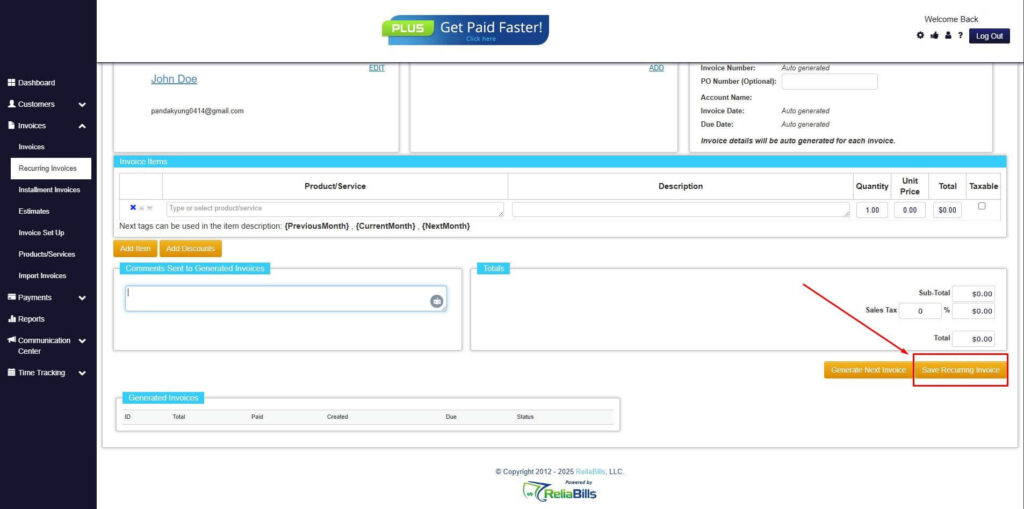
Step 8: Save Recurring Invoice
- After filling up the form, click “Save Recurring Invoice” to continue.
Step 9: Recurring Invoice Created
- Your Recurring Invoice has been created.
Frequently Asked Questions (FAQs)
1. What are the risks of manual recurring billing?
The risks include missed invoices, errors in billing, and inconsistent revenue cycles. These issues affect cash flow and financial accuracy. They also reduce operational efficiency and customer satisfaction.
2. How can automation reduce billing errors?
Automation eliminates manual data entry and standardizes billing processes. This reduces human mistakes in calculations and scheduling. It ensures consistent and accurate invoicing.
3. Is manual billing suitable for small businesses?
It may work in very early stages but quickly becomes inefficient. As customer volume grows, errors and workload increase significantly. Automation becomes necessary for scalability.
4. What features should a billing system have?
A good system should include automation, tracking, reminders, and reporting tools. These features improve accuracy and visibility. They also support financial management.
5. How difficult is it to switch to automated billing?
Transitioning requires setup, data migration, and staff training. While it may take time initially, long-term benefits outweigh the effort. It significantly improves efficiency and accuracy.
Conclusion
The risks of manual recurring billing include operational inefficiencies, financial inaccuracies, and scalability limitations that can hinder business growth. These risks directly impact cash flow stability, customer satisfaction, and revenue accuracy. As businesses expand, manual systems become increasingly difficult to manage effectively.
Automation provides a clear solution by improving consistency, reducing errors, and enhancing financial visibility. It ensures that billing cycles remain predictable and scalable. This supports better decision-making and long-term financial health.
Businesses that adopt automated billing systems position themselves for sustainable growth and operational efficiency. As competition increases, automation is no longer optional—it is a necessary step toward long-term success and financial stability.