

Modern gyms operate on a subscription-driven business model where predictable, recurring income is the foundation of long-term sustainability. Unlike one-time retail transactions, gym memberships rely on consistent monthly, quarterly, or annual payments to support operating costs such as rent, equipment maintenance, and staffing. Without reliable billing systems in place, even a well-attended gym can experience revenue instability.
Consistent billing is critical for maintaining steady cash flow. When membership fees are delayed or inconsistently processed, it becomes difficult for gym owners to forecast revenue or plan future investments. Administrative errors, missed charges, and payment disputes can quickly erode profit margins and member trust.
This is why many fitness businesses are turning to recurring invoices for gyms. Automated billing systems streamline membership fee collection, reduce missed payments, and create predictable revenue streams. By implementing recurring invoice systems, gyms can focus more on delivering great fitness experiences rather than chasing payments.
Understanding the Gym Membership Revenue Model
Gym revenue typically comes from multiple recurring sources. Monthly, quarterly, and annual memberships form the core income stream, while premium plans may offer additional amenities or exclusive access. These structured membership tiers require consistent and accurate billing cycles to maintain revenue stability.
Beyond base memberships, gyms often offer personal training packages, group class subscriptions, and specialty programs. These services are frequently bundled into recurring payment plans to make them more accessible to members. Add-ons such as locker rentals, towel services, or nutrition programs also contribute to recurring income.
The distinction between recurring and one-time payments is important. While sign-up fees or merchandise purchases may be one-time transactions, the financial health of a gym largely depends on automated recurring invoices for gyms. Proper management of these recurring charges ensures that all services are billed correctly and consistently.
What Are Recurring Invoices?
Recurring invoices are automated billing documents generated on a fixed schedule. Instead of manually creating invoices every billing cycle, the system automatically issues them according to predefined membership terms. This eliminates repetitive administrative work and ensures timely billing.
These invoices follow a fixed cycle, whether monthly, quarterly, or annually. The system generates the invoice, applies the correct membership rate, includes applicable add-ons, and calculates taxes or discounts. Once created, invoices are delivered digitally to members for immediate visibility.
Most recurring invoice systems integrate with secure payment gateways. This allows automatic payment processing, confirmation notifications, and digital receipt generation. For gyms, this integration simplifies fee collection and improves both operational efficiency and member satisfaction.
Challenges of Manual Membership Billing
Manual billing may seem manageable at first, but as membership numbers grow, inefficiencies become more visible. Many gyms that do not use recurring invoices for gyms experience avoidable revenue leakage and administrative strain. Below are the most common operational challenges.
• Missed Billing Cycles
When invoices are created manually, it is easy to forget renewal dates or delay invoice generation. Even a few missed billing cycles per month can significantly impact predictable cash flow. Over time, this creates revenue gaps and inconsistent income tracking.
• Manual Follow-Ups for Late Payments
Staff often spend hours calling, texting, or emailing members about overdue payments. This repetitive task pulls employees away from customer service and sales efforts. Without automation, collections become reactive instead of systematic.
• Data Entry Errors
Typing invoice amounts, membership tiers, or due dates manually increases the risk of mistakes. Incorrect billing can damage trust and lead to disputes. Small errors can also affect financial reports and reconciliation processes.
• Inconsistent Record Keeping
Manual systems often rely on spreadsheets or disconnected tools. This makes it difficult to track who has paid, who is overdue, and which memberships are active. Poor visibility increases the chance of revenue oversight.
• Limited Payment Flexibility
Without automated systems, gyms may struggle to offer multiple payment frequencies such as monthly, quarterly, or annual billing. Members today expect convenient, flexible payment options. Manual systems limit scalability and adaptability.
• Delayed Financial Reporting
When billing is not automated, management lacks real-time visibility into revenue performance. Reports often require manual compilation, which delays decision-making. This reduces the ability to forecast and plan effectively.
Setting Up Membership Billing Cycles
Automated systems allow gyms to configure recurring billing cycles that match their membership offerings. Monthly plans are the most common, but annual prepaid memberships can also be scheduled automatically. This ensures members are billed consistently without manual intervention.
Prorated charges are especially useful when members join mid-cycle. Instead of manually calculating partial-month fees, the system automatically adjusts the invoice amount based on the sign-up date. This maintains fairness while reducing administrative work.
Upgrade and downgrade handling is also streamlined through automation. If a member switches plans, the billing system adjusts the next invoice accordingly. Recurring invoices for gyms ensure accurate billing regardless of plan changes or service additions.
Automating Payment Collection
Automated billing systems securely store member payment methods, allowing for seamless auto-debit functionality. Once a recurring invoice is generated, payment can be processed automatically without requiring manual action from staff or members.
Scheduled charge processing ensures payments occur on the correct date each cycle. Members receive instant confirmation once the transaction is successful, providing transparency and reassurance. This immediate feedback reduces confusion and disputes.
By automating payment collection, gyms reduce administrative overhead and improve cash flow reliability. Recurring invoices for gyms paired with auto-debit features significantly decrease late payments and increase overall collection efficiency.
Reducing Missed Payments
Missed payments often occur due to expired cards or insufficient funds. Automated systems send reminders before due dates, helping members prepare for upcoming charges. This proactive communication reduces the likelihood of payment failure.
If a transaction fails, retry logic can automatically attempt to process the payment again after a specified period. Expired card notifications prompt members to update their payment details without staff intervention. These safeguards improve recovery rates.
Grace periods and suspension workflows can also be configured within the system. If payment remains unresolved, access can be temporarily restricted until the balance is cleared. Recurring invoices for gyms make it easier to enforce policies consistently and fairly.
Improving Cash Flow Predictability
Consistent monthly revenue is essential for gym operations. Automated recurring invoices provide predictable income, allowing owners to manage expenses such as payroll, utilities, and marketing campaigns with confidence.
Reduced accounts receivable aging improves liquidity. When payments are processed automatically and on time, fewer outstanding balances accumulate. This enhances financial stability and reduces the need for manual collections.
Improved financial forecasting becomes possible with accurate recurring revenue data. Management can analyze trends, anticipate seasonal fluctuations, and plan equipment upgrades or expansions more strategically.
Enhancing Member Experience
Transparent billing schedules help members understand exactly when and how much they will be charged. Clear communication builds trust and reduces misunderstandings about fees or billing dates.
Online access to invoices and digital receipts provides convenience. Members can log in to view their payment history, download receipts, or review membership details at any time. This accessibility improves satisfaction and reduces support inquiries.
By reducing billing disputes and ensuring consistency, recurring invoices for gyms contribute to a positive member experience. Members appreciate seamless transactions that allow them to focus on their fitness goals rather than administrative concerns.
Managing Add-On Services Through Recurring Billing
Personal training subscriptions can be scheduled as recurring add-ons to standard memberships. Instead of manually invoicing each session, the system includes the training package automatically in the billing cycle.
Specialty class packages, nutrition coaching, and premium wellness programs can also be integrated into recurring billing. Merchandise subscriptions, such as supplements or branded apparel, further expand recurring revenue opportunities.
Family and corporate memberships often involve multiple participants under one account. Automated billing ensures all services are bundled accurately into a single recurring invoice, simplifying payment management for both the gym and the client.
Reporting and Revenue Tracking
Automated systems provide real-time insights into recurring revenue growth. Gym owners can monitor active memberships, churn rates, and payment success rates through centralized dashboards.
Tracking overdue accounts becomes easier with automated reporting tools. Management can quickly identify trends in failed payments and address issues proactively. This data-driven approach improves financial oversight.
Performance dashboards allow leaders to evaluate revenue per member, add-on adoption rates, and long-term growth patterns. Recurring invoices for gyms not only simplify billing but also provide actionable business intelligence.
Scaling Gym Operations Efficiently
As gyms expand to multiple locations, centralized billing becomes essential. Automated systems allow operators to manage memberships across locations from a single platform, ensuring consistency.
Large membership databases can be managed without increasing administrative staff. Automation handles billing cycles, payment collection, and reporting at scale. This efficiency supports sustainable growth.
Reducing reliance on manual tasks allows gym staff to focus on member engagement and retention. Recurring invoices for gyms create a scalable financial infrastructure that supports long-term expansion.
How ReliaBills Supports Gym Recurring Billing
ReliaBills provides automated recurring invoice scheduling designed to support membership-based businesses. Gyms can configure flexible billing frequencies, apply add-ons automatically, and ensure every membership plan is billed accurately and on time.
ReliaBills emphasizes recurring billing functionality, allowing gyms to manage monthly memberships, annual plans, and service upgrades seamlessly. Automated reminders, retry logic for failed payments, and secure digital invoicing reduce missed payments and stabilize revenue.
With ReliaBills PLUS, gyms gain access to advanced reporting tools and real-time receivables tracking. Management can monitor recurring revenue trends, analyze churn, and forecast growth with confidence. By combining automation, reporting, and branded communication, ReliaBills helps gyms maintain revenue consistency while enhancing member experience.
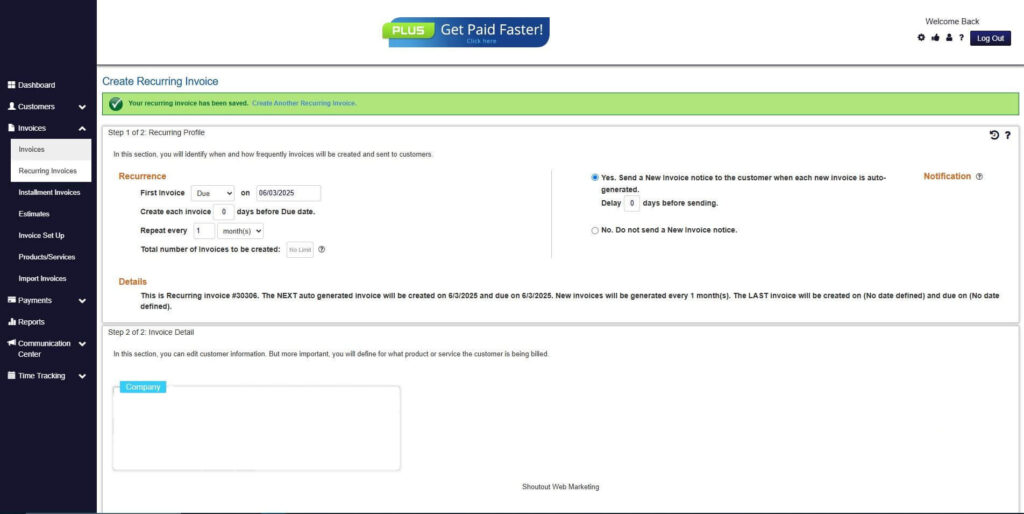
How to Create a New Recurring Invoice Using ReliaBills
Creating a New Recurring Invoice using ReliaBills involves the following steps:
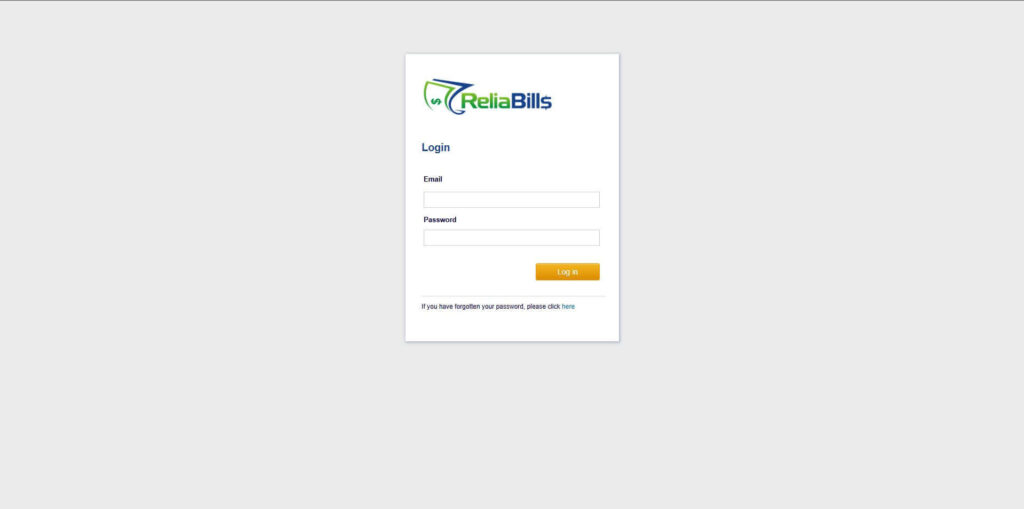
Step 1: Login to ReliaBills
- Access your ReliaBills Account using your login credentials. If you don’t have an account, sign up here.
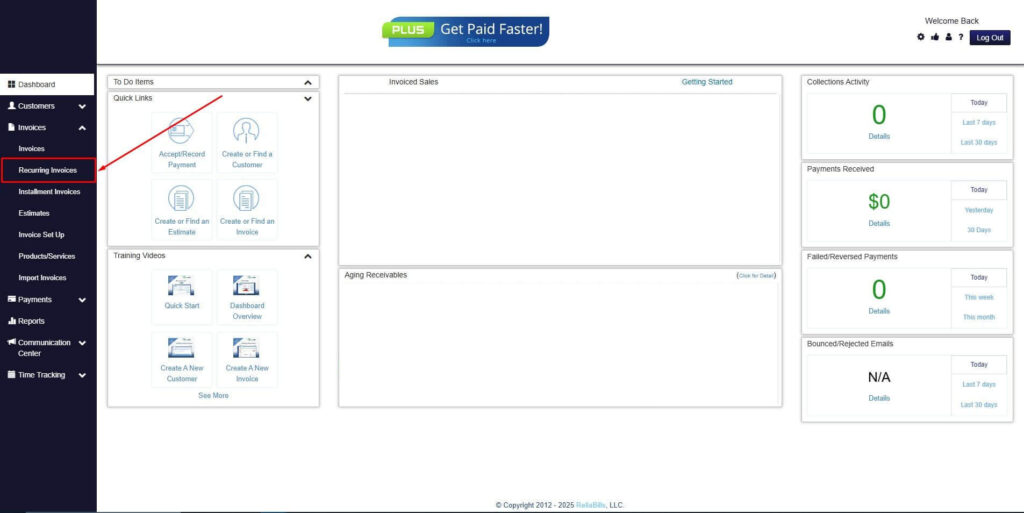
Step 2: Click on Recurring Invoices
- Navigate to the Invoices Dropdown and click on Recurring Invoices for an overview of the list of your existing customers.
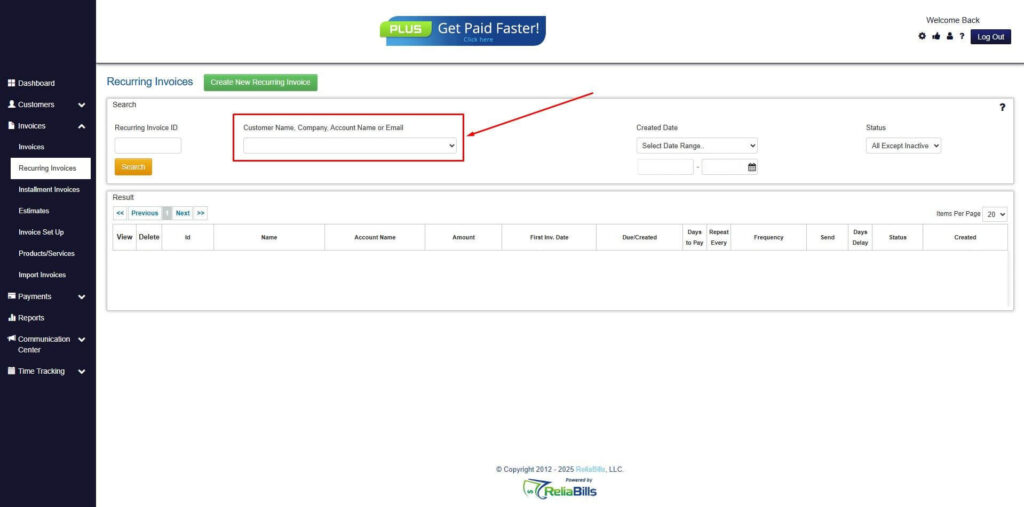
Step 3: Go to the Customers Tab
- If you have already created a customer, search for them in the Customers tab and make sure their status is “Active”.
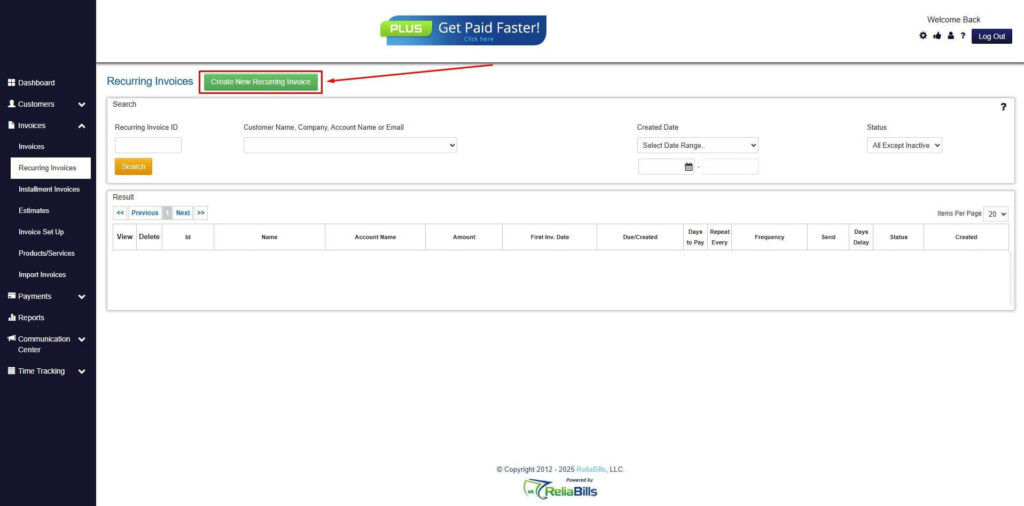
Step 4: Click the Create New Recurring Invoice
- If you haven’t created any customers yet, click the Create New Recurring Invoice to create a new customer.
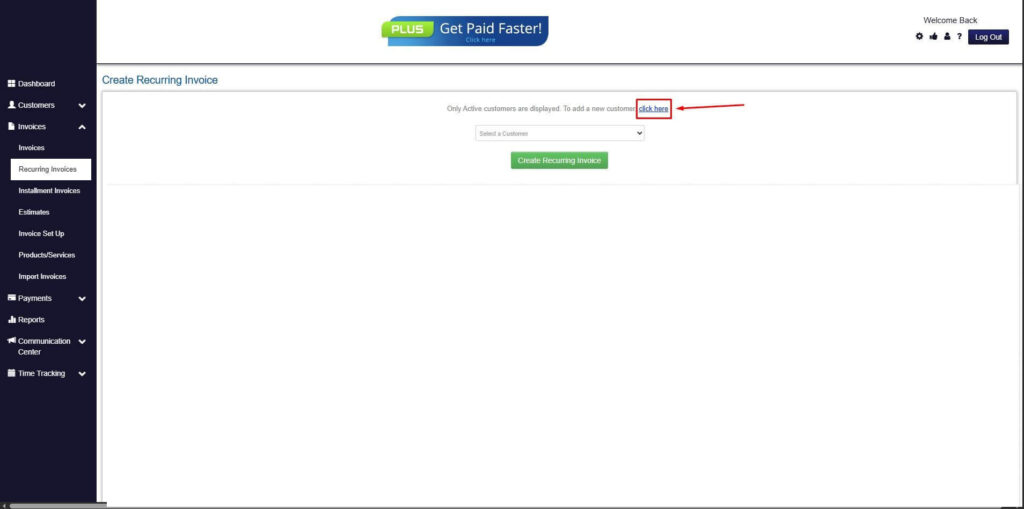
Step 5: Click on the “Click here” Button
- Click on the “Click here” button to proceed with the recurring invoice creation.
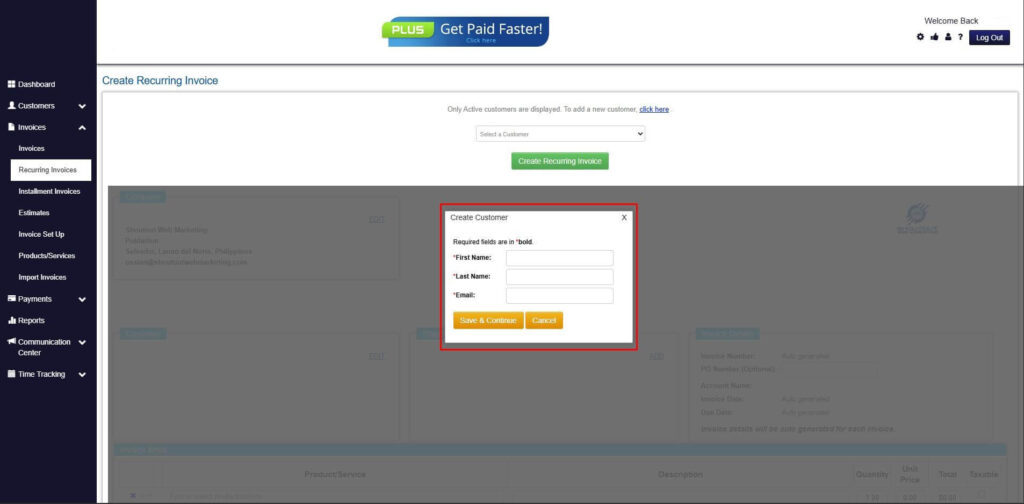
Step 6: Create Customer
- Provide your First Name, Last Name, and Email to proceed.
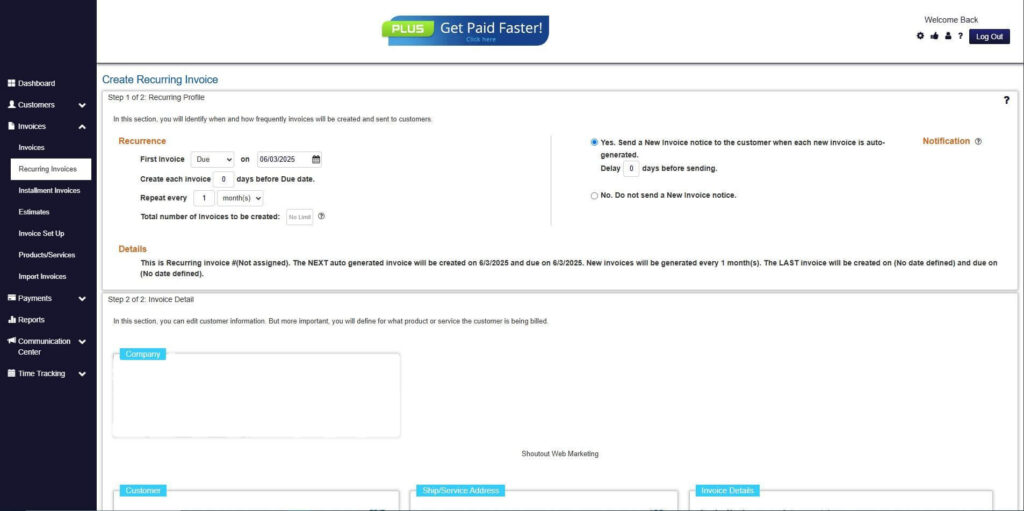
Step 7: Fill in the Create Recurring Invoice Form
- Fill in all the necessary fields.
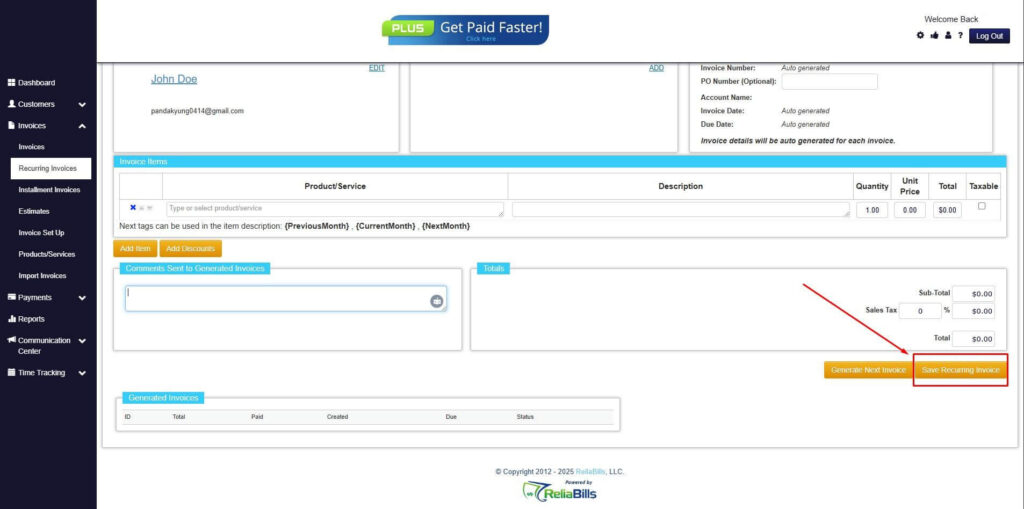
Step 8: Save Recurring Invoice
- After filling up the form, click “Save Recurring Invoice” to continue.
Step 9: Recurring Invoice Created
- Your Recurring Invoice has been created.
Frequently Asked Questions
1. Why are recurring invoices important for gyms?
Recurring invoices for gyms ensure memberships are billed automatically at fixed intervals. This prevents missed renewals and stabilizes monthly revenue. It also reduces administrative workload while improving payment consistency.
2. Can recurring invoices handle different membership types?
Yes. Modern billing systems allow gyms to set monthly, quarterly, annual, and prepaid plans. They also support add-ons like personal training packages and specialty classes under automated billing cycles.
3. What happens if a member’s payment fails?
Automated systems can send reminders, retry transactions, and notify members when cards expire. Some platforms also allow configurable grace periods before membership suspension. This reduces churn caused by simple payment issues.
4. How do recurring invoices improve cash flow?
By automating billing schedules, gyms collect payments on time and reduce outstanding receivables. This creates predictable income streams. Predictable revenue allows better budgeting and expansion planning.
5. Is automated billing secure for member payment information?
Yes, when using a compliant billing platform, payment data is securely stored and encrypted. Secure auto-debit functionality reduces manual handling of sensitive information. This enhances both operational efficiency and data protection.
Conclusion
Recurring invoices for gyms are essential for maintaining predictable revenue and operational efficiency. Automation reduces manual errors, accelerates payment collection, and enhances financial visibility.
By implementing a scalable recurring billing solution, gyms can improve member experience, reduce administrative overhead, and support long-term growth. Choosing the right automated system ensures that billing works seamlessly in the background while the business focuses on delivering value to members.