
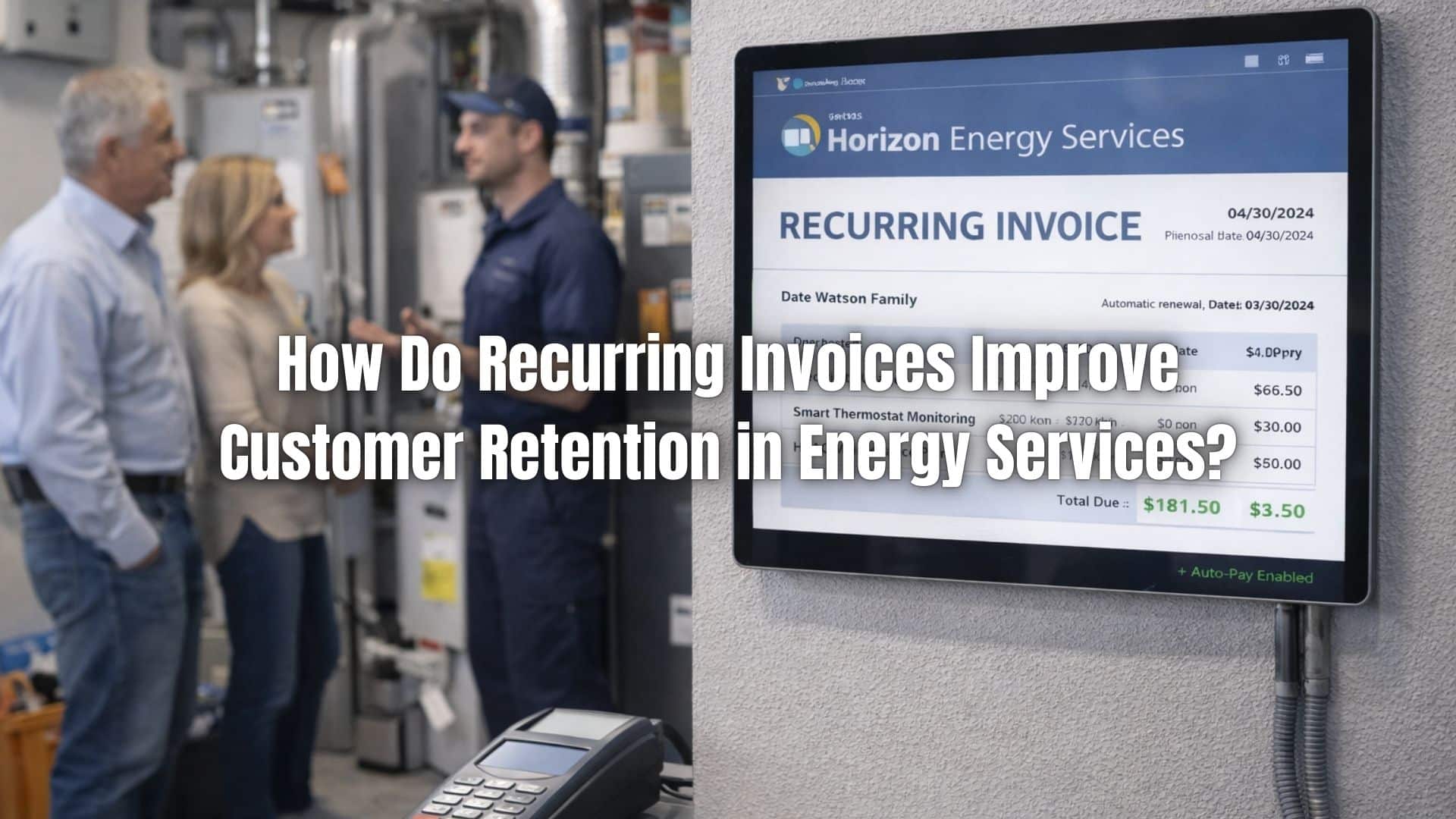
Energy service providers operate in a competitive and highly regulated environment where margins can be tight and customer expectations are high. Whether delivering electricity supply, renewable energy programs, or equipment monitoring services, providers must balance operational efficiency with customer satisfaction. In this setting, retention is not just a performance metric but a core driver of long-term profitability.
Acquiring new customers in the energy sector often involves significant marketing, onboarding, and administrative costs. In contrast, retaining existing customers increases lifetime value and stabilizes recurring revenue. This is where billing plays a surprisingly influential role.
Recurring invoices for energy services create a consistent, predictable billing experience. When customers understand their charges, receive invoices on time, and can pay easily, they are far more likely to maintain long-term contracts.
Understanding the Energy Services Business Model
Most energy providers operate under subscription-based or contract-driven models. Customers may enroll in fixed-rate supply agreements, variable-rate plans tied to market pricing, or hybrid structures. Each model requires precise and reliable billing processes.
Fixed-rate plans offer pricing stability, but they must be billed consistently to maintain trust. Variable-rate plans introduce additional complexity because usage and market conditions affect monthly totals. In both cases, billing errors can quickly erode confidence.
In addition to supply, many providers offer ongoing maintenance, equipment servicing, or energy efficiency monitoring. Recurring invoices for energy services ensure these agreements are billed automatically according to contract terms, eliminating missed cycles and manual oversight.
What Are Recurring Invoices?
Recurring invoices are automatically generated billing documents issued on a predefined schedule. Once configured, the system produces and delivers invoices monthly, quarterly, or annually without manual intervention. This automation ensures consistency and timeliness.
Unlike one-time invoices that must be created individually, recurring invoices rely on stored customer data, pricing rules, and contract details. This reduces administrative effort and minimizes the risk of human error. For providers managing hundreds or thousands of accounts, scalability becomes possible without expanding finance teams.
Recurring invoices for energy services are particularly valuable because they align directly with subscription-based and long-term contracts. They provide structure to what would otherwise be complex billing cycles.
Common Billing Challenges in Energy Services
Usage-Based Pricing Fluctuations
Energy consumption varies monthly due to seasonality, operational demand, and market conditions. When billing systems are not fully integrated with usage tracking or smart meter data, invoices may reflect inaccurate totals. These discrepancies often result in disputes, delayed payments, and increased customer service workload.
Complex Rate Structures
Energy providers frequently offer fixed-rate, variable-rate, tiered, or time-of-use pricing models. Managing multiple rate categories within a single billing cycle can create confusion if calculations are not automated. Without clear configuration, misapplied rates can damage customer trust and reduce retention.
Manual Invoice Adjustments
Finance teams may manually apply credits, rate changes, contract amendments, or promotional discounts. Each manual adjustment increases the likelihood of calculation errors or inconsistencies. Over time, repeated corrections can create operational inefficiencies and audit risks.
Delayed Billing Cycles
Invoices that are issued late due to manual processing or data reconciliation delays can disrupt cash flow. Customers rely on predictable billing schedules to manage their own budgets. When billing is inconsistent, payment cycles become unpredictable.
Customer Confusion Over Charges
Energy invoices often include supply costs, distribution fees, taxes, environmental surcharges, and service fees. If these line items are not clearly itemized, customers may question their accuracy. Lack of clarity frequently leads to billing disputes and higher churn rates.
Data Synchronization Issues
Billing platforms must align with meter readings, usage tracking systems, and contract management tools. When systems operate in silos, discrepancies arise between recorded usage and billed amounts. These inconsistencies require time-consuming reconciliation.
High Volume of Accounts
Energy providers often manage thousands of residential or commercial accounts simultaneously. Processing large invoice volumes manually increases the probability of errors. Scaling operations without automation can overwhelm finance teams.
Frequent Regulatory and Tax Changes
Energy markets are heavily regulated, and tax structures may vary by jurisdiction. Keeping billing systems updated with regulatory changes can be challenging. Failure to apply correct tax calculations exposes providers to compliance risks.
Recurring Contract Modifications
Multi-year energy contracts may include rate escalations, renewal terms, or usage-based adjustments. Tracking and applying these changes manually is complex and prone to oversight. Inconsistent application of contract terms can weaken customer relationships.
Payment Delays and Service Interruptions
Billing inaccuracies or unclear invoices often result in delayed payments. Prolonged delays may trigger service suspensions, which negatively impact customer satisfaction. Preventing these interruptions requires accurate and timely billing processes.
How Inconsistent Billing Impacts Customer Retention
Billing is one of the most frequent interactions customers have with their energy provider. When invoices are unclear or inconsistent, frustration builds quickly. Even if service delivery is reliable, billing dissatisfaction can drive customers away.
Disputes over unclear charges create friction and increase customer service workload. Each dispute consumes time and weakens trust. Customers who experience repeated issues may begin exploring competitors.
Service interruptions caused by payment confusion are especially damaging. Recurring invoices for energy services help prevent these scenarios by ensuring clarity, consistency, and predictable due dates.
Automating Recurring Energy Billing
Pre-configured billing schedules allow providers to automate invoice issuance based on contract terms. Whether billing on the first of the month or after meter readings are finalized, automation ensures accuracy and punctuality.
Integration with usage tracking systems is essential. When billing platforms connect directly to consumption data, invoices reflect real-time usage. This eliminates discrepancies between reported and billed amounts.
Digital invoice delivery speeds up communication. Recurring invoices for energy services delivered electronically reach customers instantly, allowing them to review and process payments without delay.
Improving Billing Transparency
Transparency strengthens customer confidence. Detailed usage breakdowns show exactly how charges are calculated. When customers can see consumption data and corresponding rates, confusion decreases.
Clear explanations of pricing structures, including fixed or variable components, make invoices easier to understand. Predictable billing cycles also help customers budget more effectively.
Online portals that provide invoice history and downloadable receipts enhance accessibility. Recurring invoices for energy services paired with digital access empower customers with full visibility into their accounts.
Enhancing Payment Convenience
Auto-pay enrollment is a powerful retention tool. Scheduled payment processing eliminates the need for manual action each billing cycle. Customers appreciate convenience, and providers benefit from consistent collections.
Automated reminders further reduce missed payments. Notifications before due dates help customers stay informed and avoid late fees. This reduces tension and improves overall satisfaction.
When recurring invoices for energy services integrate with secure online payment systems, the entire billing process becomes seamless. A smooth payment experience encourages long-term loyalty.
Stabilizing Cash Flow for Energy Providers
Predictable recurring revenue allows providers to plan with confidence. Automated billing cycles create steady inflows that align with operational costs. This reduces financial volatility.
Lower accounts receivable aging improves liquidity. With automated invoicing and reminders, payment cycles shorten and outstanding balances decrease. Stronger cash flow supports infrastructure investment and service improvements.
Improved forecasting also enables better strategic planning. Recurring invoices for energy services generate reliable data that helps leadership anticipate trends and allocate resources effectively.
Supporting Long-Term Service Contracts
Energy providers frequently operate under multi-year agreements. These contracts require consistent billing aligned with negotiated terms. Automated recurring invoices ensure compliance with those agreements.
Maintenance and monitoring subscriptions benefit from structured billing cycles. Customers expect predictable charges for ongoing services. Automation reinforces reliability and professionalism.
Rate escalation clauses and periodic adjustments can be programmed into billing systems. Recurring invoices for energy services adapt to contract changes without requiring manual recalculations.
Data and Analytics for Retention Strategy
Recurring billing systems generate valuable performance data. Tracking revenue trends reveals which customer segments are stable and which may be at risk. Data-driven decisions strengthen retention efforts.
Monitoring payment success rates and late payment patterns highlights early warning signs. Providers can intervene proactively with targeted communication or flexible payment options.
Customer lifetime value insights help prioritize high-value accounts. Recurring invoices for energy services not only automate billing but also provide strategic intelligence that supports long-term growth.
How ReliaBills Supports Energy Service Providers
ReliaBills enables energy providers to automate recurring billing setup for supply contracts, maintenance programs, and subscription-based services. Flexible billing frequency options allow providers to align invoices with contract terms and usage cycles. This ensures accuracy and consistency across accounts.
ReliaBills supports branded digital invoice communication, reinforcing transparency and professionalism. Automated reminders and recurring billing workflows reduce missed payments and improve on-time collections. These features directly contribute to improved customer satisfaction and lower churn rates.
With ReliaBills PLUS, providers gain access to advanced reporting and real-time receivables tracking. Energy companies can monitor recurring revenue trends, evaluate payment performance, and strengthen retention strategies from a centralized dashboard. By combining automation, recurring billing, and actionable analytics, ReliaBills helps providers build long-term customer loyalty.
How to Create a New Recurring Invoice Using ReliaBills
Creating a New Recurring Invoice using ReliaBills involves the following steps:
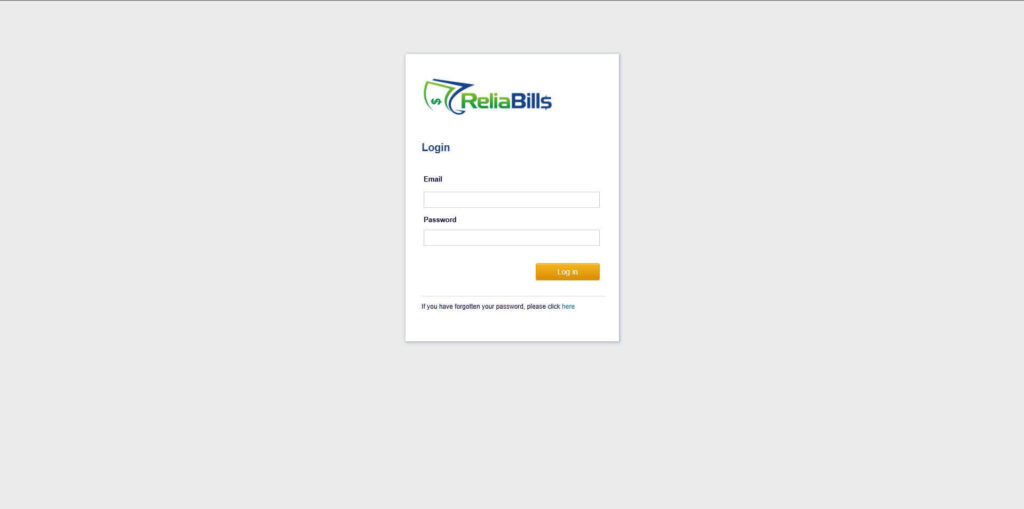
Step 1: Login to ReliaBills
- Access your ReliaBills Account using your login credentials. If you don’t have an account, sign up here.
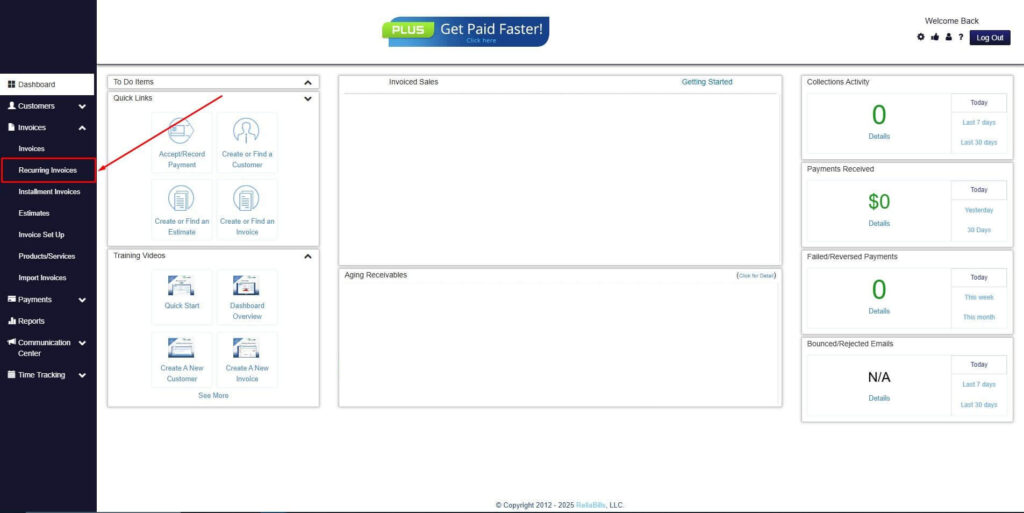
Step 2: Click on Recurring Invoices
- Navigate to the Invoices Dropdown and click on Recurring Invoices for an overview of the list of your existing customers.
Step 3: Go to the Customers Tab
- If you have already created a customer, search for them in the Customers tab and make sure their status is “Active”.
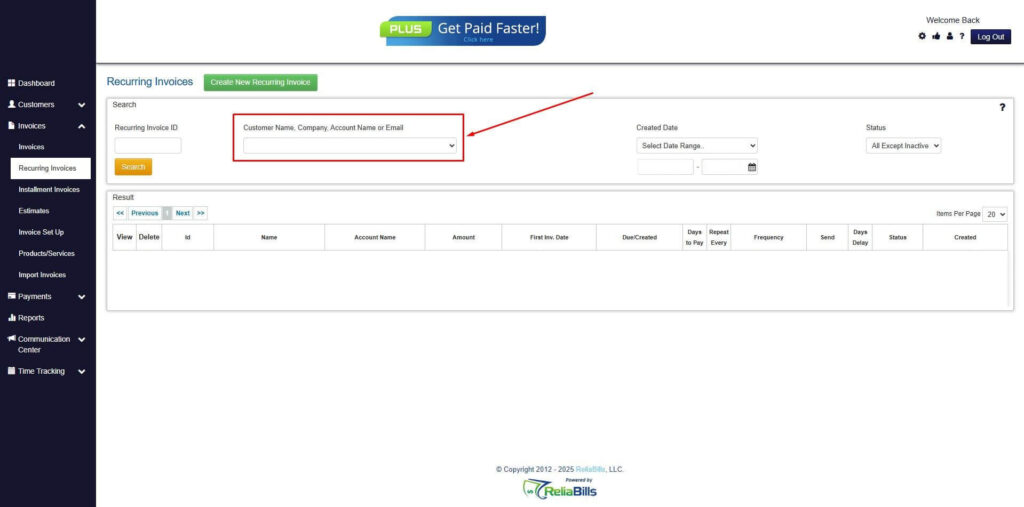
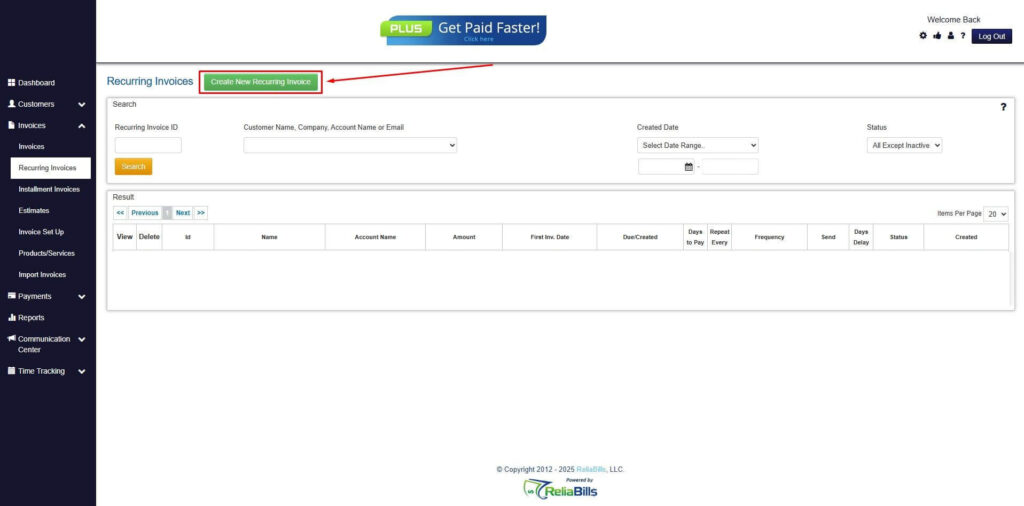
Step 4: Click the Create New Recurring Invoice
- If you haven’t created any customers yet, click the Create New Recurring Invoice to create a new customer.
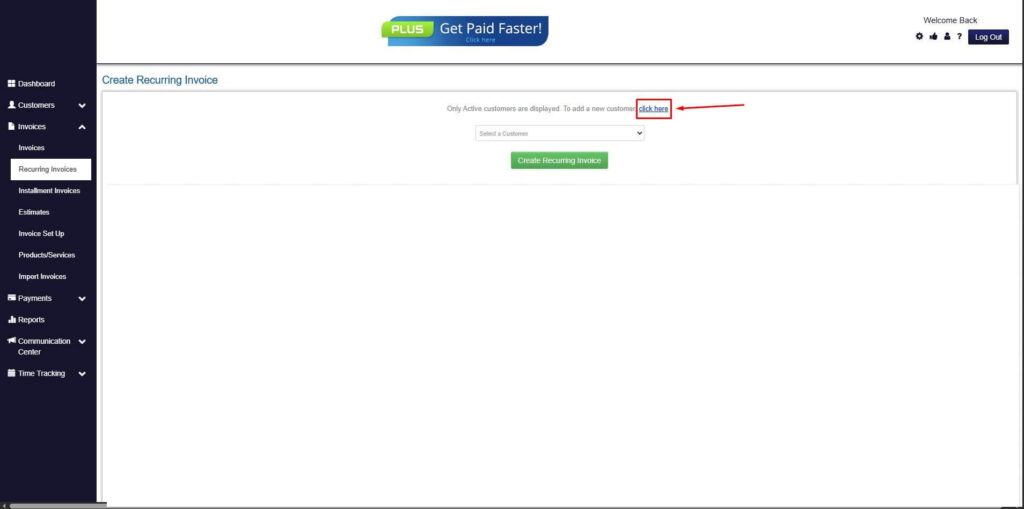
Step 5: Click on the “Click here” Button
- Click on the “Click here” button to proceed with the recurring invoice creation.
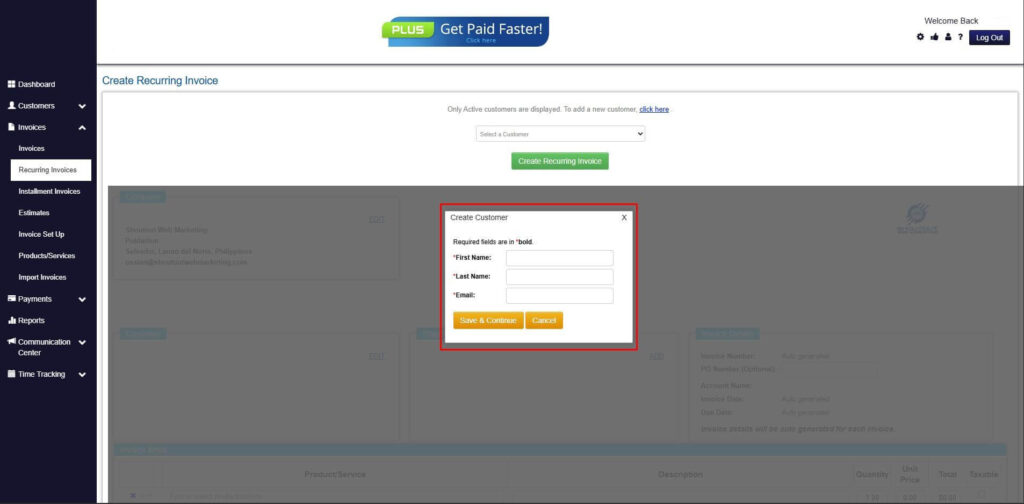
Step 6: Create Customer
- Provide your First Name, Last Name, and Email to proceed.
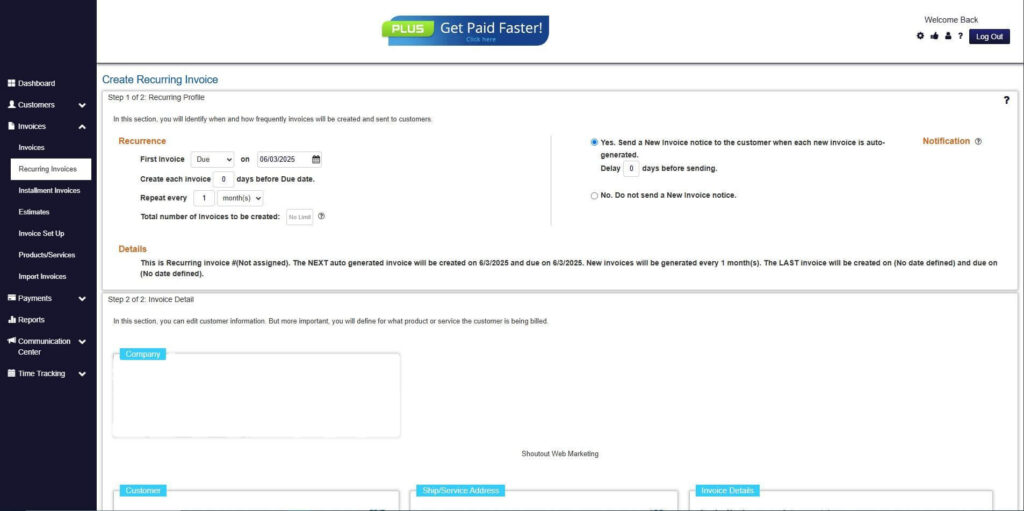
Step 7: Fill in the Create Recurring Invoice Form
- Fill in all the necessary fields.
Step 8: Save Recurring Invoice
- After filling up the form, click “Save Recurring Invoice” to continue.
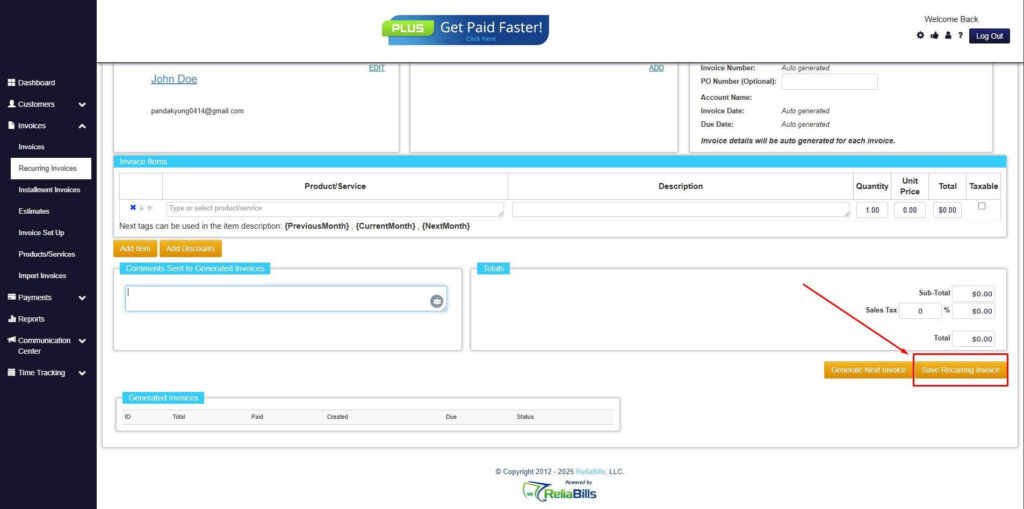
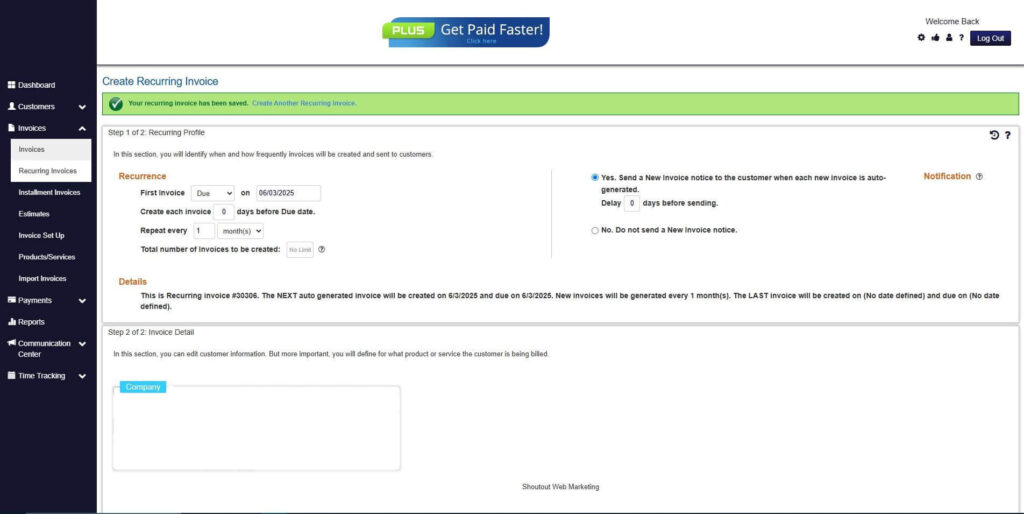
Step 9: Recurring Invoice Created
- Your Recurring Invoice has been created.
Frequently Asked Questions
1. Why are recurring invoices important for energy providers?
They create predictable billing cycles, reduce disputes, and strengthen trust through consistent communication.
2. Can recurring invoices handle variable energy usage?
Yes. When integrated with usage tracking systems, invoices reflect accurate consumption data and rate calculations.
3. How do recurring invoices reduce churn?
Transparent and predictable billing reduces frustration and prevents service interruptions, which improves retention.
4. Do recurring invoices improve cash flow?
Automated billing and payment reminders shorten collection cycles and reduce outstanding balances.
5. Are recurring invoices scalable for large energy providers?
Yes. Automated systems allow providers to manage thousands of accounts without increasing administrative workload.
Conclusion
Recurring invoices for energy services are more than a billing tool. They are a retention strategy. By delivering consistent, transparent, and convenient billing experiences, providers build trust and reduce churn.
Automation improves operational efficiency and stabilizes cash flow. Predictable revenue and reduced disputes strengthen both financial performance and customer relationships.
Energy providers seeking sustainable growth should prioritize scalable recurring billing systems that integrate with usage data and support advanced reporting. A well-designed billing experience becomes a competitive advantage in today’s energy market.