

Many businesses rely on invoice discounting as a practical way to access working capital without waiting for customers to settle invoices. Instead of waiting 30, 60, or even 90 days for payment, companies can unlock a portion of the invoice value immediately and keep operations running smoothly. For industries that depend on steady cash flow such as transportation, manufacturing, consulting, and service providers, invoice discounting can be a valuable financial tool.
However, the model works best when customers pay invoices within the agreed payment terms. When recurring clients delay payments, the financial structure behind invoice discounting becomes more complicated. Businesses may face additional fees, tighter monitoring from financing providers, or unexpected cash flow pressure.
Understanding how invoice discounting delayed payments affect operations is important for businesses that depend on this financing strategy. By improving billing processes, strengthening communication with clients, and using automated invoicing tools, companies can reduce payment delays and maintain a healthier financial position.
What Is Invoice Discounting and How Does It Work?
Invoice discounting is a financing method that allows businesses to access funds tied up in unpaid invoices. Instead of waiting for customers to pay, companies can use those invoices as collateral to receive a percentage of the invoice value in advance from a financing provider.
Typically, the lender advances between 70 and 90 percent of the invoice amount shortly after the invoice is issued. Once the customer pays the invoice in full, the remaining balance is released to the business after deducting fees or financing charges. This structure helps companies bridge the gap between delivering services and receiving payment.
Invoice discounting is especially useful for businesses that generate frequent invoices and maintain ongoing client relationships. The model works best when payments are predictable and consistent. When invoice discounting delayed payments occur, however, it can disrupt the expected cash flow cycle and introduce additional financial risk.
Why Do Recurring Clients Sometimes Delay Payments?
Recurring clients often represent stable revenue streams, but even reliable customers occasionally miss payment deadlines. One common reason is cash flow pressure on the client’s side. If a client experiences temporary financial challenges, they may delay payments while prioritizing other expenses.
Payment delays can also occur because of disputes about services, contract terms, or pricing. Even small misunderstandings about invoice details can slow down approval processes and postpone payments. These disputes can become more frequent if billing documentation is unclear or inconsistent.
In larger organizations, internal approval processes often create delays. Invoices may need to pass through several departments before being approved and released for payment. Administrative issues such as misplaced invoices, incorrect billing information, or overlooked emails can also contribute to delayed payments in recurring billing relationships.
What Happens When an Invoice Becomes Overdue in an Invoice Discounting Arrangement?
When an invoice becomes overdue in an invoice discounting agreement, the financing provider may begin to impose additional fees or penalties. These charges compensate the lender for the increased risk associated with delayed repayment. Over time, these fees can significantly increase the cost of financing.
In some cases, lenders may extend the repayment timeline but increase monitoring of the business’s accounts receivable. Financing providers closely track overdue invoices because their funding is tied directly to customer payments.
If the delay continues beyond a specific threshold, the lender may require the business to repay the advance directly. This situation can place sudden pressure on cash reserves, especially if the company was relying on the expected client payment to cover the advance.
How Do Delayed Payments Affect Business Cash Flow?
Invoice discounting delayed payments can disrupt carefully planned cash flow cycles. Businesses that rely on predictable invoice payments may suddenly find themselves with gaps in working capital when customers pay late.
Operational expenses such as payroll, supplier payments, and logistics costs still need to be covered even if revenue is delayed. This can force companies to rely on emergency funding sources or short term credit lines to meet immediate obligations.
Delayed payments also reduce the amount of liquidity available for strategic investments. Businesses may postpone hiring, technology upgrades, or expansion initiatives because their available capital becomes tied up in unpaid invoices.
What Risks Do Businesses Face When Clients Delay Payments?
Businesses that rely on invoice discounting or recurring billing may face several operational and financial risks when clients fail to pay on time. Some of the most common risks include:
Higher Financing Costs
When payments are delayed, financing providers may charge additional interest, penalty fees, or extended service charges. These extra costs can quickly reduce profit margins and make invoice discounting more expensive than originally expected.
Strain on Relationships With Financing Providers
Invoice discounting relies heavily on consistent payment patterns. Frequent delayed payments may cause lenders to increase monitoring, tighten credit limits, or adjust funding terms. In some cases, businesses may receive smaller advances or stricter contract requirements.
Risk of Bad Debt
If a client continues to delay payment for an extended period, the invoice could eventually become uncollectible. When this happens, the business may still be responsible for repaying the financing provider for the advance received against that invoice.
Cash Flow Disruptions
Delayed payments interfere with predictable cash flow planning. Businesses may struggle to cover operational expenses such as payroll, supplier payments, or transportation costs while waiting for overdue invoices to be settled.
Increased Administrative Workload
Late payments often require additional follow-ups, documentation reviews, and communication with clients. Staff may need to spend significant time chasing payments instead of focusing on strategic business activities.
Operational Planning Challenges
When incoming payments are uncertain, it becomes difficult for businesses to forecast revenue accurately. This can slow down hiring decisions, equipment purchases, or expansion initiatives that depend on reliable working capital.
Why Are Recurring Clients Important in Invoice Discounting?
Recurring clients play a key role in making invoice discounting sustainable. Businesses that issue regular invoices to established customers typically create predictable revenue streams that lenders prefer when evaluating financing eligibility.
Stable client relationships also help maintain consistent billing cycles. When businesses can demonstrate a reliable history of invoice payments from recurring clients, financing providers are more confident in approving advances and maintaining favorable funding terms.
Reliable recurring clients also reduce overall risk exposure. A strong payment history shows lenders that the business has dependable revenue sources, which can result in better financing conditions and higher advance percentages.
What Strategies Can Businesses Use to Manage Late Payments?
Managing late payments requires a combination of clear communication, structured billing processes, and proactive financial management. Businesses can reduce payment delays by implementing the following strategies:
Establish Clear Payment Terms From the Start
Clearly defined payment terms help prevent confusion and disputes. Businesses should specify due dates, payment methods, late fees, and billing cycles within contracts or service agreements to ensure clients understand their responsibilities.
Send Invoices Promptly and Consistently
Delays in issuing invoices can shorten the time clients have to process payments. Sending invoices immediately after services are delivered or at the start of a billing cycle gives clients adequate time to review and approve payments.
Use Scheduled Payment Reminders
Automated reminders sent before and after due dates can significantly reduce overdue invoices. These reminders keep the invoice visible to clients and encourage them to process payments before the deadline.
Maintain Consistent Communication With Clients
Open communication can help resolve payment issues quickly. If a client is experiencing financial difficulties or administrative delays, early conversations can lead to alternative payment arrangements that protect the business relationship.
Implement Structured Follow-Up Procedures
Businesses should create a clear process for managing overdue accounts. This may include reminder emails, follow-up calls, escalation procedures, and formal notices if payments remain unpaid.
Offer Convenient Payment Options
Providing multiple payment methods such as online portals, bank transfers, or credit card payments makes it easier for clients to settle invoices quickly.
How Can Recurring Invoices Improve Payment Consistency?
Recurring invoices create predictable billing schedules that both businesses and clients can rely on. When customers know exactly when invoices will arrive and when payments are expected, it becomes easier for them to plan their budgets accordingly.
Automated billing schedules also reduce delays caused by late invoice issuance. When invoices are sent immediately at the beginning of each billing cycle, clients have more time to review and process payments before the due date.
Standardized invoicing also improves transparency. Consistent formats and clear documentation reduce misunderstandings and disputes, which helps maintain smooth payment cycles and minimizes invoice discounting delayed payments.
What Role Does Invoice Automation Play in Reducing Payment Delays?
Invoice automation has become one of the most effective tools for reducing late payments and improving accounts receivable management. By automating repetitive billing tasks, businesses can improve efficiency and ensure invoices are handled promptly.
Instant Digital Invoice Delivery
Automated invoicing systems allow businesses to generate and send invoices immediately. Digital delivery ensures invoices reach clients quickly, eliminating delays associated with manual processing or paper billing.
Automated Payment Reminders
Invoice automation platforms can schedule reminders before due dates and notify clients when invoices become overdue. This consistent communication encourages timely payments without requiring manual follow-ups.
Integrated Online Payment Options
Many automation platforms include built-in payment gateways. Clients can pay invoices directly through the invoice link, reducing friction and speeding up the payment process.
Real-Time Accounts Receivable Tracking
Automated systems provide dashboards that display the status of all invoices, including paid, pending, and overdue accounts. This visibility allows finance teams to identify potential payment issues early and take proactive action.
Reduced Administrative Errors
Automation reduces the risk of mistakes caused by manual data entry, such as incorrect invoice amounts or missing billing information. Accurate invoices reduce disputes and improve payment reliability.
Improved Financial Forecasting
With automated reporting and payment tracking, businesses gain better insight into payment trends and customer behavior. This data helps companies predict cash flow more accurately and manage working capital effectively.
How Can Businesses Monitor Payment Performance Effectively?
Tracking payment performance is essential for identifying patterns that lead to delayed payments. Aging reports provide a clear view of outstanding invoices and categorize them based on how long they have been overdue.
Analyzing payment history for recurring clients also helps businesses identify potential risks. Clients who consistently pay late may require adjusted payment terms or closer monitoring.
Financial dashboards that track metrics such as Days Sales Outstanding (DSO) give businesses better visibility into accounts receivable performance. With real time data, finance teams can take proactive steps before delayed payments escalate into major cash flow problems.
Can Strong Billing Processes Reduce Risks in Invoice Discounting?
Strong billing practices significantly reduce the likelihood of payment disputes and delays. Accurate invoice documentation ensures that clients clearly understand what they are being billed for, minimizing confusion and preventing unnecessary payment holds.
Consistent billing schedules also help maintain financial discipline. When invoices are issued regularly and on time, businesses create stable billing cycles that support reliable payment patterns.
Reliable invoicing practices also strengthen credibility with financing providers. Lenders prefer businesses that demonstrate organized billing systems and consistent accounts receivable management, as this lowers the overall risk of invoice discounting delayed payments.
How ReliaBills Supports Businesses Managing Recurring Client Payments
ReliaBills helps businesses manage recurring client payments with automated billing tools designed to reduce payment delays. The platform allows companies to schedule recurring invoices, ensuring that billing cycles remain consistent and predictable.
Recurring billing automation ensures invoices are generated and delivered on time every billing period. This reduces administrative effort while helping clients receive invoices promptly, which supports faster approvals and payments.
ReliaBills also provides real time receivables tracking and automated payment reminders. Businesses can monitor invoice status, identify overdue accounts, and take action quickly. By simplifying billing and improving payment visibility, ReliaBills helps businesses reduce invoice discounting delayed payments and maintain stable cash flow.
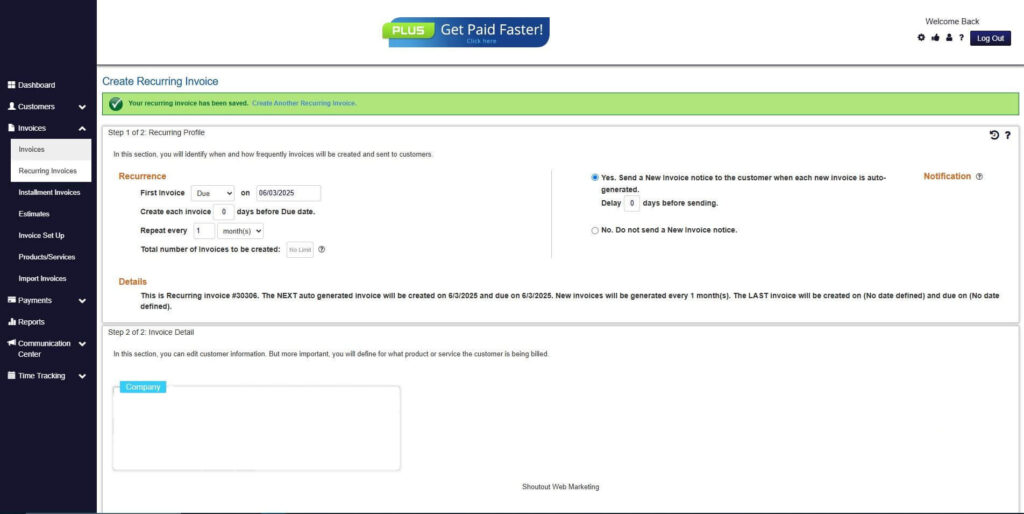
How to Create a New Recurring Invoice Using ReliaBills
Creating a New Recurring Invoice using ReliaBills involves the following steps:
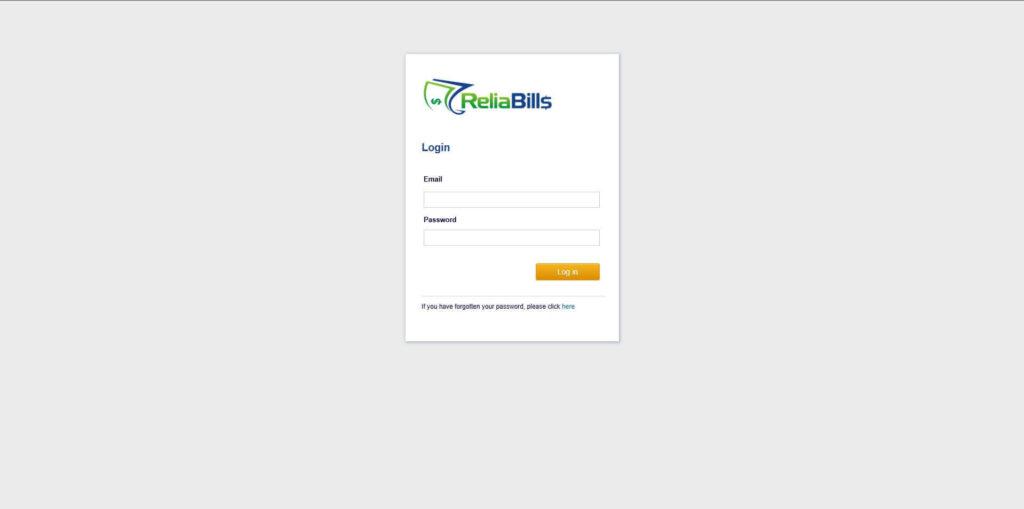
Step 1: Login to ReliaBills
- Access your ReliaBills Account using your login credentials. If you don’t have an account, sign up here.
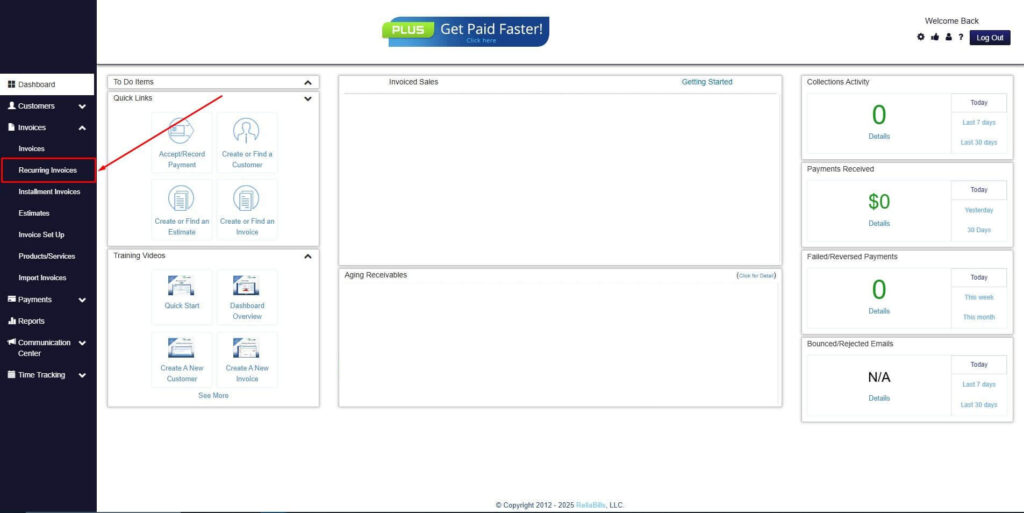
Step 2: Click on Recurring Invoices
- Navigate to the Invoices Dropdown and click on Recurring Invoices for an overview of the list of your existing customers.
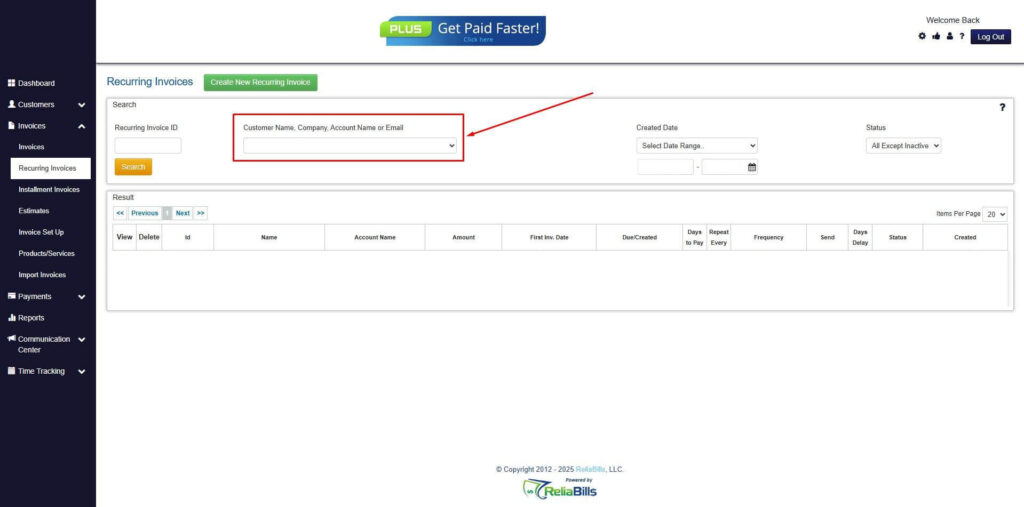
Step 3: Go to the Customers Tab
- If you have already created a customer, search for them in the Customers tab and make sure their status is “Active”.
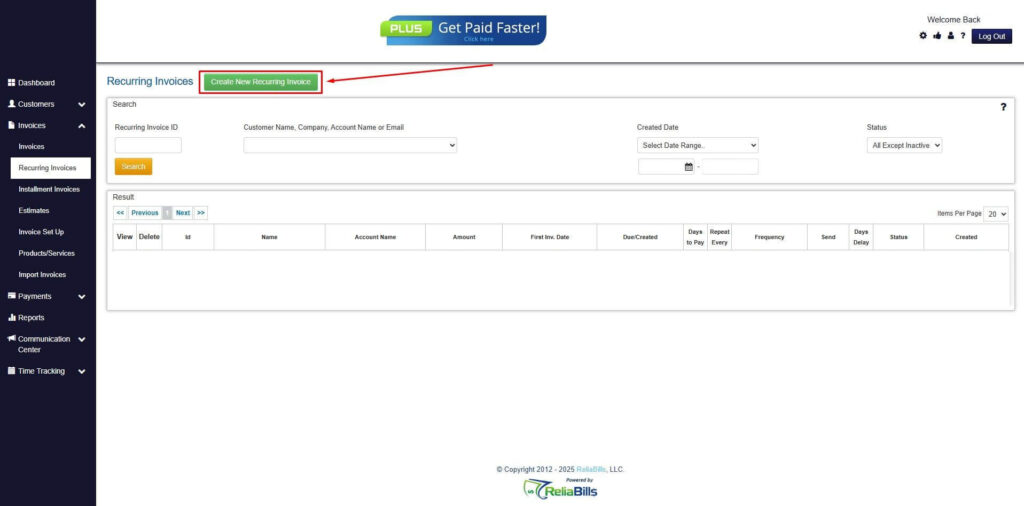
Step 4: Click the Create New Recurring Invoice
- If you haven’t created any customers yet, click the Create New Recurring Invoice to create a new customer.
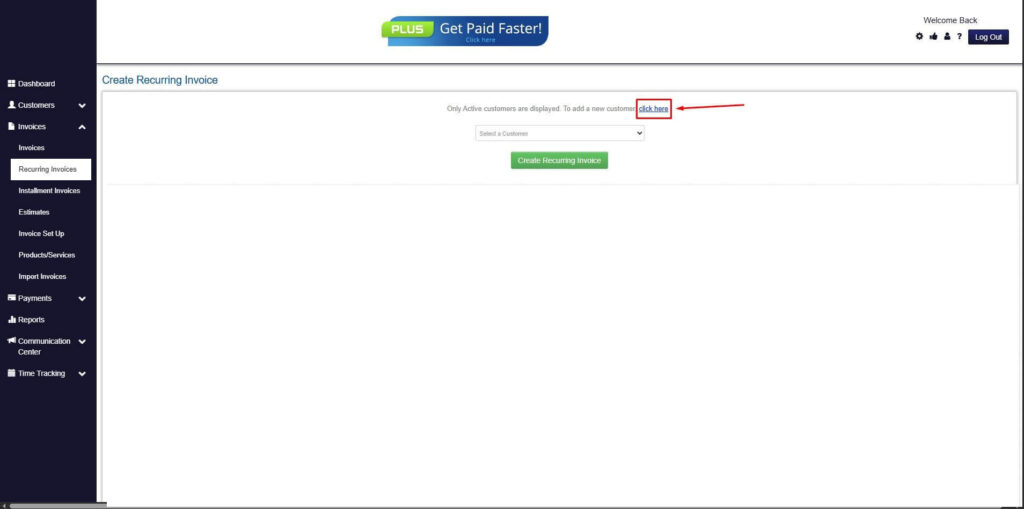
Step 5: Click on the “Click here” Button
- Click on the “Click here” button to proceed with the recurring invoice creation.
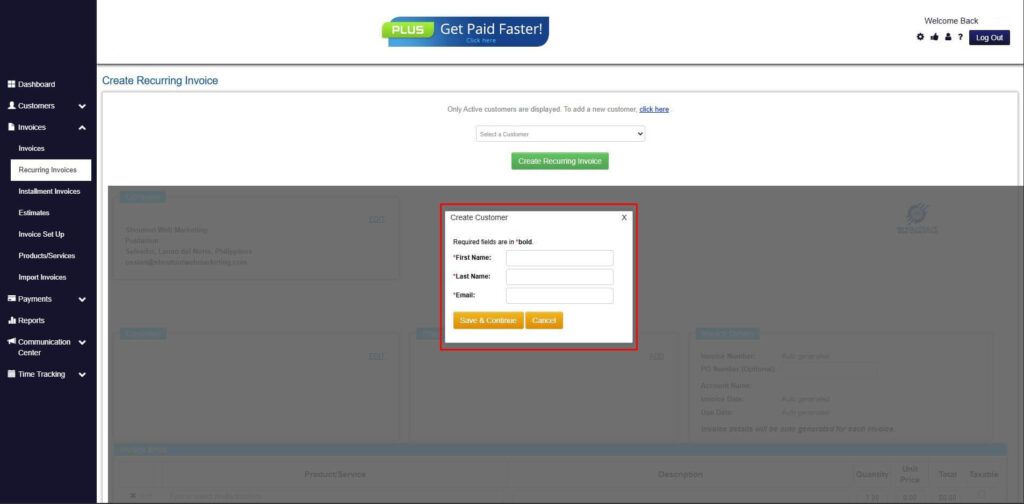
Step 6: Create Customer
- Provide your First Name, Last Name, and Email to proceed.
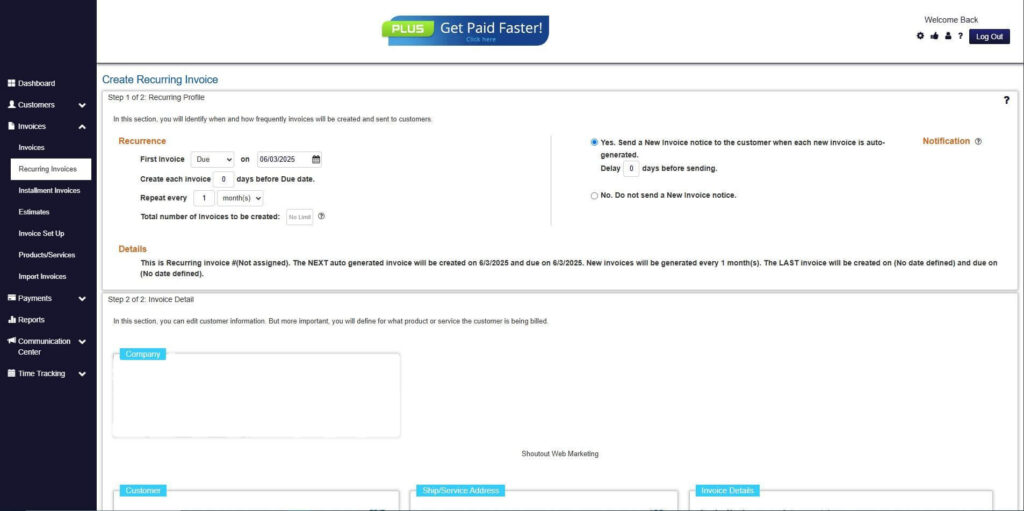
Step 7: Fill in the Create Recurring Invoice Form
- Fill in all the necessary fields.
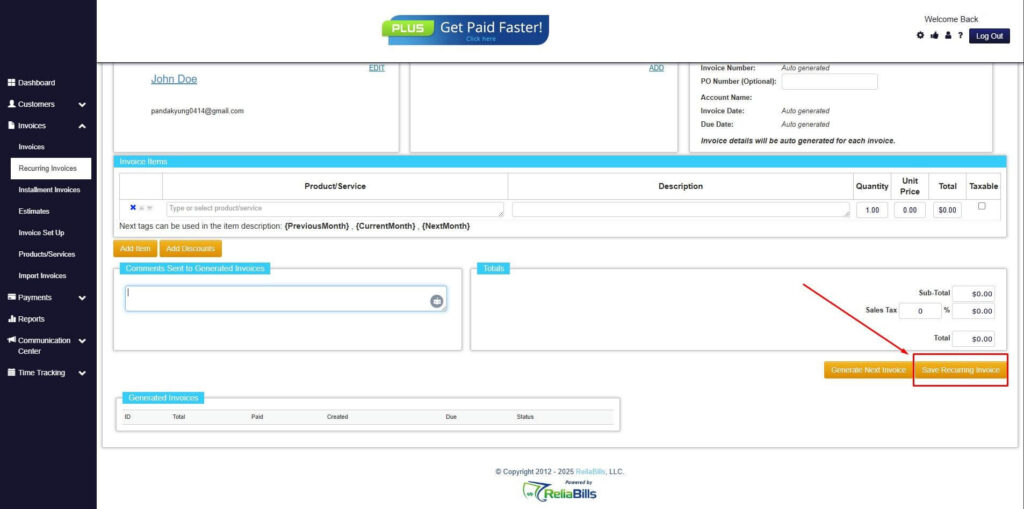
Step 8: Save Recurring Invoice
- After filling up the form, click “Save Recurring Invoice” to continue.
Step 9: Recurring Invoice Created
- Your Recurring Invoice has been created.
Frequently Asked Questions
1. What are invoice discounting delayed payments?
Invoice discounting delayed payments occur when customers fail to pay invoices within the agreed payment terms while those invoices are being used as collateral for financing.
2. Can delayed payments increase invoice discounting costs?
Yes. Financing providers may charge additional interest, fees, or penalties when payments are delayed, which increases the total cost of financing.
3. How can businesses reduce delayed payments?
Businesses can reduce payment delays by implementing automated invoicing, sending payment reminders, and establishing clear payment terms with clients.
4. Do recurring clients usually reduce invoice financing risk?
Yes. Clients with consistent payment histories typically reduce risk and make it easier for businesses to qualify for favorable invoice discounting terms.
Conclusion
Invoice discounting delayed payments can create serious challenges for businesses that depend on predictable cash flow. When recurring clients miss payment deadlines, companies may face additional financing costs, operational disruptions, and tighter oversight from lenders.
Strong invoicing practices play a key role in reducing these risks. Clear billing policies, consistent invoicing schedules, and proactive payment monitoring help maintain reliable payment cycles and protect financial stability.
By using automated billing solutions like ReliaBills, businesses can streamline invoicing, improve payment visibility, and maintain consistent billing cycles. These tools help reduce payment delays, strengthen client relationships, and protect the long term benefits of invoice discounting.