
Medical offices are facing a growing administrative burden as patient volumes increase and billing requirements become more complex. Staff members often spend hours managing paperwork, processing invoices, and following up on payments instead of focusing on patient care. These administrative demands can slow operations and contribute to staff burnout.
Paper-based billing and manual invoicing systems are a major contributor to inefficiency in medical practices. Printing invoices, entering data by hand, and tracking payments manually create delays and increase the risk of errors. Over time, these inefficiencies affect cash flow, compliance, and patient satisfaction.
Digital invoicing for medical offices offers a practical solution by automating many of these time-consuming tasks. By replacing paper workflows with digital processes, medical offices can reduce administrative workload, improve billing accuracy, and free staff to focus on higher-value responsibilities.
What Are Digital Invoices in Healthcare?
Digital invoices in healthcare are electronic billing documents used to charge patients or insurers for medical services. They include patient details, service descriptions, costs, and payment terms, all generated and delivered through a digital system. Unlike paper invoices, digital invoices are created, sent, and stored electronically.
Compared to traditional paper billing, digital invoices are faster, more accurate, and easier to manage. Paper invoices require printing, mailing, and manual filing, while digital invoices can be delivered instantly and accessed anytime. This shift significantly reduces administrative handling and physical storage needs.
Common healthcare use cases for digital invoices include outpatient services, recurring treatments, consultation fees, and patient payment plans. Digital invoicing systems can also support hybrid billing models where both insurance and patient payments are involved, improving coordination and clarity.
Administrative Challenges in Medical Office Billing
Manual Data Entry and Repetitive Tasks
Medical staff often re-enter patient and service information across multiple systems. This repetition increases the risk of errors and consumes time that could be spent on patient-facing or higher-value administrative work.
Delayed Invoice Creation and Delivery
When invoices are created manually, billing often happens days or weeks after services are rendered. These delays slow payment cycles and increase the need for follow-up, placing additional pressure on administrative teams.
Payment Tracking and Reconciliation Issues
Without centralized digital systems, tracking which invoices are paid, partially paid, or overdue becomes difficult. Staff may rely on spreadsheets or paper logs, leading to inconsistencies and missed payments.
High Volume of Billing-Related Patient Inquiries
Unclear or incomplete invoices result in frequent patient questions. Administrative staff spend significant time responding to calls and emails instead of focusing on operational improvements.
Limited Visibility for Reporting and Compliance
Paper-based or disconnected billing systems make it hard to access accurate billing data quickly. This lack of visibility complicates audits, financial reviews, and compliance preparation.
How Digital Invoices Automate Billing Tasks
Digital invoicing systems automate invoice generation based on predefined rules and service data. Once a service is recorded, invoices can be created automatically without manual intervention. This reduces the need for repetitive data entry and speeds up the billing process.
Patient and service information is pre-filled directly from existing records, minimizing errors and inconsistencies. Staff no longer need to manually copy details across documents or systems. This automation improves efficiency while maintaining accurate billing records.
By reducing repetitive administrative steps, digital invoicing allows medical office staff to manage higher workloads with less effort. Automation also ensures invoices are sent promptly, helping practices maintain consistent billing schedules and faster collections.
Improving Billing Accuracy and Reducing Errors
Automated calculations are a key advantage of digital invoicing for medical offices. Fees, taxes, and adjustments are applied consistently based on predefined rules. This eliminates many of the calculation errors common in manual billing.
Standardized invoice formats further improve accuracy by ensuring all required details are included every time. Consistent layouts make invoices easier to review and understand for both staff and patients. This consistency reduces back-and-forth communication.
With fewer data entry mistakes and clearer documentation, billing records become more reliable. Accurate records support smoother audits, better reporting, and improved compliance with healthcare regulations.
Simplifying Recurring Billing for Ongoing Care
Many medical offices provide ongoing care through regular services, treatment plans, or payment arrangements. Managing these recurring charges manually requires constant tracking and follow-ups. Digital invoicing simplifies this process through automated recurring billing.
Recurring invoices can be scheduled for repeat patients based on agreed billing cycles. This ensures charges are applied consistently without manual reminders. Staff no longer need to track when recurring services should be billed.
By automating recurring billing, medical offices reduce administrative oversight and avoid missed or delayed invoices. This leads to more predictable revenue and fewer billing-related issues for both staff and patients.
Faster Payment Processing and Collection
Digital invoices are delivered instantly via email or patient portals, eliminating mailing delays. Patients receive invoices quickly and can review charges right away. Faster delivery leads to faster payment decisions.
Integrated online payment options allow patients to pay directly from the invoice. This reduces friction in the payment process and shortens payment cycles. Staff spend less time processing checks or handling cash.
With fewer manual follow-ups required, administrative teams can focus on higher-priority tasks. Faster collections also improve cash flow, helping medical offices operate more efficiently.
Reducing Billing-Related Patient Inquiries
Clear, itemized digital invoices help patients understand what they are being charged for. Detailed service descriptions and transparent pricing reduce confusion. Patients are less likely to call with questions when invoices are easy to read.
Digital access to invoice history allows patients to review past bills without contacting the office. Self-service access reduces phone calls and email inquiries related to billing. This saves time for administrative staff.
As billing clarity improves, patient trust increases. Fewer billing disputes and misunderstandings lead to smoother interactions and a better overall patient experience.
Streamlining Insurance and Patient Billing Coordination
Digital invoicing supports clearer separation between insurance charges and patient responsibilities. This distinction makes it easier for staff to manage complex billing scenarios. Patients also gain a better understanding of what they owe.
Improved documentation helps support insurance claims and follow-ups. Digital records provide a clear audit trail that can be referenced when resolving disputes. This reduces administrative effort during claims processing.
Better coordination between billing teams leads to faster resolutions and fewer errors. Digital invoicing systems help ensure that insurance and patient billing workflows remain aligned.
Centralized Billing Records and Reporting
Digital invoicing centralizes all billing data in one system. Staff can quickly access invoices, payment statuses, and patient balances without searching through files. This accessibility improves day-to-day efficiency.
Faster access to billing data supports audits and financial reviews. When records are organized and searchable, compliance tasks become less time-consuming. Medical offices can respond quickly to audit requests.
Centralized reporting also provides better insights into billing performance. Practices can identify trends, monitor outstanding balances, and make informed financial decisions.
Scaling Medical Office Operations with Digital Invoicing
As patient volumes grow, manual billing processes struggle to keep up. Digital invoicing allows medical offices to handle higher workloads without adding administrative staff. Automation supports scalability without sacrificing accuracy.
Multi-location practices benefit from consistent billing processes across offices. Digital systems ensure standardized invoicing regardless of location. This consistency improves operational control and reporting.
By reducing administrative strain, digital invoicing helps medical offices grow sustainably. Staff can focus on patient care and strategic tasks rather than manual billing work.
Best Practices for Implementing Digital Invoicing in Medical Offices
Start with High-Volume and Recurring Services
Begin digital invoicing with services that are billed frequently, such as consultations or ongoing treatments. This approach delivers immediate efficiency gains and helps staff adapt more easily.
Standardize Invoice Formats and Billing Rules
Use consistent invoice templates and clearly defined billing rules. Standardization improves accuracy, reduces confusion for patients, and simplifies internal review processes.
Train Administrative Staff Thoroughly
Ensure staff understand how to generate, send, track, and update digital invoices. Proper training minimizes errors and increases confidence in the new system.
Communicate Digital Billing Changes to Patients
Inform patients about digital invoices, payment options, and access to invoice history. Clear communication reduces resistance and billing-related inquiries.
Monitor Performance and Optimize Workflows
Regularly review billing metrics such as payment times and outstanding balances. Use these insights to refine workflows and maximize the benefits of digital invoicing.
How ReliaBills Supports Digital Invoicing for Medical Offices
ReliaBills helps medical offices simplify billing by replacing manual, paper-heavy processes with fully digital invoicing workflows. Administrative teams can generate professional invoices quickly, send them electronically, and track their status from one centralized platform. This reduces day-to-day billing friction and gives staff clearer visibility into what has been billed, paid, or still outstanding.
Recurring billing is a key advantage for medical offices that manage ongoing care, payment plans, or repeat services. ReliaBills allows practices to automate recurring invoices so charges are sent on consistent schedules without manual intervention. Automated reminders and payment tracking help reduce late payments while improving cash flow predictability, allowing offices to focus more on patient care instead of collections.
For growing practices, ReliaBills PLUS adds advanced tools that support scalability and control. Enhanced reporting provides insights into billing performance, outstanding balances, and recurring revenue trends. With centralized records and automated workflows, medical offices can manage higher patient volumes, support multiple providers or locations, and maintain accurate, audit-ready billing with less administrative effort.
How to Create a New Recurring Invoice Using ReliaBills
Creating a New Recurring Invoice using ReliaBills involves the following steps:
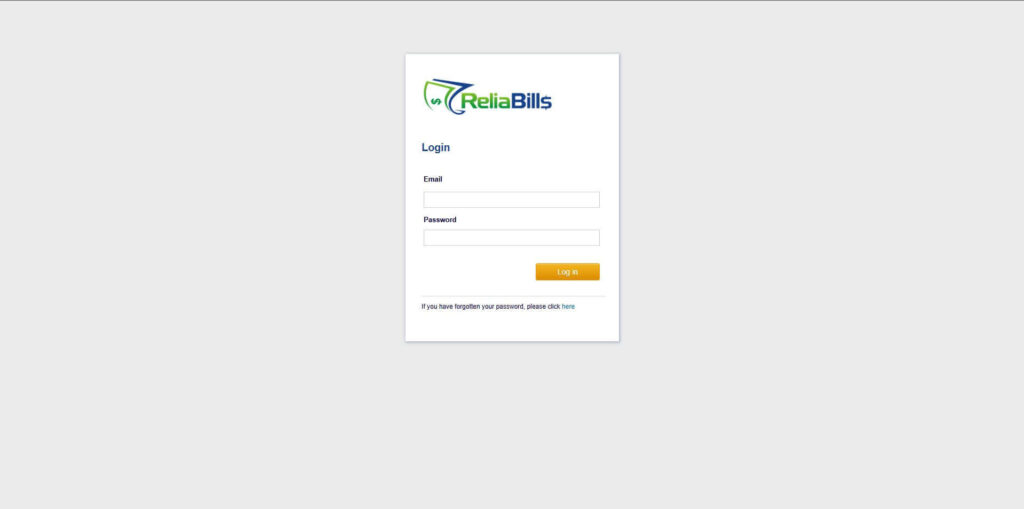
Step 1: Login to ReliaBills
- Access your ReliaBills Account using your login credentials. If you don’t have an account, sign up here.
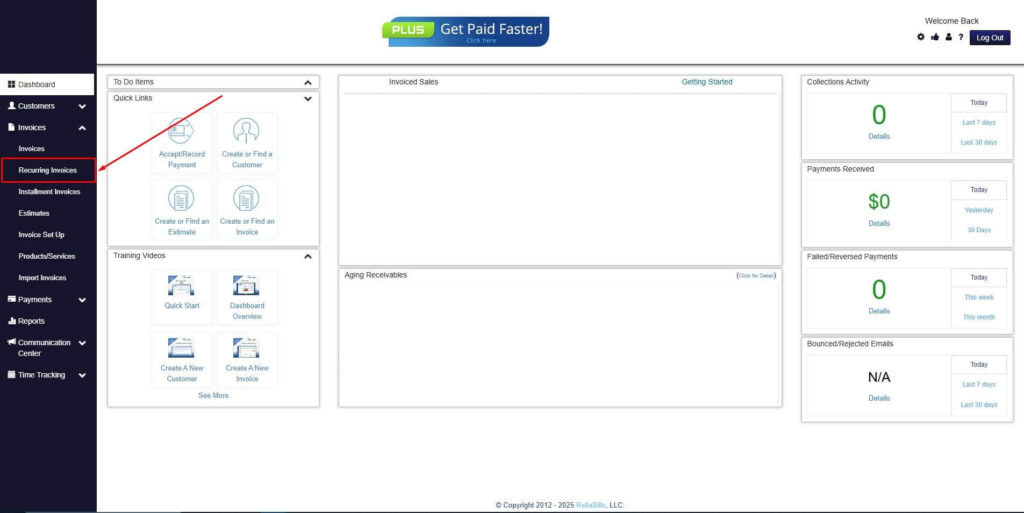
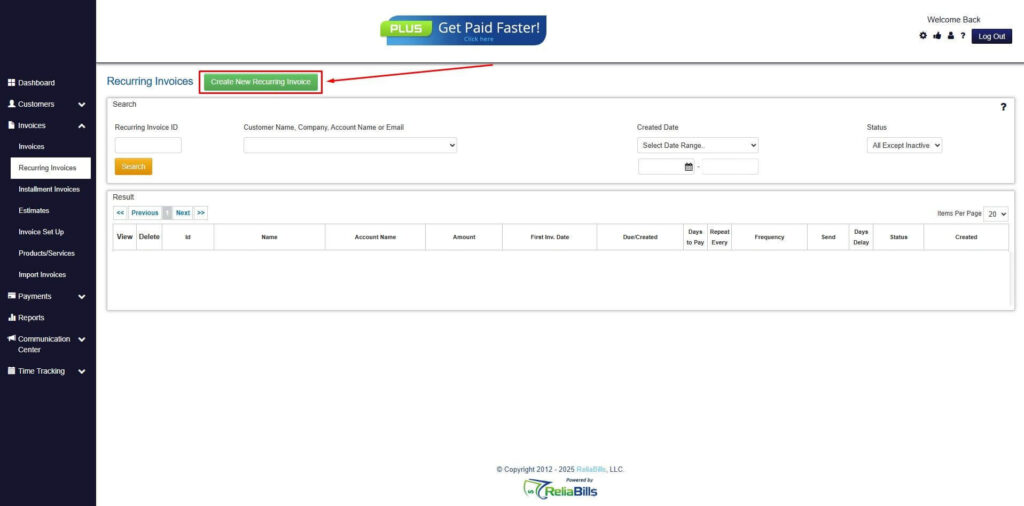
Step 2: Click on Recurring Invoices
- Navigate to the Invoices Dropdown and click on Recurring Invoices for an overview of the list of your existing customers.
Step 3: Go to the Customers Tab
- If you have already created a customer, search for them in the Customers tab and make sure their status is “Active”.
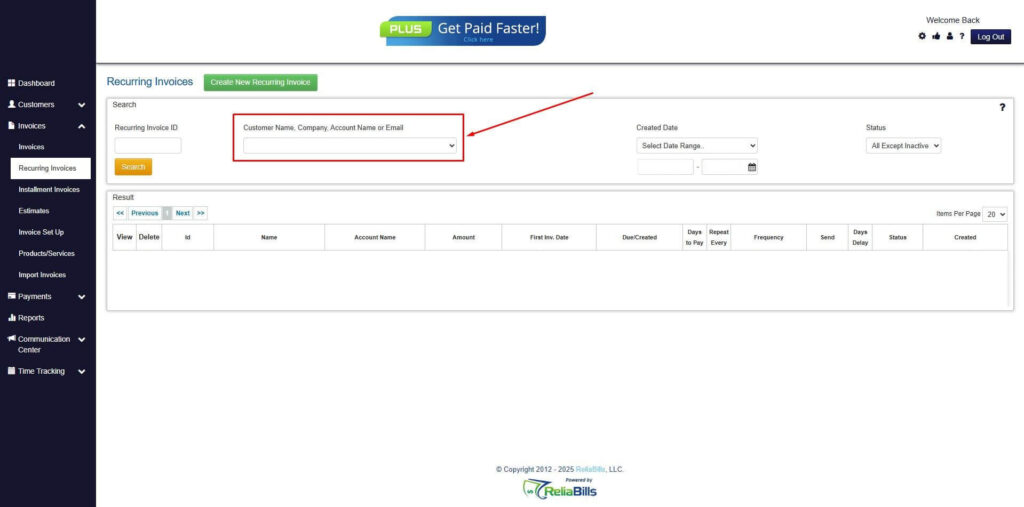
Step 4: Click the Create New Recurring Invoice
- If you haven’t created any customers yet, click the Create New Recurring Invoice to create a new customer.
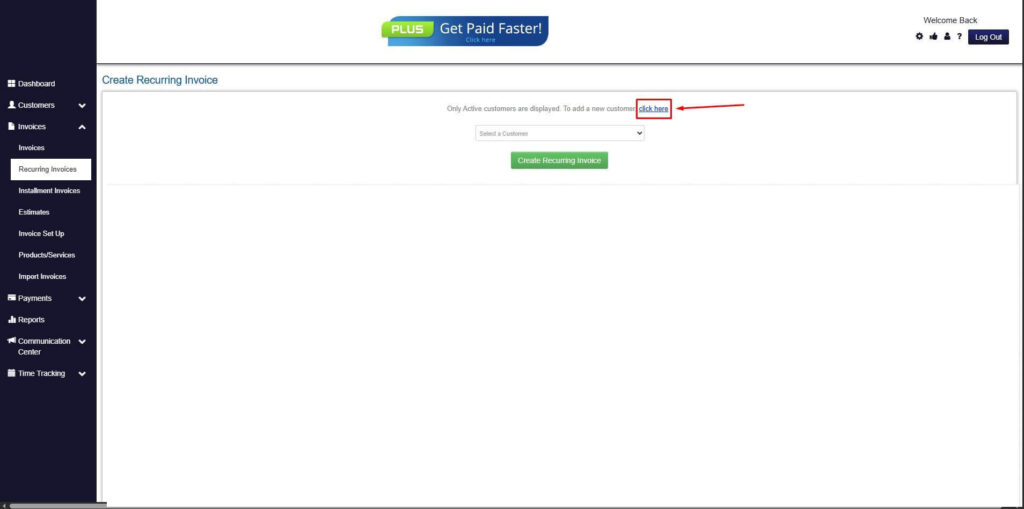
Step 5: Click on the “Click here” Button
- Click on the “Click here” button to proceed with the recurring invoice creation.
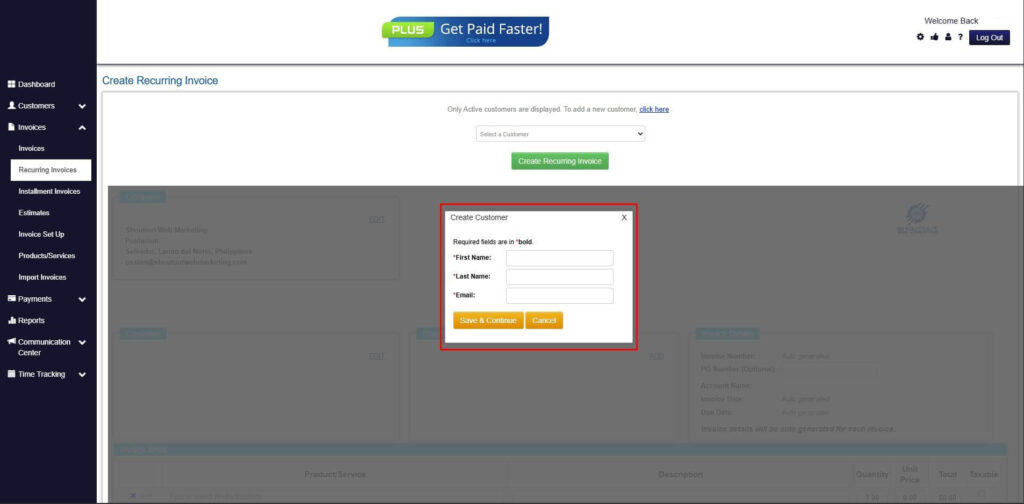
Step 6: Create Customer
- Provide your First Name, Last Name, and Email to proceed.
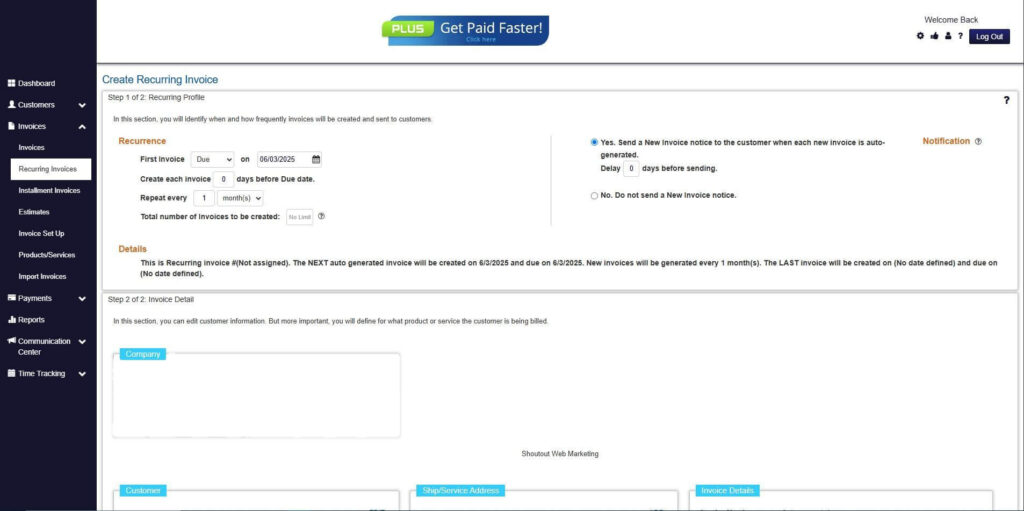
Step 7: Fill in the Create Recurring Invoice Form
- Fill in all the necessary fields.
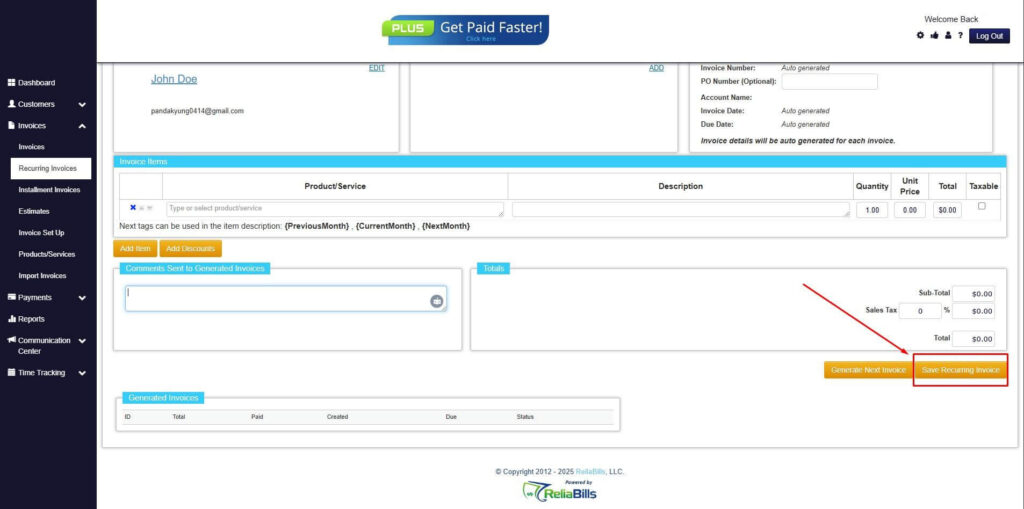
Step 8: Save Recurring Invoice
- After filling up the form, click “Save Recurring Invoice” to continue.
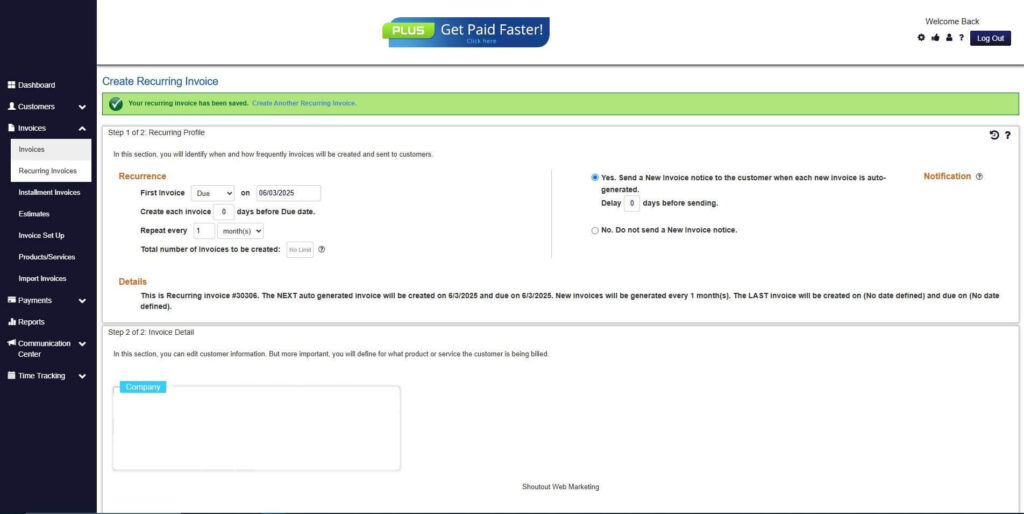
Step 9: Recurring Invoice Created
- Your Recurring Invoice has been created.
Frequently Asked Questions
1. Is digital invoicing compliant with healthcare billing requirements?
Digital invoicing systems are designed to support accurate documentation and audit trails, helping medical offices meet billing and record-keeping requirements.
2. Can digital invoicing support both patient and insurance billing?
Yes, digital invoicing can clearly separate patient responsibilities from insurance charges, improving coordination and transparency.
3. Will digital invoicing reduce administrative workload right away?
Many medical offices see immediate improvements in invoice creation, delivery, and tracking, which reduces manual effort and follow-up tasks.
4. Do patients prefer digital invoices over paper billing?
Most patients appreciate faster delivery, clear itemization, and convenient online payment options offered through digital invoices.
5. Can digital invoicing scale as a medical practice grows?
Digital invoicing systems are built to handle increasing patient volumes, multiple locations, and recurring billing without adding administrative staff.
Conclusion
Digital invoicing for medical offices significantly reduces administrative work by automating billing tasks, improving accuracy, and speeding up payment collection. By replacing manual processes with digital workflows, medical practices can operate more efficiently and reduce staff burden.
With better visibility, fewer errors, and streamlined recurring billing, digital invoices support both financial health and patient satisfaction. Medical offices gain more control over billing without increasing administrative complexity.
For practices looking to improve efficiency and focus more on patient care, digital invoicing is a practical and scalable solution.