
Payment delays are a persistent issue in the energy sector, affecting everything from cash flow stability to operational efficiency. With thousands—or even millions—of customers to bill each cycle, even small delays can compound into significant financial challenges. Late payments can disrupt budgeting, delay infrastructure investments, and increase administrative costs.
Digital invoicing offers a modern alternative to traditional paper billing by delivering invoices electronically and streamlining the entire billing process. Unlike paper invoices that rely on postal delivery and manual handling, digital invoices are generated, sent, and tracked in real time. This shift allows energy providers to operate faster and more efficiently.
The real advantage comes from combining digital invoicing for energy providers with automation and recurring billing technologies. These tools help ensure invoices are sent on time, payments are easier to complete, and customers are consistently reminded—significantly reducing payment delays.
What Are Digital Invoices?
Digital invoices are electronic billing documents generated and delivered through digital channels such as email, customer portals, or billing platforms. For energy providers—whether electricity, gas, or water utilities—these invoices replace traditional paper statements with faster, more efficient alternatives.
They are typically generated automatically based on usage data, billing cycles, or subscription plans. Once created, invoices are instantly delivered to customers and can include interactive elements such as payment links, usage breakdowns, and account summaries.
It’s important to distinguish between formats. PDF invoices are simple digital versions of paper bills, while e-invoicing involves structured data exchange between systems. Automated billing systems go further by integrating invoice generation, delivery, and payment tracking into a single streamlined process—making digital invoicing for energy providers far more powerful.
Why Payment Delays Are Common in the Energy Sector
High Volume of Customers and Billing Cycles
Energy providers handle large-scale billing operations across thousands or millions of accounts, making it difficult to maintain perfect timing and accuracy. Even minor inefficiencies can create delays that ripple across the entire billing cycle. This complexity increases the likelihood of late invoice delivery and delayed payments.
Manual Billing Inefficiencies and Delivery Delays
Traditional billing systems often rely on manual processes that slow down invoice generation and distribution. Printing, mailing, and processing paper invoices introduce delays that can push payment timelines further out. These inefficiencies also increase operational costs and the risk of human error.
Customer Forgetfulness or Lack of Reminders
Utility bills are recurring, which can sometimes cause customers to overlook due dates without proper reminders. Without automated notifications, customers may unintentionally delay payments. This leads to a higher volume of overdue accounts and increased follow-up efforts.
Disputes Due to Unclear or Inaccurate Billing
Complex billing structures based on usage, rates, or adjustments can confuse customers. When invoices are unclear or contain errors, customers may delay payment until the issue is resolved. This not only slows cash flow but also increases customer service workload.
Regulatory and Compliance Complexities
Energy providers must comply with strict billing regulations, which can slow down invoice approval and delivery processes. Any discrepancies or compliance checks can delay issuance. These additional layers of oversight can contribute to late payments if not managed efficiently.
How Digital Invoices Help Reduce Payment Delays
Digital invoicing significantly improves billing speed and accuracy. Invoices are delivered instantly via email or customer portals, eliminating postal delays and ensuring customers receive bills on time. This immediacy is a key factor in reducing late payments.
Automation ensures that invoices are generated and sent according to schedule without manual intervention. This consistency prevents missed billing cycles and ensures that customers are always aware of their payment obligations.
Additionally, built-in payment links make it easier for customers to pay immediately upon receiving the invoice. Combined with real-time tracking and reduced human error, digital invoicing for energy providers creates a faster, more reliable payment process.
Key Features That Improve Payment Timeliness
Automated Invoice Generation and Delivery
Automation ensures invoices are created and sent at the right time without manual intervention. This eliminates delays caused by human error or processing bottlenecks. Consistent billing schedules help customers anticipate and plan their payments.
Integrated Online Payment Options
Providing multiple payment methods such as credit cards, bank transfers, and auto-pay simplifies the payment process. Customers are more likely to pay immediately when convenient options are available. This reduces friction and shortens the payment cycle.
Scheduled Payment Reminders and Notifications
Automated reminders keep customers informed about upcoming and overdue payments. These notifications can be sent via email, SMS, or app alerts to increase visibility. Consistent communication significantly improves on-time payment rates.
Customer Self-Service Portals
Self-service platforms allow customers to view invoices, track usage, and make payments anytime. This accessibility reduces dependency on customer support and speeds up payment actions. It also enhances transparency and customer satisfaction.
Real-Time Reporting and Payment Tracking
Providers can monitor payment statuses instantly and identify overdue accounts quickly. This visibility enables faster follow-ups and better financial forecasting. Real-time insights help optimize billing and collection strategies.
Dunning Management for Overdue Accounts
Automated dunning systems handle late payment follow-ups systematically. They can send escalating reminders, retry failed payments, and apply penalties if necessary. This structured approach reduces manual collection efforts and improves recovery rates.
The Role of Recurring Billing in Utility Payments
Recurring billing is essential for managing regular utility payments. It allows energy providers to automatically generate invoices based on fixed schedules or usage patterns, ensuring consistent billing cycles.
Auto-pay features further enhance this system by automatically charging customers on due dates. This eliminates the need for manual payments and significantly reduces missed deadlines.
With predictable billing and payment cycles, customers develop consistent payment habits. This is why digital invoicing for energy providers combined with recurring billing is highly effective in reducing overdue accounts.
Best Practices for Energy Providers Using Digital Invoicing
Offer Multiple Digital Payment Options
Providing a variety of payment methods ensures customers can choose what works best for them. Flexibility increases the likelihood of immediate payments and reduces delays. It also improves the overall customer experience.
Enable Auto-Pay to Minimize Manual Payments
Auto-pay eliminates the need for customers to remember due dates. Payments are processed automatically, reducing missed deadlines. This is one of the most effective ways to ensure consistent cash flow.
Send Proactive Payment Reminders
Reminders sent before due dates help customers stay informed and prepared. Early notifications reduce the chances of late payments and improve engagement. They also minimize the need for reactive collection efforts.
Ensure Clear and Accurate Invoices
Transparent billing with detailed breakdowns helps customers understand their charges. Clear invoices reduce disputes and build trust. Accuracy also prevents delays caused by billing corrections.
Monitor Payment Data and Optimize Strategies
Analyzing payment behavior helps identify trends and potential issues. Providers can adjust billing cycles, reminder timing, or payment options based on insights. Continuous optimization leads to better payment performance over time.
How Digital Invoices Enhance Customer Experience
Digital invoicing makes billing more convenient and accessible for customers. With instant access to invoices and payment options, customers can manage their accounts anytime and anywhere.
Transparency is another major advantage. Clear, detailed invoices reduce confusion and help customers understand their charges, minimizing disputes and delays.
Faster communication and streamlined processes improve overall satisfaction. When billing is simple and reliable, customers are more likely to pay on time and maintain long-term relationships with providers.
Key Benefits of Digital Invoicing for Energy Providers
Reduces Payment Delays and Overdue Accounts
Digital invoicing ensures timely delivery and includes tools like reminders and auto-pay. These features encourage customers to pay on time. As a result, overdue accounts are significantly reduced.
Improves Cash Flow Consistency
Faster payments lead to more predictable revenue streams. This stability helps providers manage expenses and plan investments more effectively. Consistent cash flow is critical for operational efficiency.
Enhances Billing Accuracy and Transparency
Automated systems reduce errors and provide clear billing details. Customers can easily understand their charges, which minimizes disputes. Improved transparency builds trust and strengthens relationships.
Lowers Administrative and Operational Costs
Eliminating paper-based processes reduces printing, mailing, and labor expenses. Automation also decreases the need for manual intervention. This leads to significant cost savings over time.
Increases Customer Satisfaction
Convenient, fast, and transparent billing improves the overall customer experience. Customers appreciate easy access to invoices and flexible payment options. Higher satisfaction often translates to better retention rates.
Common Use Cases
Electricity and Power Distribution Billing
Energy companies use digital invoicing to manage high-volume monthly billing efficiently. Automated systems ensure accurate usage calculations and timely delivery. This reduces delays and improves payment collection rates.
Water and Utility Service Billing
Municipal and private water providers benefit from streamlined billing processes. Digital invoices make it easier to handle recurring charges and customer communications. This improves both operational efficiency and customer experience.
Renewable Energy Subscription Services
Solar and renewable energy providers often use subscription-based billing models. Digital invoicing supports recurring payments and usage tracking. This ensures consistent revenue and simplified billing management.
Prepaid and Postpaid Energy Billing Models
Digital systems can handle both prepaid and postpaid billing structures. Customers receive real-time updates and can manage their accounts بسهولة. This flexibility reduces confusion and payment delays.
Multi-Location or Commercial Energy Accounts
Businesses with multiple locations require consolidated and accurate billing. Digital invoicing simplifies account management by centralizing invoices and payments. This improves efficiency and ensures timely payments across all locations.
How ReliaBills Helps Energy Providers Reduce Payment Delays
Energy providers can significantly improve billing efficiency with ReliaBills by adopting digital invoicing and automation. The platform simplifies invoice generation, delivery, and tracking, ensuring that customers receive accurate bills on time. This reduces administrative workload while improving overall cash flow management.
ReliaBills leverages recurring billing features to ensure consistent invoicing cycles and timely payments. With auto-pay options, scheduled invoicing, and automated reminders, energy providers can minimize missed payments and reduce overdue accounts. These capabilities directly support how digital invoicing for energy providers helps prevent payment delays.
For advanced needs, ReliaBills PLUS offers enhanced automation, in-depth reporting, and customer engagement tools. Providers can gain insights into payment behavior, optimize billing strategies, and communicate effectively with customers. This results in a more efficient, scalable, and customer-friendly billing system.
How to Create a New Recurring Invoice Using ReliaBills
Creating a New Recurring Invoice using ReliaBills involves the following steps:
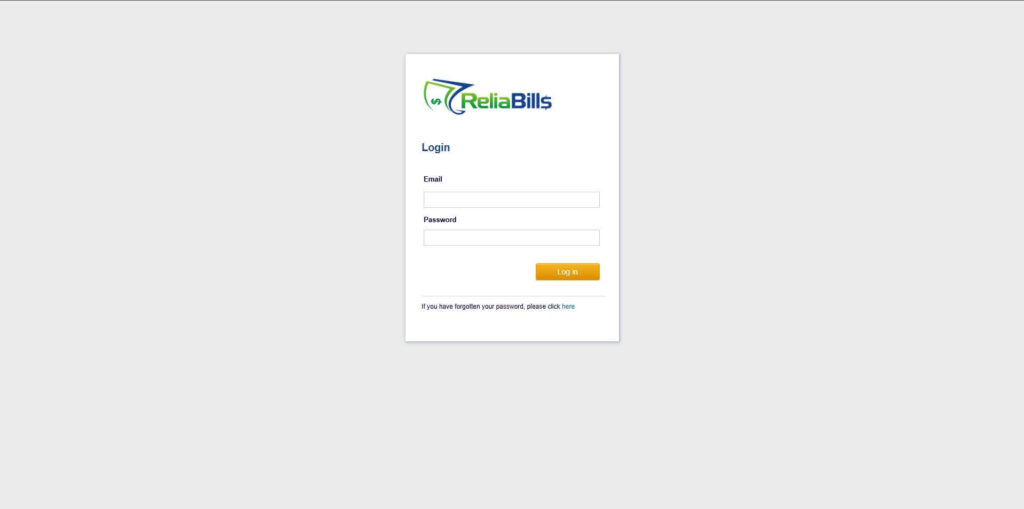
Step 1: Login to ReliaBills
- Access your ReliaBills Account using your login credentials. If you don’t have an account, sign up here.
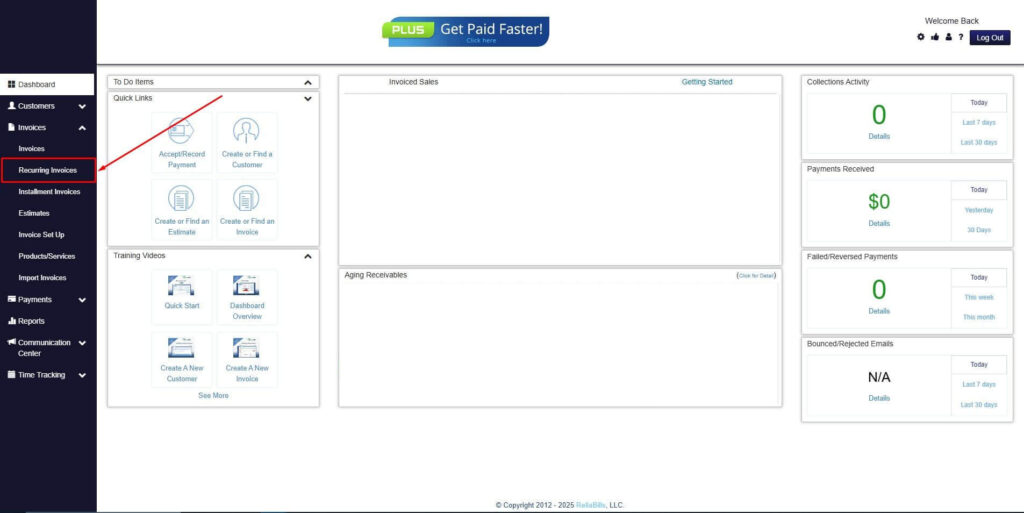
Step 2: Click on Recurring Invoices
- Navigate to the Invoices Dropdown and click on Recurring Invoices for an overview of the list of your existing customers.
Step 3: Go to the Customers Tab
- If you have already created a customer, search for them in the Customers tab and make sure their status is “Active”.
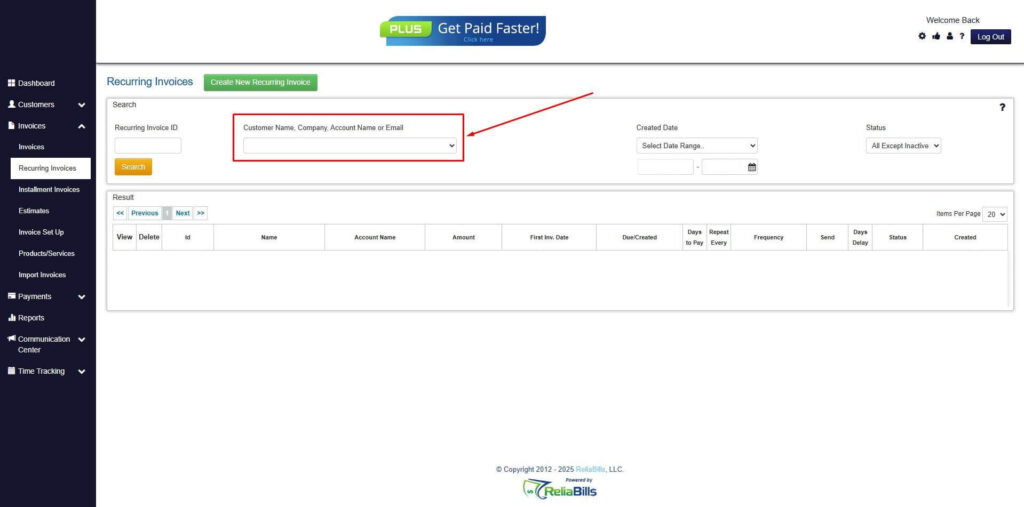
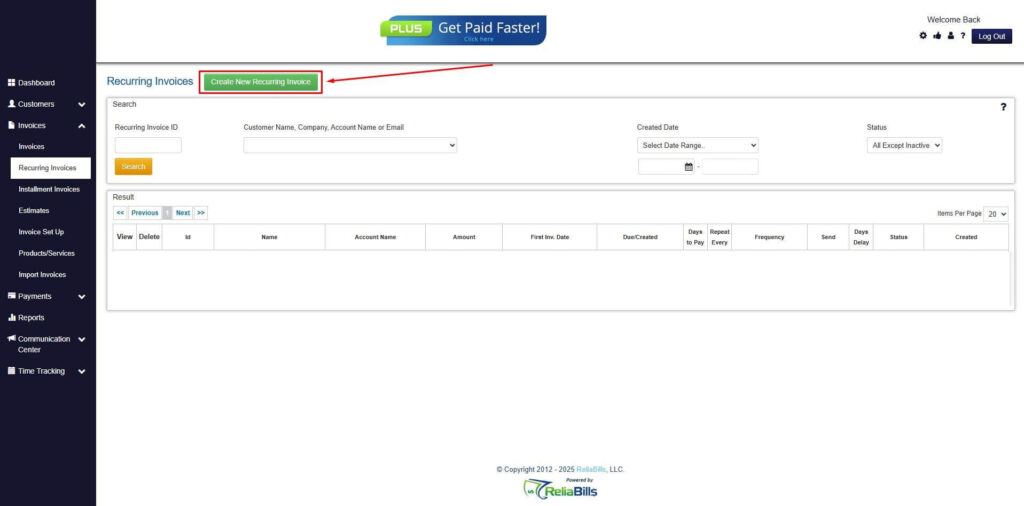
Step 4: Click the Create New Recurring Invoice
- If you haven’t created any customers yet, click the Create New Recurring Invoice to create a new customer.
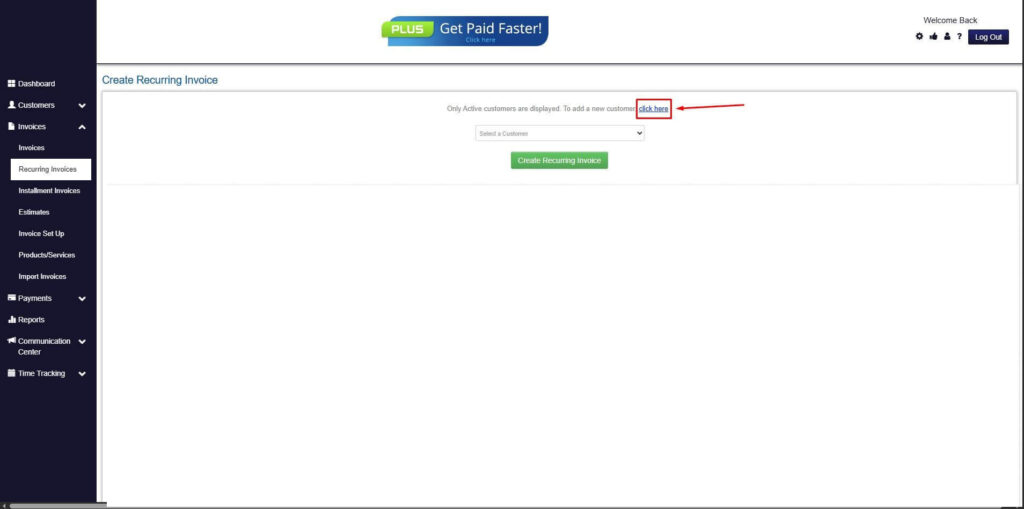
Step 5: Click on the “Click here” Button
- Click on the “Click here” button to proceed with the recurring invoice creation.
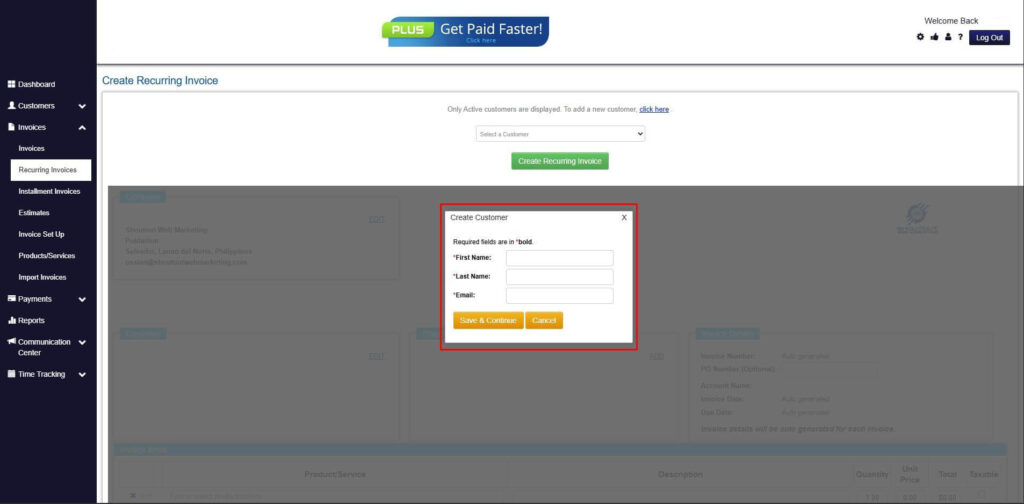
Step 6: Create Customer
- Provide your First Name, Last Name, and Email to proceed.
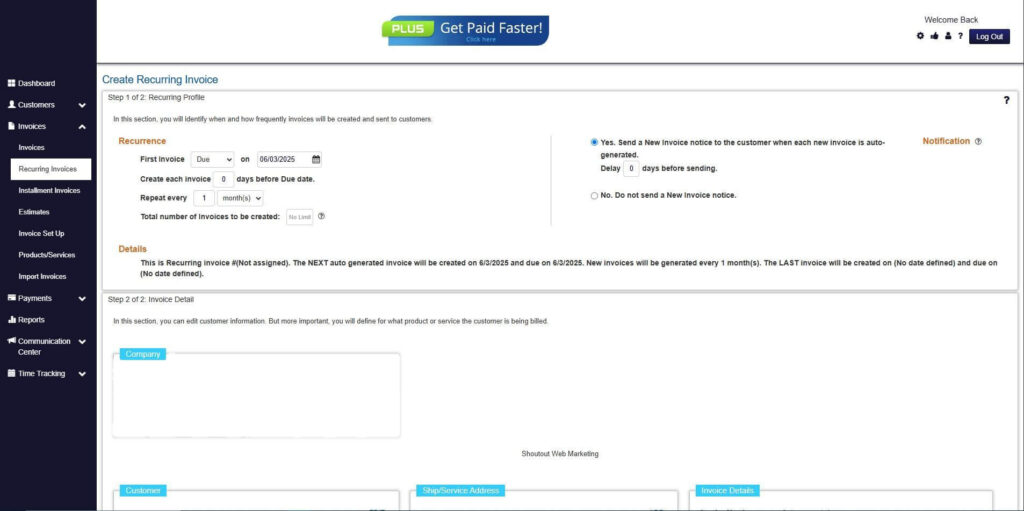
Step 7: Fill in the Create Recurring Invoice Form
- Fill in all the necessary fields.
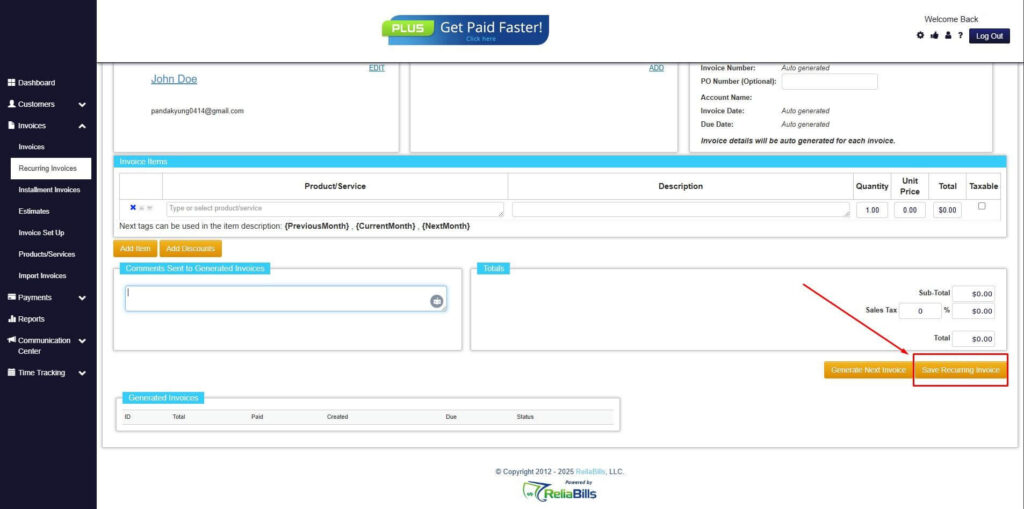
Step 8: Save Recurring Invoice
- After filling up the form, click “Save Recurring Invoice” to continue.
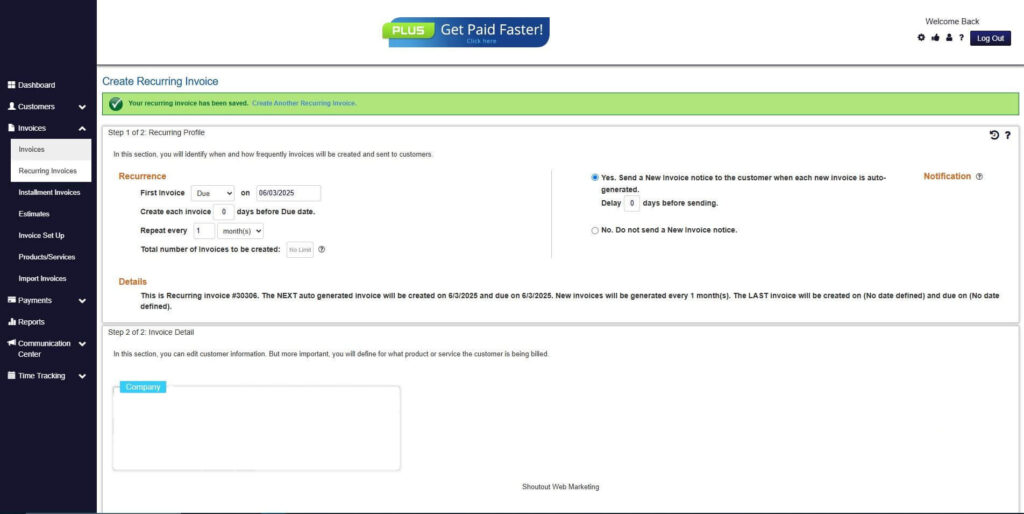
Step 9: Recurring Invoice Created
- Your Recurring Invoice has been created.
Frequently Asked Questions (FAQs)
1. How do digital invoices reduce payment delays?
They ensure instant delivery, include payment links, and automate reminders, making it easier for customers to pay on time.
2. Are digital invoices secure for energy billing?
Yes, modern systems use encryption and secure payment gateways to protect sensitive data.
3. Can customers set up auto-pay with digital invoices?
Most systems support auto-pay, allowing customers to automate payments and avoid missing due dates.
4. How do reminders impact payment behavior?
Timely reminders keep payments top-of-mind and significantly increase on-time payment rates.
5. Are digital invoicing systems compliant with regulations?
Yes, they are designed to meet industry standards and regulatory requirements for billing and data security.
Conclusion
Digital invoicing addresses the root causes of payment delays by eliminating manual inefficiencies, improving accuracy, and ensuring timely invoice delivery. It transforms billing into a faster, more reliable process for energy providers.
By combining automation with recurring billing, digital invoicing for energy providers creates predictable payment cycles and reduces overdue accounts. This leads to improved cash flow, better customer relationships, and more efficient operations.
As the energy sector continues to evolve, adopting digital billing solutions is essential for scalability and growth. Providers that embrace automation will be better equipped to reduce delays and deliver a superior customer experience.