
The delivery and logistics industry operates in a fast-paced environment where every shipment counts toward revenue. With high transaction volumes and diverse service types, traditional manual billing struggles to keep up. Paper-based systems or spreadsheets often lead to delayed invoices, miscalculations, and increased administrative burdens, which can directly affect cash flow and profitability for delivery companies.
As delivery networks expand, finance teams are often overwhelmed by reconciling field data, validating proof-of-delivery reports, and generating invoices manually. This process not only consumes valuable staff time but also increases the risk of errors, missed payments, and disputes with clients. In industries where timely payment is crucial, these delays can ripple across operational budgets and hinder growth opportunities.
Billing automation provides a solution by integrating operational data directly into invoicing workflows. Automated systems capture delivery completions, calculate charges accurately, and send invoices digitally without manual intervention. By streamlining invoicing, delivery companies improve payment speed, reduce errors, and free their teams to focus on service quality and customer experience rather than chasing overdue payments.
What Are the Common Causes of Billing Delays in Delivery Services?
Manual Invoice Preparation
Manual billing requires finance teams to input delivery data, verify completed jobs, and calculate charges by hand. This process is time-consuming and prone to mistakes, especially when handling high volumes of daily deliveries. Each delay in creating an invoice extends the time before a client receives it, which directly impacts payment timing and cash flow.
Incomplete Delivery Confirmations
Invoices often cannot be issued until proof of delivery or completion is confirmed. Missing signatures, delayed submission of delivery logs, or incomplete job notes can halt invoice generation. Without complete and accurate confirmations, finance teams may need to follow up with drivers or clients, adding more delays.
Disconnected Tracking and Billing Systems
When dispatch, GPS tracking, and accounting systems operate independently, reconciliation becomes necessary. Finance teams spend extra time aligning delivery data with billing schedules to ensure accuracy. This lack of integration creates bottlenecks that slow invoice issuance and increase the risk of errors.
High Transaction Volumes
Delivery services often process hundreds or thousands of transactions daily. Even small delays per delivery compound when multiplied across large fleets. Manual systems struggle to keep up with this scale, leading to invoice backlogs and delayed payments.
Variable Pricing and Surcharges
Delivery charges can include multiple components, such as fuel surcharges, distance-based rates, or contract-specific pricing adjustments. Calculating these manually for each delivery introduces additional steps and increases the likelihood of errors, which can postpone invoicing while corrections are made.
Administrative Bottlenecks
Approval workflows, internal verification processes, and multi-step validations can slow down invoice issuance. If finance teams are waiting for approvals or need to cross-check multiple sources, invoices may sit pending longer than necessary, creating delays in revenue collection.
Inconsistent Billing Cycles
When clients have different billing schedules or contracts require non-standard invoicing (weekly, biweekly, monthly), keeping track manually can be challenging. Mismatched cycles can result in skipped invoices or delayed issuance for certain clients.
How Does Billing Automation Help Delivery Services?
Billing automation simplifies the invoicing process by automatically generating invoices based on completed deliveries. Once operational data is captured from dispatch systems or GPS trackers, the software calculates charges, applies contract terms, and sends digital invoices instantly. This reduces the risk of human error while ensuring accuracy and compliance with contractual and tax requirements.
Automation also accelerates the entire revenue cycle. Finance teams no longer need to manually verify each delivery or calculate recurring charges, allowing them to focus on exceptions or strategic financial management. Automated reminders for overdue invoices, scheduled payments, and auto-debit functionality further reduce missed payments, enhancing cash flow stability.
Beyond speed and accuracy, automated billing improves customer satisfaction. Clients receive clear, itemized invoices promptly, eliminating confusion and reducing disputes. By streamlining billing processes and maintaining consistent, reliable invoicing, companies build stronger relationships with their clients while ensuring operational efficiency.
How Can Recurring Delivery Contracts Be Automated?
Recurring delivery contracts, such as monthly route agreements or subscription-based logistics services, benefit greatly from automation. Pre-configured billing schedules allow invoices to be generated consistently in alignment with contract terms. Fuel surcharges, additional services, and usage-based adjustments can be applied automatically, reducing the chance of manual miscalculations.
Automation also accommodates mid-cycle changes, such as route modifications, contract renewals, or price escalations. The system recalculates and issues invoices accurately without requiring manual intervention. This ensures that clients are billed correctly for every delivery, maintaining trust and reducing potential disputes over billing errors.
By automating recurring contracts, delivery companies can scale operations without increasing staff. Finance teams can manage multiple clients and service routes efficiently, while management gains visibility into revenue streams. Predictable billing cycles and accurate invoicing improve cash flow planning and enable faster operational decision-making.
How Can Invoice Errors Be Reduced in High-Volume Operations?
In high-volume delivery operations, errors like duplicate invoices, incorrect pricing, or misapplied surcharges can be costly. Automation mitigates these issues by standardizing invoice templates and enforcing validation rules. Every invoice follows a consistent format, which makes it easier for clients to understand charges and for finance teams to verify accuracy.
Automated systems pull data directly from dispatch and tracking platforms, reducing reliance on manual entry. Built-in validation checks flag inconsistencies, and automated tax and surcharge calculations ensure accuracy. This approach minimizes errors, prevents billing disputes, and accelerates revenue collection while maintaining compliance with internal and external requirements.
The benefits extend to operational efficiency as well. With fewer corrections needed, finance teams save time and reduce administrative overhead. Standardized processes allow companies to handle large transaction volumes without compromising accuracy, ensuring that invoices are generated consistently and delivered promptly.
How Can Payment Collection Be Improved?
Billing automation improves payment collection by ensuring invoices are issued promptly and accurately. Digital invoices are sent immediately upon service completion, often accompanied by automated notifications and access to online portals for clients to view and pay invoices. This transparency increases client confidence and accelerates payment cycles.
Scheduled auto-pay and recurring billing features reduce the risk of late or missed payments. Automated reminders for overdue invoices prompt clients to settle balances on time, while tracking dashboards provide real-time visibility for finance teams. This level of monitoring enables proactive management of accounts receivable and reduces dependency on manual follow-ups.
In addition to faster collections, automation enhances cash flow predictability. Companies can forecast revenue more reliably, align payments with operational expenses, and plan for growth initiatives with confidence. The combination of timely invoicing, automated reminders, and payment tracking creates a robust revenue management system for delivery operations.
How Can Delivery Companies Gain Financial Visibility?
Automation provides comprehensive insight into revenue, outstanding invoices, and payment trends. Centralized dashboards consolidate data from dispatch, accounting, and billing systems, giving finance teams a clear overview of the company’s financial health. Managers can quickly identify unpaid invoices, aging accounts, and recurring revenue streams.
Revenue forecasting tools, powered by real-time data, allow companies to plan for operational needs and growth. By analyzing historical invoice trends, finance teams can anticipate cash flow challenges and make informed strategic decisions. This reduces financial uncertainty and improves resource allocation across operations.
Centralized reporting also ensures compliance and audit readiness. Automated digital records, time-stamped invoice histories, and accurate tax calculations simplify internal reviews and regulatory reporting. Companies gain transparency and control, making it easier to detect discrepancies, prevent revenue leakage, and maintain reliable records.
How ReliaBills Supports Delivery Service Automation
ReliaBills provides end-to-end automation tailored for delivery and logistics companies. The platform enables recurring billing for route contracts, digital invoice generation, and real-time reporting to track revenue and accounts receivable. Flexible billing configurations allow companies to set up per-route, multi-location, or subscription-based service invoicing without manual intervention.
Integration with dispatch and ERP systems ensures operational data flows seamlessly into invoices. Automated validation rules prevent miscalculations, while digital delivery accelerates payment collection. Finance teams gain immediate visibility into outstanding invoices and recurring revenue trends, allowing for proactive management of cash flow.
ReliaBills also supports branded invoice communication, helping companies maintain a professional image and enhance client relationships. By combining automation, real-time reporting, and centralized management tools, delivery services can reduce administrative overhead, minimize disputes, and maintain predictable revenue streams while scaling operations efficiently.
How to Create a New Recurring Invoice Using ReliaBills
Creating a New Recurring Invoice using ReliaBills involves the following steps:
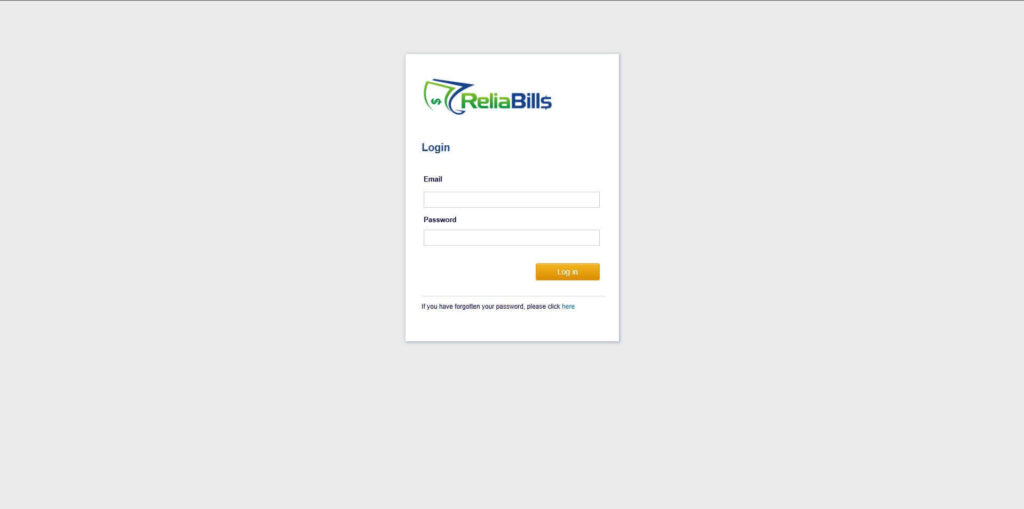
Step 1: Login to ReliaBills
- Access your ReliaBills Account using your login credentials. If you don’t have an account, sign up here.
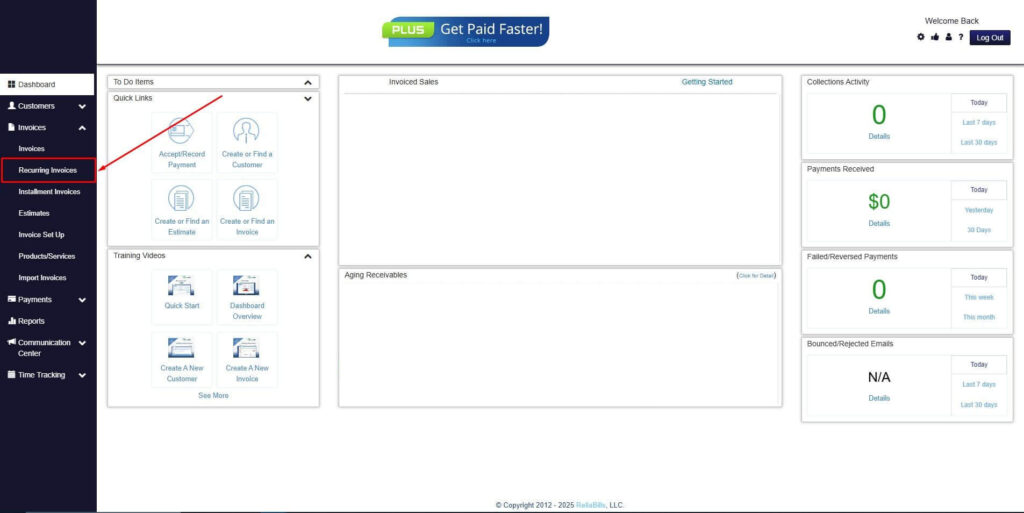
Step 2: Click on Recurring Invoices
- Navigate to the Invoices Dropdown and click on Recurring Invoices for an overview of the list of your existing customers.
Step 3: Go to the Customers Tab
- If you have already created a customer, search for them in the Customers tab and make sure their status is “Active”.
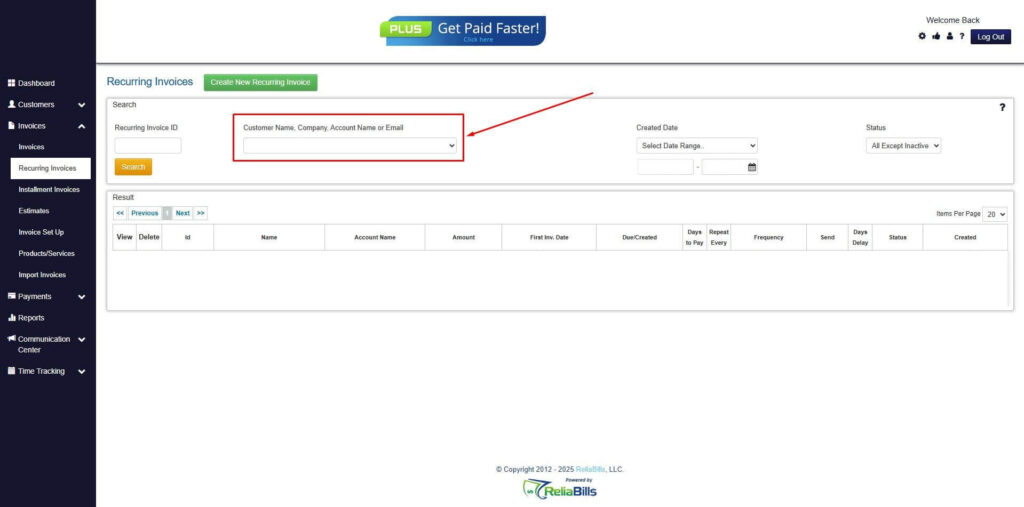
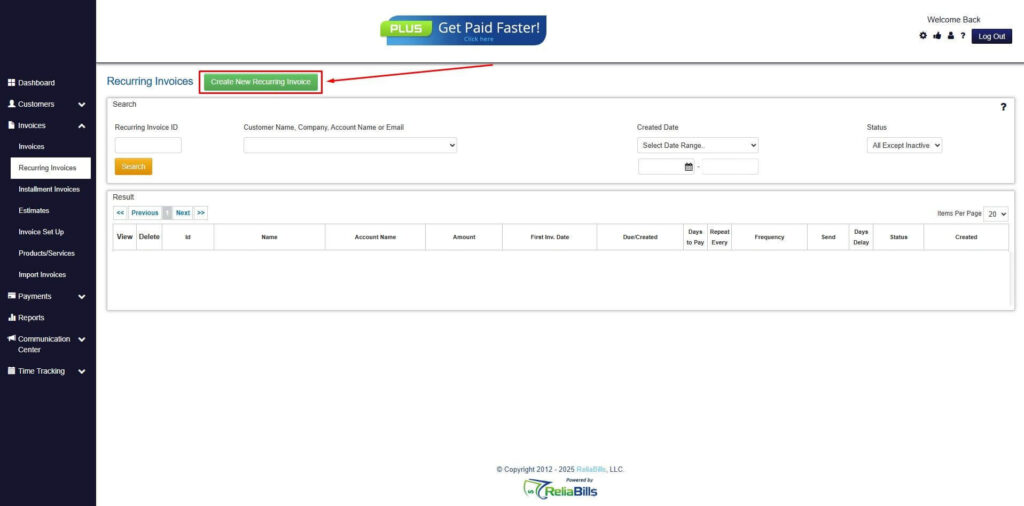
Step 4: Click the Create New Recurring Invoice
- If you haven’t created any customers yet, click the Create New Recurring Invoice to create a new customer.
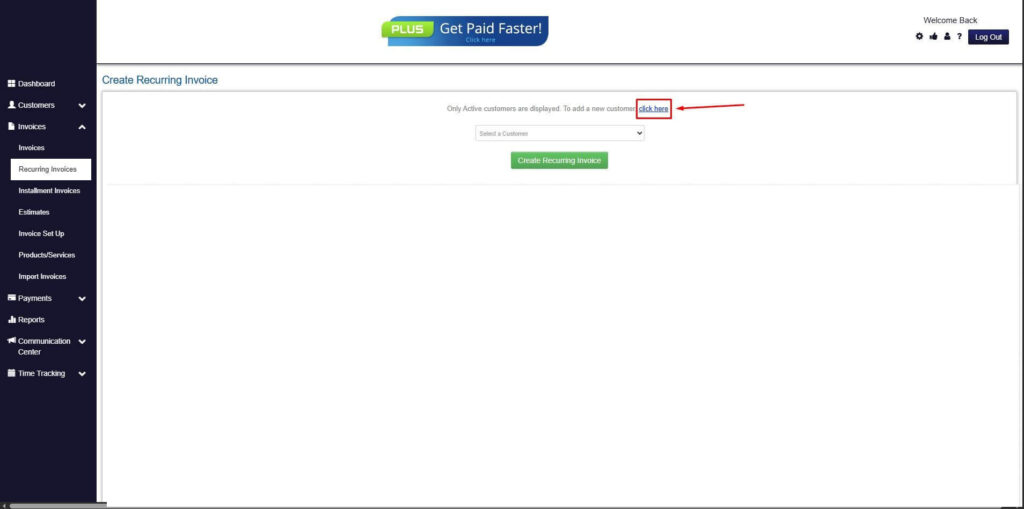
Step 5: Click on the “Click here” Button
- Click on the “Click here” button to proceed with the recurring invoice creation.
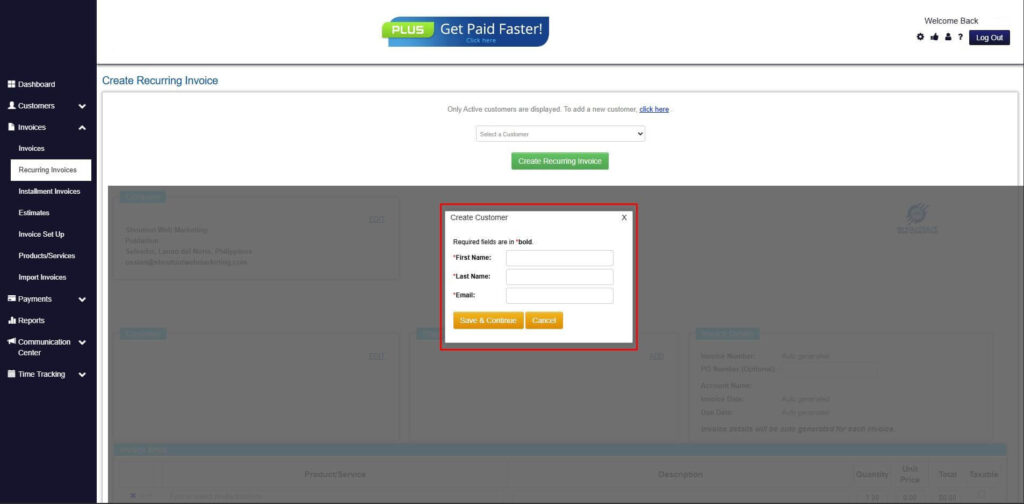
Step 6: Create Customer
- Provide your First Name, Last Name, and Email to proceed.
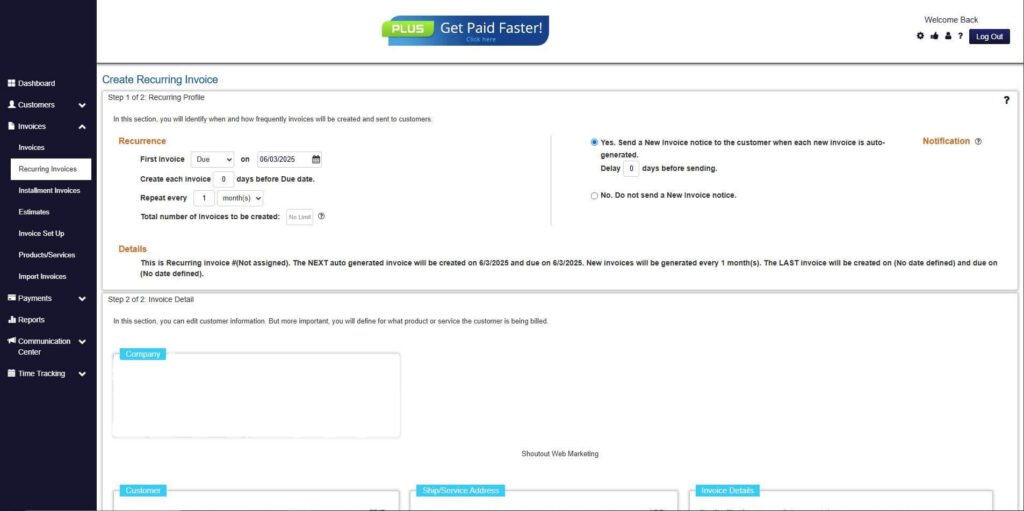
Step 7: Fill in the Create Recurring Invoice Form
- Fill in all the necessary fields.
Step 8: Save Recurring Invoice
- After filling up the form, click “Save Recurring Invoice” to continue.
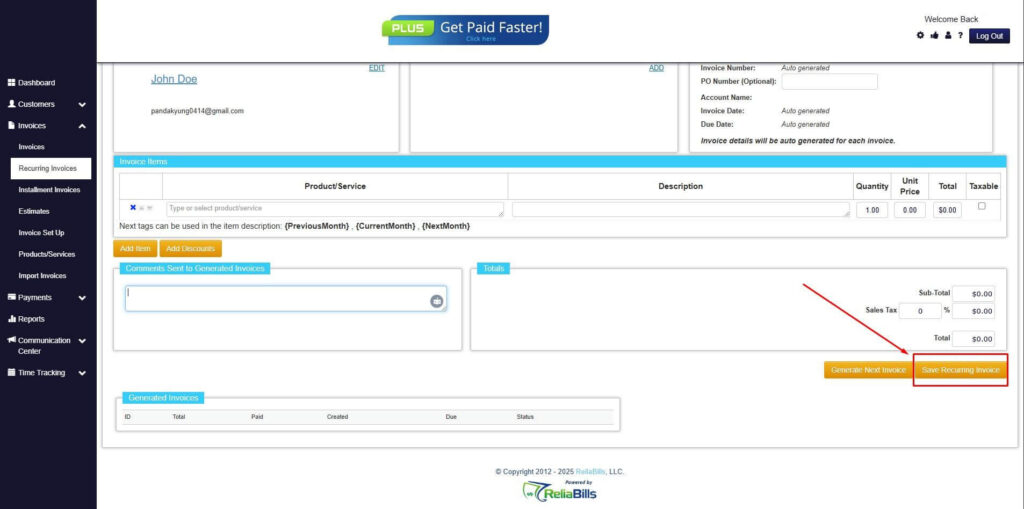
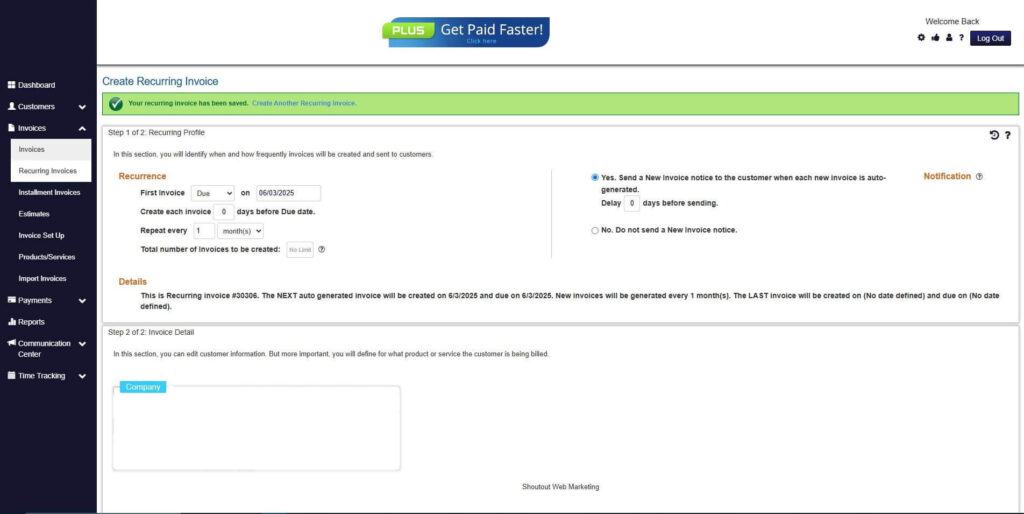
Step 9: Recurring Invoice Created
- Your Recurring Invoice has been created.
Frequently Asked Questions About Billing Automation for Delivery Services
1. What is billing automation, and how does it work?
Billing automation uses software to generate invoices automatically based on completed deliveries and contract terms. It applies rates, taxes, and surcharges accurately, and delivers invoices digitally, eliminating manual processes.
2. Can recurring delivery contracts be automated?
Yes. Monthly route agreements, subscription-style delivery services, and other recurring contracts can be scheduled for automated invoicing. Updates, renewals, and pricing adjustments are handled automatically.
3. How does automation reduce invoice errors?
By standardizing templates, applying validation rules, and integrating with operational systems, automation prevents duplicate or inaccurate invoices and ensures consistency across high-volume billing.
4. Does automation improve cash flow?
Absolutely. Timely digital invoices, automated reminders, and auto-pay options reduce payment delays, accelerate collections, and stabilize revenue streams.
5. Can ReliaBills integrate with existing delivery or ERP systems?
Yes. ReliaBills seamlessly connects with dispatch, GPS tracking, and ERP software, consolidating operational and financial data to streamline invoicing and reporting.
Conclusion
Automating invoicing is no longer optional for delivery services aiming to maintain operational efficiency and revenue stability. By linking operational data directly to billing workflows, companies reduce errors, accelerate payments, and enhance customer satisfaction. Accurate, timely, and digital invoices streamline revenue management while providing the insights necessary for strategic planning.
Billing automation ensures consistent cash flow, minimizes administrative workload, and allows companies to scale operations without adding staff. With platforms like ReliaBills, delivery services can confidently manage recurring contracts, high-volume transactions, and complex pricing structures, positioning themselves for sustainable growth in a competitive market.