
Accurate invoicing plays a critical role in bathroom remodeling projects. These jobs often involve multiple phases, materials, and labor categories, which means billing errors can quickly lead to disputes or delayed payments. A clear and professional bathroom remodel invoice helps set expectations and builds trust with clients.
When invoices are detailed and easy to understand, homeowners are more confident in the work being performed. Proper invoicing also improves cash flow for contractors by ensuring payments are requested at the right time and for the correct amounts.
What Is a Bathroom Remodel Invoice?
A bathroom remodel invoice is a detailed billing document used by contractors to charge clients for remodeling services. It outlines the work completed, materials used, labor costs, and payment terms associated with a bathroom renovation project. Unlike a general home renovation invoice, it focuses specifically on bathroom-related upgrades such as plumbing, tiling, fixtures, and cabinetry.
Because bathroom remodels often involve specialized trades and permits, this type of invoice is typically more itemized. It serves as both a financial record and a reference point for clients reviewing the scope and cost of the project.
When Should Contractors Issue a Bathroom Remodel Invoice?
Bathroom remodel invoices can be issued at different stages of the project depending on the contract terms. Many contractors request an initial deposit before work begins to cover materials and scheduling. Progress invoices are often sent after completing specific milestones, such as demolition or rough plumbing.
A final invoice is usually issued once the project is completed and approved by the client. Invoices should also be sent for approved change orders or additional work to ensure all costs are properly documented and paid.
Key Elements of a Bathroom Remodel Invoice
A professional bathroom remodel invoice should include complete contractor business information, including licensing details when required. Client and property information should be clearly listed to avoid confusion, especially for multi-property contractors.
The invoice should describe the project scope and itemize labor, materials, fixtures, permits, and subcontractor fees. Taxes, retainers, previous payments, and the total amount due must be clearly calculated. Payment terms and due dates should be stated to prevent misunderstandings.
How to Create a Bathroom Remodel Invoice Step by Step
Step 1: Confirm Completed Work and Approved Changes
Review the work completed for the billing period and confirm that all change orders or additional tasks were approved by the client. This ensures the invoice reflects the agreed scope and avoids disputes.
Step 2: Itemize Labor, Materials, and Subcontractors
Break down labor costs, materials, fixtures, and any subcontractor fees. Itemization helps clients understand what they are paying for and reinforces transparency.
Step 3: Apply Deposits, Progress Payments, and Adjustments
Subtract any deposits or prior payments and include progress billing amounts where applicable. This keeps balances accurate and prevents overbilling.
Step 4: Review Totals and Supporting Documentation
Double-check calculations, taxes, and totals. Attach supporting documents such as receipts, permits, or change orders if required.
Step 5: Send the Invoice Promptly to the Client
Deliver the invoice as soon as the billing milestone is reached. Timely invoicing encourages faster payments and maintains professional momentum.
How to Price Bathroom Remodeling Work Accurately
Contractors may choose hourly pricing or project-based pricing depending on the scope of work. Project-based pricing is common for full remodels, while hourly rates may apply to smaller tasks or repairs.
Allowances and upgrades should be clearly documented to avoid disputes. Unexpected repairs or scope changes should be invoiced separately through approved change orders to maintain transparency and protect profitability.
Best Practices for Professional Remodeling Invoices
Clear descriptions reduce confusion and help prevent disputes. Transparency in pricing and documentation builds trust and demonstrates professionalism. Including warranty or workmanship notes reassures clients about the quality of the work.
Maintaining organized records is also essential for insurance claims, taxes, and long-term business growth. Consistent invoicing practices make your business easier to manage and more credible to clients.
Common Bathroom Remodel Invoicing Mistakes to Avoid
One common mistake is using vague descriptions that do not clearly explain the work performed. Missing change orders can lead to unpaid labor or materials. Incorrect calculations for labor or materials can also damage client trust.
Failing to apply deposits correctly or forgetting to subtract previous payments can result in billing errors. Double-checking invoices before sending helps avoid these issues.
Bathroom Remodel Invoice Example
Contractor Information
Business name
License number
Address
Phone number
Email
Invoice Details
Invoice number
Invoice date
Project phase
Client and Property Information
Client name
Property address
Scope of Work
Demolition
Plumbing installation
Tile and flooring
Fixture installation
Costs
Labor
Materials and fixtures
Permits and inspections
Subtotal
Taxes
Deposits applied
Total amount due
Payment Terms
Due date
Accepted payment methods
Notes or warranty details
How ReliaBills Helps Bathroom Remodelers With Invoicing
ReliaBills helps remodelers simplify invoicing by automating invoice creation and tracking payments across complex projects. Contractors can easily manage deposits, partial payments, and outstanding balances without relying on spreadsheets or manual calculations.
For longer projects, recurring billing makes it easier to handle milestone or progress-based invoicing. Contractors can schedule invoices to be sent automatically at each phase, improving cash flow and reducing the risk of missed or delayed payments.
For businesses that need advanced functionality, ReliaBills Plus, the paid tier of ReliaBills, offers customizable invoice templates, detailed reporting, and expanded payment integrations. ReliaBills Plus gives remodelers better control over recurring billing, financial insights, and client communication as their business grows.
How to Create a New Recurring Invoice Using ReliaBills
Creating a New Recurring Invoice using ReliaBills involves the following steps:
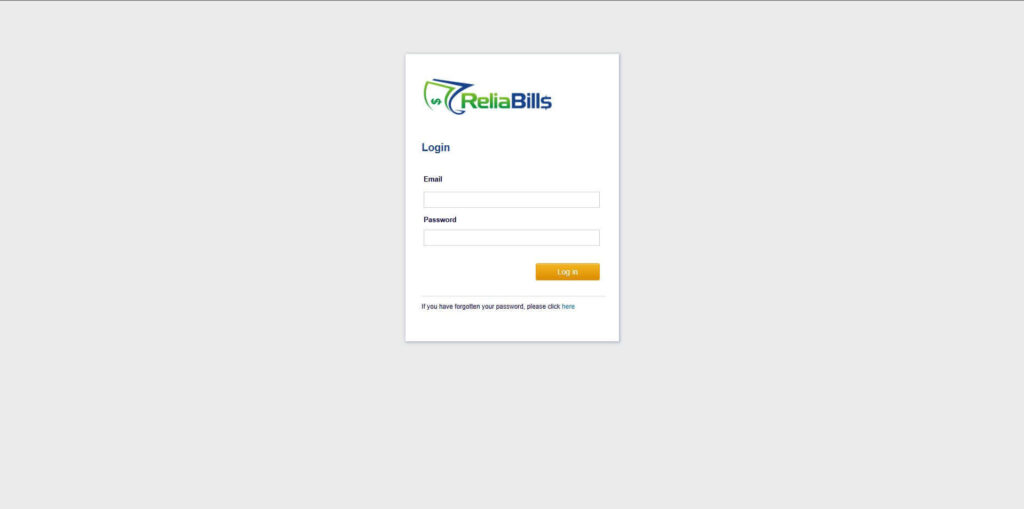
Step 1: Login to ReliaBills
- Access your ReliaBills Account using your login credentials. If you don’t have an account, sign up here.
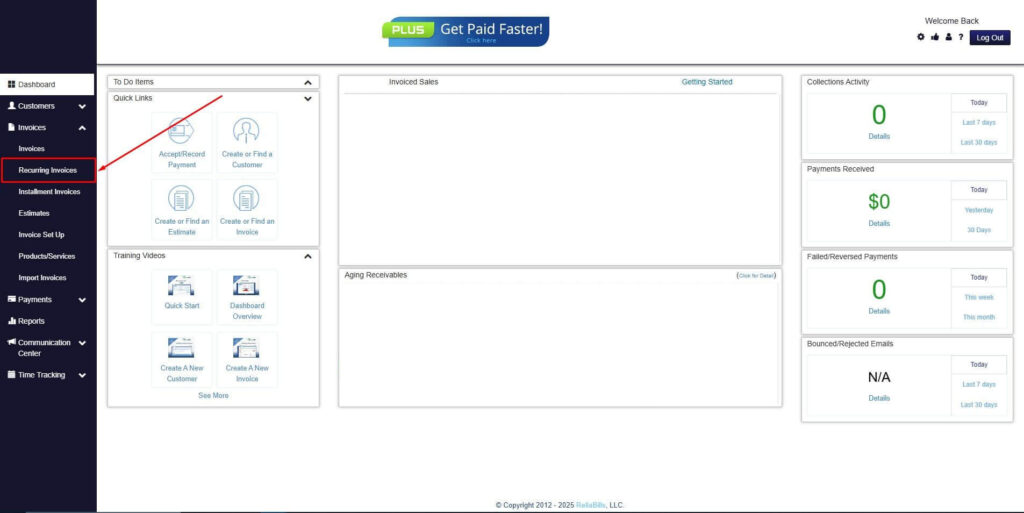
Step 2: Click on Recurring Invoices
- Navigate to the Invoices Dropdown and click on Recurring Invoices for an overview of the list of your existing customers.
Step 3: Go to the Customers Tab
- If you have already created a customer, search for them in the Customers tab and make sure their status is “Active”.
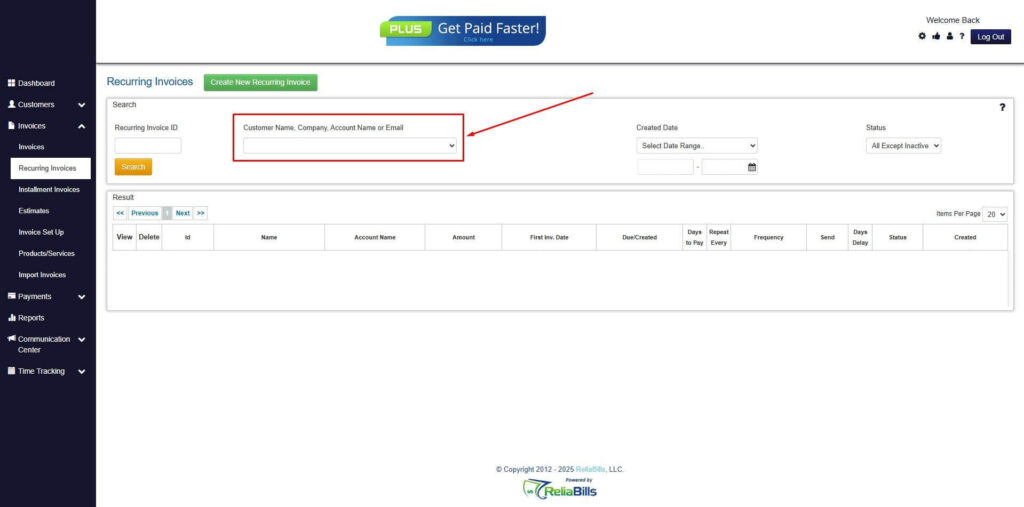
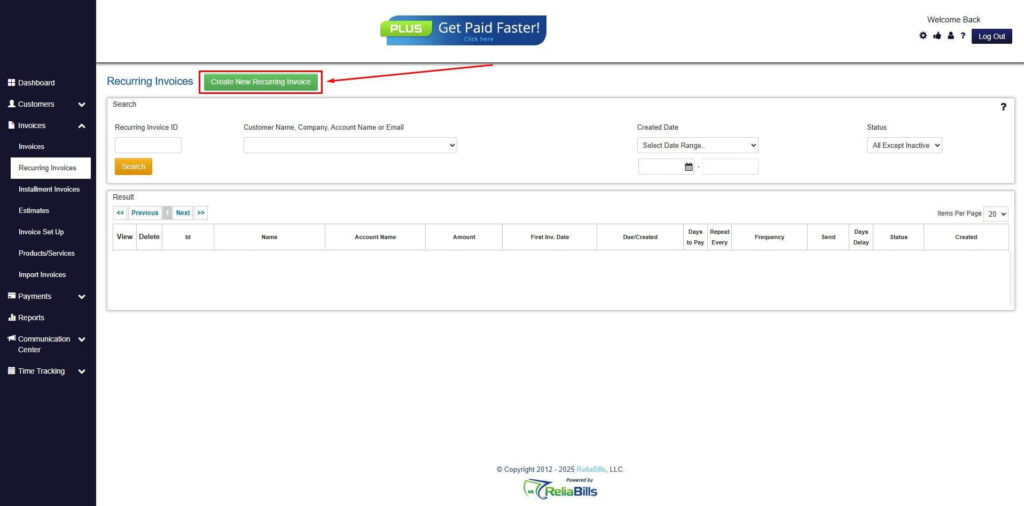
Step 4: Click the Create New Recurring Invoice
- If you haven’t created any customers yet, click the Create New Recurring Invoice to create a new customer.
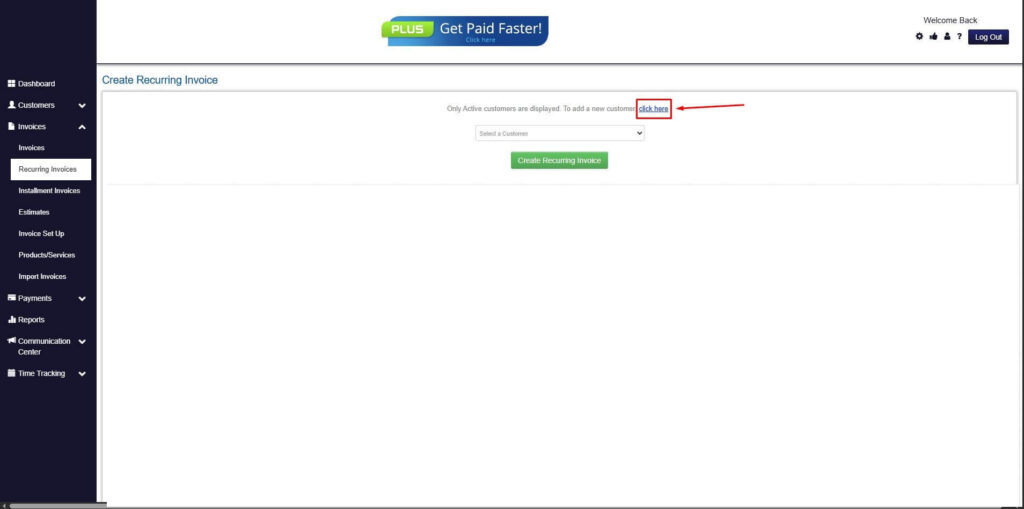
Step 5: Click on the “Click here” Button
- Click on the “Click here” button to proceed with the recurring invoice creation.
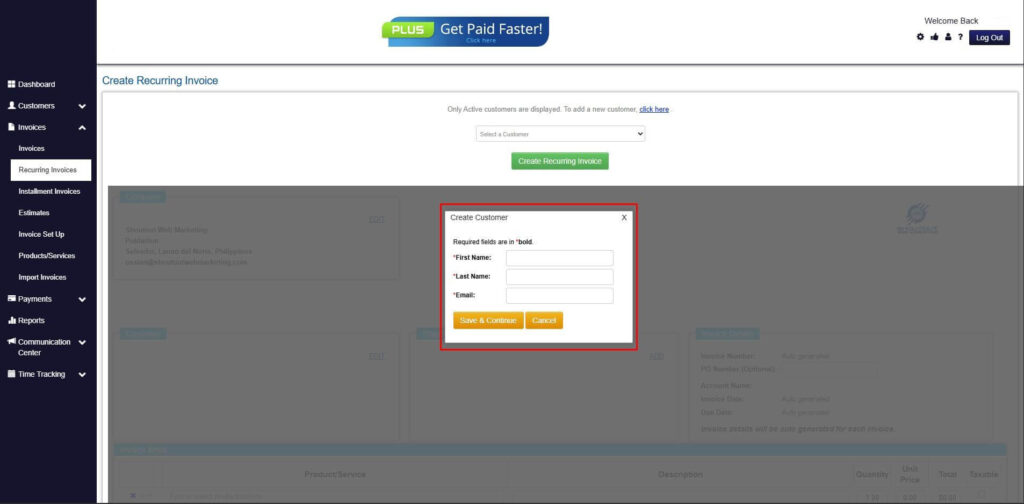
Step 6: Create Customer
- Provide your First Name, Last Name, and Email to proceed.
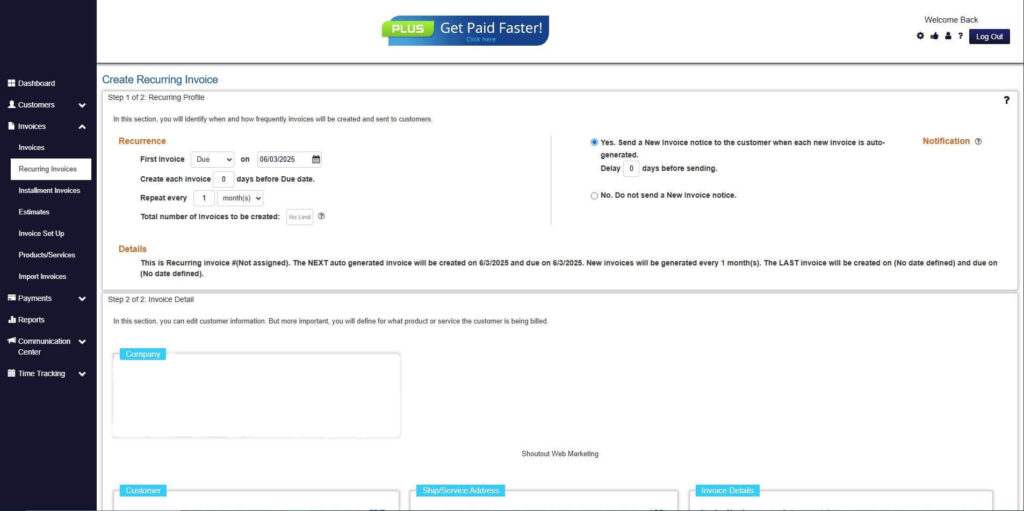
Step 7: Fill in the Create Recurring Invoice Form
- Fill in all the necessary fields.
Step 8: Save Recurring Invoice
- After filling up the form, click “Save Recurring Invoice” to continue.
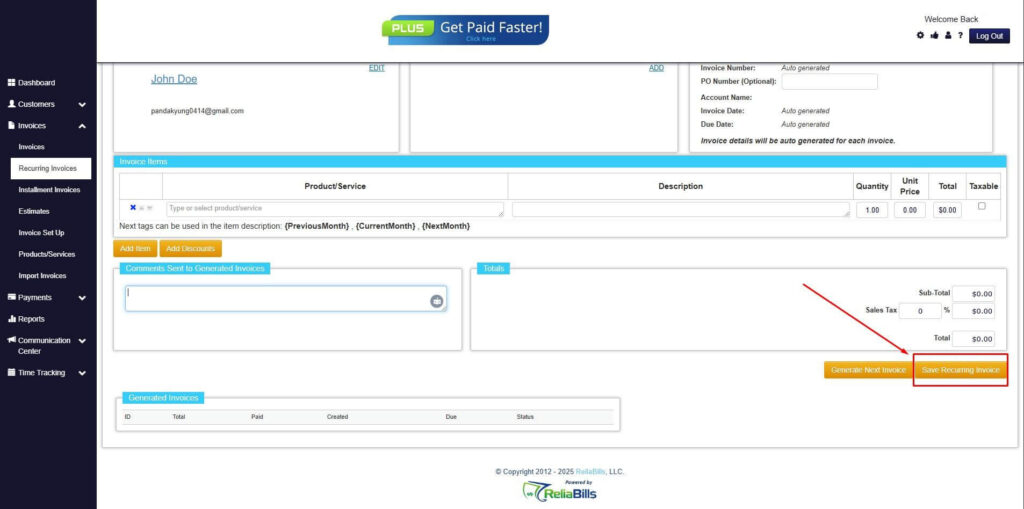
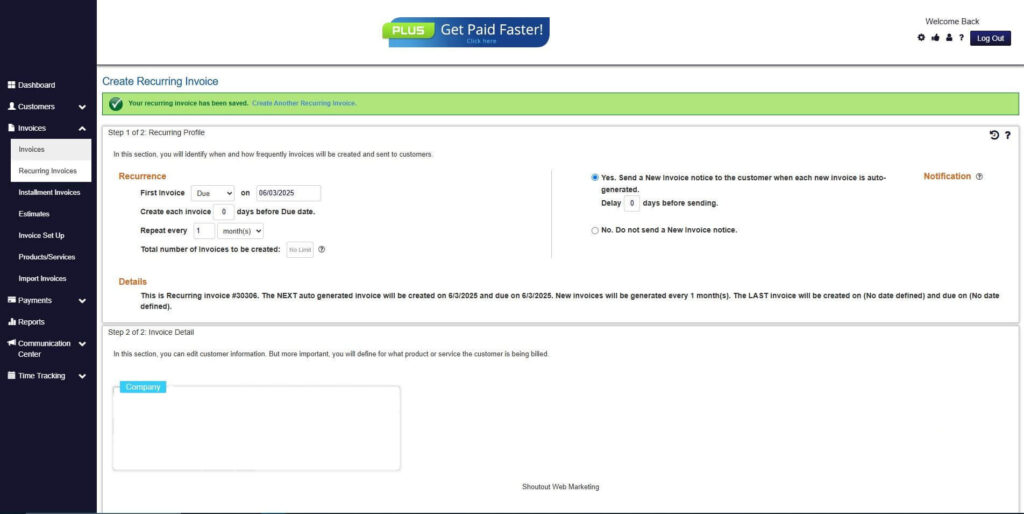
Step 9: Recurring Invoice Created
- Your Recurring Invoice has been created.
Frequently Asked Questions
1. Should bathroom remodel invoices be issued per milestone or at project completion?
Most contractors issue invoices per milestone to maintain steady cash flow, especially for larger remodeling projects. Final invoices are typically sent after completion and client approval.
2. How should change orders appear on a bathroom remodel invoice?
Change orders should be listed as separate line items or issued as separate invoices to clearly distinguish them from the original scope of work.
3. Can bathroom remodel invoices be used for insurance claims?
Yes, detailed and properly itemized bathroom remodel invoices are often accepted for insurance claims, provided they include labor, materials, and repair descriptions.
4. What payment terms are standard for bathroom remodeling projects?
Common payment terms include upfront deposits, progress payments at key milestones, and a final balance due upon project completion.
Conclusion
A well-structured bathroom remodel invoice protects contractors and reassures clients. Clear descriptions, accurate pricing, and timely billing all contribute to smoother projects and faster payments.
By using professional invoicing practices and tools like ReliaBills, bathroom remodelers can improve efficiency, reduce disputes, and focus more on delivering quality workmanship.