
Invoicing plays a critical role in maintaining cash flow and financial stability for small businesses. It serves as the primary mechanism for requesting payments and documenting transactions between businesses and their customers. However, even minor mistakes in invoices can disrupt this process and create unnecessary complications. These small errors can quickly escalate into delayed payments, customer disputes, and lost revenue.
Many small businesses underestimate how often small business invoice errors occur and how significantly they impact operations. From incorrect totals to missing details, these mistakes can weaken professionalism and reduce customer trust. When invoicing processes are inconsistent or rushed, errors become more frequent and harder to detect. This ultimately slows down payment cycles and increases administrative workload.
Understanding and addressing small business invoice errors is essential for improving financial performance and operational efficiency. By identifying the most common mistakes and learning how to prevent them, businesses can streamline their billing processes. This article will guide you through the key invoicing errors and provide actionable strategies to avoid them. The goal is to help small businesses create accurate, reliable, and efficient invoicing systems.
Why Accurate Invoicing Matters for Small Businesses
Accurate invoicing is essential for ensuring timely payment collection and maintaining organized financial records. Every invoice acts as a formal request for payment and a record of goods or services provided. When invoices are clear and accurate, they reduce confusion and make it easier for customers to process payments quickly. This supports smoother financial operations and consistent cash flow.
Errors in invoicing can damage customer relationships and create unnecessary friction. Customers may question charges or delay payments if they notice inconsistencies or unclear information. Over time, repeated mistakes can reduce trust and harm a business’s reputation. Accuracy in invoicing demonstrates professionalism and attention to detail.
Frequent invoicing mistakes also increase operational costs and administrative burden. Businesses must spend additional time correcting errors, resending invoices, and following up on payments. This diverts resources away from growth-focused activities. Ensuring accuracy from the start helps avoid these inefficiencies and supports long-term success.
Small Business Invoice Errors: Most Common Mistakes
Missing or Incorrect Business Information
Invoices that lack accurate business details can create confusion and delay payments. Essential information such as business name, address, and contact details must always be included. Without this, customers may struggle to verify the legitimacy of the invoice. Clear identification builds trust and ensures smooth transactions.
Incorrect Pricing or Calculation Errors
Miscalculations are among the most frequent small business invoice errors. Errors in totals, taxes, or discounts can lead to disputes and delayed payments. Even small numerical mistakes can significantly impact customer confidence. Double-checking all calculations is critical to maintaining accuracy.
Unclear Payment Terms
Failing to specify payment terms creates uncertainty for customers. Important details such as due dates, accepted payment methods, and late fees must be clearly stated. Without this information, customers may delay payment or prioritize other invoices. Transparent terms encourage timely payments and reduce misunderstandings.
Late Invoice Delivery
Sending invoices late disrupts the entire payment cycle. Delayed invoicing leads to delayed payments, which negatively affects cash flow. Consistent and timely invoicing helps businesses maintain financial stability. Prompt delivery ensures customers can process payments without unnecessary delays.
Duplicate or Missing Invoice Numbers
Inconsistent invoice numbering makes tracking and recordkeeping difficult. Missing or duplicate numbers can cause confusion during audits or financial reviews. A structured numbering system ensures every invoice is unique and easy to reference. This improves organization and accountability.
Lack of Itemized Details
Invoices without clear itemization can confuse customers and lead to disputes. Each product or service should be listed with corresponding prices and descriptions. Detailed invoices provide transparency and justify the total amount due. This reduces the likelihood of payment delays.
Failure to Follow Up on Unpaid Invoices
Neglecting follow-ups is a common issue that leads to overdue payments. Many small businesses do not consistently track outstanding invoices. Without reminders, customers may forget or deprioritize payments. Regular follow-ups help maintain healthy cash flow and reduce outstanding balances.
How These Invoicing Mistakes Impact Business Operations
Invoicing mistakes directly contribute to delayed payments and disrupted cash flow. When customers encounter errors, they are more likely to postpone payment until issues are resolved. This creates a ripple effect that impacts daily operations and financial planning. Consistent delays can make it difficult to cover expenses and invest in growth.
Errors also strain customer relationships and reduce trust. Clients expect accurate and professional invoices, and repeated mistakes can damage credibility. Resolving disputes takes time and may lead to frustration on both sides. Maintaining accuracy helps preserve strong business relationships.
Additionally, correcting invoicing errors increases administrative workload. Staff must spend time identifying issues, making corrections, and communicating with customers. This reduces overall productivity and efficiency. Eliminating errors improves workflow and allows teams to focus on more strategic tasks.
How to Avoid Small Business Invoice Errors
Standardize Your Invoice Templates
Using consistent invoice templates ensures all necessary information is included every time. Templates help maintain professionalism and reduce the risk of missing critical details. They also streamline the invoicing process for faster execution. Standardization improves accuracy and efficiency.
Automate Calculations and Processes
Automation reduces the likelihood of human error in calculations. Software tools can automatically compute totals, taxes, and discounts with precision. This eliminates manual errors and saves time. Automated processes enhance overall billing accuracy.
Set Clear Payment Terms
Clearly defined payment terms remove ambiguity and set expectations for customers. Including due dates, payment methods, and penalties ensures transparency. Customers are more likely to pay on time when terms are clearly communicated. This improves payment consistency.
Send Invoices Promptly
Timely invoicing is essential for maintaining a steady cash flow. Sending invoices immediately after delivering products or services ensures faster payment cycles. Consistency in billing schedules builds reliability. Prompt invoicing reduces delays and improves financial stability.
Track and Follow Up on Payments
Monitoring outstanding invoices helps businesses stay on top of payments. Regular follow-ups remind customers of their obligations. Automated reminders can further streamline this process. Consistent tracking ensures better cash flow management.
Common Challenges Small Businesses Face with Invoicing
Limited Time and Resources
Small businesses often operate with limited staff and tight schedules. This makes it difficult to dedicate time to accurate invoicing. As a result, errors become more common. Resource constraints can impact billing consistency.
Manual Processes Prone to Errors
Manual invoicing systems rely heavily on human input. This increases the risk of mistakes in calculations and data entry. Repetitive tasks also lead to fatigue and oversight. Automation can significantly reduce these risks.
Lack of Standardized Systems
Without standardized processes, invoicing becomes inconsistent. Different formats and methods can lead to confusion and errors. Standardization ensures uniformity and accuracy. It also simplifies tracking and reporting.
Difficulty Tracking Payments
Tracking multiple invoices manually can be challenging. Businesses may lose visibility of outstanding payments. This leads to delayed follow-ups and cash flow issues. Effective tracking systems improve financial oversight.
Managing Multiple Clients and Invoices
Handling numerous clients increases invoicing complexity. Each client may have different requirements and billing schedules. Managing this manually increases the likelihood of mistakes. Scalable systems help streamline operations.
Key Features to Look for in Invoicing Software
Automated Invoice Generation
Automation ensures invoices are created accurately and consistently. It reduces manual workload and speeds up the billing process. This feature minimizes errors and improves efficiency. Businesses can focus on core activities.
Recurring Billing Capabilities
Recurring billing is essential for businesses with repeat customers. It automates regular invoicing cycles and ensures consistency. This reduces administrative effort and improves cash flow predictability. It is especially useful for subscription models.
Payment Tracking and Reminders
Tracking tools provide real-time visibility into invoice status. Automated reminders help ensure timely payments. This reduces the need for manual follow-ups. Improved tracking enhances financial control.
Customizable Invoice Templates
Custom templates allow businesses to maintain branding and professionalism. They also ensure all necessary fields are included. Customization improves clarity and consistency. This reduces the likelihood of errors.
Real-Time Reporting and Analytics
Analytics provide insights into billing performance and payment trends. Businesses can identify issues and optimize processes. Real-time data supports better decision-making. This improves overall financial management.
Integration with Accounting Systems
Integration ensures seamless data flow between invoicing and accounting tools. This reduces duplication and manual entry. It improves accuracy and efficiency. Integrated systems support streamlined operations.
Key Benefits of Eliminating Invoicing Mistakes
Faster Payment Collection
Accurate invoices reduce delays and speed up payment processing. Customers are more likely to pay promptly when invoices are clear. This improves cash flow. Faster payments support business growth.
Improved Cash Flow
Consistent and accurate invoicing ensures steady revenue streams. Businesses can better manage expenses and investments. Improved cash flow enhances financial stability. It reduces financial stress.
Reduced Administrative Workload
Eliminating errors reduces the need for corrections and follow-ups. This saves time and resources. Staff can focus on higher-value tasks. Efficiency improves across operations.
Enhanced Customer Trust
Professional and accurate invoices build customer confidence. Trust leads to stronger business relationships. Satisfied customers are more likely to return. This supports long-term success.
Better Financial Accuracy and Reporting
Accurate invoicing ensures reliable financial data. This improves reporting and forecasting. Businesses can make informed decisions. Financial transparency is enhanced.
Common Use Cases
Freelancers and Consultants
Freelancers rely on accurate invoicing to ensure timely payments. Errors can delay income and disrupt cash flow. Automated systems help maintain consistency. This improves financial reliability.
Small Service-Based Businesses
Service providers manage multiple clients and billing schedules. Accurate invoicing is essential for smooth operations. Automation reduces errors and saves time. This supports business growth.
eCommerce Sellers
Online sellers process high volumes of transactions. Accurate invoicing ensures proper recordkeeping. Errors can lead to customer disputes. Automated tools improve efficiency.
Subscription-Based Companies
Subscription models require recurring billing cycles. Consistency is critical for customer satisfaction. Automation ensures accurate and timely invoicing. This supports predictable revenue.
Local Service Providers
Local businesses handle diverse customer needs. Accurate invoices maintain professionalism. Errors can impact reputation. Reliable systems ensure smooth billing.
How ReliaBills Helps Reduce Small Business Invoice Errors
ReliaBills helps small businesses eliminate common invoicing issues by automating repetitive billing tasks and reducing reliance on manual processes. Its intuitive interface makes it easy to create, send, and manage invoices without the complexity that often leads to mistakes. By streamlining workflows, businesses can significantly reduce small business invoice errors and improve overall operational efficiency. This allows teams to focus more on growth instead of administrative corrections.
A key advantage of ReliaBills is its strong recurring billing functionality, which ensures invoices are generated accurately and on schedule. Businesses can automate billing cycles, enable Auto Pay, and send consistent payment reminders without manual intervention. This reduces missed invoices, late billing, and calculation errors that commonly occur in manual systems. As a result, companies experience more predictable cash flow and fewer payment delays.
For growing businesses, ReliaBills PLUS provides advanced capabilities that further minimize errors and enhance billing performance. Features such as detailed reporting, customizable invoice templates, and improved customer communication tools give businesses greater control and visibility. These tools help identify patterns, prevent recurring mistakes, and optimize billing operations over time. With scalable automation and enhanced features, ReliaBills supports long-term efficiency and accuracy.
How to Create a New Recurring Invoice Using ReliaBills
Creating a New Recurring Invoice using ReliaBills involves the following steps:
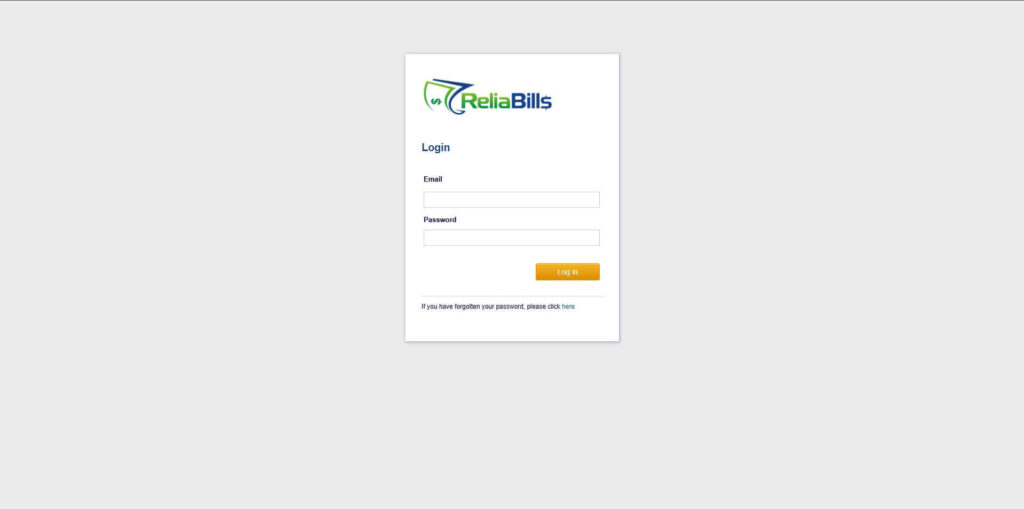
Step 1: Login to ReliaBills
- Access your ReliaBills Account using your login credentials. If you don’t have an account, sign up here.
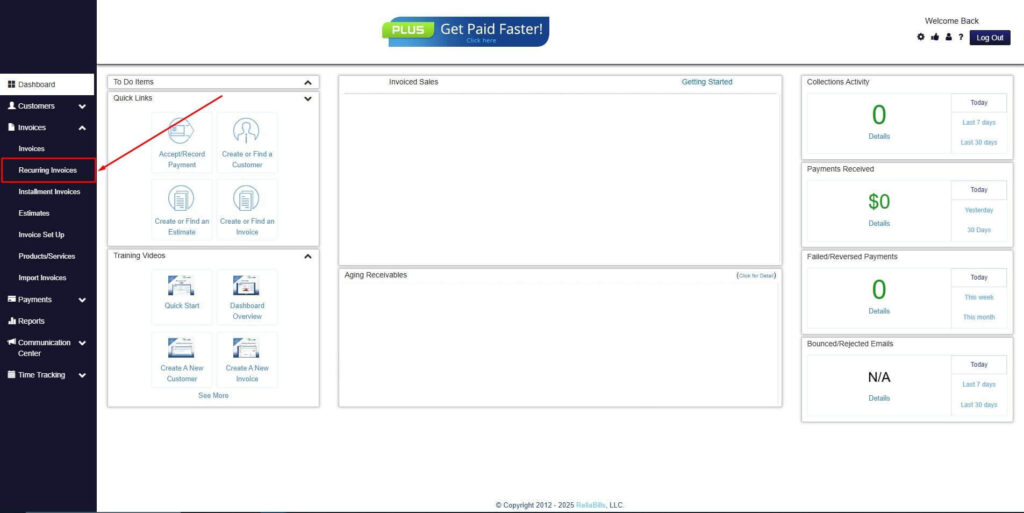
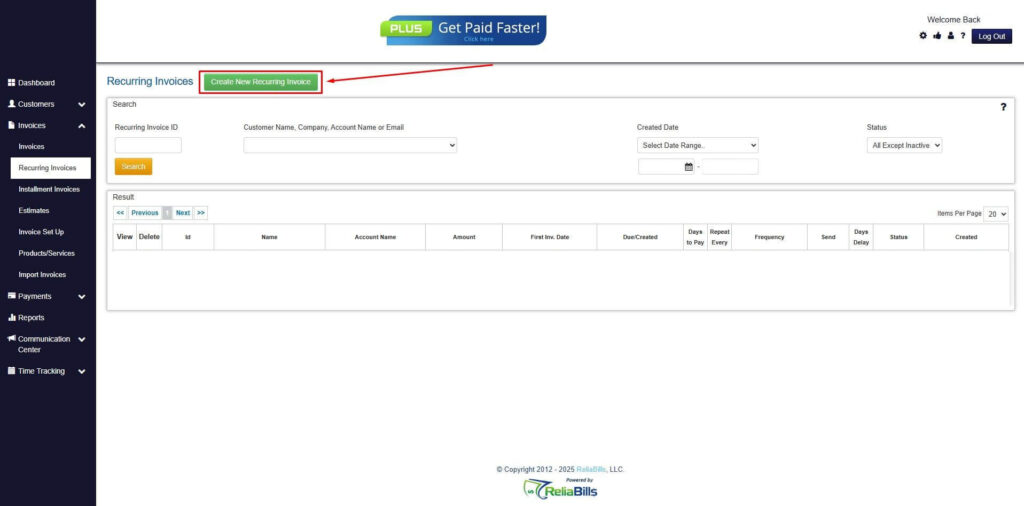
Step 2: Click on Recurring Invoices
- Navigate to the Invoices Dropdown and click on Recurring Invoices for an overview of the list of your existing customers.
Step 3: Go to the Customers Tab
- If you have already created a customer, search for them in the Customers tab and make sure their status is “Active”.
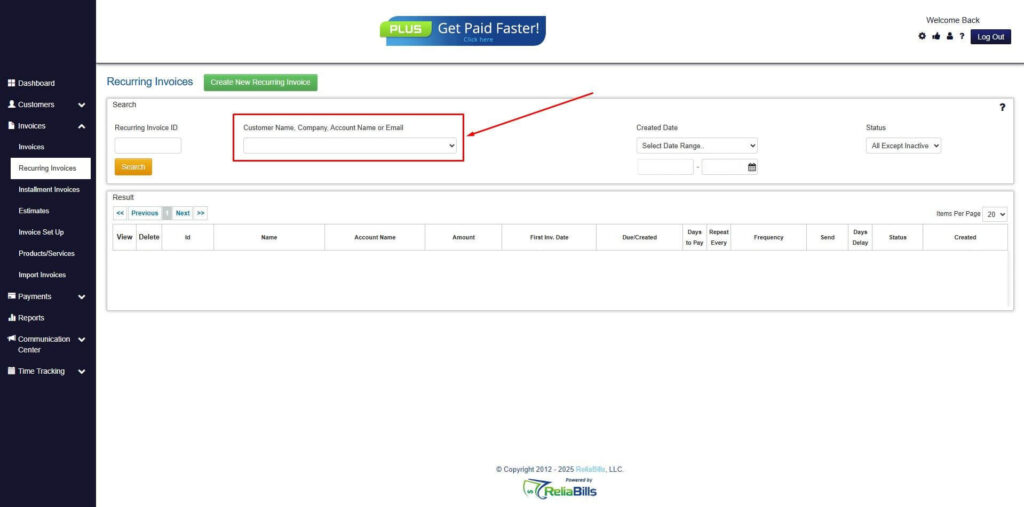
Step 4: Click the Create New Recurring Invoice
- If you haven’t created any customers yet, click the Create New Recurring Invoice to create a new customer.
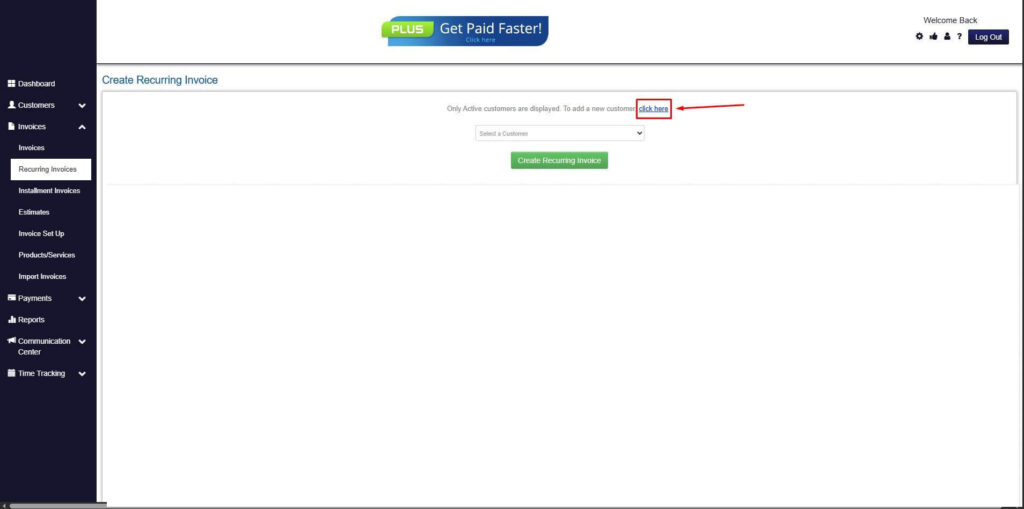
Step 5: Click on the “Click here” Button
- Click on the “Click here” button to proceed with the recurring invoice creation.
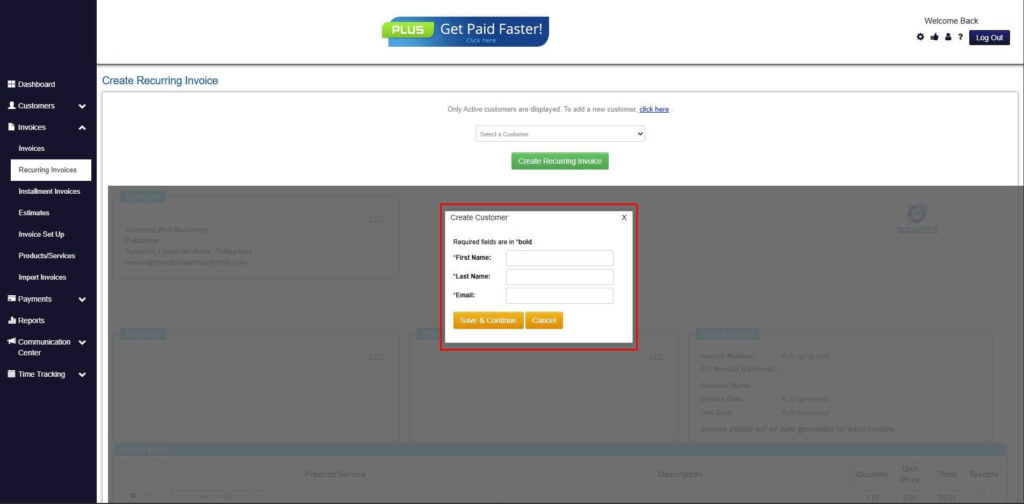
Step 6: Create Customer
- Provide your First Name, Last Name, and Email to proceed.
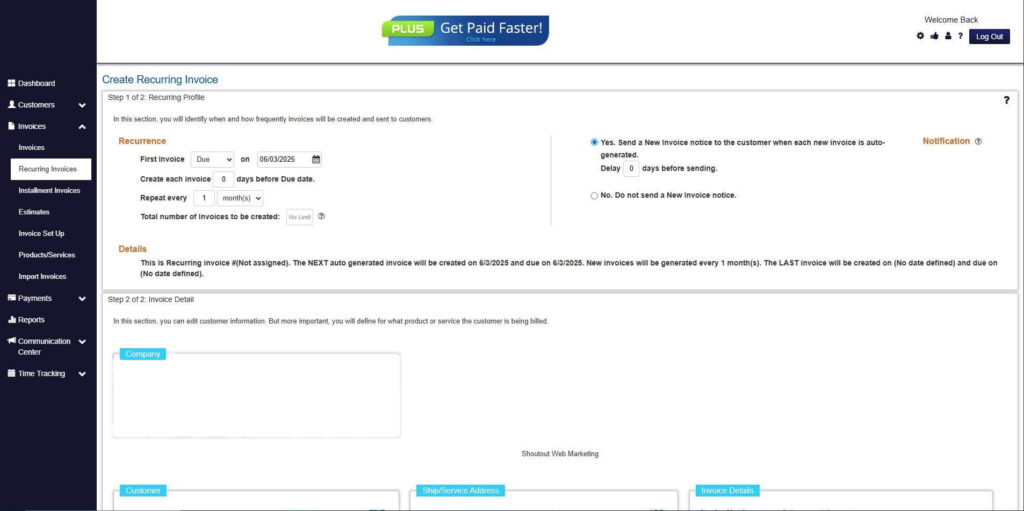
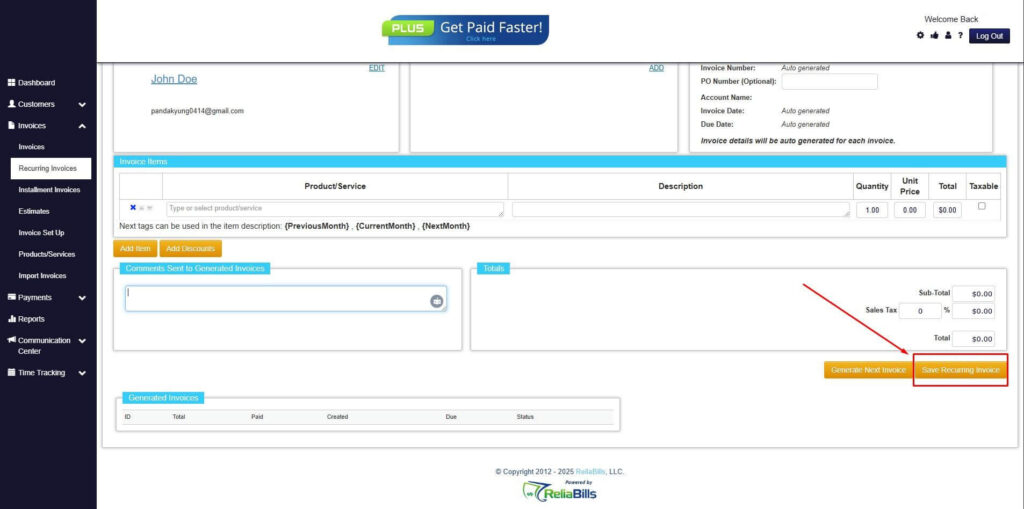
Step 7: Fill in the Create Recurring Invoice Form
- Fill in all the necessary fields.
Step 8: Save Recurring Invoice
- After filling up the form, click “Save Recurring Invoice” to continue.
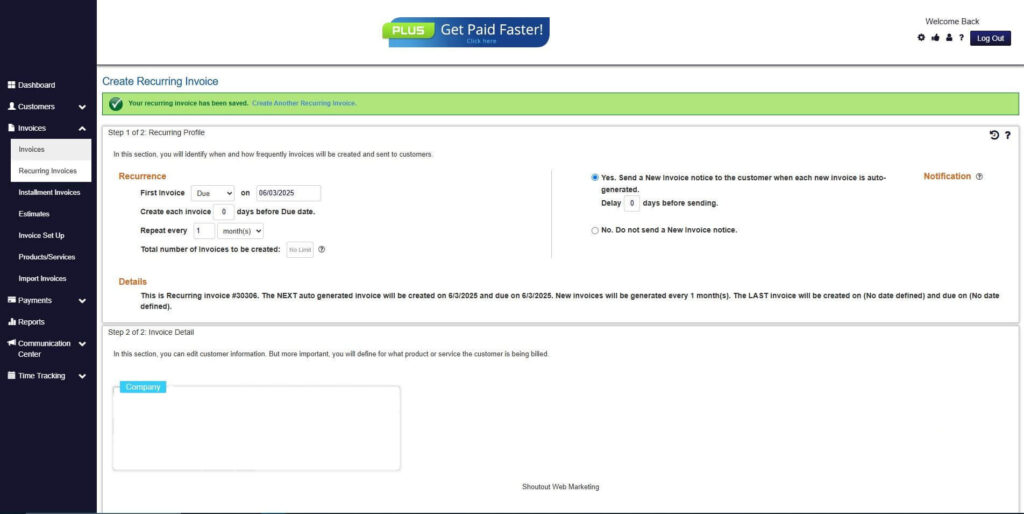
Step 9: Recurring Invoice Created
- Your Recurring Invoice has been created.
Frequently Asked Questions (FAQs)
1. What are the most common small business invoice errors?
Common errors include incorrect calculations, missing information, unclear payment terms, and late invoicing. These mistakes can delay payments and create disputes. Addressing them improves efficiency and accuracy.
2. How can invoicing mistakes affect cash flow?
Errors often lead to delayed payments and unresolved disputes. This disrupts cash flow and financial planning. Consistent accuracy ensures steady revenue.
3. What tools can help reduce invoicing errors?
Automated invoicing software can minimize manual mistakes. Features like recurring billing and payment tracking improve accuracy. These tools streamline billing processes.
4. How often should invoices be reviewed for accuracy?
Invoices should be reviewed before sending to ensure accuracy. Regular audits can also help identify recurring issues. Consistent checks improve reliability.
5. Can automation eliminate invoicing mistakes completely?
Automation significantly reduces errors but may not eliminate them entirely. Proper setup and monitoring are still required. Combining automation with oversight ensures optimal results.
Conclusion
Small business invoice errors can have a significant impact on financial stability and operational efficiency. From incorrect calculations to missing details, these mistakes lead to delayed payments and strained customer relationships. Addressing these issues is essential for maintaining smooth billing processes.
Accurate invoicing improves cash flow, reduces administrative workload, and enhances customer trust. By implementing standardized processes and leveraging automation, businesses can minimize errors and improve efficiency. This creates a more reliable and scalable financial system.
Adopting automated invoicing solutions is a strategic step toward eliminating small business invoice errors. Businesses that prioritize accuracy and efficiency are better positioned for growth and long-term success. Investing in the right tools ensures consistent performance and improved financial outcomes.