
Accurate documentation is a critical component of international shipping, especially when goods cross borders without being sold. Customs authorities rely heavily on paperwork to assess shipments, determine duties where applicable, and verify compliance with local and international regulations. Even a minor discrepancy in documentation can disrupt the flow of goods and create unnecessary complications. This is why understanding the correct process is essential for both businesses and individuals shipping internationally.
A non commercial invoice template becomes particularly important when dealing with shipments that do not involve a financial transaction. These invoices are required for customs clearance when sending items such as product samples, gifts, replacements, or returned goods. Despite the absence of a sale, authorities still require detailed and accurate information to evaluate the shipment. Without proper documentation, even non-commercial shipments can be treated as suspicious or incomplete.
Many shippers underestimate the importance of accuracy in these documents, which leads to avoidable issues. Common problems include shipment delays, additional inspections, penalties, or even rejection at customs checkpoints. These disruptions not only increase costs but also affect delivery timelines and customer satisfaction. By learning how to correctly complete a non-commercial invoice, you can prevent these issues and ensure a smoother shipping experience.
What Is a Non-Commercial Invoice for Customs?
A non-commercial invoice is a document used in international shipping to declare goods that are not being sold or purchased. Its main purpose is to provide customs authorities with clear and accurate information about the shipment, including the nature of the goods and their estimated value. Even though no financial transaction is taking place, the invoice still serves as an official declaration. This helps customs determine how the shipment should be processed.
There are several common use cases where a non-commercial invoice is required. These include sending product samples to potential clients, shipping gifts to friends or family abroad, returning defective items, or providing warranty replacements. Businesses also use these invoices when transferring goods between offices in different countries. In all these scenarios, the invoice clarifies that the shipment is not part of a commercial sale.
The key distinction between a non-commercial and a commercial invoice lies in the intent of the shipment. A commercial invoice is used for goods that are bought and sold and includes pricing, payment terms, and transaction details. In contrast, a non-commercial invoice focuses on transparency rather than revenue. Using a structured non commercial invoice template ensures that all required information is included without confusion.
Why Accuracy Matters in Non-Commercial Invoices
Accuracy in a non-commercial invoice directly affects how quickly and smoothly your shipment moves through customs. Customs officers rely on the details provided in the invoice to verify the legitimacy of the shipment. Any inconsistencies or missing information can raise red flags and trigger additional inspections. This slows down the process and can lead to unnecessary complications.
When invoices are inaccurate, shipments are more likely to be held for further review. This can result in extended delays, increased storage fees, and additional administrative work. In some cases, customs authorities may reject the shipment entirely or require resubmission of corrected documents. These setbacks can disrupt supply chains and impact customer satisfaction.
Maintaining precise and complete documentation also ensures compliance with international shipping regulations. Different countries have strict rules regarding imports, even for non-commercial goods. Failure to meet these requirements can lead to penalties or fines. A reliable non commercial invoice template helps standardize the process and reduces the likelihood of costly errors.
Essential Information Required in a Non-Commercial Invoice
Sender and Recipient Full Details (Name, Address, Contact)
Complete sender and recipient information is essential for identifying the origin and destination of the shipment. This includes full names, accurate addresses, and valid contact details such as phone numbers or email addresses. Customs authorities may use this information to verify the shipment or contact either party if needed. Missing or incorrect details can delay processing or result in delivery issues.
Invoice Number and Date
Every non-commercial invoice should include a unique invoice number and the date it was issued. This information helps track the shipment and provides a reference point for customs and logistics providers. Consistent numbering also improves internal record-keeping and audit processes. Without this, managing multiple shipments can become confusing and inefficient.
Detailed Product Description
Each item in the shipment must be described clearly and specifically to avoid confusion. Generic terms like “items” or “goods” should be avoided in favor of precise descriptions such as “ceramic mugs” or “cotton fabric samples.” Accurate descriptions help customs classify the goods correctly and determine any applicable regulations. This reduces the likelihood of delays or additional inquiries.
Quantity of Items
The invoice should clearly state the number of units for each item included in the shipment. This ensures alignment between the documentation and the physical contents of the package. Any mismatch can trigger inspections or raise concerns during customs clearance. Accurate quantity reporting is essential for smooth processing.
Declared Value (Even If No Commercial Value)
Even when goods are not being sold, a declared value must still be included. This value should reflect a reasonable estimate of the item’s worth. Customs authorities use this information to assess duties, taxes, or exemptions where applicable. Declaring a value of “0” is often rejected and may lead to further scrutiny.
Purpose of Shipment (Gift, Sample, Return, etc.)
Clearly stating the purpose of the shipment helps customs understand the nature of the transaction. Common labels include “gift,” “sample,” “return,” or “replacement.” This classification determines how the shipment is processed and whether duties apply. Omitting this detail can lead to misinterpretation and delays.
Country of Origin
The country of origin indicates where the goods were manufactured or produced. This information is important for applying trade agreements and import regulations. Customs authorities use it to classify goods and determine eligibility for certain exemptions. Providing accurate origin details ensures compliance.
Shipping Method and Tracking Details
Including the shipping carrier and tracking number improves visibility throughout the shipping process. This allows both the sender and customs authorities to monitor the shipment’s progress. It also helps resolve any issues more quickly if they arise. Transparency in logistics is key to efficient delivery.
Declaration Statement Confirming Non-Commercial Nature
A declaration statement confirms that the goods are not intended for sale. This helps customs clearly distinguish the shipment from commercial transactions. Including this statement reduces confusion and ensures proper classification. It also reinforces compliance with documentation requirements.
Signature of Sender
The sender’s signature serves as a formal confirmation that all information provided is accurate. It validates the authenticity of the document and holds the sender accountable. Unsigned invoices may be considered incomplete or invalid. Always ensure the invoice is properly signed before submission.
Step-by-Step Guide to Filling Out a Non-Commercial Invoice
Filling out a non-commercial invoice begins with entering accurate sender and recipient details. This includes verifying names, addresses, and contact information to ensure there are no errors. These details form the foundation of the document and are essential for customs identification. Any mistake at this stage can lead to delays or misdelivery.
Next, provide detailed descriptions of each item in the shipment along with the correct quantity. Be specific about the type, material, and purpose of each item to avoid confusion. Assign a reasonable declared value to each product, even if it is not being sold. This step is critical for customs assessment and compliance.
Finally, specify the purpose of the shipment, such as “gift” or “sample,” and include the invoice number and date. Sign the document to confirm its accuracy and completeness. Before submitting, review the entire invoice carefully to ensure all fields are filled correctly. Using a non commercial invoice template can simplify this process and reduce errors.
Common Errors to Avoid
Leaving Out Declared Value or Marking It as “0” Incorrectly
Failing to include a declared value is one of the most frequent mistakes in non-commercial invoices. Customs requires a reasonable estimate of the item’s worth, even if no sale is involved. Declaring a value of “0” can raise suspicion and result in shipment delays or rejection. Always provide a realistic value to ensure smooth processing.
Using Vague Product Descriptions
Generic or unclear descriptions make it difficult for customs to classify goods accurately. This often leads to additional inspections or requests for clarification. Detailed and specific descriptions help avoid confusion and speed up processing. Clear documentation improves efficiency across the board.
Missing Sender or Recipient Contact Details
Incomplete contact information can prevent customs or carriers from resolving issues quickly. This can result in delays or failed delivery attempts. Providing accurate phone numbers and email addresses ensures better communication. It also helps maintain transparency throughout the shipping process.
Forgetting to State Shipment Purpose
Not specifying the purpose of the shipment can lead to misclassification. Customs may assume the goods are part of a commercial transaction. This can result in incorrect duty charges or processing delays. Always clearly state the reason for shipping.
Incorrect Quantity or Mismatched Item Details
Discrepancies between the invoice and the actual shipment can trigger inspections. This slows down the clearance process and may incur additional costs. Ensuring accuracy in quantity and item details is essential. Consistency between documents and physical goods is key.
Not Signing or Dating the Invoice
Unsigned or undated invoices are often considered incomplete. This can delay customs clearance or require resubmission of documents. A signature validates the accuracy of the information provided. Always finalize your invoice properly before submission.
How These Errors Affect Customs Clearance
Errors in a non-commercial invoice can significantly disrupt the customs clearance process. Shipments may be flagged for inspection, which adds time and complexity to the process. This can delay delivery and create logistical challenges for both senders and recipients. In some cases, shipments may be held indefinitely until corrections are made.
These issues often lead to additional costs, including storage fees, penalties, and administrative charges. If a shipment is rejected, it may need to be returned to the sender, further increasing expenses. This can be particularly problematic for businesses that rely on timely deliveries. Financial losses can quickly add up due to simple documentation errors.
Repeated mistakes can also damage a company’s reputation and reliability. Customers may lose trust if shipments are consistently delayed or mishandled. Maintaining accuracy with a structured non commercial invoice template helps prevent these issues. It ensures smoother operations and better customer satisfaction.
Best Practices for Error-Free Invoice Preparation
Use Standardized Invoice Templates
Using a standardized template ensures that all required fields are consistently included. This reduces the likelihood of missing important information. A structured non commercial invoice template also improves efficiency. It provides a clear format that is easy to follow.
Double-Check All Shipment and Product Details
Reviewing the invoice before submission helps catch errors early. Cross-check item descriptions, quantities, and declared values for accuracy. This step prevents costly mistakes and delays. A thorough review ensures compliance.
Keep Descriptions Clear and Consistent
Consistency in language and terminology improves clarity. Avoid abbreviations or vague terms that may confuse customs authorities. Clear descriptions help streamline the classification process. This reduces the risk of delays.
Ensure All Required Fields Are Completed
Incomplete invoices are a common cause of shipping issues. Verify that every section of the invoice is filled out correctly. Missing information can lead to delays or rejection. Completeness is essential for compliance.
Review Customs Regulations for Destination Countries
Different countries have unique import requirements and regulations. Research these rules before shipping to avoid surprises. Staying informed helps ensure smooth customs clearance. It also reduces the risk of penalties.
The Role of Digital Tools in Preventing Errors
Digital tools have revolutionized the way businesses handle shipping documentation. By automating invoice creation, these systems reduce the need for manual data entry and minimize human error. This leads to more accurate and consistent documentation across all shipments. Businesses can rely on these tools to maintain high standards of accuracy.
Standardization is another key benefit of digital invoicing platforms. Every invoice follows the same format, ensuring that all required fields are included. This consistency is crucial for compliance with international shipping regulations. It also simplifies the review process for customs authorities.
Additionally, digital tools provide secure storage and easy access to invoice records. This improves tracking, auditing, and reporting capabilities. Businesses can quickly retrieve past invoices when needed. Using a digital non commercial invoice template enhances both efficiency and reliability.
How Automation Improves Customs Documentation
Automation plays a significant role in improving the accuracy and efficiency of customs documentation. By standardizing invoice structures, it ensures that all necessary fields are completed correctly. This reduces the risk of missing or incorrect information. Automated systems streamline the entire process.
Reducing manual tasks also minimizes the likelihood of human error. This is particularly beneficial for businesses that handle high volumes of shipments. Consistency across invoices improves compliance with global standards. It also enhances operational efficiency.
Automation tools can integrate with logistics and shipping platforms to create a seamless workflow. This allows for real-time updates and better coordination. The result is faster and more reliable shipping operations. Businesses can scale more effectively with automated systems.
Key Benefits of Error-Free Non-Commercial Invoices
Faster Customs Clearance
Accurate invoices enable customs authorities to process shipments quickly and efficiently. This reduces waiting times and ensures timely delivery. Faster clearance improves overall logistics performance. It also enhances customer satisfaction.
Reduced Risk of Shipment Delays
Error-free documentation minimizes the chances of inspections or shipment holds. This keeps goods moving smoothly through the supply chain. Fewer delays mean better reliability. Consistency is key to efficient operations.
Improved Compliance with Regulations
Properly completed invoices meet international documentation requirements. This reduces the risk of fines or penalties. Compliance ensures smoother cross-border transactions. It also builds trust with authorities.
Fewer Documentation Errors
Standardized processes help reduce the likelihood of mistakes. This improves consistency across all shipments. Fewer errors lead to smoother operations. Efficiency increases as a result.
Better Tracking and Record-Keeping
Well-organized invoices are easier to track and manage. This supports audits and reporting requirements. It also provides valuable insights into shipping operations. Good record-keeping improves decision-making.
Common Use Cases
International Shipping of Product Samples
Businesses often send product samples to potential clients in different countries. A non-commercial invoice ensures these shipments are properly documented and processed. It clarifies that the items are not for sale. This helps avoid unnecessary duties or delays.
Sending Gifts Abroad
Individuals frequently ship gifts to friends or family internationally. Proper documentation ensures that these shipments are recognized as non-commercial. This reduces the risk of customs issues. It also ensures smoother delivery.
Returning Defective Goods
Defective items are often returned to manufacturers for repair or replacement. A non-commercial invoice identifies the shipment as a return. This prevents incorrect duty charges. It also simplifies the customs process.
Warranty Replacements
Companies send replacement products under warranty without charging customers. The invoice clarifies this arrangement to customs authorities. This ensures accurate processing. It also avoids confusion.
Internal Company Transfers
Organizations with multiple international locations often transfer goods between offices. These shipments are non-commercial in nature. Proper documentation ensures compliance with regulations. It also facilitates smooth operations.
How ReliaBills Supports Accurate Invoice Creation
Managing international shipping documents can be complex, especially when accuracy is critical for customs clearance. ReliaBills simplifies this process by offering a user-friendly digital invoicing system that reduces manual input and standardizes documentation. Businesses can create consistent, professional invoices using structured templates, helping eliminate common errors. This improves overall efficiency while ensuring that every shipment is backed by complete and accurate information.
For businesses handling frequent shipments, ReliaBills’ recurring billing capabilities provide a major advantage. Instead of recreating invoices from scratch, users can automate repeat transactions with pre-filled, standardized data. This is especially useful when using a non-commercial invoice template, as it ensures consistency across multiple shipments. By reducing repetitive tasks, businesses can save time while maintaining a high level of accuracy.
ReliaBills PLUS takes automation and control even further with advanced features designed for growing operations. Users gain access to detailed reporting, invoice tracking, and structured document management tools that improve visibility and organization. Automated workflows guide users through the invoice creation process, ensuring nothing is missed. With these capabilities, businesses can scale efficiently while staying compliant with international shipping and documentation requirements.
How to Create a New Recurring Invoice Using ReliaBills
Creating a New Recurring Invoice using ReliaBills involves the following steps:
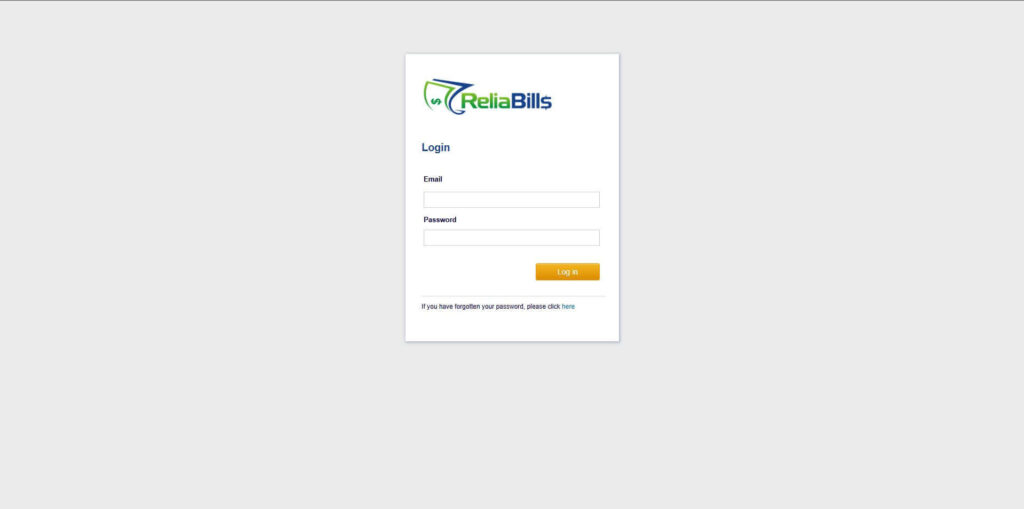
Step 1: Login to ReliaBills
- Access your ReliaBills Account using your login credentials. If you don’t have an account, sign up here.
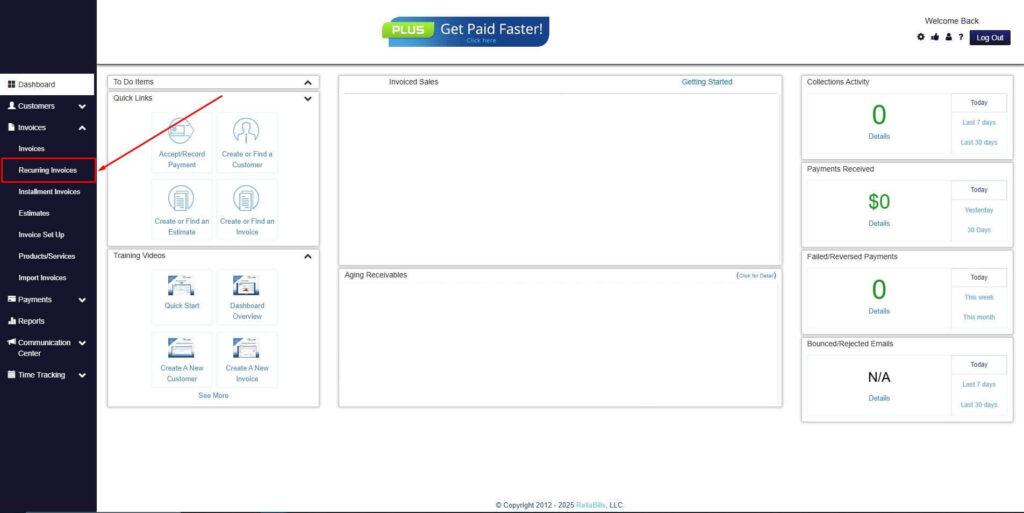
Step 2: Click on Recurring Invoices
- Navigate to the Invoices Dropdown and click on Recurring Invoices for an overview of the list of your existing customers.
Step 3: Go to the Customers Tab
- If you have already created a customer, search for them in the Customers tab and make sure their status is “Active”.
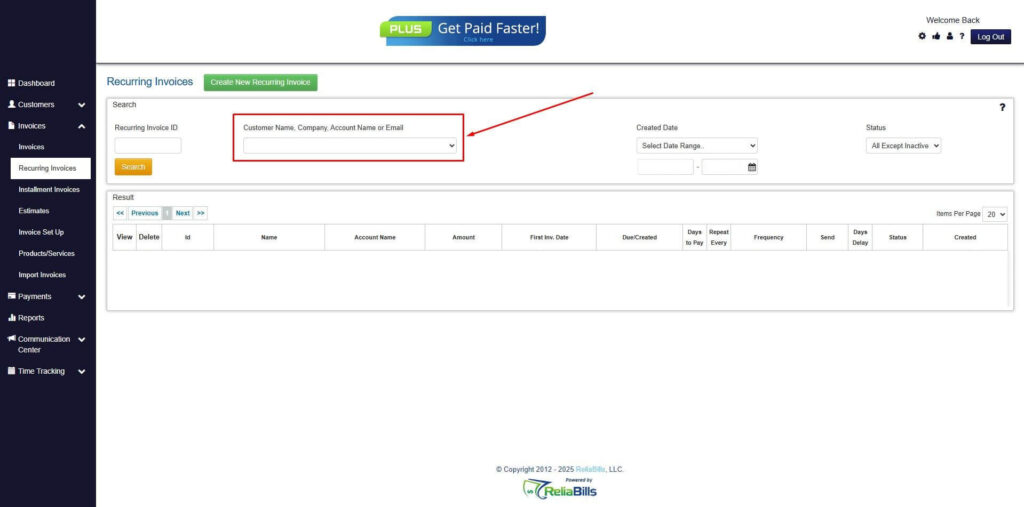
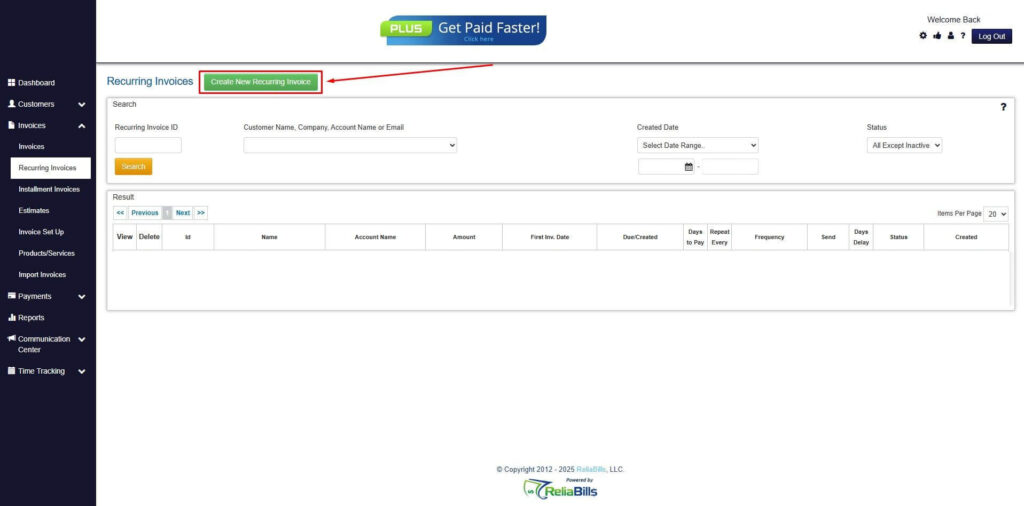
Step 4: Click the Create New Recurring Invoice
- If you haven’t created any customers yet, click the Create New Recurring Invoice to create a new customer.
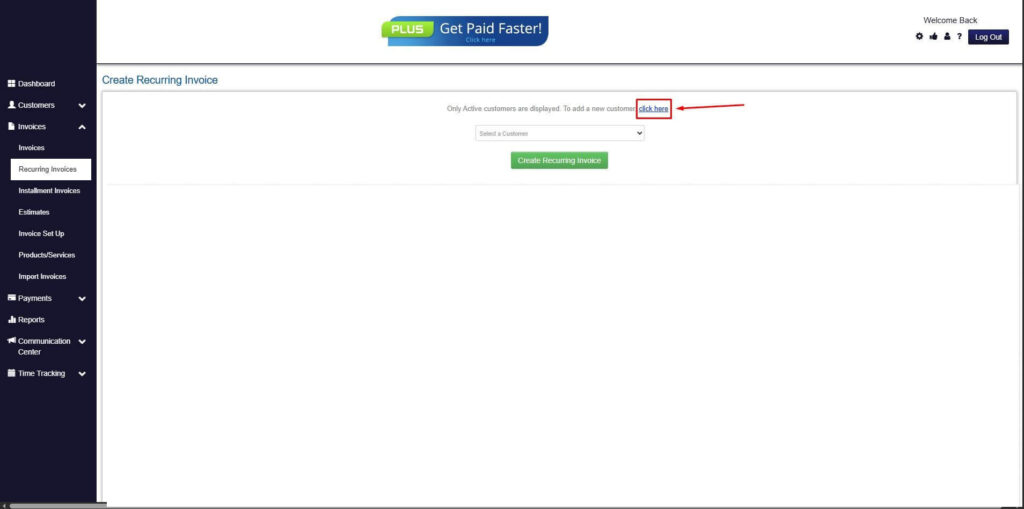
Step 5: Click on the “Click here” Button
- Click on the “Click here” button to proceed with the recurring invoice creation.
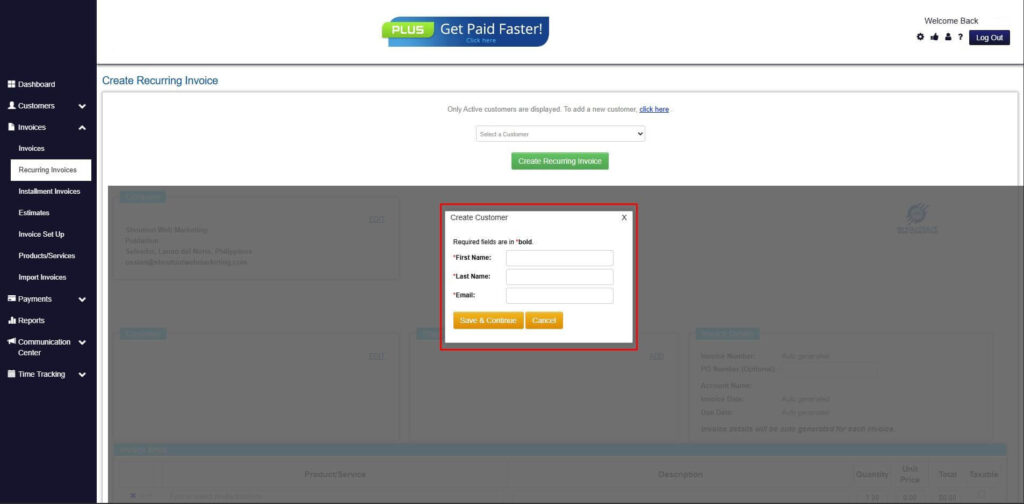
Step 6: Create Customer
- Provide your First Name, Last Name, and Email to proceed.
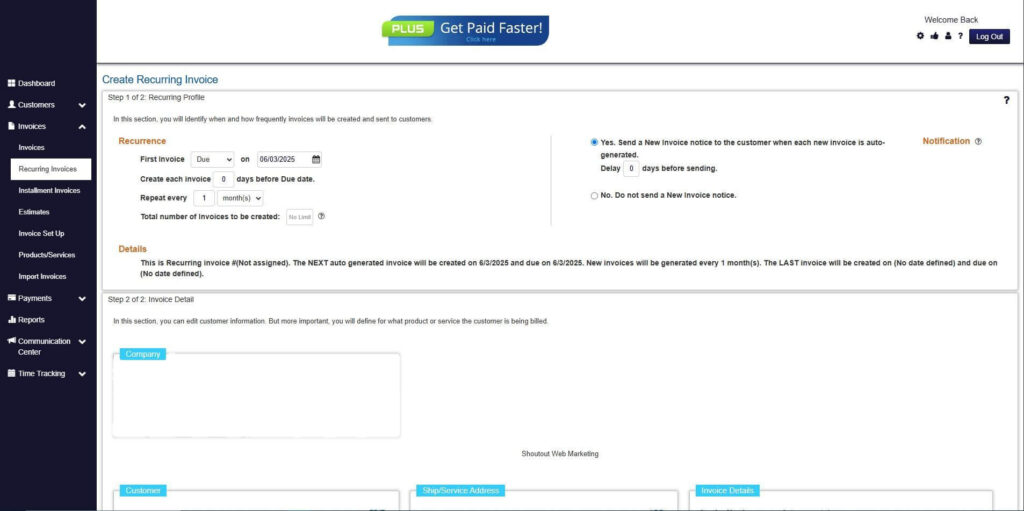
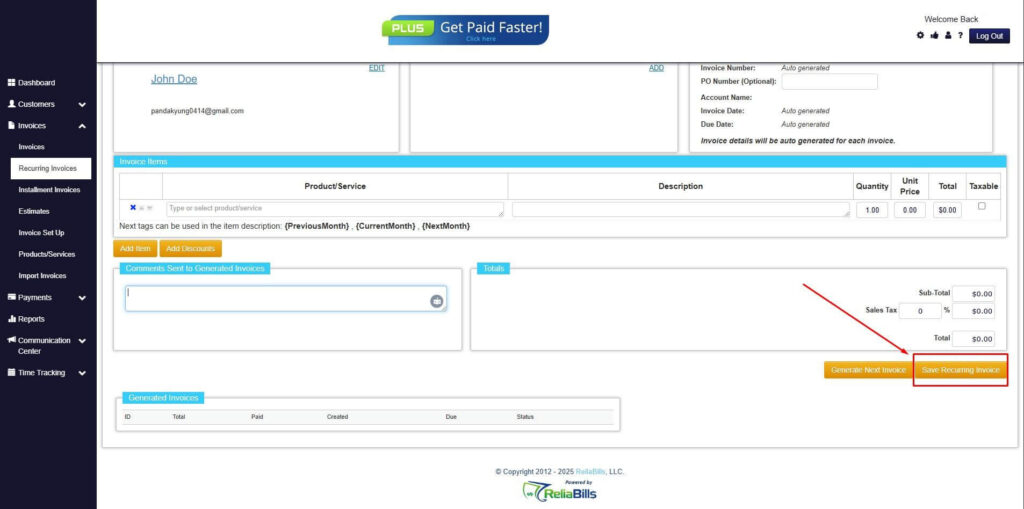
Step 7: Fill in the Create Recurring Invoice Form
- Fill in all the necessary fields.
Step 8: Save Recurring Invoice
- After filling up the form, click “Save Recurring Invoice” to continue.
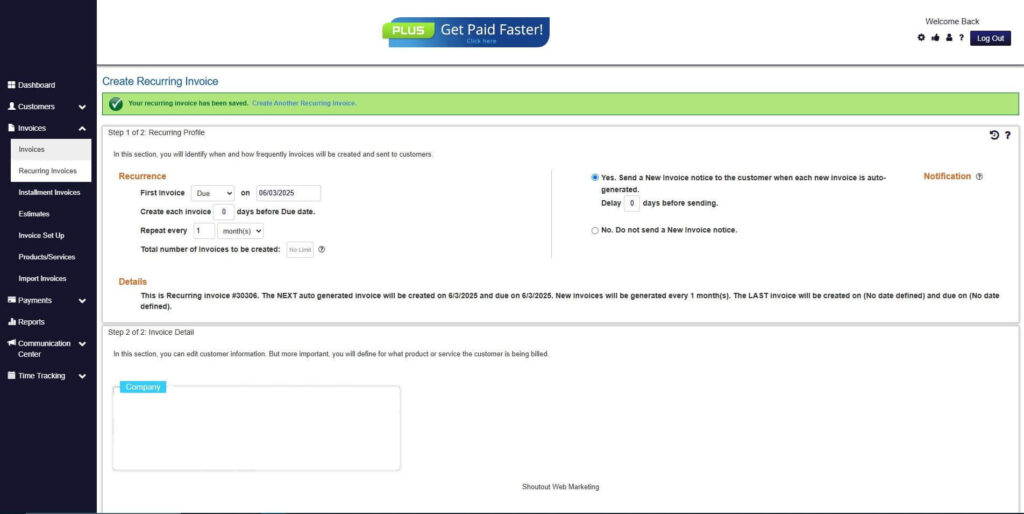
Step 9: Recurring Invoice Created
- Your Recurring Invoice has been created.
Frequently Asked Questions (FAQs)
1. What is a non-commercial invoice?
A non-commercial invoice is a document used to declare goods that are not being sold in an international shipment. It provides customs authorities with important details about the shipment. This includes item descriptions, value, and purpose. It is essential for processing non-sale goods.
2. Do I need to include value on a non-commercial invoice?
Yes, you must include a declared value even if the goods are not for sale. Customs uses this value to assess duties or exemptions. The value should be reasonable and accurate. Declaring “0” is not recommended.
3. What happens if my invoice has errors?
Errors can lead to delays, inspections, or rejection of the shipment. This may also result in additional fees or penalties. Correcting errors can take time and disrupt delivery schedules. Accuracy is crucial to avoid these issues.
4. Can I use digital invoices for customs?
Yes, digital invoices are widely accepted and often preferred. They improve accuracy and consistency in documentation. Many businesses use digital tools for efficiency. They also simplify record-keeping.
5. How can I avoid customs delays?
Use a standardized non commercial invoice template and double-check all details before submission. Ensure compliance with destination country regulations. Automation tools can further reduce errors. Proper preparation ensures smoother clearance.
Conclusion
Filling out a non-commercial invoice correctly is essential for ensuring smooth international shipping operations. Accurate documentation allows customs authorities to process shipments efficiently and without unnecessary delays. Even small errors can lead to significant disruptions, making attention to detail critical. A structured approach helps eliminate these risks.
By understanding the required fields and avoiding common mistakes, businesses and individuals can improve their shipping outcomes. Using a reliable non commercial invoice template standardizes the process and ensures compliance with global regulations. This not only reduces errors but also enhances overall efficiency. Consistency is key to successful cross-border shipping.
Looking ahead, adopting digital tools and automation is the most effective way to maintain accuracy and scalability. These solutions streamline documentation, reduce manual effort, and improve compliance. Businesses that invest in these technologies can achieve faster processing and better reliability. In a global marketplace, precision and efficiency are essential for long-term success.