

As businesses and consumers increasingly demand convenience, seamless payment experiences have become a priority. Companies are moving away from manual billing processes and adopting automated solutions that reduce friction and improve efficiency. This shift is especially important in industries that rely on consistent, repeat transactions.
Manual payment processes often lead to delays, missed invoices, and inconsistent cash flow. Businesses may struggle with follow-ups, tracking payments, and ensuring customers pay on time. These challenges not only affect revenue but also increase administrative workload.
This is where recurring billing in auto pay systems becomes essential. By automating both invoicing and payment collection, businesses can ensure consistent billing cycles and reliable cash flow. Recurring billing serves as the backbone that enables auto-pay systems to function efficiently.
What Is Recurring Billing?
Recurring billing is a payment model where customers are automatically charged at regular intervals for products or services. This could be weekly, monthly, quarterly, or annually, depending on the business model. It is commonly used in subscription-based services and ongoing customer relationships.
In modern billing systems, recurring billing automates invoice generation and scheduling. Instead of manually creating invoices each time, the system handles the process automatically based on predefined rules. This ensures consistency and reduces the risk of missed billing cycles.
Unlike one-time invoicing, which requires manual input for every transaction, recurring billing is designed for repeat payments. It simplifies the billing process and ensures customers are charged accurately and on time. This makes it a key component of recurring billing in auto pay systems.
What Are Auto Pay Systems?
Auto-pay systems are automated payment solutions that allow businesses to collect payments directly from customers on scheduled dates. Customers authorize these payments in advance, enabling transactions to occur without manual intervention. This creates a seamless and convenient payment experience.
These systems rely on secure storage of payment details such as credit cards or bank accounts. Once authorized, payments are processed automatically based on the billing schedule. This eliminates the need for customers to remember due dates or manually initiate payments.
Auto-pay systems are closely tied to invoicing processes. Without structured billing schedules, it becomes difficult to automate payments effectively. This is why recurring billing in auto pay systems plays a critical role in ensuring smooth and reliable payment processing.
How Recurring Billing Powers Auto Pay Systems
Recurring billing provides the structure needed for auto-pay systems to function efficiently. By establishing fixed billing schedules, businesses can ensure that payments are processed consistently. This eliminates uncertainty and improves cash flow predictability.
It also ensures invoices are generated on time, which is essential for accurate payment processing. When invoices are created automatically, there is no risk of delays or missed billing cycles. This consistency is key to maintaining customer trust and satisfaction.
Additionally, recurring billing enables seamless integration between invoicing and payment systems. Payments are automatically triggered based on invoice schedules, reducing manual intervention. This highlights how recurring billing in auto pay systems streamlines the entire billing lifecycle.
Key Features That Connect Recurring Billing and Auto Pay
Automated invoice generation and scheduling
Automated systems generate invoices at predefined intervals without manual input. This ensures billing cycles remain consistent and eliminates delays that could disrupt payments. It is a foundational feature that enables smooth execution of recurring billing in auto pay systems.
Auto-pay enrollment and payment authorization
Customers can easily enroll in auto-pay by securely authorizing recurring charges. This removes the need for manual payments and ensures transactions are processed on time. A simple enrollment process increases adoption and improves payment consistency.
Secure storage of payment methods
Payment details such as credit cards and bank accounts are stored using encryption and compliance standards. This ensures sensitive customer data is protected at all times. Strong security builds trust and encourages more users to opt into auto-pay systems.
Payment reminders and confirmation notifications
Automated notifications keep customers informed about upcoming charges and completed payments. These alerts improve transparency and reduce confusion بشأن billing schedules. They also reinforce trust and help prevent disputes.
Real-time tracking of invoices and payments
Businesses can monitor invoice statuses and payment activity instantly through dashboards. This visibility allows for quick identification of issues and faster resolution. Real-time insights are critical for managing recurring billing in auto pay systems effectively.
Flexible billing cycles and subscription management
Systems allow businesses to customize billing intervals based on customer needs. This flexibility supports different pricing models and subscription plans. It also improves customer satisfaction and retention.
Benefits of Combining Recurring Billing with Auto Pay
Ensures consistent and on-time payments
Automated billing and payment collection eliminate delays caused by manual processes. Customers are charged according to a fixed schedule, ensuring reliability. This consistency strengthens overall financial stability.
Improves cash flow predictability
With recurring billing, businesses can anticipate incoming payments with greater accuracy. This predictability allows for better budgeting and financial planning. It reduces uncertainty and supports long-term growth.
Reduces administrative workload
Automation removes repetitive tasks such as invoice creation and payment tracking. Employees can focus on strategic activities instead of manual processes. This leads to improved productivity and efficiency.
Minimizes late and missed payments
Auto-pay ensures payments are processed automatically, reducing reliance on customer action. This significantly lowers the risk of overdue invoices. As a result, businesses experience improved collection rates.
Enhances customer convenience and satisfaction
Customers benefit from a seamless payment experience without needing to remember due dates. This convenience increases satisfaction and loyalty. A better experience often leads to long-term customer retention.
Challenges Without Recurring Billing in Auto Pay Systems
Without recurring billing, businesses face inconsistent billing schedules that can lead to missed payments. Manual processes often result in delays and inefficiencies, disrupting cash flow. This lack of structure makes it difficult to maintain reliable payment cycles.
There is also an increased administrative burden when invoices must be created manually. Employees must track billing schedules, send invoices, and follow up on payments. This consumes time and increases the risk of errors.
Additionally, the absence of recurring billing makes it harder to manage repeat customers and subscriptions. Businesses may struggle to maintain accurate records and consistent billing practices. This highlights the importance of recurring billing in auto pay systems.
Best Practices for Implementing Recurring Billing with Auto Pay
Set clear billing cycles and payment terms
Clearly define billing intervals and communicate them to customers upfront. This helps avoid confusion and sets expectations for payment schedules. Transparency improves trust and reduces disputes.
Offer easy auto-pay enrollment for customers
Simplify the sign-up process to encourage more customers to opt into auto-pay. A user-friendly experience increases adoption rates. Higher enrollment leads to more consistent payments.
Provide multiple payment options (cards, bank transfers)
Offering various payment methods makes it easier for customers to participate in auto-pay. Flexibility improves convenience and reduces payment friction. This leads to faster and more reliable transactions.
Ensure strong data security and compliance
Protect customer payment information using secure systems and industry standards. Compliance with regulations is essential for maintaining trust. Security is a critical factor in the success of recurring billing in auto pay systems.
Monitor payment performance and customer behavior
Use analytics to track payment trends and identify potential issues. This helps businesses optimize their billing strategies over time. Continuous monitoring improves efficiency and financial outcomes.
How Automation Enhances Recurring Billing and Auto Pay
Automation streamlines the entire billing and payment lifecycle. From invoice generation to payment collection, every step is handled efficiently. This reduces delays and ensures consistency.
It also minimizes human errors and operational inefficiencies. Automated systems handle calculations and data entry with precision. This improves accuracy and reduces disputes.
Real-time visibility into payment status allows businesses to make informed decisions. With better insights, companies can optimize cash flow and financial management. Automation strengthens the effectiveness of recurring billing in auto pay systems.
Key Benefits of Recurring Billing in Auto Pay Systems
- Simplifies payment collection processes: Recurring billing automates the entire billing and payment cycle. This reduces manual effort and streamlines operations. Simplified processes improve efficiency and accuracy.
- Reduces late and overdue payments: Automatic payments ensure invoices are settled on time without requiring customer action. This minimizes delays and improves cash flow. It also reduces the need for follow-ups.
- Improves financial forecasting: Predictable billing schedules provide consistent revenue data. Businesses can use this information to plan budgets and investments. Accurate forecasting supports long-term financial stability.
- Enhances operational efficiency: Automation reduces repetitive tasks and speeds up billing processes. This allows businesses to handle higher transaction volumes. Improved efficiency supports scalability.
- Strengthens customer retention: Convenient and reliable payment systems improve customer satisfaction. Customers are more likely to continue using services when billing is seamless. This increases lifetime value and loyalty.
Common Use Cases
- Subscription-based businesses: These businesses rely on recurring billing for consistent revenue streams. Auto-pay ensures customers are charged on schedule without manual effort. This supports predictable income and scalability.
- Utility and energy billing: Utility providers use recurring billing for monthly charges such as electricity and water. Auto-pay simplifies payment collection and reduces overdue accounts. This improves operational efficiency.
- Property and rent collection: Landlords and property managers benefit from automated rent billing and payments. Recurring billing ensures tenants are charged consistently. This reduces missed payments and administrative workload.
- Membership and service fees: Gyms, clubs, and service providers use recurring billing for memberships. Auto-pay ensures payments are collected on time without manual reminders. This improves retention and revenue stability.
- SaaS and digital services: Software companies depend on subscription models for revenue. Recurring billing and auto-pay ensure uninterrupted service access. This supports growth and customer satisfaction.
How ReliaBills Optimizes Recurring Billing and Auto Pay Systems
Managing recurring billing in auto pay systems becomes significantly easier when businesses use a centralized platform like ReliaBills. The system automates invoice creation, payment processing, and tracking, eliminating the need for manual intervention. This ensures that every transaction is recorded accurately and processed on time. As a result, businesses gain better visibility into their financial operations while reducing administrative workload.
One of the biggest advantages of ReliaBills is its powerful recurring billing functionality, which is designed to support seamless auto-pay execution. Businesses can set up flexible billing schedules, automate repeat invoices, and securely store customer payment methods for ongoing transactions. This reduces the complexity of managing subscriptions and ensures payments are collected consistently without delays. By streamlining repeat transactions, businesses can maintain predictable cash flow and improve overall billing efficiency.
For businesses looking to scale, ReliaBills PLUS offers advanced tools that enhance both automation and financial control. Features such as in-depth reporting, customizable billing workflows, and detailed customer account management provide greater insight into payment performance. These capabilities allow businesses to optimize their recurring billing strategies and identify opportunities for growth. With enhanced automation and analytics, ReliaBills PLUS empowers businesses to run more efficient and data-driven billing operations.
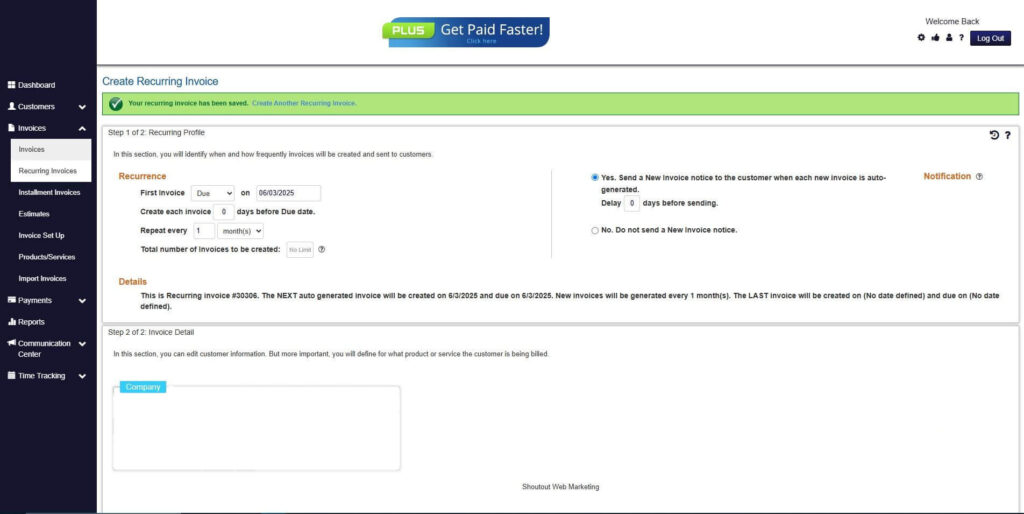
How to Create a New Recurring Invoice Using ReliaBills
Creating a New Recurring Invoice using ReliaBills involves the following steps:
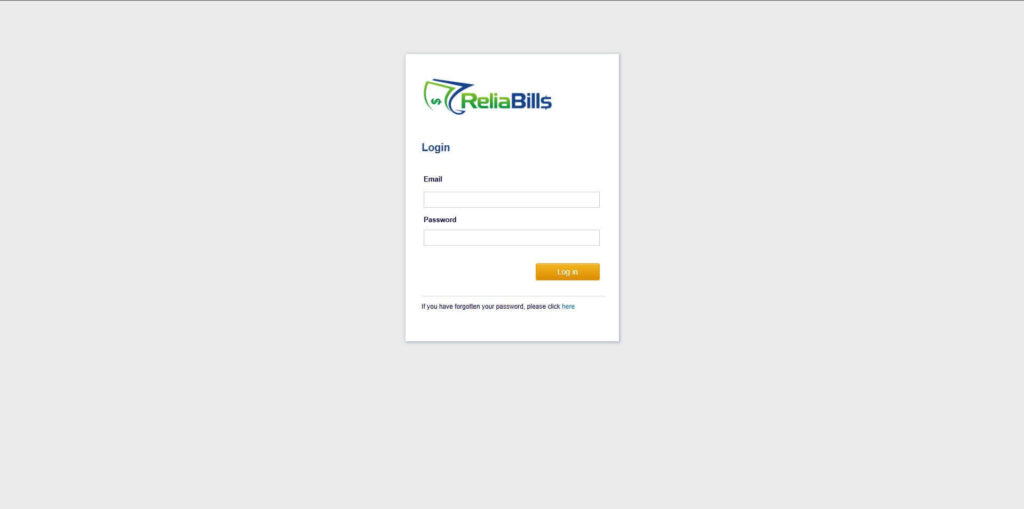
Step 1: Login to ReliaBills
- Access your ReliaBills Account using your login credentials. If you don’t have an account, sign up here.
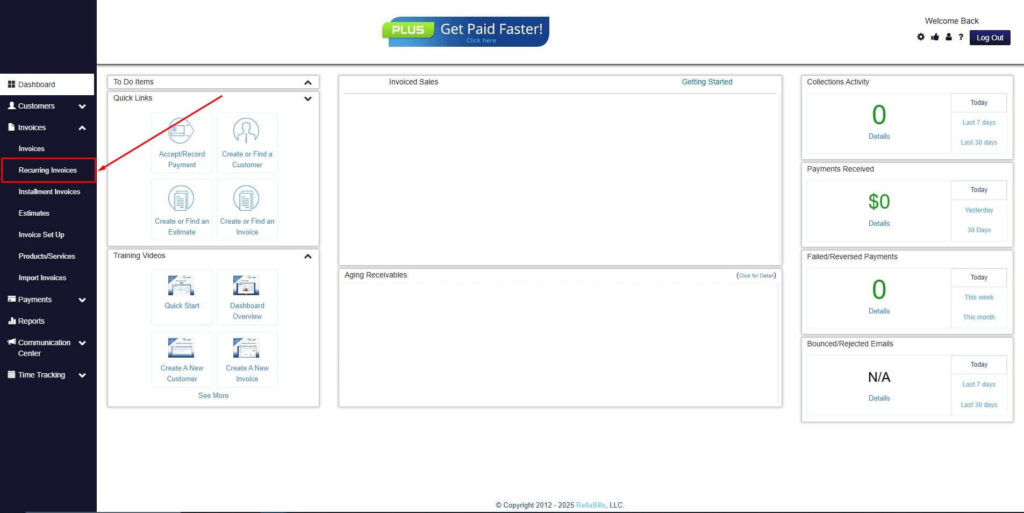
Step 2: Click on Recurring Invoices
- Navigate to the Invoices Dropdown and click on Recurring Invoices for an overview of the list of your existing customers.
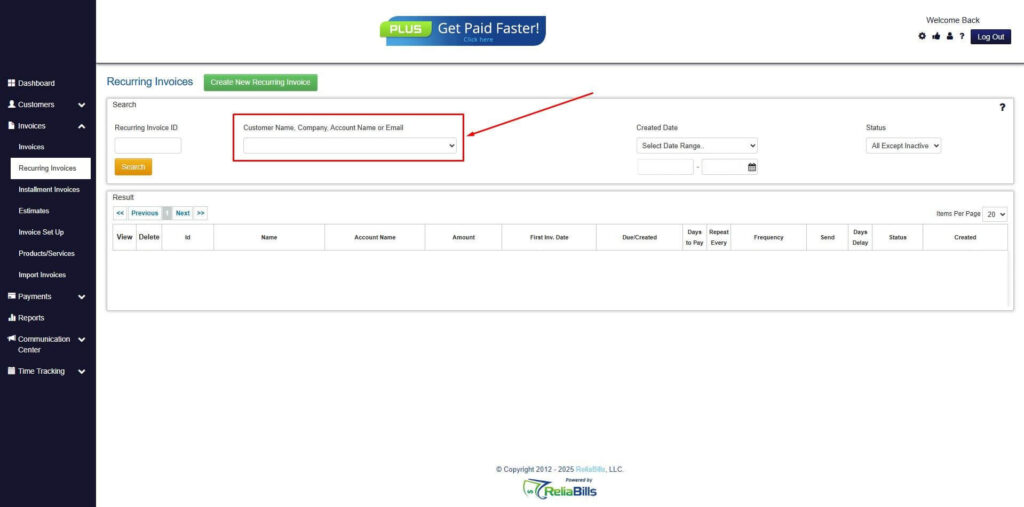
Step 3: Go to the Customers Tab
- If you have already created a customer, search for them in the Customers tab and make sure their status is “Active”.
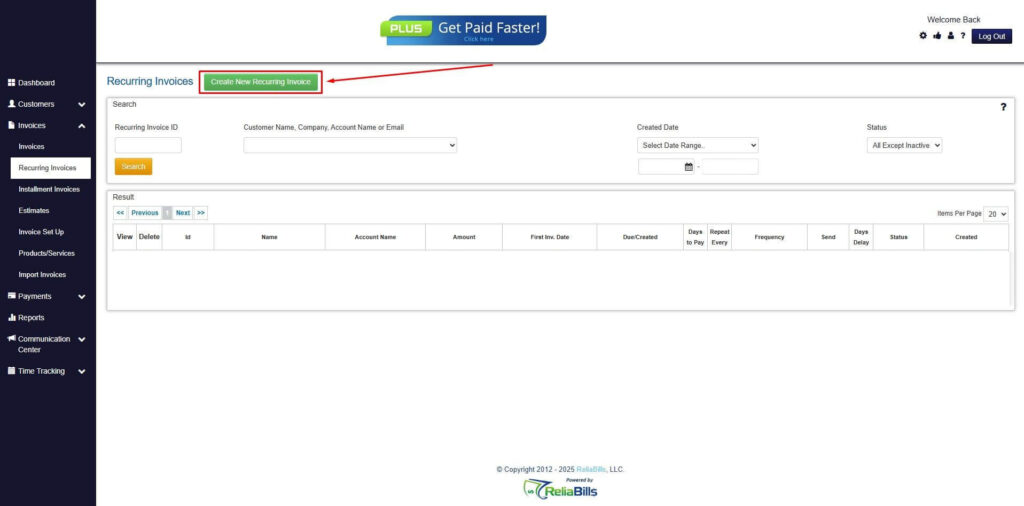
Step 4: Click the Create New Recurring Invoice
- If you haven’t created any customers yet, click the Create New Recurring Invoice to create a new customer.
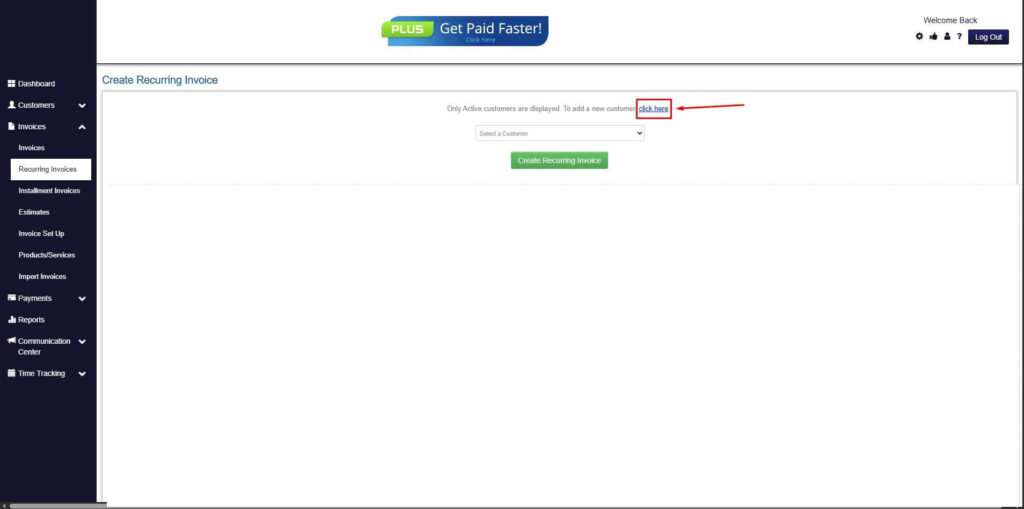
Step 5: Click on the “Click here” Button
- Click on the “Click here” button to proceed with the recurring invoice creation.
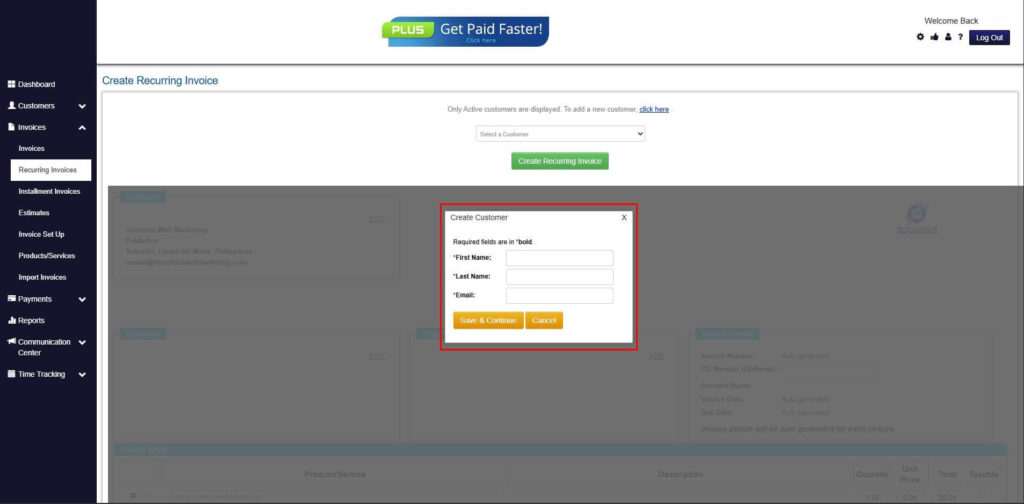
Step 6: Create Customer
- Provide your First Name, Last Name, and Email to proceed.
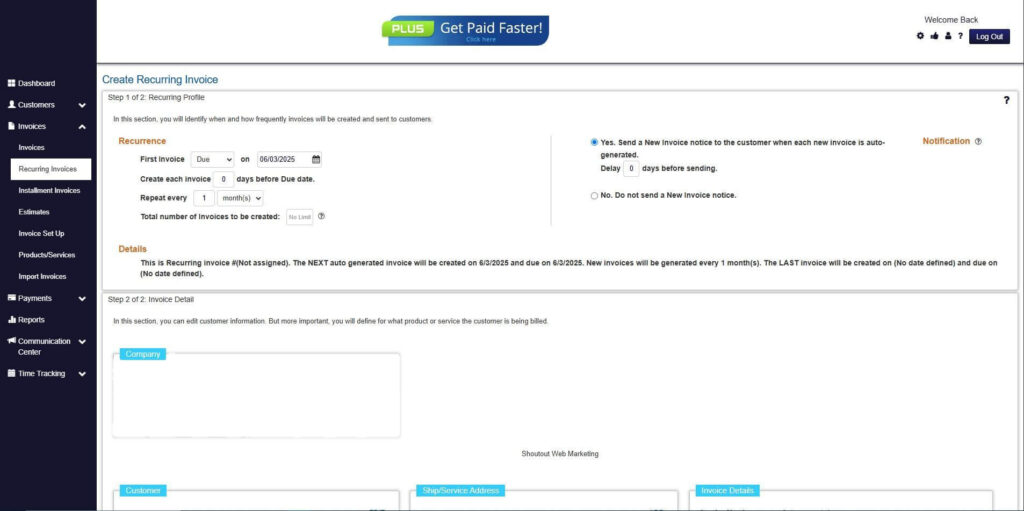
Step 7: Fill in the Create Recurring Invoice Form
- Fill in all the necessary fields.
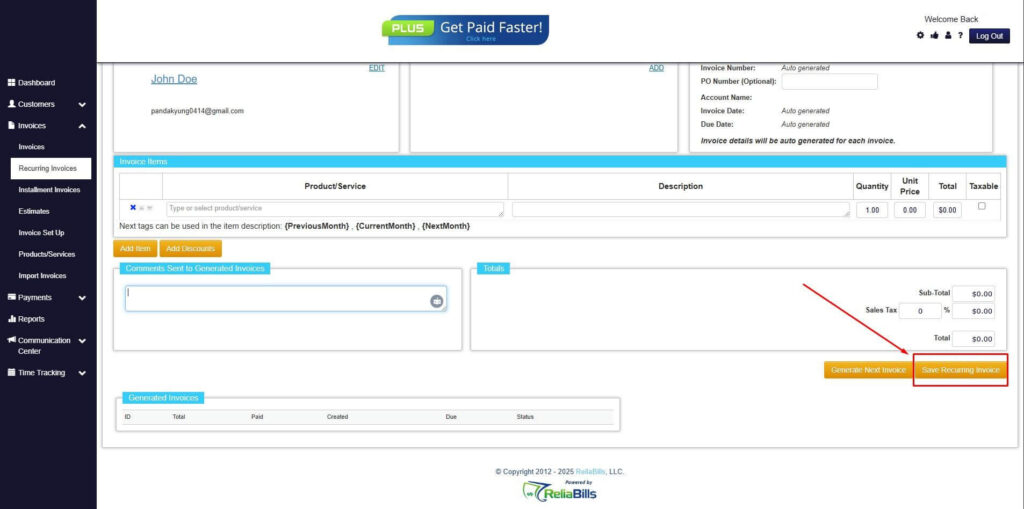
Step 8: Save Recurring Invoice
- After filling up the form, click “Save Recurring Invoice” to continue.
Step 9: Recurring Invoice Created
- Your Recurring Invoice has been created.
Frequently Asked Questions (FAQs)
1. What is the role of recurring billing in auto-pay systems?
Recurring billing provides the structure for scheduling payments automatically. It ensures invoices are generated consistently and payments are processed on time. This makes auto-pay systems reliable and efficient.
2. Can auto-pay work without recurring billing?
Auto-pay can function independently, but it is less effective without structured billing schedules. Recurring billing ensures consistency and accuracy in payment processing. Together, they create a more efficient system.
3. How does recurring billing improve payment accuracy?
Automated systems reduce errors in invoice generation and payment scheduling. This ensures accurate billing and fewer disputes. Improved accuracy leads to faster and smoother transactions.
4. Is auto-pay secure for customers?
Yes, modern systems use encryption and compliance protocols to protect payment data. This ensures transactions are safe and reliable. Security is a key factor in customer trust and adoption.
5. What businesses benefit most from recurring billing?
Businesses with repeat transactions or subscription models benefit the most. This includes SaaS companies, utilities, and service providers. Recurring billing supports consistent revenue and operational efficiency.
Conclusion
Recurring billing plays a critical role in enabling efficient auto-pay systems by providing structure, consistency, and automation. It ensures invoices are generated on time and payments are processed seamlessly, reducing delays and errors.
By combining recurring billing with automation, businesses can improve cash flow, reduce administrative workload, and enhance customer satisfaction. This integration is essential for maintaining reliable and scalable payment systems.
As businesses continue to evolve, adopting recurring billing in auto pay systems will be key to achieving long-term success. Investing in these solutions allows companies to streamline operations, improve financial control, and support sustainable growth.