
Non-commercial invoices are essential for documenting internal transactions, product samples, and warranty replacements. Unlike standard commercial invoices, they do not generate revenue but are critical for tracking internal operations and ensuring accountability. Errors in processing these invoices can disrupt workflows, create compliance risks, and result in inaccurate reporting. Understanding the causes of non commercial invoice errors is vital for businesses aiming to streamline operations and maintain accurate financial records.
These invoices support operational transparency by providing documentation for non-revenue activities across departments. When errors occur, organizations may face difficulties reconciling accounts, tracking inventory, or monitoring internal transfers. The impact is often cumulative, as minor mistakes can escalate into larger reporting discrepancies or audit challenges. Recognizing the role of automation and structured workflows is key to preventing these inefficiencies before they affect the business.
Businesses that rely on accurate internal records must treat non-commercial invoices with the same rigor as commercial transactions. Leveraging automation tools can minimize human errors and reduce the time spent manually processing invoices. Standardized procedures and clear approval workflows help ensure consistency and compliance across the organization. Ultimately, addressing the root causes of non commercial invoice errors strengthens overall operational efficiency and supports better decision-making.
What Are Non-Commercial Invoices?
Non-commercial invoices are documents used to record transactions that do not directly generate revenue. They often include internal transfers, product samples, promotional shipments, and warranty replacements. Unlike commercial invoices, which track customer payments and sales revenue, non-commercial invoices primarily serve as internal documentation. These invoices ensure that all internal activities are traceable, auditable, and compliant with organizational policies.
Across industries, non-commercial invoices are used in a variety of ways. For example, manufacturers may send product samples to marketing teams or allocate assets between different branches. Similarly, warranty replacements in electronics or machinery require accurate invoicing to track inventory movements without affecting revenue reporting. These invoices provide the necessary transparency for non-revenue transactions and help maintain accountability across departments.
The distinction between commercial and non-commercial invoices is critical for accurate financial reporting. Misclassifying a non-commercial transaction can lead to incorrect revenue calculations, compliance issues, and audit risks. Businesses that regularly handle internal or non-revenue transactions must implement processes to clearly identify and manage these invoices. Proper handling minimizes non commercial invoice errors and supports accurate record-keeping.
Why Accuracy in Non-Commercial Invoice Processing Matters
Accurate processing of non-commercial invoices ensures financial records reflect true operational activity. Errors can distort accounting reports, making it difficult for management to monitor internal costs or inventory levels. Consistency in documentation also supports audit readiness, reducing the risk of compliance penalties. Maintaining accurate records is essential for internal decision-making and operational transparency.
Non-commercial invoice errors can have broader implications for reporting and compliance. Misclassified or incomplete invoices can create discrepancies in intercompany transactions, internal cost allocations, or regulatory filings. These discrepancies can trigger delays in reconciliations and complicate audits, increasing administrative burdens. Ensuring accurate processing helps organizations maintain credibility with auditors, regulators, and internal stakeholders.
Moreover, accurate invoicing builds operational efficiency and reduces rework. When invoices are processed correctly the first time, teams spend less time correcting errors or chasing approvals. Clear documentation also enables smoother collaboration across departments, especially when multiple teams handle the same transaction. By emphasizing accuracy, organizations can minimize risks associated with non commercial invoice errors and improve overall workflow efficiency.
Common Causes of Errors in Non-Commercial Invoice Processing
Manual Data Entry Mistakes
Errors like incorrect quantities, typos in descriptions, or wrong values happen frequently when invoices are entered manually. These mistakes can distort financial reports and create challenges in inventory tracking. Over time, repeated errors accumulate and increase administrative workload.
Lack of Standardized Processes
Different teams may follow their own procedures, resulting in inconsistent handling of similar transactions. This inconsistency increases the risk of misclassifications or duplicate invoices. Standardization is essential to minimize operational discrepancies and maintain workflow efficiency.
Misclassification of Transactions
Non-commercial invoices are sometimes recorded as revenue-generating transactions by mistake. Misclassification can distort financial statements and create compliance risks. Proper categorization ensures accuracy in internal reporting and audits.
Incomplete or Missing Documentation
Missing supporting documents, approvals, or signatures can cause delays and errors in processing. It makes audits difficult and may trigger compliance issues. Maintaining complete documentation is critical for transparency and accountability.
Delayed Updates and Mismatched Records
When ERP, accounting, and invoicing systems are not synchronized in real time, discrepancies occur. Delayed updates may result in duplicate or incorrect entries. Ensuring timely updates improves accuracy and reduces non commercial invoice errors.
System and Integration Issues
Outdated software or systems that don’t communicate effectively can increase invoice errors. Data mismatches and lost information are common in poorly integrated platforms. Using modern, connected systems minimizes errors and enhances visibility.
Human Errors and Manual Processes
Manual processes are highly prone to non commercial invoice errors, especially in repetitive tasks. Data entry mistakes, such as typos or duplicate entries, occur frequently when employees manually input invoice information. These mistakes can impact financial reporting, inventory tracking, and internal reconciliations. Over time, repeated errors lead to inefficiencies that affect the broader organizational workflow.
Approval workflows reliant on manual processes are another source of errors. Without automated checks, invoices may bypass verification steps or lack sufficient supporting documentation. Employees may also apply inconsistent rules when handling similar transactions, further increasing the likelihood of mistakes. Manual approvals and data entry introduce variability that undermines operational consistency.
Training and human oversight can reduce, but not eliminate, errors in manual processes. Even highly skilled employees can make mistakes when under pressure or handling large volumes of transactions. Combining clear policies with automation significantly mitigates these risks. Minimizing dependence on manual tasks helps prevent non commercial invoice errors and improves overall processing efficiency.
System and Integration Issues
Technological gaps can contribute significantly to non commercial invoice errors. Lack of integration between invoicing systems, ERP platforms, and accounting software can result in data synchronization problems. Transactions entered in one system may not reflect accurately in another, causing mismatches and reporting errors. These integration issues make it challenging to maintain accurate and up-to-date records.
Outdated or incompatible software can also create operational inefficiencies. Teams may struggle with limited functionality, slower processing, or inability to track invoice status in real time. Without centralized visibility, errors may go unnoticed until reconciliation or audit time. These system limitations highlight the importance of using modern, integrated platforms to manage non-commercial invoices effectively.
Limited real-time tracking further exacerbates processing errors. Delays in data updates prevent teams from quickly identifying and correcting mistakes. When multiple systems are involved, reconciling differences consumes significant time and resources. Ensuring seamless integration across all platforms reduces the risk of non commercial invoice errors and supports operational efficiency.
Inconsistent Policies and Documentation
Inconsistent policies across departments are a common contributor to non commercial invoice errors. Without clear guidelines, employees may handle similar invoices differently, leading to confusion and mistakes. Missing audit trails make it difficult to verify transactions, especially during internal or regulatory audits. Inconsistent documentation practices create gaps in compliance and accountability.
Variations in process implementation are another factor. One team may require full approval for every invoice, while another may approve similar transactions with minimal checks. These inconsistencies create inefficiencies and increase the likelihood of errors. Uniform policies ensure that all employees follow the same steps for processing non-commercial invoices, minimizing risks.
Enforcing compliance standards without proper documentation is challenging. Without consistent record-keeping, discrepancies may remain undetected until they cause financial or operational issues. Regular audits, clear workflows, and standardized guidelines help mitigate these risks. Addressing inconsistencies is critical for reducing non commercial invoice errors and improving overall organizational control.
The Role of Automation in Reducing Errors
Automation plays a vital role in minimizing non commercial invoice errors. By reducing manual data entry, automated systems prevent common mistakes such as typos, duplicates, and misclassifications. Standardized workflows ensure that every invoice follows predefined rules for validation and approval. Real-time tracking further enhances visibility, allowing teams to monitor invoice status and quickly resolve issues.
Automated processes also improve consistency across departments. When all teams use the same templates, rules, and approval workflows, discrepancies are reduced. This consistency strengthens audit readiness and compliance reporting, as every invoice is properly documented and traceable. Automation allows organizations to allocate resources more effectively, reducing time spent correcting errors.
Moreover, automation supports scalability for high-volume operations. Businesses handling large numbers of non-commercial invoices can maintain accuracy without increasing staff workload. Features such as batch processing, automated reminders, and validation checks reduce dependency on human oversight. Overall, automation is a critical tool for preventing non commercial invoice errors and enhancing operational efficiency.
Best Practices to Avoid Errors in Non-Commercial Invoice Processing
Standardize Invoice Templates and Processes
Uniform templates across departments prevent confusion and errors. Standard procedures ensure all employees follow the same steps for processing invoices. Consistency improves accuracy and efficiency while reducing non commercial invoice errors.
Automate Data Entry and Approval Workflows
Automation reduces manual input errors and accelerates invoice processing. Automated validation checks catch mistakes before submission. Streamlined workflows allow staff to focus on higher-value tasks.
Integrate Invoicing with ERP and Accounting Systems
Integration ensures real-time synchronization across platforms. It reduces mismatched records and prevents duplicate entries. A unified system enhances reporting accuracy and operational efficiency.
Maintain Complete and Accurate Documentation
Properly documented invoices include approvals, supporting files, and audit trails. Complete records support compliance and ease auditing. Accurate documentation also enables smooth internal and intercompany reconciliations.
Conduct Regular Audits and Process Reviews
Routine audits identify recurring errors and gaps in workflows. Process reviews help implement corrective measures proactively. Continuous improvement minimizes non commercial invoice errors over time.
Train Teams on Policies and Procedures
Educating employees on invoice classification and processing standards reduces mistakes. Training ensures everyone understands how to handle non-commercial invoices correctly. Well-informed teams maintain accuracy and operational consistency.
How Recurring Billing Helps Prevent Processing Errors
Recurring billing standardizes repeat non-commercial transactions, reducing variability and mistakes. Predefined rules and templates ensure that invoices are generated consistently for regular internal transfers, warranty replacements, or promotional shipments. This approach minimizes human error and ensures accuracy in repeated transactions. Consistent invoicing also simplifies reconciliations and audit tracking.
By automating recurring invoices, businesses reduce administrative workload. Teams no longer need to recreate similar invoices manually, saving time and avoiding entry errors. The system also enforces compliance with predefined rules, making sure each transaction is properly categorized and documented. This consistency is particularly valuable for high-volume operations prone to non commercial invoice errors.
Recurring billing also provides valuable reporting and tracking capabilities. Organizations can monitor ongoing transactions, detect anomalies early, and adjust workflows as needed. This proactive oversight improves operational control and supports strategic decision-making. Overall, recurring billing enhances accuracy, efficiency, and compliance in non-commercial invoice processing.
Key Benefits of Reducing Invoice Processing Errors
- Improves Accuracy and Reliability of Financial Records: Accurate invoices ensure management has a true view of operations. They reduce discrepancies in financial statements. Reliable records support better decision-making.
- Reduces Administrative Workload and Rework: Fewer errors mean less time spent correcting invoices. Staff can focus on strategic or value-added tasks. Automation and standardization improve overall efficiency.
- Enhances Compliance and Audit Readiness: Proper documentation and workflows prepare organizations for audits. Compliance with internal policies and regulations is easier to maintain. Accurate invoices reduce the risk of penalties.
- Speeds Up Processing and Approvals: Streamlined workflows accelerate invoice handling. Faster approvals reduce bottlenecks in finance and operations. Efficiency improvements enhance overall productivity.
- Minimizes Operational Disruptions: Fewer errors prevent delays in internal transfers, reporting, and reconciliations. Smooth operations improve interdepartmental coordination. Businesses can maintain uninterrupted workflows.
- Supports Better Decision-Making: Accurate invoices provide reliable data for budgeting and cost analysis. Management can make informed operational decisions. Reduced errors improve organizational planning and forecasting.
Common Use Cases
- Internal Cost Allocations: Track and allocate expenses between departments accurately. Proper invoicing prevents misreported costs. Internal cost allocation relies on consistent and precise documentation.
- Sample or Promotional Product Shipments: Document products sent for testing or marketing purposes. Accurate records ensure transparency and inventory tracking. Errors in these invoices can lead to misplaced assets or reporting issues.
- Warranty Replacements and Service Adjustments: Track replacement items or service corrections accurately. Invoices reflect inventory movements and internal costs. Correct documentation reduces the risk of disputes or errors.
- Intercompany Transactions: Record asset transfers or internal billings between company divisions. Proper documentation prevents miscommunication and accounting discrepancies. Integration with ERP systems enhances transparency.
- Non-Revenue Distributions and Donations: Track giveaways, donations, or internal distributions. Accurate invoices ensure compliance and proper reporting. Proper handling reduces non commercial invoice errors and ensures accountability.
- Internal Asset Transfers: Document the movement of equipment or resources between locations. Proper tracking prevents loss or misallocation. Accurate invoices support operational control and reporting.
How ReliaBills Helps Minimize Non-Commercial Invoice Errors
ReliaBills automates invoice creation and approval workflows, reducing manual data entry and non commercial invoice errors. Teams can use standardized templates for internal transfers, warranty replacements, and sample shipments, ensuring consistency across all departments. Real-time tracking and reporting enhance visibility, allowing managers to quickly identify discrepancies and maintain accurate records.
ReliaBills’ recurring billing features ensure repeat non-commercial transactions are processed automatically and consistently. By using predefined templates and validation rules, businesses eliminate variability and reduce the risk of errors. Recurring billing simplifies reconciliation and internal reporting while maintaining accuracy for frequent internal transactions.
ReliaBills PLUS offers advanced automation tools, workflow management, and detailed reporting features. Businesses can configure multi-level approvals, track audit logs, and analyze performance metrics across departments. These capabilities support high-volume operations while minimizing mistakes, helping organizations maintain compliance and operational efficiency. With ReliaBills, companies can significantly reduce non commercial invoice errors and improve internal control.
How to Create a New Recurring Invoice Using ReliaBills
Creating a New Recurring Invoice using ReliaBills involves the following steps:
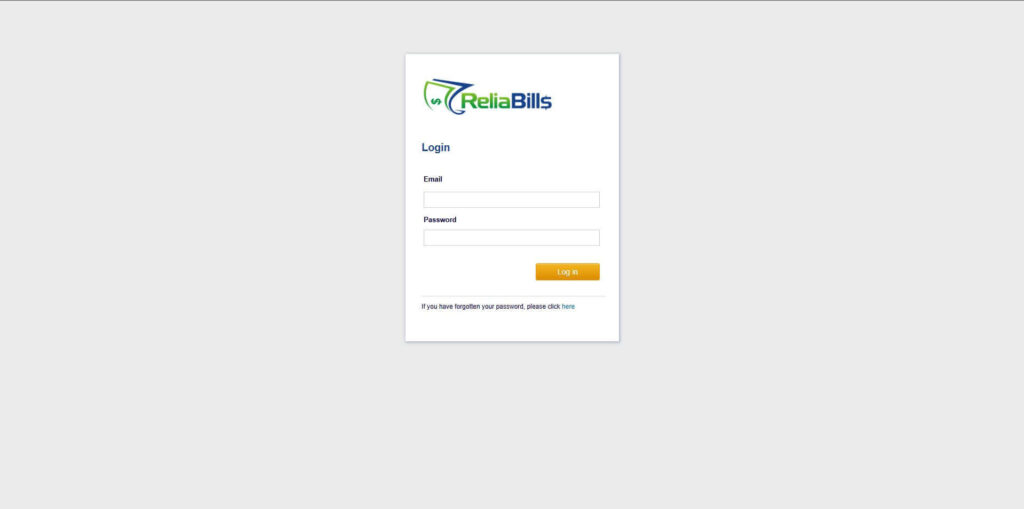
Step 1: Login to ReliaBills
- Access your ReliaBills Account using your login credentials. If you don’t have an account, sign up here.
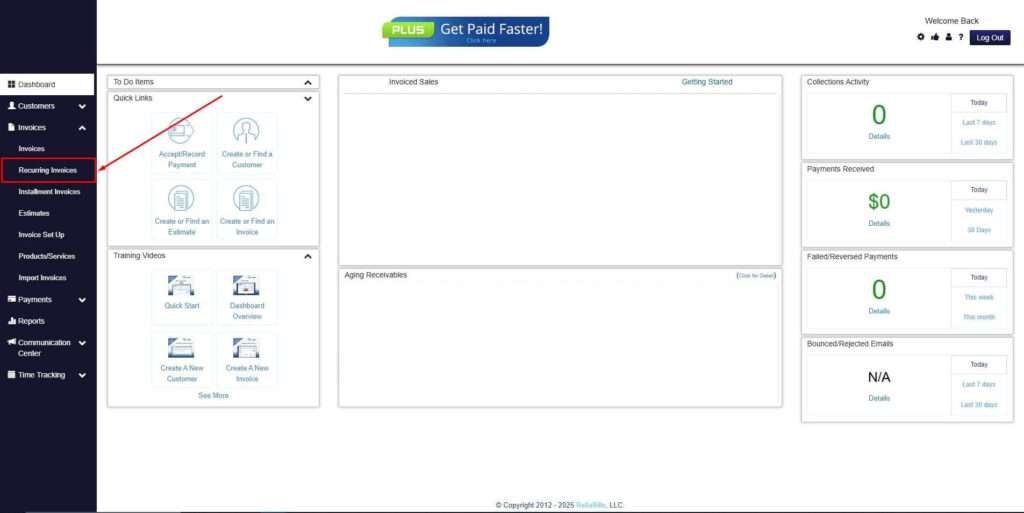
Step 2: Click on Recurring Invoices
- Navigate to the Invoices Dropdown and click on Recurring Invoices for an overview of the list of your existing customers.
Step 3: Go to the Customers Tab
- If you have already created a customer, search for them in the Customers tab and make sure their status is “Active”.
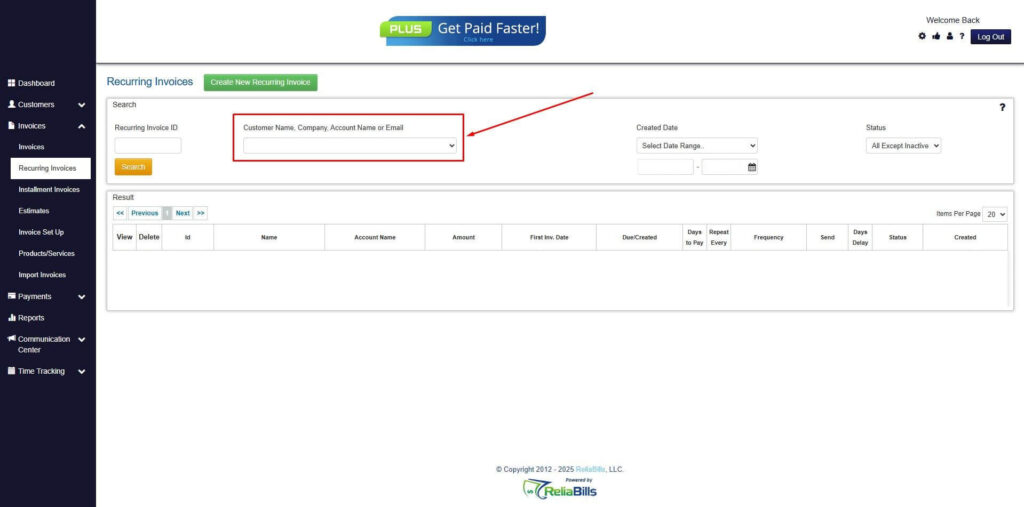
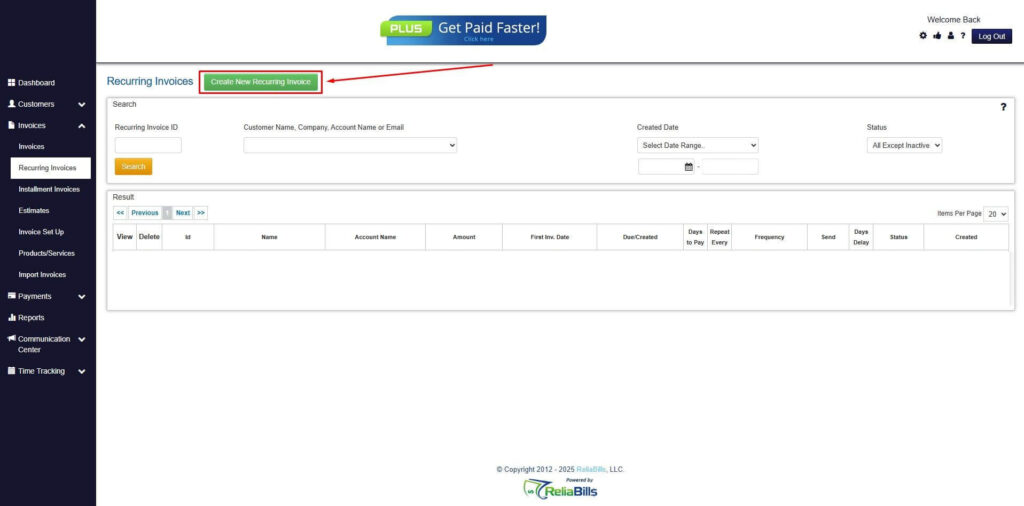
Step 4: Click the Create New Recurring Invoice
- If you haven’t created any customers yet, click the Create New Recurring Invoice to create a new customer.
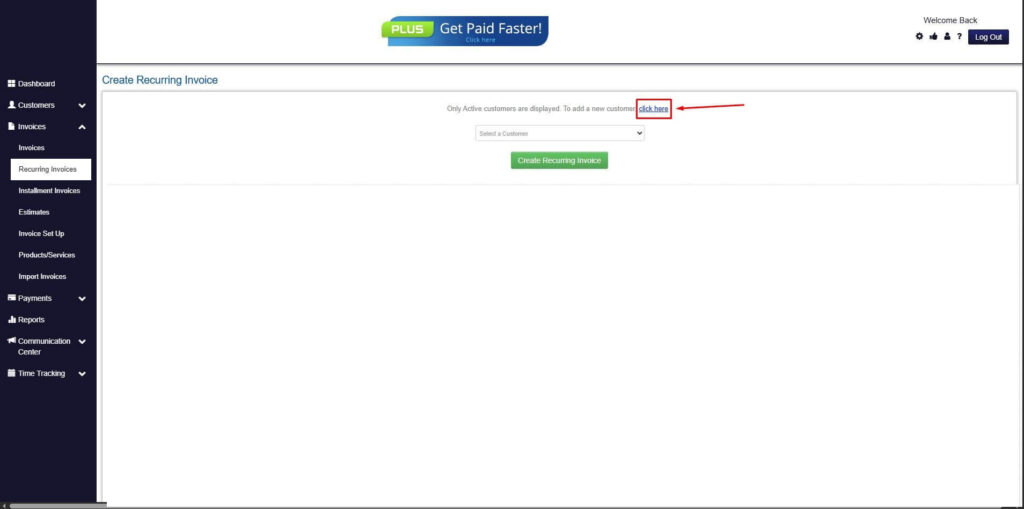
Step 5: Click on the “Click here” Button
- Click on the “Click here” button to proceed with the recurring invoice creation.
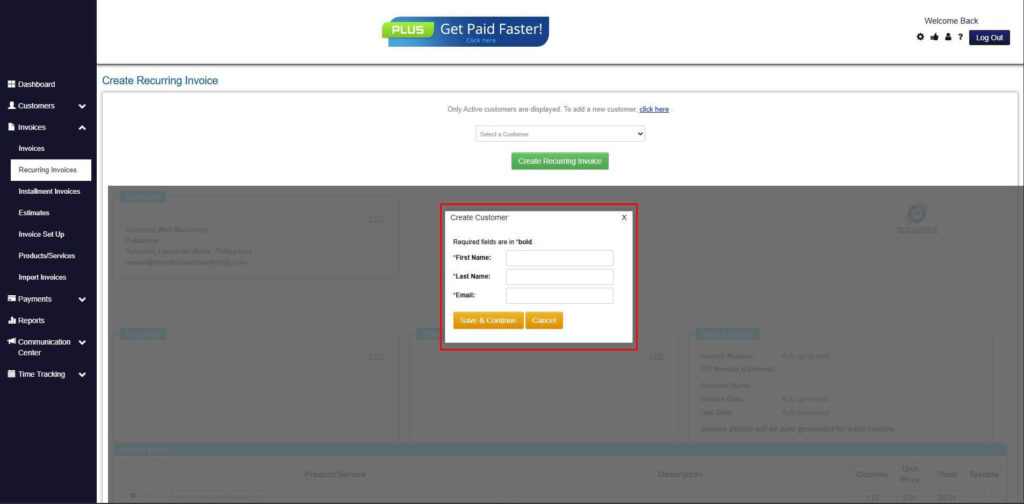
Step 6: Create Customer
- Provide your First Name, Last Name, and Email to proceed.
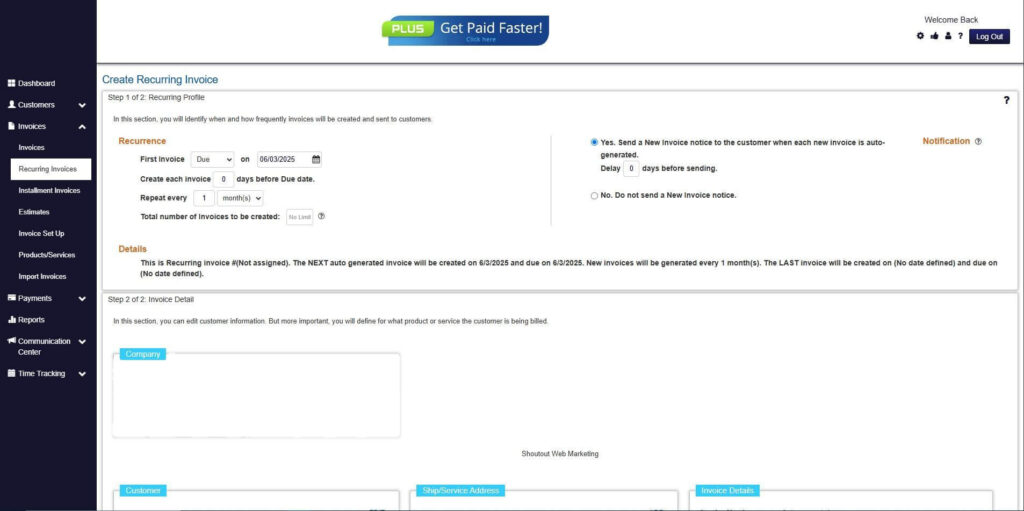
Step 7: Fill in the Create Recurring Invoice Form
- Fill in all the necessary fields.
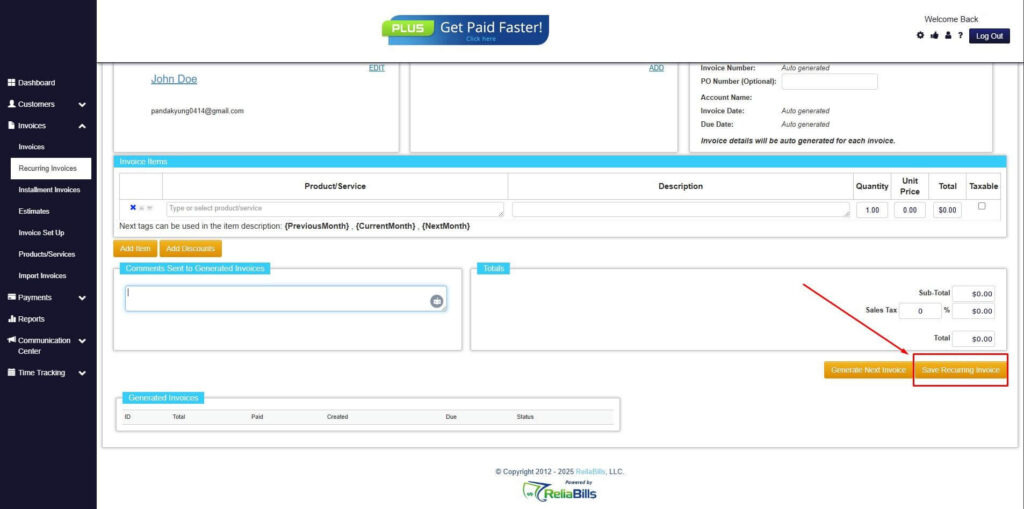
Step 8: Save Recurring Invoice
- After filling up the form, click “Save Recurring Invoice” to continue.
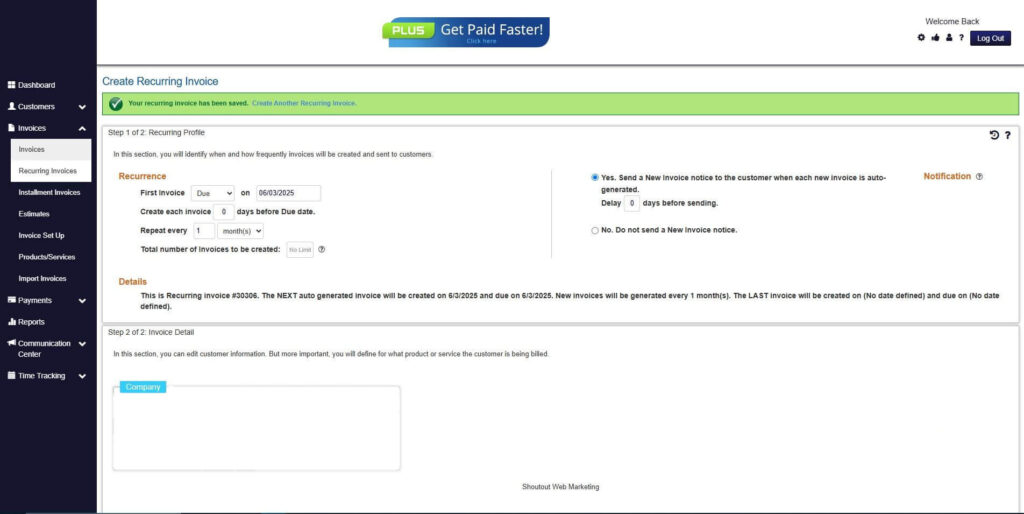
Step 9: Recurring Invoice Created
- Your Recurring Invoice has been created.
Frequently Asked Questions (FAQs)
1. What is a non-commercial invoice?
A non-commercial invoice documents internal transfers, samples, warranty replacements, or other non-revenue transactions. These invoices provide traceability for operational and regulatory purposes. They are not tied to revenue or customer payments.
2. What are the most common errors in non-commercial invoicing?
Common mistakes include manual data entry errors, misclassification, incomplete documentation, inconsistent approval workflows, and system integration issues. These errors can lead to reporting discrepancies and compliance challenges. Reducing them is critical for operational efficiency.
3. How can automation reduce invoice processing errors?
Automation standardizes workflows, minimizes manual input, and validates entries in real time. It ensures approvals are correctly routed and reduces human error. Automated systems improve accuracy and processing speed.
4. Are non-commercial invoices subject to audits?
Yes, accurate documentation is required for internal and regulatory compliance. Audits check that transactions are correctly recorded and supported by evidence. Proper invoicing reduces the risk of penalties or discrepancies.
5. How does recurring billing help improve accuracy?
Recurring billing ensures repeat invoices follow predefined templates and rules. This reduces variability and human errors in high-volume transactions. Standardized billing improves reporting consistency.
Conclusion
Non commercial invoice errors often arise from human mistakes, inconsistent policies, and system limitations. Automation and standardized workflows are crucial for minimizing errors and ensuring accurate reporting. Recurring billing and modern invoicing platforms, like ReliaBills, provide reliable solutions for frequent or high-volume non-commercial transactions. By adopting these strategies, businesses can improve operational efficiency, reduce risks, and maintain precise financial records.