
In manufacturing, repeat orders are the backbone of consistent revenue and long-term business stability. Many manufacturers rely on ongoing contracts, bulk supply agreements, and recurring demand from clients to maintain production efficiency. These repeat transactions create predictable workflows but also require equally consistent and accurate invoicing processes.
However, manually handling invoices for repeat orders can quickly become overwhelming. High order volumes, complex pricing structures, and frequent billing cycles increase the risk of delays and errors. These inefficiencies can slow down payments and disrupt cash flow, especially in fast-paced manufacturing environments.
This is where automated invoicing for manufacturing becomes essential. By automating invoice generation and aligning it with order and delivery processes, manufacturers can improve efficiency, reduce errors, and scale operations without increasing administrative workload.
What Are Automated Invoices in Manufacturing?
Automated invoices in manufacturing refer to system-generated billing documents that are created based on predefined rules, order data, and production workflows. Instead of manually generating invoices, the system automatically produces them when specific triggers—such as order completion or shipment—are met.
These systems are often integrated with ERP platforms, order management systems, and inventory tracking tools. This integration ensures that invoice data is accurate and reflects real-time information, such as quantities delivered, pricing agreements, and customer details.
Unlike manual or semi-automated processes, automated invoicing for manufacturing eliminates repetitive tasks and reduces reliance on human input. This leads to faster processing, fewer errors, and a more streamlined billing operation.
Understanding Repeat Orders in Manufacturing
Repeat orders are recurring purchases made by customers over a period of time, often under long-term agreements or supply contracts. In B2B manufacturing, these orders are common because businesses depend on consistent supply chains to maintain their operations.
Long-term contracts, supplier agreements, and predictable demand cycles drive repeat orders. For example, a manufacturer supplying raw materials to a construction company may receive monthly orders, while a component manufacturer may fulfill ongoing requests from an OEM partner.
Examples of repeat orders include regular shipments of raw materials, scheduled component deliveries, and recurring bulk orders for wholesale distribution. These consistent transactions make automated invoicing for manufacturing highly valuable, as it ensures billing keeps pace with operational demand.
Challenges of Manual Invoicing for Repeat Orders
Manual invoicing can create significant inefficiencies when dealing with repeat orders. Generating invoices individually for high-volume transactions is time-consuming and can strain administrative resources.
There is also a higher risk of human error. Mistakes in pricing, quantities, or billing schedules can lead to disputes, delayed payments, and damaged customer relationships. Even small inaccuracies can compound over time in recurring transactions.
Additionally, delays in sending invoices can slow down payment cycles. Without a streamlined process, manufacturers may struggle to maintain consistency across invoices, making financial tracking and reporting more difficult.
How Automated Invoices Streamline Repeat Orders
Automated invoicing simplifies repeat order management by generating invoices based on predefined schedules or triggers. This ensures that invoices are created consistently without manual intervention, saving time and reducing errors.
By syncing invoice data with purchase orders and delivery confirmations, manufacturers can ensure that billing reflects actual transactions. This alignment improves accuracy and eliminates discrepancies between orders and invoices.
Automation also ensures consistent pricing, terms, and billing cycles across all repeat orders. With faster invoice delivery, manufacturers can accelerate payment timelines and improve cash flow, making automated invoicing for manufacturing a critical tool for operational efficiency.
Key Features of Automated Invoicing Systems
Scheduled and Recurring Invoice Generation
Automatically generates invoices based on predefined schedules or triggers such as order completion or shipment. This ensures consistency for repeat orders and eliminates the risk of missed billing cycles.
Integration with ERP, Inventory, and Order Management Systems
Seamless integration allows invoice data to sync with production, inventory levels, and purchase orders. This ensures accuracy by reflecting real-time operational data in every invoice.
Auto-Fill of Order and Customer Data
Pulls customer details, pricing, and order information directly from the system, reducing manual data entry and minimizing errors in billing.
Real-Time Tracking of Invoices and Payments
Provides instant visibility into invoice status, payment progress, and outstanding balances. This helps manufacturers proactively manage accounts receivable.
Customizable Billing Rules and Pricing Structures
Supports complex pricing models, including volume discounts, tiered pricing, and contract-specific rates, ensuring accurate billing for different clients.
Automated Tax Calculation and Compliance Handling
Calculates applicable taxes based on location and regulations, reducing compliance risks and ensuring accurate financial reporting.
Reporting and Analytics for Financial Insights
Generates detailed reports on revenue, payment trends, and customer behavior, enabling better decision-making and forecasting.
Multi-Currency and Multi-Client Support
Allows manufacturers working with global clients to invoice in different currencies while maintaining consistent financial records.
The Role of Recurring Billing in Manufacturing Efficiency
Recurring billing plays a crucial role in supporting repeat order invoicing. It allows manufacturers to automate billing cycles for customers with ongoing orders, ensuring invoices are issued consistently and on time.
By removing the need for manual invoicing, recurring billing reduces administrative workload and improves efficiency. It also ensures that no billing cycle is missed, which is essential for maintaining steady cash flow.
With predictable invoicing and payment schedules, manufacturers gain better control over their finances. This makes automated invoicing for manufacturing even more effective in streamlining operations and supporting long-term growth.
Best Practices for Implementing Automated Invoicing
Standardize Pricing and Contract Terms for Repeat Customers
Clearly define pricing structures, discounts, and payment terms to ensure consistency and avoid billing discrepancies.
Set Up Automated Billing Schedules Aligned with Production Cycles
Align invoicing with manufacturing and delivery timelines to ensure invoices reflect actual transactions.
Integrate Invoicing with ERP and Order Management Systems
Ensure seamless data flow between systems to maintain accuracy and reduce duplication of work.
Regularly Audit Invoice Data and System Configurations
Periodic checks help identify errors, outdated pricing, or system misconfigurations before they impact customers.
Use Automated Payment Reminders and Follow-Ups
Implement reminder systems to encourage timely payments and reduce overdue invoices.
Train Staff on System Usage and Exception Handling
Ensure employees understand how to manage automated systems and handle unique scenarios effectively.
Continuously Monitor and Optimize Billing Processes
Analyze performance metrics and refine workflows to improve efficiency and accuracy over time.
How Automated Invoicing Improves Cash Flow and Accuracy
Automated invoicing accelerates the billing process, allowing invoices to be generated and sent immediately after order completion. This reduces delays and leads to faster payments, improving overall cash flow.
By minimizing manual input, automation significantly reduces errors in billing. Accurate invoices reduce disputes and ensure smoother transactions between manufacturers and their clients.
Additionally, real-time data and reporting provide better financial visibility. Manufacturers can track revenue, monitor outstanding payments, and make informed decisions, enhancing both accuracy and efficiency.
Key Benefits of Automated Invoices for Repeat Orders
- Saves Time and Reduces Administrative Workload: Automation eliminates repetitive tasks such as manual invoice creation, freeing up staff for more strategic activities.
- Ensures Consistent and Accurate Billing: Standardized processes reduce human errors and ensure every invoice reflects correct pricing and quantities.
- Accelerates Payment Cycles: Faster invoice generation and delivery lead to quicker payments and improved cash flow.
- Improves Cash Flow Predictability: Consistent billing schedules make it easier to forecast revenue and manage financial planning.
- Enhances Customer Satisfaction and Trust: Accurate and timely invoices build confidence and strengthen long-term business relationships.
- Supports Scalability for Growing Operations: Automated systems can handle increasing order volumes without requiring additional administrative resources.
- Provides Better Financial Visibility and Reporting: Real-time insights into billing and payments help manufacturers make informed business decisions.
Common Use Cases
Contract-Based Manufacturing Agreements
Long-term contracts with predefined pricing and delivery schedules benefit from automated invoicing to ensure consistency.
Subscription-Style Supply of Materials or Components
Regular deliveries of raw materials or parts can be billed automatically on recurring schedules.
OEM and Wholesale Distribution Partnerships
Ongoing partnerships with bulk orders require reliable invoicing processes to maintain efficiency and trust.
Scheduled Bulk Order Deliveries
Large, recurring shipments can be invoiced automatically based on delivery confirmations or schedules.
Long-Term Supplier Relationships
Manufacturers working with repeat clients over extended periods benefit from streamlined billing and consistent invoicing.
Custom Manufacturing with Repeat Configurations
Clients ordering the same customized products repeatedly can be billed efficiently using stored configurations and pricing rules.
How ReliaBills Helps Manufacturers Automate Repeat Order Invoicing
Managing repeat orders becomes far more efficient with ReliaBills. The platform automates invoice generation, ensuring that manufacturers can handle high-volume transactions without increasing administrative workload. By centralizing billing operations, businesses can maintain accuracy, reduce errors, and deliver a more professional invoicing experience to their clients.
ReliaBills leverages recurring billing features to streamline invoicing cycles for repeat orders. Automated schedules, consistent billing rules, and real-time updates ensure that invoices are always aligned with production and delivery timelines. This approach minimizes manual intervention and supports how automated invoicing for manufacturing improves operational efficiency.
For manufacturers seeking advanced capabilities, ReliaBills PLUS offers enhanced automation, detailed reporting, and powerful customer communication tools. These features allow businesses to gain deeper insights into billing performance, optimize workflows, and keep clients informed. The result is a scalable, reliable invoicing solution designed to support long-term growth.
How to Create a New Recurring Invoice Using ReliaBills
Creating a New Recurring Invoice using ReliaBills involves the following steps:
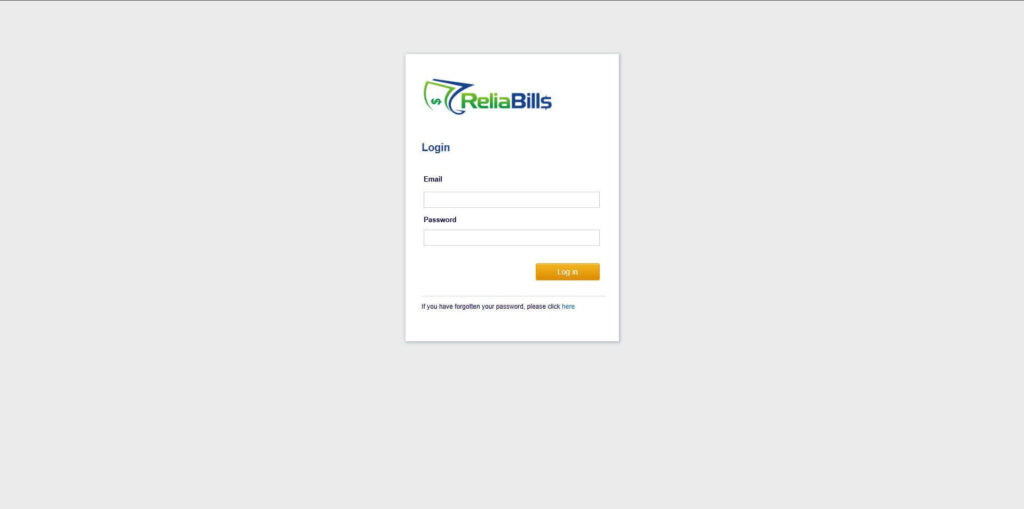
Step 1: Login to ReliaBills
- Access your ReliaBills Account using your login credentials. If you don’t have an account, sign up here.
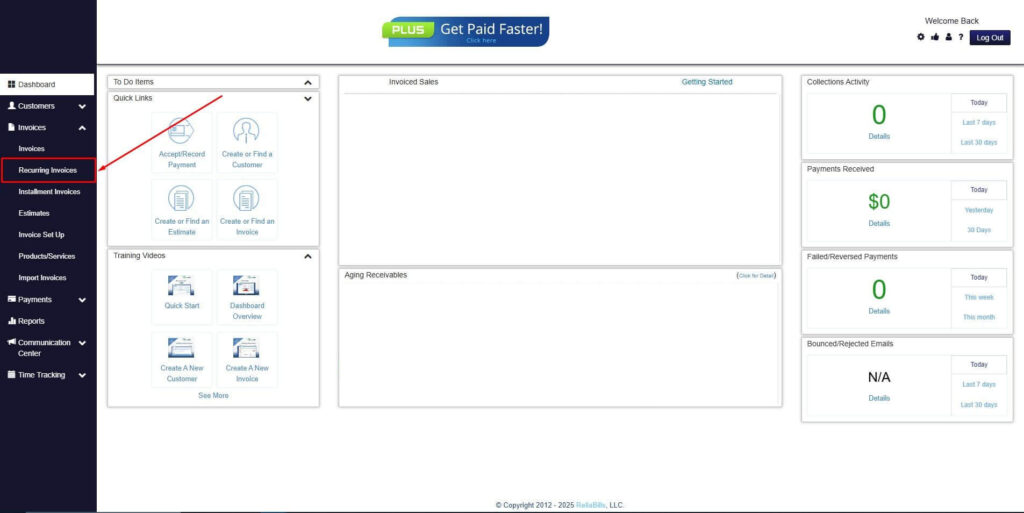
Step 2: Click on Recurring Invoices
- Navigate to the Invoices Dropdown and click on Recurring Invoices for an overview of the list of your existing customers.
Step 3: Go to the Customers Tab
- If you have already created a customer, search for them in the Customers tab and make sure their status is “Active”.
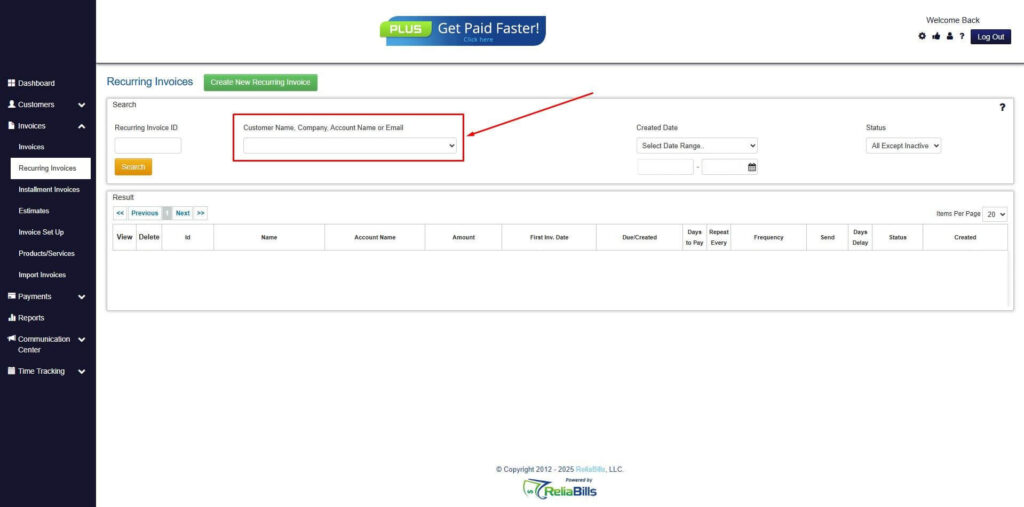
Step 4: Click the Create New Recurring Invoice
- If you haven’t created any customers yet, click the Create New Recurring Invoice to create a new customer.
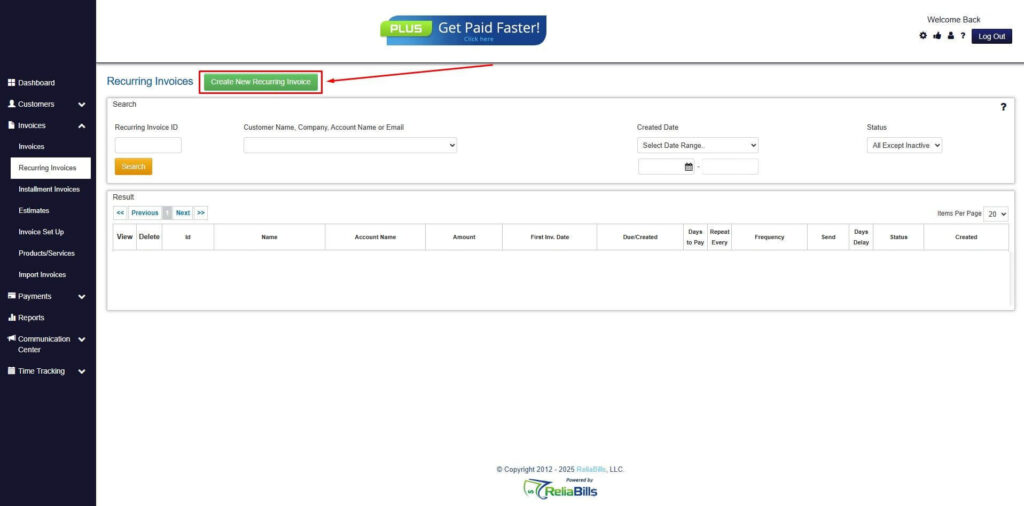
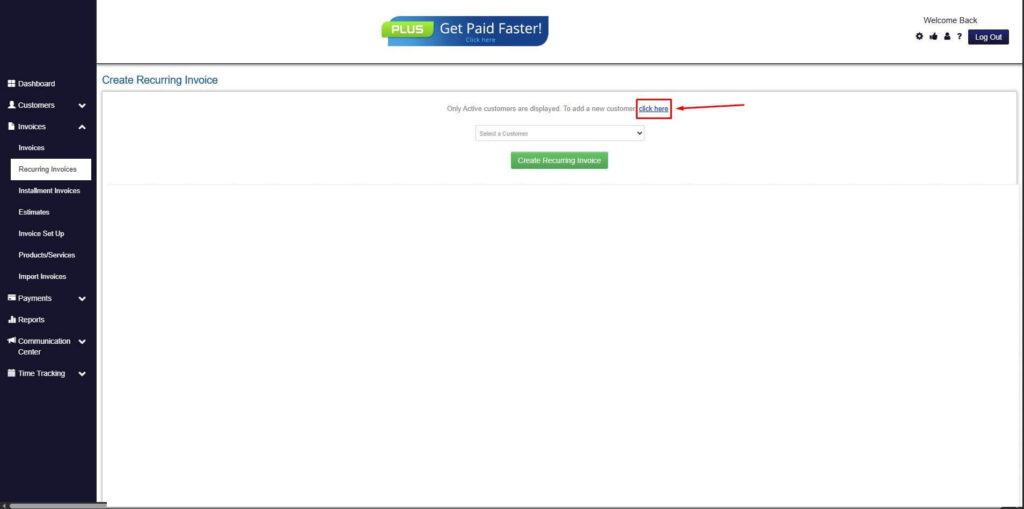
Step 5: Click on the “Click here” Button
- Click on the “Click here” button to proceed with the recurring invoice creation.
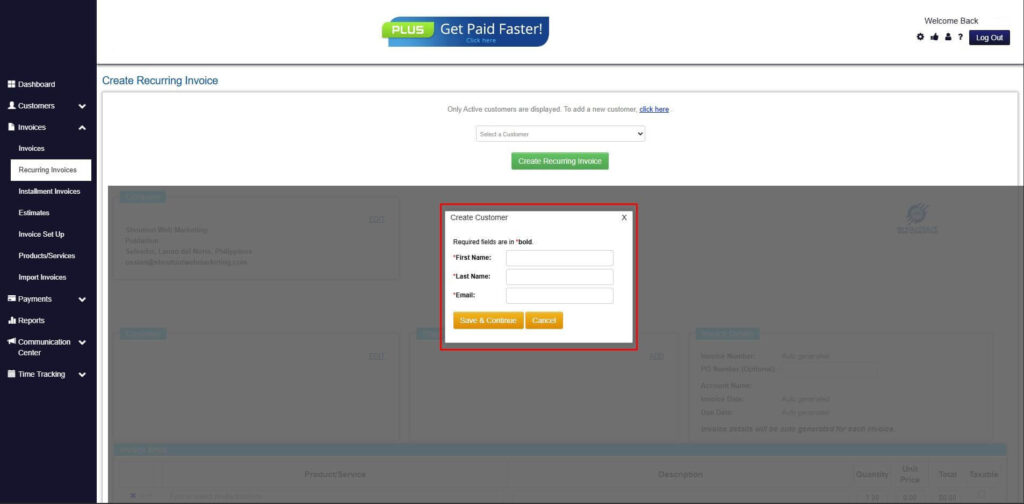
Step 6: Create Customer
- Provide your First Name, Last Name, and Email to proceed.
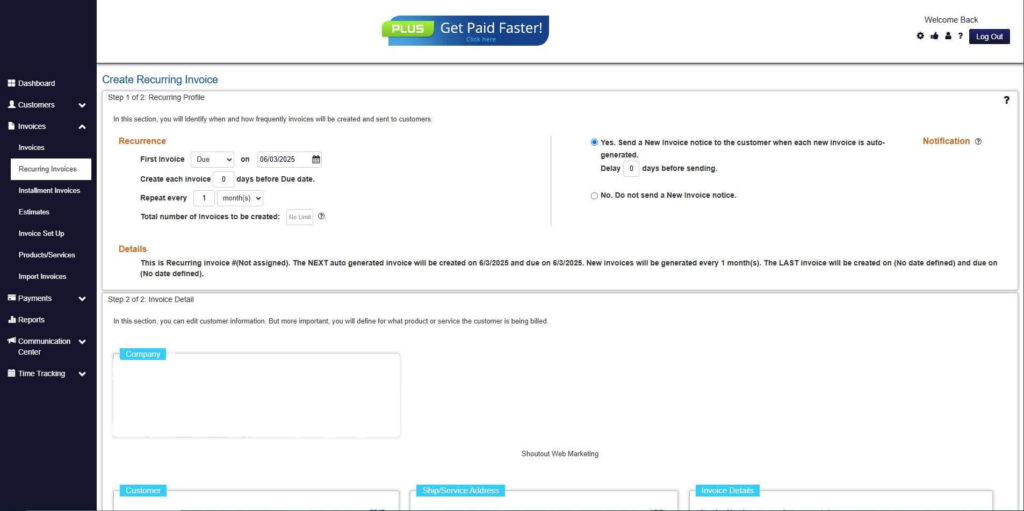
Step 7: Fill in the Create Recurring Invoice Form
- Fill in all the necessary fields.
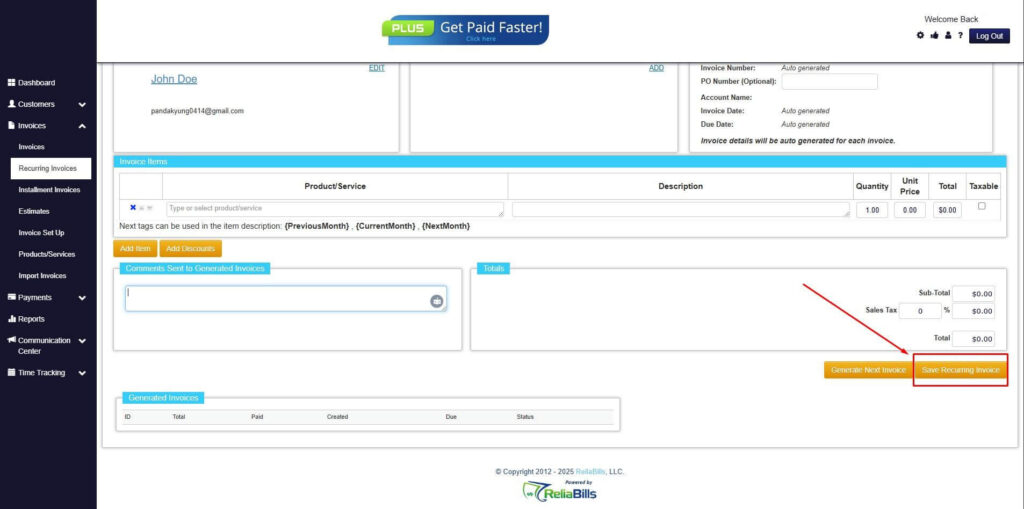
Step 8: Save Recurring Invoice
- After filling up the form, click “Save Recurring Invoice” to continue.
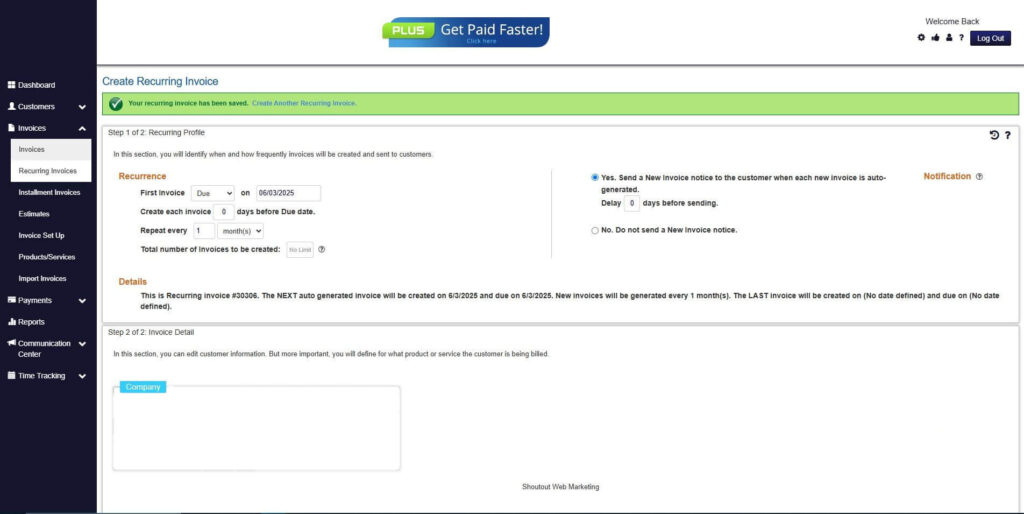
Step 9: Recurring Invoice Created
- Your Recurring Invoice has been created.
Frequently Asked Questions (FAQs)
1. How do automated invoices handle variable order quantities?
Automated systems pull real-time data from order and delivery records, ensuring invoices reflect actual quantities delivered.
2. Can automated invoicing integrate with ERP systems?
Yes, most automated invoicing solutions are designed to integrate seamlessly with ERP and order management systems.
3. Is automated invoicing suitable for small manufacturers?
Absolutely, it helps small manufacturers save time, reduce errors, and scale operations efficiently.
4. How does recurring billing apply to manufacturing?
It automates invoicing for repeat orders, ensuring consistent billing cycles without manual effort.
5. What happens if order details change after invoice generation?
Adjustments can be made through updated invoices or credit/return invoices to reflect the correct details.
Conclusion
Automated invoicing has transformed how manufacturers manage repeat orders by simplifying billing processes and reducing manual effort. By aligning invoicing with production and delivery workflows, businesses can ensure accuracy and consistency across all transactions.
The value of automated invoicing for manufacturing lies in its ability to improve efficiency, reduce errors, and accelerate payment cycles. Combined with recurring billing, it creates a streamlined system that supports both operational and financial success.
As manufacturing continues to evolve, adopting automated invoicing solutions is no longer optional—it’s a strategic advantage. Businesses that embrace automation will be better positioned to scale, improve cash flow, and maintain strong customer relationships.