
Overdue invoices are one of the most persistent challenges businesses face, directly impacting cash flow, operations, and growth. When payments are delayed, companies struggle to maintain consistent revenue, often spending additional time and resources chasing outstanding balances. This not only disrupts financial stability but can also slow down day-to-day business activities.
A recurring billing system offers a modern solution to this problem by automating how invoices are generated and payments are collected. Instead of relying on manual processes, businesses can schedule billing cycles, automate charges, and ensure invoices are delivered consistently. This approach has become increasingly popular across industries looking to improve efficiency and reduce late payments.
Automation is the key driver behind how recurring billing prevent overdue invoices. By removing manual intervention and streamlining payment processes, businesses can significantly reduce delays and ensure payments are collected on time. This creates a more predictable and reliable financial system.
What Is a Recurring Billing System?
A recurring billing system is an automated process that charges customers on a scheduled basis for ongoing products or services. It is commonly used in subscription-based models, where customers are billed weekly, monthly, or annually without needing to manually approve each transaction.
Unlike manual invoicing, which requires businesses to generate and send invoices individually, recurring billing automates the entire cycle. In manual systems, delays can occur due to human error, missed schedules, or forgotten follow-ups. Automated systems eliminate these risks by ensuring invoices are sent and payments are processed on time.
Industries such as SaaS, property management, utilities, and membership organizations rely heavily on recurring billing. Whether it’s monthly rent, subscription fees, or utility charges, these systems ensure consistency and reliability in billing operations.
Why Overdue Invoices Are a Major Business Challenge
Late payments can severely impact a company’s financial health. When invoices are not paid on time, revenue becomes unpredictable, making it difficult to plan budgets, manage expenses, or invest in growth opportunities. Businesses often find themselves operating reactively instead of strategically.
Chasing overdue invoices also creates an administrative burden. Staff must spend time sending reminders, following up with customers, and reconciling accounts instead of focusing on higher-value tasks. This inefficiency can increase operational costs and reduce productivity.
Additionally, repeated payment follow-ups can strain customer relationships. Constant reminders or collection efforts may frustrate customers, leading to dissatisfaction or even loss of business. Preventing overdue invoices is therefore essential not just for finances, but for maintaining positive customer interactions.
How Recurring Billing Systems Prevent Overdue Invoices
Recurring billing systems are specifically designed to address the root causes of late payments. One of the most effective ways recurring billing prevent overdue invoices is through automated invoice generation. Invoices are created and sent on schedule, ensuring no billing cycle is missed.
Auto-pay functionality further enhances this process by automatically charging customers on their due dates. This removes the need for customers to remember payment deadlines, significantly reducing the likelihood of late payments. It also ensures faster and more consistent collections.
Scheduled reminders play a crucial role by notifying customers before and after due dates. These reminders keep payments top-of-mind without requiring manual follow-ups. Combined with stored payment methods and consistent billing cycles, recurring billing creates predictable payment behavior and minimizes delays.
Key Features That Reduce Late Payments
Auto-Pay and Saved Payment Methods
Customers can securely store payment details, allowing automatic charges on due dates. This reduces missed payments and ensures timely revenue collection without requiring customer intervention.
Automated Invoicing Schedules
Invoices are generated and sent automatically at predefined intervals, eliminating human error and missed billing cycles. This ensures consistency and reliability for both businesses and customers.
Payment Reminders and Notifications
Automated reminders notify customers before due dates and follow up after missed payments. Timely alerts help reduce overdue invoices by keeping payments top-of-mind.
Real-Time Payment Tracking and Alerts
Businesses can monitor payment statuses instantly, quickly identifying late or failed transactions. This allows for immediate follow-up and reduces prolonged overdue accounts.
Dunning Management for Failed Payments
Failed transactions are automatically retried, and customers are notified of unsuccessful payments. This minimizes revenue loss while maintaining a professional billing process.
Flexible Billing Frequency and Customization
Systems allow businesses to customize billing cycles (weekly, monthly, quarterly) to match customer preferences, improving adherence to payment schedules.
The Role of Automation in Improving Cash Flow
Automation removes delays caused by manual processes, ensuring invoices are sent and payments are collected without interruption. This significantly reduces the risk of overdue accounts and improves operational efficiency. Businesses can rely on systems instead of human intervention, minimizing errors.
Consistent billing cycles also improve cash flow predictability. When payments are collected on time, businesses can better manage expenses, allocate resources, and plan for future growth. This stability is essential for long-term success.
With fewer overdue invoices, companies gain better visibility into their financial position. Accurate and timely payments allow for more reliable revenue forecasting, helping businesses make informed strategic decisions.
Best Practices for Using Recurring Billing Systems Effectively
Set Clear Billing Schedules and Communicate Them
Ensure customers know exactly when invoices will be sent and due, reducing confusion and late payments.
Enable Auto-Pay Options Whenever Possible
Encourage customers to use auto-pay for seamless transactions and consistent cash flow.
Customize Reminder Notifications for Customer Segments
Tailor reminders for different customer types (e.g., high-value clients, late-payers) to improve engagement and payment compliance.
Monitor Failed Payments and Apply Retry Strategies
Track failed payments and automate retries to recover revenue while maintaining a professional communication approach.
Regularly Review Billing Data and Payment Trends
Analyze payment patterns to identify risks, optimize schedules, and proactively address potential late payments.
Maintain Transparent Communication
Provide clear invoices and explanations for charges to build trust and reduce disputes that can lead to overdue payments.
How Recurring Billing Enhances Customer Experience
Recurring billing systems make payments more convenient for customers. With automated charges and reminders, customers no longer need to remember due dates or manually process payments. This convenience leads to higher satisfaction and better payment compliance.
Transparency is another key benefit. Customers receive consistent invoices and clear billing schedules, reducing confusion and increasing trust. When billing is predictable, customers feel more confident in the service.
By reducing friction in the payment process, recurring billing strengthens long-term relationships. Customers are more likely to stay loyal when billing is simple, accurate, and hassle-free.
Key Benefits of Recurring Billing Systems
- Reduces Overdue Invoices and Late Payments: Automation ensures invoices are sent on time and customers are reminded or auto-charged, minimizing payment delays.
- Improves Cash Flow Consistency: Predictable billing cycles allow businesses to forecast revenue accurately and allocate resources effectively.
- Saves Time Through Automation: Reduces the need for manual invoice creation, follow-ups, and payment collection, freeing staff for higher-value tasks.
- Enhances Customer Convenience: Customers benefit from predictable billing, automated payments, and easy access to invoice history.
- Minimizes Billing Errors: Automated systems reduce human mistakes such as duplicate invoices, incorrect amounts, or missed charges.
- Supports Better Financial Planning: Reliable cash flow and accurate accounts receivable data enable businesses to make informed strategic decisions.
Common Use Cases
- Subscription-Based Services: SaaS platforms, digital products, and recurring memberships rely on automated billing to ensure consistent revenue collection.
- Property and Tenant Billing: Recurring rent and service charges are collected seamlessly, reducing overdue invoices and administrative workload.
- Utility and Service Providers: Electricity, water, internet, or maintenance services can bill customers automatically on recurring schedules.
- Membership Organizations: Gyms, clubs, and associations benefit from predictable payments for memberships and programs.
- Maintenance and Service Contracts: Businesses with ongoing contracts, like cleaning or landscaping services, can bill consistently and reduce late payments.
- Educational Programs and Subscriptions: Tuition, online courses, and learning subscriptions can use recurring billing to ensure timely payment cycles.
How ReliaBills Helps Prevent Overdue Invoices
Managing overdue invoices becomes far less challenging with a platform like ReliaBills. By automating invoicing and payment collection, businesses can eliminate delays and reduce the risk of missed payments. The system ensures that invoices are sent on time and tracked efficiently, helping maintain a steady cash flow and reducing administrative workload.
ReliaBills is built with powerful recurring billing features that directly address late payment issues. With automated invoicing schedules, auto-pay functionality, and built-in payment reminders, businesses can ensure customers are billed and charged consistently. These features work together to support how recurring billing prevent overdue invoices, creating a seamless and reliable billing experience.
For businesses seeking advanced capabilities, ReliaBills PLUS offers enhanced automation, detailed reporting, and customer engagement tools. These features provide deeper insights into payment behavior, allowing businesses to optimize their billing strategies. With improved communication and smarter workflows, companies can further reduce overdue invoices and strengthen customer relationships.
How to Create a New Recurring Invoice Using ReliaBills
Creating a New Recurring Invoice using ReliaBills involves the following steps:
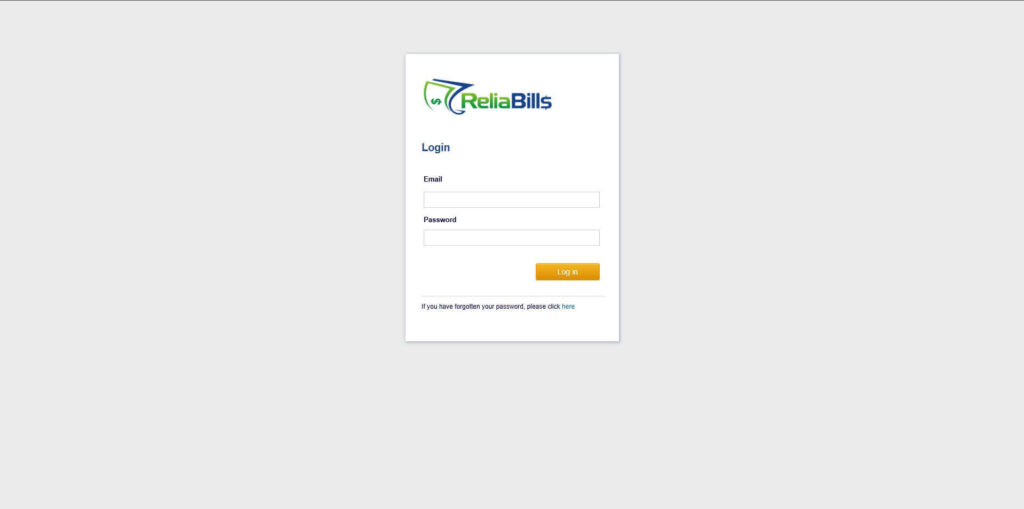
Step 1: Login to ReliaBills
- Access your ReliaBills Account using your login credentials. If you don’t have an account, sign up here.
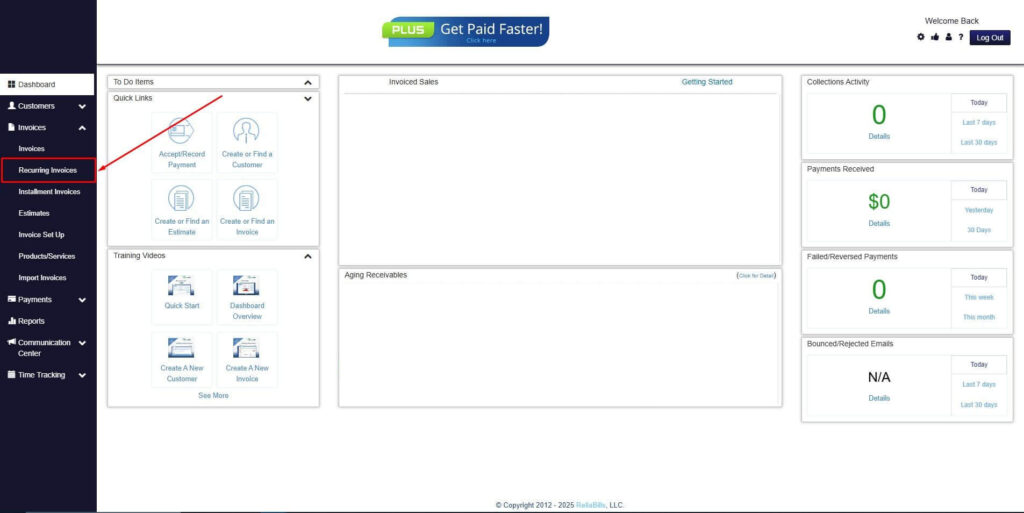
Step 2: Click on Recurring Invoices
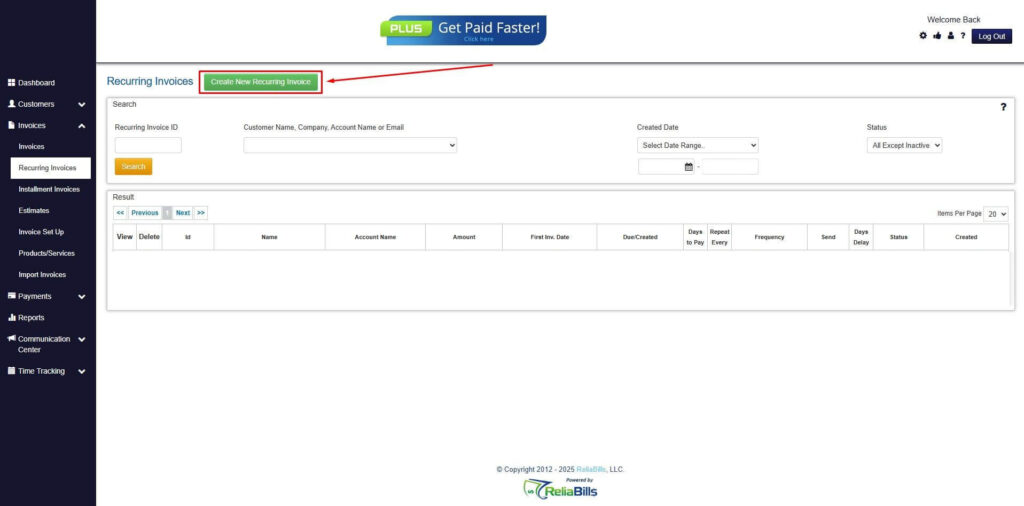
- Navigate to the Invoices Dropdown and click on Recurring Invoices for an overview of the list of your existing customers.
Step 3: Go to the Customers Tab
- If you have already created a customer, search for them in the Customers tab and make sure their status is “Active”.
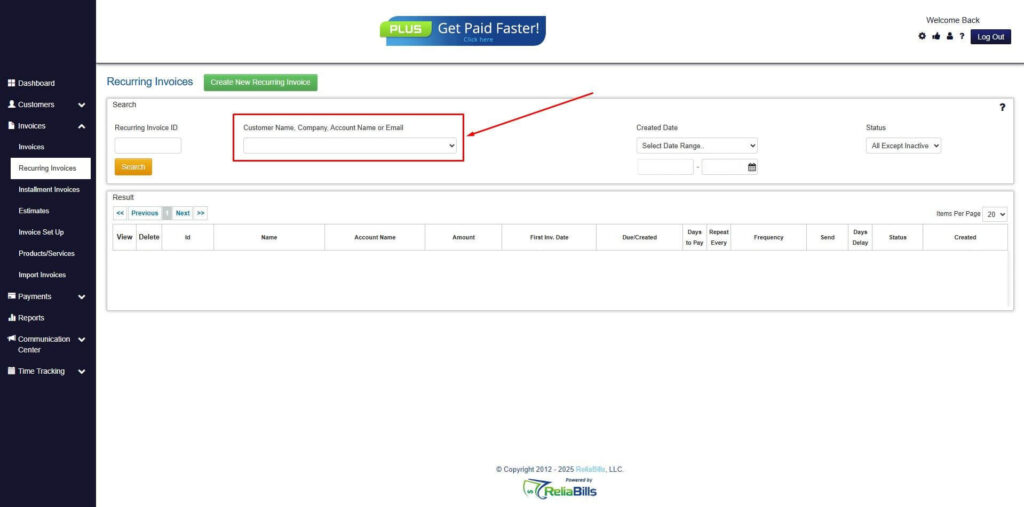
Step 4: Click the Create New Recurring Invoice
- If you haven’t created any customers yet, click the Create New Recurring Invoice to create a new customer.
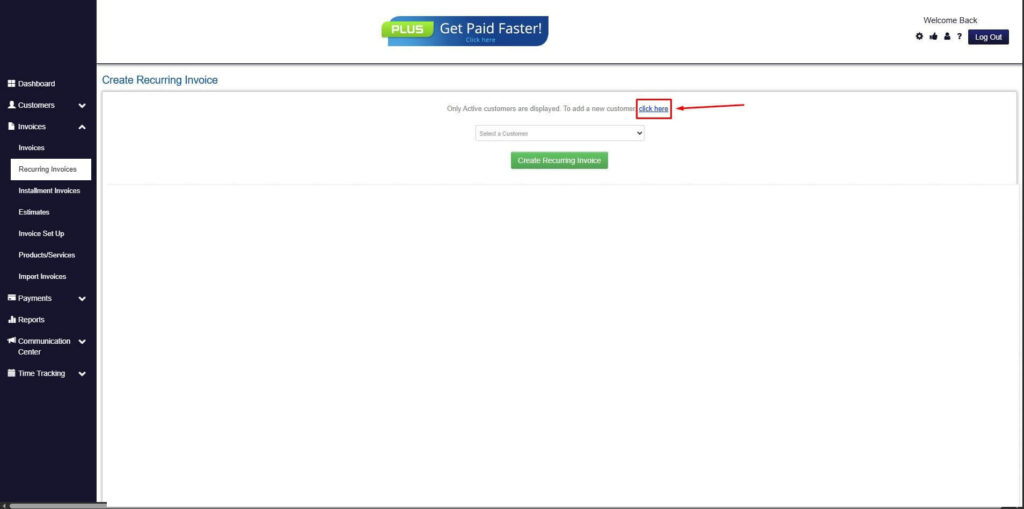
Step 5: Click on the “Click here” Button
- Click on the “Click here” button to proceed with the recurring invoice creation.
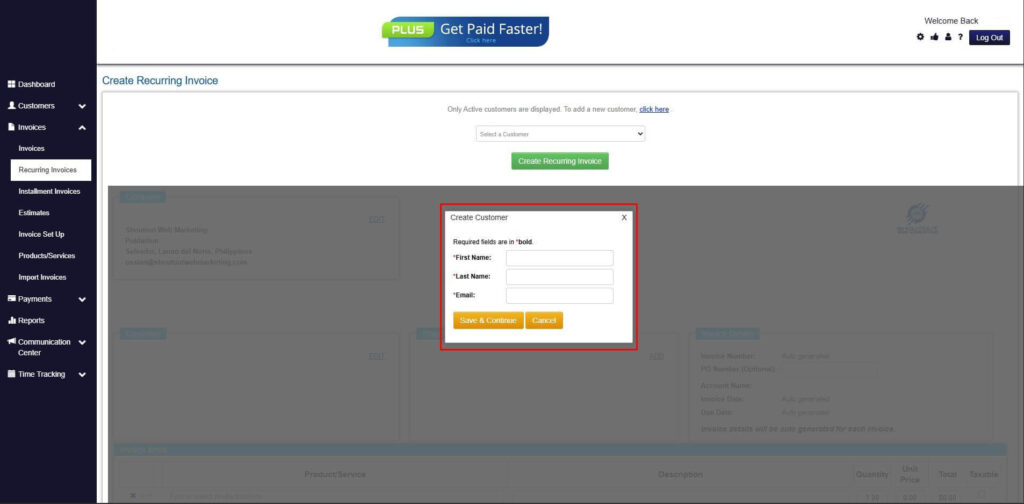
Step 6: Create Customer
- Provide your First Name, Last Name, and Email to proceed.
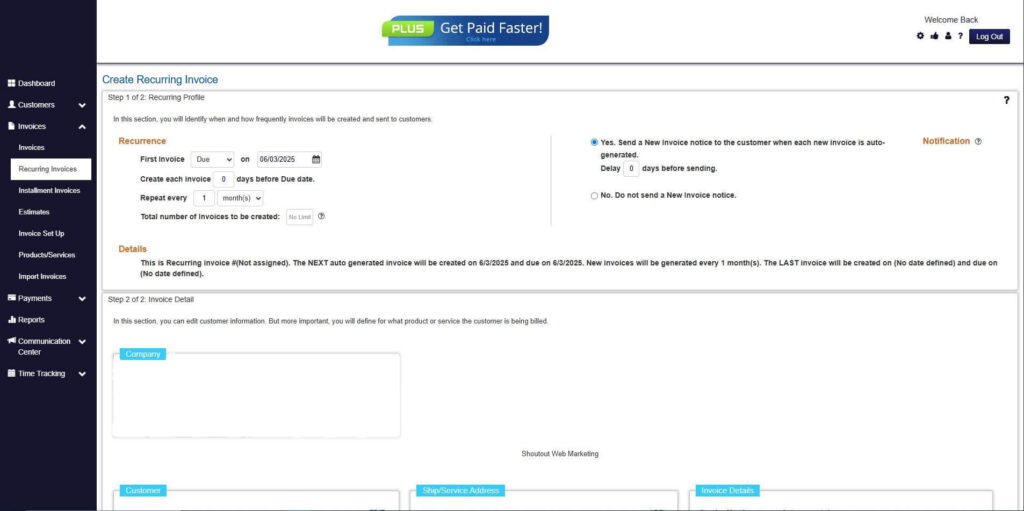
Step 7: Fill in the Create Recurring Invoice Form
- Fill in all the necessary fields.
Step 8: Save Recurring Invoice
- After filling up the form, click “Save Recurring Invoice” to continue.
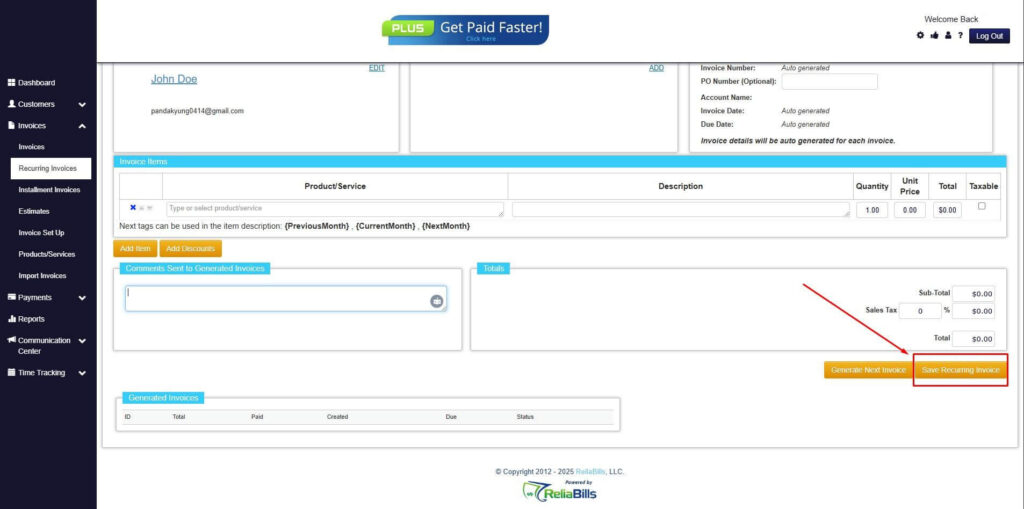
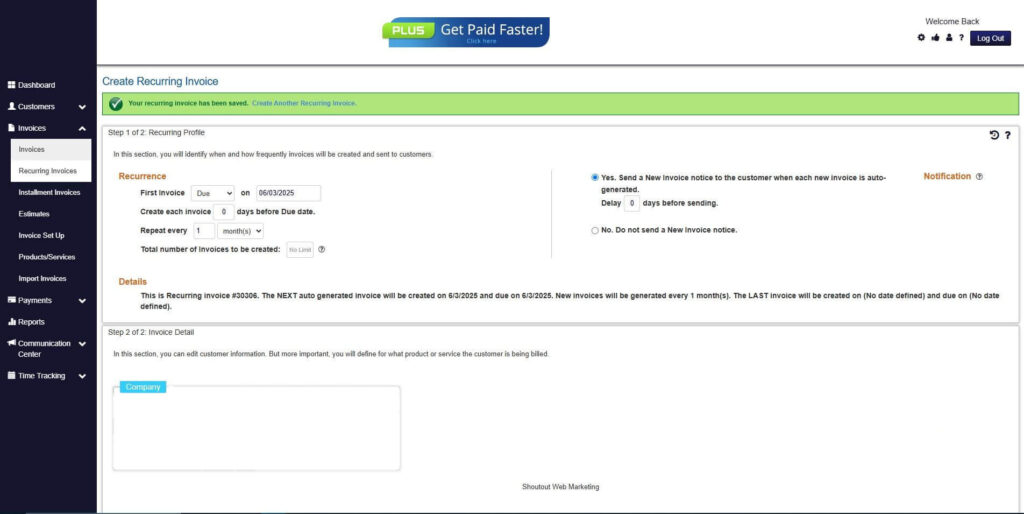
Step 9: Recurring Invoice Created
- Your Recurring Invoice has been created.
Frequently Asked Questions (FAQs)
1. How does auto-pay reduce overdue invoices?
Auto-pay charges customers automatically on due dates, removing reliance on manual payment processes and preventing late payments.
2. What happens if a recurring payment fails?
Most systems automatically retry failed transactions and notify customers, helping recover revenue without manual intervention.
3. Can small businesses benefit from recurring billing systems?
Yes, recurring billing is scalable and helps small businesses maintain cash flow, save time, and reduce administrative overhead.
4. Are recurring billing systems secure?
Modern systems use encryption and secure payment gateways to protect sensitive customer data and prevent fraud.
5. How customizable are billing schedules and reminders?
Businesses can tailor billing intervals, reminder frequency, and communication channels to meet customer needs and improve on-time payments.
Conclusion
Recurring billing systems address the root causes of overdue invoices by automating invoicing, payments, and follow-ups. By ensuring consistency and reducing reliance on manual processes, they help businesses maintain accurate and timely collections.
The ability of recurring billing prevent overdue invoices lies in its automation, predictability, and efficiency. Businesses can improve cash flow, reduce administrative burdens, and enhance customer satisfaction all at once.
As more companies move toward digital solutions, adopting recurring billing systems is becoming essential for sustainable growth. With the right tools in place, businesses can eliminate overdue invoices and build a more reliable financial future.