
Managing rental properties requires precision, especially when it comes to invoicing tenants. A return invoice for tenant billing is a critical tool used to correct billing errors, ensuring that tenants are only charged for what they truly owe. Whether it’s an overcharge, duplicate billing, or a post-invoice adjustment, return invoices help maintain financial clarity and accountability.
Accurate tenant billing is essential for both landlords and property managers. Even minor discrepancies can lead to disputes, delayed payments, or strained relationships. Inconsistent billing practices may also create complications during audits or financial reporting, making it crucial to address errors properly.
Timing plays a key role in issuing return invoices. Prompt adjustments not only ensure accurate records but also demonstrate transparency and professionalism. By issuing corrections at the right time, property managers can build trust while keeping their financial systems clean and compliant.
What Is a Return Invoice in Tenant Billing?
A return invoice for tenant billing is a document issued to reverse or adjust a previously generated invoice. It is commonly used in property management when errors or changes occur after the original invoice has already been sent to the tenant. This ensures that the billing records reflect the correct payable amount.
Unlike credit notes or refunds, a return invoice is typically tied directly to the original invoice and serves as a formal adjustment rather than a separate financial transaction. While a credit note may simply reduce a balance, a return invoice clearly documents the correction within the billing system, preserving a transparent audit trail.
Common scenarios where return invoices are used include correcting rent overcharges, adjusting utility costs, or reflecting changes in lease agreements. In rental billing systems, these invoices act as safeguards against inaccurate charges and help maintain consistency across financial records.
Why Accurate Tenant Billing Adjustments Matter
Incorrect tenant billing can have both financial and legal consequences. Overcharging tenants may result in refund obligations or even legal disputes, while undercharging can lead to revenue losses. A properly issued return invoice for tenant billing ensures that these discrepancies are corrected in a documented and compliant manner.
Delays in making billing adjustments can frustrate tenants and damage trust. When tenants notice inconsistencies in their invoices, they may question the credibility of the property manager or landlord. Addressing these issues quickly with clear documentation helps avoid unnecessary conflicts.
Transparent invoicing practices also contribute to long-term tenant satisfaction. When tenants see that errors are acknowledged and corrected promptly, it reinforces confidence in the management process. This transparency is key to maintaining strong, long-lasting landlord-tenant relationships.
When Should Return Invoices Be Issued?
A return invoice for tenant billing should be issued as soon as a discrepancy is identified. Timing is critical because delays can affect both financial records and tenant trust. The sooner the adjustment is made, the easier it is to reconcile accounts and avoid confusion.
There are several key scenarios where issuing a return invoice is necessary. These include overbilling or duplicate charges, rent concessions applied after invoicing, service or maintenance billing errors, and adjustments due to early lease termination or tenant move-outs. Each of these situations requires immediate correction to ensure accuracy.
Best practice is to issue the return invoice within the same billing cycle whenever possible. Doing so ensures compliance with accounting standards and keeps reports aligned with actual transactions. Prompt issuance also minimizes the risk of disputes and improves overall financial transparency.
Common Triggers for Tenant Billing Adjustments
Lease Amendments or Contract Changes
Changes in lease terms—such as rent increases, added services, or revised payment schedules—often require billing adjustments. A return invoice ensures that updated terms are accurately reflected without disrupting existing records.
Utility Billing Corrections or Shared Cost Recalculations
Utility charges based on estimates or shared allocations may need revision once actual usage is confirmed. Return invoices help correct overcharges or undercharges and ensure fair cost distribution among tenants.
Security Deposit Adjustments Affecting Billed Amounts
When a portion of the security deposit is applied to unpaid rent, damages, or final bills, adjustments must be reflected properly. A return invoice documents these changes and aligns the tenant’s account balance.
Manual Invoicing Errors
Human errors such as incorrect amounts, duplicate entries, or wrong tenant details can occur during manual invoicing. Issuing a return invoice corrects these mistakes while maintaining a transparent audit trail.
System Miscalculations or Automation Glitches
Even automated systems can occasionally produce incorrect charges due to configuration issues or data input errors. Return invoices allow quick correction without compromising the integrity of the billing system.
Late Discounts or Rent Concessions
Discounts or negotiated concessions applied after an invoice has been issued require formal adjustment. A return invoice ensures the revised amount is properly documented and communicated.
How Return Invoices Improve Financial Accuracy
Return invoices play a vital role in maintaining accurate financial records. By correcting errors directly within the billing system, they ensure that account balances reflect the true financial position. This is especially important for property managers handling multiple tenants and transactions.
They also support audit readiness by providing clear documentation of all adjustments. When auditors review financial records, having a complete trail of original invoices and their corresponding return invoices demonstrates transparency and compliance.
Proper use of return invoices prevents recurring discrepancies. By addressing errors systematically, property managers can identify patterns and improve their billing processes over time, leading to more accurate and reliable financial management.
Best Practices for Issuing Return Invoices
Implement Clear Documentation and Approval Workflows
Every return invoice should be supported by proper documentation, including the reason for adjustment and approval from authorized personnel. This ensures accountability and consistency.
Communicate Adjustments Clearly with Tenants
Always notify tenants when a billing correction is made. Provide a simple explanation along with the updated invoice to prevent confusion and maintain transparency.
Maintain Consistent Invoice Numbering and References
Link return invoices to their original invoices using consistent numbering systems. This creates a clear audit trail and simplifies financial tracking.
Leverage Automation to Reduce Human Error
Automated billing systems can streamline the issuance of return invoices, minimizing manual input and reducing the risk of repeated mistakes.
Issue Adjustments Promptly Within the Billing Cycle
Timeliness is critical. Issuing return invoices as soon as discrepancies are identified ensures accurate reporting and prevents compounding errors.
Keep Detailed Records for Audit and Compliance
Store all invoices, adjustments, and supporting documents in an organized system. This is essential for audits, financial reviews, and regulatory compliance.
How Recurring Billing Systems Simplify Tenant Adjustments
Recurring billing systems reduce the likelihood of errors by automating repetitive invoicing tasks. Instead of manually generating invoices each billing cycle, property managers can rely on automated systems to ensure consistency and accuracy.
These systems also make it easier to handle adjustments. Features like auto-adjustments, real-time updates, and billing history tracking allow property managers to quickly issue a return invoice for tenant billing without disrupting the overall billing process.
With recurring billing in place, tenants benefit from predictable and transparent invoicing. This not only reduces disputes but also improves payment timelines, making the entire billing ecosystem more efficient.
Key Benefits of Using Return Invoices for Tenant Billing
- Improves Billing Accuracy and Transparency: Return invoices ensure that all charges are corrected and clearly documented, reducing confusion and maintaining trust with tenants.
- Reduces Tenant Disputes and Complaints: Prompt and transparent adjustments prevent misunderstandings and minimize the likelihood of conflicts over billing errors.
- Ensures Compliance with Financial and Legal Standards: Proper documentation of billing corrections helps meet accounting standards and regulatory requirements.
- Enhances Record-Keeping and Audit Readiness: Maintaining a clear trail of original and adjusted invoices simplifies audits and financial reviews.
- Supports Better Landlord-Tenant Relationships: Transparent billing practices foster trust and improve long-term tenant satisfaction.
- Streamlines Financial Reconciliation Processes: Return invoices make it easier to reconcile accounts by clearly reflecting all adjustments in financial records.
Common Use Cases
Correcting Overcharged Rent or Fees
When tenants are billed more than the agreed rent or charged incorrect fees, a return invoice adjusts the balance accurately.
Adjusting Utility Billing Discrepancies
Utility costs often fluctuate, and corrections may be needed once actual consumption data is available.
Applying Post-Invoice Discounts or Concessions
Special agreements, promotions, or goodwill discounts issued after invoicing require formal adjustment through return invoices.
Handling Move-Out or Lease Termination Adjustments
Final billing for tenants leaving early may include prorated rent, damage charges, or refunds that need proper documentation.
Fixing Duplicate or Incorrect Charges
Duplicate entries or incorrect service charges can be reversed using return invoices to restore accurate billing.
Reversing Charges for Canceled Services or Maintenance
If a service was billed but not delivered, a return invoice ensures the tenant is not unfairly charged.
How ReliaBills Helps Manage Return Invoices Efficiently
Managing a return invoice for tenant billing becomes significantly easier when using an automated platform like ReliaBills. The system is designed to simplify invoicing workflows, reduce manual errors, and ensure that every billing adjustment is accurately recorded. Property managers can quickly generate, modify, and track invoices from a centralized dashboard, improving overall operational efficiency. This level of control helps maintain clean financial records while delivering a more professional billing experience to tenants.
ReliaBills stands out with its powerful recurring billing capabilities, which help prevent many of the common issues that lead to return invoices in the first place. By automating billing cycles, rent charges, and scheduled fees, the platform ensures consistency and minimizes discrepancies. When adjustments are necessary, users can seamlessly issue a return invoice for tenant billing without disrupting the recurring billing flow. Real-time updates and detailed billing histories also make it easy to track changes and maintain full transparency.
For businesses that need more advanced functionality, ReliaBills PLUS offers enhanced automation, robust reporting, and improved tenant communication tools. These features allow property managers to analyze billing trends, identify recurring issues, and optimize their invoicing processes. With built-in communication options, tenants can be instantly notified about adjustments, reducing confusion and disputes. Altogether, ReliaBills PLUS provides a scalable, efficient solution for managing complex tenant billing scenarios with confidence.
How to Create a New Recurring Invoice Using ReliaBills
Creating a New Recurring Invoice using ReliaBills involves the following steps:
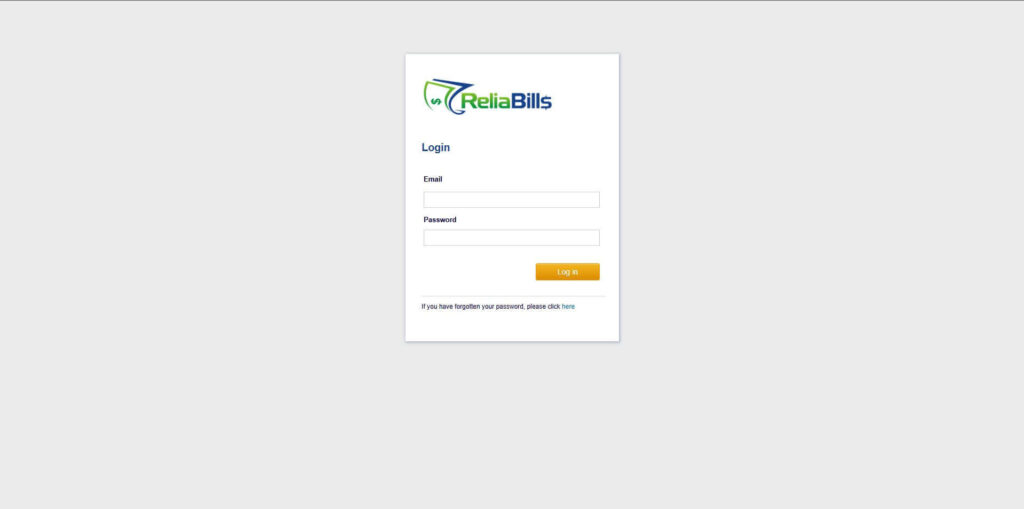
Step 1: Login to ReliaBills
- Access your ReliaBills Account using your login credentials. If you don’t have an account, sign up here.
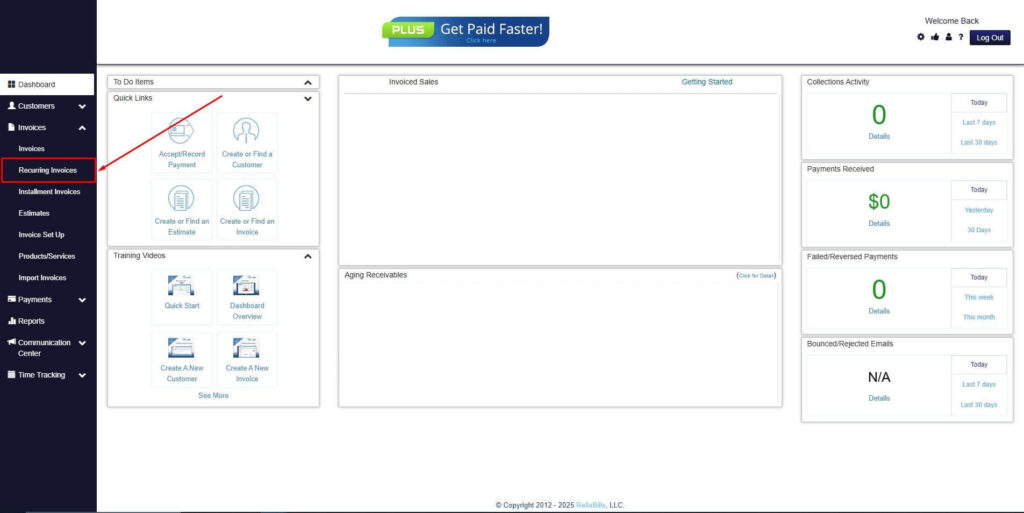
Step 2: Click on Recurring Invoices
- Navigate to the Invoices Dropdown and click on Recurring Invoices for an overview of the list of your existing customers.
Step 3: Go to the Customers Tab
- If you have already created a customer, search for them in the Customers tab and make sure their status is “Active”.
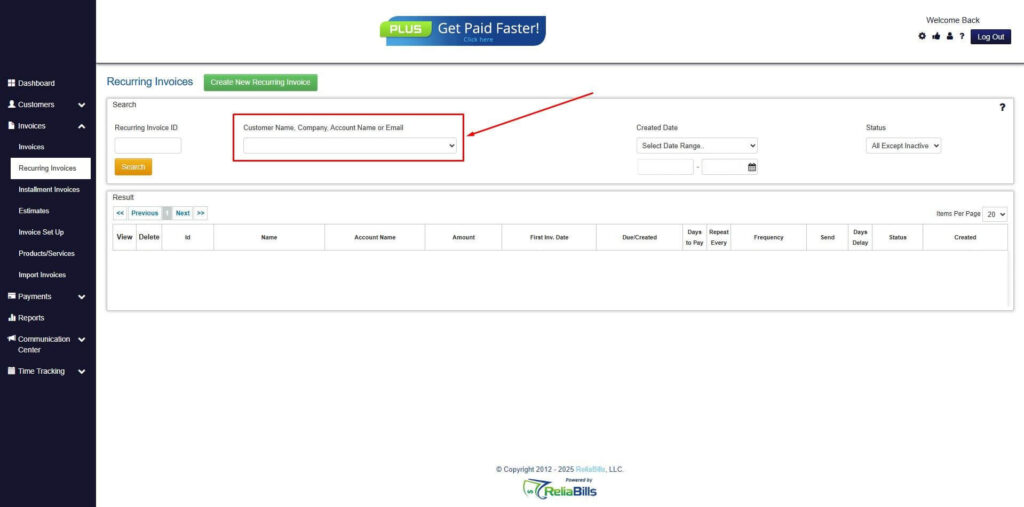
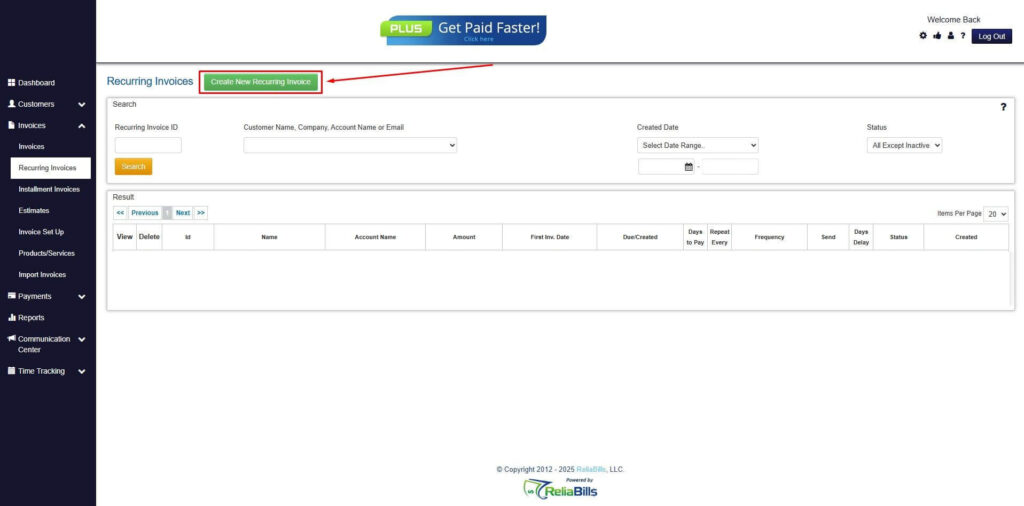
Step 4: Click the Create New Recurring Invoice
- If you haven’t created any customers yet, click the Create New Recurring Invoice to create a new customer.
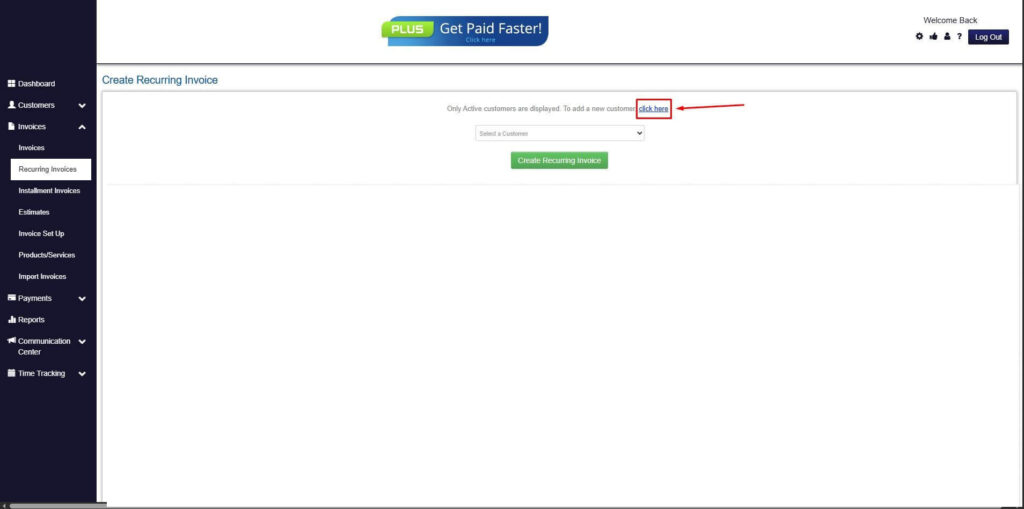
Step 5: Click on the “Click here” Button
- Click on the “Click here” button to proceed with the recurring invoice creation.
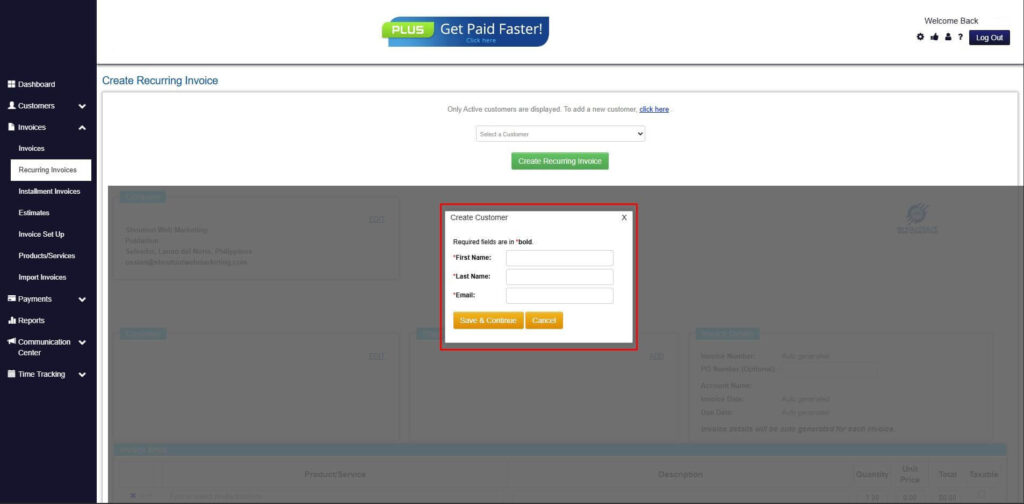
Step 6: Create Customer
- Provide your First Name, Last Name, and Email to proceed.
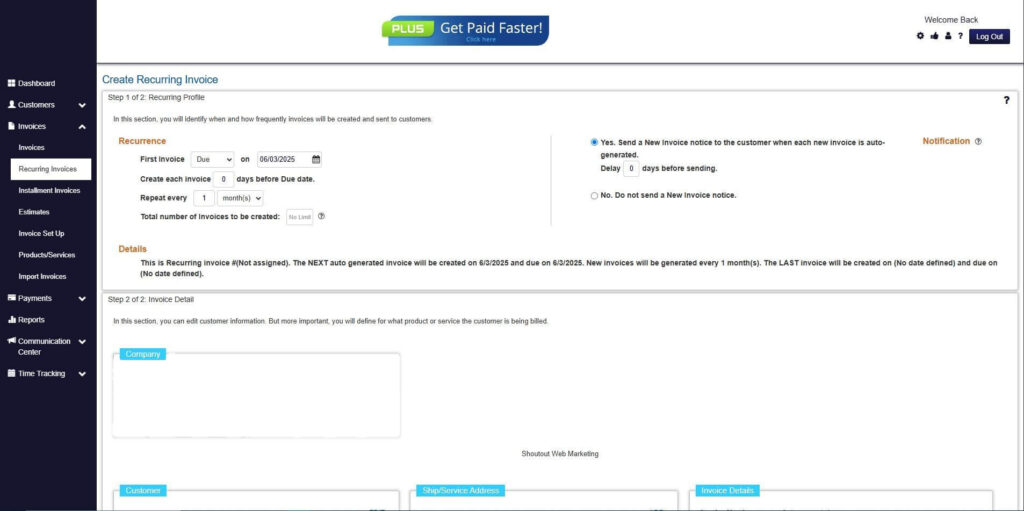
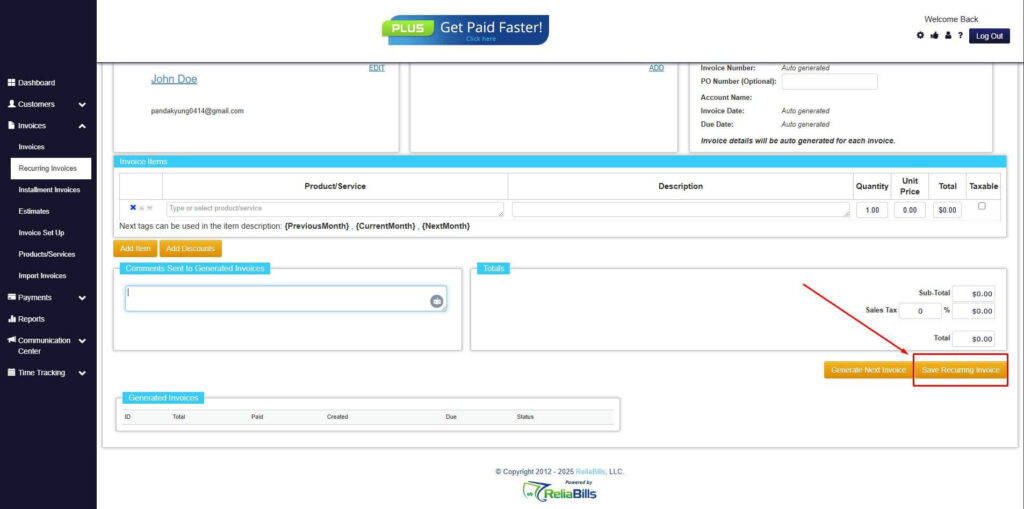
Step 7: Fill in the Create Recurring Invoice Form
- Fill in all the necessary fields.
Step 8: Save Recurring Invoice
- After filling up the form, click “Save Recurring Invoice” to continue.
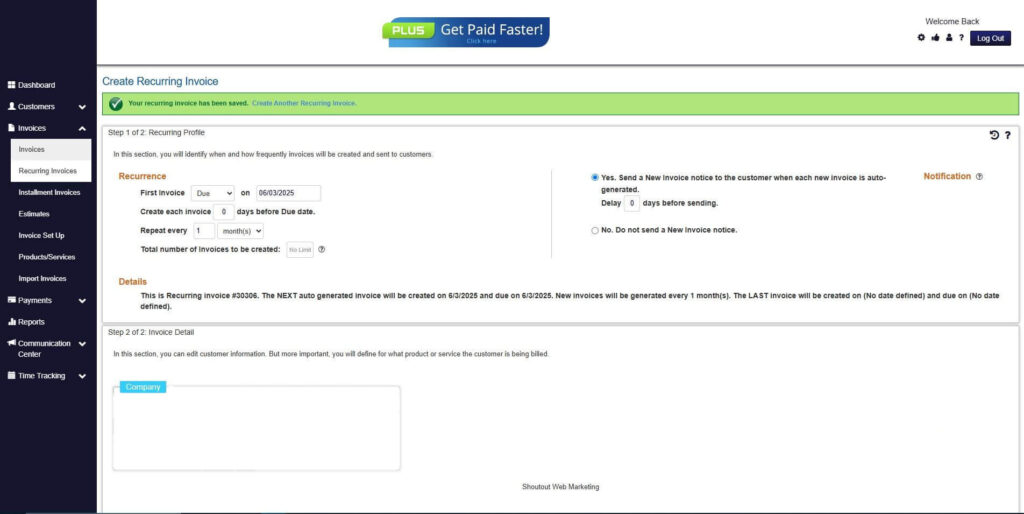
Step 9: Recurring Invoice Created
- Your Recurring Invoice has been created.
Frequently Asked Questions (FAQs)
1. What is the difference between a return invoice and a credit note?
A return invoice directly adjusts a previously issued invoice and maintains a clear link to the original transaction, while a credit note typically reduces the amount owed without detailed correction tracking.
2. How soon should a return invoice be issued after detecting an error?
It should be issued immediately or within the same billing cycle to maintain accurate financial records and avoid tenant confusion.
3. Can return invoices be automated in tenant billing systems?
Yes, modern billing platforms often include automation features that allow quick generation of return invoices based on detected discrepancies.
4. Are return invoices legally required for billing corrections?
While not always mandatory, they are strongly recommended for compliance, transparency, and proper financial documentation.
5. How do return invoices affect financial reporting?
They ensure that revenue and receivables are reported accurately by reflecting corrected amounts in financial statements.
Conclusion
Issuing a return invoice for tenant billing at the right time is essential for maintaining accurate financial records and fostering trust with tenants. Prompt and well-documented adjustments help prevent disputes, ensure compliance, and keep billing systems organized.
By prioritizing accuracy and transparency, property managers can create a more reliable and professional billing process. Return invoices serve as a crucial mechanism for correcting errors and maintaining consistency across all transactions.
Looking ahead, adopting automated and recurring billing solutions can further streamline tenant billing adjustments. These tools not only reduce errors but also enhance efficiency, making it easier to manage complex billing scenarios with confidence.