
Non-commercial invoices are commonly used in situations where goods are shipped without a direct sale. These documents often appear in logistics, manufacturing, and eCommerce operations where items such as samples, replacements, or internal transfers are involved. Despite their frequent use, many businesses are still unsure whether they should share these invoices with customers.
This uncertainty often leads to inconsistent practices. Some companies send non-commercial invoices for every applicable shipment, while others keep them strictly for internal documentation. This inconsistency can create confusion, especially when customers receive goods without clear supporting information.
In most cases, sending non-commercial invoices to customers improves transparency and strengthens communication. It also ensures proper documentation, which is important for compliance, tracking, and dispute resolution.
What Is a Non-Commercial Invoice?
A non-commercial invoice is a document used to describe goods that are being shipped without a sale. Unlike a standard invoice, it does not request payment but instead provides details about the shipment for documentation and regulatory purposes.
These invoices are commonly used for product samples, warranty replacements, promotional items, gifts, or internal transfers between company locations. Even though no payment is required, the document still includes important information about the goods being shipped.
Typical details found in a non-commercial invoice include item descriptions, quantities, declared value, and the reason for shipment. This information helps ensure that both the sender and recipient clearly understand the purpose of the transaction.
When Do Businesses Use Non-Commercial Invoices?
Businesses use non-commercial invoices whenever goods are moved without a financial transaction. These situations still require proper documentation to ensure transparency and compliance with internal and external requirements.
One common use case is international shipping. Customs authorities often require documentation that clearly states the value and purpose of goods, even when no sale has taken place. A non-commercial invoice helps prevent delays and ensures smooth clearance.
They are also useful for internal record-keeping and logistics tracking. By documenting shipments properly, businesses can maintain accurate records, track inventory movements, and avoid confusion across departments.
Should Businesses Send Non-Commercial Invoices to Customers?
In many cases, the answer is yes. Sending non-commercial invoices to customers helps provide clarity about what is being delivered and why. This is especially important when customers receive items without an associated payment request.
Customers benefit from having a clear record of the shipment. It allows them to verify the contents, understand the purpose, and keep documentation for their own records. This is particularly useful in industries where compliance and traceability are important.
However, there are situations where sending these invoices may not be necessary. For example, internal transfers or internal-only documentation may not require customer visibility. The decision should be based on whether the document adds value to the customer experience and improves transparency.
What Are the Benefits of Sending Non-Commercial Invoices to Customers?
Providing non-commercial invoices to customers delivers both operational efficiency and stronger customer relationships. Key benefits include:
Improved Transparency in Transactions
Customers receive clear documentation explaining what items were sent and why, eliminating guesswork. This is especially important when no payment is involved, as it prevents confusion about whether an invoice requires action.
Clear Documentation of Shipped Items
A detailed invoice acts as an official record of goods, including quantities, descriptions, and declared values. This helps both parties maintain accurate records for future reference.
Reduced Confusion About Shipment Purpose
Clearly identifying whether items are samples, replacements, or promotional goods ensures the recipient understands the intent of the shipment immediately.
Better Customer Communication and Trust
Providing complete and professional documentation demonstrates accountability. This builds long-term trust and improves the overall customer experience.
Easier Dispute Resolution
If discrepancies arise, such as missing or damaged items, having a documented invoice simplifies investigation and resolution.
Support for Compliance and Customs Requirements
For international shipments, proper documentation is often mandatory. Non-commercial invoices help ensure smooth customs clearance and reduce the risk of delays or penalties.
Improved Internal Coordination Across Teams
Sales, logistics, and customer service teams can rely on the same document, reducing miscommunication and improving efficiency.
Enhanced Brand Credibility and Professionalism
Consistent and well-structured documentation reflects a reliable and organized business operation.
What Are the Risks of Not Sending Non-Commercial Invoices?
Not sending non-commercial invoices to customers can create avoidable operational, financial, and reputational risks. Common risks include:
- Misunderstandings About Shipments or Item Value: Customers may question why they received goods or assume incorrect pricing or obligations.
- Delays in Customs Clearance: Missing documentation can result in shipments being held, inspected, or returned, causing delays and additional costs.
- Lack of Documentation for Dispute Resolution: Without proper records, resolving issues becomes time-consuming and less accurate.
- Poor Record-Keeping and Tracking Issues: Missing invoices can lead to inconsistencies in inventory systems and logistics tracking.
- Reduced Customer Confidence and Satisfaction: Lack of clarity can create doubt about the professionalism and reliability of the business.
- Compliance and Regulatory Risks: In some regions, failure to provide proper documentation can lead to fines or legal complications.
- Operational Inefficiencies and Increased Workload: Teams may spend extra time answering customer inquiries or reconstructing missing records.
- Potential Financial Discrepancies: Without proper documentation, businesses may struggle to reconcile inventory and reported values.
What Information Should Be Included in a Non-Commercial Invoice?
Including complete and accurate details ensures that non-commercial invoices to customers are effective and compliant. Important elements include:
- Clear Label “Non-Commercial Invoice”: This prevents confusion with standard billing documents and ensures recipients understand that no payment is required.
- Detailed Description of Goods: Include item names, specifications, model numbers, and quantities to provide full clarity.
- Declared Value of Items: Even without a sale, assigning a realistic value is essential for customs processing and internal accounting.
- Reason for Shipment: Clearly state whether the shipment is a sample, gift, replacement, or internal transfer.
- Sender and Recipient Information: Full contact details ensure accurate delivery and proper documentation.
- Date and Unique Reference Number: Helps track the transaction and link it to internal systems or shipment records.
- Country of Origin (for International Shipments): Required for customs and regulatory compliance in many jurisdictions.
- Shipping Method and Carrier Details: Including logistics information helps track the shipment and align documentation.
- Authorized Signature or Approval (if required): Some organizations require validation for compliance or audit purposes.
What Best Practices Should Businesses Follow?
Following structured practices ensures consistency and effectiveness when sending non-commercial invoices to customers. Recommended practices include:
- Clearly Define the Purpose of Every Shipment: Always include a clear explanation to avoid misunderstandings and unnecessary follow-ups.
- Use Standardized Invoice Templates Across the Organization: Templates ensure consistency, reduce errors, and make documents easier to process.
- Ensure Accuracy in All Details Before Sending: Double-check values, descriptions, and recipient details to prevent delays or corrections.
- Align Documentation With International Shipping Regulations: Stay updated with customs requirements to avoid compliance issues.
- Maintain Organized Digital Records for Easy Access: Store invoices in centralized systems for quick retrieval during audits or disputes.
- Train Staff on Proper Documentation Procedures: Ensure all relevant teams understand how to create and manage invoices correctly.
- Leverage Automation Tools for Efficiency: Automated systems reduce manual errors and improve speed and consistency.
- Review and Update Processes Regularly: As business operations evolve, update documentation practices to stay aligned.
- Integrate Invoicing With Logistics and Inventory Systems: This ensures accurate data flow and reduces duplication of work.
How Can Automation Improve Non-Commercial Invoicing?
Automation helps businesses streamline the process of creating and managing non-commercial invoices. By using digital systems, companies can ensure that every invoice includes the required fields and follows a consistent format.
Reducing manual data entry also minimizes the risk of errors. This is especially important for businesses handling large volumes of shipments or operating across multiple locations.
In addition, automation improves tracking and documentation. Businesses can easily store, retrieve, and review invoices, making it easier to stay compliant and prepare for audits.
Key Benefits of Sending Non-Commercial Invoices
Consistent use of non-commercial invoices to customers supports long-term operational success. Key benefits include:
- Better Transaction Transparency Across All Interactions: Both businesses and customers have a clear understanding of shipments.
- Improved Compliance and Documentation Standards: Proper records help meet legal and regulatory requirements.
- Enhanced Customer Communication and Experience: Clear information reduces confusion and improves satisfaction.
- Reduced Operational Errors and Miscommunication: Standardized documentation minimizes mistakes across teams.
- Stronger Business Credibility and Professional Image: Organized processes reflect a reliable and trustworthy brand.
- Streamlined Record-Keeping and Data Management: Centralized documentation improves tracking and reporting.
- Faster Issue Resolution and Support Handling: Clear records allow quicker response to customer concerns.
- Better Audit Preparedness and Financial Accuracy: Complete documentation supports internal and external audits.
How Does ReliaBills Support Non-Commercial Invoicing?
ReliaBills simplifies the way businesses handle non-commercial invoices to customers by offering flexible, easy-to-use invoicing tools. With customizable templates, businesses can quickly create non-commercial invoices that include all required details such as item descriptions, declared values, and shipment purposes. This ensures every document is consistent, professional, and aligned with compliance requirements, especially for logistics and international shipping.
Beyond basic invoicing, ReliaBills strengthens process consistency through its recurring billing and automation capabilities. While non-commercial invoices are not tied to payments, the same automation engine helps standardize workflows, reduce manual entry, and maintain accurate records across both commercial and non-commercial transactions. This means businesses can manage high volumes of invoices efficiently while minimizing errors and improving internal coordination.
For growing businesses, ReliaBills PLUS provides advanced features that enhance control and visibility. This includes detailed reporting, automated workflows, and improved document tracking, which are essential for audit readiness and compliance. With these tools, companies can maintain accurate records of all non-commercial invoices to customers while ensuring their invoicing processes remain scalable, efficient, and reliable.
How to Create a New Recurring Invoice Using ReliaBills
Creating a New Recurring Invoice using ReliaBills involves the following steps:
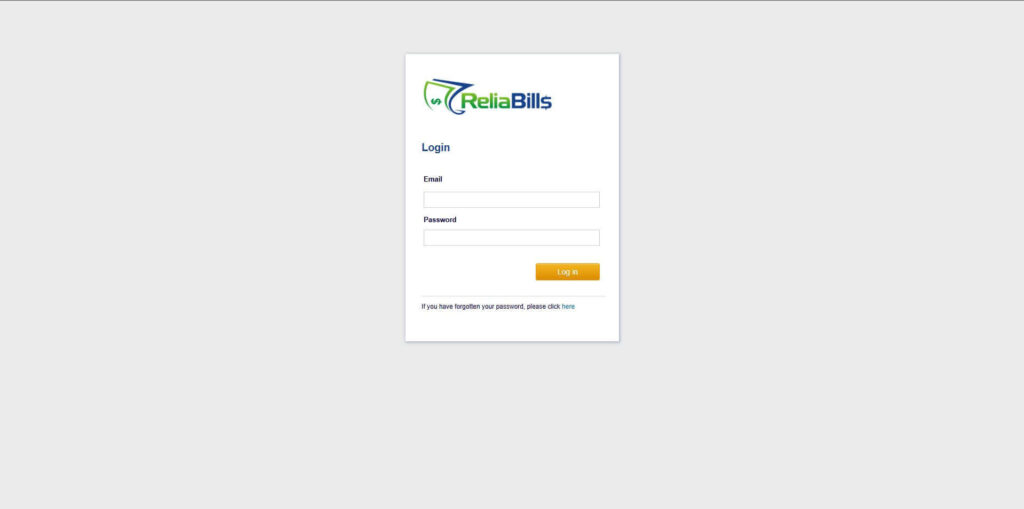
Step 1: Login to ReliaBills
- Access your ReliaBills Account using your login credentials. If you don’t have an account, sign up here.
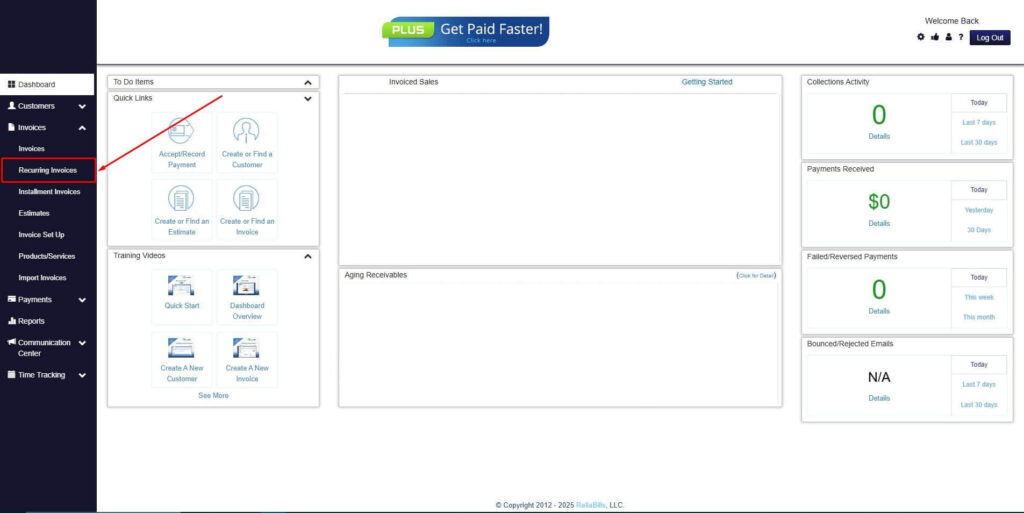
Step 2: Click on Recurring Invoices
- Navigate to the Invoices Dropdown and click on Recurring Invoices for an overview of the list of your existing customers.
Step 3: Go to the Customers Tab
- If you have already created a customer, search for them in the Customers tab and make sure their status is “Active”.
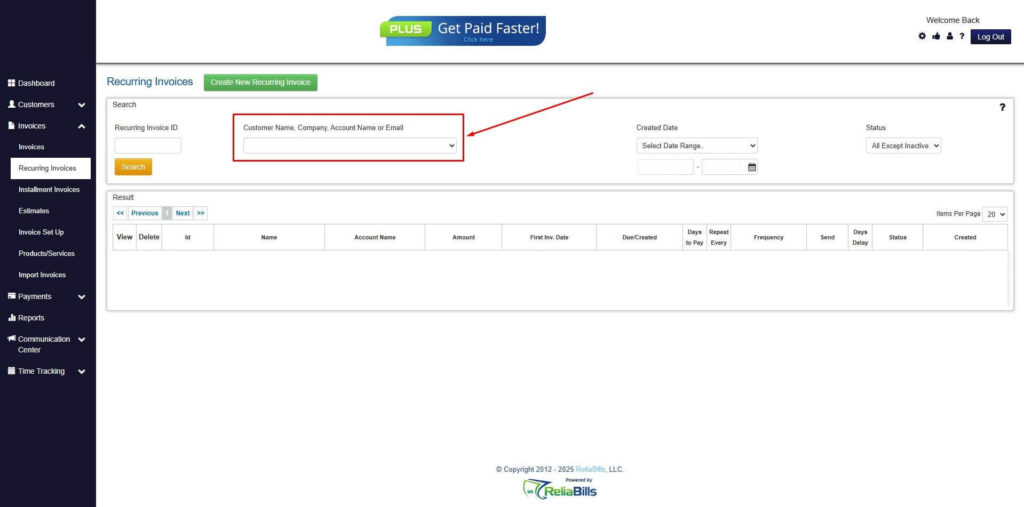
Step 4: Click the Create New Recurring Invoice
- If you haven’t created any customers yet, click the Create New Recurring Invoice to create a new customer.
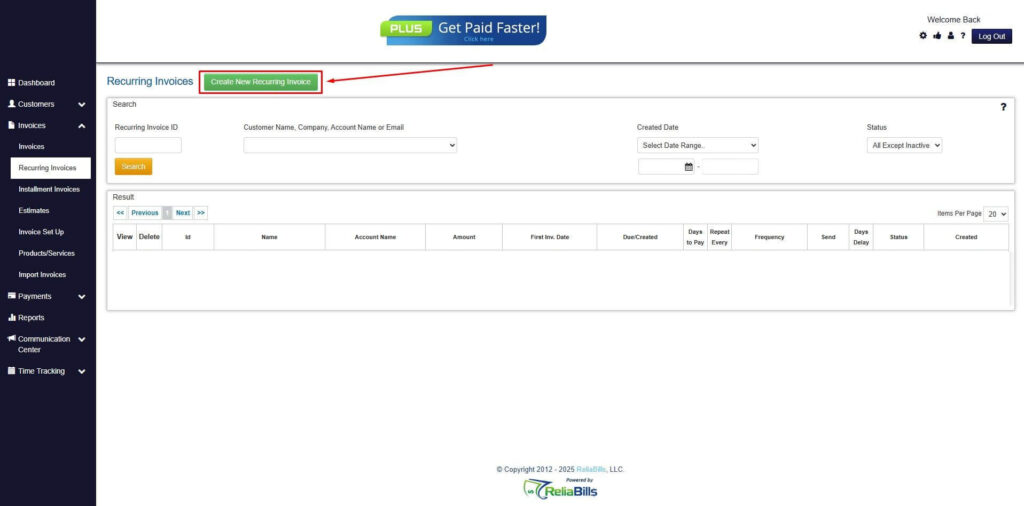
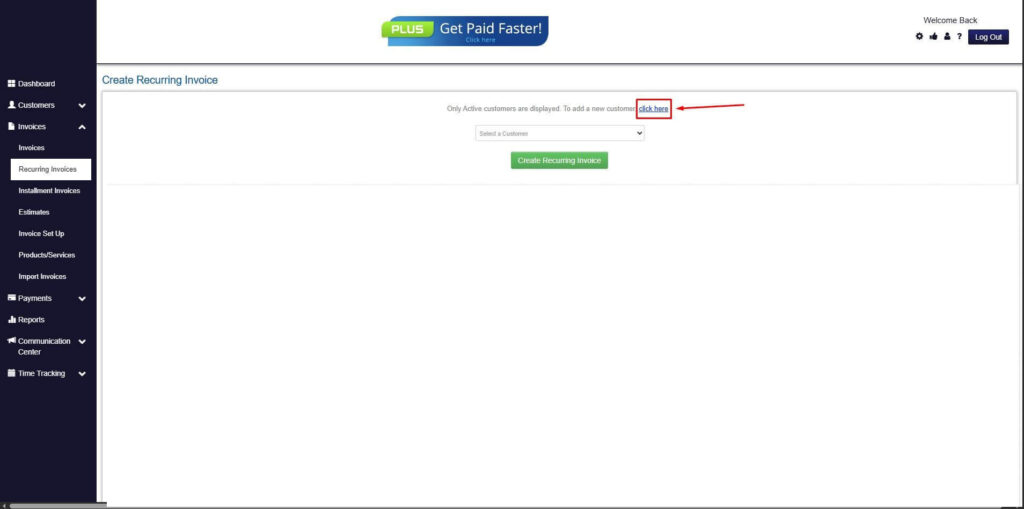
Step 5: Click on the “Click here” Button
- Click on the “Click here” button to proceed with the recurring invoice creation.
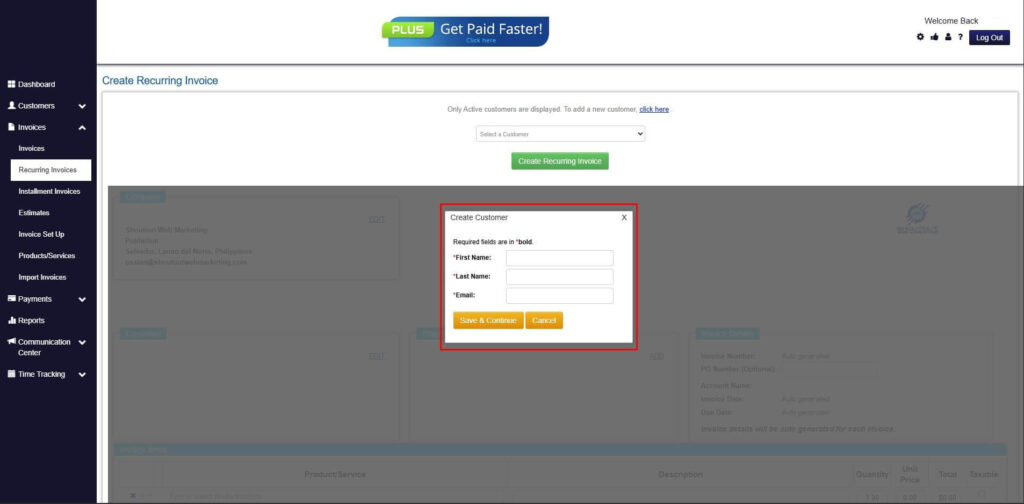
Step 6: Create Customer
- Provide your First Name, Last Name, and Email to proceed.
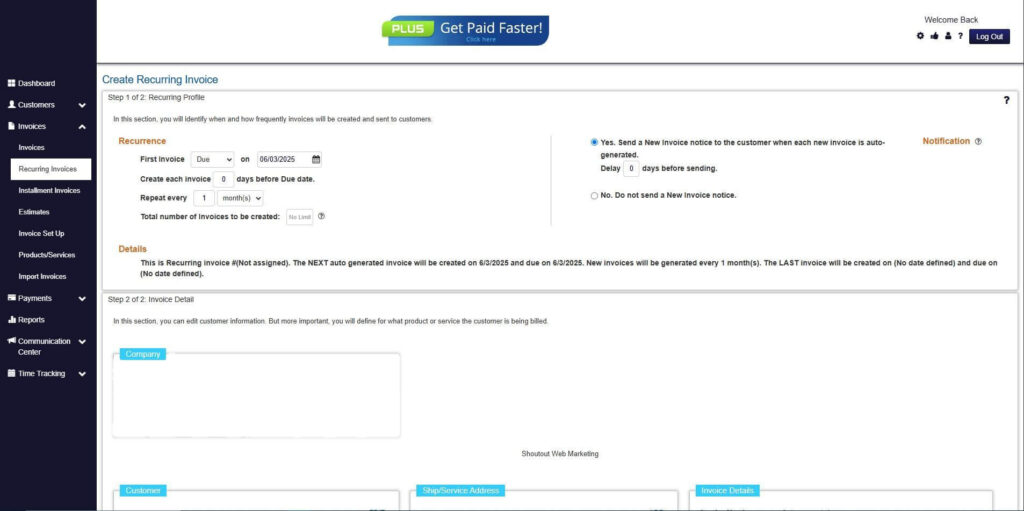
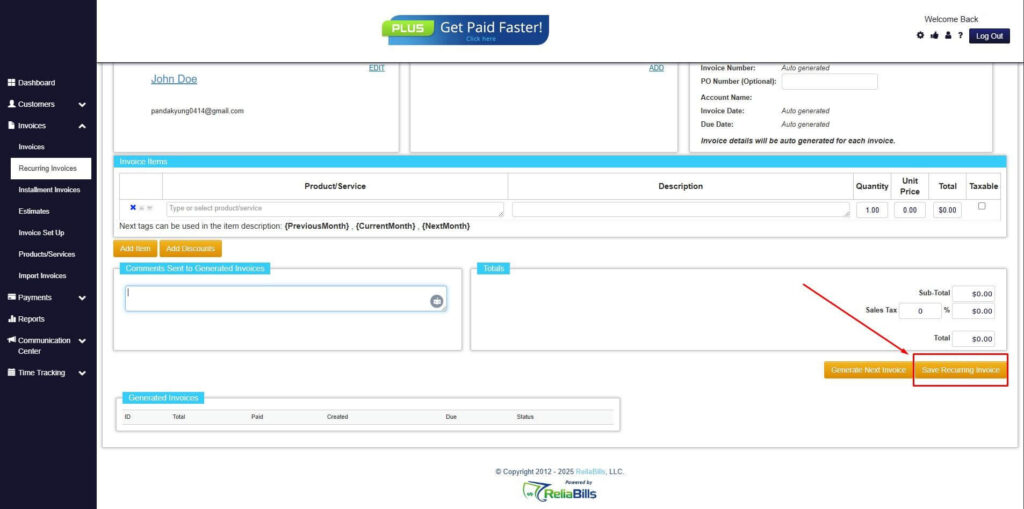
Step 7: Fill in the Create Recurring Invoice Form
- Fill in all the necessary fields.
Step 8: Save Recurring Invoice
- After filling up the form, click “Save Recurring Invoice” to continue.
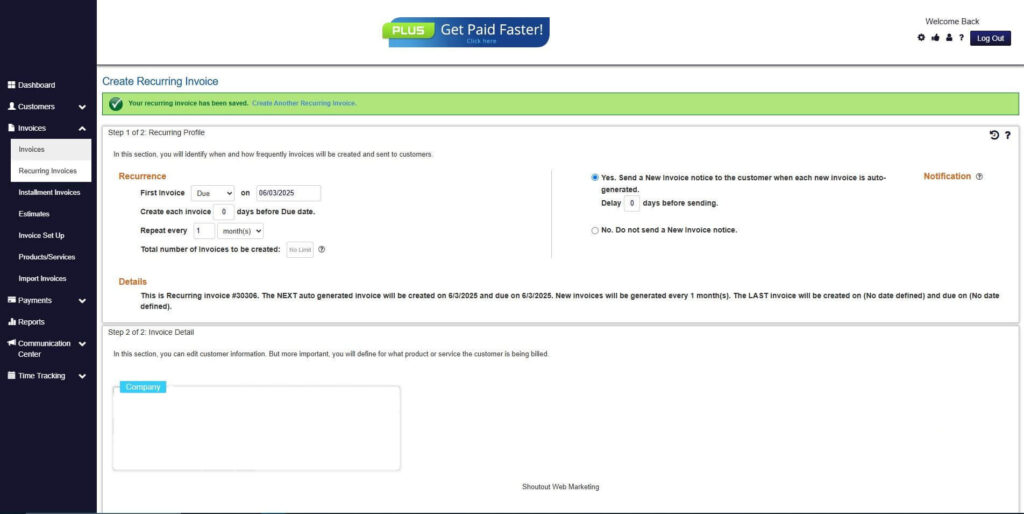
Step 9: Recurring Invoice Created
- Your Recurring Invoice has been created.
Frequently Asked Questions
1. What is a non-commercial invoice used for?
It is used to document shipments where no sale occurs, ensuring transparency and proper record-keeping for both parties.
2. Do non-commercial invoices require a declared value?
Yes. A declared value is necessary for customs clearance, insurance, and internal accounting, even if no payment is expected.
3. Should all businesses send non-commercial invoices to customers?
Not always. Businesses should send them when it improves transparency, compliance, or customer understanding.
4. Are non-commercial invoices required for international shipping?
In most cases, yes. Customs authorities typically require them to process shipments.
5. Can non-commercial invoices help with dispute resolution?
Yes. They provide a clear and verifiable record of what was shipped and why.
6. Can automation improve non-commercial invoicing?
Yes. Automation ensures consistency, reduces errors, and improves tracking across all transactions.
7. Do non-commercial invoices affect financial reporting?
They may not impact revenue directly, but they play a key role in inventory tracking and audit documentation.
8. How should businesses store non-commercial invoices?
They should be stored digitally in a centralized system for easy access, tracking, and compliance purposes.
Conclusion
Non-commercial invoices play an important role in documenting transactions that do not involve direct sales. They help businesses maintain transparency, ensure compliance, and improve communication with customers.
Sending non-commercial invoices to customers is often a best practice, especially when it adds clarity and supports proper documentation. While not always required, they can significantly enhance trust and operational efficiency.
By using automated tools like ReliaBills, businesses can streamline invoicing processes, reduce errors, and maintain consistent and accurate documentation across all transactions.