

Cash flow stability is one of the most important factors that determines the success of transportation companies. Businesses that operate in trucking, freight, logistics, and delivery services rely on steady revenue to cover ongoing expenses such as fuel, vehicle maintenance, insurance, and driver wages. When payments from clients are delayed, it can quickly create financial pressure that affects day to day operations.
Many transportation companies still rely on manual invoicing methods such as paper invoices, email billing, or spreadsheets to track payments. These systems often result in delayed payments because invoices can be overlooked, lost, or processed slowly by customers. Without reliable payment tracking, businesses may spend significant time following up with clients just to collect payments that are already overdue.
Auto payment systems provide a more efficient solution. By automating invoice billing and payment collection, transportation companies can create predictable revenue cycles, reduce administrative workload, and maintain a healthier cash flow. Instead of chasing payments, businesses can focus on managing operations and expanding their services.
What Is Auto Payment in Transportation Billing?
Auto payment refers to a billing system that automatically charges customers based on scheduled invoices or recurring service agreements. In the transportation industry, this means clients can authorize payments in advance, allowing invoices to be paid automatically when they are generated or when a billing date arrives.
This approach works well for transportation companies that manage ongoing service contracts. Freight carriers, route delivery providers, and logistics companies often have repeat customers who require regular shipments or transportation services. With auto payment for transportation businesses, these clients can be billed automatically according to the agreed billing schedule.
Most modern auto payment systems include integrated tools such as automated invoicing, payment scheduling, and secure digital payment gateways. These features allow businesses to send invoices, process payments, and track transaction records in a centralized platform, making the billing process far more efficient.
Why Is Cash Flow Important for Transportation Businesses?
Transportation companies operate in an industry with high operational costs. Daily expenses include fuel purchases, truck maintenance, equipment repairs, insurance coverage, and employee payroll. Because these costs occur continuously, businesses must maintain steady incoming revenue to keep operations running smoothly.
When customer payments are delayed, companies may struggle to cover these operational costs. Even profitable transportation businesses can experience financial stress if they are waiting weeks or months for invoices to be paid. This situation can lead to delayed maintenance, reduced fleet availability, or difficulty paying employees on time.
Maintaining consistent cash flow helps transportation businesses remain financially stable. With reliable revenue coming in, companies can manage expenses more confidently, plan for fleet expansion, and invest in better logistics technology to improve service quality.
How Does Auto Payment Improve Cash Flow Management?
Auto payment for transportation businesses improves financial management by ensuring invoices are paid faster and more consistently. When customers authorize automatic payments, businesses no longer need to rely on manual payment submissions.
One major advantage is faster payment collection. Instead of waiting for clients to process invoices manually, payments can be charged automatically on the invoice due date. This significantly reduces the risk of late payments and improves the speed of revenue collection.
Auto payment systems also create predictable revenue cycles. Because billing occurs on a fixed schedule, transportation companies can forecast income more accurately. This helps finance teams plan operational budgets, manage fleet expenses, and maintain healthy cash flow.
What Challenges Do Transportation Companies Face With Manual Payment Processing?
Transportation companies that rely on manual billing processes often face operational inefficiencies that can affect both revenue and administrative productivity. These issues become more noticeable as the business grows and handles more shipments, contracts, and invoices. Common challenges include:
Delayed Invoice Payments From Clients
Manual invoicing often requires customers to review invoices, approve them internally, and process payments through their accounting departments. This can create long payment cycles that slow down revenue collection and disrupt cash flow.
Administrative Workload for Tracking Outstanding Invoices
Staff members may spend a large portion of their time sending invoices, monitoring payment status, and contacting clients about overdue balances. These repetitive tasks can reduce productivity and increase operational costs.
Errors in Billing or Payment Records
Manual data entry can lead to incorrect invoice amounts, missing payment records, or duplicate charges. These mistakes may create billing disputes that take additional time to resolve.
Lack of Automated Payment Reminders
Without automated reminders, customers may forget to pay invoices on time. Businesses then need to follow up manually through emails or phone calls, which adds more administrative work.
Difficulty Tracking Multiple Client Accounts
Transportation companies often manage several customers with different billing terms and schedules. Keeping track of each client’s payment status manually can become complicated and lead to missed payments.
Cash Flow Uncertainty Caused by Inconsistent Payment Schedules
When payments arrive unpredictably, it becomes harder for businesses to forecast revenue and plan operational expenses such as fuel purchases or fleet maintenance.
What Payment Methods Can Be Integrated With Auto Payment Systems?
Modern billing platforms allow transportation companies to accept a variety of digital payment methods. Offering multiple payment options makes it easier for clients to pay invoices quickly and helps improve overall payment reliability. Common payment methods include:
Credit and Debit Card Payments
Customers can authorize automatic card payments that are charged when an invoice is generated or when a billing date arrives. This is one of the fastest ways to process payments for recurring transportation services.
ACH Bank Transfers
ACH payments allow businesses to collect funds directly from a customer’s bank account. This method is often preferred for larger payments such as freight contracts or long-term logistics agreements.
Digital Wallets and Online Payment Platforms
Some clients prefer paying through online payment platforms or digital wallets that provide quick and secure transactions through web-based systems.
Recurring Subscription Payments for Logistics Contracts
Transportation companies that offer scheduled services, such as weekly freight routes or monthly delivery programs, can use subscription-style billing where payments are automatically processed on a regular schedule.
Mobile Payment Gateways for Field Transactions
Drivers or field representatives can accept payments through mobile payment devices or apps, allowing companies to collect payments even while deliveries are being completed.
Online Invoice Payment Portals
Many billing systems provide customer portals where clients can review invoices, update payment methods, and authorize automatic payments for future transactions.
What Best Practices Help Transportation Businesses Implement Auto Payment?
Successfully adopting auto payment for transportation businesses requires more than just installing billing software. Companies must also establish clear processes and communicate billing expectations with their clients. Recommended best practices include:
Offer Multiple Digital Payment Options for Clients
Providing several payment methods makes it easier for customers to choose the most convenient option for their accounting processes.
Set Clear Billing Cycles for Recurring Transportation Services
Establish consistent billing schedules for services such as weekly freight deliveries, monthly logistics contracts, or recurring route services.
Use Automated Reminders Before Scheduled Payments
Sending advance notifications before automatic payments are processed helps customers stay informed and reduces the risk of payment disputes.
Provide Transparent Invoice Documentation
Ensure every invoice includes clear details such as service descriptions, billing dates, and payment terms so clients understand what they are being charged for.
Monitor Payment Reports and Transaction Histories
Regularly reviewing billing reports allows businesses to track payment trends, identify late-paying clients, and ensure all transactions are recorded accurately.
Integrate Billing Software With Accounting and Logistics Platforms
Connecting billing tools with accounting software and transportation management systems improves financial visibility and simplifies reporting.
Educate Clients About Auto Payment Benefits
Informing customers about the convenience and reliability of automated payments encourages them to adopt the system and helps businesses maintain consistent revenue.
Key Benefits of Auto Payment for Transportation Businesses
Implementing automated billing systems provides significant financial and operational advantages for transportation companies. Major benefits include:
Faster Payment Collection
Automatic billing ensures invoices are processed immediately when they become due, reducing waiting time for payments.
Reduced Administrative Workload
Automation removes the need for manual invoice tracking, payment reminders, and repetitive billing tasks.
Improved Financial Forecasting
Predictable billing schedules allow businesses to estimate revenue more accurately and plan operational budgets.
Lower Risk of Late Payments
Because payments are automatically processed, the chances of missed or forgotten invoices are significantly reduced.
Better Customer Payment Experience
Clients appreciate the convenience of automatic payments and digital billing options that simplify the payment process.
Increased Operational Efficiency
With fewer manual billing tasks, staff can focus more on logistics management, customer service, and business development.
Greater Cash Flow Stability
Consistent payment schedules help transportation companies maintain steady revenue, making it easier to cover operational costs and invest in fleet growth.
How Does ReliaBills Support Auto Payment for Transportation Businesses?
ReliaBills helps transportation companies simplify their billing operations through automated invoicing and digital payment tools. Businesses can generate invoices, process payments, and track billing activity through one centralized platform, making payment management easier and more efficient.
One of the most valuable features is the recurring billing capability. Transportation companies can schedule auto payment for transportation businesses that rely on ongoing service contracts such as freight agreements, regular delivery routes, or logistics subscriptions. This ensures invoices are automatically generated and paid on schedule, improving cash flow consistency.
For businesses that require more advanced billing tools, ReliaBills PLUS offers enhanced automation features, detailed financial reporting, and greater control over payment workflows. These capabilities allow transportation companies to monitor cash flow trends, manage customer billing more efficiently, and reduce administrative workload as their operations grow.
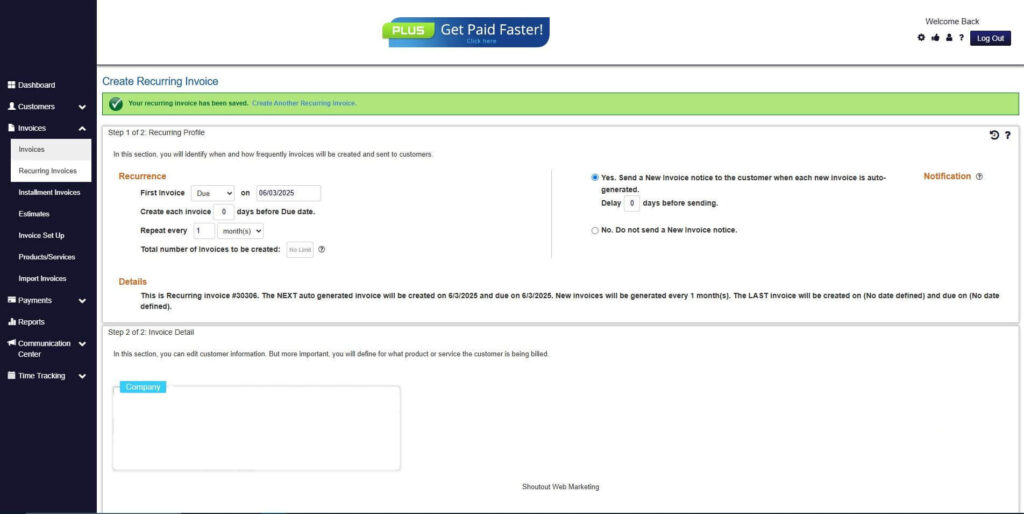
How to Create a New Recurring Invoice Using ReliaBills
Creating a New Recurring Invoice using ReliaBills involves the following steps:
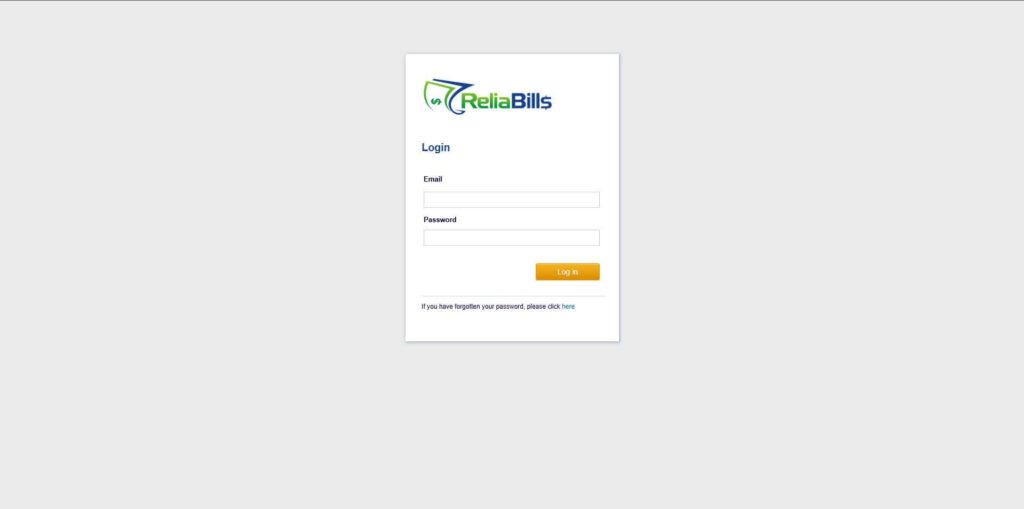
Step 1: Login to ReliaBills
- Access your ReliaBills Account using your login credentials. If you don’t have an account, sign up here.
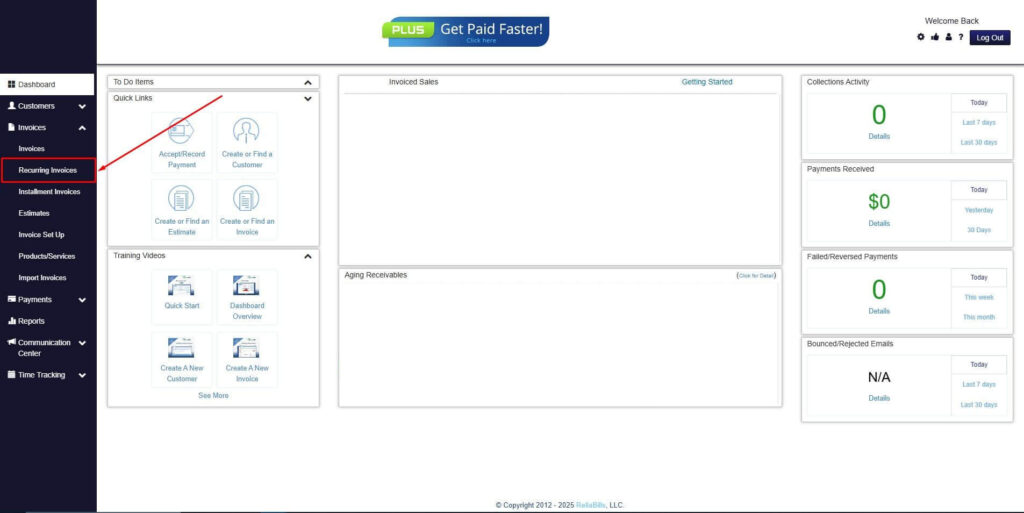
Step 2: Click on Recurring Invoices
- Navigate to the Invoices Dropdown and click on Recurring Invoices for an overview of the list of your existing customers.
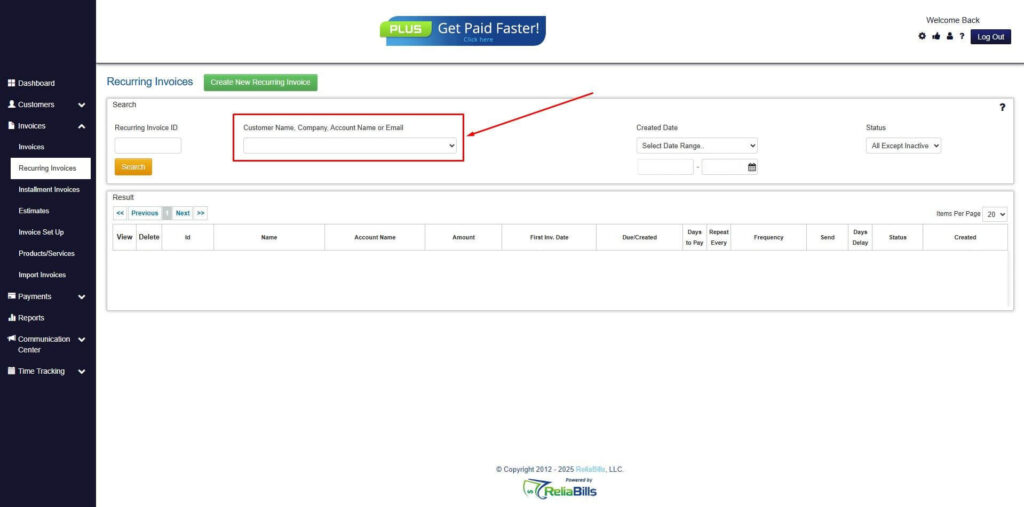
Step 3: Go to the Customers Tab
- If you have already created a customer, search for them in the Customers tab and make sure their status is “Active”.
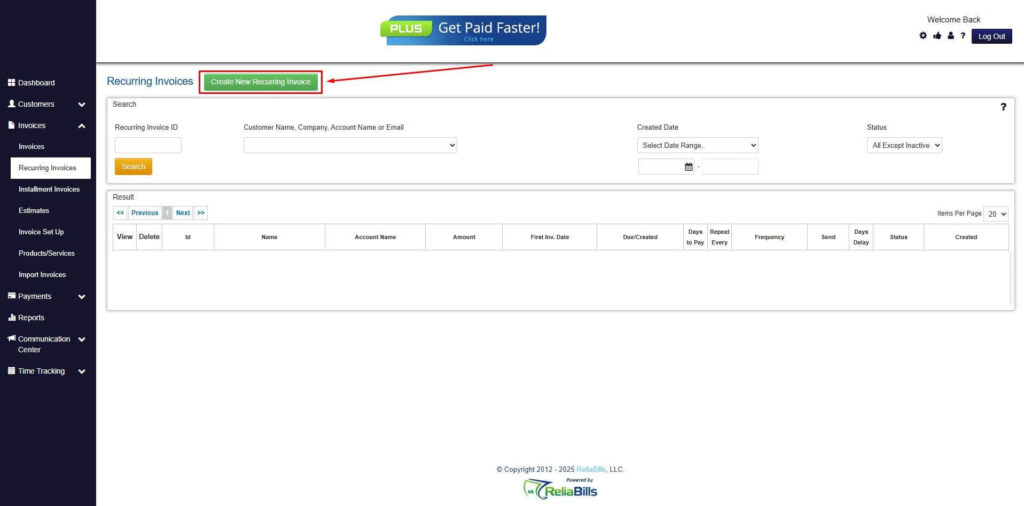
Step 4: Click the Create New Recurring Invoice
- If you haven’t created any customers yet, click the Create New Recurring Invoice to create a new customer.
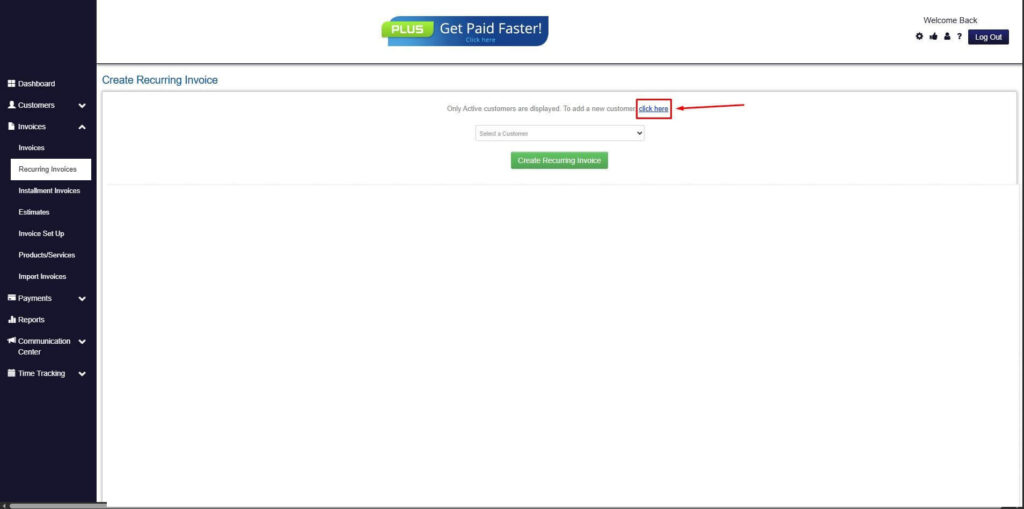
Step 5: Click on the “Click here” Button
- Click on the “Click here” button to proceed with the recurring invoice creation.
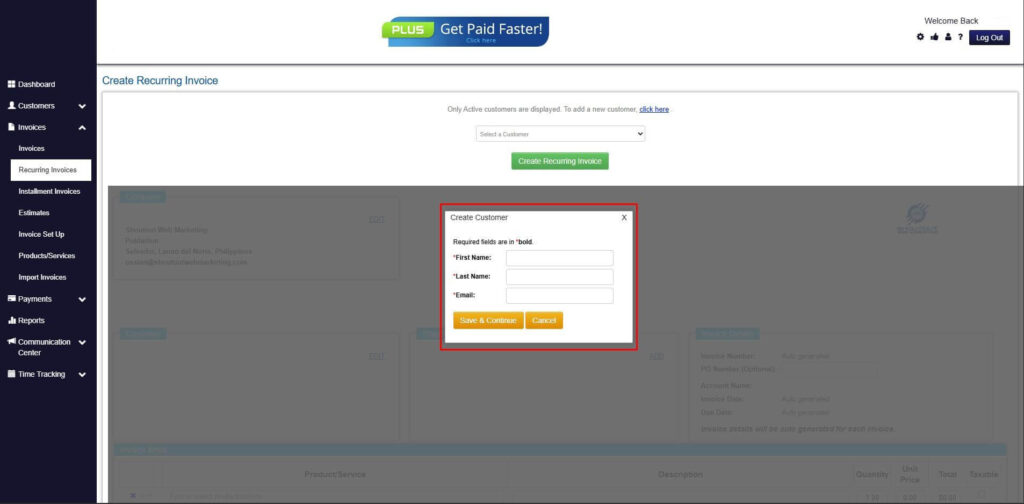
Step 6: Create Customer
- Provide your First Name, Last Name, and Email to proceed.
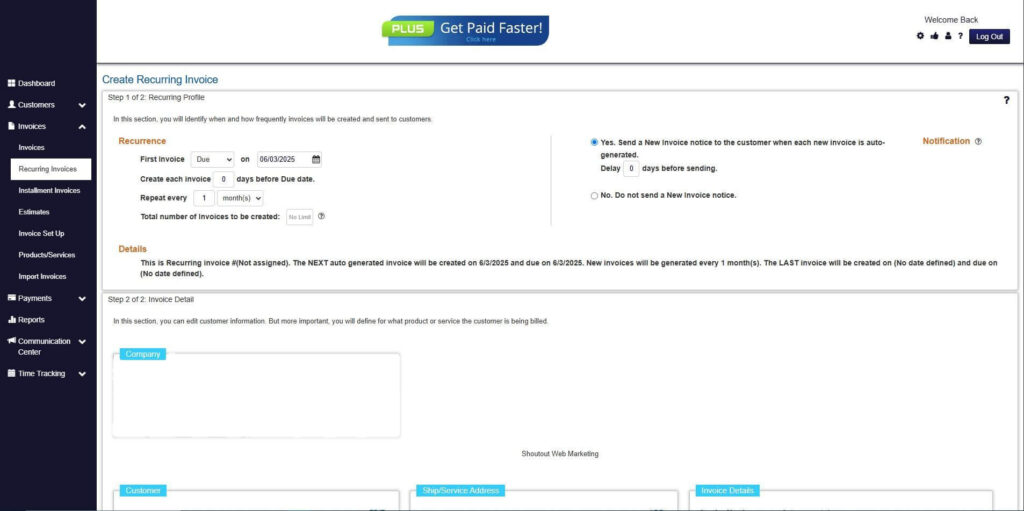
Step 7: Fill in the Create Recurring Invoice Form
- Fill in all the necessary fields.
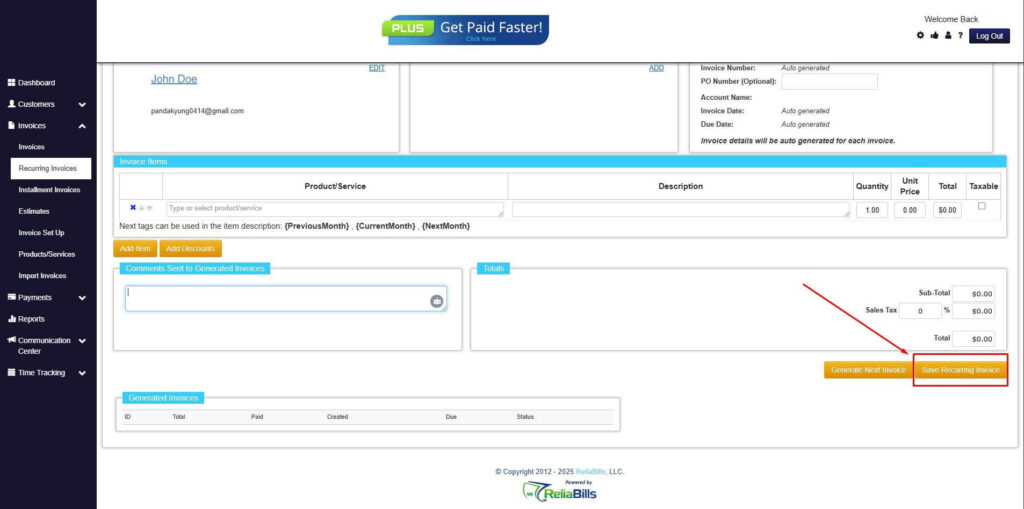
Step 8: Save Recurring Invoice
- After filling up the form, click “Save Recurring Invoice” to continue.
Step 9: Recurring Invoice Created
- Your Recurring Invoice has been created.
Frequently Asked Questions
1. What is auto payment in transportation billing?
Auto payment is a billing system that automatically processes customer payments based on scheduled invoices or recurring service agreements. It helps transportation companies collect payments faster and maintain consistent cash flow.
2. Why is auto payment useful for transportation companies?
Transportation businesses often deal with recurring service contracts and high operational costs. Automated payments reduce delays in invoice collection and ensure revenue arrives on schedule.
3. Can transportation companies accept multiple payment methods with auto payment?
Yes. Most auto payment systems support credit cards, bank transfers, digital wallets, and other online payment methods to make billing convenient for customers.
4. Does auto payment reduce late payments?
Yes. Since payments are automatically processed according to the billing schedule, the risk of late or forgotten payments is significantly reduced.
Conclusion
Transportation companies rely on steady cash flow to manage operational costs such as fuel, vehicle maintenance, and employee wages. When payments are delayed, businesses may struggle to maintain efficient operations and plan future growth.
Auto payment systems solve this challenge by automating invoice billing and payment collection. With auto payment for transportation businesses, companies can receive payments faster, reduce administrative tasks, and maintain predictable revenue streams.
Automated billing platforms like ReliaBills make it easier for transportation businesses to streamline payments, improve financial stability, and focus on delivering reliable transportation services to their customers.