
Manufacturing companies often rely on invoice discounting to maintain consistent working capital and support daily operations. Production environments typically require steady cash flow to cover raw materials, labor costs, logistics, and supplier payments. When invoices are tied to financing arrangements, the speed at which those invoices are verified and approved becomes extremely important.
However, many manufacturers still rely on manual processes when preparing invoices for discounting approval. Documents may need to be checked across several departments, validated against purchase orders, and reviewed by financing partners. These steps can slow down approvals and delay access to the funds businesses need to keep production moving.
This is where manufacturing invoice discounting automation becomes valuable. By automating invoice creation, verification, and approval workflows, manufacturers can reduce delays, improve documentation accuracy, and speed up the funding process.
What Is Invoice Discounting in Manufacturing?
Invoice discounting is a financing method that allows manufacturers to receive early payment on outstanding invoices. Instead of waiting for customers to pay within the agreed terms, companies can use those unpaid invoices as collateral to obtain immediate working capital.
In a typical arrangement, a financing provider advances a percentage of the invoice value once the invoice is verified and approved. When the customer eventually pays the invoice, the remaining balance is settled with the lender after deducting fees.
For manufacturing companies, quick approvals are essential. Production schedules depend on steady funding, and any delay in invoice approval can impact purchasing decisions, payroll obligations, or supply chain operations.
Why Do Invoice Discounting Approvals Take Time?
Several factors contribute to slow approval timelines in manufacturing invoice discounting processes. Many companies still depend on manual documentation and cross-department verification before invoices are submitted to financing providers.
Manual invoice verification is one of the most common causes of delays. Staff must review invoice details, compare them with purchase orders, and confirm delivery records before the invoice can be considered valid.
Incomplete documentation can also slow down approvals. Missing purchase order numbers, incorrect item descriptions, or inconsistent billing records often require additional clarification before lenders release funding.
Communication delays between departments and financing partners further extend the process. Manufacturing companies often handle large volumes of invoices, which makes coordination even more time consuming.
What Challenges Do Manufacturers Face With Manual Approval Processes?
Manufacturers that rely on manual invoice approval systems often encounter operational inefficiencies and documentation issues. These challenges can delay financing approvals and create unnecessary administrative burdens.
Human Errors in Invoice Data Entry
Manual entry of invoice information increases the risk of mistakes such as incorrect invoice numbers, mismatched amounts, or missing purchase order references. These errors often require additional verification and corrections before financing providers can approve invoices.
Slow Document Validation
When invoices must be manually compared with purchase orders, delivery receipts, and contract agreements, the validation process becomes time consuming. Each document must be reviewed individually, which slows down invoice discounting approvals.
Inconsistent Recordkeeping Across Departments
Manufacturing companies often manage documentation across procurement, finance, and logistics teams. If records are stored in different systems or formats, retrieving the necessary information for invoice verification becomes difficult.
Limited Visibility Into Invoice Status
Without centralized systems, it can be challenging for finance teams to determine which invoices are ready for approval or which ones still require verification. This lack of visibility can create delays and confusion.
Increased Administrative Workload
Manual processes require employees to spend significant time reviewing documents, sending follow up communications, and tracking approvals. This reduces efficiency and prevents finance teams from focusing on strategic financial planning.
How Can Automation Simplify Invoice Verification?
Automation can significantly improve how manufacturers verify invoices before submitting them for discounting approval. Instead of relying on manual checks, automated systems can validate invoice information in real time.
Modern invoicing platforms can automatically match invoices with purchase orders and delivery confirmations. This ensures that the invoice accurately reflects the completed transaction before it is submitted for financing.
Automated document processing also speeds up verification. Invoice details can be checked instantly against existing records, reducing the need for manual review.
Another benefit is fraud prevention. Automated validation systems can detect duplicate invoices, unusual billing patterns, or inconsistent data entries before they reach financing providers.
Why Is Accurate Invoice Data Critical for Discounting Approvals?
Invoice discounting providers rely on accurate documentation to assess the legitimacy of invoices. Any inconsistencies in billing information can delay the approval process or cause lenders to request additional verification.
Accurate invoice data helps financing partners confirm that goods or services were delivered as stated. Supporting documents such as purchase orders and delivery confirmations strengthen the credibility of the invoice.
Reliable records also improve the relationship between manufacturers and financing providers. When lenders consistently receive well documented invoices, they can process approvals more efficiently.
In the long term, accurate data supports faster funding decisions and builds trust between businesses and their financing partners.
How Can Digital Invoicing Improve Approval Speed?
Digital invoicing systems help manufacturers reduce delays by replacing manual processes with automated workflows. Instead of generating invoices through spreadsheets or paper documents, companies can create digital invoices instantly.
Once generated, invoices can be shared electronically with internal teams and financing partners. This eliminates the delays caused by physical documentation or email back-and-forth communication.
Centralized document storage further improves accessibility. All related documents such as purchase orders, invoices, and delivery confirmations can be stored in a single platform.
With digital invoicing, finance teams gain real time access to financial records, which makes it easier to prepare invoices for discounting approval.
What Role Do Automated Workflows Play in Approval Processes?
Automated workflows help manufacturers streamline invoice discounting approval procedures by reducing manual intervention and improving process consistency.
Predefined Approval Rules
Automated systems allow businesses to establish approval rules based on invoice value, department requirements, or financial thresholds. This ensures invoices follow a structured approval path without requiring manual coordination.
Automated Notifications for Review Stages
When an invoice requires approval, the system can automatically notify the responsible manager or finance team member. These alerts reduce delays caused by missed emails or overlooked tasks.
Faster Internal Authorization
Automation enables invoices to move quickly between review stages. Once an invoice is approved at one level, it is automatically forwarded to the next reviewer, reducing waiting times between departments.
Clear Tracking of Approval Progress
Automated systems provide visibility into where an invoice is within the approval process. Finance teams can easily track whether an invoice is pending review, approved, or ready for submission to financing providers.
Improved Process Accountability
Digital workflows maintain records of who approved each invoice and when the approval occurred. This transparency strengthens internal controls and improves audit readiness.
How Does Automation Improve Accounts Receivable Visibility?
Automation improves visibility into accounts receivable by providing real time insights into invoice activity. Finance teams can easily monitor outstanding invoices, payment statuses, and aging reports.
Real time tracking helps businesses identify which invoices are eligible for discounting. Instead of reviewing records manually, finance teams can quickly locate verified invoices ready for financing submission.
Improved visibility also supports better financial forecasting. By understanding expected payments and outstanding balances, manufacturers can plan working capital more effectively.
These insights allow companies to respond quickly to cash flow challenges and maintain stable financial operations.
Can Recurring Billing Improve Financing Readiness?
Recurring billing systems help manufacturers maintain consistent invoicing patterns for customers with ongoing supply agreements or service contracts. These predictable billing cycles make receivables easier to manage.
Consistent invoice generation creates structured financial records that financing providers can easily review. When invoices follow a regular schedule and consistent format, lenders can assess them more quickly.
Recurring billing also reduces the risk of missed or delayed invoices. Automated billing schedules ensure that invoices are issued on time, which keeps accounts receivable records organized.
For manufacturers seeking invoice discounting, well organized recurring invoices can strengthen credibility with financing partners.
What Financial Benefits Do Manufacturers Gain From Faster Approvals?
Faster invoice discounting approvals can significantly improve financial performance for manufacturing companies by increasing access to working capital.
Improved Cash Flow Stability
Faster approvals allow manufacturers to receive funds sooner, which helps maintain consistent cash flow for operational expenses such as materials, payroll, and logistics.
Quicker Access to Working Capital
With faster processing of discounted invoices, businesses can unlock capital tied up in receivables and reinvest it in production activities or supply chain operations.
Reduced Reliance on Short Term Loans
When invoice financing is processed efficiently, manufacturers may avoid relying on expensive short term loans or emergency financing solutions to cover operational costs.
Better Financial Planning and Forecasting
Predictable funding timelines allow finance teams to plan budgets and manage working capital more effectively. Businesses can make informed financial decisions with greater confidence.
Greater Operational Flexibility
Reliable access to funds enables manufacturers to respond quickly to new orders, expand production capacity, or invest in equipment and operational improvements.
What Best Practices Help Manufacturers Automate Invoice Discounting Processes?
To successfully implement manufacturing invoice discounting automation, companies should follow structured invoicing and documentation practices.
Standardize Invoice Templates
Creating standardized invoice formats ensures that all required information such as purchase order references, item descriptions, and transaction details are included before invoices are submitted for approval.
Integrate Invoicing With Accounting Systems
Connecting invoicing software with accounting platforms helps ensure that financial records remain synchronized. This integration improves data accuracy and reduces manual reconciliation work.
Maintain Clear Supporting Documentation
Invoices should always be linked with supporting documents such as purchase orders, delivery confirmations, and contracts. This simplifies verification for financing providers.
Implement Centralized Billing Platforms
Using a centralized invoicing system allows finance teams to manage invoices, approvals, and documentation from a single platform. This improves efficiency and record accessibility.
Automate Approval Workflows
Automated approval processes reduce delays by routing invoices through predefined review stages and notifying responsible team members when action is required.
Monitor Invoice Performance Through Reporting Tools
Analytics dashboards and reporting tools help finance teams track outstanding invoices, approval timelines, and payment performance. These insights help improve future financing readiness.
How Does ReliaBills Support Invoice Automation for Manufacturing Businesses?
ReliaBills helps manufacturing companies streamline invoicing processes by providing automated digital billing tools that reduce manual administrative work. Businesses can generate invoices quickly using customizable templates that ensure consistent formatting and accurate documentation across all billing activities.
Recurring billing capabilities also support manufacturers that maintain ongoing supply agreements or service contracts with customers. By automating recurring invoice generation, ReliaBills ensures that invoices are issued on time and recorded accurately, helping businesses maintain organized receivables records that are easier to prepare for financing arrangements.
ReliaBills also offers centralized dashboards and reporting tools that provide real time insights into invoice activity and accounts receivable performance. With automated workflows, digital invoice delivery, and recurring billing features, the platform supports manufacturing invoice discounting automation by helping businesses improve invoice accuracy, accelerate approval processes, and maintain stable cash flow.
How to Create a New Recurring Invoice Using ReliaBills
Creating a New Recurring Invoice using ReliaBills involves the following steps:
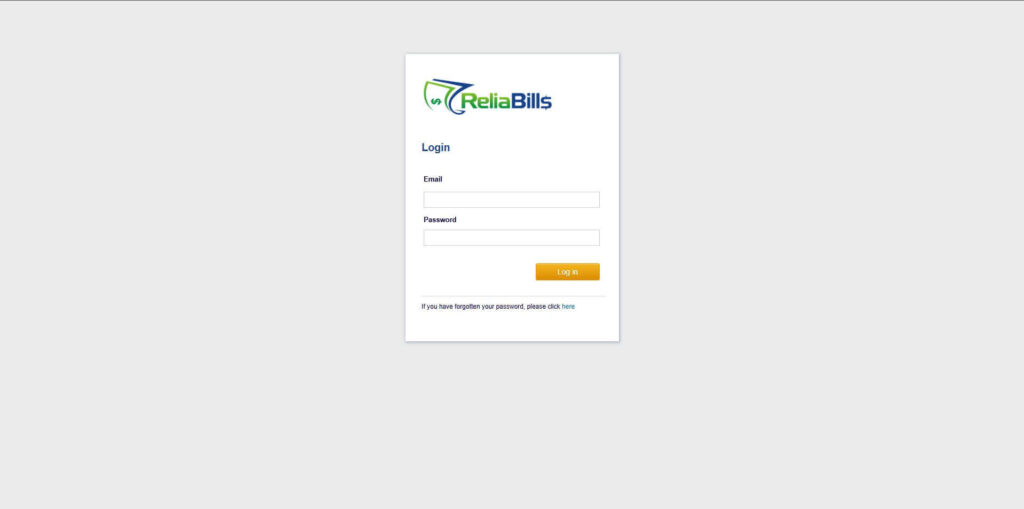
Step 1: Login to ReliaBills
- Access your ReliaBills Account using your login credentials. If you don’t have an account, sign up here.
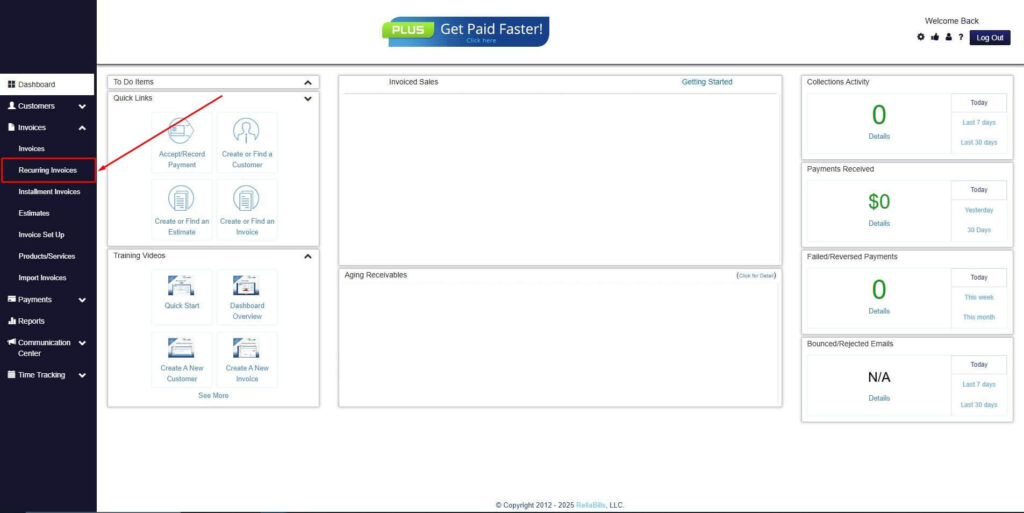
Step 2: Click on Recurring Invoices
- Navigate to the Invoices Dropdown and click on Recurring Invoices for an overview of the list of your existing customers.
Step 3: Go to the Customers Tab
- If you have already created a customer, search for them in the Customers tab and make sure their status is “Active”.
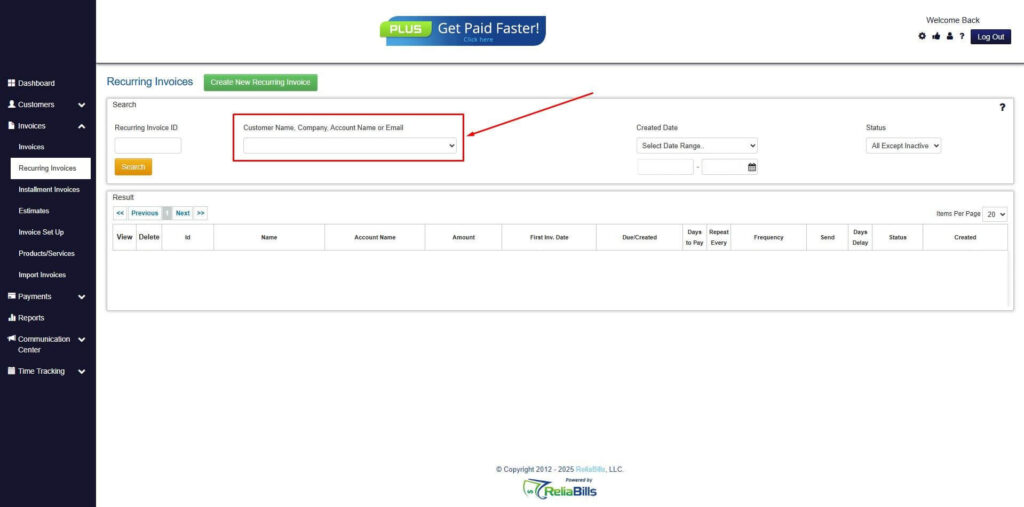
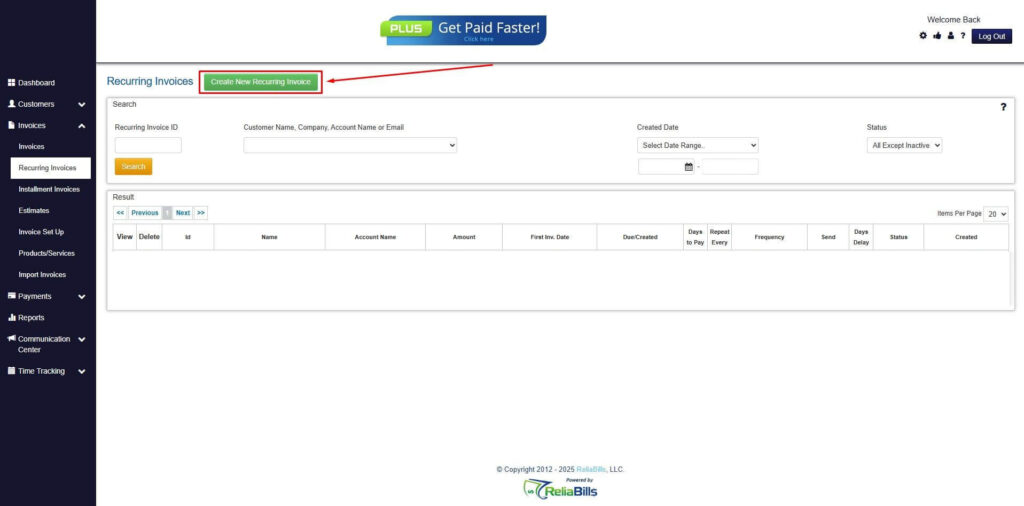
Step 4: Click the Create New Recurring Invoice
- If you haven’t created any customers yet, click the Create New Recurring Invoice to create a new customer.
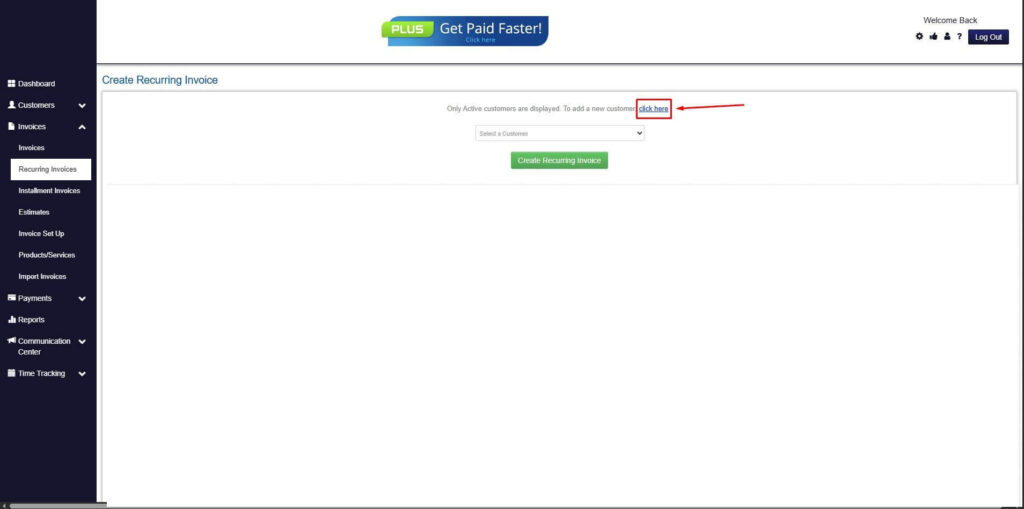
Step 5: Click on the “Click here” Button
- Click on the “Click here” button to proceed with the recurring invoice creation.
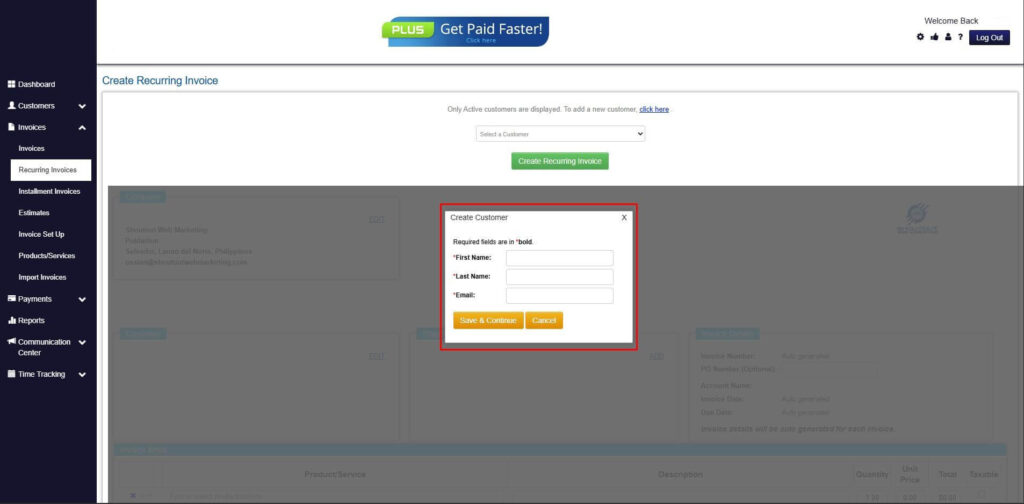
Step 6: Create Customer
- Provide your First Name, Last Name, and Email to proceed.
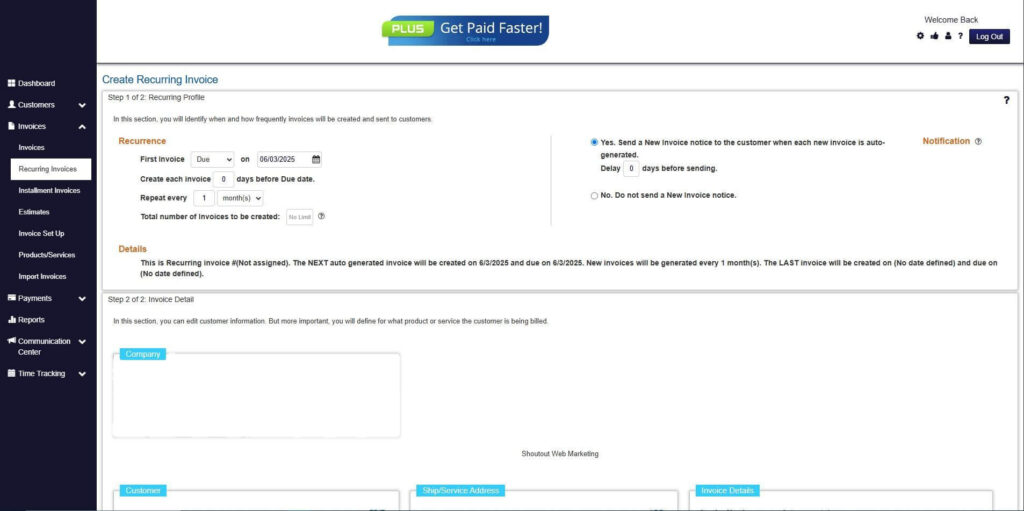
Step 7: Fill in the Create Recurring Invoice Form
- Fill in all the necessary fields.
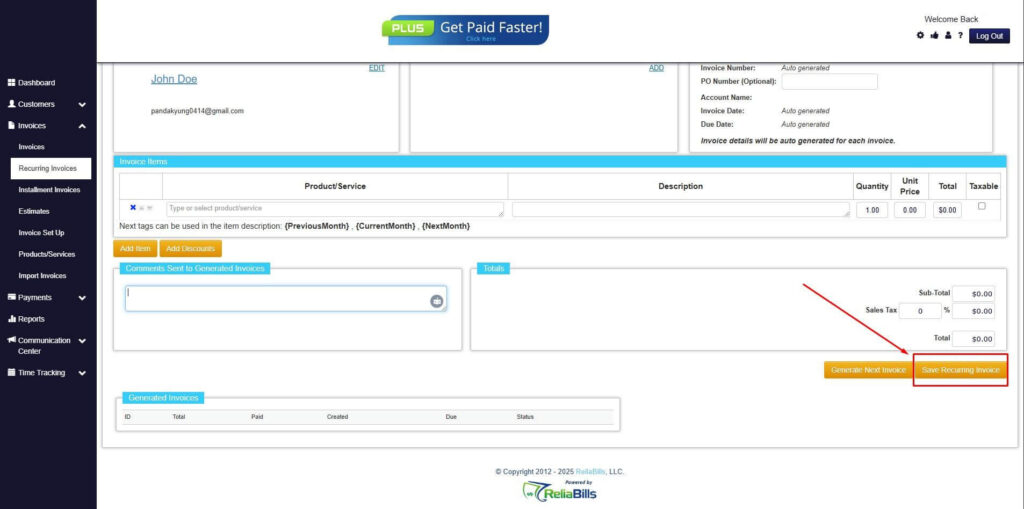
Step 8: Save Recurring Invoice
- After filling up the form, click “Save Recurring Invoice” to continue.
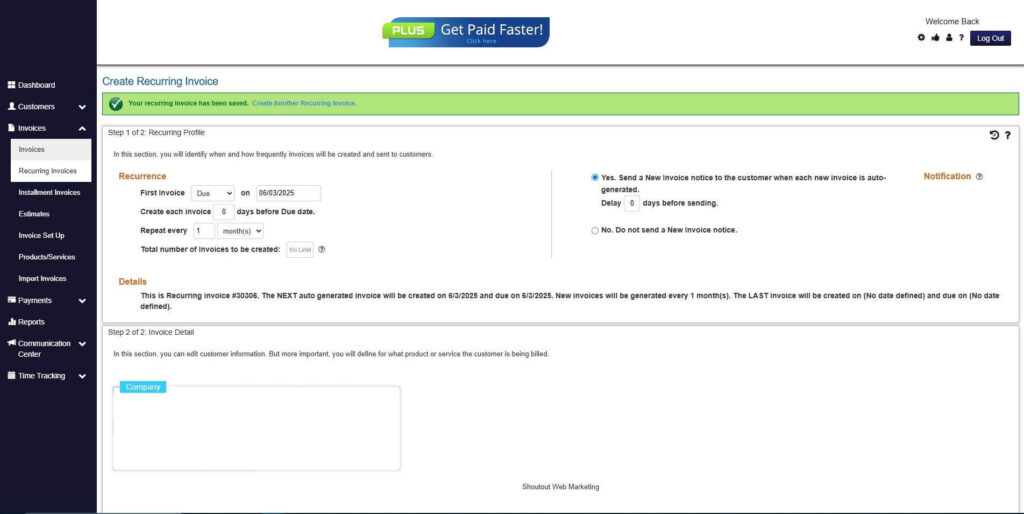
Step 9: Recurring Invoice Created
- Your Recurring Invoice has been created.
Frequently Asked Questions
1. What is invoice discounting in manufacturing?
Invoice discounting allows manufacturers to receive early payment on outstanding invoices by using those invoices as collateral for financing.
2. Why are invoice approvals important for manufacturers?
Quick invoice approvals allow businesses to access funds faster, which helps support production costs, supplier payments, and operational expenses.
3. How does automation improve invoice discounting processes?
Automation reduces manual verification, improves documentation accuracy, and speeds up approval workflows, making it easier for lenders to approve invoices.
4. Can recurring billing help manufacturers manage receivables?
Yes. Recurring billing creates consistent invoicing cycles, improves financial documentation, and makes receivables easier to track.
Conclusion
Manual invoice processing can slow down financing approvals for manufacturing companies. When invoices require extensive verification and documentation checks, delays in approval can disrupt working capital and affect production schedules.
Automation improves invoice accuracy, accelerates verification processes, and streamlines approval workflows. Digital invoicing systems also improve visibility into accounts receivable and make it easier to identify invoices eligible for discounting.
By implementing automated invoicing solutions such as ReliaBills, manufacturers can simplify billing processes, maintain accurate records, and accelerate invoice discounting approvals while maintaining stable cash flow.