
Managing fleet maintenance is a complex operation, especially for businesses with large vehicle fleets or multi-location coverage. From preventive servicing to full-scale repair agreements, keeping track of recurring maintenance schedules requires careful planning and accurate billing. Any errors in invoicing can disrupt cash flow, create disputes, and even impact the profitability of fleet operations.
Recurring maintenance contracts are increasingly common, providing predictable service coverage and ensuring vehicles remain operational. However, these agreements also introduce billing complexity, particularly when multiple vehicles, service intervals, and variable labor or parts costs are involved. Fleet managers must balance operational efficiency with financial accuracy to maintain trust with clients and vendors.
Automated invoicing offers a solution that improves billing precision while reducing administrative burdens. By generating invoices based on pre-defined service schedules, businesses can ensure timely payments, avoid missed or duplicate charges, and maintain clear records. This creates predictable revenue streams and frees managers to focus on operational performance rather than chasing payments.
What Are Fleet Maintenance Contracts?
Fleet maintenance contracts cover a range of service arrangements designed to keep vehicles operational and compliant. Preventive maintenance agreements typically focus on routine inspections and servicing, helping businesses avoid costly breakdowns and downtime. Full-service contracts, on the other hand, may include labor, parts, and emergency repairs bundled into one predictable plan.
Contracts may be structured as pay-per-service or bundled service plans, depending on the fleet size, vehicle type, and service requirements. Multi-vehicle and multi-location contracts often require a centralized billing approach to ensure consistency and efficiency. Businesses need systems that can handle these variations without introducing errors or delays.
The overarching goal of fleet maintenance contracts is to provide predictable service while ensuring financial clarity. This makes accurate invoicing critical, as delayed or incorrect billing can erode trust, slow cash flow, and complicate revenue tracking. Automated systems play a crucial role in maintaining precision and transparency across diverse service agreements.
What Are the Common Billing Challenges in Fleet Maintenance?
Variable Service Intervals
Different vehicles require maintenance at varying intervals depending on usage, mileage, and condition. Tracking these schedules manually often leads to missed or delayed invoices, creating revenue gaps and operational inefficiencies.
Fluctuating Parts and Labor Costs
Costs for parts and labor can vary due to supplier pricing, regional differences, or service complexity. Without automation, calculating accurate charges for each invoice becomes time-consuming and error-prone.
Manual Tracking of Completed Services
Recording each maintenance activity by hand increases the likelihood of oversight. Services may be performed but not billed promptly, or duplicates can occur when entries are inconsistent.
High Invoice Volume Across Fleets
Large fleets generate many invoices, especially when covering multiple clients or locations. Handling this volume manually can overwhelm finance teams, slow cash flow, and increase the chance of mistakes.
Inconsistent Billing Formats
Manually created invoices often vary in format, making it harder for clients to understand charges and reconcile payments. This inconsistency can lead to disputes and delays in collections.
Delayed Payment Collection
Errors, missed invoices, or late delivery of invoices can slow accounts receivable processes. This affects cash flow and may strain relationships with fleet clients who rely on timely, transparent billing.
Complex Contract Terms
Fleet maintenance agreements often include multiple service levels, bundled packages, or escalated rates over time. Manually applying these terms increases the risk of incorrect invoicing and client dissatisfaction.
Compliance and Documentation Challenges
Maintaining accurate, audit-ready records for tax and regulatory purposes is difficult without centralized digital systems. Manual approaches can result in incomplete or lost documentation.
What Are the Risks of Manual Invoicing?
Manual invoicing introduces several risks that directly impact profitability. Missed recurring charges are common when service schedules are not accurately tracked, causing unexpected revenue gaps. Duplicate invoices can also occur when records are fragmented or manually entered, leading to client frustration and potential disputes.
Errors in labor or parts calculations are frequent in manual processes. Even small mistakes can escalate into larger financial inaccuracies over multiple invoices. Delayed invoice issuance further exacerbates cash flow issues, as payment cycles extend and accounts receivable aging increases.
Additionally, manual systems require significant administrative effort, diverting staff from core operational tasks. This can slow decision-making, reduce client responsiveness, and limit the ability to scale operations effectively. Automated solutions help mitigate these risks by centralizing billing, enforcing consistent rules, and ensuring timely invoice delivery.
What Is Automated Invoicing?
Automated invoicing is a system-driven approach to generating and delivering invoices based on predefined schedules or triggers. Instead of manually preparing invoices, the system pulls data from service records, calculates charges, and issues invoices electronically. This reduces errors and improves efficiency.
Core features of automated invoicing include pre-configured billing rules, recurring invoice schedules, and integration with payment tracking systems. By automating calculations for labor, parts, and service fees, businesses can avoid human error while maintaining consistent documentation for audit purposes.
Digital delivery further enhances operational efficiency. Clients receive invoices promptly via email or online portals, while businesses maintain secure, time-stamped records. Automation ensures that every service contract is billed accurately and on time, strengthening both cash flow and client trust.
How Does Automated Recurring Maintenance Billing Work?
Automated systems can generate invoices for monthly or quarterly service plans without manual intervention. Service schedules and contract terms are pre-configured, ensuring that each maintenance event triggers a corresponding invoice. This approach is particularly useful for subscription-style fleet service contracts, where consistency is key.
Contracts can include term tracking and renewal alerts, so managers are notified of upcoming contract expirations. Proration, service add-ons, or contract adjustments can also be handled automatically, preventing errors and reducing administrative workload.
By aligning invoicing with actual service delivery, automated billing ensures that businesses maintain accurate revenue records. It also enhances transparency for clients, providing clear, timely, and error-free invoices that reflect the work performed.
How Does Integrating Service Data with Billing Systems Help?
Linking work orders directly to billing systems minimizes reconciliation errors. Automated cost allocation per vehicle ensures each invoice accurately reflects labor, parts, and service fees. Real-time service completion triggers can immediately generate invoices, reducing delays in revenue collection.
This integration also centralizes data across multiple locations and clients. Fleet managers gain visibility into all active contracts, upcoming services, and payment status. Automated checks prevent duplicate invoicing and ensure each contract adheres to agreed pricing rules.
Overall, connecting operational data to financial workflows improves accuracy, enhances accountability, and accelerates cash flow. It allows businesses to manage complex service agreements efficiently while scaling operations without adding staff.
How Does Automated Invoicing Improve Cash Flow Stability?
Consistent recurring revenue streams reduce fluctuations in accounts receivable, making financial planning more predictable. Automated invoicing allows faster invoice processing and delivery, which accelerates collections and reduces outstanding balances.
With fewer errors and missed invoices, accounts receivable aging improves. Managers can forecast revenue more accurately and allocate funds for operational needs or fleet expansion. Predictable cash flow also reduces the risk of short-term liquidity challenges.
Additionally, automation frees finance teams from repetitive billing tasks, allowing them to focus on analysis, strategic planning, and client support. This creates a healthier financial ecosystem for fleet maintenance businesses.
How Can Billing Errors and Disputes Be Reduced?
Standardized invoice templates enforce consistency across all invoices, making them easier for clients to understand and process. Automated tax and fee calculations eliminate mistakes in regulatory compliance, while transparent breakdowns of labor, parts, and service fees prevent disputes.
Centralized digital records provide an audit trail, allowing managers to quickly resolve client questions or review billing history. By reducing manual entry points, businesses can minimize errors and ensure every invoice is accurate, timely, and aligned with service delivery.
These safeguards improve client satisfaction and reduce the administrative burden of resolving disputes. Businesses can focus on growth and operational efficiency instead of reacting to billing issues.
How Does Automation Support Scalable Fleet Operations?
Automated invoicing allows fleet management businesses to handle contracts across multiple clients and regions without increasing administrative staff. Billing for multi-vehicle fleets, recurring service plans, and maintenance subscriptions can all be managed centrally.
Automation also reduces the workload for finance teams by consolidating data, streamlining approvals, and eliminating repetitive tasks. This scalability ensures that businesses can expand services or fleets without sacrificing billing accuracy or revenue consistency.
Flexible systems can accommodate growth while maintaining reliable invoicing practices, allowing companies to focus on strategic objectives and client satisfaction instead of administrative bottlenecks.
How Does Automation Strengthen Compliance and Audit Readiness?
Digital documentation ensures every service and invoice is accurately recorded and time-stamped. Standardized invoice numbering provides consistency across contracts, simplifying reporting and audit processes.
Automated systems maintain easy retrieval of records, enabling managers to quickly access historical invoices, service logs, and client communications. Regulatory compliance is simplified through accurate, traceable, and fully digital documentation.
By embedding compliance into the invoicing workflow, businesses reduce the risk of errors, penalties, and disputes. Automation creates an auditable environment while enhancing operational efficiency.
How ReliaBills Supports Fleet Maintenance Automation
ReliaBills streamlines automated invoicing for fleet maintenance contracts by providing flexible recurring billing setup aligned with service terms. The platform automatically generates invoices for preventive maintenance, full-service contracts, and subscription-style agreements, ensuring timely, accurate billing. Recurring billing ensures that monthly, quarterly, or annual maintenance fees are processed automatically, reducing the risk of missed charges and improving cash flow predictability.
Clients benefit from branded digital invoice communication, real-time reporting dashboards, and receivables tracking. Managers gain insights into recurring revenue streams, outstanding payments, and contract compliance without the need for manual reconciliation. Automated notifications and scheduled invoice delivery make it easy to maintain consistent billing while keeping clients informed and satisfied.
ReliaBills is designed to minimize billing delays, reduce administrative overhead, and improve revenue consistency. With automation and recurring billing, fleet maintenance businesses can scale operations efficiently while maintaining accuracy, reliability, and long-term client satisfaction.
How to Create a New Recurring Invoice Using ReliaBills
Creating a New Recurring Invoice using ReliaBills involves the following steps:
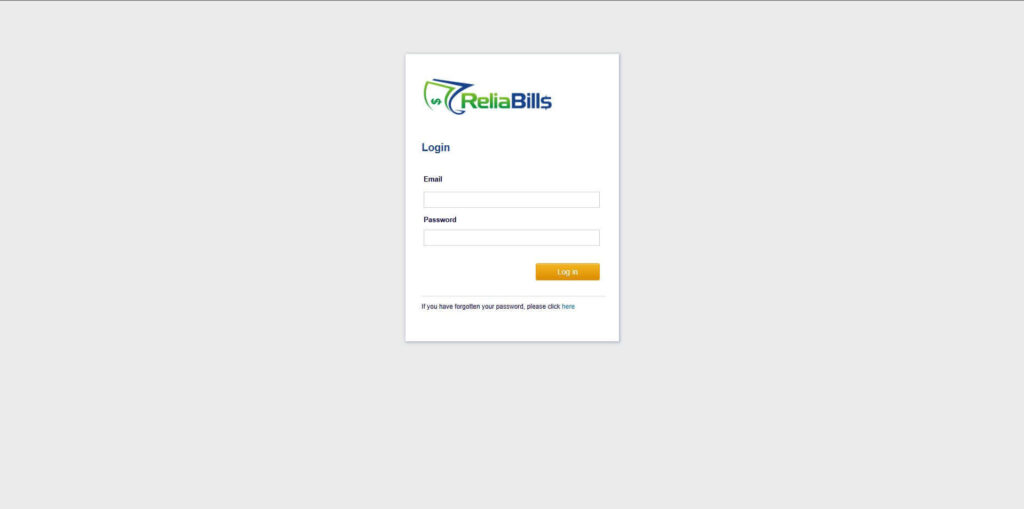
Step 1: Login to ReliaBills
- Access your ReliaBills Account using your login credentials. If you don’t have an account, sign up here.
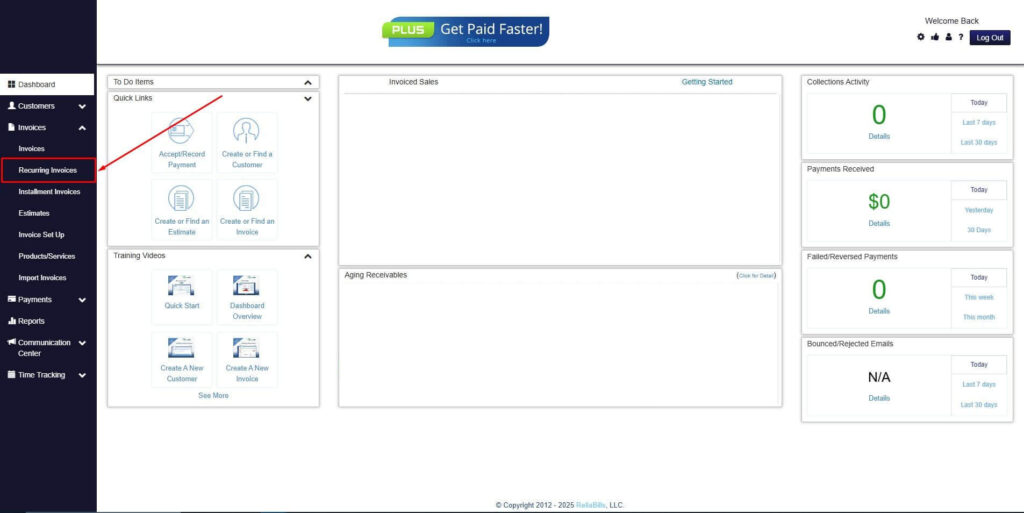
Step 2: Click on Recurring Invoices
- Navigate to the Invoices Dropdown and click on Recurring Invoices for an overview of the list of your existing customers.
Step 3: Go to the Customers Tab
- If you have already created a customer, search for them in the Customers tab and make sure their status is “Active”.
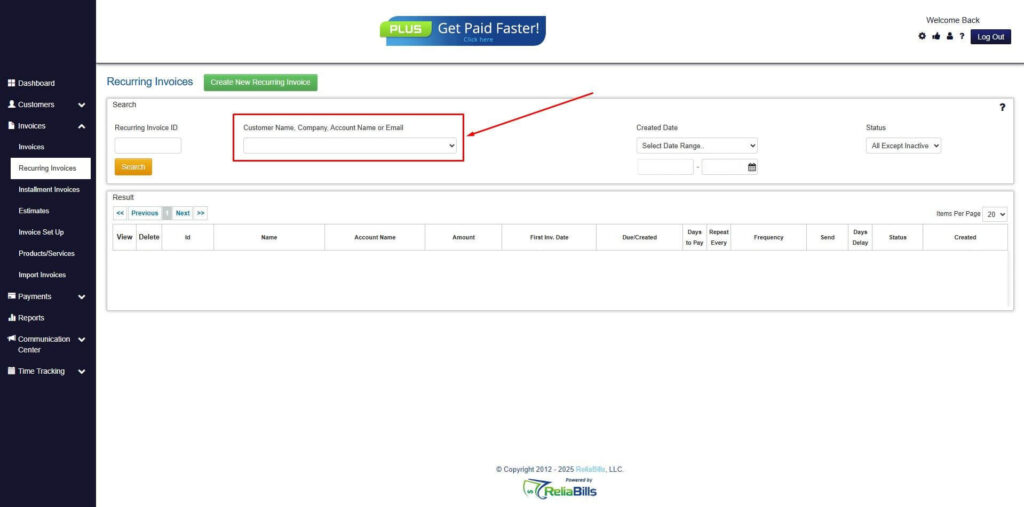
Step 4: Click the Create New Recurring Invoice
- If you haven’t created any customers yet, click the Create New Recurring Invoice to create a new customer.
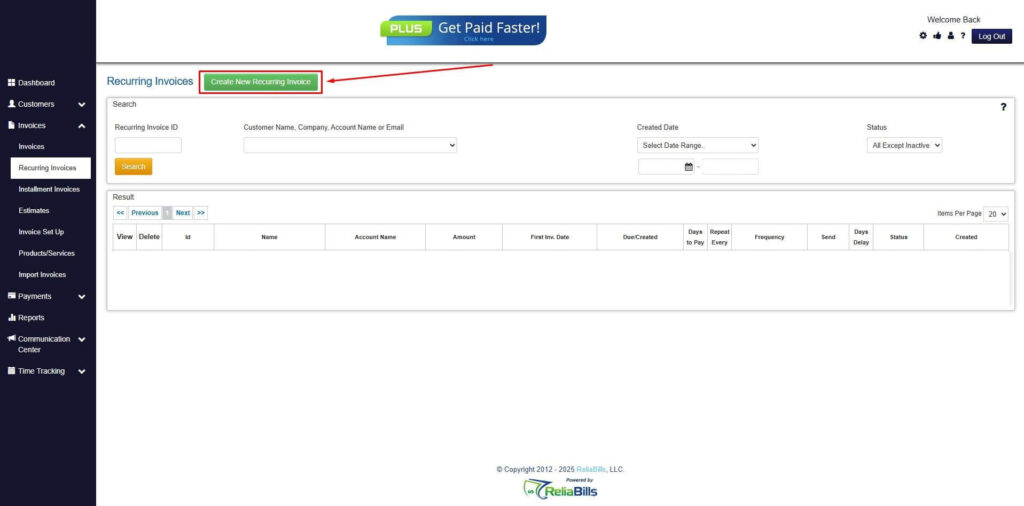
Step 5: Click on the “Click here” Button
- Click on the “Click here” button to proceed with the recurring invoice creation.

Step 6: Create Customer
- Provide your First Name, Last Name, and Email to proceed.
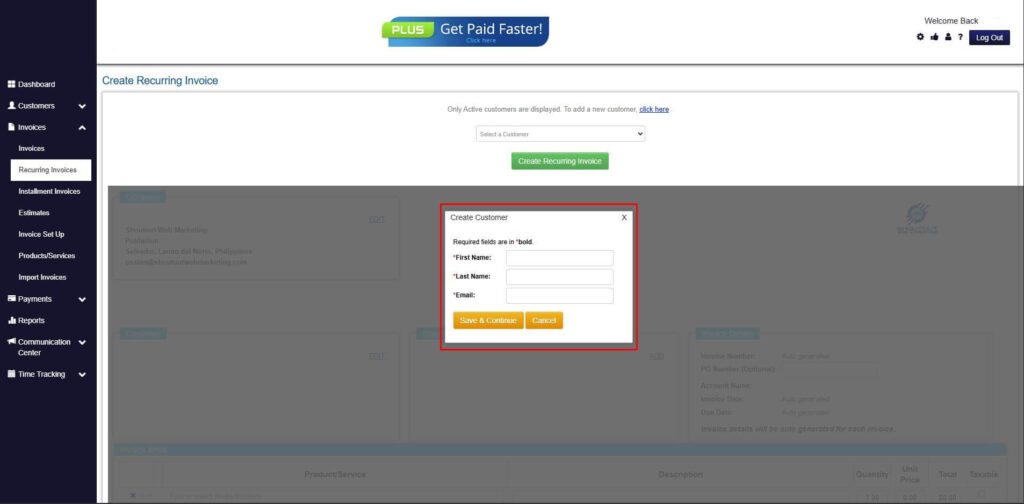
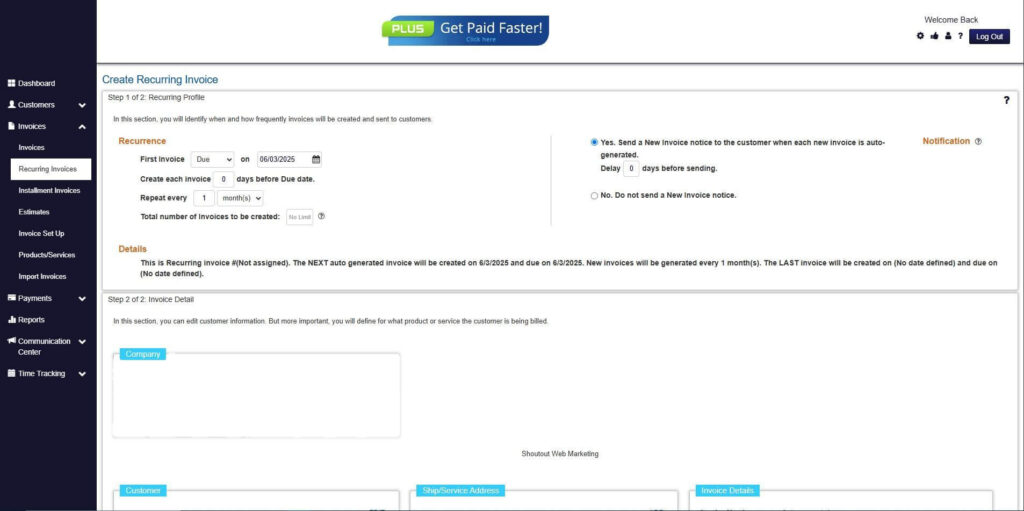
Step 7: Fill in the Create Recurring Invoice Form
- Fill in all the necessary fields.
Step 8: Save Recurring Invoice
- After filling up the form, click “Save Recurring Invoice” to continue.
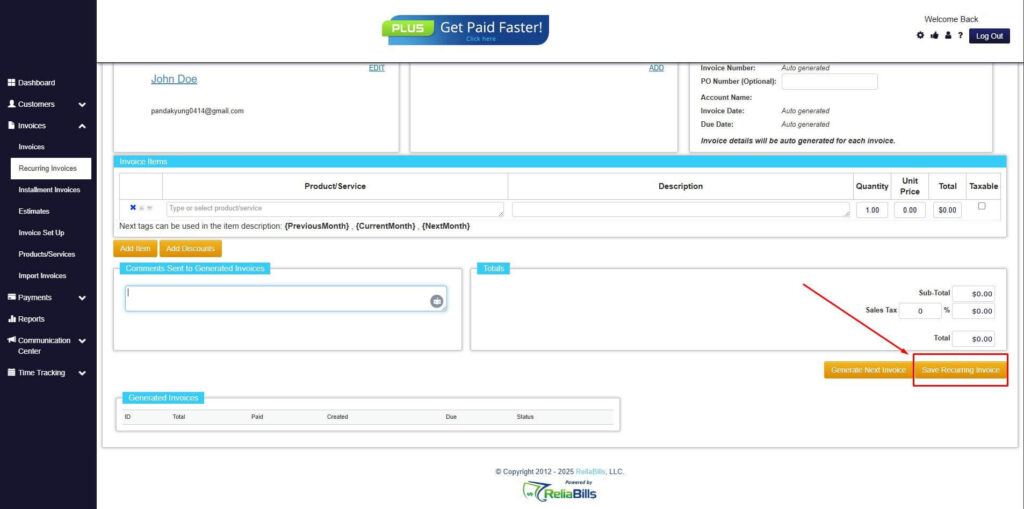
Step 9: Recurring Invoice Created
- Your Recurring Invoice has been created.

Frequently Asked Questions
1. What is automated invoicing for fleet maintenance?
Automated invoicing for fleet maintenance uses software to generate invoices based on service schedules, parts, and labor costs, reducing errors and saving administrative time.
2. Can recurring fleet maintenance contracts be automated?
Yes. Monthly, quarterly, or subscription-style maintenance plans can all be set to trigger automatic invoices aligned with contract terms.
3. How does automation improve cash flow?
Automated invoicing ensures timely billing, reduces missed or duplicate charges, and accelerates payment collection, creating predictable revenue streams.
4. Does automation reduce billing disputes?
Yes. Standardized templates, clear service breakdowns, and centralized records make invoices transparent, reducing client questions and disputes.
5. Is ReliaBills secure for managing fleet invoices?
Yes. Payment data and invoice records are encrypted and stored securely, while the platform maintains audit-ready documentation for compliance.
Conclusion
Automated invoicing is essential for fleet maintenance contracts, reducing errors, improving cash flow, and ensuring consistent revenue collection. By automating recurring billing and linking operational data to invoicing systems, fleet managers can scale efficiently while minimizing administrative work. Tools like ReliaBills provide a comprehensive solution that improves accuracy, compliance, and client satisfaction for fleet maintenance businesses.