
B2B retail supply chains operate at a pace that leaves little room for billing inefficiencies. Wholesalers and distributors often manage thousands of SKUs, complex discount structures, and repeat purchase agreements across multiple buyer accounts. In this environment, invoicing is deeply connected to operational performance and financial stability.
High transaction volumes make manual invoicing increasingly risky. When finance teams rely on spreadsheets or disconnected systems, even small pricing or quantity errors can multiply quickly. These issues delay approvals, slow down payments, and create friction between trading partners.
Automated invoicing for B2B retail addresses these challenges by standardizing and streamlining the billing process. It improves accuracy, accelerates invoice delivery, and supports recurring order management. In competitive retail markets, invoicing efficiency directly impacts cash flow and long-term buyer relationships.
Understanding B2B Retail Transactions
B2B retail transactions are built on wholesale and distributor relationships that depend on reliability and precision. Retailers often negotiate bulk purchasing agreements that include tiered pricing, volume discounts, and seasonal promotions. Each agreement must be reflected accurately on invoices.
Contract pricing structures can vary by product category, order size, or duration of partnership. Managing these variables manually increases the likelihood of billing inconsistencies. Even minor discrepancies in discount application can trigger disputes or delayed payments.
Recurring restocking orders are common in retail, particularly for fast-moving consumer goods. Standing purchase agreements require consistent invoicing schedules aligned with delivery cycles. Automated invoicing for B2B retail ensures these repeat transactions are processed accurately and without delay.
What Are Automated Invoices?
Automated invoices are system-generated billing documents created directly from sales, order management, or ERP data. Once an order is confirmed and fulfilled, invoice details populate automatically. This eliminates redundant data entry and reduces the risk of transcription errors.
Core functionality includes electronic delivery, invoice tracking, and automated reminder workflows. Finance teams can monitor invoice status in real time, identifying which invoices are viewed, approved, or outstanding. This visibility supports faster collections.
Automated invoicing for B2B retail integrates billing with inventory and accounting systems. This ensures quantities shipped, pricing agreed upon, and taxes applied are consistent across departments. The result is a cohesive financial workflow that supports operational efficiency.
Common Invoicing Challenges in B2B Retail
Managing invoicing in B2B retail comes with multiple complexities. Here’s a detailed list of the most frequent challenges:
High SKU Volumes and Product Complexity
Retailers and distributors often deal with thousands of SKUs across multiple categories. Pricing, discounts, and promotions can vary by customer, contract, or region. Manual invoicing struggles to maintain accuracy, often leading to misapplied discounts or incorrect totals.
Manual Data Entry Errors
When finance teams rely on spreadsheets or manual entry, mistakes are inevitable. Transposed numbers, missing line items, or incorrect tax codes can cause invoice disputes and slow payment cycles, reducing cash flow predictability.
Discrepancies Between Purchase Orders and Invoices
Matching invoices to purchase orders is time-consuming. Errors such as mismatched quantities, incorrect pricing tiers, or missing PO references lead to delays in approval and payment. Automated invoicing ensures all PO details sync directly with invoice data.
Delayed Billing Cycles
Manual invoicing requires preparation, approval, and delivery steps that can add days or weeks. Delays create cash flow gaps and make financial forecasting harder, especially for businesses with recurring orders or subscription-style contracts.
Duplicate Invoices and Missed Recurring Charges
Human oversight can lead to accidentally sending multiple invoices for the same order or missing recurring charges entirely. This not only affects revenue but can also damage relationships with buyers.
Inconsistent Invoice Formatting
Inconsistent templates and line-item structures confuse buyers and increase the risk of disputes. Standardizing invoice presentation reduces questions, speeds approvals, and enhances credibility.
Complex Taxation and Compliance Issues
B2B retail often involves multiple tax jurisdictions and varying rates. Manual calculation is prone to error and can result in fines, delayed payments, or compliance violations. Automation simplifies tax application and maintains accurate records.
Administrative Bottlenecks
Finance teams spend significant time reconciling payments, tracking overdue invoices, and following up on disputes. Manual processes reduce efficiency and take focus away from strategic initiatives like forecasting or contract management.
Automated invoicing for B2B retail directly addresses these challenges by eliminating repetitive tasks, integrating data from ERP systems, ensuring accuracy, and maintaining timely delivery.
Why Manual Invoicing Slows Retail Operations
Manual invoicing introduces administrative bottlenecks that affect multiple departments. Finance teams must verify sales data, cross-check discounts, and manually input invoice details. This slows down the billing cycle and increases labor costs.
Missed recurring charges are a common problem in retail environments. Standing orders or contract-based replenishments may be overlooked if billing schedules are not automated. This leads to revenue leakage and inconsistent cash inflow.
Duplicate invoices and lengthy reconciliation processes further disrupt operations. Matching payments to manually created invoices becomes more complex as transaction volume increases. Automated invoicing for B2B retail streamlines reconciliation and reduces processing time.
Improving Accuracy in High-Volume Orders
Automated systems pull data directly from order management platforms. This reduces human intervention and ensures invoice details reflect actual shipments. Accuracy improves significantly when data flows seamlessly between systems.
Standardized invoice templates ensure consistent formatting and clear itemization. Built-in validation rules detect missing purchase order numbers, incorrect pricing tiers, or tax inconsistencies before invoices are sent. Preventing errors upfront reduces disputes later.
In high-volume retail environments, precision is critical. Automated invoicing for B2B retail strengthens confidence among buyers by delivering reliable and consistent billing documentation.
Supporting Recurring and Contract-Based Orders
Scheduled invoicing supports standing orders and recurring product replenishment programs. Instead of manually generating invoices for each cycle, automation ensures timely billing aligned with delivery schedules. This improves operational predictability.
Subscription-style billing models are becoming more common in B2B retail, particularly for consumables or frequently reordered products. Automated systems handle recurring charges with minimal oversight. Contract pricing rules remain consistent across billing cycles.
Consistent revenue tracking from recurring agreements improves forecasting accuracy. Automated invoicing for B2B retail helps businesses identify stable revenue streams and evaluate contract performance over time.
Accelerating Payment Cycles
Faster invoice delivery directly influences payment speed. Digital invoices are delivered instantly after shipment confirmation, reducing processing delays. Early submission allows buyers to initiate internal approval workflows sooner.
Automated reminders reduce the need for manual follow-ups. Structured notification schedules keep invoices visible without creating friction. This improves on-time payment rates.
Clear, detailed invoices also minimize disputes. Automated invoicing for B2B retail ensures buyers receive accurate documentation, which accelerates approval and shortens the collection cycle.
Enhancing Cash Flow Visibility
Real-time receivables reporting provides immediate insight into outstanding balances. Finance teams can quickly identify overdue accounts and prioritize collection efforts. This proactive approach strengthens liquidity.
Aging analysis categorizes receivables by time intervals, highlighting payment risk levels. Revenue forecasting tools use historical billing data to project future cash inflows. These insights support strategic financial planning.
Centralized dashboards consolidate invoice data across accounts and regions. Automated invoicing for B2B retail transforms billing activity into actionable intelligence for leadership teams.
Strengthening Compliance and Audit Readiness
Digital recordkeeping ensures consistent invoice numbering and secure document storage. Audit trails capture timestamps and modification histories, improving transparency. This simplifies compliance reporting.
Tax calculation automation reduces the risk of applying incorrect regional tax rates. Retailers operating across multiple jurisdictions benefit from standardized tax handling. Accurate billing protects against regulatory penalties.
Automated invoicing for B2B retail supports structured documentation processes that align with internal controls and external audit requirements.
Reducing Administrative Costs
Paper-based workflows require printing, mailing, and manual filing. Eliminating these steps reduces operational expenses and environmental impact. Digital systems streamline the entire invoicing lifecycle.
Automated reconciliation matches payments to invoices without manual intervention. This reduces labor costs and shortens closing cycles. Finance teams can allocate more time to strategic initiatives.
As order volumes grow, scalability becomes essential. Automated invoicing for B2B retail enables expansion without proportionally increasing finance headcount.
Improving Vendor and Buyer Relationships
Transparent, itemized digital invoices build trust between wholesalers and retailers. Buyers can clearly see applied discounts, quantities shipped, and payment terms. Clarity reduces misunderstandings.
Online invoice portals provide convenient access to billing history. Buyers can retrieve documentation without contacting finance teams. This improves communication efficiency.
Professional and consistent billing enhances credibility. Automated invoicing for B2B retail strengthens long-term partnerships by demonstrating operational reliability.
How ReliaBills Supports B2B Retail Automation
ReliaBills provides automated invoicing for B2B retail with built-in recurring billing for standing orders and replenishment programs. Retailers can configure custom invoice schedules that align with contract pricing and delivery cycles. This ensures no recurring charge is missed.
ReliaBills supports branded digital invoice communication that reinforces professionalism and strengthens buyer trust. Automated reminders and payment tracking reduce delays and improve receivables performance. Recurring billing features help stabilize revenue from long-term retail contracts.
With ReliaBills PLUS, businesses gain advanced reporting tools and real-time receivables tracking. Retail leaders can monitor recurring revenue trends, evaluate buyer payment behavior, and improve forecasting accuracy. By combining automation, recurring billing, and financial visibility, ReliaBills helps B2B retail operations operate more efficiently and profitably.
How to Create a New Recurring Invoice Using ReliaBills
Creating a New Recurring Invoice using ReliaBills involves the following steps:
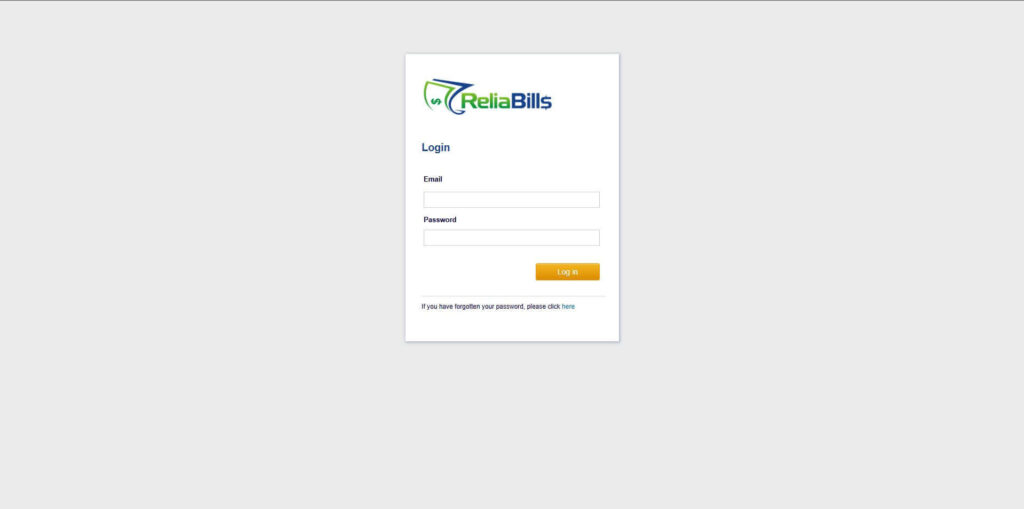
Step 1: Login to ReliaBills
- Access your ReliaBills Account using your login credentials. If you don’t have an account, sign up here.
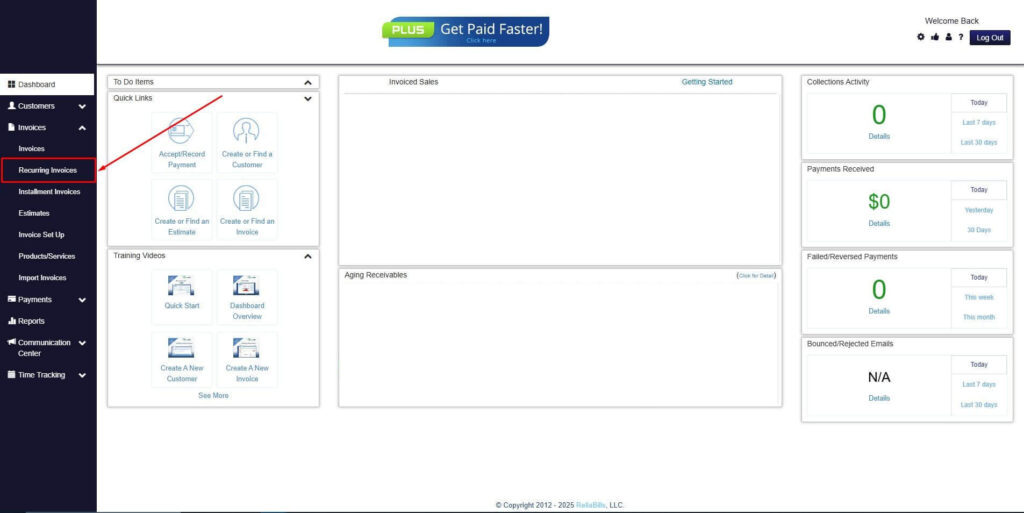
Step 2: Click on Recurring Invoices
- Navigate to the Invoices Dropdown and click on Recurring Invoices for an overview of the list of your existing customers.
Step 3: Go to the Customers Tab
- If you have already created a customer, search for them in the Customers tab and make sure their status is “Active”.
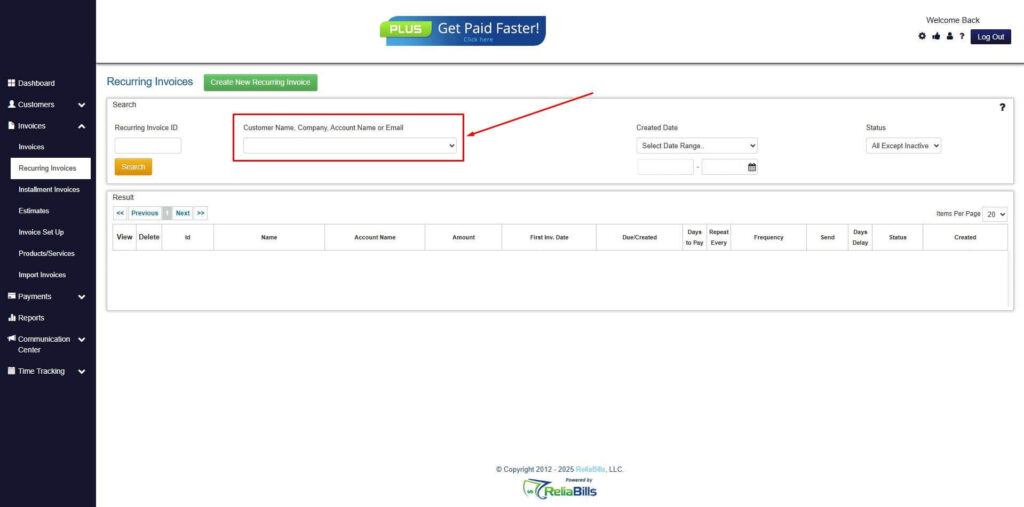
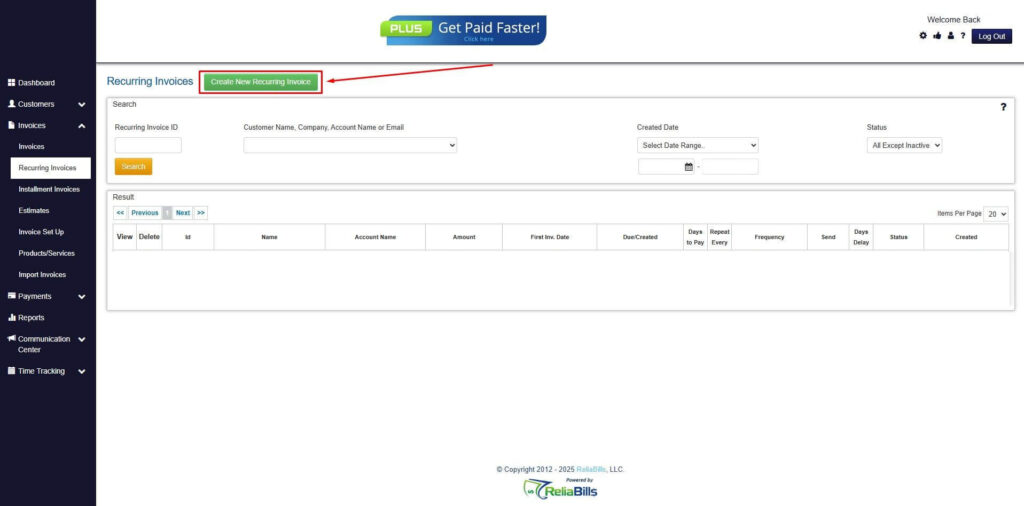
Step 4: Click the Create New Recurring Invoice
- If you haven’t created any customers yet, click the Create New Recurring Invoice to create a new customer.
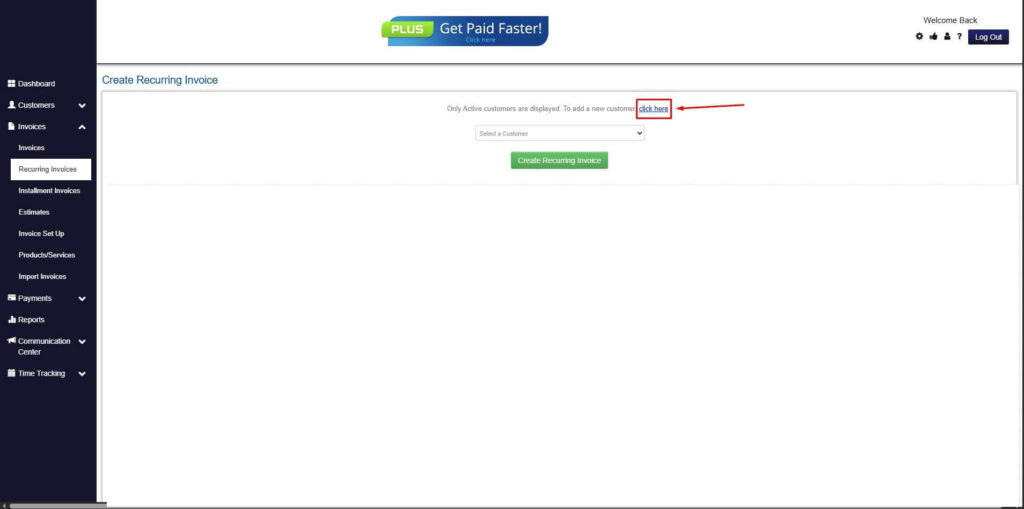
Step 5: Click on the “Click here” Button
- Click on the “Click here” button to proceed with the recurring invoice creation.
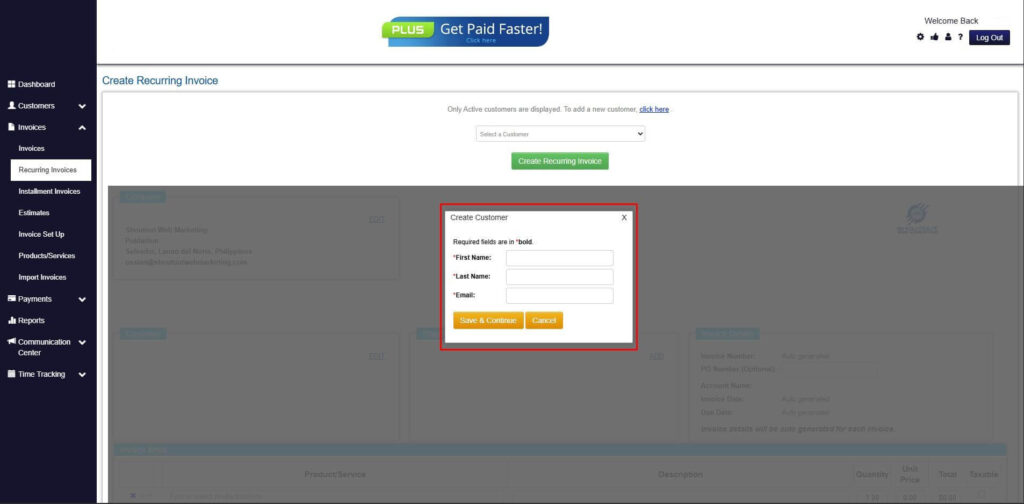
Step 6: Create Customer
- Provide your First Name, Last Name, and Email to proceed.
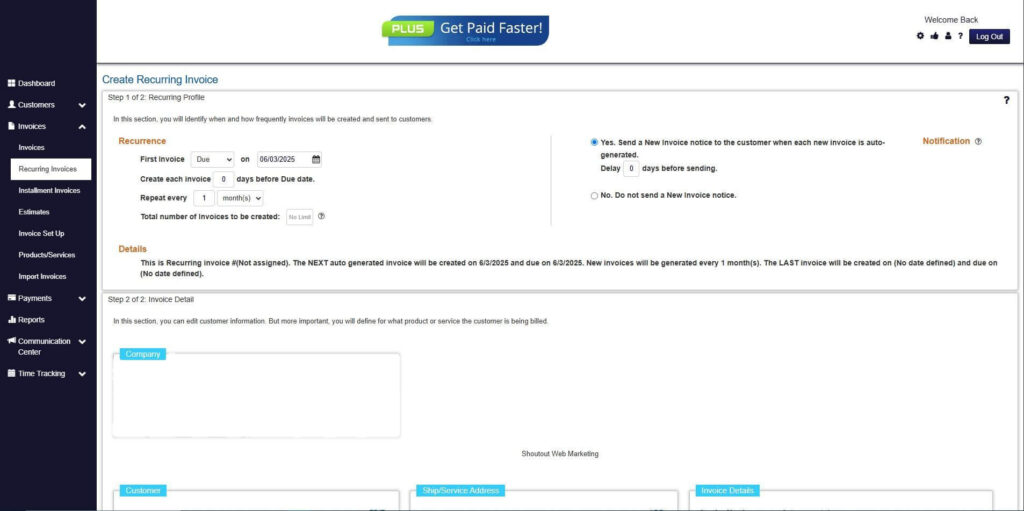
Step 7: Fill in the Create Recurring Invoice Form
- Fill in all the necessary fields.
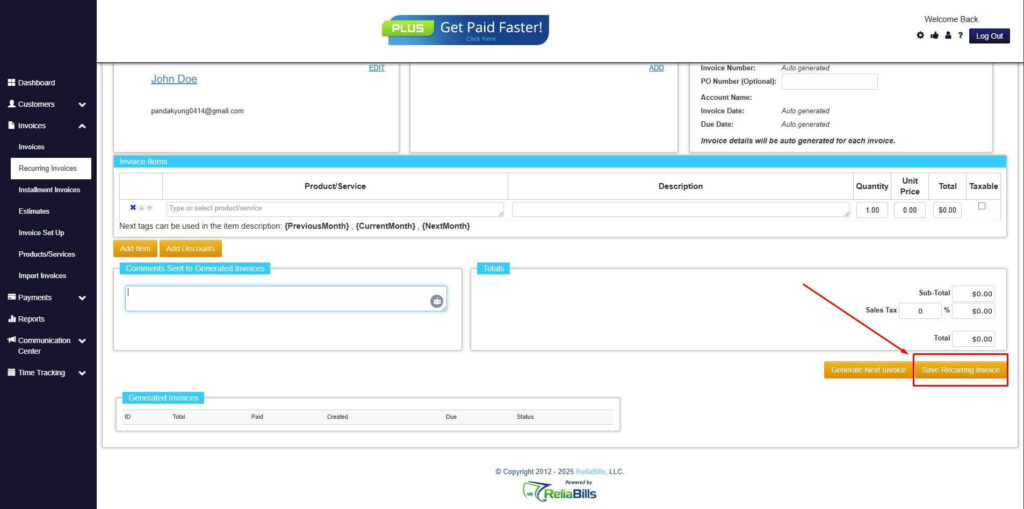
Step 8: Save Recurring Invoice
- After filling up the form, click “Save Recurring Invoice” to continue.
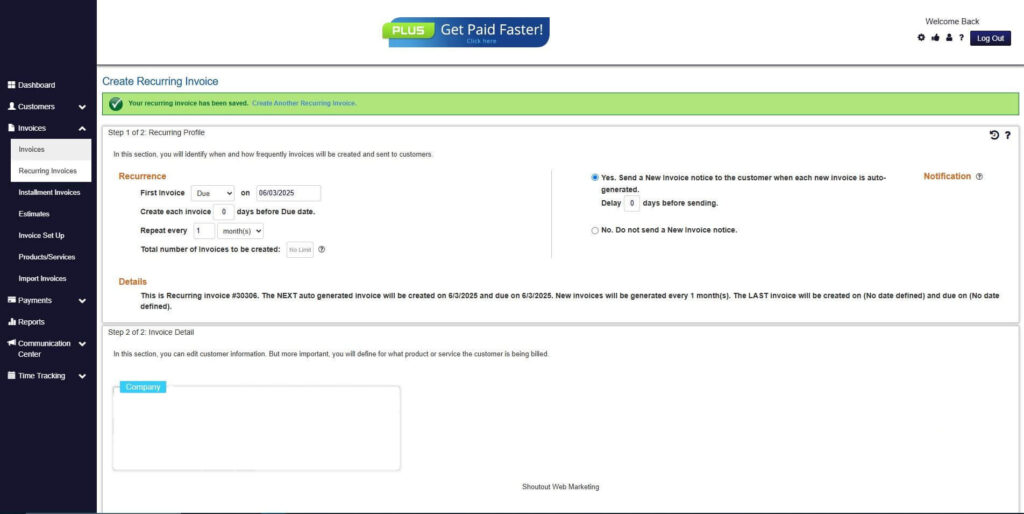
Step 9: Recurring Invoice Created
- Your Recurring Invoice has been created.
Frequently Asked Questions
1. How does automated invoicing reduce errors?
Automated systems pull order data directly from ERP or sales platforms, ensuring line items, quantities, and pricing are accurate without manual input.
2. Can automated invoicing handle recurring orders?
Yes. Scheduled recurring invoices ensure standing orders, subscriptions, and contract-based billing are processed consistently without missing a cycle.
3. Will automation speed up payment cycles?
Absolutely. Instant electronic delivery combined with automated reminders shortens the time between invoicing and payment collection.
4. Does automated invoicing improve cash flow visibility?
Real-time dashboards and receivable tracking allow finance teams to monitor outstanding invoices, forecast revenue, and plan operational budgets effectively.
5. Is automation scalable for growing businesses?
Yes. Automated invoicing systems handle increasing volumes of SKUs, transactions, and clients without requiring proportional increases in finance staff.
Conclusion
Automated invoicing for B2B retail is a strategic necessity in high-volume supply chain environments. It enhances billing accuracy, accelerates payments, and supports recurring order management. Efficient invoicing directly contributes to stronger cash flow and operational performance.
Automation also improves compliance, reporting, and scalability. As retail markets grow more competitive, businesses that streamline billing processes gain a measurable advantage.
Selecting scalable invoicing software ensures that retail operations remain efficient as they expand. Automated billing is not only a financial tool but a foundation for sustainable growth and stronger buyer relationships.