
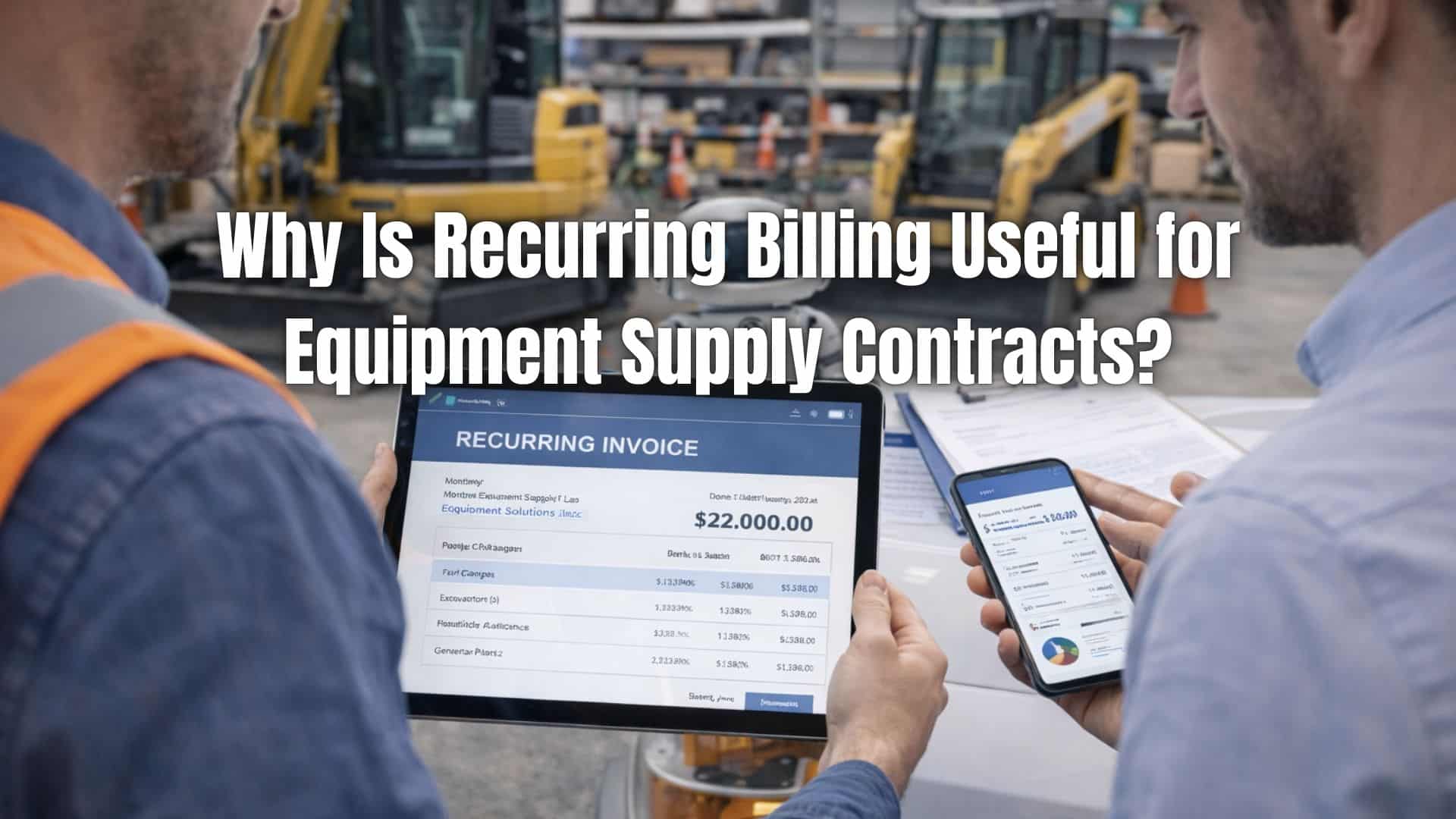
Long-term equipment supply agreements are now a standard operating model across many industries. Construction companies rely on heavy machinery rentals, hospitals depend on leased medical equipment, and manufacturers operate using contracted production systems. These agreements ensure operational continuity but introduce ongoing financial obligations that must be managed carefully.
As contracts grow in number and complexity, billing becomes more demanding. Suppliers must track rental timelines, service commitments, usage rates, replacement parts, and tax implications. When these variables are handled manually, billing inconsistencies quickly emerge and can impact profitability.
This is why equipment supply contract recurring billing plays a critical role in modern contract management. By automating invoice schedules and applying contract-based pricing rules, businesses reduce risk and stabilize revenue. Automation transforms billing from a reactive administrative task into a controlled financial system.
What Are Equipment Supply Contracts?
Equipment supply contracts are legally binding agreements outlining the terms under which equipment is rented, leased, or supplied over a defined period. These agreements typically specify payment frequency, maintenance responsibilities, service inclusions, and termination conditions. Clear billing alignment is essential to maintain contract compliance.
Industries such as construction, healthcare, logistics, and manufacturing frequently operate under these structured agreements. A construction firm may lease cranes for multi-year projects, while a hospital might secure diagnostic equipment under ongoing rental terms. Each contract includes financial components that must be invoiced consistently.
Contracts may be fixed-term, with defined start and end dates, or open-ended with rolling renewals. Both models require disciplined billing oversight. Equipment supply contract recurring billing ensures that financial transactions remain aligned with contract terms throughout the agreement lifecycle.
Common Billing Structures in Equipment Supply
Monthly Rental or Lease Fees
Clients pay a fixed monthly amount for the use of equipment. This structure is simple to manage but requires accurate recurring billing schedules to ensure invoices are sent on time. Automation eliminates the risk of missing billing cycles.
Usage-Based Charges
Some contracts charge based on actual equipment usage, such as hours operated, production output, or mileage. These variable costs must be accurately captured and invoiced. Integration with telematics or usage tracking ensures precise billing.
Maintenance and Service Add-Ons
Many contracts include preventive maintenance, emergency repairs, or support packages. Automated billing can combine these recurring service fees with equipment rental invoices, providing a clear and consolidated billing record for clients.
Consumables Replenishment Billing
Contracts may include consumable items like spare parts, lubricants, or medical disposables. Recurring billing ensures timely invoicing for replenishments and reduces manual follow-up for both suppliers and clients.
Hybrid Billing Models
Some agreements combine fixed rental fees with variable charges for usage, service, or consumables. Automation ensures each component is correctly calculated and presented in a single, consolidated invoice, preventing miscalculations.
Challenges of Manual Contract Billing
- Missed Recurring Charges: Without automated reminders or scheduled invoice generation, recurring rental, service, or maintenance fees can be skipped. This results in lost revenue and inconsistent cash flow.
- Inconsistent Invoice Timing: Manual processes often lead to irregular billing dates. Late or out-of-sequence invoices confuse clients and may delay payments, creating financial unpredictability.
- Manual Calculation Errors: Human error can occur when applying usage-based rates, tax rates, service add-ons, or contract-specific pricing rules. These errors can trigger disputes or require costly corrections.
- High Administrative Burden: Tracking multiple contracts across clients, equipment types, and service schedules consumes significant time and resources. Manual reconciliation of invoices, payments, and contract updates is labor-intensive.
- Difficulty Managing Contract Changes: Early terminations, upgrades, price escalations, and renewals require adjustments that are hard to track manually. Delays in updating invoices can lead to billing discrepancies.
- Limited Financial Visibility: Without centralized systems, tracking total receivables, outstanding invoices, or recurring revenue becomes challenging. This makes accurate cash flow forecasting nearly impossible.
What Is Recurring Billing?
Recurring billing is an automated invoicing model that generates scheduled invoices according to predefined contract terms. Once configured, invoices are issued automatically without manual intervention. This reduces reliance on human tracking.
Recurring billing models may be fixed, variable, or hybrid. Fixed models charge consistent fees, while variable models adjust based on usage or service changes. Hybrid models combine both approaches within a single agreement.
Equipment supply contract recurring billing aligns invoice issuance with contract milestones. This ensures financial consistency and strengthens operational reliability for both suppliers and clients.
How Recurring Billing Supports Contract Accuracy
Pre-configured billing schedules eliminate guesswork. Once the contract terms are entered, the system automatically follows the agreed billing timeline. This reduces administrative oversight requirements.
Automated invoice generation applies contract-specific pricing rules every cycle. Tax rates, escalation clauses, and service add-ons are calculated consistently. This maintains compliance with contractual agreements.
Contract term tracking also supports renewal management. Systems can flag upcoming expirations or trigger renewal invoices automatically. Equipment supply contract recurring billing ensures no contract milestone is overlooked.
Improving Cash Flow Predictability
Scheduled invoice issuance ensures that revenue is recognized on time. Suppliers no longer need to chase billing deadlines manually. Predictable billing improves financial planning.
Automated reminders reduce late payments and encourage prompt settlements. When combined with digital payment options, collections accelerate. This shortens accounts receivable cycles.
Stable revenue forecasting strengthens working capital management. Equipment supply contract recurring billing enables businesses to project monthly income accurately and make informed operational decisions.
Managing Long-Term Equipment Rentals
Multi-year rental agreements require disciplined billing oversight. Automated systems generate invoices consistently for the full duration of the lease. This removes the burden of long-term tracking.
Automatic renewals simplify ongoing partnerships. Escalation clauses, such as annual price increases, can be pre-programmed into billing schedules. This ensures adjustments are applied accurately at the correct intervals.
When clients request early termination or equipment upgrades, billing systems can adjust schedules accordingly. Equipment supply contract recurring billing supports flexibility without sacrificing financial control.
Supporting Maintenance and Service Agreements
Service agreements are often bundled into equipment contracts. Preventative maintenance visits may follow monthly, quarterly, or annual schedules. Automated billing aligns invoices directly with service delivery timelines.
Add-on services, such as emergency repair coverage or premium support, can also be integrated into recurring schedules. Warranty billing workflows may require conditional logic based on coverage terms. Automation reduces the risk of oversight.
By centralizing rental and service billing within a single system, equipment supply contract recurring billing improves transparency. Clients receive consolidated invoices that clearly outline all charges.
How to Reduce Errors and Disputes
Standardize Invoice Formats
Use consistent templates for all invoices to ensure line-item clarity. Standardization reduces client confusion and builds trust.
Provide Transparent Cost Breakdowns
Clearly separate rental fees, usage charges, service add-ons, and consumables. Transparency reduces client questions and prevents disputes.
Integrate Usage Tracking Systems
Automatically capture operational data like hours used, production output, or mileage. Accurate data directly reduces misbilling risk.
Centralize Billing Records
Maintain a single repository for all contracts, invoices, and payment histories. Centralization ensures easy access for audit, reporting, and client inquiries.
Set Approval Workflows for Adjustments
For discounts, contract amendments, or error corrections, implement an approval process. This prevents unauthorized changes and maintains billing integrity.
Automate Invoice Generation and Delivery
Use recurring billing systems to automatically create, validate, and send invoices according to contract terms. Automation removes manual errors and ensures clients receive timely invoices.
Monitor Dispute Trends
Track frequently disputed items to identify process weaknesses. Continuous monitoring allows businesses to adjust billing workflows proactively.
Scaling Equipment Supply Operations
As equipment suppliers expand, contract volume increases. Managing dozens or hundreds of active agreements manually becomes inefficient. Automation enables scalable growth.
Recurring billing across multiple locations ensures consistency. Whether serving regional branches or national clients, billing processes remain standardized. This simplifies oversight for finance teams.
By reducing administrative dependency, businesses can scale without increasing headcount proportionally. Equipment supply contract recurring billing supports operational expansion while controlling overhead costs.
Integrating Recurring Billing with Payment Systems
Automated payment options such as scheduled debit improve collection reliability. Clients can authorize recurring payments aligned with contract billing cycles. This reduces late payment risk.
Digital invoice delivery accelerates communication. Automated reminders notify clients before and after due dates. This enhances payment consistency.
Integration with accounting platforms ensures real-time reconciliation. Equipment supply contract recurring billing keeps invoices and payment records synchronized, improving financial accuracy.
How ReliaBills Supports Equipment Supply Contracts
ReliaBills provides flexible billing tools built for contract-driven businesses. Suppliers can automate digital invoice generation while centralizing contract billing data for improved visibility. This reduces manual errors and strengthens financial oversight.
Recurring billing is at the core of equipment rental and service agreements. ReliaBills enables automated invoice scheduling aligned with contract terms, ensuring predictable monthly billing for multi-year agreements. Businesses gain consistent recurring revenue without administrative strain.
ReliaBills also offers branded digital invoice communication and real-time reporting dashboards. Suppliers can track recurring revenue performance, monitor receivables, and reduce billing disputes. The platform is designed to simplify equipment supply contract recurring billing while supporting long-term growth.
How to Create a New Recurring Invoice Using ReliaBills
Creating a New Recurring Invoice using ReliaBills involves the following steps:
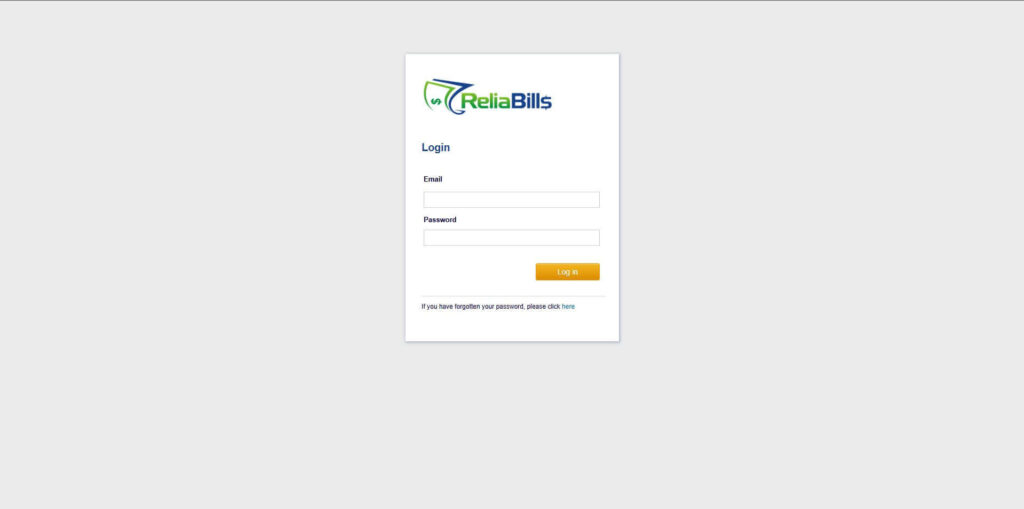
Step 1: Login to ReliaBills
- Access your ReliaBills Account using your login credentials. If you don’t have an account, sign up here.
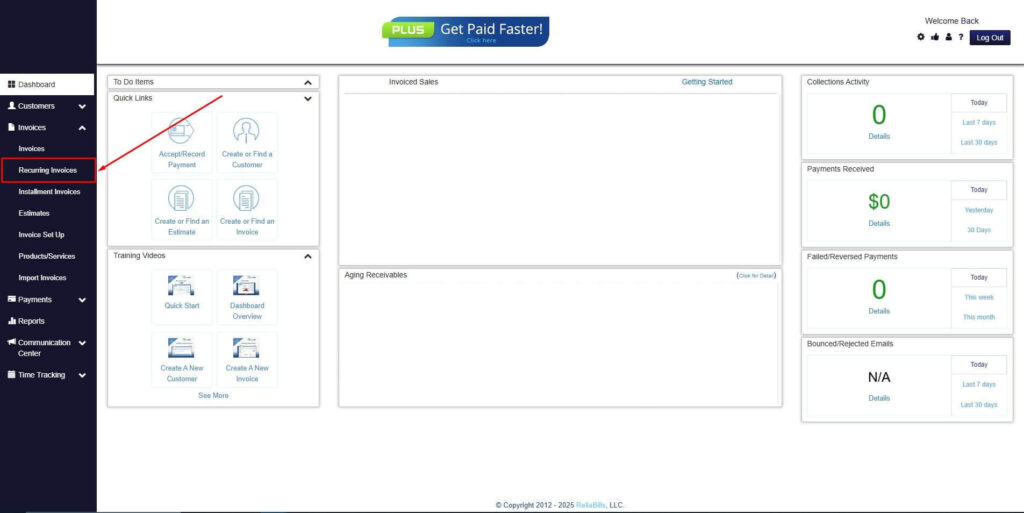
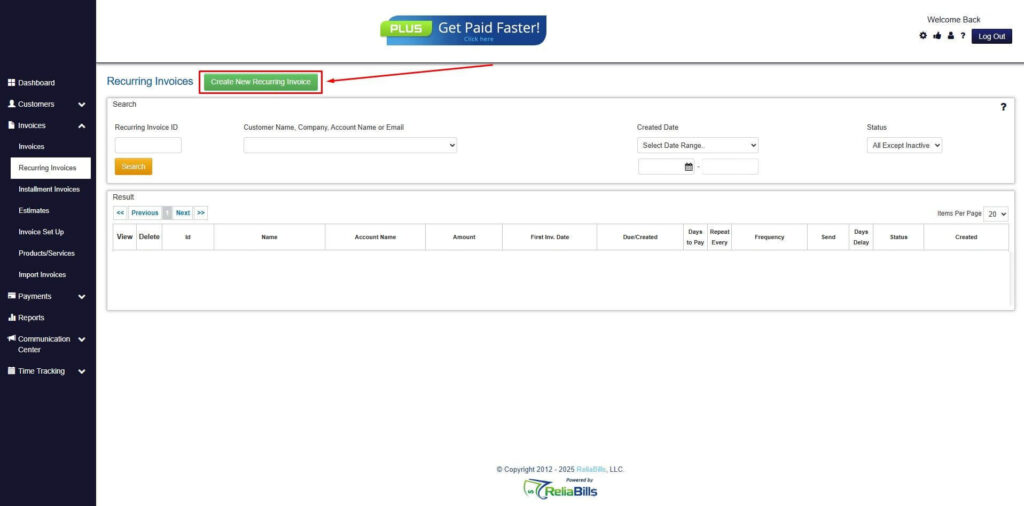
Step 2: Click on Recurring Invoices
- Navigate to the Invoices Dropdown and click on Recurring Invoices for an overview of the list of your existing customers.
Step 3: Go to the Customers Tab
- If you have already created a customer, search for them in the Customers tab and make sure their status is “Active”.
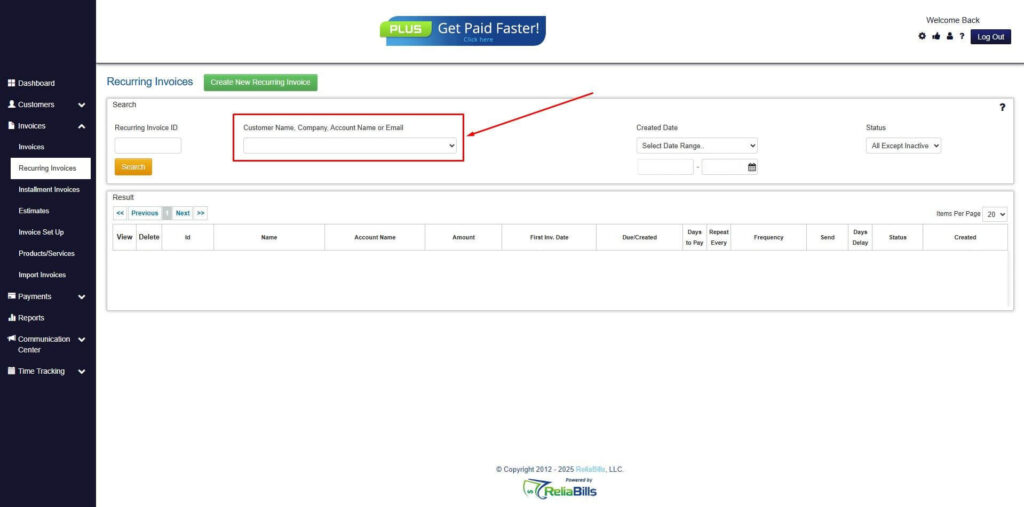
Step 4: Click the Create New Recurring Invoice
- If you haven’t created any customers yet, click the Create New Recurring Invoice to create a new customer.
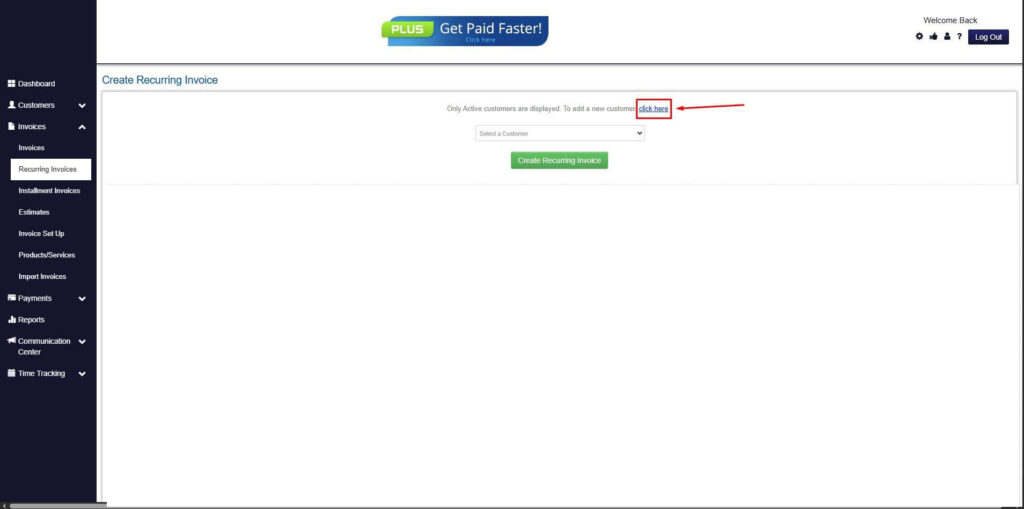
Step 5: Click on the “Click here” Button
- Click on the “Click here” button to proceed with the recurring invoice creation.
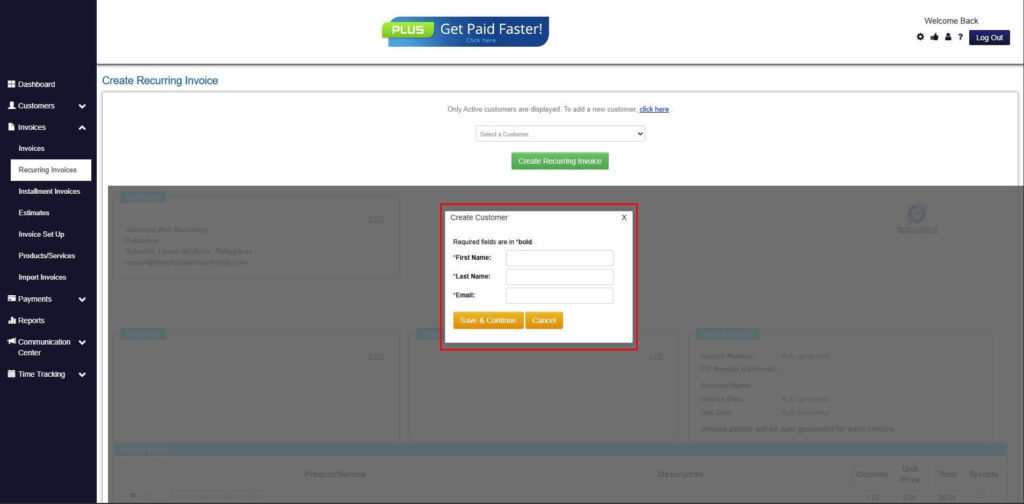
Step 6: Create Customer
- Provide your First Name, Last Name, and Email to proceed.
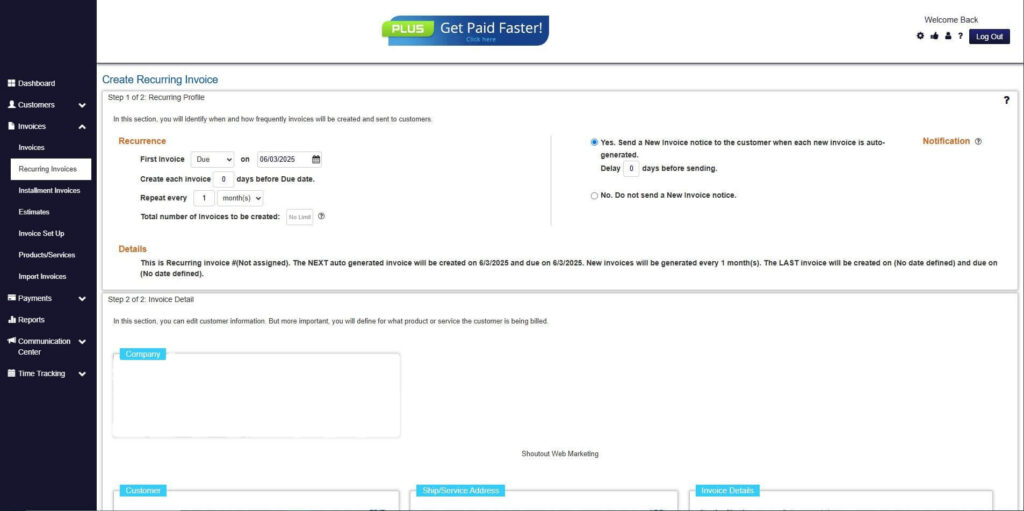
Step 7: Fill in the Create Recurring Invoice Form
- Fill in all the necessary fields.
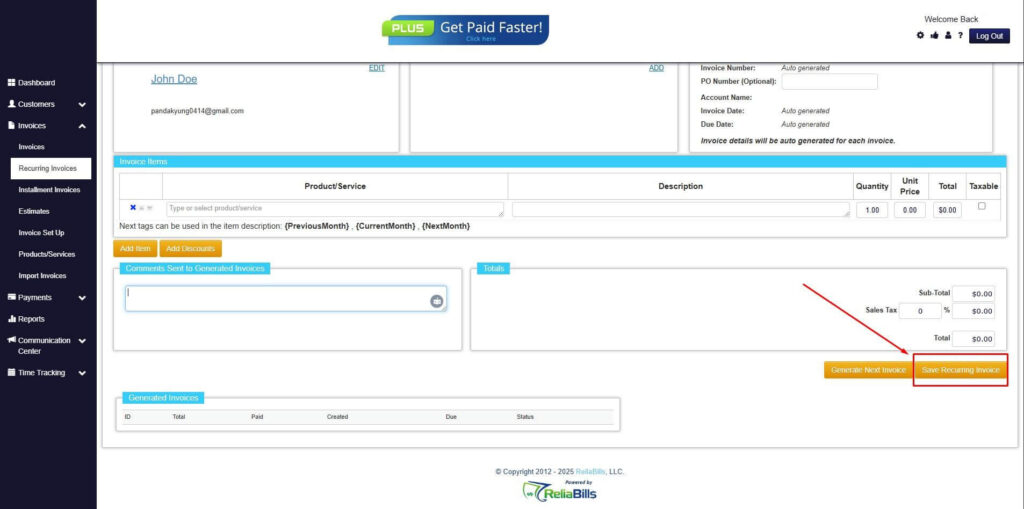
Step 8: Save Recurring Invoice
- After filling up the form, click “Save Recurring Invoice” to continue.
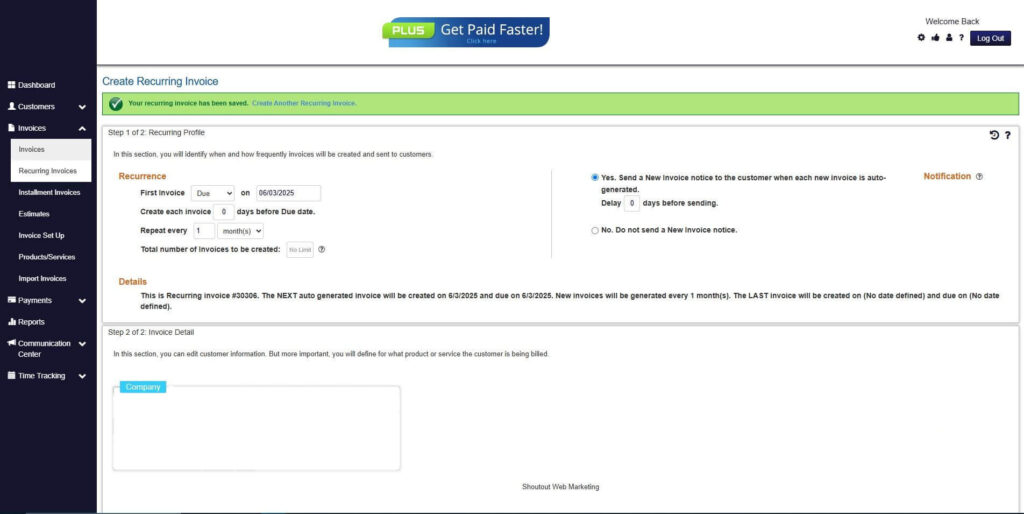
Step 9: Recurring Invoice Created
- Your Recurring Invoice has been created.
Frequently Asked Questions
1. What is an equipment supply contract recurring billing?
It is an automated invoicing system that generates scheduled bills for equipment rentals, leases, and service agreements according to contract terms.
2. How does recurring billing reduce contract errors?
Automation applies predefined pricing rules, tax rates, and billing schedules consistently, minimizing manual miscalculations.
3. Can recurring billing handle price escalations and renewals?
Yes. Modern systems can program escalation clauses, renewal triggers, and contract extensions automatically.
4. Does recurring billing improve cash flow?
Yes. Scheduled invoicing, automated reminders, and integrated payment processing accelerate collections and stabilize revenue.
5. Is recurring billing scalable for growing equipment suppliers?
Absolutely. Automation allows suppliers to manage increasing contract volume without proportionally increasing administrative workload.
Conclusion
Recurring billing has become essential for managing equipment supply agreements effectively. Manual billing processes introduce risk, inefficiency, and revenue instability. Automation delivers consistency and control.
By implementing equipment supply contract recurring billing, suppliers improve accuracy, strengthen cash flow predictability, and reduce administrative overhead. Structured billing systems align financial transactions directly with contract terms.
For contract-based businesses seeking sustainable growth, scalable billing software is a strategic investment. Recurring billing is not simply a convenience. It is a foundation for long-term financial stability.